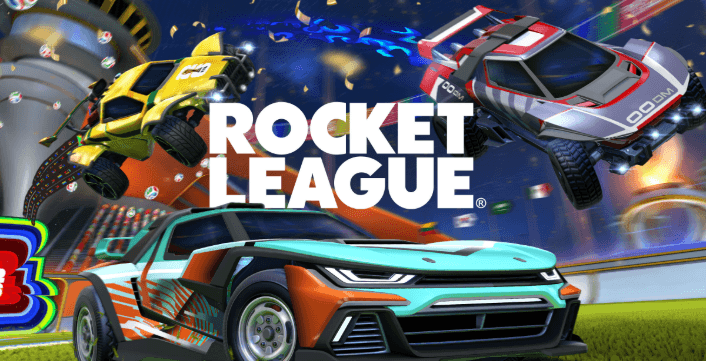
Rocket League puts rocket-powered cars in a soccer arena and generates a skill ceiling that scales from ten minutes to ten thousand hours of play. The physics system rewards mastery with aerial techniques. GPA scores it high on Action and Co-op — the combination that defines competitive team-based sports games at the mechanical end of the spectrum.
Game Characteristics
Co-op
90%
Action
85%
Graphics
80%
High Difficulty
70%
Strategy
60%
Player profile fit
Recommended for: Beginner to Advanced players (A score of 50 or higher indicates a good fit.)
Midnight Ghost Hunt assigns ghost possession of furniture to one team and ghost-hunting equipment to the other, building weapon combat into the object transformation format. GPA scores it high on Co-op and Action.
Orcs Must Die! 3 scales its trap placement and combat hybrid to War Scenarios with hundreds of enemies on screen simultaneously. The co-op mode supports two players. GPA scores it high on Strategy and Co-op — an action-tower defense built around cooperative trap engineering.
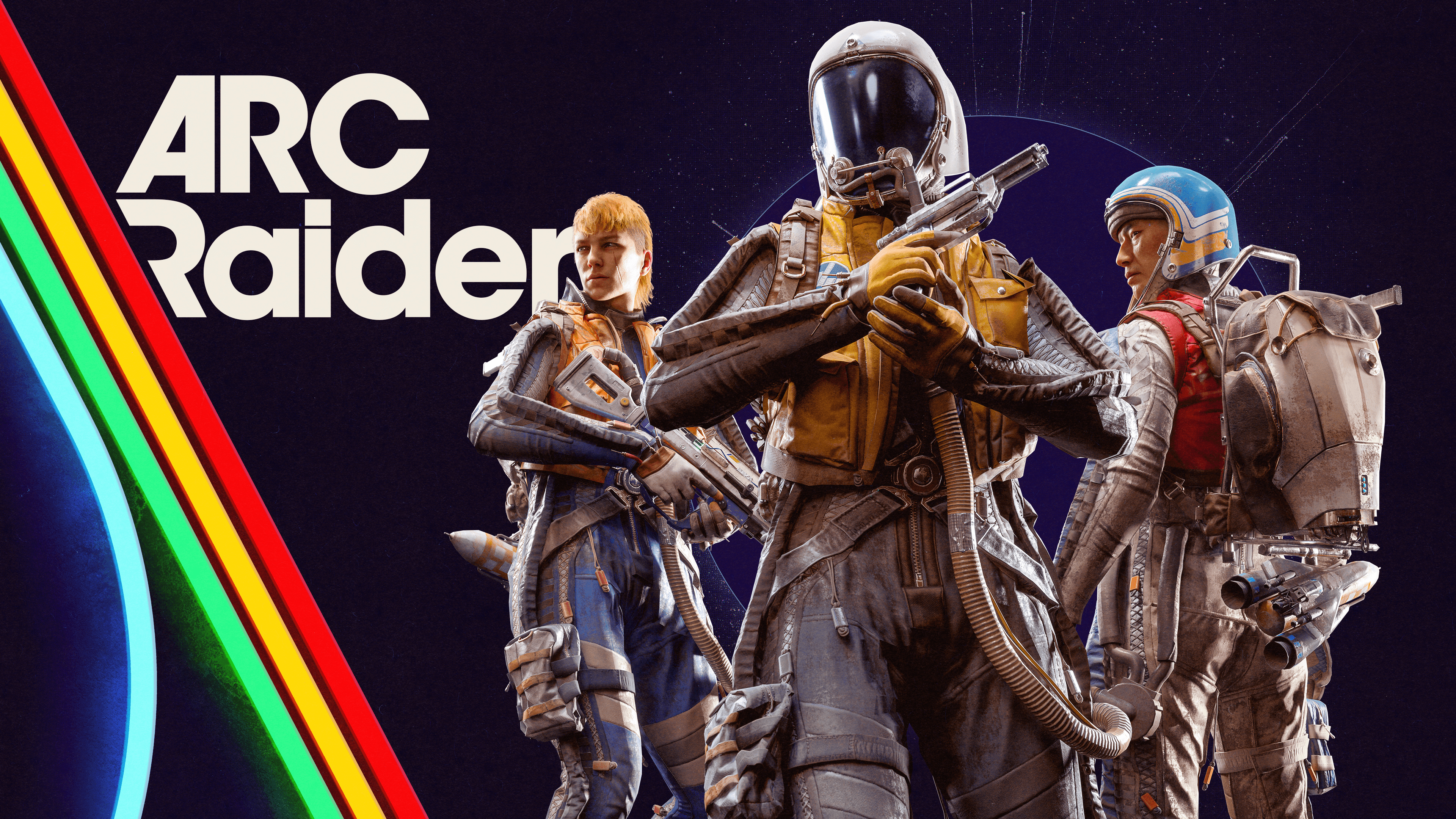
ARC Raiders is a free-to-play, third-person extraction shooter developed by Embark Studios. Set in a desolate, post-apocalyptic future, players step into the shoes of Raiders—resilient fighters who must band together to scavenge for vital resources while resisting the relentless onslaught of ARC, a ruthless mechanized alien threat descending from orbit. The game fuses intense squad-based tactical combat with high-stakes extraction mechanics, where survival depends on outsmarting both environmental hazards and rival crews.
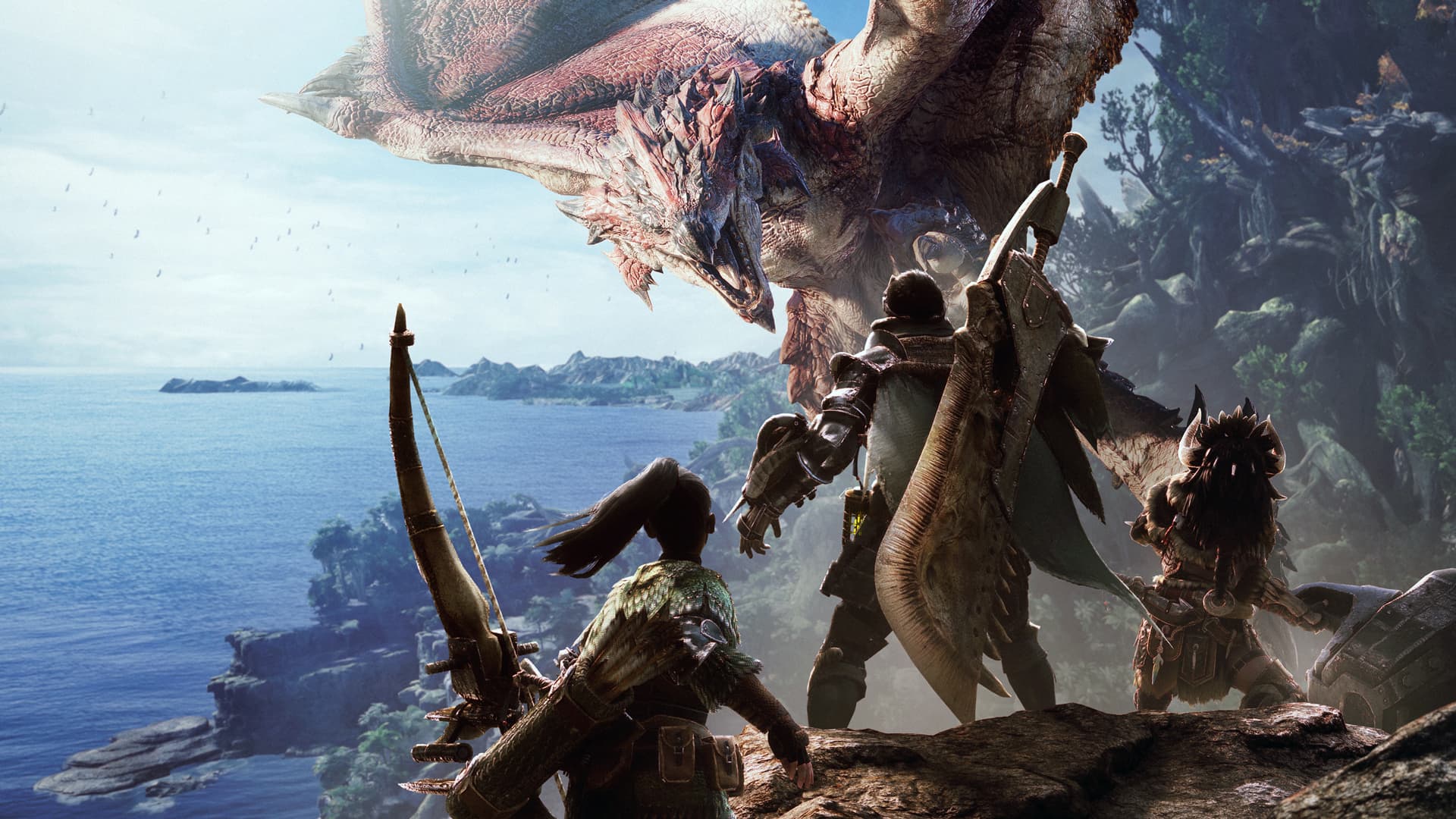
Monster Hunter: World brought the series out of handheld isolation and into a seamlessly connected open environment. Tracking monsters through the environment before engaging is the intended loop. GPA scores it high on Co-op and Action, with Craft and Collection axes adding the gear progression layer that drives long-term play.
Boomerang Fu fights food-themed characters across 30+ arenas with a single boomerang that returns to its owner — catching it mid-flight is the key skill. 14 power-up combinations change each round. Cranky Watermelon. Switch, PS4/5, Xbox, PC. Won Best Gameplay at the 2020 Australian Game Developer Awards. GPA scores it high on Co-op and Action — the party game with the highest skill ceiling per round length ratio.
THE FINALS runs team combat through a fully destructible game show environment where collapsing buildings, explosive barrels, and environmental weapons are as important as gunplay. Embark Studios, former Battlefield developers. Free to play. PS5, Xbox Series X|S, PC. GPA scores it high on Action and Co-op — the team shooter that made environmental destruction a primary tactical resource rather than a visual flourish.
Helldivers 2 sends four Helldivers to hostile planets under the banner of Super Earth's democracy, calling in weapons and reinforcements through timed button sequences called Stratagems. The galactic war meta-game updates in real time across all players. Arrowhead Game Studios, PlayStation Studios. PS5, PC. GPA scores it at the top for Co-op — the squad shooter that made cooperative chaos the design goal rather than a side effect.
Monster Hunter Rise: Sunbreak adds a second continent, a new rank tier, and the Silkbind and Switch Skill systems that deepen the 14-weapon framework. GPA scores it close to World on Co-op and Action, with Craft above average for the expanded gear system.
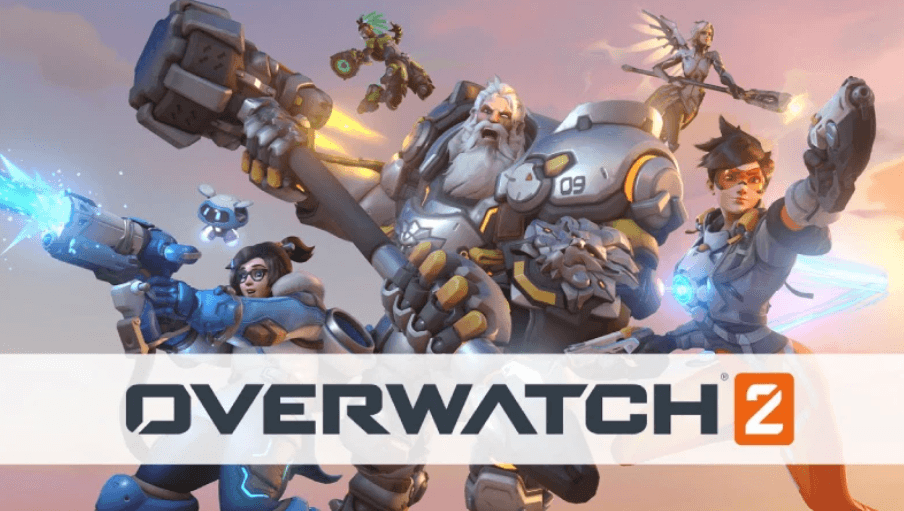
Overwatch restructured the team shooter around role composition, with tank, damage, and support heroes whose abilities are designed to function in combination. The current 5v5 format removed the second tank. GPA scores it high on Co-op and Action — the combination that describes a game where team coordination is the primary skill expression.
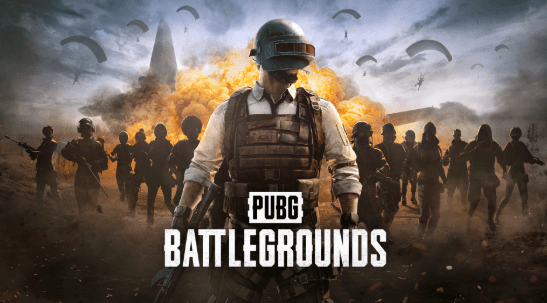
PUBG: Battlegrounds established the battle royale genre's defining loop — 100 players, one map, one survivor — before Fortnite or Apex. The gunplay runs on realistic ballistics and minimal aim assist. GPA scores it high on Action and Strategy — the combination that describes a shooter where circle positioning and loadout decisions matter as much as aim.
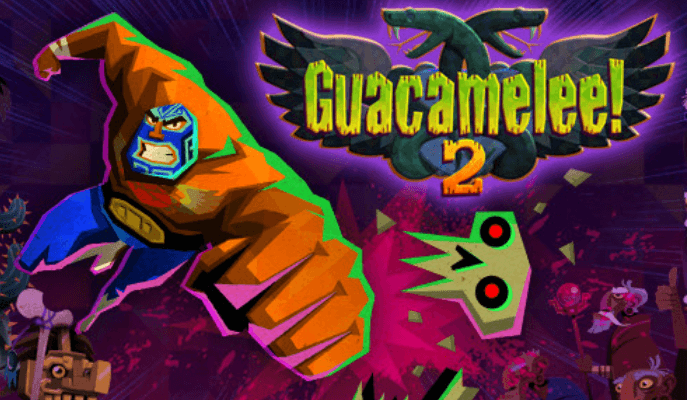
Guacamelee! 2 returns lucha libre wrestler Juan Aguacate to a Mexican folklore world split between the living and the dead, adding four-player co-op to the beat-'em-up Metroidvania structure. DrinkBox Studios' sequel. Switch, PS4, PC. GPA scores it high on Action and Co-op — the rare Metroidvania designed from the start for multiplayer.
Monster Hunter Wilds expands the series into fully seamless open environments where biome conditions change the available monsters and hunting strategies in real time. GPA scores it high on Action and Co-op — the flagship entry in the series' most ambitious structural iteration.
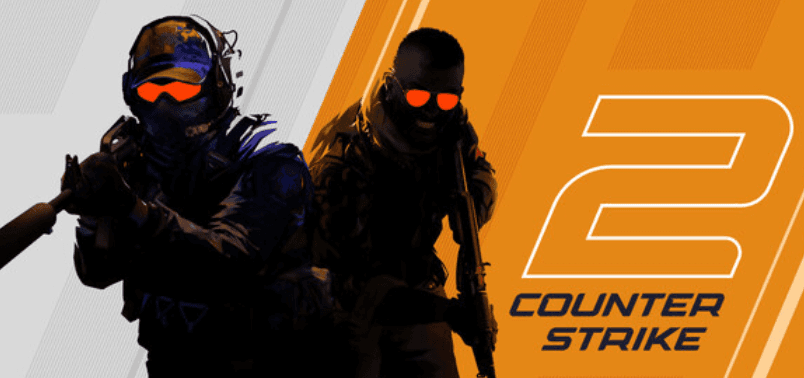
Counter-Strike 2 migrates CS:GO to Source 2, adding volumetric smoke grenades that interact with bullets and a sub-tick server architecture that reduces registration variance. Free to play. Valve. PC only. GPA scores it at the top for Action and Strategy — the competitive FPS that has defined the genre's skill ceiling for over two decades.
Rainbow Six Siege builds its 5v5 tactical structure around soft and hard destructible surfaces — walls become entry points, floors become sightlines. Over 100 Operators each carry a unique gadget that changes how a site is defended or attacked. Ubisoft Montreal. PS4/5, Xbox One/Series, PC. GPA scores it at the top for Strategy among shooters — the FPS where pre-round planning determines outcome more than aim.
Marvel Rivals puts Marvel characters into a 6v6 hero shooter format, with team-up abilities that activate between specific character combinations. The free-to-play model launched with a complete roster. GPA scores it high on Co-op and Action — the combination that describes the hero shooter genre's core proposition.
Guilty Gear Strive rebuilt the series around wider accessibility without removing the depth that defined it. The rock soundtrack and anime-quality animation remain the most immediate presentation in the genre. GPA scores it high on Action and Graphics — the combination that describes the fighting game most defined by its audiovisual identity alongside its mechanics.
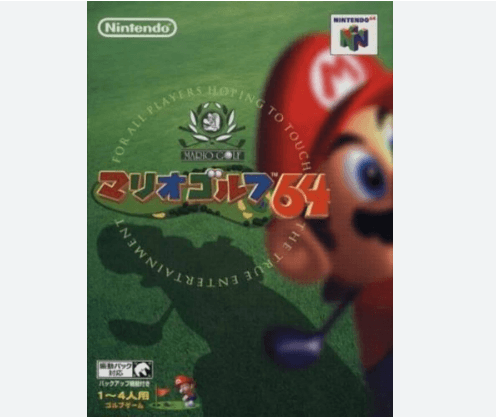
Mario Golf 64 uses a three-click swing mechanic with character-specific shot shapes that require course management adjustments per player. A Game Boy transfer pak feature let players import GB version characters. Available through Nintendo Classics. GPA scores it high on Strategy — the golf game where character selection is a tactical decision.
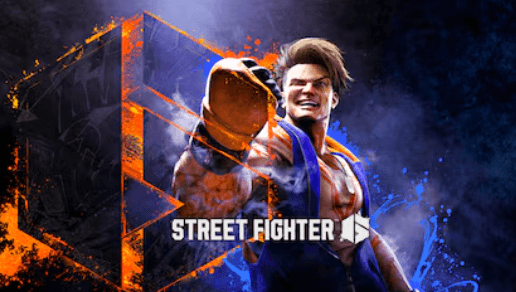
Street Fighter 6 introduced the Drive System and the Modern control option simultaneously, expanding the competitive ceiling while lowering the entry point. The World Tour mode contextualizes the roster. GPA scores it high on Action and Strategy — the combination that describes a fighting game where both mechanical execution and read-based decision-making are rewarded.
Gran Turismo 7 presents motorsport culture alongside racing mechanics, with a Car Museum and Café system that contextualizes vehicle history. The physics simulation is the benchmark for console racing. GPA scores it high on Action and Graphics, with a positioning that describes a racing title built around automotive knowledge as much as lap times.
Rocket League(ロケットリーグ) leads with its Sports Action identity, anchored by the core feel of "Rocket League puts rocket-powered cars in a soccer arena and generates a skill ceiling that scales from ten minutes to…." The headline profile reads Co-op 90% / Action 85% / Graphics 80%, making it a strong pick for fans of Co-op and Action. Oriented toward experienced players looking to push their limits.
▸Characteristics & Analysis
Our editorial team scored "Rocket League(ロケットリーグ)" by using its feel of 車×サッカー, esports, and free to play as the primary lens, weighting Co-op and Action most heavily. Top similar titles include "Midnight Ghost Hunt(ミッドナイト・ゴーストハント)", "オークス・マスト・ダイ!3(Orcs Must Die! 3)", "アークレイダーズ(ARC Raiders)".
Rocket League — Easy to Learn, Extremely Hard to Master
Game Overview
Rocket League is a sports-action game built around one wonderfully strange idea: playing soccer with rocket-powered cars. The rules are almost immediately understandable. Drive, jump, boost, hit the ball, and try to put it in the opposing goal.
The game supports 1v1, 2v2, and 3v3 online matches, along with modes such as Rumble, Snow Day, and Hoops. It is free to play and also features ranked competition and tournaments. (Epic Games Store) What makes Rocket League special is how much depth emerges from those simple rules.
1. A Simple Concept That Anyone Can Understand
The biggest strength of Rocket League is that you barely need an explanation before playing. Get the ball into the opponent's goal. That's it. But once the match begins, things become much more complicated. The direction and speed of the ball depend on the angle of impact, the speed of the car, the position of the vehicle, and the timing of every hit.
The basic objective is easy for anyone to understand. Consistently controlling the ball is another matter entirely. That gap between simple rules and difficult execution is at the heart of Rocket League.
2. An 85% Action Score Built Around Vehicle Control
The 85% Action score is not simply about how fast the cars move. Players constantly combine jumping, boosting, aerial movement, drifting, and precise positioning to control both their vehicle and the ball.
As players improve, simply driving into the ball is no longer enough. Advanced techniques allow players to take the ball into the air, control its trajectory, and make precise touches that would be impossible for a beginner. The game therefore turns mechanical skill directly into new possibilities. What starts as "hit the ball" gradually becomes "hit it from this angle, at this speed, toward this part of the field."
3. Why the 90% Co-op Score Matters
The 90% Co-op score reflects how important teamwork becomes in team-based matches. In 2v2 and 3v3, everyone chasing the ball at once is usually a recipe for disaster. One player may push forward while another stays behind to cover the goal. Someone else might position themselves to receive a pass or collect a loose ball. Players also need to rotate back into defense after an attack.
This means that even when you are not touching the ball, your position still matters. One of the biggest transitions for new players is learning to ask: "Should I go for the ball, or should I leave it to my teammate?" Once players start thinking about that question, Rocket League becomes a very different game.
4. The 60% Strategy Score: Playing the Space, Not Just the Ball
The 60% Strategy score reflects another layer of the game: positioning. The ball is obviously important, but players also need to consider who is going to touch it next, where it is likely to go, where their teammates are positioned, and how the opponents are covering the field.
Sometimes the best play is not to challenge the ball at all. Waiting in the right position for a pass, covering a teammate, or anticipating where a rebound will land can create a much better opportunity than simply chasing the ball. Mechanical skill is important, but reading the next few seconds of a match can be just as valuable.
5. A 70% Difficulty Score With a Huge Skill Ceiling
The GPA scores place Rocket League at 50% for beginners, 65% for intermediate players, and 80% for advanced players. That difference tells you almost everything about its learning curve. A new player can have fun within minutes. You can drive around, hit the ball, score a goal, and immediately understand what you are supposed to do.
Trying to consistently win ranked matches is a completely different experience. Players eventually have to learn precise ball control, boost management, positioning, aerial mechanics, rotations, and team coordination. And because opponents are improving too, mastering one technique is never the end of the learning process. The better you become, the more you begin to recognize what the opponent is about to do—and how to move before they do it.
6. An 80% Graphics Score Focused on Clarity and Style
The 80% Graphics score is not about making Rocket League look like a realistic soccer simulation. Instead, the game combines flashy cars, colorful arenas, dramatic goal explosions, and extensive vehicle customization with a visual presentation that keeps the action readable.
That readability is especially important in a competitive game. Players need to track the ball, their own car, teammates, and opponents almost instantly. The presentation can be flashy without making the actual match difficult to read.
What the GPA Scores Tell Us
GPA score profile (Rocket League)
Co-op ◀
90%
Action ◀
85%
Graphics
80%
High Difficulty ◀
70%
Strategy
60%
Co-op 90%, Action 85%, Difficulty 70% — simple rules with a deep skill ceiling.
The easiest way to describe Rocket League is this: It is a sports game with incredibly simple rules and an almost bottomless skill ceiling. Its 90% Co-op, 85% Action, and 70% Difficulty scores reflect that combination.
Unlike an RPG, you do not become stronger because your character has better equipment or higher stats. The main progression happens in your own hands. At first, you are simply trying to make contact with the ball. Eventually, you learn to shoot accurately, pass to teammates, control the ball in the air, manage your boost, and anticipate what other players are about to do.
Since its move to free-to-play in 2020, Rocket League has also maintained a strong competitive structure with ranked playlists, Rocket Pass, tournaments, and cross-platform progression. (Rocket League) The genius of Rocket League is that "soccer with rocket-powered cars" could have been nothing more than a funny gimmick. Instead, it became a competitive game where your own skill directly determines what you can do on the field. That is why a game with such a simple premise can keep giving experienced players something new to master.