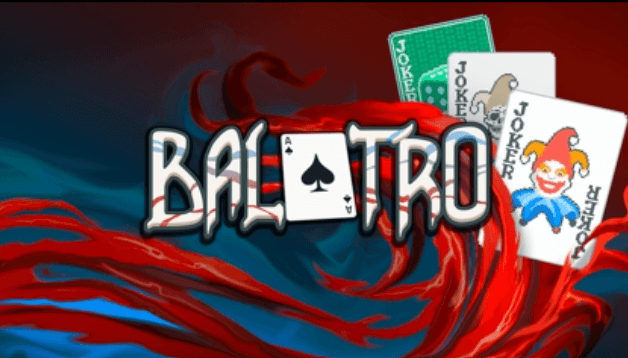
Balatro builds a poker-based roguelite around Joker combinations that generate exponentially scaling score multipliers. The 'Overlooked Ranking' scoring rewards bold positioning over passive survival. GPA scores it at the top for Puzzle and Roguelike — the combination that explains why it crossed from card game enthusiasts to players who had never touched a deck-builder.
Game Characteristics
Logic
80%
Turn-Based
70%
Character Building
65%
Roguelike
60%
Strategy
60%
High Difficulty
50%
Player profile fit
Recommended for: Beginner to Advanced players (A score of 50 or higher indicates a good fit.)
Into the Breach sends small squads of mechs against Vek insects across grid-based maps where every enemy attack is telegraphed in advance. The puzzle is finding the move that neutralizes the most threats simultaneously. GPA scores it maximum on Strategy and Puzzle — the highest combined score for those two axes in the database.
Tag Similarity
Logic
85%
Turn-Based
80%
Character Building
0%
Roguelike
70%
Strategy
95%
High Difficulty
75%
Chart tags: Logic / Turn-Based / Character Building / Roguelike / Strategy / High Difficulty
Yu-Gi-Oh! Master Duel digitizes the OCG ruleset with over 10,000 cards and a ranked ladder. The tutorial covers fundamental mechanics for new players. GPA scores it at the top for Strategy and Turn-Based among card games — the combination that describes a game where the decision space per turn is among the highest in its category.
Tag Similarity
Logic
50%
Turn-Based
95%
Character Building
70%
Roguelike
30%
Strategy
85%
High Difficulty
70%
Chart tags: Logic / Turn-Based / Character Building / Roguelike / Strategy / High Difficulty
Elemental Dungeon combines tower defense placement with elemental attribute matching, using interactions between element types as the core puzzle layer. GPA scores it high on Strategy and Puzzle — a tower defense where spatial arrangement creates elemental chain reactions.
Tag Similarity
Logic
80%
Turn-Based
0%
Character Building
70%
Roguelike
0%
Strategy
80%
High Difficulty
60%
Chart tags: Logic / Turn-Based / Character Building / Roguelike / Strategy / High Difficulty
Slay the Spire defined the roguelike deckbuilder by making card synergies the primary puzzle. Four characters each work with a distinct card pool and mechanic. GPA scores it at the top for Strategy and Turn-Based among roguelikes — a combination that separates it from action-forward entries in the genre.
Tag Similarity
Logic
60%
Turn-Based
0%
Character Building
0%
Roguelike
90%
Strategy
95%
High Difficulty
80%
Chart tags: Logic / Turn-Based / Character Building / Roguelike / Strategy / High Difficulty
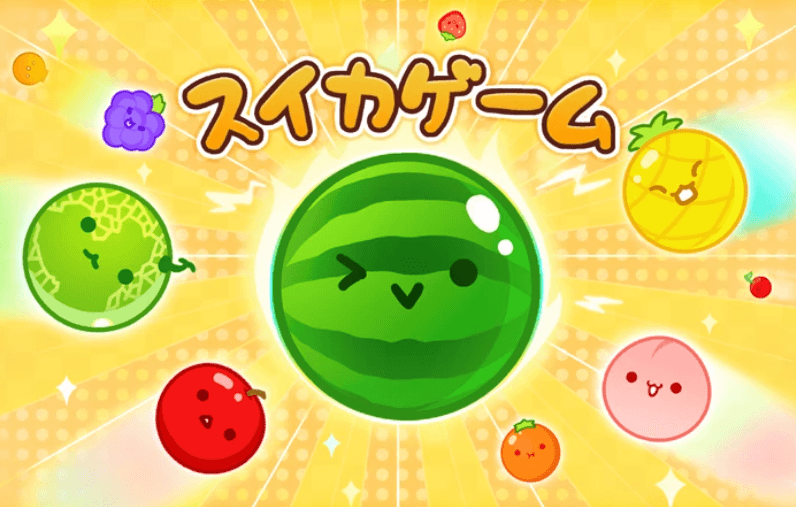
Suika Game is a simple physics-based puzzle game where players drop fruit into a container and merge matching pieces into larger ones, eventually aiming to create a watermelon. The rules are easy to understand, but the physics make each drop affect the rest of the board. As the container fills up, placement and planning become increasingly important, especially when chasing a high score.
Tag Similarity
Logic
70%
Turn-Based
50%
Character Building
0%
Roguelike
0%
Strategy
20%
High Difficulty
30%
Chart tags: Logic / Turn-Based / Character Building / Roguelike / Strategy / High Difficulty
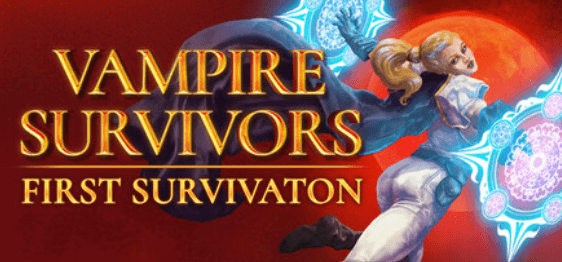
Vampire Survivors runs on movement as the only player input, with weapons auto-firing as builds accumulate. GPA scores it at the top for Roguelike and high on Action, with a Beginner score above 80.
Tag Similarity
Logic
0%
Turn-Based
0%
Character Building
70%
Roguelike
80%
Strategy
55%
High Difficulty
40%
Chart tags: Logic / Turn-Based / Character Building / Roguelike / Strategy / High Difficulty
Rogue Tower expands enemy paths rather than defending fixed ones, building the route as the game progresses. Card draws determine which towers are available each wave. GPA scores it high on Strategy and Roguelike — the tower defense subgenre's most original structural variation.
Tag Similarity
Logic
80%
Turn-Based
0%
Character Building
0%
Roguelike
85%
Strategy
90%
High Difficulty
70%
Chart tags: Logic / Turn-Based / Character Building / Roguelike / Strategy / High Difficulty
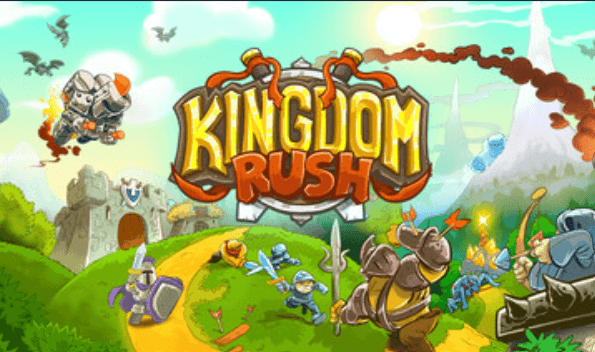
Kingdom Rush places towers along a fixed enemy path and scales its difficulty through tower upgrade combinations and hero ability timing. The balance between defensive placement and active intervention sets the genre benchmark. GPA scores it high on Strategy and Puzzle — the tower defense that defined the genre's upper limit for mobile.
Tag Similarity
Logic
75%
Turn-Based
0%
Character Building
30%
Roguelike
0%
Strategy
90%
High Difficulty
30%
Chart tags: Logic / Turn-Based / Character Building / Roguelike / Strategy / High Difficulty
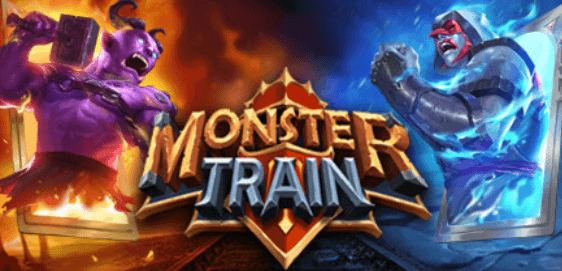
Monster Train loads a hell-bound train with monsters, then runs enemy waves up three floors toward the Pyre at the top. Deck-building decisions are inseparable from unit placement decisions across each run. The faction combinations produce more build variety than the roster count suggests. GPA scores it high on Roguelike and Strategy — the deckbuilder most often recommended to players who have finished Slay the Spire.
Tag Similarity
Logic
0%
Turn-Based
75%
Character Building
0%
Roguelike
88%
Strategy
88%
High Difficulty
75%
Chart tags: Logic / Turn-Based / Character Building / Roguelike / Strategy / High Difficulty
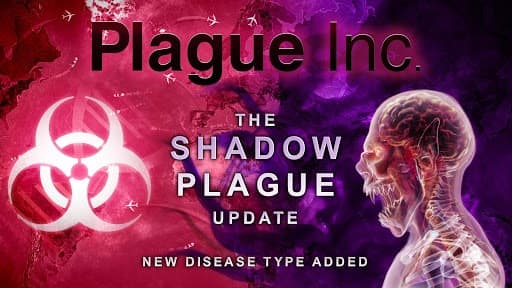
Plague Inc. gives players a pathogen to evolve and a world population to infect. The transmission, symptom, and ability tree decisions run against a Cure research counter that responds to the pathogen's visibility. GPA scores it at the top for Strategy — the highest in the simulation category — reflecting a game where every evolutionary choice creates downstream consequences.
Tag Similarity
Logic
80%
Turn-Based
60%
Character Building
20%
Roguelike
40%
Strategy
90%
High Difficulty
40%
Chart tags: Logic / Turn-Based / Character Building / Roguelike / Strategy / High Difficulty
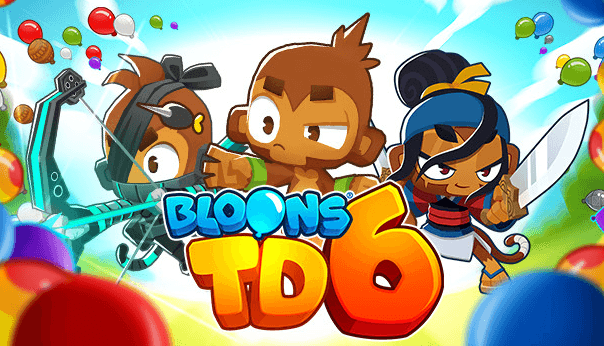
Bloons TD 6 runs its tower defense loop through a monkey-versus-balloon framework with enough hero and upgrade combinations to generate genuine strategic variation. Seasonal updates have added content continuously since 2018. GPA scores it high on Strategy and Puzzle — the combination that places it at the top of the tower defense genre.
Tag Similarity
Logic
80%
Turn-Based
0%
Character Building
85%
Roguelike
0%
Strategy
90%
High Difficulty
75%
Chart tags: Logic / Turn-Based / Character Building / Roguelike / Strategy / High Difficulty
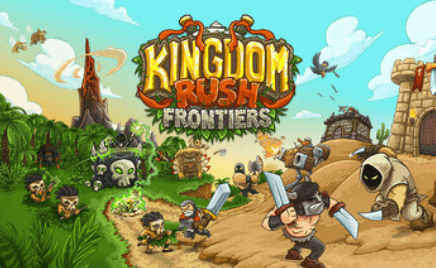
Kingdom Rush Frontiers moves the series to desert, jungle, and seafloor environments, adding new tower trees and hero units that change tactical options significantly from the first game. GPA scores it high on Strategy and Puzzle — the sequel that matched the original's design quality without reducing the challenge.
Tag Similarity
Logic
75%
Turn-Based
0%
Character Building
30%
Roguelike
0%
Strategy
90%
High Difficulty
30%
Chart tags: Logic / Turn-Based / Character Building / Roguelike / Strategy / High Difficulty
Kingdom Rush Origins runs as a prequel with an elven army, adding new unit types that change the defensive composition options. The tower tree is redesigned from the ground up rather than extended from earlier entries. GPA scores it high on Strategy and Puzzle — the third entry in the series that maintained the design consistency across all three campaigns.
Tag Similarity
Logic
75%
Turn-Based
0%
Character Building
30%
Roguelike
0%
Strategy
90%
High Difficulty
30%
Chart tags: Logic / Turn-Based / Character Building / Roguelike / Strategy / High Difficulty
Pokémon Stadium 2 is playable through Nintendo Switch Online's Nintendo Classics catalog. The N64 title brings Gold and Silver's 251 Pokémon into 3D arenas and adds a minigame collection. GPA scores it high on Turn-Based and Co-op — the combination that reflects a competitive and party experience built around the Gold and Silver roster.
Tag Similarity
Logic
0%
Turn-Based
85%
Character Building
80%
Roguelike
0%
Strategy
75%
High Difficulty
55%
Chart tags: Logic / Turn-Based / Character Building / Roguelike / Strategy / High Difficulty
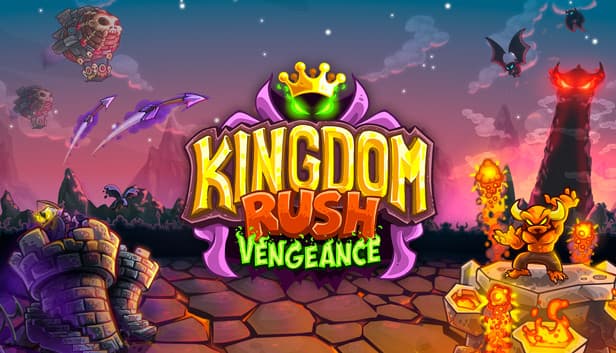
Kingdom Rush Vengeance inverts the series' premise by casting the player as the villain, defending against the hero units that populated earlier games. The tower types and hero roster match the villain faction's mechanics. GPA scores it high on Strategy and Puzzle — the role reversal that recontextualizes earlier entries as additional information.
Tag Similarity
Logic
75%
Turn-Based
0%
Character Building
30%
Roguelike
0%
Strategy
90%
High Difficulty
30%
Chart tags: Logic / Turn-Based / Character Building / Roguelike / Strategy / High Difficulty
XCOM 2 runs a resistance organization against an alien-occupied Earth through turn-based squad tactics with permadeath. Losing a named soldier who survived a dozen missions carries permanent weight. GPA scores it at the top for Strategy and Difficulty — the combination that defines the series' identity and separates it from tactical games without stakes.
Tag Similarity
Logic
0%
Turn-Based
95%
Character Building
60%
Roguelike
60%
Strategy
95%
High Difficulty
85%
Chart tags: Logic / Turn-Based / Character Building / Roguelike / Strategy / High Difficulty
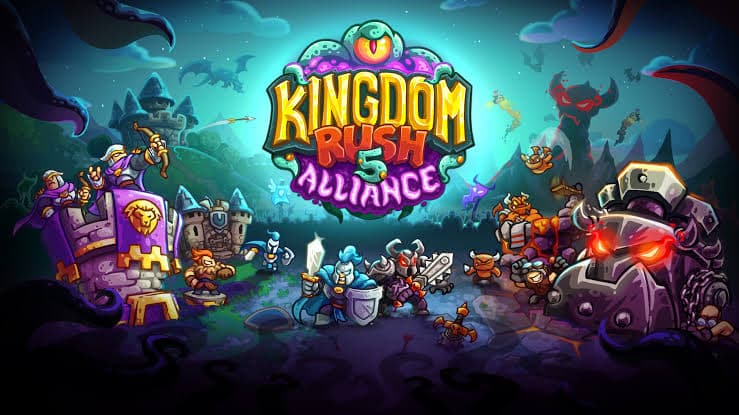
Kingdom Rush 5: Alliance TD introduces dual-faction management, asking players to coordinate human and orc unit types with different upgrade trees simultaneously. GPA scores it high on Strategy and Co-op — the series entry with the highest mechanical complexity, designed for players who have completed the earlier campaigns.
Tag Similarity
Logic
80%
Turn-Based
0%
Character Building
30%
Roguelike
0%
Strategy
95%
High Difficulty
30%
Chart tags: Logic / Turn-Based / Character Building / Roguelike / Strategy / High Difficulty
Civilization VI runs the series' 4X loop through district placement and research tree decisions across eras. The 'One More Turn' design pattern is built into the structure. GPA scores it at the top for Strategy and Turn-Based — a combination shared with very few titles that also carry a Beginner score above 60.
Tag Similarity
Logic
0%
Turn-Based
90%
Character Building
0%
Roguelike
30%
Strategy
95%
High Difficulty
40%
Chart tags: Logic / Turn-Based / Character Building / Roguelike / Strategy / High Difficulty
Meccha Chameleon asks players to paint their own body to match the wall behind them, scoring the disguise through the Overlooked Ranking system rather than simple survival. Three million copies in the first week. GPA scores it high on Co-op and Puzzle — the body-painting mechanic is the only entry in its category.
Tag Similarity
Logic
50%
Turn-Based
40%
Character Building
0%
Roguelike
0%
Strategy
30%
High Difficulty
30%
Chart tags: Logic / Turn-Based / Character Building / Roguelike / Strategy / High Difficulty
Power Pro Kun Pocket R is a modern reimagining of the beloved baseball-RPG spin-off series, bringing its unique flavor back to life on modern platforms. The game features the classic, deeply strategic "Success Mode," where players navigate bizarre cyber-punk narratives, high school drama, and eccentric storylines to train their custom baseball players. Alongside the traditional sports simulations, it includes chaotic multiplayer mini-games and a distinct tank-battling cooperative survival mode, capturing the unorthodox charm of the original titles.
Tag Similarity
Logic
0%
Turn-Based
50%
Character Building
90%
Roguelike
30%
Strategy
60%
High Difficulty
30%
Chart tags: Logic / Turn-Based / Character Building / Roguelike / Strategy / High Difficulty
About "Balatro"
▸Game Composition (GPA Analysis)
Balatro(バラトロ) leads with its Roguelike Deck-Builder identity, anchored by the core feel of "Balatro builds a poker-based roguelite around Joker combinations that generate exponentially scaling score multipliers." The headline profile reads Logic 80% / Turn-Based 70% / Character Building 65%, making it a strong pick for fans of Logic and Turn-Based. Accessible enough for newcomers while offering enough depth to satisfy veterans.
▸Characteristics & Analysis
Our editorial team scored "Balatro(バラトロ)" by using its feel of deck building, poker, and addictive as the primary lens, weighting Logic and Turn-Based most heavily. Top similar titles include "Into the Breach", "遊戯王 マスターデュエル", "エレメンタル・ダンジョン(Elemental Dungeon)".
Games Like Balatro — Deck-Building Roguelikes Compared by GPA
Games Similar to Balatro — The Short Answer
Choose Slay the Spire if you want more deck-building decisions, Into the Breach if you prefer solving compact turn-based problems, or Suika Game if short score-chasing sessions are the main appeal. Each game shares a different part of Balatro rather than copying the full experience.
What Is Balatro?
Released in February 2024 by solo Canadian developer LocalThunk, Balatro sold 250,000 copies in its first 72 hours, hit 1 million in a month, and crossed 5 million by January 2025. At The Game Awards 2024 it swept Best Independent Game, Best Debut Indie Game, and Best Mobile Game — and earned a GOTY nomination alongside major AAA titles.
The genre is roguelike deck-builder. You use poker hands as the scoring engine and stack multipliers through Joker cards for explosive score runs. There's no opponent — just your build versus escalating Blind targets.
Balatro Through the GPA Lens
GPA breaks Balatro down as follows:
Gameplay Profile (Balatro)
Logic
80%
Turn-Based
70%
Progression
65%
Roguelike
60%
Strategy
60%
High Difficulty
50%
Balatro asks you to build around the cards and shop items available in each run. Choosing from more than 150 Jokers, managing limited money, and combining effects account for its 80% Logic score.
Target audience scores — Beginner 70 / Intermediate 70 / Advanced 65 — sit unusually close together, reflecting a design that's immediately accessible yet rewards deeper mastery.
Target Audience (50+ = Recommended)
Beginner
70
Intermediate
70
Advanced
65
※ All 3 segments score 50+, confirming broad appeal. Easy to start, deeper as you learn.
How It Plays
Play up to 5 cards from your hand to form a poker hand. Your score is Chips × Mult; beat the Blind to advance. Joker cards — each with a unique effect like “+4 Mult when you play a Flush” — drive the math. Tarot cards enhance individual cards; Planet cards level up hand base scores. Miss a Blind and the run ends.
Because the roguelike structure resets on failure, every new Joker combination sparks the “one more run” impulse naturally.
Why Strategy Shifts Every Run
Three interlocking systems generate the variety:
Random Joker acquisition each run
Leveling up poker-hand multipliers (Flush, Full House, etc.)
Per-run economy — coins fund shop purchases of Jokers and special cards
Early economy vs. early power — the tension between investing coins now or scaling a hand multiplier drives meaningful decisions from the first ante.
Balatro's Position in GPA's Similarity Rankings
The live rankings change as GPA's catalog evolves. Instead of fixing a rank or similarity percentage in this article, the cards below compare three reasons to choose a game after Balatro: deck-building, turn-based problem solving, and score chasing. Scores reflect the current values on each game page.
For deck-building
Slay the Spire
Both games reward a compact deck and combinations that support one plan. Balatro builds score multipliers, while Slay the Spire uses attacks, defense, and status effects to defeat enemies.
Current GPA scores (key traits)
Roguelike
90%
Strategy
95%
High Difficulty
80%
Logic
60%
For turn-based problem solving
Into the Breach
Both games ask for the best move within a short turn. Into the Breach reveals enemy actions and emphasizes solving the board, while Balatro asks you to adapt to random draws and shop options.
Current GPA scores (key traits)
Strategy
95%
Logic
85%
Turn-Based
80%
High Difficulty
75%
Roguelike
70%
For short score-chasing runs
Suika Game
Suika Game has no deck-building, but it shares a short ruleset, immediate restarts, and the urge to beat your previous score. It is a better fit when repeatable score chasing matters more than card combinations.
Current GPA scores (key traits)
Logic
70%
Turn-Based
50%
High Difficulty
30%
Strategy
20%
Graphics
10%
Why It Became a Global Hit
Familiar Poker Hands as a Starting Point
Some roguelike deck-builders require players to learn combat rules and card terminology before a run makes sense. Balatro uses familiar hands such as a Flush and Full House as its scoring foundation. Players who do not know poker can still review the hand list during play.
Score Explosions Stream Perfectly
When Joker effects work together, the score can rise sharply. The turn-based pace gives players time to explain their choices, and viewers can follow the combination and its result. That makes successful builds easy to show in streams and short clips.
Price and Accessibility
At the time of this update, the Steam edition costs about ¥1,700 in Japan, while the suggested retail price of the Japanese Switch and PS5 physical editions is ¥5,478. Regional pricing and discounts vary. The mobile edition also makes the game easier to play in short sessions.
Sustained Collabs Keep the Buzz Alive
The free Friends of Jimbo updates added card-face designs based on games including The Witcher 3, Cyberpunk 2077, and Dave the Diver. These are visual card options rather than new Jokers with unique gameplay effects.
Who It's For (and Who It Isn't)
GPA scores all three audience tiers at 65–70, confirming broad appeal — but fit varies:
Great fit: puzzle / optimization fans, players who enjoy short repeatable sessions, fans of Into the Breach or Slay the Spire, anyone drawn in by streamer hype.
Poor fit: players seeking narrative or world-building (Story / Emotional Narrative scores are near 0), those who want action-based satisfaction, or players wanting a single long deep-dive experience.
Summary
Balatro combines a familiar scoring structure with the long-term decisions of a deck-builder. Random draws and shop options prevent players from repeating the same plan in every run, while Jokers provide enough structure to build toward a clear strategy.
It shares deck-building with Slay the Spire, turn-based problem solving with Into the Breach, and repeatable score chasing with Suika Game. Poker hands and multiplier effects bring those ideas together in a form that is easy to start and difficult to optimize.
Frequently Asked Questions
Q: What games are similar to Balatro?
A: Try Slay the Spire for deck-building decisions, Into the Breach for compact turn-based problem solving, or Suika Game for short score-chasing sessions. Each shares a different part of Balatro rather than copying the full game.
Q: What kind of game is Balatro?
A: Balatro is a single-player roguelike deck-builder that uses poker hands for scoring. You combine Jokers, Tarot cards, and Planet cards to beat increasingly demanding score targets. It is not a competitive poker or gambling game.
Q: Can you play Balatro without knowing poker?
A: Yes. The game lets you review poker hands and their values while playing. Learning basic hands such as a Flush or Straight helps with decisions, but previous poker experience is not required.
Q: Is Balatro different on Nintendo Switch 2?
A: The core rules and content are the same. GPA lists both Nintendo Switch and Nintendo Switch 2 as supported platforms. Check the Nintendo eShop product page before purchase for the latest compatibility and performance details.