Core Keeper digs through procedurally generated underground biomes toward boss encounters, with farming, fishing, and equipment crafting filling time between fights. Eight-player co-op runs the full experience. GPA scores it high on Craft and Co-op — close to Terraria in the similarity rankings with a stronger emphasis on cooperative play.
Tag Similarity
Crafting
90%
Sandbox
80%
Character Building
85%
Graphics
65%
Strategy
60%
Logic
0%
High Difficulty
60%
Chart tags: Crafting / Sandbox / Character Building / Graphics / Strategy / Logic / High Difficulty
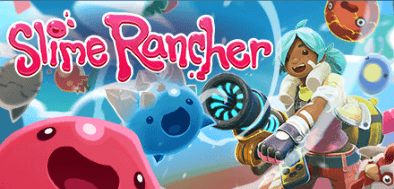
Slime Rancher puts rancher Beatrix LeBeau on a far-future planet populated by slimes that produce resources when fed. Catching, breeding, and housing slime types drives the first-person farm management loop. Hybrid slimes combine the traits of two species. GPA scores it high on育成 and Sandbox — the farm sim that replaced animals with physics-based creatures as the primary collection target.
Tag Similarity
Crafting
50%
Sandbox
65%
Character Building
80%
Graphics
65%
Strategy
0%
Logic
0%
High Difficulty
0%
Chart tags: Crafting / Sandbox / Character Building / Graphics / Strategy / Logic / High Difficulty
Minecraft is a sandbox game where players explore a world made of blocks, gather resources, craft tools and equipment, and build almost anything they can imagine.
Rather than following a fixed progression path or a single objective, players decide what they want to do and how they want to play. In Survival mode, that can mean gathering resources, crafting equipment, building a base, managing food and health, and exploring while dealing with hostile mobs. Creative mode takes a different approach, giving players unlimited resources and the freedom to focus on building and experimentation.
The game also goes beyond basic building and survival. With Redstone, players can create switches, doors, automated farms, machines, and other mechanisms. Building, exploration, mining, crafting, survival, and automation can all become the focus of a playthrough, depending on what the player wants to pursue.
Tag Similarity
Crafting
100%
Sandbox
100%
Character Building
30%
Graphics
10%
Strategy
20%
Logic
30%
High Difficulty
10%
Chart tags: Crafting / Sandbox / Character Building / Graphics / Strategy / Logic / High Difficulty
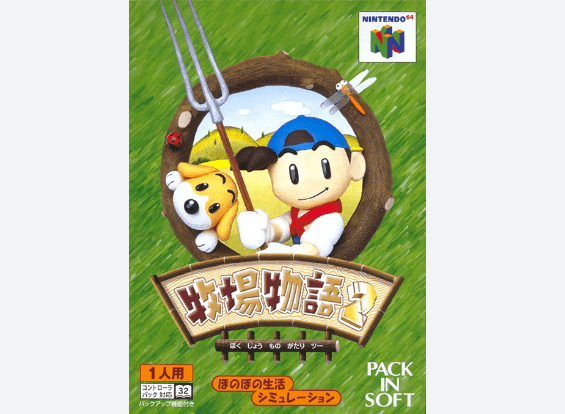
The second entry in the Story of Seasons series on N64 refined the farming, livestock, and marriage systems that the original established. Added to Nintendo Classics in December 2023. GPA scores it high on Slow Life and Collection — the farm sim entry that defined the series' core loop for successors to follow.
Tag Similarity
Crafting
50%
Sandbox
50%
Character Building
80%
Graphics
45%
Strategy
0%
Logic
0%
High Difficulty
0%
Chart tags: Crafting / Sandbox / Character Building / Graphics / Strategy / Logic / High Difficulty
Terraria generates a 2D world and then populates it with over 400 enemies, 20 bosses, and enough crafting trees to sustain hundreds of hours. The progression gate is bosses rather than story chapters. GPA scores it high on Sandbox and Craft, sitting close to Minecraft in the similarity rankings while leaning harder into combat.
Tag Similarity
Crafting
90%
Sandbox
90%
Character Building
80%
Graphics
30%
Strategy
55%
Logic
0%
High Difficulty
60%
Chart tags: Crafting / Sandbox / Character Building / Graphics / Strategy / Logic / High Difficulty
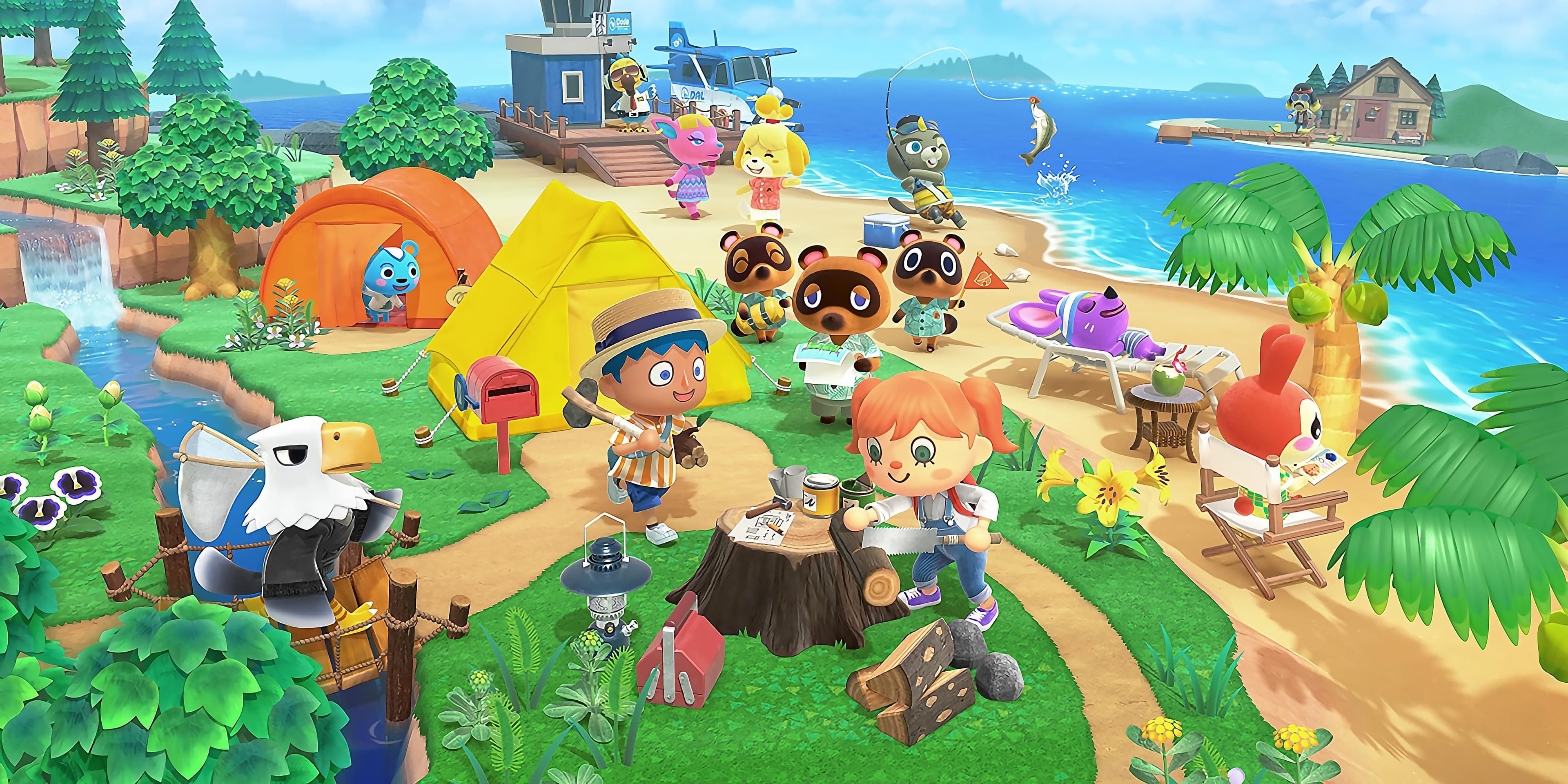
Animal Crossing: New Horizons moves the series to a deserted island and adds terraforming tools that let players reshape the terrain. The real-time calendar ties the game to the actual date. GPA scores it high on Slow Life and Co-op, with Collection above average — a positioning that places it near Stardew Valley in the similarity rankings while running lower on combat.
Tag Similarity
Crafting
75%
Sandbox
80%
Character Building
70%
Graphics
60%
Strategy
0%
Logic
0%
High Difficulty
0%
Chart tags: Crafting / Sandbox / Character Building / Graphics / Strategy / Logic / High Difficulty
Dinkum drops players into an Australian outback island with four biomes — cold, desert, bushland, and tropical — and a town to build from a single tent. Farming, mining, fishing, and museum donation structure the progression. One developer built it over eight years. GPA scores it high on Craft and Sandbox — the life sim that most accurately renders Australian environmental design in the genre.
Tag Similarity
Crafting
80%
Sandbox
75%
Character Building
75%
Graphics
60%
Strategy
0%
Logic
0%
High Difficulty
0%
Chart tags: Crafting / Sandbox / Character Building / Graphics / Strategy / Logic / High Difficulty
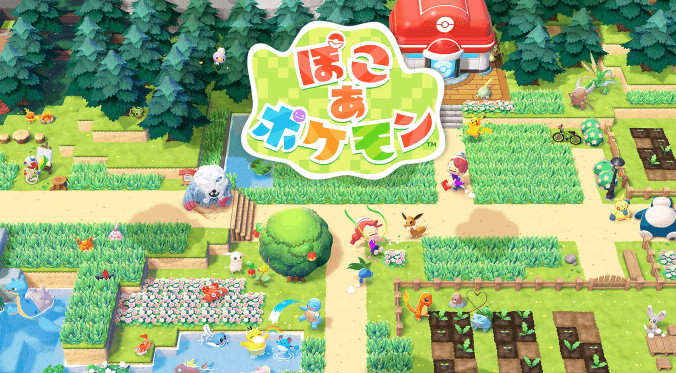
Pok mon cards come to life in a competitive card game built around the Pok mon Trading Card Game ruleset. The mobile-first design keeps matches short while the deck-building layer rewards long-term investment. GPA scores it high on Strategy and Turn-Based, sitting close to Slay the Spire in the similarity rankings.
Tag Similarity
Crafting
90%
Sandbox
100%
Character Building
30%
Graphics
50%
Strategy
20%
Logic
40%
High Difficulty
10%
Chart tags: Crafting / Sandbox / Character Building / Graphics / Strategy / Logic / High Difficulty
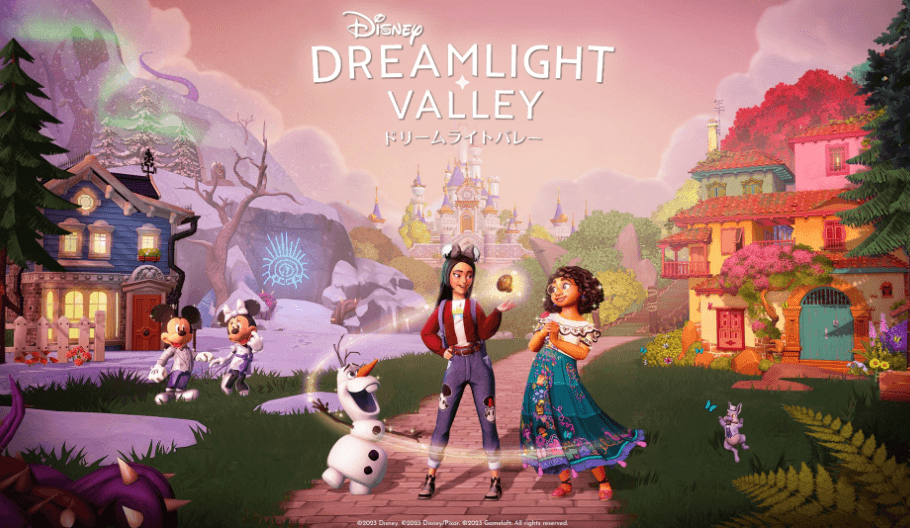
Disney Dreamlight Valley puts Disney and Pixar characters in a valley restoration simulation with farming, cooking, and friendship-building mechanics. The content updates deliver new characters and storylines seasonally. GPA scores it high on Slow Life and Co-op — the combination that describes the casual life simulation audience Disney's IP targets.
Tag Similarity
Crafting
50%
Sandbox
50%
Character Building
70%
Graphics
70%
Strategy
30%
Logic
0%
High Difficulty
0%
Chart tags: Crafting / Sandbox / Character Building / Graphics / Strategy / Logic / High Difficulty
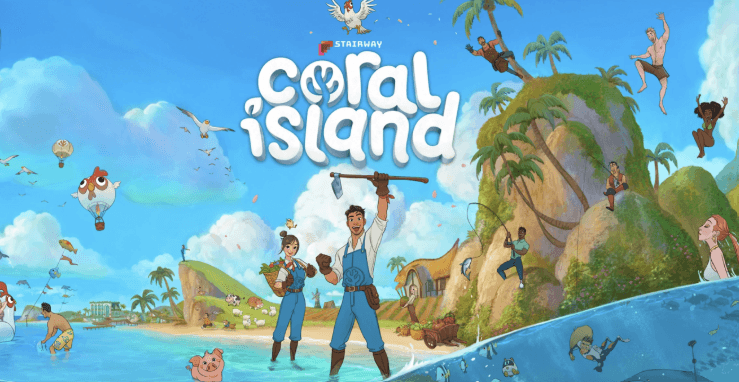
Coral Island centers reef restoration alongside the farm management and relationship systems of the life simulation genre. The diving mechanic ties ecological health to farm income. GPA scores it high on Slow Life and Co-op — the combination that places it close to Stardew Valley in the similarity rankings with an environmental focus that adds thematic distinctiveness.
Tag Similarity
Crafting
50%
Sandbox
50%
Character Building
70%
Graphics
75%
Strategy
35%
Logic
0%
High Difficulty
0%
Chart tags: Crafting / Sandbox / Character Building / Graphics / Strategy / Logic / High Difficulty
Mindustry connects tower defense survival to factory automation, requiring players to build supply chains that deliver ammunition to turrets. GPA scores it at the top for Strategy and Craft — the game where the factory and the defense are the same system.
Tag Similarity
Crafting
85%
Sandbox
80%
Character Building
0%
Graphics
50%
Strategy
90%
Logic
75%
High Difficulty
75%
Chart tags: Crafting / Sandbox / Character Building / Graphics / Strategy / Logic / High Difficulty
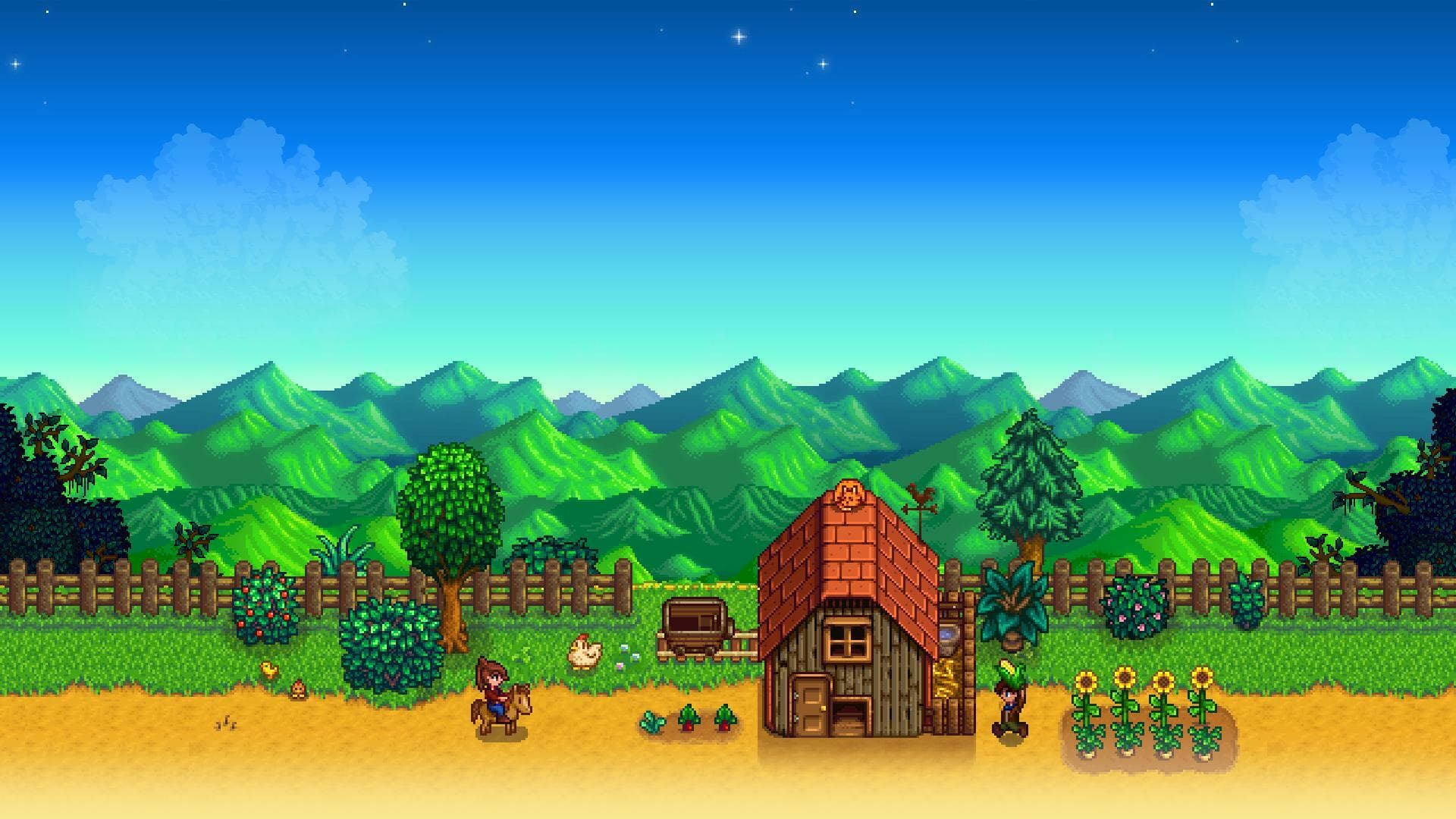
Stardew Valley rebuilds the harvest moon loop and expands it with a fully developed town of NPCs, a mine with escalating combat, and seasonal festivals. The co-op mode supports up to four players on the same farm. GPA scores it high on Slow Life and Co-op, with a Beginner score above 80 — the accessible entry point in the Craft-heavy cluster.
Tag Similarity
Crafting
65%
Sandbox
70%
Character Building
85%
Graphics
50%
Strategy
0%
Logic
30%
High Difficulty
0%
Chart tags: Crafting / Sandbox / Character Building / Graphics / Strategy / Logic / High Difficulty
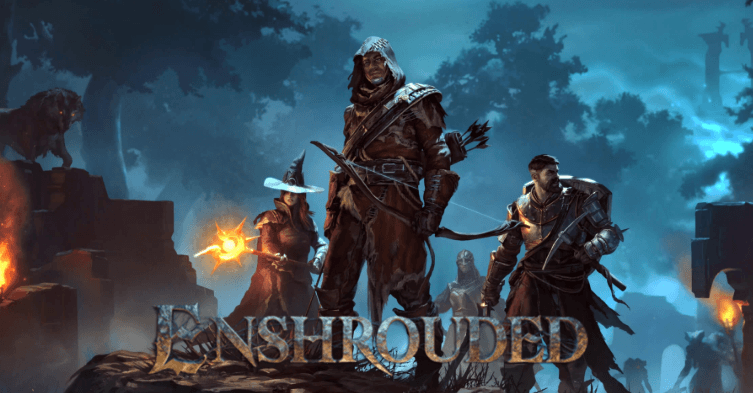
Enshrouded sends the Flameborn through a voxel world covered in corrupting Shroud fog, blending survival base-building with RPG skill trees and direct action combat. Up to 16 players share a persistent server. Keen Games. PC Early Access 2024, full release 2025. GPA scores it high on Craft and Open World — the survival RPG that most successfully merges FromSoftware-adjacent combat with the Valheim base-building loop.
Tag Similarity
Crafting
85%
Sandbox
78%
Character Building
75%
Graphics
72%
Strategy
55%
Logic
0%
High Difficulty
60%
Chart tags: Crafting / Sandbox / Character Building / Graphics / Strategy / Logic / High Difficulty
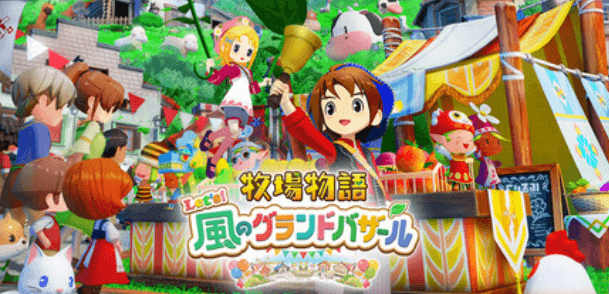
Story of Seasons: Let's Go! Grand Bazaar rebuilds the 2008 DS original in full 3D, centering weekly bazaar events as the primary economy alongside standard farm management. Players grow crops, raise animals, and fill the market stall to attract more visitors. Switch and Switch 2 versions launched August 2025; PS5 and Xbox followed in May 2026. GPA scores it high on育成 and Slow Life — the bazaar system distinguishes it from other farm sims in the series.
Tag Similarity
Crafting
60%
Sandbox
55%
Character Building
85%
Graphics
70%
Strategy
0%
Logic
0%
High Difficulty
0%
Chart tags: Crafting / Sandbox / Character Building / Graphics / Strategy / Logic / High Difficulty
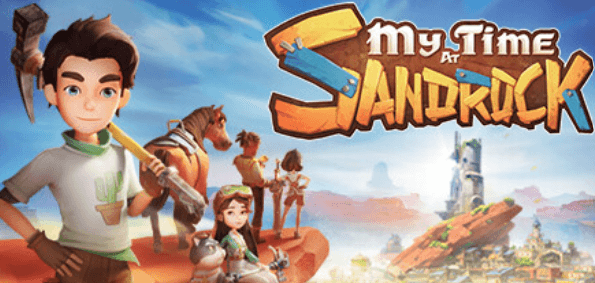
My Time at Sandrock continues the My Time at Portia formula in a desert post-apocalyptic setting 300 years after technology collapsed. Players restore machinery, build relationships, and develop the workshop in a town that responds to their economic output. Multiplayer supports co-op. GPA scores it high on Craft and育成 — the My Time entry with the strongest RPG integration and the largest content volume at launch.
Tag Similarity
Crafting
80%
Sandbox
65%
Character Building
85%
Graphics
65%
Strategy
0%
Logic
0%
High Difficulty
0%
Chart tags: Crafting / Sandbox / Character Building / Graphics / Strategy / Logic / High Difficulty
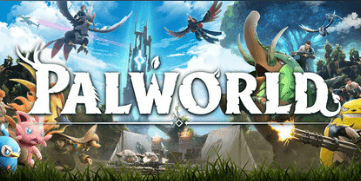
Palworld combines creature collection with survival base-building and open-world exploration. Pals work the base autonomously while players expand territory and catch new species. GPA scores it high on Sandbox, Craft, and Collection — a cluster that sits between Minecraft and Pokémon in the similarity rankings.
Tag Similarity
Crafting
85%
Sandbox
80%
Character Building
90%
Graphics
75%
Strategy
0%
Logic
0%
High Difficulty
30%
Chart tags: Crafting / Sandbox / Character Building / Graphics / Strategy / Logic / High Difficulty
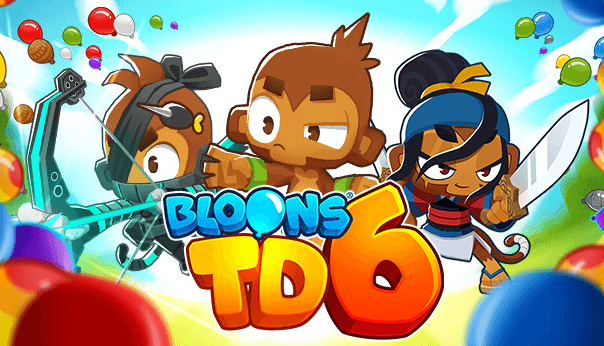
Bloons TD 6 runs its tower defense loop through a monkey-versus-balloon framework with enough hero and upgrade combinations to generate genuine strategic variation. Seasonal updates have added content continuously since 2018. GPA scores it high on Strategy and Puzzle — the combination that places it at the top of the tower defense genre.
Tag Similarity
Crafting
0%
Sandbox
0%
Character Building
85%
Graphics
70%
Strategy
90%
Logic
80%
High Difficulty
75%
Chart tags: Crafting / Sandbox / Character Building / Graphics / Strategy / Logic / High Difficulty
Grounded shrinks players to insect size in a suburban backyard, turning familiar objects into environmental scale landmarks. The survival loop includes base building against ant raids and spider attacks. GPA scores it high on Craft and Co-op, with Horror above average — the spider encounters are genuinely threatening regardless of prior arachnophobia.
Tag Similarity
Crafting
80%
Sandbox
60%
Character Building
50%
Graphics
70%
Strategy
40%
Logic
0%
High Difficulty
55%
Chart tags: Crafting / Sandbox / Character Building / Graphics / Strategy / Logic / High Difficulty
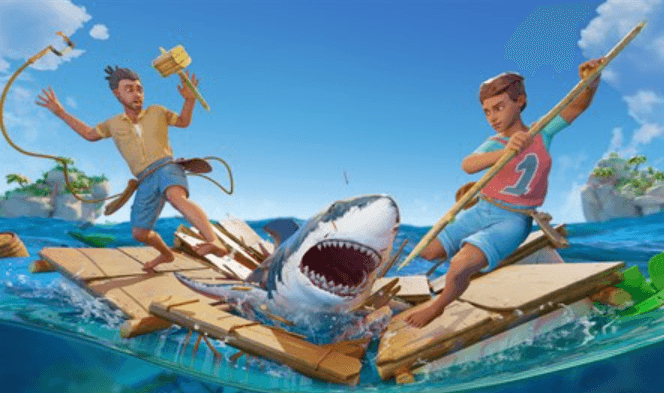
Raft starts with a single wooden plank and a hook, expanding through ocean-floor resources and island exploration into a multi-deck vessel players build together. Up to 8-player co-op. Redbeet Interactive, Axolot Games. PS5, Xbox Series X|S (December 2024), PC. GPA scores it high on Craft and Co-op — the survival game where the construction ambition scales with the player count.
Tag Similarity
Crafting
88%
Sandbox
80%
Character Building
0%
Graphics
60%
Strategy
0%
Logic
0%
High Difficulty
55%
Chart tags: Crafting / Sandbox / Character Building / Graphics / Strategy / Logic / High Difficulty
About "Forager"
▸Game Composition (GPA Analysis)
Forager(フォレジャー) leads with its サンドボックス採集クラフト identity, anchored by the core feel of "Forager starts players with a single island and scales through resource collection and crafting." The headline profile reads Crafting 85% / Sandbox 80% / Character Building 80%, making it a strong pick for fans of Crafting and Sandbox. Skews toward a beginner-to-intermediate audience while still leaving room for more seasoned players.
▸Characteristics & Analysis
Our editorial team scored "Forager(フォレジャー)" by using its feel of 採集クラフト, 島拡張, and 自動化要素 as the primary lens, weighting Crafting and Sandbox most heavily. Top similar titles include "コア・キーパー(Core Keeper)", "スライムランチャー(Slime Rancher)", "マインクラフト(Minecraft)".
From Gathering Resources to Building an Automated World
Game Overview
Forager is a 2D sandbox game built around gathering resources, crafting, expanding your territory, and developing your base. Developed by HopFrog and released in 2019, the game draws inspiration from exploration, farming, and crafting games (store.steampowered.com).
The game starts with very little. Players gather materials from the environment, then use them to craft tools and buildings.
As more facilities become available, those buildings can produce and process resources, which opens the way to more advanced items and upgrades.
Players can also spend money to buy additional land. Expanding the map provides access to new resources, facilities, puzzles, and dungeons.
The basic loop is therefore straightforward:
Gather resources → craft something useful → improve production → expand your land → unlock more options.
The important part is how that loop changes over time. What starts as manual resource gathering gradually becomes a more organized production system.
What the GPA Scores Tell Us
Title tendency chart (Forager)
Crafting ◀
85%
Sandbox ◀
80%
Character Building ◀
80%
Graphics
55%
Strategy
55%
Logic
50%
High Difficulty
40%
Crafting, Sandbox, and Character Building are the game's strongest GPA categories (gpa-site.com).
These scores reflect what Forager is mainly about: collecting resources, expanding your options, and improving the way you interact with the world.
Strategy and Logic are present, but the game does not require the kind of detailed planning found in a complex management simulation.
Its 40% High Difficulty score also fits the overall design. The challenge is less about demanding controls and more about deciding what to build, what to upgrade, and what resource should be prioritized next.
1. It Starts With Simply Gathering Things
The opening of Forager is deliberately simple.
Players collect materials from trees, rocks, plants, and other objects around the starting area. Those resources can then be used to create tools and buildings.
There is no huge production network waiting at the beginning.
Instead, the game gradually adds new possibilities.
A basic gathering task becomes crafting a building. That building allows new materials to be processed. Those materials can then be used to create something else.
The player's character becomes more capable, but so does the environment around them.
That is an important part of Forager's progression: the world itself becomes more useful as the player develops it.
2. Buying Land Expands More Than the Map
Forager allows players to purchase additional pieces of land using their resources and money.
Expanding the map provides access to new resources, facilities, and areas to explore.
As a result, buying land is more than a simple increase in map size.
Players have to decide when expansion is worth the cost and what they want to gain from the next area.
Should the available resources be spent on another production building, or saved for a new piece of land?
Early decisions are relatively simple, but as the player's base grows, there are more things competing for the same resources.
The 80% Sandbox score reflects this structure: the player gradually determines how large their world becomes and what they want to work toward.
3. Crafting Always Leads to Something Else
In some crafting games, creating an item can be an objective in itself.
Forager uses crafting more as a step toward the next activity.
A new building can increase production.
A better tool can make gathering more efficient.
Another facility can automate a task that previously required manual work.
The item you craft therefore changes what you can do next.
That makes the crafting system feel connected to progression rather than separated from it.
This is a major reason the game receives an 85% Crafting score on GPA.
4. Automation Changes How You Play
Automation becomes increasingly important as the game progresses.
At the beginning, players have to collect many resources themselves. Later, buildings can automatically produce certain materials.
This frees the player to spend more time exploring, expanding the base, or working toward more advanced crafting goals.
As more production facilities are added, multiple resource chains can operate at the same time.
The interesting part is that automation does more than save time.
It changes what the player needs to care about.
Early on, gathering wood and stone may be a priority. Later, processed materials or construction resources can become more important.
The question gradually shifts from “What should I collect?” to “What should I automate next?”
That change keeps the basic resource loop from feeling exactly the same throughout the game.
5. The Skill Tree Changes Your Priorities
Leveling up allows players to unlock skills related to areas such as crafting, production, farming, and gathering.
The order in which skills are chosen can influence how the rest of the game develops.
A player focused on production may prioritize skills that improve their crafting and resource systems, while another player may prefer abilities that support exploration or combat.
The official Steam description lists new skills, abilities, and blueprints as part of the game's progression (store.steampowered.com).
The 80% Character Building score is therefore not simply about increasing character statistics.
The player's available options expand as their character, equipment, buildings, and territory develop.
6. Efficiency Becomes a Goal of Its Own
After playing Forager for a while, the player's goals naturally start to change.
At first: “I need more resources.”
Then: “How can I gather them faster?”
Eventually: “Can I stop gathering some of these resources manually?”
That leads to more buildings, better skills, additional land, and more efficient production.
The improved production then makes it possible to create even more advanced equipment and facilities.
This creates a loop where the player is not simply becoming stronger. They are changing the way their entire operation works.
That is one of the most satisfying parts of Forager's progression.
7. Strategy 55% and Logic 50% — Simple Resource Management
Forager has meaningful strategic decisions, but they remain relatively easy to understand.
The player may ask:
Should I buy more land? Should I build another production facility? Which skill should I unlock? Which resource do I actually need next?
These decisions become more relevant as the number of available systems increases.
Spending resources on production can improve efficiency.
Buying land can unlock new materials.
Investing in skills can make future gathering or crafting easier.
None of these decisions is especially complicated on its own. The strategy comes from deciding which improvement will be most useful for the player's current situation.
8. Exploration, Puzzles, and Dungeons Break Up the Resource Loop
Forager is not only about gathering and crafting.
The official game description also highlights puzzles, secrets, and dungeons (store.steampowered.com).
These activities give players reasons to leave their production setup and explore.
One session might focus on improving the base. Another might involve exploring a newly purchased area or tackling a dungeon.
The game also supports different approaches, including gathering, farming, trading, adventuring, and building (store.steampowered.com).
That flexibility fits the sandbox structure. Players are not required to spend every minute doing the same activity.
9. High Difficulty 40% — More Busy Than Difficult
Forager's High Difficulty score is 40%.
There are combat encounters and dungeons that require some attention, but the game is not primarily built around demanding controls or precise execution.
Instead, things become busier as the player's base expands.
More resources become available. More buildings need to be managed. More crafting options appear.
But the challenge generally comes from deciding what to work on next rather than from overcoming difficult controls.
GPA's audience scores of 70 for beginners, 70 for intermediate players, and 45 for advanced players also suggest that the game is particularly accessible to newer and intermediate players (gpa-site.com).
Target player scores (50+ = recommended fit)
Beginner70
Intermediate70
Advanced45
Conclusion — From Gathering Resources to Building a System
Forager does not begin with a huge objective.
You gather some resources.
You use them to build something.
That building improves production.
You use the resulting resources to expand your land.
The new area provides more resources, which allows you to build more advanced systems.
This loop explains the game's 85% Crafting, 80% Sandbox, and 80% Character Building scores.
The most interesting part is that progression is not limited to making the character stronger. The player gradually improves the system used to gather and produce resources.
Manual gathering can be replaced by automated production. New land opens new resources. New skills make existing activities more efficient.
Gathering, crafting, expansion, progression, and automation are all connected.
Forager starts with a simple question—“What can I collect?”—and gradually turns it into a larger one: “How can I build a system that makes everything easier to produce?”
That shift from gathering resources to improving the entire production loop is at the heart of the game.