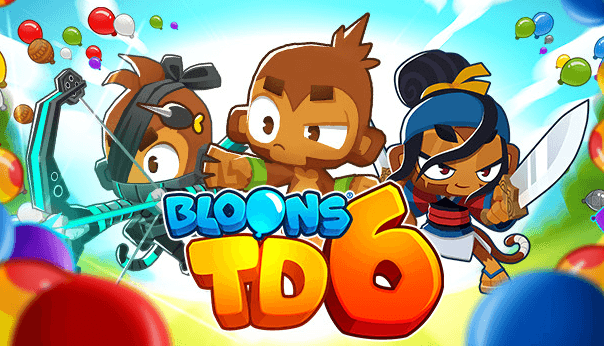
Bloons TD 6 runs its tower defense loop through a monkey-versus-balloon framework with enough hero and upgrade combinations to generate genuine strategic variation. Seasonal updates have added content continuously since 2018. GPA scores it high on Strategy and Puzzle — the combination that places it at the top of the tower defense genre.
Game Characteristics
Strategy
90%
Character Building
85%
Logic
80%
High Difficulty
75%
Graphics
70%
Co-op
65%
Target Audience
Recommended for: Beginners to Advanceds (scores ≥ 50 indicate a good fit)
Beginner
65 ✓
Intermediate
78 ✓
Advanced
80 ✓
Keywords
タワーディフェンス最高峰モンキー風船割り基本無料モードlive service
Gameplay Profile Chart
Adjust tag ratios to instantly update similar titles in real time.
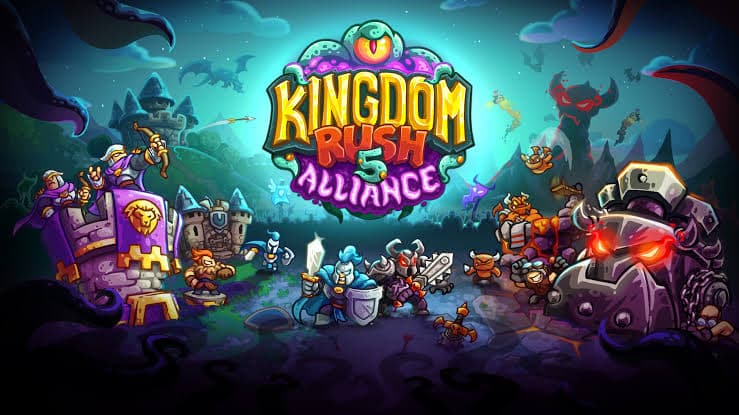
Kingdom Rush 5: Alliance TD introduces dual-faction management, asking players to coordinate human and orc unit types with different upgrade trees simultaneously. GPA scores it high on Strategy and Co-op — the series entry with the highest mechanical complexity, designed for players who have completed the earlier campaigns.
Tag Similarity
Strategy
95%
Character Building
30%
Logic
80%
High Difficulty
30%
Graphics
42%
Co-op
55%
Chart tags: Strategy / Character Building / Logic / High Difficulty / Graphics / Co-op
PixelJunk Monsters 2 moves the original tower defense into 3D with four-player online co-op. Tikiman runs the map directly rather than placing towers from a menu. GPA scores it high on Strategy and Co-op.
Tag Similarity
Strategy
80%
Character Building
0%
Logic
70%
High Difficulty
55%
Graphics
70%
Co-op
80%
Chart tags: Strategy / Character Building / Logic / High Difficulty / Graphics / Co-op
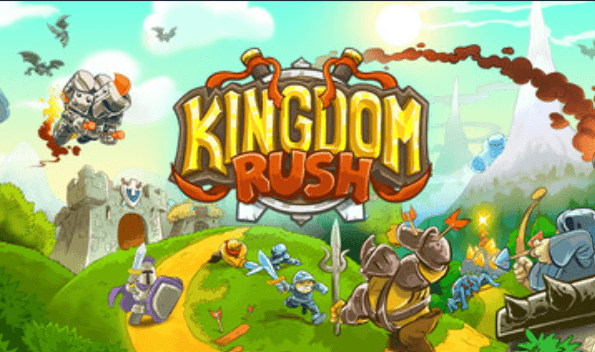
Kingdom Rush places towers along a fixed enemy path and scales its difficulty through tower upgrade combinations and hero ability timing. The balance between defensive placement and active intervention sets the genre benchmark. GPA scores it high on Strategy and Puzzle — the tower defense that defined the genre's upper limit for mobile.
Tag Similarity
Strategy
90%
Character Building
30%
Logic
75%
High Difficulty
30%
Graphics
40%
Co-op
0%
Chart tags: Strategy / Character Building / Logic / High Difficulty / Graphics / Co-op
Elemental Dungeon combines tower defense placement with elemental attribute matching, using interactions between element types as the core puzzle layer. GPA scores it high on Strategy and Puzzle — a tower defense where spatial arrangement creates elemental chain reactions.
Tag Similarity
Strategy
80%
Character Building
70%
Logic
80%
High Difficulty
60%
Graphics
0%
Co-op
0%
Chart tags: Strategy / Character Building / Logic / High Difficulty / Graphics / Co-op
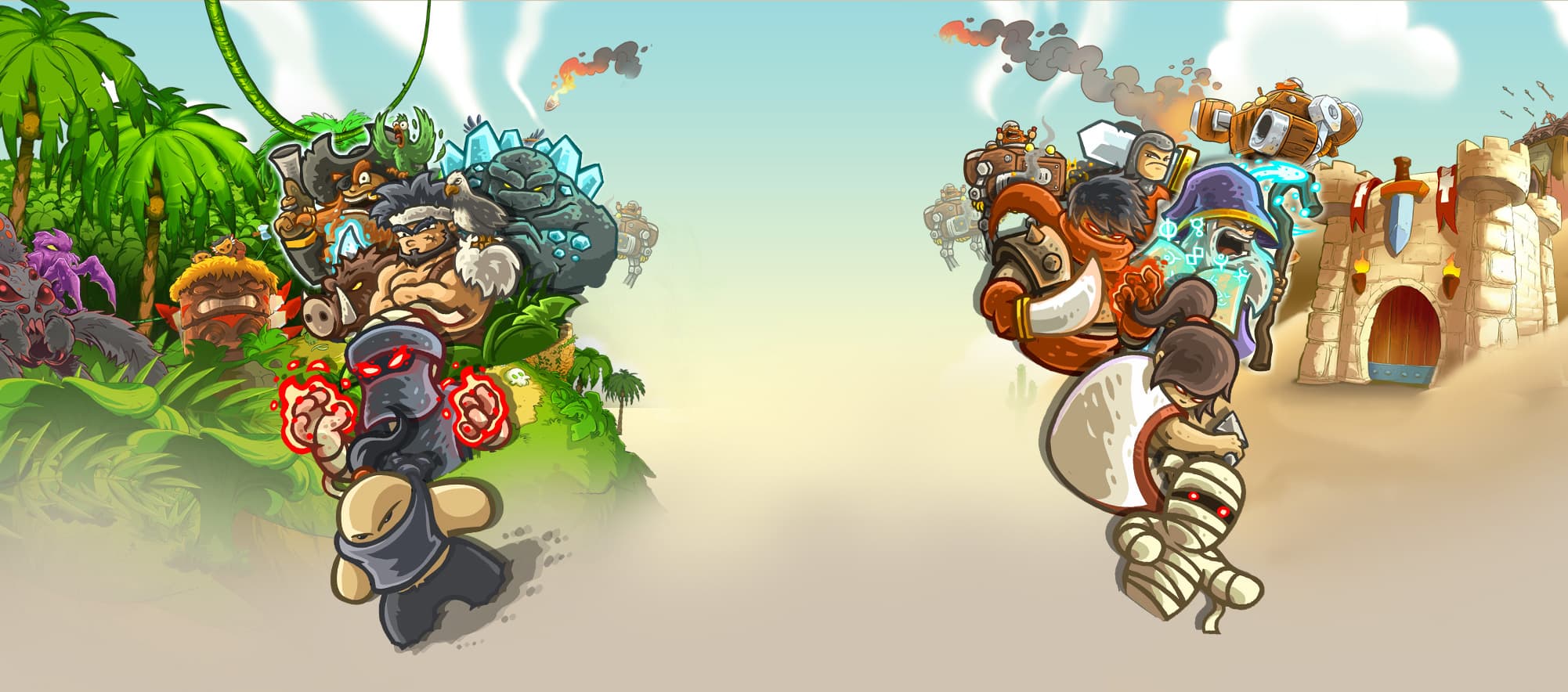
Kingdom Rush Frontiers moves the series to desert, jungle, and seafloor environments, adding new tower trees and hero units that change tactical options significantly from the first game. GPA scores it high on Strategy and Puzzle — the sequel that matched the original's design quality without reducing the challenge.
Tag Similarity
Strategy
90%
Character Building
30%
Logic
75%
High Difficulty
30%
Graphics
40%
Co-op
0%
Chart tags: Strategy / Character Building / Logic / High Difficulty / Graphics / Co-op
Kingdom Rush Origins runs as a prequel with an elven army, adding new unit types that change the defensive composition options. The tower tree is redesigned from the ground up rather than extended from earlier entries. GPA scores it high on Strategy and Puzzle — the third entry in the series that maintained the design consistency across all three campaigns.
Tag Similarity
Strategy
90%
Character Building
30%
Logic
75%
High Difficulty
30%
Graphics
40%
Co-op
0%
Chart tags: Strategy / Character Building / Logic / High Difficulty / Graphics / Co-op
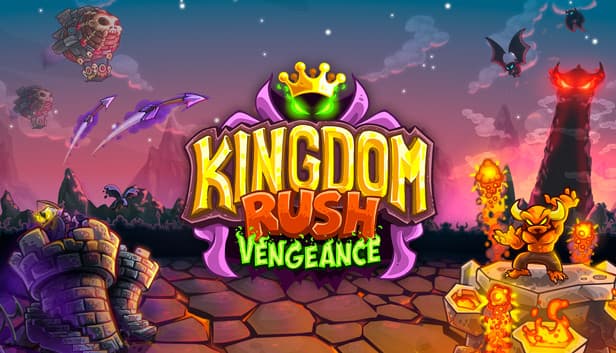
Kingdom Rush Vengeance inverts the series' premise by casting the player as the villain, defending against the hero units that populated earlier games. The tower types and hero roster match the villain faction's mechanics. GPA scores it high on Strategy and Puzzle — the role reversal that recontextualizes earlier entries as additional information.
Tag Similarity
Strategy
90%
Character Building
30%
Logic
75%
High Difficulty
30%
Graphics
42%
Co-op
0%
Chart tags: Strategy / Character Building / Logic / High Difficulty / Graphics / Co-op
Orcs Must Die! 3 scales its trap placement and combat hybrid to War Scenarios with hundreds of enemies on screen simultaneously. The co-op mode supports two players. GPA scores it high on Strategy and Co-op — an action-tower defense built around cooperative trap engineering.
Tag Similarity
Strategy
85%
Character Building
70%
Logic
0%
High Difficulty
70%
Graphics
75%
Co-op
80%
Chart tags: Strategy / Character Building / Logic / High Difficulty / Graphics / Co-op
Yu-Gi-Oh! Master Duel digitizes the OCG ruleset with over 10,000 cards and a ranked ladder. The tutorial covers fundamental mechanics for new players. GPA scores it at the top for Strategy and Turn-Based among card games — the combination that describes a game where the decision space per turn is among the highest in its category.
Tag Similarity
Strategy
85%
Character Building
70%
Logic
50%
High Difficulty
70%
Graphics
50%
Co-op
70%
Chart tags: Strategy / Character Building / Logic / High Difficulty / Graphics / Co-op
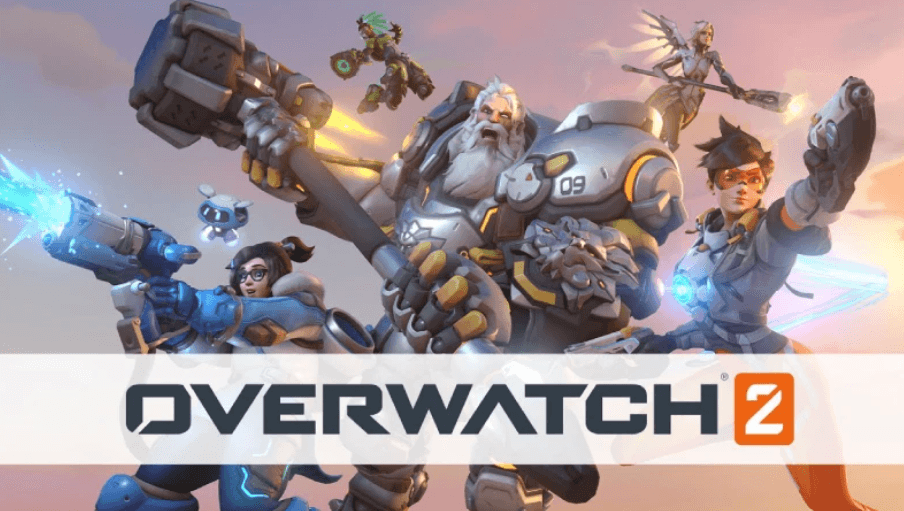
Overwatch restructured the team shooter around role composition, with tank, damage, and support heroes whose abilities are designed to function in combination. The current 5v5 format removed the second tank. GPA scores it high on Co-op and Action — the combination that describes a game where team coordination is the primary skill expression.
Tag Similarity
Strategy
80%
Character Building
55%
Logic
0%
High Difficulty
75%
Graphics
85%
Co-op
95%
Chart tags: Strategy / Character Building / Logic / High Difficulty / Graphics / Co-op
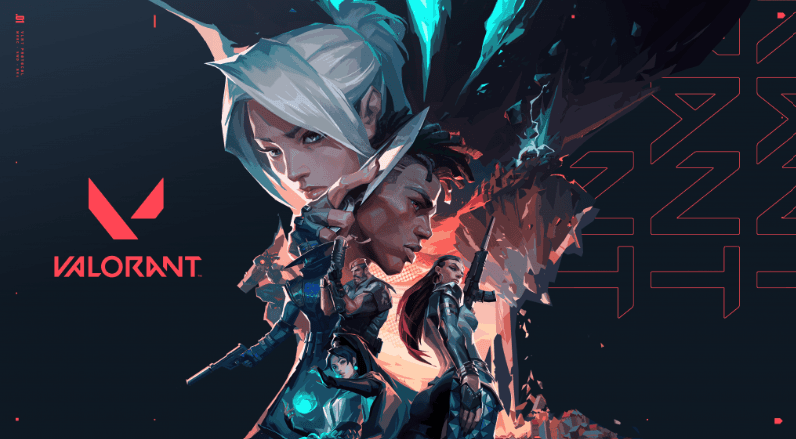
VALORANT's 5v5 tactical format pairs precise gunplay with Agent abilities that change site control without replacing individual aim as the deciding factor. GPA scores it high on Strategy and Co-op — the combination that positions it between Counter-Strike's mechanical discipline and Overwatch's ability-forward design.
Tag Similarity
Strategy
85%
Character Building
60%
Logic
0%
High Difficulty
85%
Graphics
75%
Co-op
90%
Chart tags: Strategy / Character Building / Logic / High Difficulty / Graphics / Co-op
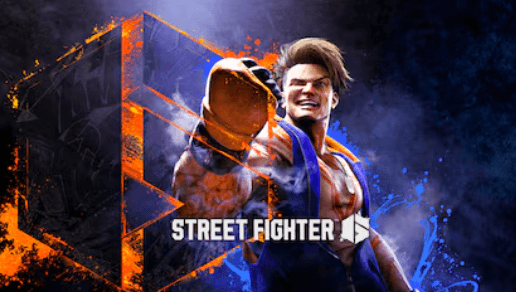
Street Fighter 6 introduced the Drive System and the Modern control option simultaneously, expanding the competitive ceiling while lowering the entry point. The World Tour mode contextualizes the roster. GPA scores it high on Action and Strategy — the combination that describes a fighting game where both mechanical execution and read-based decision-making are rewarded.
Tag Similarity
Strategy
80%
Character Building
50%
Logic
0%
High Difficulty
80%
Graphics
85%
Co-op
80%
Chart tags: Strategy / Character Building / Logic / High Difficulty / Graphics / Co-op
Marvel Rivals puts Marvel characters into a 6v6 hero shooter format, with team-up abilities that activate between specific character combinations. The free-to-play model launched with a complete roster. GPA scores it high on Co-op and Action — the combination that describes the hero shooter genre's core proposition.
Tag Similarity
Strategy
75%
Character Building
40%
Logic
0%
High Difficulty
65%
Graphics
85%
Co-op
90%
Chart tags: Strategy / Character Building / Logic / High Difficulty / Graphics / Co-op
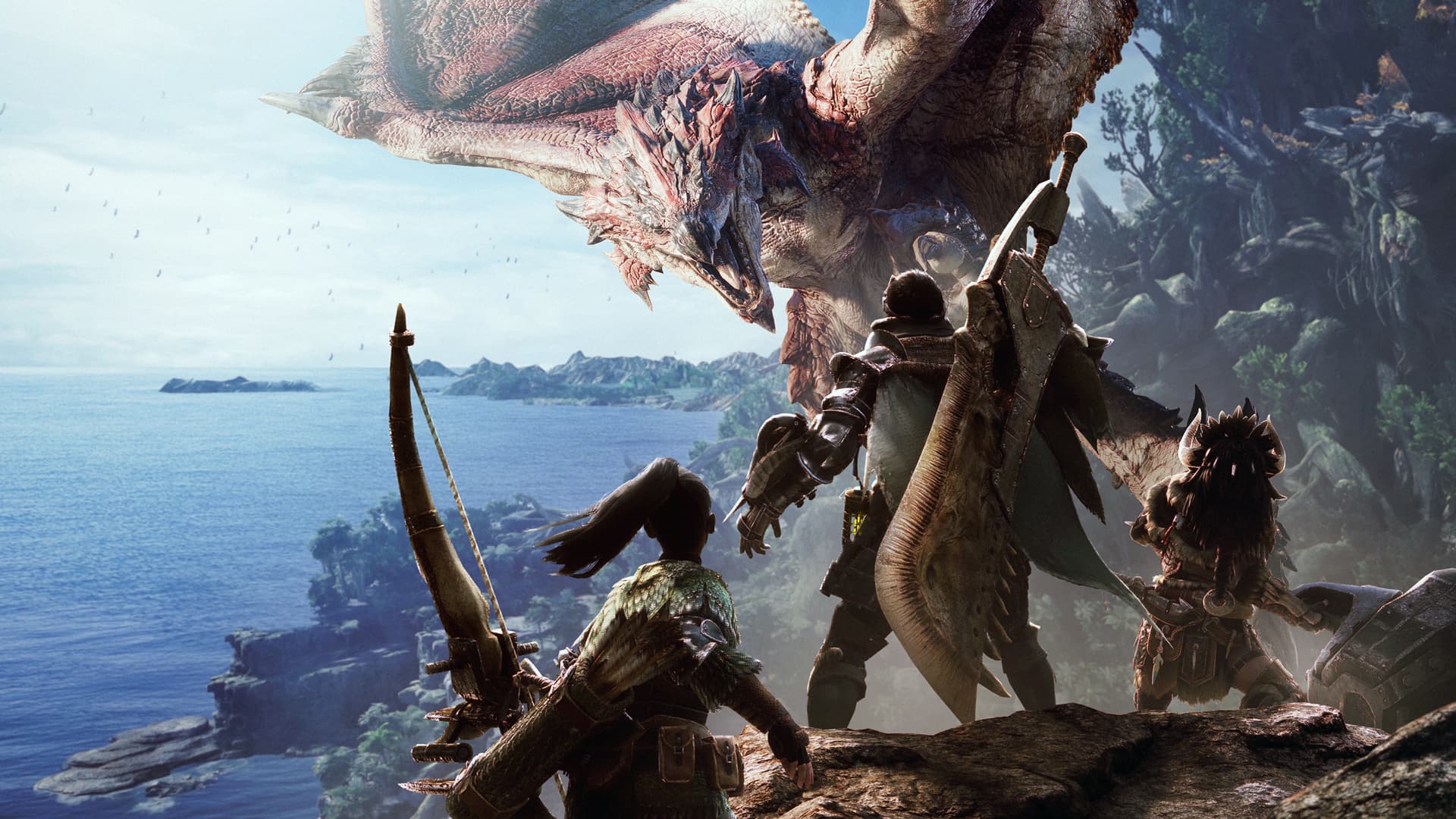
Monster Hunter: World brought the series out of handheld isolation and into a seamlessly connected open environment. Tracking monsters through the environment before engaging is the intended loop. GPA scores it high on Co-op and Action, with Craft and Collection axes adding the gear progression layer that drives long-term play.
Tag Similarity
Strategy
70%
Character Building
90%
Logic
0%
High Difficulty
75%
Graphics
85%
Co-op
90%
Chart tags: Strategy / Character Building / Logic / High Difficulty / Graphics / Co-op
Guilty Gear Strive rebuilt the series around wider accessibility without removing the depth that defined it. The rock soundtrack and anime-quality animation remain the most immediate presentation in the genre. GPA scores it high on Action and Graphics — the combination that describes the fighting game most defined by its audiovisual identity alongside its mechanics.
Tag Similarity
Strategy
75%
Character Building
40%
Logic
0%
High Difficulty
80%
Graphics
95%
Co-op
70%
Chart tags: Strategy / Character Building / Logic / High Difficulty / Graphics / Co-op
Pokémon Stadium 2 is playable through Nintendo Switch Online's Nintendo Classics catalog. The N64 title brings Gold and Silver's 251 Pokémon into 3D arenas and adds a minigame collection. GPA scores it high on Turn-Based and Co-op — the combination that reflects a competitive and party experience built around the Gold and Silver roster.
Tag Similarity
Strategy
75%
Character Building
80%
Logic
0%
High Difficulty
55%
Graphics
40%
Co-op
70%
Chart tags: Strategy / Character Building / Logic / High Difficulty / Graphics / Co-op
Monster Hunter Rise: Sunbreak adds a second continent, a new rank tier, and the Silkbind and Switch Skill systems that deepen the 14-weapon framework. GPA scores it close to World on Co-op and Action, with Craft above average for the expanded gear system.
Tag Similarity
Strategy
70%
Character Building
85%
Logic
0%
High Difficulty
75%
Graphics
80%
Co-op
90%
Chart tags: Strategy / Character Building / Logic / High Difficulty / Graphics / Co-op
Monster Hunter Wilds expands the series into fully seamless open environments where biome conditions change the available monsters and hunting strategies in real time. GPA scores it high on Action and Co-op — the flagship entry in the series' most ambitious structural iteration.
Tag Similarity
Strategy
75%
Character Building
90%
Logic
0%
High Difficulty
80%
Graphics
90%
Co-op
90%
Chart tags: Strategy / Character Building / Logic / High Difficulty / Graphics / Co-op
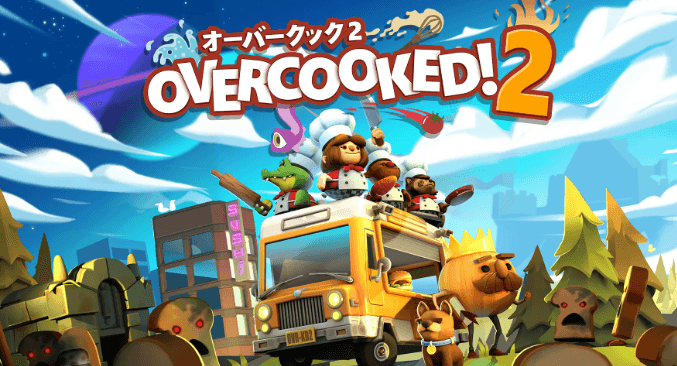
Overcooked! 2 runs its kitchen chaos across multiplayer levels that split, shift, and reconfigure the cooking space in real time. The co-op design produces communication pressure as effectively as competitive games. GPA scores it at the top for Co-op — the highest in the party game category — with Action above average reflecting the time pressure mechanics.
Tag Similarity
Strategy
65%
Character Building
0%
Logic
60%
High Difficulty
30%
Graphics
70%
Co-op
95%
Chart tags: Strategy / Character Building / Logic / High Difficulty / Graphics / Co-op
About "Bloons TD 6"
▸Game Composition (GPA Analysis)
Bloons TD 6(ブルーンズTD6) leads with its タワーディフェンス identity, anchored by the core feel of "Bloons TD 6 runs its tower defense loop through a monkey-versus-balloon framework with enough hero and upgrade combina…." The headline profile reads Strategy 90% / Character Building 85% / Logic 80%, making it a strong pick for fans of Strategy and Character Building. Accessible enough for newcomers while offering enough depth to satisfy veterans.
▸Characteristics & Analysis
Our editorial team scored "Bloons TD 6(ブルーンズTD6)" by using its feel of タワーディフェンス最高峰, モンキー, and 風船割り as the primary lens, weighting Strategy and Character Building most heavily. Top similar titles include "Kingdom Rush 5: Alliance", "PixelJunk Monsters 2(ピクセルジャンク・モンスターズ2)", "キングダムラッシュ(Kingdom Rush)".
Bloons TD 6 — Building the Perfect Defense Through Strategy and Progression
Game Overview
Bloons TD 6 is a tower defense game where players place monkeys along a path and use them to stop waves of incoming Bloons. Developed by Ninja Kiwi and released in 2018, the game starts with a simple premise: place towers, pop balloons, and survive each round. But as the waves become tougher, simply placing the strongest towers is no longer enough.
You need to think about which tower to use, where to place it, when to upgrade it, and how to build your economy around it. The game has grown considerably since launch, with a large roster of towers and heroes, multiple upgrade paths, numerous game modes, and regular content updates. It also supports online co-op for up to four players. (Steam Store)
1. More Than Just Placing Towers
The basic idea behind a tower defense game is straightforward: enemies follow a predetermined route, and your job is to stop them before they reach the exit. Bloons TD 6 follows that formula, but its depth comes from what happens after you place a tower.
Each monkey has multiple upgrade paths, allowing the same tower to serve very different roles depending on how you develop it. You might prioritize raw damage, attack speed, area coverage, or abilities designed to counter specific types of Bloons. That means every purchase matters.
Should you spend your money on another tower? Upgrade an existing one? Or save your cash for a stronger option that will be needed a few rounds later? The game constantly turns those small decisions into larger strategic consequences.
2. Why GPA Gives It 90% for Strategy
GPA rates Bloons TD 6 at 90% for Strategy and 80% for Brain. (Similar game search) Those scores aren't about complicated controls. They're about how often the game asks you to evaluate a situation and decide what the best response should be.
Early in a run, you may focus on building a reliable defense while generating enough income to fund future upgrades. Later, stronger Bloons force you to reconsider your setup. Tower range, attack speed, damage, special abilities, positioning, and upgrade choices all become part of the equation.
A powerful tower doesn't automatically make a powerful defense. The real challenge is finding the right combination of towers and placing them where they can work together efficiently.
3. Progression Is Part of the Strategy
GPA also gives Bloons TD 6 an 85% score for Progression. (Similar game search) That's important because upgrading towers isn't simply a reward for playing well. It directly changes how you approach future games.
The game currently features 25 Monkey Towers, each with three upgrade paths, along with a roster of Heroes and their own abilities and upgrades. Monkey Knowledge also provides additional progression outside individual matches. (Steam Store)
As you unlock more options, the number of possible strategies grows. A map that once required a specific setup may become much easier after you unlock a new tower or learn how to combine existing ones more effectively. That gives the game a strong sense of experimentation: you aren't just trying to win the next round. You're gradually expanding the number of ways you can win.
4. Why the 75% High Difficulty Score Matters
GPA gives the game a 75% score for High Difficulty. The difficulty doesn't simply come from overwhelming the player with stronger enemies. It comes from making poor decisions expensive.
Maybe you spent too much money too early. Maybe your towers were placed in inefficient positions. Maybe you upgraded for the wrong threat and didn't have enough cash left for the next wave. A failed run often tells you exactly what went wrong.
That's what makes the difficulty satisfying. You can return to the same challenge with a different setup, change the upgrade order, and try again. Fail → understand why → change your strategy → succeed. That loop is at the heart of Bloons TD 6.
5. A Strategy Game You Can Play Solo or With Friends
Bloons TD 6 also supports online co-op for up to four players. (Steam Store) Playing with others changes the way you approach the game. Instead of managing the entire defense yourself, players can divide responsibilities, share resources, and coordinate their tower placements.
That gives the game another layer of strategy without taking away from its solo experience. GPA reflects this with a 65% Co-op score. (Similar game search)
What the GPA Scores Tell Us
GPA score profile (Bloons TD 6)
Strategy ◀
90%
Progression ◀
85%
Brain ◀
80%
High Difficulty
75%
Graphics
70%
Co-op
65%
Strategy, Progression, and Brain lead — placement and upgrade timing drive the experience.
The GPA profile makes Bloons TD 6's strengths easy to see: Strategy 90%, Progression 85%, Brain 80%, High Difficulty 75%, Graphics 70%, Co-op 65%. (Similar game search) The most important pattern is the combination of Strategy, Progression, and Brain.
You build a defense. You upgrade it. The next wave exposes a weakness. You adjust your strategy. Then you build again. The game turns that process into a constant series of small decisions. There is rarely just one obvious answer, and learning which tools work best in different situations becomes part of the fun.
The amount of content also supports long-term play, with dozens of maps, multiple modes, boss events, Odysseys, Contested Territory, and player-created challenges. (Steam Store)
Who Should Play Bloons TD 6?
◎ Players Who Are Likely to Love It
Tower defense games
Strategy and puzzle-like problem solving
Character and unit progression
Trial-and-error gameplay
Challenging games that reward learning
Games with a lot of long-term content
Cooperative strategy with friends
Bloons TD 6 may look cute and casual, but underneath the colorful presentation is a surprisingly demanding strategy game. The important question isn't simply which tower is strongest. It's where should I place it, when should I upgrade it, and what should I save for next? That constant decision-making is what turns a simple game about popping balloons into a deep and highly replayable tower defense experience.