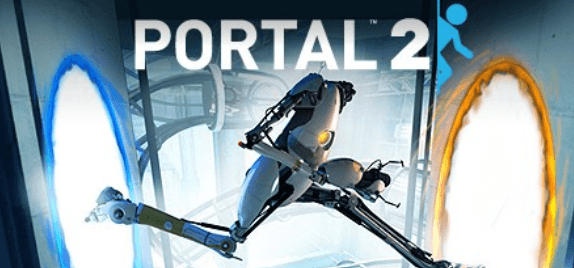
Portal 2 builds its portal gun puzzle design into a co-op campaign that requires two players to solve chambers neither could complete alone. The single-player story adds GLaDOS and Wheatley as competing antagonists. GPA scores it at the top for Puzzle and high on Co-op — the combination that describes a game where the spatial reasoning challenges are engineered specifically for two perspectives.
Game Characteristics
Logic
95%
Co-op
85%
Emotional Story
75%
Story Depth
75%
Graphics
70%
High Difficulty
65%
Action
55%
Dystopian Setting
55%
Visual Novel / ADV
50%
Player profile fit
Recommended for: Beginner to Advanced players (A score of 50 or higher indicates a good fit.)
Beginner
60 ✓
Intermediate
78 ✓
Advanced
65 ✓
Keywords
ポータルガンGLaDOSCo-op特化学校教材採用実績Valve傑作
Gameplay Profile Chart
Adjust tag ratios to instantly update similar titles in real time.
Logic
95%
Co-op
85%
Emotional Story
75%
Story Depth
75%
Graphics
70%
High Difficulty
65%
Action
55%
Dystopian Setting
55%
Top 8 Tags — Radar Chart
CurrentOriginal
Games Similar to Portal 2 (474)
GPA match scores are calculated from gameplay profile tags. They are not editorial “feels like this game” ratings.
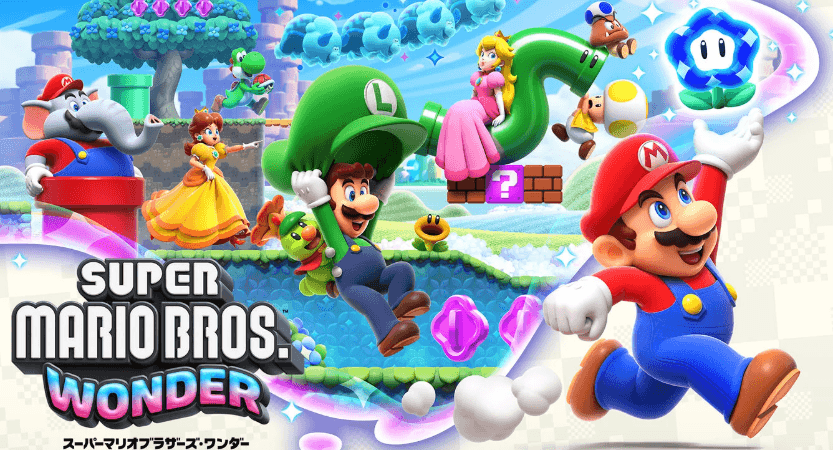
Super Mario Bros. Wonder adds the Wonder Flower mechanic that transforms levels in unpredictable ways, shifting the platform design conventions mid-stage. The badge system adds optional modifiers. GPA scores it at the top for Beginner and high on Action — the 2D Mario entry with the widest design variation between stages in the series.
Tag Similarity
Logic
50%
Co-op
70%
Emotional Story
50%
Story Depth
40%
Graphics
85%
High Difficulty
50%
Action
75%
Dystopian Setting
0%
Chart tags: Logic / Co-op / Emotional Story / Story Depth / Graphics / High Difficulty / Action / Dystopian Setting
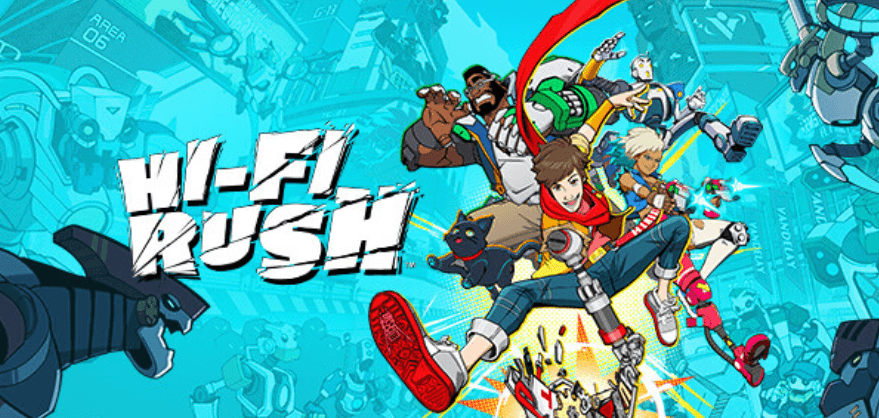
Hi-Fi Rush chains character-action combat to a persistent music beat, with every enemy attack and environmental cue synchronized to the soundtrack. Missing the rhythm reduces damage output. GPA scores it high on Action and Graphics — the rhythm-action hybrid that generated the year's biggest positive surprise from its shadow-dropped release.
Tag Similarity
Logic
30%
Co-op
30%
Emotional Story
65%
Story Depth
60%
Graphics
90%
High Difficulty
50%
Action
85%
Dystopian Setting
0%
Chart tags: Logic / Co-op / Emotional Story / Story Depth / Graphics / High Difficulty / Action / Dystopian Setting
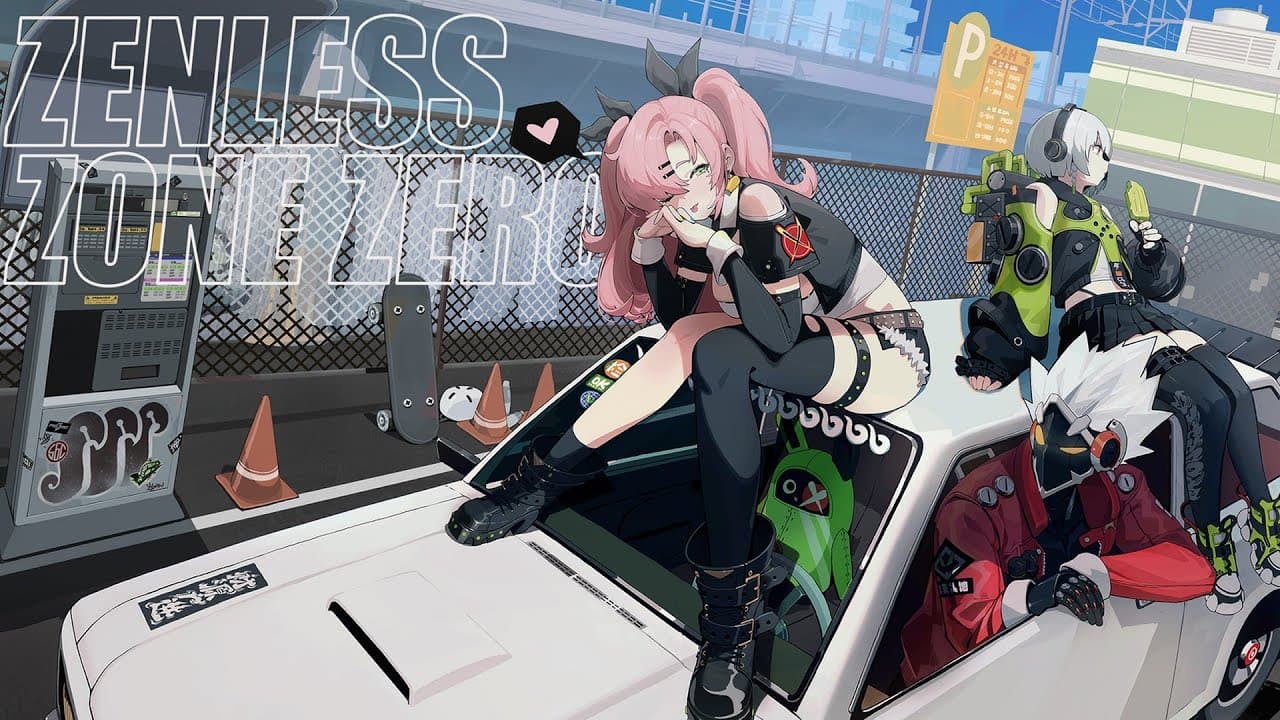
Zenless Zone Zero sets a character-action RPG in the Hollow-infested city of New Eridu, where anomalous phenomena require specialized agents to navigate. GPA scores it high on Action and Graphics — a HoYoverse title built around the studio's highest action-game benchmark.
Tag Similarity
Logic
40%
Co-op
50%
Emotional Story
70%
Story Depth
75%
Graphics
80%
High Difficulty
30%
Action
80%
Dystopian Setting
65%
Chart tags: Logic / Co-op / Emotional Story / Story Depth / Graphics / High Difficulty / Action / Dystopian Setting
Titanfall 2 combines wall-running pilot mobility with Titan mech combat in a single-player campaign widely considered among the best FPS stories made, alongside one of the most creative single levels in game design. The predecessor to Apex Legends. Respawn Entertainment, EA. PS4, Xbox One, PC. GPA scores it at the top for Action — the FPS that proved movement system design could be as distinctive as weapon design.
Tag Similarity
Logic
0%
Co-op
60%
Emotional Story
72%
Story Depth
72%
Graphics
72%
High Difficulty
65%
Action
92%
Dystopian Setting
0%
Chart tags: Logic / Co-op / Emotional Story / Story Depth / Graphics / High Difficulty / Action / Dystopian Setting
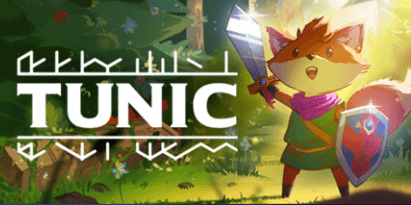
TUNIC hands players an untranslated instruction manual and asks them to decode it alongside the game's mechanics. GPA scores it high on Puzzle and Difficulty.
Tag Similarity
Logic
75%
Co-op
0%
Emotional Story
50%
Story Depth
70%
Graphics
70%
High Difficulty
80%
Action
70%
Dystopian Setting
40%
Chart tags: Logic / Co-op / Emotional Story / Story Depth / Graphics / High Difficulty / Action / Dystopian Setting
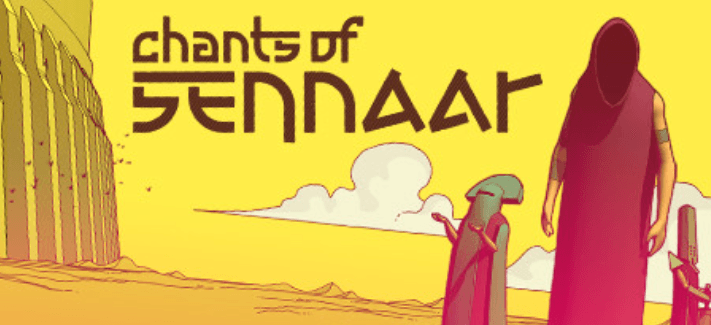
Chants of Sennaar tasks players with deciphering five constructed languages by observing context and testing hypotheses. Each language belongs to a different culture in a tower where communication has broken down. GPA scores it at the top for Puzzle and Existential Themes — the combination that correctly identifies decryption and philosophy as the twin engines of the experience.
Tag Similarity
Logic
95%
Co-op
0%
Emotional Story
60%
Story Depth
70%
Graphics
60%
High Difficulty
40%
Action
0%
Dystopian Setting
50%
Chart tags: Logic / Co-op / Emotional Story / Story Depth / Graphics / High Difficulty / Action / Dystopian Setting
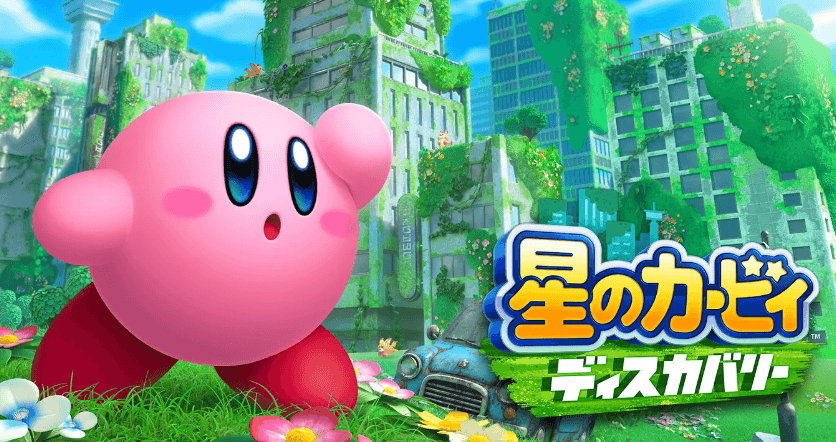
Kirby's first fully 3D platformer sends the pink protagonist through a post-civilization wilderness, absorbing enemy abilities to solve environmental puzzles. The Mouthful Mode transformation system adds a creative layer to the classic copy mechanic. GPA scores it high on the Beginner axis — accessible in a way that few 3D platformers achieve without sacrificing exploration depth.
Tag Similarity
Logic
40%
Co-op
60%
Emotional Story
50%
Story Depth
40%
Graphics
80%
High Difficulty
30%
Action
70%
Dystopian Setting
0%
Chart tags: Logic / Co-op / Emotional Story / Story Depth / Graphics / High Difficulty / Action / Dystopian Setting
8. Demon Slayer -Kimetsu no Yaiba- The Hinokami Chronicles
GPA match 64%
Nintendo SwitchPS5PS4steamXbox
CyberConnect2
Genre: Brawler
Demon Slayer: Kimetsu no Yaiba — The Hinokami Chronicles adapts the anime's major arcs into 2v2 fighter mechanics, with Breathing Styles as the special move framework. GPA scores it high on Emotional Story and Action — a positioning driven by the source material's emotional investment rather than the game's mechanical originality.
Tag Similarity
Logic
0%
Co-op
60%
Emotional Story
60%
Story Depth
50%
Graphics
85%
High Difficulty
50%
Action
85%
Dystopian Setting
0%
Chart tags: Logic / Co-op / Emotional Story / Story Depth / Graphics / High Difficulty / Action / Dystopian Setting
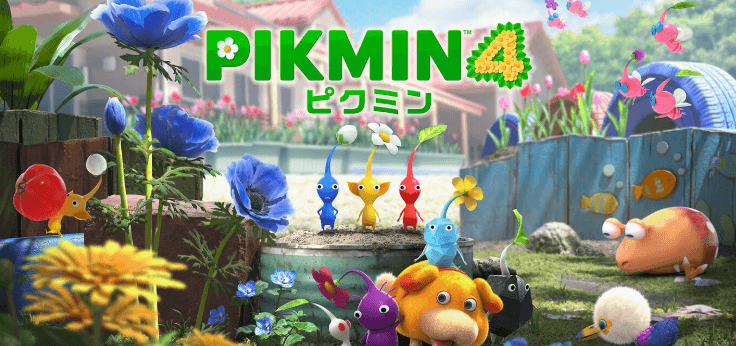
Pikmin 4 restructures the series with Oatchi as a permanent rideable companion who changes traversal options, alongside a night mode that shifts the loop toward tower defense survival. GPA scores it high on Strategy and Puzzle — the series entry most accessible to players new to the Pikmin format.
Tag Similarity
Logic
65%
Co-op
50%
Emotional Story
50%
Story Depth
50%
Graphics
80%
High Difficulty
40%
Action
65%
Dystopian Setting
0%
Chart tags: Logic / Co-op / Emotional Story / Story Depth / Graphics / High Difficulty / Action / Dystopian Setting
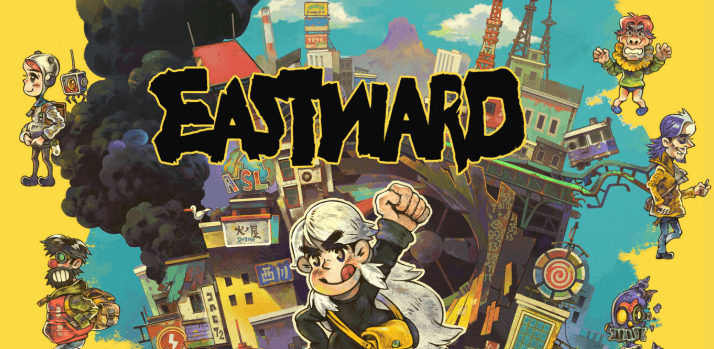
Eastward follows a father and daughter from an underground colony through hand-drawn pixel art environments. GPA scores it high on Emotional Story and Graphics.
Tag Similarity
Logic
55%
Co-op
0%
Emotional Story
70%
Story Depth
70%
Graphics
80%
High Difficulty
0%
Action
65%
Dystopian Setting
70%
Chart tags: Logic / Co-op / Emotional Story / Story Depth / Graphics / High Difficulty / Action / Dystopian Setting
A Plague Tale: Requiem continues Amicia and Hugo's escape across 14th-century France, with rat swarms used as environmental obstacles and threats. The sibling relationship drives the emotional weight. GPA scores it high on Emotional Story and Dark World — the combination that positions it as a story-driven action game rather than a survival horror title.
Tag Similarity
Logic
30%
Co-op
0%
Emotional Story
90%
Story Depth
85%
Graphics
90%
High Difficulty
70%
Action
60%
Dystopian Setting
75%
Chart tags: Logic / Co-op / Emotional Story / Story Depth / Graphics / High Difficulty / Action / Dystopian Setting
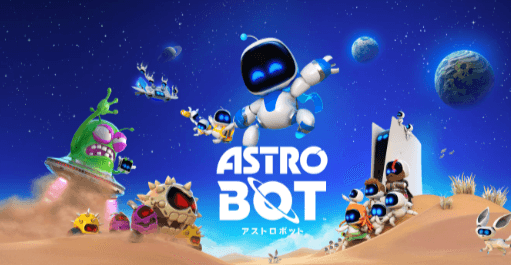
Astro Bot is built around the DualSense controller's haptic and adaptive trigger features, making the hardware the medium as much as the game is. The PlayStation IP cameos deepen for fans of the history. GPA scores it at the top for Action and Graphics among platformers, with the highest Beginner score in the action category.
Tag Similarity
Logic
45%
Co-op
0%
Emotional Story
60%
Story Depth
50%
Graphics
95%
High Difficulty
50%
Action
80%
Dystopian Setting
0%
Chart tags: Logic / Co-op / Emotional Story / Story Depth / Graphics / High Difficulty / Action / Dystopian Setting
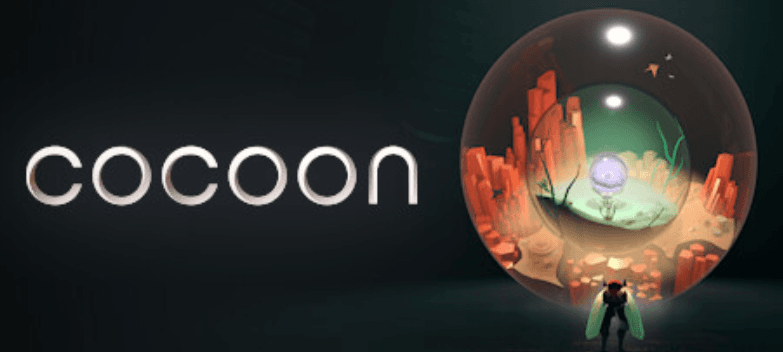
COCOON gives players nested worlds that can be carried as orbs and inserted into each other. The puzzle design scales in complexity without a single line of text. GPA scores it at the top for Puzzle — the highest in the database for the puzzle-only category — with Existential Themes above average for a wordless game.
Tag Similarity
Logic
95%
Co-op
0%
Emotional Story
60%
Story Depth
60%
Graphics
85%
High Difficulty
40%
Action
30%
Dystopian Setting
0%
Chart tags: Logic / Co-op / Emotional Story / Story Depth / Graphics / High Difficulty / Action / Dystopian Setting
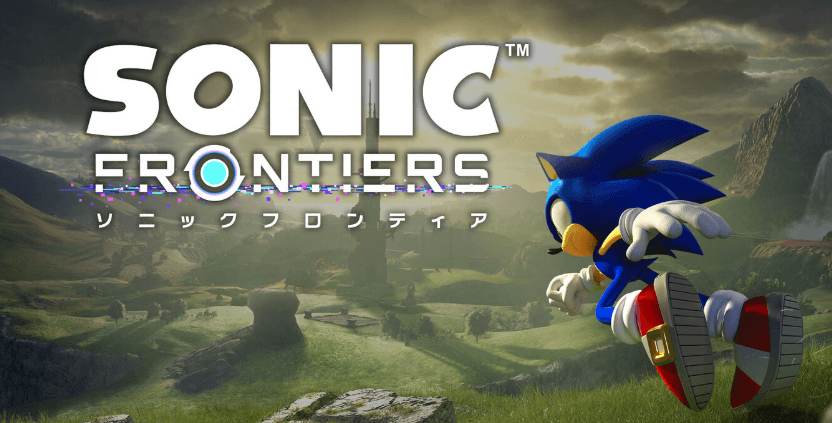
Sonic Frontiers redefines the classic high-speed platforming experience by introducing the series' first "Open Zone" gameplay. Developed by Sonic Team, the adventure follows Sonic the Hedgehog as he explores the mysterious Starfall Islands in search of the Chaos Emeralds. Players navigate vast, expansive landscapes filled with ancient ruins, solving puzzles, engaging in dynamic combat, and conquering traditional linear Cyber Space levels. The title blends signature kinetic momentum with freedom of exploration and a deeply melancholic narrative.
Tag Similarity
Logic
55%
Co-op
0%
Emotional Story
60%
Story Depth
60%
Graphics
70%
High Difficulty
40%
Action
90%
Dystopian Setting
0%
Chart tags: Logic / Co-op / Emotional Story / Story Depth / Graphics / High Difficulty / Action / Dystopian Setting
Dragon Ball: Sparking! Zero restores the Budokai Tenkaichi format with a roster exceeding 180 characters and destructible arenas. The what-if story modes extend the Dragon Ball narrative into alternate timelines. GPA scores it high on Action and Emotional Story — the return of the series' most chaotic arena fighter format for fans of the original games.
Tag Similarity
Logic
0%
Co-op
50%
Emotional Story
55%
Story Depth
40%
Graphics
85%
High Difficulty
65%
Action
90%
Dystopian Setting
0%
Chart tags: Logic / Co-op / Emotional Story / Story Depth / Graphics / High Difficulty / Action / Dystopian Setting
Hyrule Warriors: Age of Calamity covers the events 100 years before Breath of the Wild, placing the Divine Beast Champions in mass combat scenarios. The story fills in the gaps the memory system only hinted at. GPA scores it high on Action and Co-op — the musou entry built specifically for players who wanted the BotW prequel made playable.
Tag Similarity
Logic
0%
Co-op
65%
Emotional Story
60%
Story Depth
60%
Graphics
70%
High Difficulty
40%
Action
80%
Dystopian Setting
0%
Chart tags: Logic / Co-op / Emotional Story / Story Depth / Graphics / High Difficulty / Action / Dystopian Setting
Hyrule Warriors: Age of Calamity blends the rich lore and breathtaking world of The Legend of Zelda: Breath of the Wild with the fast-paced, hack-and-slash action of Omega Force’s Musou series. Serving as a dramatic prequel set 100 years before the events of Breath of the Wild, the game allows players to control Link, Zelda, the four Champions, and other allies in large-scale battles against the armies of Calamity Ganon. It offers a tactical, narrative-driven experience that details the tragic struggle to save the kingdom of Hyrule.
Tag Similarity
Logic
0%
Co-op
60%
Emotional Story
60%
Story Depth
55%
Graphics
60%
High Difficulty
50%
Action
75%
Dystopian Setting
0%
Chart tags: Logic / Co-op / Emotional Story / Story Depth / Graphics / High Difficulty / Action / Dystopian Setting
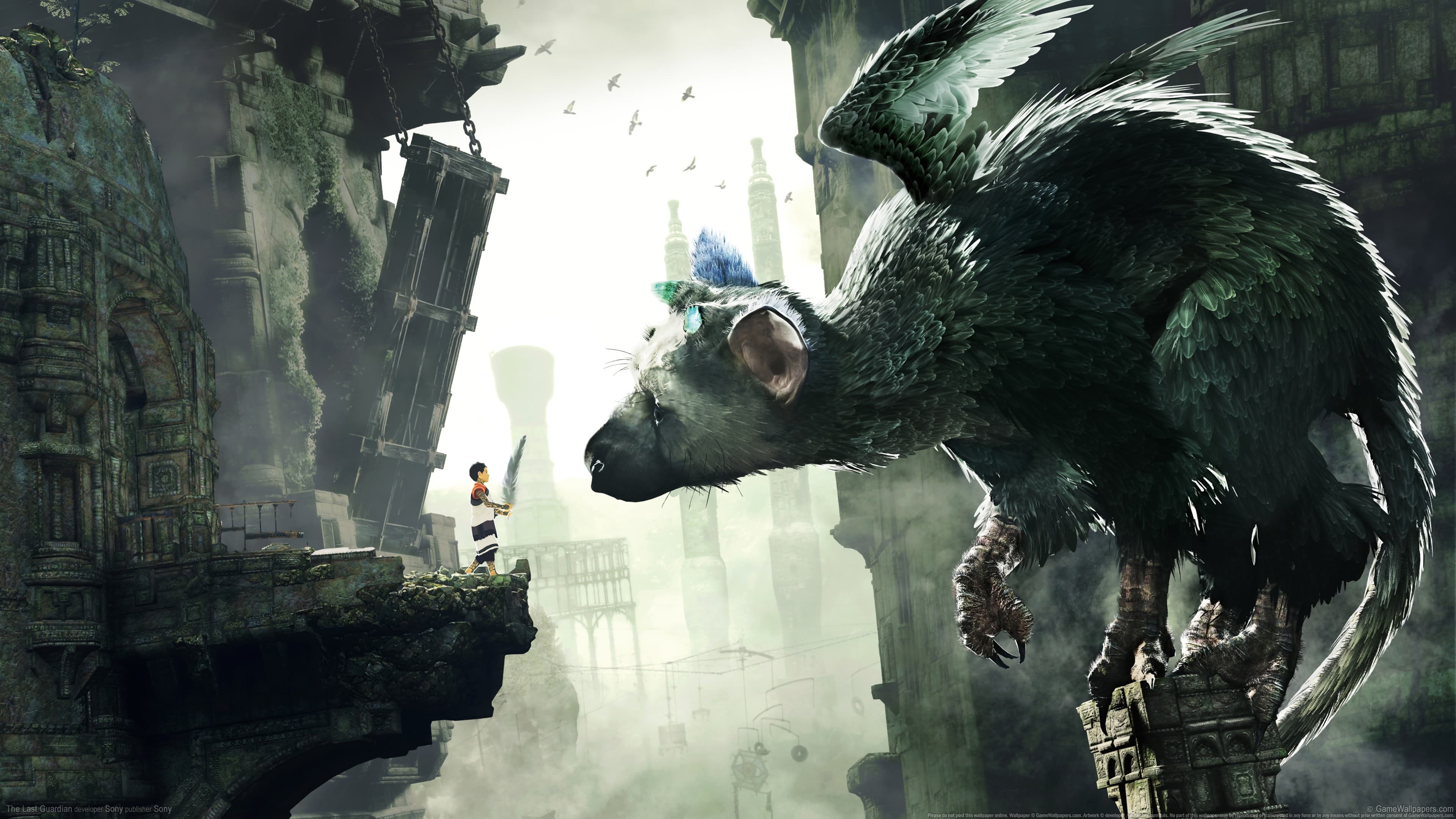
The Last Guardian follows a boy and an enormous creature named Trico through a crumbling ruin, building a relationship through care rather than command. Trico's AI creates unpredictable behavior that makes each interaction feel earned. GPA scores it at the top for Emotional Story — the highest in its genre category — with Dark World reflecting the melancholy that runs through the environmental design.
Tag Similarity
Logic
70%
Co-op
0%
Emotional Story
95%
Story Depth
85%
Graphics
85%
High Difficulty
40%
Action
0%
Dystopian Setting
75%
Chart tags: Logic / Co-op / Emotional Story / Story Depth / Graphics / High Difficulty / Action / Dystopian Setting
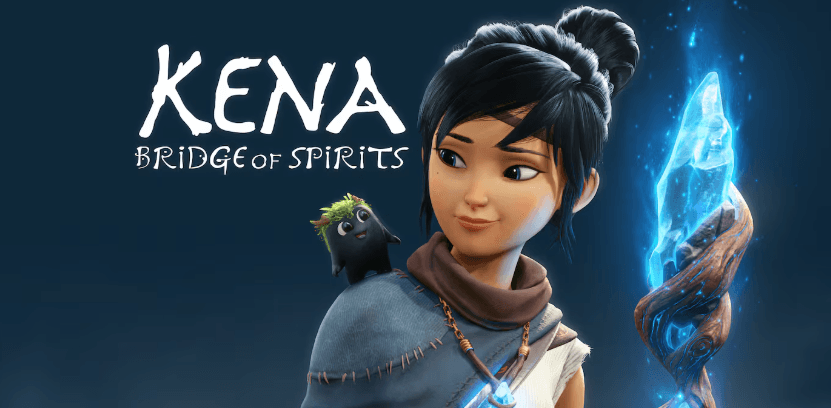
Kena: Bridge of Spirits sends a spirit guide through a village haunted by unresolved grief, clearing corruption to free the dead. The Rot companions add a resource management layer to the combat. GPA scores it high on Emotional Story and Graphics — the visual quality from a small studio remains the most discussed aspect of its reception.
Tag Similarity
Logic
45%
Co-op
0%
Emotional Story
75%
Story Depth
75%
Graphics
90%
High Difficulty
60%
Action
75%
Dystopian Setting
40%
Chart tags: Logic / Co-op / Emotional Story / Story Depth / Graphics / High Difficulty / Action / Dystopian Setting
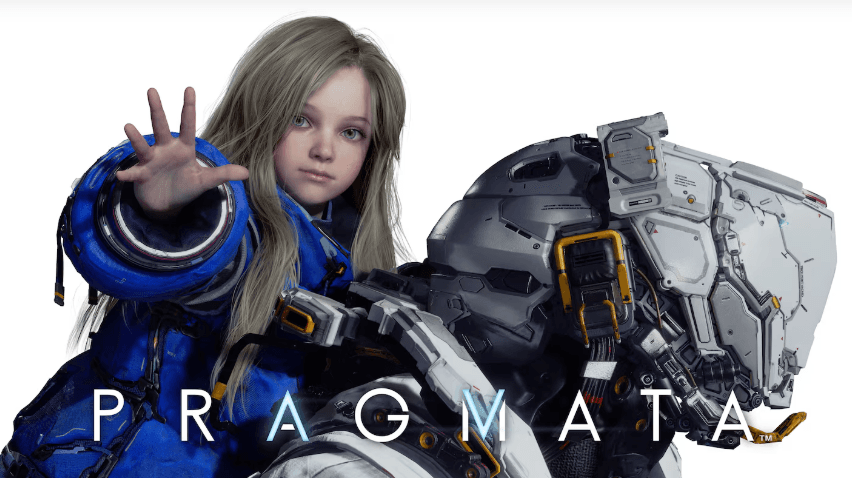
PRAGMATA sends astronaut Hugh and an android girl through a lunar crisis involving rogue AI and gravitational anomalies. The hacking and action systems layer on top of each other across escalating encounters. GPA scores it high on Action and Graphics — a Capcom title that brings the studio's action expertise into a science fiction setting.
Tag Similarity
Logic
75%
Co-op
0%
Emotional Story
80%
Story Depth
80%
Graphics
85%
High Difficulty
70%
Action
65%
Dystopian Setting
75%
Chart tags: Logic / Co-op / Emotional Story / Story Depth / Graphics / High Difficulty / Action / Dystopian Setting
About "Portal 2"
▸Game Composition (GPA Analysis)
Portal 2(ポータル2) leads with its Puzzle Action identity, anchored by the core feel of "Portal 2 builds its portal gun puzzle design into a co-op campaign that requires two players to solve chambers neither…." The headline profile reads Logic 95% / Co-op 85% / Emotional Story 75%, making it a strong pick for fans of Logic and Co-op. Accessible enough for newcomers while offering enough depth to satisfy veterans.
▸Characteristics & Analysis
Our editorial team scored "Portal 2(ポータル2)" by using its feel of ポータルガン, GLaDOS, and Co-op特化 as the primary lens, weighting Logic and Co-op most heavily. Top similar titles include "スーパーマリオブラザーズ ワンダー", "Hi-Fi Rush(ハイファイラッシュ)", "ゼンレスゾーンゼロ(ゼンゼロ)".
Portal 2 – Game Analysis
Overview
Portal 2 is a first-person puzzle-platform game developed by Valve. Players use the Portal Gun to create two connected portals on suitable surfaces, allowing them to move through space in ways that would otherwise be impossible. By manipulating these portals and interacting with the environment, players solve increasingly complex test chambers.
Building on the original Portal, the sequel expands the central mechanic with new puzzle elements, larger environments, a more developed narrative, and a dedicated cooperative campaign. It retains the original's distinctive spatial puzzles while giving the concept more room to evolve.
The game's appeal goes beyond solving difficult puzzles. Players must learn to understand space and physics differently, then apply that knowledge to situations that initially seem impossible. As their understanding of the game's rules grows, so does the range of problems they can solve.
With a Metascore of 95, Portal 2 is widely regarded as an exceptional sequel that expands the original's inventive mechanics while integrating storytelling and cooperative play into the experience.
Gameplay Analysis
1. Spatial Puzzles Built Around the Portal Gun
The Portal Gun is the foundation of Portal 2. By placing two linked portals on compatible surfaces, players can create instant pathways between distant points. What makes this mechanic so effective is that it does more than enable teleportation: it turns spatial relationships and physical principles into the core of the puzzle design.
Players can use portals to redirect momentum, reach otherwise inaccessible platforms, or transport objects to distant switches. Solving a chamber requires more than identifying an obvious route. Players must understand how height, distance, gravity, and movement interact with the portal system.
The key design strength is how the game changes the player's perception rather than relying on complicated controls. A wall that initially appears to be an obstacle can become a passage. A high platform may seem unreachable, but it can also provide the height needed to build momentum and launch toward another area.
Through experimentation, players gradually develop a new way of thinking about space. Once the underlying rule becomes clear, a puzzle that seemed complicated can suddenly have an elegant solution. That moment of recognition is one of the game's greatest sources of satisfaction.
2. New Mechanics Expand the Puzzle Language
Portal 2 preserves the original portal mechanic while introducing new elements that expand the range of possible puzzles.
These include gels that alter surface properties, energy-based devices that transport objects or players, and mechanisms that launch players through the air. Each element introduces a new rule, but the real complexity comes from combining them with portals and with one another.
For example, a gel can change how a surface behaves, while portals allow that effect to be applied in a different part of the chamber. Players must consider not only which tool to use, but also where to place it and in what sequence to activate each element.
New mechanics are introduced gradually, allowing players to understand their basic functions before being asked to combine them in more demanding challenges. Progression therefore becomes a process of learning. Each new rule adds another piece of knowledge that can be applied to later puzzles.
This creates a sense of continuity throughout the game: the player is not simply facing increasingly difficult challenges, but continually expanding their understanding of the game's underlying logic.
3. Level Design That Encourages Experimentation
The puzzles in Portal 2 are designed around experimentation rather than demanding that players find the correct answer immediately. Players can reposition portals, alter their approach, and test different hypotheses to discover how a chamber works.
Failure is generally easy to recover from, making it practical to try unfamiliar ideas without being heavily penalized. This encourages players to treat experimentation as part of the puzzle-solving process, rather than as a sign that they have made a mistake.
The environments also provide visual information that helps players reason through each challenge. Switches, platforms, portal-compatible surfaces, and other objects communicate possible interactions without explaining every step outright. Players are encouraged to observe the chamber and infer how its elements might work together.
Difficulty comes not only from introducing more complex mechanics, but also from asking players to apply familiar rules in unfamiliar ways. A mechanic learned in one context may become the key to solving a completely different problem later on. The game's level design turns accumulated understanding into a form of progression.
4. Cooperative Play as Shared Problem-Solving
Alongside its single-player campaign, Portal 2 includes a dedicated cooperative mode for two players. Each player controls a robot—Atlas or P-body—and uses their own portals to solve puzzles that require coordination.
Cooperative chambers often require players to create pathways for one another, operate multiple mechanisms, or coordinate movement and timing. Unlike single-player puzzles, each player's actions directly affect the other's options. Understanding a puzzle is only part of the challenge; players must also communicate their intentions and recognize what their partner needs.
The strongest aspect of the cooperative design is that it makes communication part of the gameplay itself. One player may notice a possible solution, while the other identifies a way to make it work. Sharing different perspectives can lead to solutions that neither player would have discovered alone.
This also introduces a different kind of difficulty. Miscommunication, mistimed actions, or a misunderstanding of the other player's plan can interrupt progress. The challenge is therefore not purely logical. It also involves aligning two players' understanding of the same space and problem. See our co-op games 20 list for more two-player puzzle picks.
Co-op in Portal 2 is more than a way to play the campaign with a friend. It transforms puzzle-solving into a shared intellectual experience.
5. Humor and Characters Give the Puzzles a Narrative Context
Despite being built around puzzles, Portal 2 features a strong narrative identity. Returning characters such as GLaDOS are joined by Wheatley and Cave Johnson, whose dialogue and personalities bring humor and character to the sterile environments of Aperture Science.
GLaDOS's dry sarcasm and Wheatley's energetic, often misguided commentary provide a constant contrast to the precise logic of the test chambers. Their dialogue reacts to the player's progress and actions, making the facility feel as though it is actively responding to the player rather than simply presenting a sequence of puzzles.
As the story progresses, players explore different sections and eras of Aperture Science, gradually uncovering the history and values of the organization. Changes in the environment help communicate the world's past, while the puzzles themselves remain central to moving through it.
This integration gives the player more reasons to continue beyond the satisfaction of solving each chamber. Curiosity about the facility's history and the characters' relationships becomes another motivation for exploration. The rhythm of clever puzzles and comedic dialogue gives the game a distinctive tone that remains memorable long after the mechanics have been mastered.
Narrative Structure
Portal 2 takes place some time after the events of the original game. The protagonist, Chell, awakens inside Aperture Science and soon finds herself drawn back into the facility's testing system.
Early in the story, the player encounters GLaDOS again and meets Wheatley. Their interactions initially frame the experience around escaping and navigating the test chambers. As the story develops, however, the player gains access to different areas of the facility and begins to uncover its history. The narrative gradually expands from a series of tests into a larger story about Aperture Science and the characters who control it.
The game's narrative structure is closely connected to its puzzle progression. Entering a new area often changes the available mechanics, the visual language of the environment, and the direction of the story. Gameplay changes become narrative turning points, allowing players to experience the story through their own actions rather than simply watching events unfold.
GLaDOS and Wheatley are more than guides or antagonists. Their behavior reflects themes such as power, recognition, and self-perception, often expressed through absurd humor and exaggerated personalities. Beneath the game's comedic surface, the relationships between characters and the history of Aperture Science carry a more reflective and occasionally melancholic tone.
The cooperative campaign has its own characters and narrative context. Atlas and P-body work together to complete tests, aligning the actions required by the cooperative mechanics with the relationship presented in the story. Cooperation is not merely a multiplayer feature; it is also the central activity through which the players experience that part of the game.
GPA Game Tendencies
Title tendency chart (Portal 2)
Mental Challenge ◀
95%
Co-op ◀
85%
Emotional Storytelling
75%
Story Depth
75%
Graphics
70%
High Difficulty
65%
Action
55%
Dystopian Atmosphere
55%
Text Adventure
50%
* GPA major-tag scores at time of writing. Values may change with sheet updates.
Portal 2 places its strongest emphasis on intellectual challenge and cooperative play, while also delivering a substantial narrative experience. Its spatial puzzles turn the player's understanding and creativity into the primary tools for progression.
In co-op, communication and shared reasoning become essential parts of the challenge. Meanwhile, the dialogue of GLaDOS and Wheatley, along with the history of Aperture Science, connects puzzle-solving to a broader narrative. The result is a game in which mechanics, story, and communication reinforce one another rather than existing as separate features.
Who Should Play It?
Players who enjoy intellectual puzzles: The Portal Gun creates inventive challenges based on spatial reasoning, physics, and moments of discovery.
Fans of cooperative gameplay: The dedicated two-player campaign turns communication and shared problem-solving into essential mechanics.
Players who enjoy humorous storytelling: GLaDOS, Wheatley, and the other characters bring distinctive personalities and sharp dialogue to the experience.
Those interested in gameplay and narrative working together: New mechanics and environments are closely tied to the story's progression and the world's history.
Players who prefer clearly defined challenges: Each test chamber presents a focused problem, giving every solution a satisfying sense of completion.
Final Analysis
Portal 2 takes a single inventive idea—the ability to connect two points in space—and develops it into a complete design language spanning spatial reasoning, physics, level design, narrative, and cooperative play.
Its puzzles do not rely on complicated controls. Instead, they challenge players to change how they perceive the world and use that new understanding to find solutions. The gradual introduction of mechanics, followed by increasingly creative combinations, makes the player's own learning process the foundation of progression.
The game's single-player campaign gives those puzzles narrative context through memorable characters and the history of Aperture Science. Its cooperative campaign adds another dimension by turning communication and shared reasoning into gameplay. Rather than treating puzzles, story, and multiplayer as separate features, Portal 2 uses the same core concept to support each of them.
From a GPA perspective, Portal 2 is a game that transforms knowledge and creativity into progression through spatial puzzle-solving, then expands that intellectual experience through cooperation and storytelling. It is more than a puzzle game: it is a landmark example of how understanding itself can become the central pleasure of play.