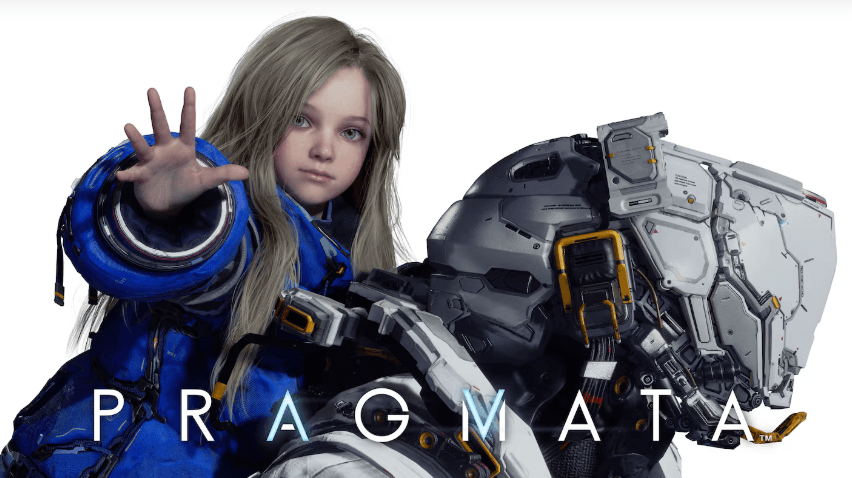
PRAGMATA sends astronaut Hugh and an android girl through a lunar crisis involving rogue AI and gravitational anomalies. The hacking and action systems layer on top of each other across escalating encounters. GPA scores it high on Action and Graphics — a Capcom title that brings the studio's action expertise into a science fiction setting.
Game Characteristics
Graphics
85%
Emotional Story
80%
Story Depth
80%
Dystopian Setting
75%
Logic
75%
High Difficulty
70%
Existential Themes
70%
Action
65%
Strategy
60%
Multiple Endings
60%
Anime Characters
50%
Character Building
40%
Dark
20%
Player profile fit
Recommended for: Beginner to Advanced players (A score of 50 or higher indicates a good fit.)
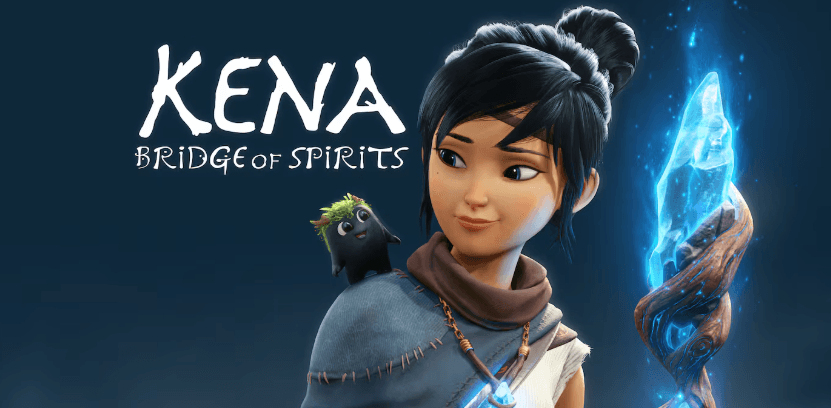
Kena: Bridge of Spirits sends a spirit guide through a village haunted by unresolved grief, clearing corruption to free the dead. The Rot companions add a resource management layer to the combat. GPA scores it high on Emotional Story and Graphics — the visual quality from a small studio remains the most discussed aspect of its reception.
Tag Similarity
Graphics
90%
Emotional Story
75%
Story Depth
75%
Dystopian Setting
40%
Logic
45%
High Difficulty
60%
Existential Themes
55%
Action
75%
Chart tags: Graphics / Emotional Story / Story Depth / Dystopian Setting / Logic / High Difficulty / Existential Themes / Action
Stellar Blade follows EVE on a mission to reclaim Earth from alien creatures. The parry-focused combat rewards learning attack patterns. GPA scores it high on Action and Graphics — the character design and environmental art are among the strongest visual presentations in the Action category.
Tag Similarity
Graphics
75%
Emotional Story
65%
Story Depth
65%
Dystopian Setting
70%
Logic
20%
High Difficulty
70%
Existential Themes
80%
Action
85%
Chart tags: Graphics / Emotional Story / Story Depth / Dystopian Setting / Logic / High Difficulty / Existential Themes / Action
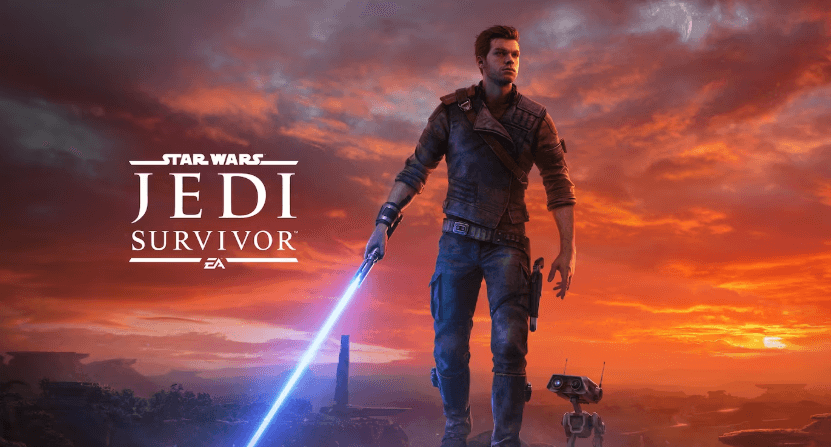
Star Wars Jedi: Survivor continues Cal Kestis's journey through a galaxy under Imperial consolidation, adding new lightsaber stances and a Metroidvania planet structure. GPA scores it high on Action and Story Depth — a sequel that deepens the combat options and the political stakes from Fallen Order.
Tag Similarity
Graphics
85%
Emotional Story
70%
Story Depth
70%
Dystopian Setting
50%
Logic
45%
High Difficulty
65%
Existential Themes
50%
Action
80%
Chart tags: Graphics / Emotional Story / Story Depth / Dystopian Setting / Logic / High Difficulty / Existential Themes / Action
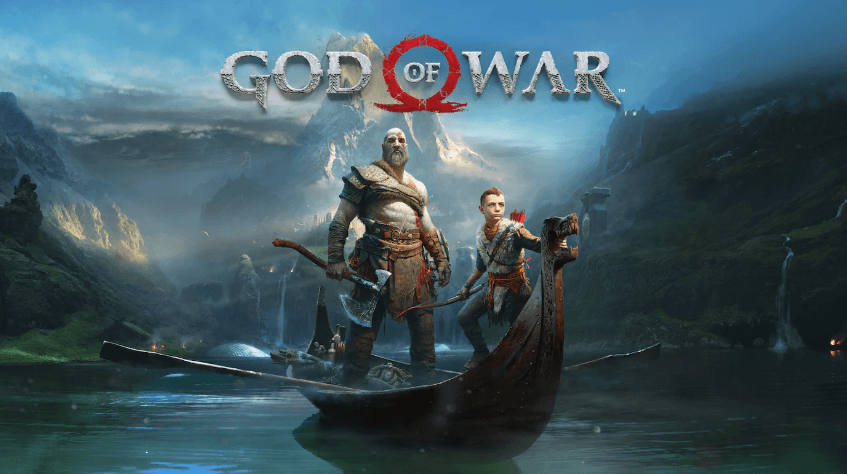
God of War (2018) moves Kratos and his son Atreus through Norse mythology on a single unbroken camera shot. The relationship between the two is the structural engine of the game. GPA scores it at the top for Emotional Story and Graphics — the same axes that drive the sequel's scores.
Tag Similarity
Graphics
90%
Emotional Story
90%
Story Depth
90%
Dystopian Setting
50%
Logic
0%
High Difficulty
65%
Existential Themes
60%
Action
85%
Chart tags: Graphics / Emotional Story / Story Depth / Dystopian Setting / Logic / High Difficulty / Existential Themes / Action
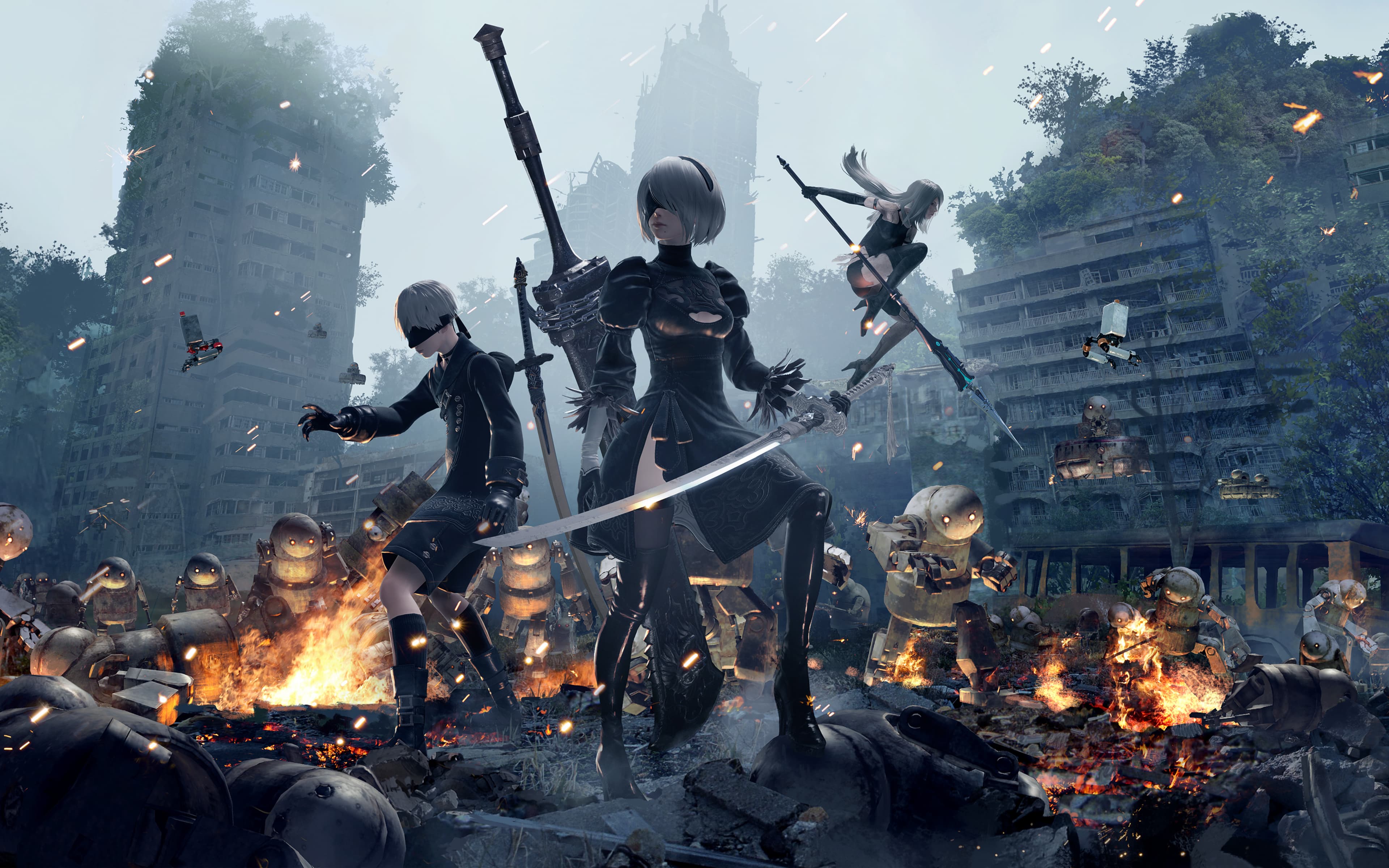
Androids fight a proxy war for humanity while quietly developing consciousness of their own. NieR: Automata asks its existential questions across multiple playthroughs, each one revealing a layer the last one withheld. GPA scores it at 95% for Existential Themes — the highest in the database — alongside strong marks for Emotional Story and Dark World.
Tag Similarity
Graphics
70%
Emotional Story
85%
Story Depth
85%
Dystopian Setting
70%
Logic
20%
High Difficulty
60%
Existential Themes
95%
Action
80%
Chart tags: Graphics / Emotional Story / Story Depth / Dystopian Setting / Logic / High Difficulty / Existential Themes / Action
Horizon Forbidden West continues Aloy's investigation into the machine ecosystem collapse across western North America, adding underwater exploration and a wider variety of machine types. GPA scores it high on Open World and Story Depth — a sequel that expands the geographic and narrative scope of Zero Dawn without changing its fundamental design.
Tag Similarity
Graphics
85%
Emotional Story
75%
Story Depth
80%
Dystopian Setting
55%
Logic
40%
High Difficulty
55%
Existential Themes
60%
Action
80%
Chart tags: Graphics / Emotional Story / Story Depth / Dystopian Setting / Logic / High Difficulty / Existential Themes / Action
God of War: Ragnarök continues Kratos and Atreus's journey through the Norse realms toward Ragnarök. The relationship between the two protagonists carries more weight than the combat, which is itself excellent. GPA scores it at the top for Emotional Story and Graphics — a sequel that deepens what the 2018 game established.
Tag Similarity
Graphics
90%
Emotional Story
90%
Story Depth
90%
Dystopian Setting
60%
Logic
0%
High Difficulty
60%
Existential Themes
60%
Action
85%
Chart tags: Graphics / Emotional Story / Story Depth / Dystopian Setting / Logic / High Difficulty / Existential Themes / Action
Arknights runs its tower defense and tactical combat through a post-apocalyptic world where infected populations are segregated by law. The operator roster and faction writing carry more depth than most mobile strategy games. GPA scores it high on Strategy and Dark World — the combination that identifies a game where the setting's politics are as developed as the mechanics.
Tag Similarity
Graphics
70%
Emotional Story
70%
Story Depth
85%
Dystopian Setting
80%
Logic
60%
High Difficulty
70%
Existential Themes
75%
Action
30%
Chart tags: Graphics / Emotional Story / Story Depth / Dystopian Setting / Logic / High Difficulty / Existential Themes / Action
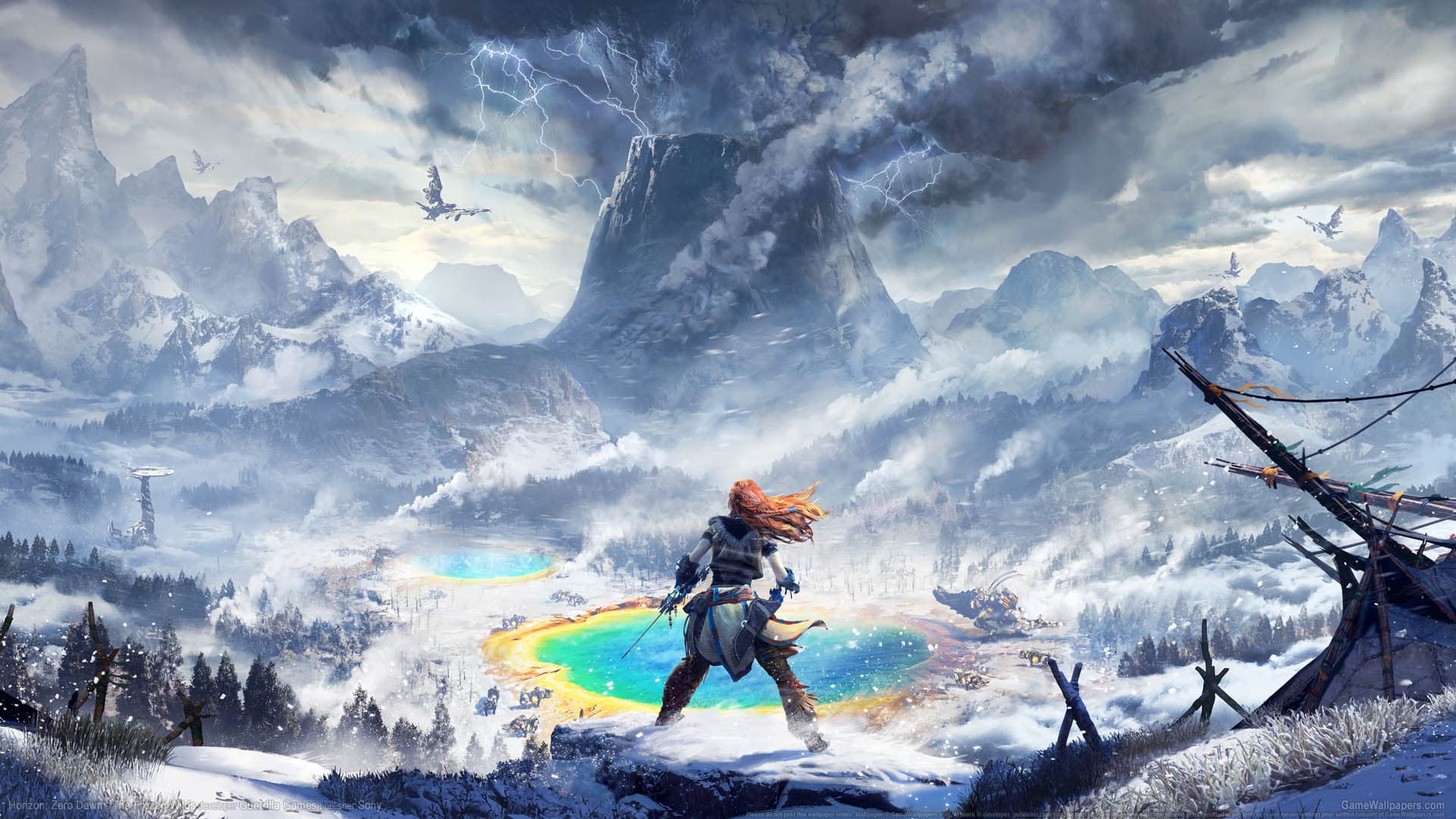
Horizon Zero Dawn explains its post-apocalyptic world through environmental storytelling and collectibles before the main quest confirms anything. The machine combat rewards studying behavior patterns. GPA scores it high on Open World and Story Depth, with Emotional Story above 75 — a combination that describes an action game where the world-building carries as much weight as the combat.
Tag Similarity
Graphics
80%
Emotional Story
80%
Story Depth
85%
Dystopian Setting
60%
Logic
40%
High Difficulty
60%
Existential Themes
65%
Action
80%
Chart tags: Graphics / Emotional Story / Story Depth / Dystopian Setting / Logic / High Difficulty / Existential Themes / Action
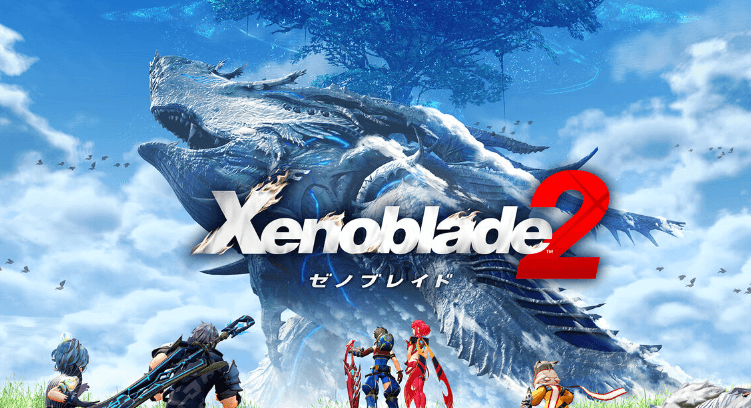
Xenoblade Chronicles 2 follows Rex and the Blades — living weapons with distinct personalities — toward the mythical Elysium. The combat system builds through Blade combinations and chain attacks. GPA scores it high on Turn-Based and Emotional Story, with Story Depth above average — a positioning that reflects the series' commitment to extended narrative investment.
Tag Similarity
Graphics
80%
Emotional Story
85%
Story Depth
85%
Dystopian Setting
40%
Logic
0%
High Difficulty
50%
Existential Themes
65%
Action
75%
Chart tags: Graphics / Emotional Story / Story Depth / Dystopian Setting / Logic / High Difficulty / Existential Themes / Action
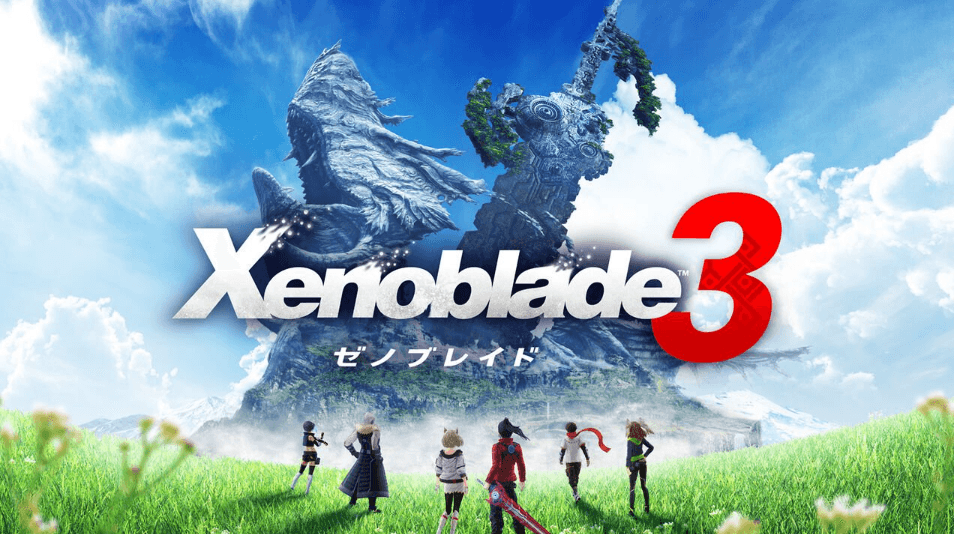
Xenoblade Chronicles 3 connects the worlds of the first two games through a story about soldiers fighting a war no one can explain. The real-time combat scales with party composition through the Ouroboros system. GPA scores it high on Turn-Based and Emotional Story, with Story Depth above average — a JRPG where the narrative's ambitions match its length.
Tag Similarity
Graphics
80%
Emotional Story
80%
Story Depth
85%
Dystopian Setting
50%
Logic
0%
High Difficulty
50%
Existential Themes
75%
Action
70%
Chart tags: Graphics / Emotional Story / Story Depth / Dystopian Setting / Logic / High Difficulty / Existential Themes / Action
NieR Replicant ver.1.22 upgrades the 2010 original with Automata's combat system and expanded lore content. The multiple playthroughs reveal the story's full moral weight incrementally. GPA scores it close to Automata on Existential Themes, with Emotional Story slightly lower — a starting point for players who want the complete Yoko Taro narrative context.
Tag Similarity
Graphics
65%
Emotional Story
85%
Story Depth
85%
Dystopian Setting
75%
Logic
0%
High Difficulty
60%
Existential Themes
90%
Action
75%
Chart tags: Graphics / Emotional Story / Story Depth / Dystopian Setting / Logic / High Difficulty / Existential Themes / Action
Prince of Persia: The Lost Crown returns the series to 2D with Sargon as protagonist, using time-based abilities alongside the series' acrobatic movement. The Metroidvania structure reveals the map through ability acquisition. GPA scores it high on Action and Puzzle — the combination that describes a game that commits to the genre with current production quality.
Tag Similarity
Graphics
85%
Emotional Story
50%
Story Depth
60%
Dystopian Setting
35%
Logic
50%
High Difficulty
80%
Existential Themes
45%
Action
85%
Chart tags: Graphics / Emotional Story / Story Depth / Dystopian Setting / Logic / High Difficulty / Existential Themes / Action
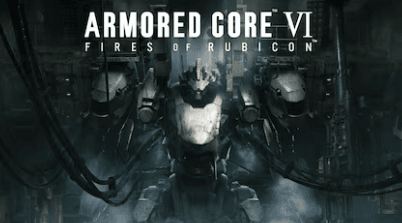
Armored Core VI returns after a decade with a mech assembly system that lets players reconfigure loadouts between missions. Each boss is designed to pressure specific AC builds. GPA scores it high on Action and Strategy — the combination that describes a game where mechanical optimization and combat execution sit at equal priority.
Tag Similarity
Graphics
80%
Emotional Story
65%
Story Depth
70%
Dystopian Setting
80%
Logic
0%
High Difficulty
85%
Existential Themes
65%
Action
90%
Chart tags: Graphics / Emotional Story / Story Depth / Dystopian Setting / Logic / High Difficulty / Existential Themes / Action
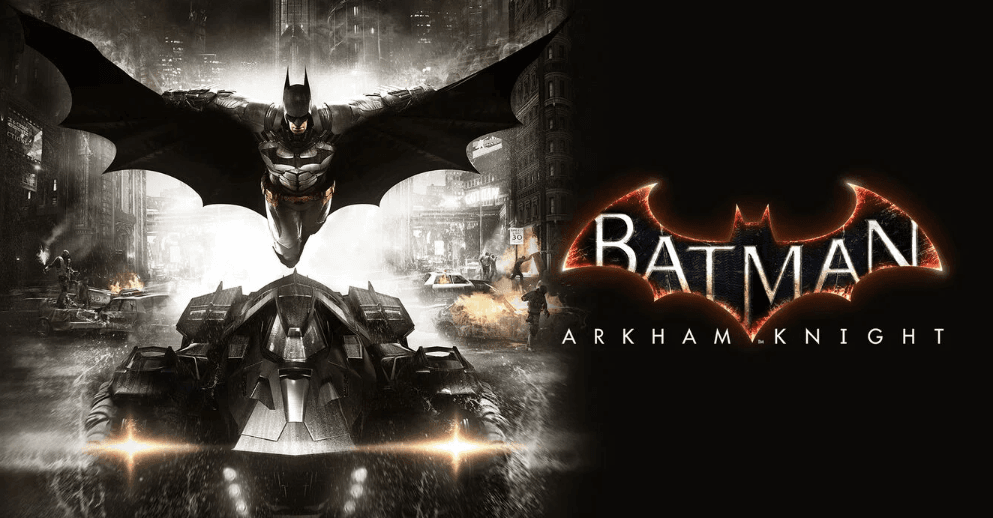
Batman: Arkham Knight closes the Arkham trilogy with the Batmobile fused into the combat and traversal systems. Gotham at night is the strongest visual presentation in the series. GPA scores it high on Action and Dark World — the combination that defines the Arkham series across all entries.
Tag Similarity
Graphics
90%
Emotional Story
70%
Story Depth
75%
Dystopian Setting
65%
Logic
30%
High Difficulty
50%
Existential Themes
55%
Action
85%
Chart tags: Graphics / Emotional Story / Story Depth / Dystopian Setting / Logic / High Difficulty / Existential Themes / Action
Rise of the Ronin puts Team Ninja's high-difficulty sword combat into an open-world Bakumatsu setting, with historical figures appearing as companions and antagonists. GPA scores it high on Action and Difficulty — the open-world pivot that applies Nioh's combat depth to a larger structural format.
Tag Similarity
Graphics
75%
Emotional Story
65%
Story Depth
70%
Dystopian Setting
50%
Logic
0%
High Difficulty
65%
Existential Themes
50%
Action
80%
Chart tags: Graphics / Emotional Story / Story Depth / Dystopian Setting / Logic / High Difficulty / Existential Themes / Action
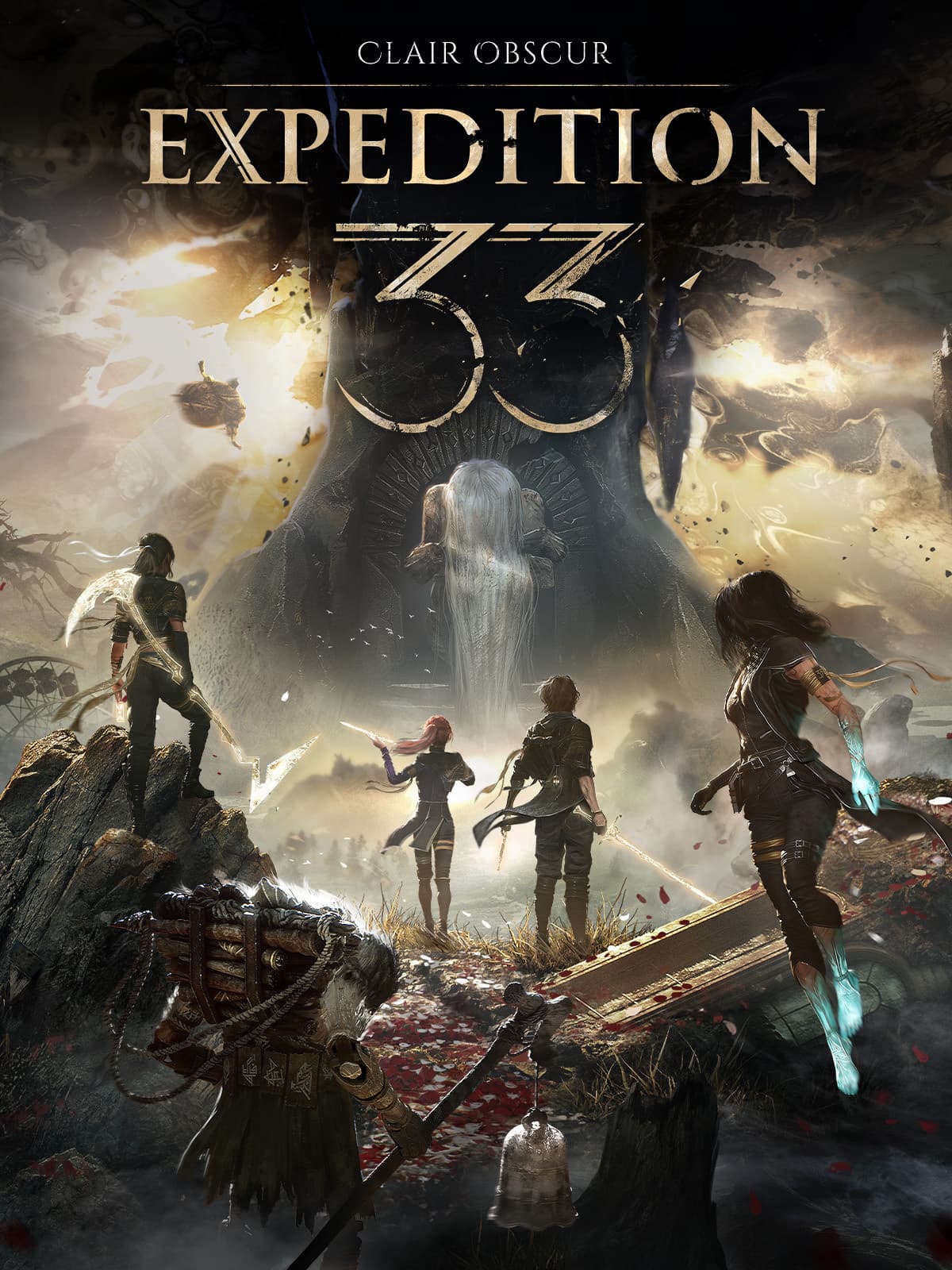
Set in a world where the Paintress condemns entire age groups to death each year, Expedition 33 sends a doomed party into a dying world to break the curse. The turn-based combat integrates real-time parry mechanics that shift the rhythm of every encounter. GPA scores it highest in Emotional Story and Story Depth — the French aesthetic and existential weight make it one of the most distinctive RPGs of 2025.
Tag Similarity
Graphics
80%
Emotional Story
80%
Story Depth
90%
Dystopian Setting
85%
Logic
20%
High Difficulty
60%
Existential Themes
85%
Action
60%
Chart tags: Graphics / Emotional Story / Story Depth / Dystopian Setting / Logic / High Difficulty / Existential Themes / Action
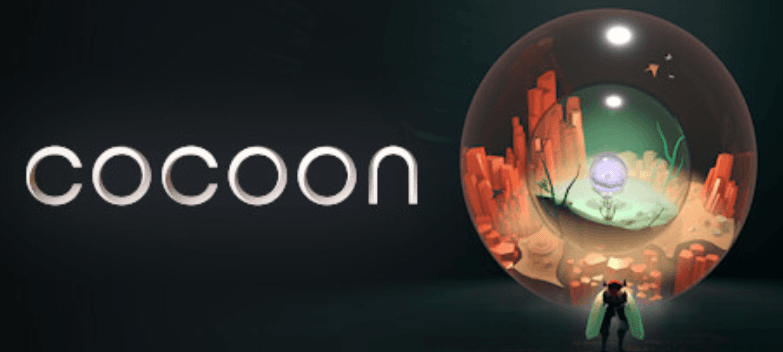
COCOON gives players nested worlds that can be carried as orbs and inserted into each other. The puzzle design scales in complexity without a single line of text. GPA scores it at the top for Puzzle — the highest in the database for the puzzle-only category — with Existential Themes above average for a wordless game.
Tag Similarity
Graphics
85%
Emotional Story
60%
Story Depth
60%
Dystopian Setting
0%
Logic
95%
High Difficulty
40%
Existential Themes
50%
Action
30%
Chart tags: Graphics / Emotional Story / Story Depth / Dystopian Setting / Logic / High Difficulty / Existential Themes / Action
Metroid Dread returns the series to 2D after 19 years, sending Samus to planet ZDR to investigate a rogue EMMI robot. The stealth sequences against the indestructible EMMI units create a distinct tension layer on top of the Metroidvania exploration. GPA scores it high on Action and Difficulty — the combination that defines the series at its most mechanically demanding.
Tag Similarity
Graphics
80%
Emotional Story
60%
Story Depth
70%
Dystopian Setting
50%
Logic
30%
High Difficulty
80%
Existential Themes
55%
Action
85%
Chart tags: Graphics / Emotional Story / Story Depth / Dystopian Setting / Logic / High Difficulty / Existential Themes / Action
Dragon's Dogma 2 builds around the Pawn system where companions travel to other players' worlds. GPA scores it high on Action and Co-op.
Tag Similarity
Graphics
85%
Emotional Story
65%
Story Depth
70%
Dystopian Setting
60%
Logic
0%
High Difficulty
70%
Existential Themes
55%
Action
85%
Chart tags: Graphics / Emotional Story / Story Depth / Dystopian Setting / Logic / High Difficulty / Existential Themes / Action
About "PRAGMATA"
▸Game Composition (GPA Analysis)
プラグマタ(PRAGMATA) leads with its SFアクションアドベンチャー identity, anchored by the core feel of "PRAGMATA sends astronaut Hugh and an android girl through a lunar crisis involving rogue AI and gravitational anomalies." The headline profile reads Graphics 85% / Emotional Story 80% / Story Depth 80%, making it a strong pick for fans of Graphics and Emotional Story. Oriented toward experienced players looking to push their limits.
▸Characteristics & Analysis
Our editorial team scored "プラグマタ(PRAGMATA)" by using its feel of ハッキング×アクション, sci-fi, and exploration as the primary lens, weighting Graphics and Emotional Story most heavily. Top similar titles include "Kena: Bridge of Spirits", "Stellar Blade(ステラブレイド)", "スター・ウォーズ ジェダイ:サバイバー".
PRAGMATA Analysis — The New Frontier of Hacking Combat and Brain-Over-Brawn Design
What Kind of Game Is PRAGMATA? — Capcom's Unexpected New Direction
PRAGMATAis a fully original SF action-adventure developed by the same Capcom teams behind Resident Evil RE and Devil May Cry. The premise — an agent named Hugh, stranded on the moon after a quake, partnering with android girl Diana to return to Earth — sounds like a familiar SF adventure. But the game's real identity is something else entirely: a fusion of hacking, action, and puzzle-solving that centers thinking over reflexes.
Selling one million copies in two days, the game validated its unusual design bet. GPA positions it as "a Capcom game where character appeal, existential themes, and puzzle strategy coexist at an unusually high level."
GPA tag snapshot — PRAGMATA
Graphics
85%
Emotional Story
80%
Story Depth
80%
Dystopian World
75%
Logic ◀
75%
High Difficulty
70%
Existential Theme
70%
Action
65%
Top 8 tags shown. Use the similarity explorer on this page to dive deeper.
Systems and Controls — New Design That Doesn't Lose You
PRAGMATA is TPS-based, but its settings — camera distance, motion sickness prevention, display adjustments — come with in-game guidance clear enough that players can actually dial things in. The experience of leaving everything at default because the options menus are incomprehensible is absent here.
The combat systems involve many elements that do not exist in prior games, yet the tutorial design prevents players from getting lost in them. "New but not intimidating" is a difficult balance; Capcom's experience building player onboarding across RE and DMC shows in how naturally this unfolds.
Progression — Luna Filaments and the Upgrade Tree
The upgrade system runs on "Luna Filaments" gathered through exploration. Choosing where to invest — hacking efficiency, action capability, survivability — creates a lightweight but meaningful expression of playstyle. The branching allocation is one of the systems that keeps second-run interest high.
Combat — Brain vs. Enemy, Not Reflex vs. Frame Data
The defining characteristic of PRAGMATA's combat is that hacking precision — not action speed — sits at the center. Enemies close in while you execute hacking inputs; the tension comes from accuracy under pressure rather than twitch reaction. This is combat designed around "thinking and executing" rather than "speed and spectacle."
Hacking Variety — Tactical Decisions as the Core Loop
Multiple hacking methods are available, and choosing the right approach for the situation is the real skill expression. The decision of which technique to deploy — not how fast you press — is what combat mastery looks like in this game.
Shooting and Aim — Intentionally Accessible
Ranged attacks via the standard weapon are the baseline offensive tool, but aim difficulty is kept deliberately low. Even the weak-point targeting that unlocks after a successful hack does not demand high aim precision. This is by design: the difficulty axis is hacking judgment and input accuracy, not gunplay skill. Players who typically avoid 3D action games due to aim requirements will find the barrier lower than expected.
Exploration and Puzzles — Built for Zelda and Stellar Blade Players
Stages incorporate puzzle elements that break up the combat rhythm with thinking time. Players who enjoyed the action-exploration balance in Stellar Blade or the puzzle design in The Legend of Zeldawill find a familiar sensibility here. The structure — solve the environmental puzzle, advance deeper into the lunar facility — gives the game a depth that pure action titles cannot match. GPA's 75% Puzzle score reflects how central this design is to the experience.
Editor's Review
Editor's Review
On Systems and Controls
Controls feel genuinely good. Camera distance in TPS, motion sickness settings, and the change-log guidance in the options screen all made it easy to set up a comfortable play environment quickly. That kind of QoL care compounds over long sessions. Combat involves mechanics that do not exist elsewhere, but the design kept me from getting lost — new-player accessibility and system depth coexist well. The Filament upgrade decisions were fun rather than stressful.
On Combat
The blend of action and hacking created a feeling I have not encountered before. Being pressed by enemies while maintaining hacking input accuracy generates a particular kind of tension — not panic, but focused pressure. The game is clearly about brain-over-speed. Multiple hacking approaches mean decision-making is the core skill. Shooting is accessible, which keeps attention on the right system: hacking judgment.
On Exploration
Stage puzzles felt close to what I enjoy about Zelda and Stellar Blade. The rhythm of combat and puzzle-solving prevents fatigue over longer sessions in a way that pure action cannot.
Who This Game Is For
◎ Strong Fit
·Zelda or Stellar Blade fans — players who enjoy the alternating rhythm of action and puzzle exploration
·Thinking-combat players — players who want victories earned by judgment and precision, not reaction speed
·SF world-building fans — players drawn to lunar settings, dystopia, and AI themes
·Beginner to intermediate action players — accessible onboarding and forgiving aim design lower the entry barrier
△ Worth Considering First
·Spectacle-first action players — if pace and stylish combat are the priority, the hacking-centered design may feel measured
·Extreme difficulty seekers — SEKIRO or Elden Ring-tier punishing design is not the model here
Conclusion — Capcom's New Answer to What Action Can Be
PRAGMATA is Capcom's answer to a question about what action can mean when thinking replaces reflex at the center. Smooth onboarding, considered accessibility design, and a hacking-combat system that has no real precedent combine to deliver an experience that does not fit an existing genre label.
If you liked Zelda or Stellar Blade, want a combat system built around decisions rather than speed, or are drawn to SF worlds with real thematic weight — PRAGMATA will likely be exactly the game you were looking for.
Score data in this article is based on GPA (Gamer's Profile Analyzer)'s proprietary tag-weighting system. For the latest scores and similar-game rankings, visit the individual game pages from the GPA top page.