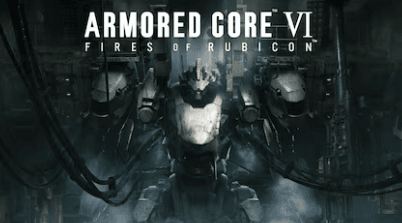
Armored Core VI returns after a decade with a mech assembly system that lets players reconfigure loadouts between missions. Each boss is designed to pressure specific AC builds. GPA scores it high on Action and Strategy — the combination that describes a game where mechanical optimization and combat execution sit at equal priority.
Game Characteristics
Action
90%
High Difficulty
85%
Strategy
85%
Dystopian Setting
80%
Graphics
80%
Multiple Endings
75%
Character Building
75%
Story Depth
70%
Dark
70%
Existential Themes
65%
Emotional Story
65%
Player profile fit
Recommended for: Intermediate to Advanced players (A score of 50 or higher indicates a good fit.)
Phantom Blade Zero builds its wuxia action around high-speed sword combat with a response window that rewards perfect timing. The martial arts world-building draws from Chinese historical fantasy. GPA scores it high on Action and Dark World — the combination that describes an action game where atmosphere and mechanical precision sit at equal priority.
Tag Similarity
Action
95%
High Difficulty
80%
Strategy
40%
Dystopian Setting
60%
Graphics
90%
Multiple Endings
0%
Character Building
40%
Story Depth
50%
Chart tags: Action / High Difficulty / Strategy / Dystopian Setting / Graphics / Multiple Endings / Character Building / Story Depth
Rise of the Ronin puts Team Ninja's high-difficulty sword combat into an open-world Bakumatsu setting, with historical figures appearing as companions and antagonists. GPA scores it high on Action and Difficulty — the open-world pivot that applies Nioh's combat depth to a larger structural format.
Tag Similarity
Action
80%
High Difficulty
65%
Strategy
50%
Dystopian Setting
50%
Graphics
75%
Multiple Endings
55%
Character Building
50%
Story Depth
70%
Chart tags: Action / High Difficulty / Strategy / Dystopian Setting / Graphics / Multiple Endings / Character Building / Story Depth
Nioh 2 builds its samurai action around the Soul Core system and a Yokai Shift transformation that temporarily unlocks a second move set. The Burst Counter mechanic rewards reading specific enemy attacks. GPA scores it high on Action and Difficulty — the combination that places it in the Soulslike cluster while the transformation system provides a mechanical layer Dark Souls entries lack.
Tag Similarity
Action
90%
High Difficulty
90%
Strategy
70%
Dystopian Setting
70%
Graphics
80%
Multiple Endings
0%
Character Building
70%
Story Depth
60%
Chart tags: Action / High Difficulty / Strategy / Dystopian Setting / Graphics / Multiple Endings / Character Building / Story Depth
Stellar Blade follows EVE on a mission to reclaim Earth from alien creatures. The parry-focused combat rewards learning attack patterns. GPA scores it high on Action and Graphics — the character design and environmental art are among the strongest visual presentations in the Action category.
Tag Similarity
Action
85%
High Difficulty
70%
Strategy
50%
Dystopian Setting
70%
Graphics
75%
Multiple Endings
55%
Character Building
50%
Story Depth
65%
Chart tags: Action / High Difficulty / Strategy / Dystopian Setting / Graphics / Multiple Endings / Character Building / Story Depth
Wo Long: Fallen Dynasty reframes Three Kingdoms history as dark fantasy and builds its combat around a Spirit Gauge system where aggressive play generates meter for powerful deflections. GPA scores it high on Action and Difficulty, sharing the Soulslike tag with Elden Ring while running lower on Open World.
Tag Similarity
Action
85%
High Difficulty
80%
Strategy
55%
Dystopian Setting
50%
Graphics
75%
Multiple Endings
0%
Character Building
50%
Story Depth
60%
Chart tags: Action / High Difficulty / Strategy / Dystopian Setting / Graphics / Multiple Endings / Character Building / Story Depth
Dark Souls III accelerates the series' pacing and sharpens its boss design into its most refined form. The lore runs through item descriptions and environmental detail rather than cutscenes. GPA scores it at 90% for both Difficulty and Lore Focus — two axes that define the experience more precisely than genre alone.
Tag Similarity
Action
85%
High Difficulty
95%
Strategy
65%
Dystopian Setting
90%
Graphics
70%
Multiple Endings
55%
Character Building
0%
Story Depth
70%
Chart tags: Action / High Difficulty / Strategy / Dystopian Setting / Graphics / Multiple Endings / Character Building / Story Depth
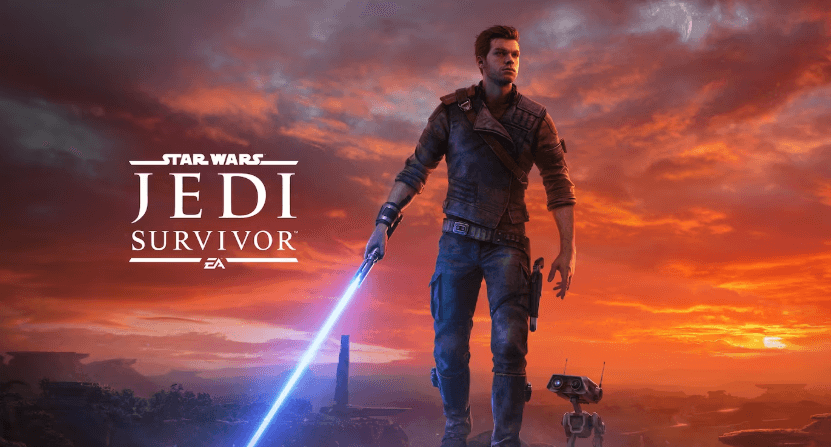
Star Wars Jedi: Survivor continues Cal Kestis's journey through a galaxy under Imperial consolidation, adding new lightsaber stances and a Metroidvania planet structure. GPA scores it high on Action and Story Depth — a sequel that deepens the combat options and the political stakes from Fallen Order.
Tag Similarity
Action
80%
High Difficulty
65%
Strategy
50%
Dystopian Setting
50%
Graphics
85%
Multiple Endings
45%
Character Building
30%
Story Depth
70%
Chart tags: Action / High Difficulty / Strategy / Dystopian Setting / Graphics / Multiple Endings / Character Building / Story Depth
God of War: Ragnarök continues Kratos and Atreus's journey through the Norse realms toward Ragnarök. The relationship between the two protagonists carries more weight than the combat, which is itself excellent. GPA scores it at the top for Emotional Story and Graphics — a sequel that deepens what the 2018 game established.
Tag Similarity
Action
85%
High Difficulty
60%
Strategy
55%
Dystopian Setting
60%
Graphics
90%
Multiple Endings
50%
Character Building
0%
Story Depth
90%
Chart tags: Action / High Difficulty / Strategy / Dystopian Setting / Graphics / Multiple Endings / Character Building / Story Depth
Lies of P retells Pinocchio as a Soulslike set in a Victorian-era city overrun by automatons. The weapon assembly system lets players combine handles and blades from different weapons. GPA scores it close to Elden Ring on Difficulty and Dark World, with the Soulslike tag shared across both.
Tag Similarity
Action
85%
High Difficulty
85%
Strategy
0%
Dystopian Setting
90%
Graphics
85%
Multiple Endings
65%
Character Building
0%
Story Depth
75%
Chart tags: Action / High Difficulty / Strategy / Dystopian Setting / Graphics / Multiple Endings / Character Building / Story Depth
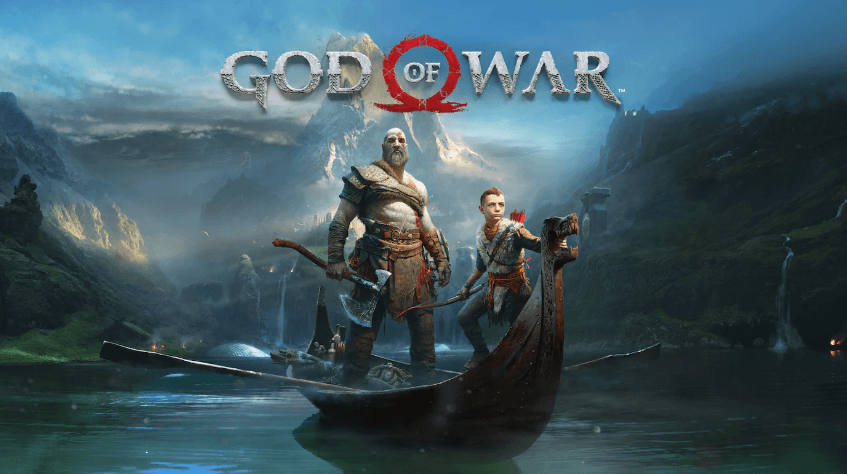
God of War (2018) moves Kratos and his son Atreus through Norse mythology on a single unbroken camera shot. The relationship between the two is the structural engine of the game. GPA scores it at the top for Emotional Story and Graphics — the same axes that drive the sequel's scores.
Tag Similarity
Action
85%
High Difficulty
65%
Strategy
50%
Dystopian Setting
50%
Graphics
90%
Multiple Endings
50%
Character Building
0%
Story Depth
90%
Chart tags: Action / High Difficulty / Strategy / Dystopian Setting / Graphics / Multiple Endings / Character Building / Story Depth
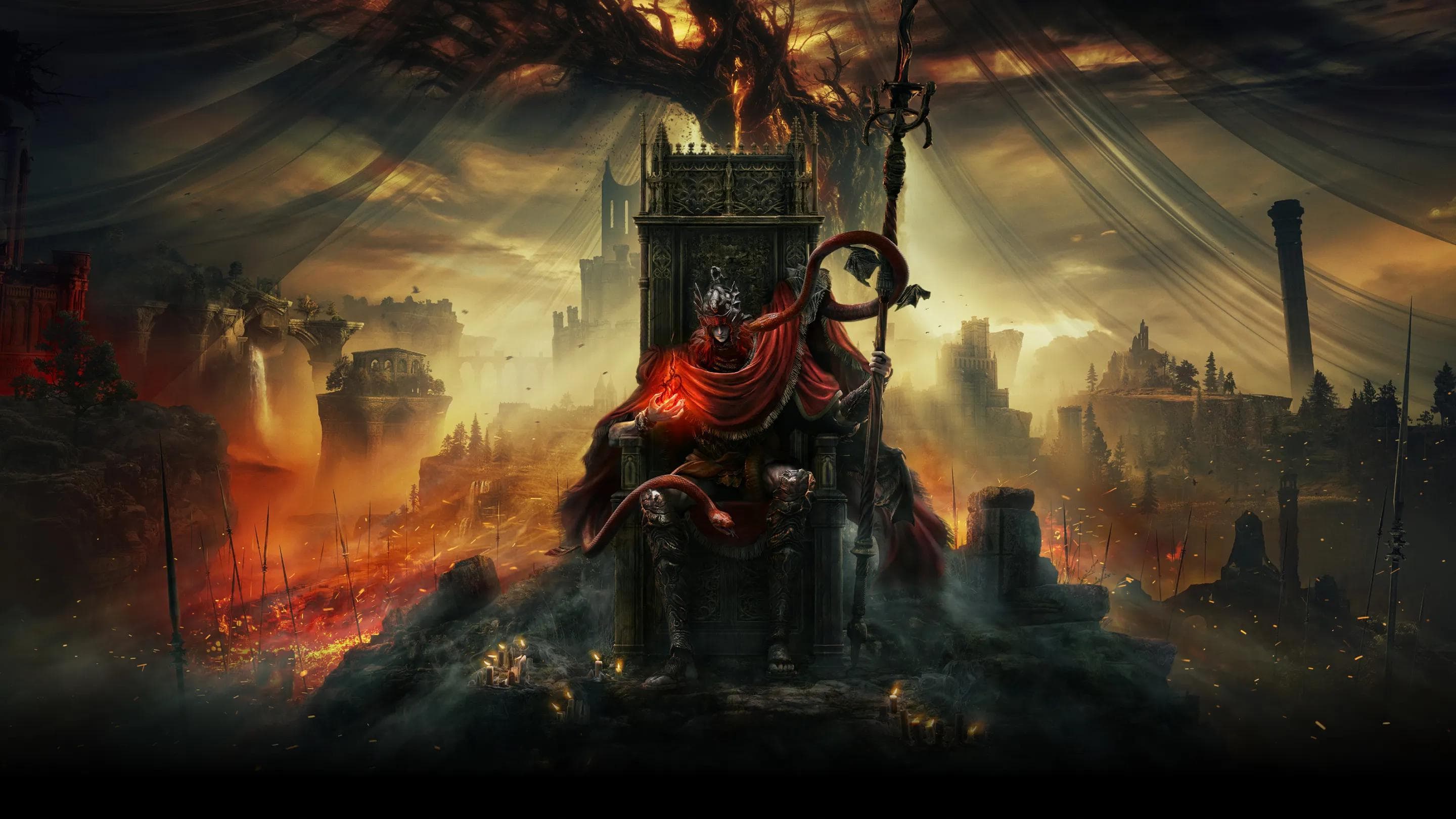
Elden Ring takes FromSoftware's Soulslike combat into an open world designed by Hidetaka Miyazaki and George R.R. Martin. The Legacy Dungeons preserve the dense, interconnected level design of earlier entries while the Lands Between rewards patient exploration. GPA scores it at 95% for both Difficulty and Action — the highest Action score in the database.
Tag Similarity
Action
90%
High Difficulty
80%
Strategy
50%
Dystopian Setting
85%
Graphics
85%
Multiple Endings
60%
Character Building
40%
Story Depth
70%
Chart tags: Action / High Difficulty / Strategy / Dystopian Setting / Graphics / Multiple Endings / Character Building / Story Depth
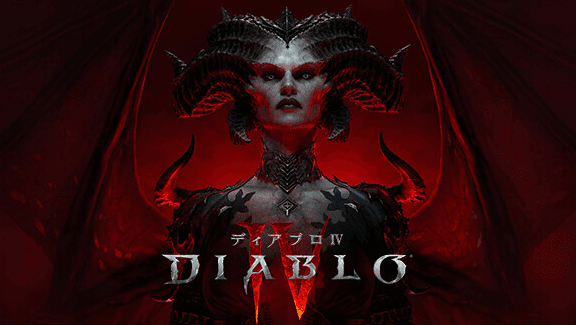
Diablo IV returns to a darker visual register than Diablo III, adding open-world zones and a Paragon board for endgame build development. The five classes play substantially differently. GPA scores it high on Co-op and Action, with Dark World above average — the combination that describes the cooperative loot loop more precisely than genre alone.
Tag Similarity
Action
85%
High Difficulty
50%
Strategy
60%
Dystopian Setting
65%
Graphics
85%
Multiple Endings
0%
Character Building
90%
Story Depth
60%
Chart tags: Action / High Difficulty / Strategy / Dystopian Setting / Graphics / Multiple Endings / Character Building / Story Depth
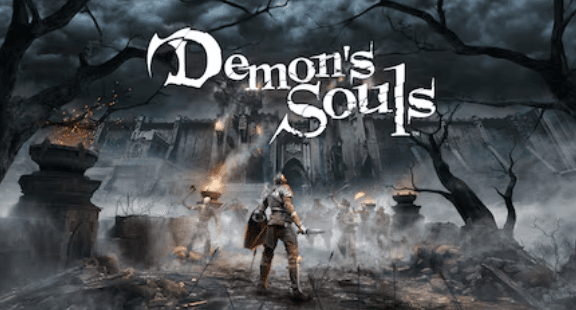
Demon's Souls was FromSoftware's proof of concept for the Soulslike format, and the PS5 remake preserves the original's structure in high fidelity. The World Tendency system changes enemy behavior based on in-game actions. GPA scores it high on Difficulty and Dark World — the combination that defines the series' origin point.
Tag Similarity
Action
85%
High Difficulty
95%
Strategy
55%
Dystopian Setting
90%
Graphics
80%
Multiple Endings
40%
Character Building
0%
Story Depth
65%
Chart tags: Action / High Difficulty / Strategy / Dystopian Setting / Graphics / Multiple Endings / Character Building / Story Depth
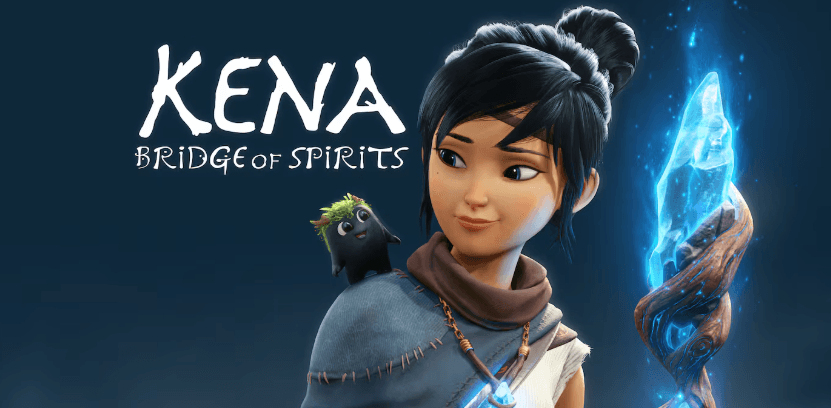
Kena: Bridge of Spirits sends a spirit guide through a village haunted by unresolved grief, clearing corruption to free the dead. The Rot companions add a resource management layer to the combat. GPA scores it high on Emotional Story and Graphics — the visual quality from a small studio remains the most discussed aspect of its reception.
Tag Similarity
Action
75%
High Difficulty
60%
Strategy
40%
Dystopian Setting
40%
Graphics
90%
Multiple Endings
50%
Character Building
0%
Story Depth
75%
Chart tags: Action / High Difficulty / Strategy / Dystopian Setting / Graphics / Multiple Endings / Character Building / Story Depth
Romancing SaGa 2: Revenge of the Seven rebuilds the 1993 SNES original in full 3D, preserving the generational succession system where players inherit the throne across dynasties while fighting the Seven Heroes. GPA scores it high on Turn-Based and Multiple Endings — the axes that best describe a game where the historical structure of the campaign is the primary mechanic.
Tag Similarity
Action
70%
High Difficulty
55%
Strategy
70%
Dystopian Setting
30%
Graphics
80%
Multiple Endings
50%
Character Building
55%
Story Depth
70%
Chart tags: Action / High Difficulty / Strategy / Dystopian Setting / Graphics / Multiple Endings / Character Building / Story Depth
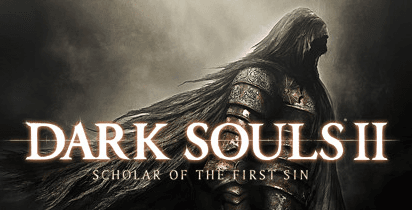
Dark Souls II: Scholar of the First Sin packages all three DLC chapters and rearranges enemy placements and NPC questlines from the original release. The HP degradation mechanic on death distinguishes it from the other FromSoftware entries. PS3, PS4, Xbox 360, Xbox One, PC. GPA scores it high on Difficulty and Dark World — the Dark Souls entry that most rewards NPC questline investment.
Tag Similarity
Action
78%
High Difficulty
85%
Strategy
60%
Dystopian Setting
85%
Graphics
58%
Multiple Endings
0%
Character Building
65%
Story Depth
0%
Chart tags: Action / High Difficulty / Strategy / Dystopian Setting / Graphics / Multiple Endings / Character Building / Story Depth
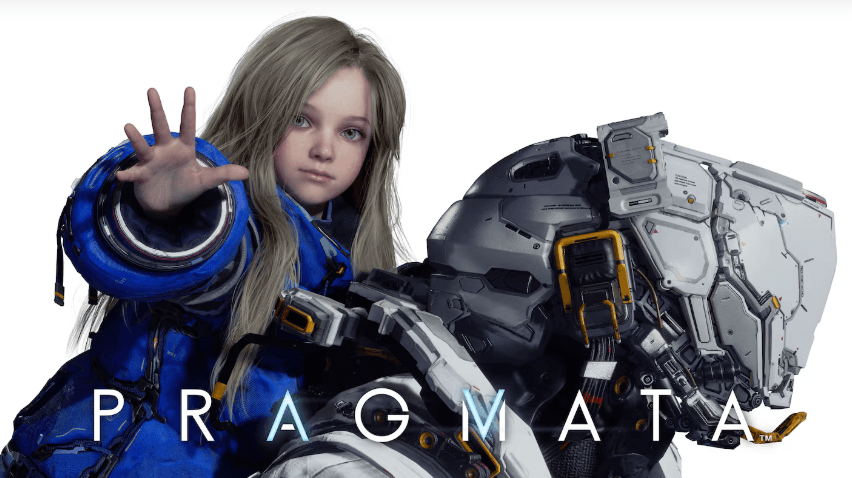
PRAGMATA sends astronaut Hugh and an android girl through a lunar crisis involving rogue AI and gravitational anomalies. The hacking and action systems layer on top of each other across escalating encounters. GPA scores it high on Action and Graphics — a Capcom title that brings the studio's action expertise into a science fiction setting.
Tag Similarity
Action
65%
High Difficulty
70%
Strategy
60%
Dystopian Setting
75%
Graphics
85%
Multiple Endings
60%
Character Building
40%
Story Depth
80%
Chart tags: Action / High Difficulty / Strategy / Dystopian Setting / Graphics / Multiple Endings / Character Building / Story Depth
Xenoblade Chronicles 3 connects the worlds of the first two games through a story about soldiers fighting a war no one can explain. The real-time combat scales with party composition through the Ouroboros system. GPA scores it high on Turn-Based and Emotional Story, with Story Depth above average — a JRPG where the narrative's ambitions match its length.
Tag Similarity
Action
70%
High Difficulty
50%
Strategy
50%
Dystopian Setting
50%
Graphics
80%
Multiple Endings
60%
Character Building
60%
Story Depth
85%
Chart tags: Action / High Difficulty / Strategy / Dystopian Setting / Graphics / Multiple Endings / Character Building / Story Depth
Path of Exile 2 expands the original's already vast build system into a new continent and act structure. The passive skill tree and gem system generate more build combinations than any comparable ARPG. GPA scores it at the top for Strategy among action games and high on Difficulty — a positioning that identifies it as the deepest mechanical entry in the genre.
Tag Similarity
Action
85%
High Difficulty
75%
Strategy
90%
Dystopian Setting
70%
Graphics
70%
Multiple Endings
0%
Character Building
95%
Story Depth
50%
Chart tags: Action / High Difficulty / Strategy / Dystopian Setting / Graphics / Multiple Endings / Character Building / Story Depth
About "Armored Core VI: Fires of Rubicon"
▸Game Composition (GPA Analysis)
ARMORED CORE VI(アーマードコア6) leads with its Action identity, anchored by the core feel of "Armored Core VI returns after a decade with a mech assembly system that lets players reconfigure loadouts between miss…." The headline profile reads Action 90% / High Difficulty 85% / Strategy 85%, making it a strong pick for fans of Action and High Difficulty. Oriented toward experienced players looking to push their limits.
▸Characteristics & Analysis
Our editorial team scored "ARMORED CORE VI(アーマードコア6)" by using its feel of アセンブル最適化, スタッガーシステム, and mech action as the primary lens, weighting Action and High Difficulty most heavily. Top similar titles include "ドラゴンズドグマ2(Dragon's Dogma 2)", "Phantom Blade Zero", "Rise of the Ronin(ライズオブローニン)".
ARMORED CORE VI FIRES OF RUBICON is the latest entry in FromSoftware's long-running mech action series, arriving nearly a decade after the previous mainline installment. Released in 2023, it earned a Metascore of 86 and a user score of 8.1 on Metacritic.
Set on the war-torn planet Rubicon 3, the game puts you in control of an Armored Core, or AC—a fully customizable combat mech assembled from a wide range of parts and weapons. That customization is at the heart of the experience.
You can change your weapons, legs, boosters, generator, armor, and other components to create a machine built around a particular playstyle. A lightweight AC can dart around enemies at high speed, while a heavier build can absorb punishment and overwhelm targets with overwhelming firepower. The important part is that these choices are not merely cosmetic. Your build directly changes how the game is played.
Gameplay Analysis — Where Action and Strategy Meet
GPA rates ARMORED CORE VI at 90% for Action, 85% for High Difficulty, 85% for Strategy, and 75% for Character Progression. Those numbers reflect what makes the game unusual: its action and customization systems are essentially inseparable.
GPA score overview — ARMORED CORE VI
Action ◀
90%
High Difficulty ◀
85%
Strategy ◀
85%
Progression ◀
75%
Decaying World
80%
You are not simply learning how to control your mech. You are constantly deciding what kind of mech you should be controlling in the first place. A difficult mission might require more firepower. Another may reward mobility. Some enemies are easier to deal with at range, while others can be pressured more effectively through aggressive close-range attacks. The game therefore turns preparation into part of the combat itself.
The Stagger system reinforces this philosophy. By repeatedly attacking an enemy, you build up ACS strain until the target becomes staggered, creating a short window in which it is especially vulnerable. The result is more nuanced than simply shooting until a health bar reaches zero. You are constantly asking: How do I break this enemy's balance? Which weapons can build stagger quickly? And once the enemy is vulnerable, how much damage can I deliver before the window closes? That combination of mechanical skill and tactical preparation is where ARMORED CORE VI really shines.
Not a Soulslike — But It Still Feels Like FromSoftware
Following the success of Elden Ring, it is easy to associate FromSoftware primarily with Soulslike games. ARMORED CORE VI, however, is fundamentally different. It is a mission-based mech action game rather than an open-world Soulslike.
There are similarities. Bosses can demand repeated attempts, enemy attack patterns need to be learned, and failure often teaches you something about how to approach the next attempt. But the solution is not always to simply “get better” at the fight. Sometimes, you need a different machine. That distinction is important. Instead of relying primarily on character leveling, ARMORED CORE VI makes your mech configuration itself part of the answer. Changing your weapons, legs, or overall build can completely alter the difficulty of an encounter. A boss that feels overwhelming with one setup can suddenly become manageable after a few changes in the hangar. That is one of the game's most satisfying ideas.
Difficult for Beginners, But Surprisingly Accessible as a Mech Game
GPA gives ARMORED CORE VI a Beginner score of just 30%, compared with 60% for Intermediate players and 88% for Advanced players. In other words, GPA sees the game as primarily suited to intermediate and experienced players. That assessment makes sense. The game demands that players learn three-dimensional movement, energy management, weapon ranges, enemy patterns, stagger mechanics, and AC customization. As the campaign progresses, simply understanding how to move and shoot is no longer enough. Boss encounters in particular can force players to rethink both their strategy and their build.
Yet there is an interesting contradiction here. Despite its low beginner score, ARMORED CORE VI can actually be a relatively approachable entry point for players who are new to mech games. You do not need to understand decades of Armored Core history to enjoy it. The game's mission structure keeps the experience focused, while the ability to purchase and experiment with different parts gives players a practical way to solve problems. Personally, I like the fact that the game encourages you to question your machine when you fail. If a boss destroys you repeatedly, the answer may not be “play perfectly.” It may be “build a better AC.”
Target player scores (50+ = recommended fit)
Beginner30
Intermediate60
Advanced88
Intermediate 60 and Advanced 88 mark the core audience — include assembly depth and Beginner 30 looks low.
Story and Worldbuilding
The story takes place on Rubicon 3, where corporations and resistance groups are fighting over Coral, a mysterious substance with enormous technological potential. GPA gives the game an 80% score for Decadent Worldbuilding, 70% for Story Depth, and 75% for Multiple Endings.
Rather than explaining everything through conventional exposition, the game gradually reveals the conflict through mission briefings, radio communications, character dialogue, and the relationships you develop with the people around you. Characters such as Walter, Ayre, Rusty, and Carla give the campaign much of its emotional weight. The multiple-ending structure also encourages replaying the campaign. Later playthroughs introduce new missions and different developments, allowing the conflict on Rubicon 3 to be viewed from different perspectives. It is a story that becomes more interesting as you understand the choices behind it.
The Author's Take
ARMORED CORE VI FIRES OF RUBICON is one of the most compelling modern mech action games because it makes customization an essential part of the action rather than a separate progression system. The most satisfying moments often come after failure. You lose to a boss, return to the garage, change a few weapons or parts, and try again. Suddenly, an encounter that felt impossible becomes manageable. That feeling is different from simply leveling up until a difficult enemy becomes weaker. You solved the problem.
GPA's 30% Beginner score is also worth keeping in mind. The controls themselves become intuitive with practice, but understanding the deeper build system requires considerably more effort. Players unfamiliar with mech games may find the number of systems intimidating at first. Once that initial barrier is overcome, however, the freedom becomes one of the game's greatest strengths.
If Elden Ring expanded the Souls formula by giving players the freedom to explore and grow stronger, ARMORED CORE VI modernizes the classic Armored Core formula by making mech customization the foundation of its strategy. The result is a game where action, difficulty, buildcraft, and experimentation constantly feed into one another. It is challenging, but rarely feels meaningless. When you finally defeat a boss after rebuilding your AC and changing your approach, the victory feels like something you engineered yourself.
For fans of mech games, ARMORED CORE VI is an obvious recommendation. But even if you have never touched the series before, it is worth considering if you enjoy high-difficulty action games where the solution to a difficult encounter is not always better reflexes—but a smarter build.