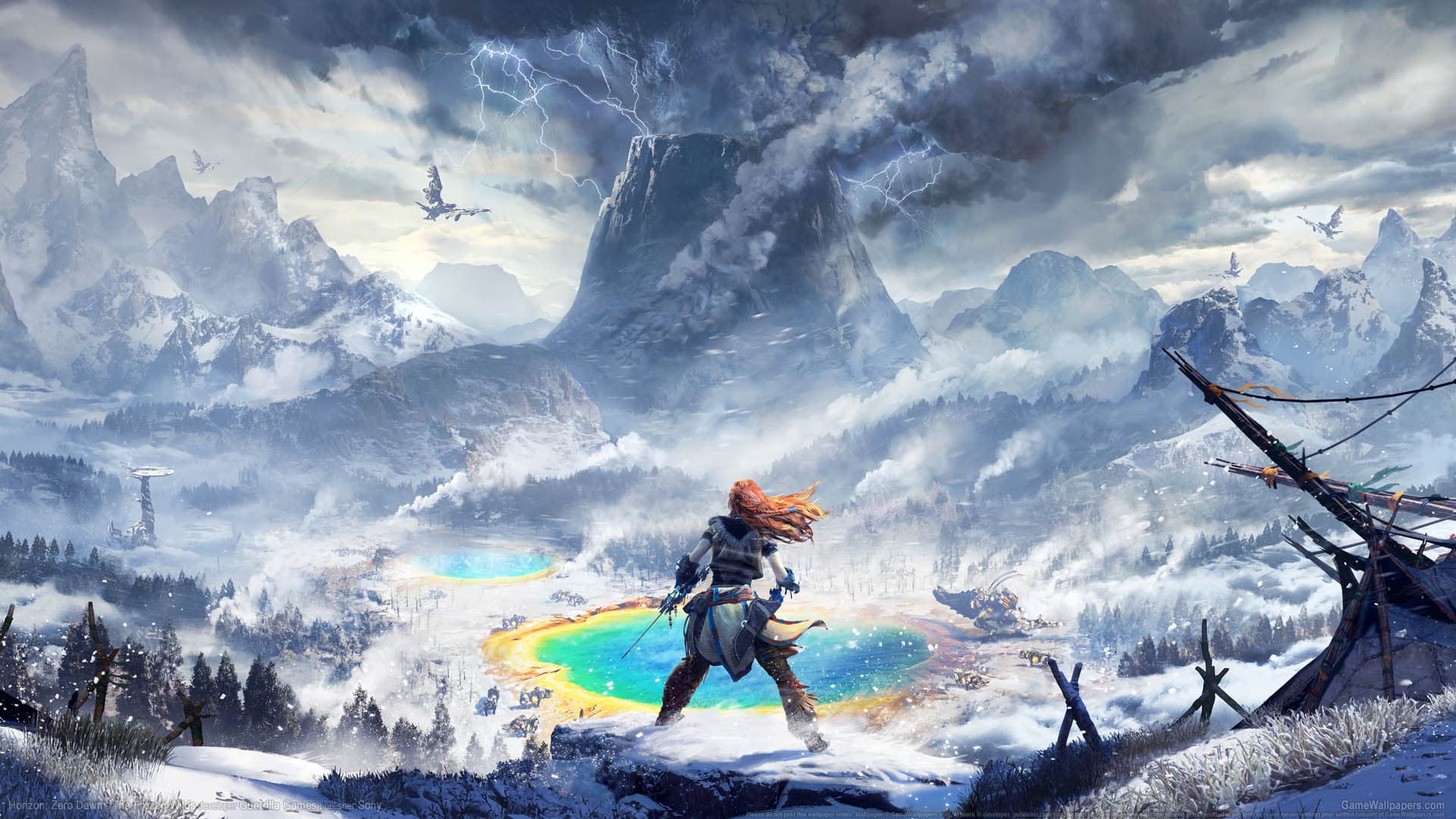
Horizon Zero Dawn explains its post-apocalyptic world through environmental storytelling and collectibles before the main quest confirms anything. The machine combat rewards studying behavior patterns. GPA scores it high on Open World and Story Depth, with Emotional Story above 75 — a combination that describes an action game where the world-building carries as much weight as the combat.
Game Characteristics
Story Depth
85%
Open World
85%
Action
80%
Emotional Story
80%
Graphics
80%
Existential Themes
65%
Strategy
65%
High Difficulty
60%
Dystopian Setting
60%
Dark
50%
Character Building
50%
Multiple Endings
45%
Logic
40%
Roguelike
20%
Player profile fit
Recommended for: Beginner to Advanced players (A score of 50 or higher indicates a good fit.)
Horizon Forbidden West continues Aloy's investigation into the machine ecosystem collapse across western North America, adding underwater exploration and a wider variety of machine types. GPA scores it high on Open World and Story Depth — a sequel that expands the geographic and narrative scope of Zero Dawn without changing its fundamental design.
Tag Similarity
Story Depth
80%
Open World
85%
Action
80%
Emotional Story
75%
Graphics
85%
Existential Themes
60%
Strategy
60%
High Difficulty
55%
Chart tags: Story Depth / Open World / Action / Emotional Story / Graphics / Existential Themes / Strategy / High Difficulty
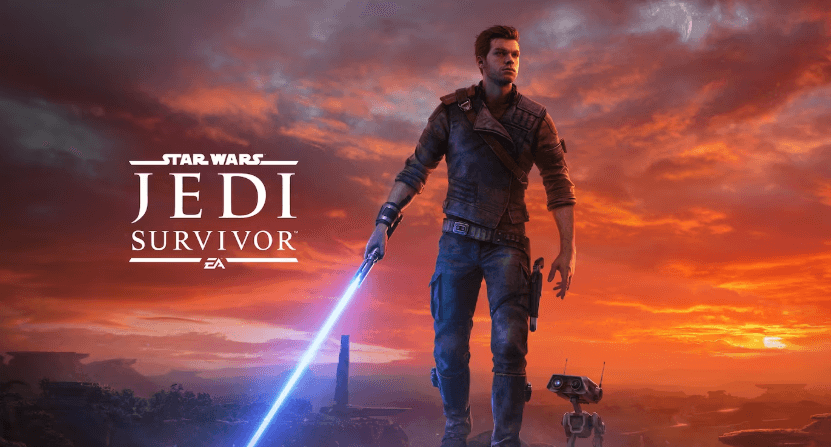
Star Wars Jedi: Survivor continues Cal Kestis's journey through a galaxy under Imperial consolidation, adding new lightsaber stances and a Metroidvania planet structure. GPA scores it high on Action and Story Depth — a sequel that deepens the combat options and the political stakes from Fallen Order.
Tag Similarity
Story Depth
70%
Open World
60%
Action
80%
Emotional Story
70%
Graphics
85%
Existential Themes
50%
Strategy
50%
High Difficulty
65%
Chart tags: Story Depth / Open World / Action / Emotional Story / Graphics / Existential Themes / Strategy / High Difficulty
Rise of the Ronin puts Team Ninja's high-difficulty sword combat into an open-world Bakumatsu setting, with historical figures appearing as companions and antagonists. GPA scores it high on Action and Difficulty — the open-world pivot that applies Nioh's combat depth to a larger structural format.
Tag Similarity
Story Depth
70%
Open World
70%
Action
80%
Emotional Story
65%
Graphics
75%
Existential Themes
50%
Strategy
50%
High Difficulty
65%
Chart tags: Story Depth / Open World / Action / Emotional Story / Graphics / Existential Themes / Strategy / High Difficulty
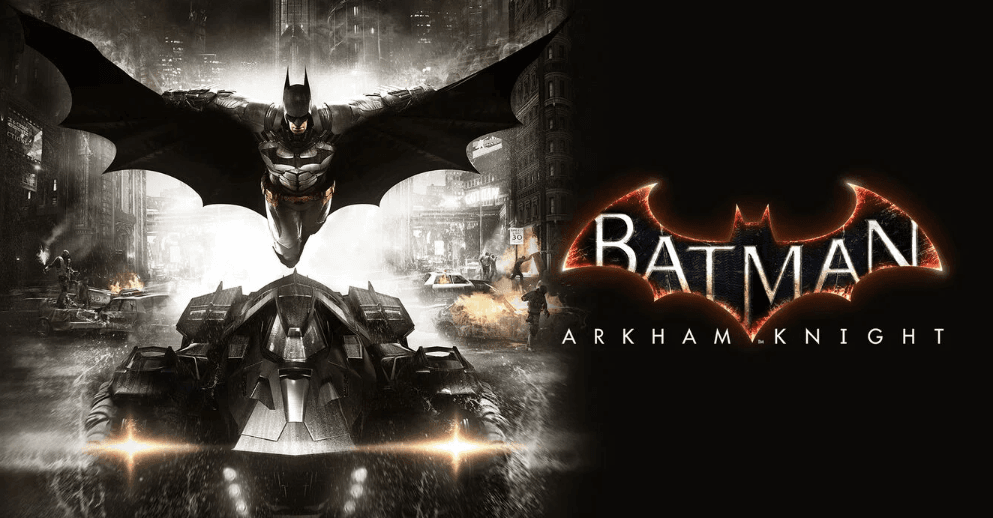
Batman: Arkham Knight closes the Arkham trilogy with the Batmobile fused into the combat and traversal systems. Gotham at night is the strongest visual presentation in the series. GPA scores it high on Action and Dark World — the combination that defines the Arkham series across all entries.
Tag Similarity
Story Depth
75%
Open World
70%
Action
85%
Emotional Story
70%
Graphics
90%
Existential Themes
55%
Strategy
50%
High Difficulty
50%
Chart tags: Story Depth / Open World / Action / Emotional Story / Graphics / Existential Themes / Strategy / High Difficulty
The Elder Scrolls V: Skyrim gave players a province-sized open world and enough quest content to sustain thousands of hours. The modding scene extended that lifespan indefinitely. GPA scores it at the maximum for Open World — the defining axis — with Story Depth mid-range, reflecting breadth of content over narrative density.
Tag Similarity
Story Depth
80%
Open World
90%
Action
75%
Emotional Story
65%
Graphics
65%
Existential Themes
50%
Strategy
60%
High Difficulty
60%
Chart tags: Story Depth / Open World / Action / Emotional Story / Graphics / Existential Themes / Strategy / High Difficulty
Breath of the Wild dismantled Zelda's traditional structure and replaced it with a physics engine that makes the entire map a puzzle. Climbing, cooking, and experimentation replace dungeon sequences. GPA scores it highest on Open World and Puzzle, with the Beginner score sitting unusually high for an action title — the control scheme and difficulty curve are genuinely accessible.
Tag Similarity
Story Depth
70%
Open World
90%
Action
70%
Emotional Story
60%
Graphics
70%
Existential Themes
20%
Strategy
50%
High Difficulty
50%
Chart tags: Story Depth / Open World / Action / Emotional Story / Graphics / Existential Themes / Strategy / High Difficulty
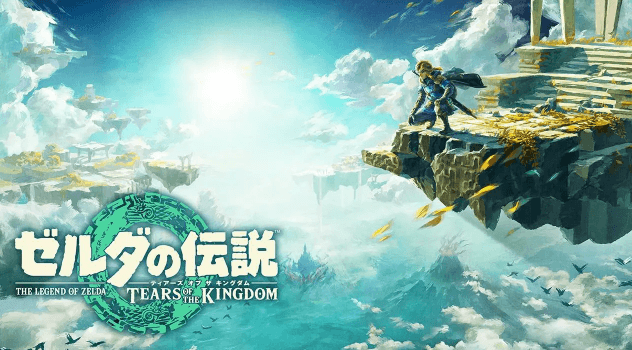
Tears of the Kingdom adds Ultrahand and Ascend to BotW's foundation, turning the ceiling above every surface into a traversal option. The Depths layer underneath Hyrule doubles the explorable space. GPA scores it slightly higher than BotW on Open World and Sandbox, reflecting the expanded construction systems.
Tag Similarity
Story Depth
70%
Open World
95%
Action
70%
Emotional Story
60%
Graphics
75%
Existential Themes
20%
Strategy
50%
High Difficulty
55%
Chart tags: Story Depth / Open World / Action / Emotional Story / Graphics / Existential Themes / Strategy / High Difficulty
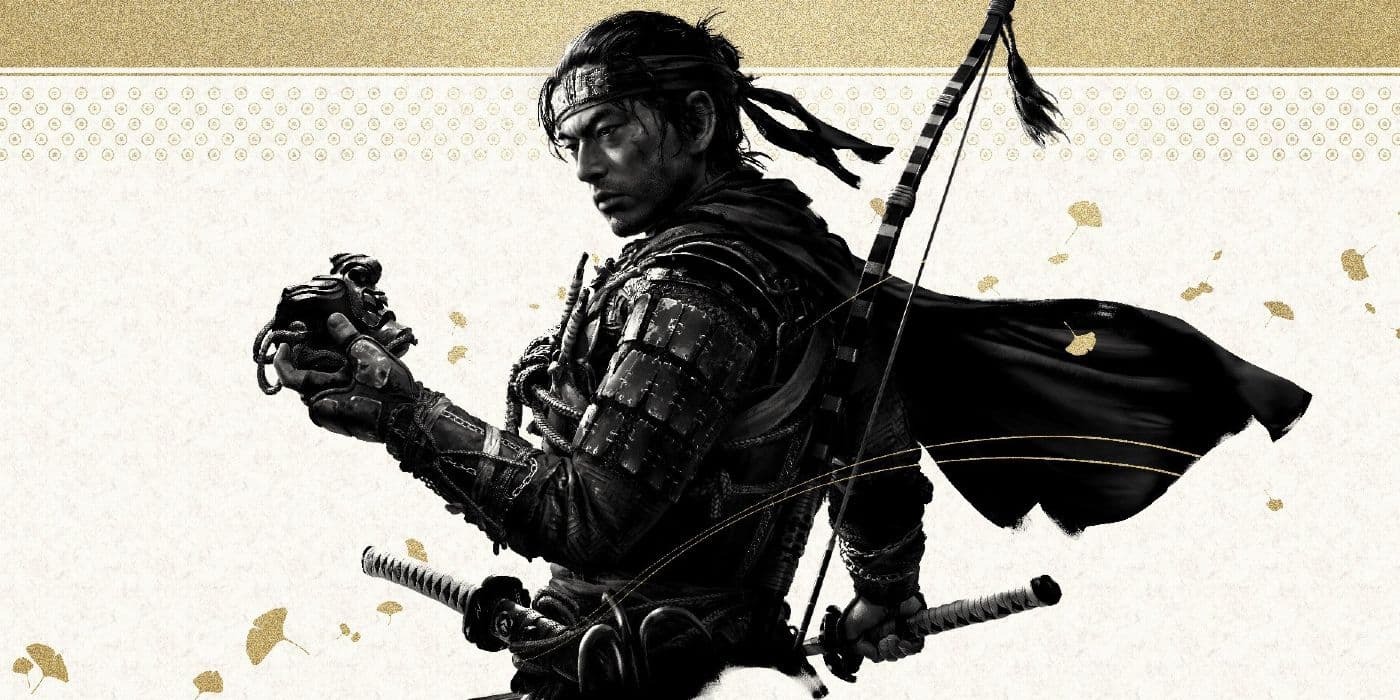
Ghost of Tsushima hands Jin Sakai a katana and an open version of feudal Japan and largely steps aside. The wind navigation system replaces minimap markers. GPA scores it high on Emotional Story and Dark World, with Open World sitting close behind — a combination that describes an action game built around atmosphere as much as combat.
Tag Similarity
Story Depth
80%
Open World
70%
Action
85%
Emotional Story
75%
Graphics
95%
Existential Themes
70%
Strategy
0%
High Difficulty
70%
Chart tags: Story Depth / Open World / Action / Emotional Story / Graphics / Existential Themes / Strategy / High Difficulty
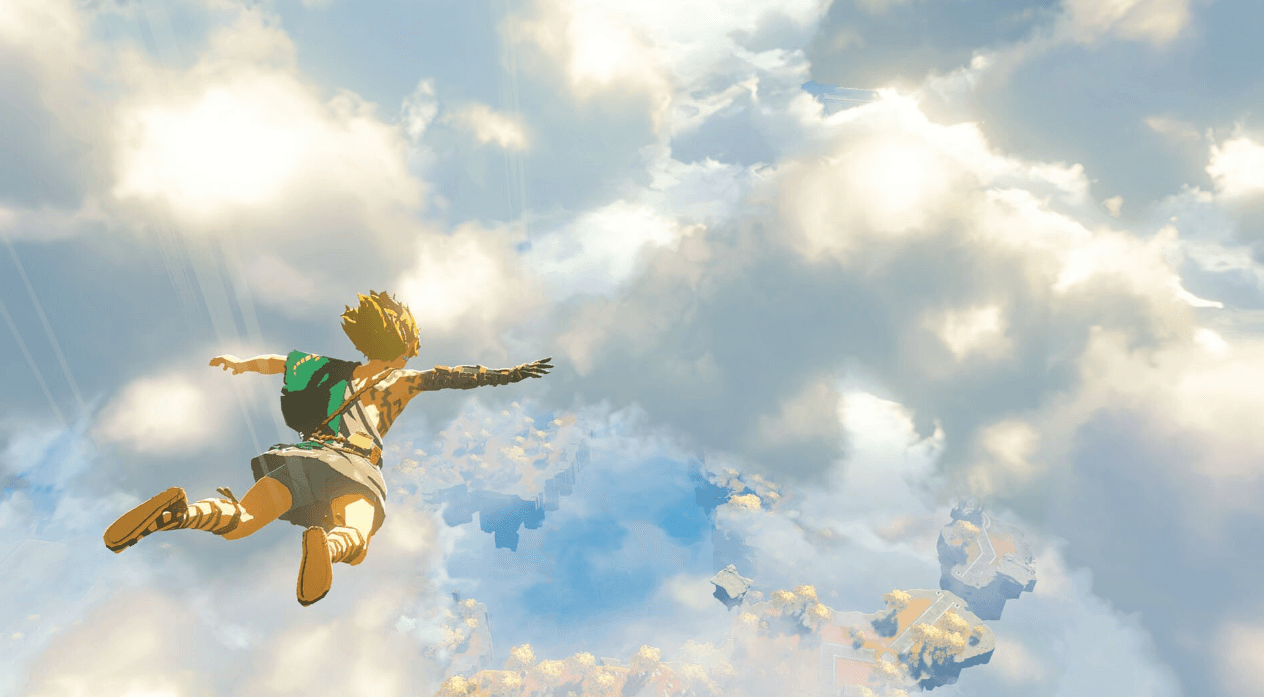
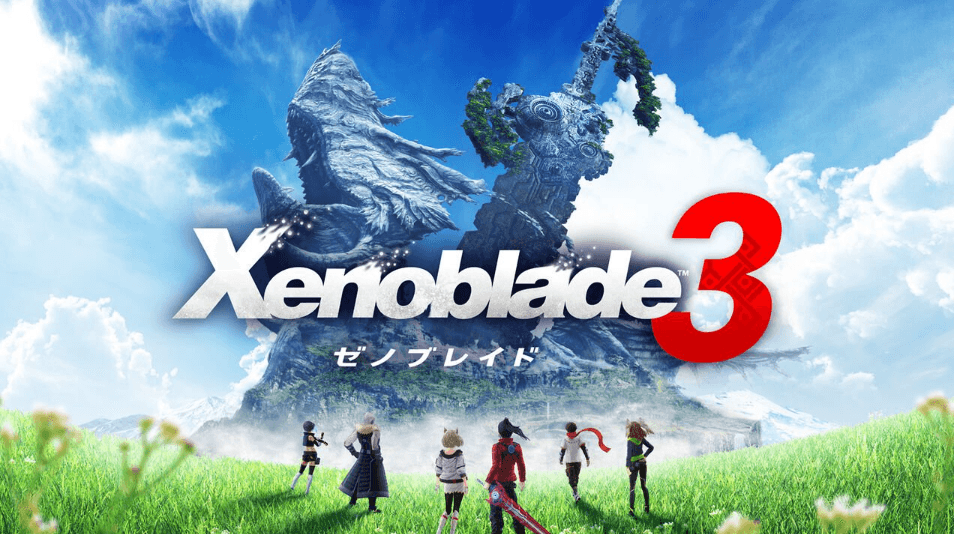
Xenoblade Chronicles 3 connects the worlds of the first two games through a story about soldiers fighting a war no one can explain. The real-time combat scales with party composition through the Ouroboros system. GPA scores it high on Turn-Based and Emotional Story, with Story Depth above average — a JRPG where the narrative's ambitions match its length.
Tag Similarity
Story Depth
85%
Open World
60%
Action
70%
Emotional Story
80%
Graphics
80%
Existential Themes
75%
Strategy
50%
High Difficulty
50%
Chart tags: Story Depth / Open World / Action / Emotional Story / Graphics / Existential Themes / Strategy / High Difficulty
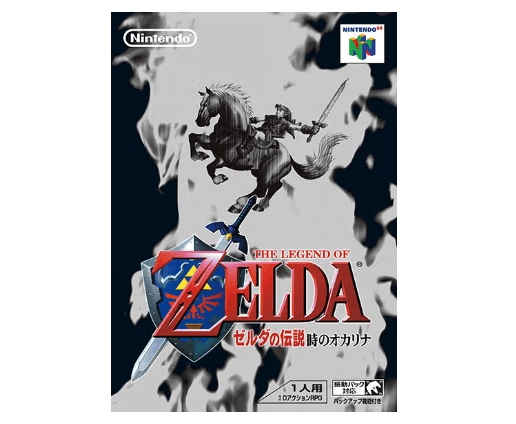
The Legend of Zelda: Ocarina of Time is playable through Nintendo Switch Online's Nintendo Classics catalog. The N64 title established 3D action-adventure design conventions that remain standard. GPA scores it high on Puzzle and Emotional Story — the combination that captures a game remembered for its dungeon design and narrative weight as much as its historical importance.
Tag Similarity
Story Depth
80%
Open World
50%
Action
50%
Emotional Story
80%
Graphics
40%
Existential Themes
70%
Strategy
40%
High Difficulty
40%
Chart tags: Story Depth / Open World / Action / Emotional Story / Graphics / Existential Themes / Strategy / High Difficulty
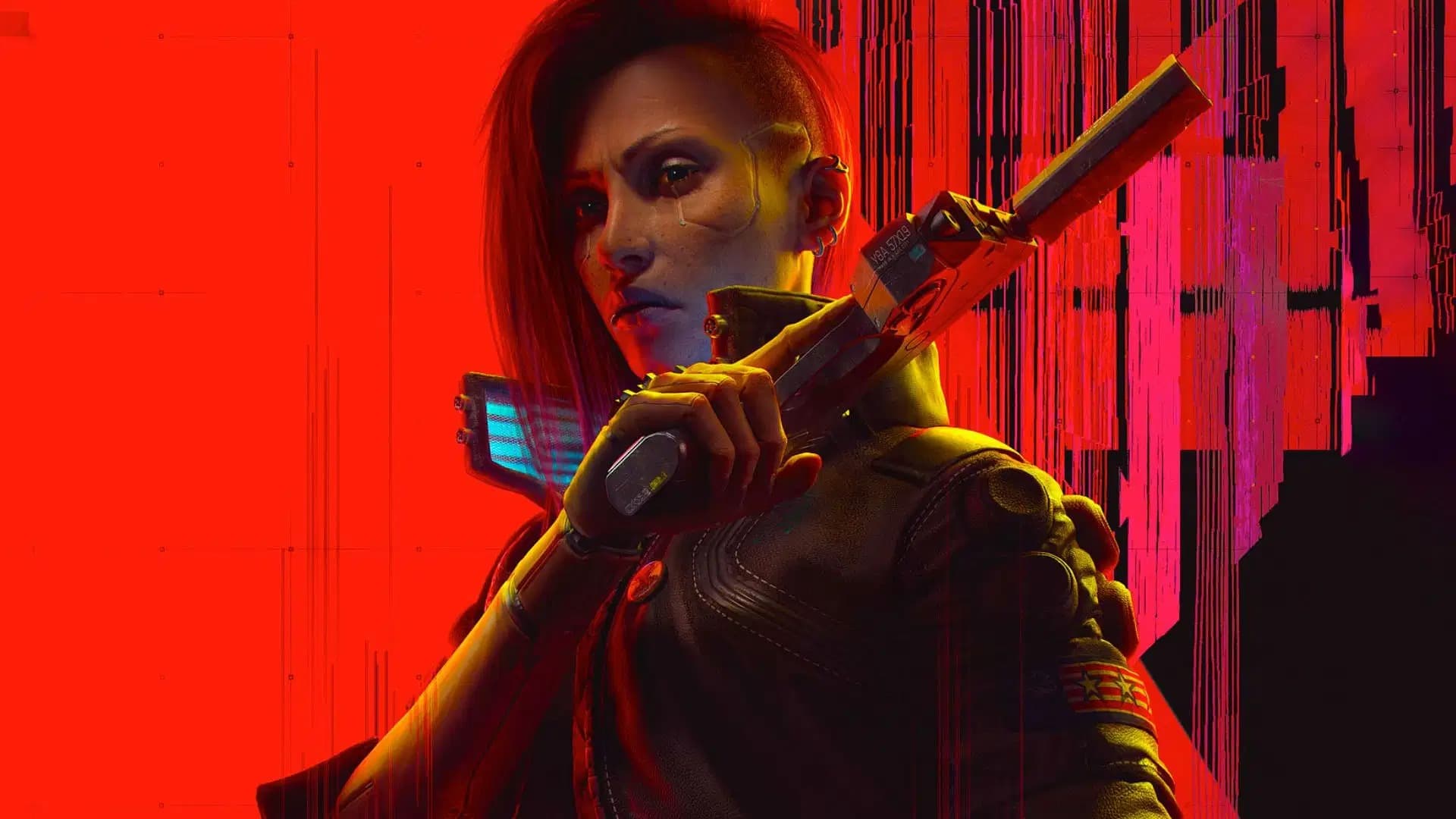
Cyberpunk 2077 recovered from a disastrous launch to become one of the most content-rich open world RPGs available. Night City rewards lateral exploration — side quests carry the writing quality of the main story. GPA scores it at 90% for Dark World and Open World, with Multiple Endings above 75 — the ending branches respond to choices made across the full campaign.
Tag Similarity
Story Depth
85%
Open World
85%
Action
70%
Emotional Story
80%
Graphics
90%
Existential Themes
70%
Strategy
0%
High Difficulty
50%
Chart tags: Story Depth / Open World / Action / Emotional Story / Graphics / Existential Themes / Strategy / High Difficulty
Marvel's Spider-Man 2 plays as Peter Parker and Miles Morales in alternating sections, with Venom and the symbiote system as the central threat. Manhattan traversal is faster than any previous entry. GPA scores it high on Action and Emotional Story — a sequel that deepens the relationship writing more than it changes the combat.
Tag Similarity
Story Depth
80%
Open World
70%
Action
85%
Emotional Story
80%
Graphics
95%
Existential Themes
55%
Strategy
0%
High Difficulty
60%
Chart tags: Story Depth / Open World / Action / Emotional Story / Graphics / Existential Themes / Strategy / High Difficulty
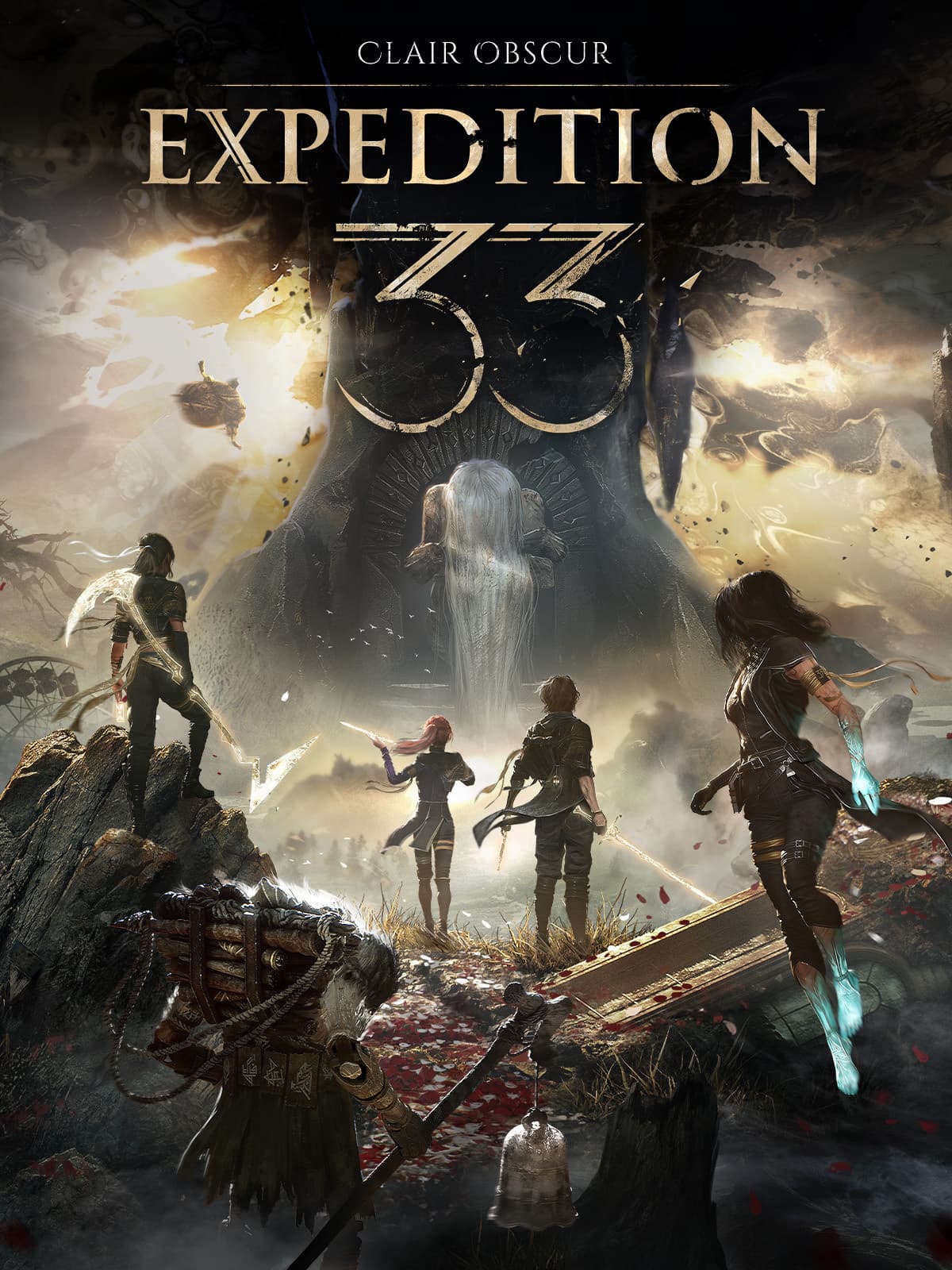
Set in a world where the Paintress condemns entire age groups to death each year, Expedition 33 sends a doomed party into a dying world to break the curse. The turn-based combat integrates real-time parry mechanics that shift the rhythm of every encounter. GPA scores it highest in Emotional Story and Story Depth — the French aesthetic and existential weight make it one of the most distinctive RPGs of 2025.
Tag Similarity
Story Depth
90%
Open World
60%
Action
60%
Emotional Story
80%
Graphics
80%
Existential Themes
85%
Strategy
60%
High Difficulty
60%
Chart tags: Story Depth / Open World / Action / Emotional Story / Graphics / Existential Themes / Strategy / High Difficulty
Fallout 4 builds its Commonwealth wasteland around base construction that lets players fortify settlements and supply routes across the map. The companion system adds relationship tracking to the exploration loop. GPA scores it high on Open World and Craft — the Fallout entry that most thoroughly integrated building mechanics into the open-world framework.
Tag Similarity
Story Depth
65%
Open World
85%
Action
60%
Emotional Story
60%
Graphics
70%
Existential Themes
65%
Strategy
55%
High Difficulty
50%
Chart tags: Story Depth / Open World / Action / Emotional Story / Graphics / Existential Themes / Strategy / High Difficulty
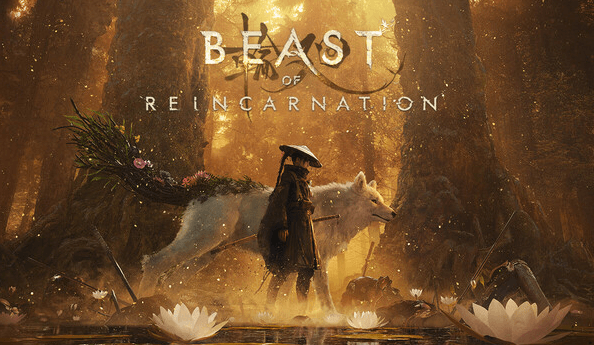
Beast of Reincarnation sends Emma the Sealer and her dog Koo across a post-apocalyptic Japan in the year 4026, where a corruption called the Blight has transformed the landscape into a beautiful but hostile wilderness. Emma absorbs abilities from defeated Nushi creatures, building toward a confrontation with the titular Beast. Combat blends real-time parrying in the Sekiro register with turn-based command elements. Game Freak's first non-Pokémon AAA title. GPA scores it high on Emotional Story and Dark World — a companion-bond action RPG that reviewers placed between NieR: Automata and Princess Mononoke.
Tag Similarity
Story Depth
75%
Open World
65%
Action
80%
Emotional Story
80%
Graphics
82%
Existential Themes
75%
Strategy
0%
High Difficulty
70%
Chart tags: Story Depth / Open World / Action / Emotional Story / Graphics / Existential Themes / Strategy / High Difficulty
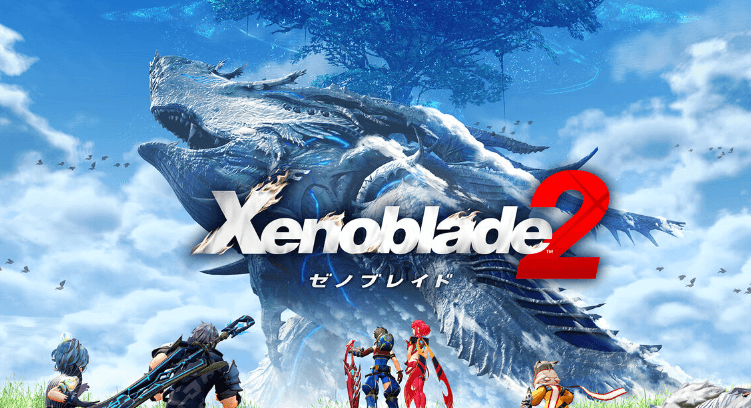
Xenoblade Chronicles 2 follows Rex and the Blades — living weapons with distinct personalities — toward the mythical Elysium. The combat system builds through Blade combinations and chain attacks. GPA scores it high on Turn-Based and Emotional Story, with Story Depth above average — a positioning that reflects the series' commitment to extended narrative investment.
Tag Similarity
Story Depth
85%
Open World
50%
Action
75%
Emotional Story
85%
Graphics
80%
Existential Themes
65%
Strategy
50%
High Difficulty
50%
Chart tags: Story Depth / Open World / Action / Emotional Story / Graphics / Existential Themes / Strategy / High Difficulty
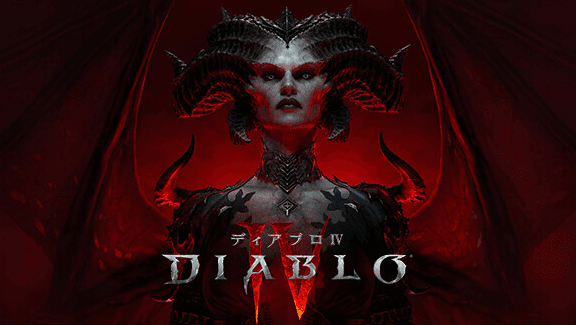
Diablo IV returns to a darker visual register than Diablo III, adding open-world zones and a Paragon board for endgame build development. The five classes play substantially differently. GPA scores it high on Co-op and Action, with Dark World above average — the combination that describes the cooperative loot loop more precisely than genre alone.
Tag Similarity
Story Depth
60%
Open World
60%
Action
85%
Emotional Story
55%
Graphics
85%
Existential Themes
40%
Strategy
60%
High Difficulty
50%
Chart tags: Story Depth / Open World / Action / Emotional Story / Graphics / Existential Themes / Strategy / High Difficulty
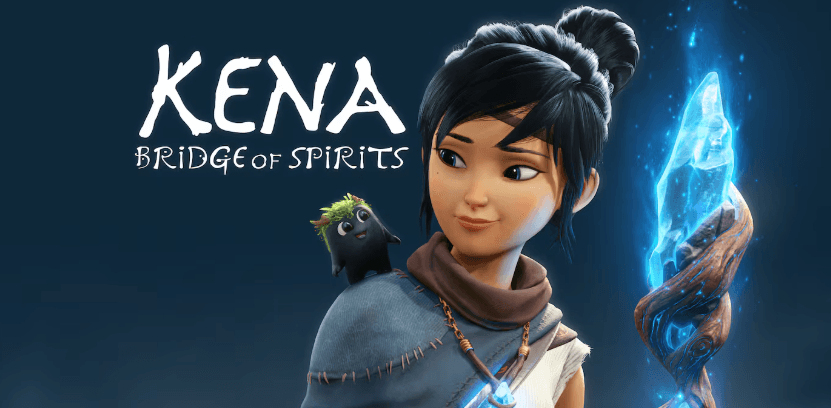
Kena: Bridge of Spirits sends a spirit guide through a village haunted by unresolved grief, clearing corruption to free the dead. The Rot companions add a resource management layer to the combat. GPA scores it high on Emotional Story and Graphics — the visual quality from a small studio remains the most discussed aspect of its reception.
Tag Similarity
Story Depth
75%
Open World
0%
Action
75%
Emotional Story
75%
Graphics
90%
Existential Themes
55%
Strategy
40%
High Difficulty
60%
Chart tags: Story Depth / Open World / Action / Emotional Story / Graphics / Existential Themes / Strategy / High Difficulty
God of War: Ragnarök continues Kratos and Atreus's journey through the Norse realms toward Ragnarök. The relationship between the two protagonists carries more weight than the combat, which is itself excellent. GPA scores it at the top for Emotional Story and Graphics — a sequel that deepens what the 2018 game established.
Tag Similarity
Story Depth
90%
Open World
0%
Action
85%
Emotional Story
90%
Graphics
90%
Existential Themes
60%
Strategy
55%
High Difficulty
60%
Chart tags: Story Depth / Open World / Action / Emotional Story / Graphics / Existential Themes / Strategy / High Difficulty
About "Horizon Zero Dawn"
▸Game Composition (GPA Analysis)
ホライゾン ゼロ ドーン(Horizon Zero Dawn) leads with its Action RPG identity, anchored by the core feel of "Horizon Zero Dawn explains its post-apocalyptic world through environmental storytelling and collectibles before the m…." The headline profile reads Story Depth 85% / Open World 85% / Action 80%, making it a strong pick for fans of Story Depth and Open World. Oriented toward experienced players looking to push their limits.
▸Characteristics & Analysis
Our editorial team scored "ホライゾン ゼロ ドーン(Horizon Zero Dawn)" by using its feel of 機械生命体, sci-fi setting, and 弓狩猟 as the primary lens, weighting Story Depth and Open World most heavily. Top similar titles include "ホライゾン フォービドゥン ウエスト(Horizon Forbidden West)", "スター・ウォーズ ジェダイ:サバイバー", "Rise of the Ronin(ライズオブローニン)".
Review — Horizon Zero Dawn: hunting machines in a world built on the ruins of civilization
Game Overview
Horizon Zero Dawn is an open-world action RPG set on a far-future Earth where machines roam the land and humanity survives in tribal societies.
You play as Aloy, a young hunter and outcast who uses bows, spears, traps, and other tools to hunt machines and explore a vast world.
What makes the setting immediately interesting is the contrast between nature and technology. Forests, mountains, and grasslands have reclaimed the remains of an older civilization, while animal-like machines now occupy the top of the food chain.
Why did the old civilization disappear?
Why do these machines exist?
And who is Aloy?
At first, Horizon Zero Dawn looks like a game about hunting machines. As you explore further, however, the bigger mystery of the world gradually becomes just as important as the combat.
PlayStation describes Aloy's journey as a search for both her own origins and the truth behind the mysterious world around her.
Gameplay Analysis
Hunting Machines Is the Core of the Combat
Combat in Horizon Zero Dawn isn't simply about attacking an enemy until its health bar reaches zero.
Different machines have different behaviors, attack patterns, and weak points. How you approach a fight depends on what you're fighting and which parts you target.
You can attack from a distance with a bow.
Set traps and lure machines into them.
Destroy specific components to remove their weapons or abilities.
Study an enemy before committing to an attack.
That combination of observation and precision gives the combat a strong hunting-game feel.
Guerrilla has specifically highlighted learning machine behaviors and weak points, while using stealth, the environment, and different weapons to bring down larger enemies.
That matches the GPA scores well: Action sits at 80%, while Strategy is 65% and High Difficulty is 60%.
The appeal isn't just pulling off attacks. It's figuring out how to approach each machine.
Hunting Feeds Directly Into Exploration
Fighting machines isn't just something you do between story missions.
Machines provide resources that can be used for crafting and improving your equipment. That creates a natural gameplay loop:
The machines themselves also encourage exploration.
You start wondering what a particular machine does, which parts can be destroyed, and how you can take it down efficiently.
Those questions naturally lead to another encounter.
This is one of the reasons the open world works so well. The world isn't simply a large map filled with activities. Its creatures and resources give you reasons to move through it.
The Open World Is Also a Place to Discover the Past
GPA gives Horizon Zero Dawn an 85% score for Open World, and that feels appropriate.
The world isn't just large. It constantly reminds you that something existed before it.
You might walk through a beautiful forest and suddenly encounter the remains of an old structure.
Tribal settlements exist alongside ruins from a technologically advanced civilization.
Nature has reclaimed much of the old world, but its remains are still everywhere.
That contrast makes exploration part of the game's central mystery.
When you see an unusual ruin in the distance, it doesn't feel like simple scenery. It makes you wonder what happened here.
Exploring the world becomes a way of learning about the world.
The Story Starts With Aloy, Then Expands Into a Bigger Mystery
Aloy's personal story is the starting point.
Who is she?
Why is she different from the people around her?
And what happened to the world before the current civilizations emerged?
As the story progresses, those personal questions expand into a much larger mystery.
That's reflected in GPA's Story Depth score of 85% and Emotional Story score of 80%.
One of the game's strengths is how it reveals its science-fiction setting through exploration and discovery rather than relying entirely on exposition.
The player gradually pieces together what happened to the old world by exploring ruins and uncovering information.
You aren't simply being told the history of this world.
You're discovering it alongside Aloy.
Nature and Machines Create a Distinct Visual Identity
Another major strength is the visual contrast between the natural world and the machines that inhabit it.
Forests, mountains, grasslands, snow-covered regions, and ancient ruins create a beautiful backdrop.
Then a massive machine suddenly appears.
The landscape can feel peaceful one moment and dangerous the next.
GPA gives the game an 80% score for Graphics, but the visual appeal goes beyond technical quality. The combination of organic landscapes and mechanical wildlife is fundamental to the game's identity.
The 2024 Horizon Zero Dawn Remastered also brought the game to PS5 and PC with visual, audio, and other presentation improvements.
What the GPA Scores Tell Us
The interesting thing about Horizon Zero Dawn is that no single category completely defines the experience.
Its strengths are spread across several areas:
Title tendency chart (Horizon Zero Dawn)
Story Depth ◀
85%
Open World ◀
85%
Action ◀
80%
Emotional Story ◀
80%
Graphics
80%
Existential Themes
65%
Strategy
65%
High Difficulty
60%
Dystopian Setting
60%
Character Growth
50%
* Based on GPA sub-tag scores. Story, exploration, action, and emotion are all strong.
The four standout categories are Story, Open World, Action, and Emotional Story.
That combination says a lot about what kind of game Horizon Zero Dawn is.
It's an open-world game, but the world supports a substantial story. It's an action game, but combat rewards observation and preparation. And beneath the machines and tribal societies is a larger science-fiction mystery that gives the exploration a sense of purpose.
Meanwhile, the lower Logic score of 40% and Roguelike score of 20% make it clear that this isn't primarily a puzzle game or a repeat-run-focused experience.
It's built around exploring one large world and following a long-form adventure.
Author's Thoughts
What I like most about Horizon Zero Dawn is how different the game can feel from the way it first appears.
At first, it's easy to describe it simply:
An open-world game where you hunt machines with a bow.
But the further you go, the more you start wondering how this world came to exist.
Combat, resource gathering, equipment upgrades, exploration, and the main story aren't isolated systems. They all encourage you to keep moving forward and learn more about the world.
The visual design is especially memorable.
You can walk through a beautiful natural landscape while knowing that you're standing among the remains of a civilization that once possessed technology far beyond anything the current societies understand.
The game doesn't just explain that history to you.
It lets you walk through its remains.
That's a big part of what makes Horizon Zero Dawn work.
Conclusion
Horizon Zero Dawn uses machine hunting as its entry point, then gradually turns that experience into a larger journey through a lost civilization and a mysterious future Earth.
Its combat rewards players who study machine weaknesses. Its crafting and progression give exploration a practical purpose. Its open world constantly mixes natural beauty with the remains of the past. And its story gives the player a reason to keep asking what happened to this world.
The GPA scores reflect that balance, with particularly high ratings for Story Depth, Open World, Action, and Emotional Story.
If you enjoy exploring large worlds, learning enemy weaknesses, experimenting with combat tools, and uncovering a mystery as you play, Horizon Zero Dawn is an easy game to recommend.