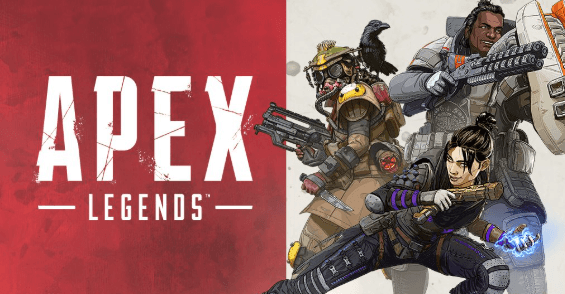
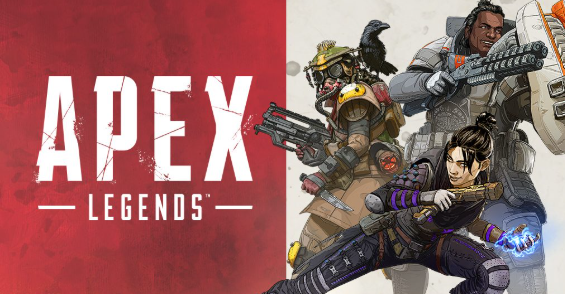
Apex Legends dropped in February 2019 without announcement and reached ten million players in 72 hours. The ping communication system, tiered shield structure, and Legend abilities lowered the barrier to competitive FPS without removing the skill ceiling. GPA scores it at 95% for both Action and Co-op — a dual maximum that describes a shooter where team design is structural, not optional.
Game Characteristics
Action
95%
Co-op
95%
High Difficulty
80%
Graphics
80%
Strategy
75%
Story Depth
40%
Turn-Based
30%
Roguelike
30%
Emotional Story
30%
Player profile fit
Recommended for: Intermediate to Advanced players (A score of 50 or higher indicates a good fit.)
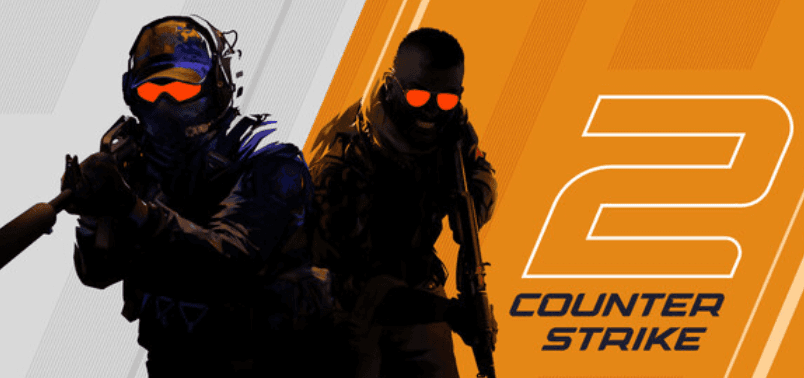
Counter-Strike 2 migrates CS:GO to Source 2, adding volumetric smoke grenades that interact with bullets and a sub-tick server architecture that reduces registration variance. Free to play. Valve. PC only. GPA scores it at the top for Action and Strategy — the competitive FPS that has defined the genre's skill ceiling for over two decades.
Tag Similarity
Action
88%
Co-op
85%
High Difficulty
88%
Graphics
70%
Strategy
90%
Story Depth
0%
Turn-Based
0%
Roguelike
0%
Chart tags: Action / Co-op / High Difficulty / Graphics / Strategy / Story Depth / Turn-Based / Roguelike
Rainbow Six Siege builds its 5v5 tactical structure around soft and hard destructible surfaces — walls become entry points, floors become sightlines. Over 100 Operators each carry a unique gadget that changes how a site is defended or attacked. Ubisoft Montreal. PS4/5, Xbox One/Series, PC. GPA scores it at the top for Strategy among shooters — the FPS where pre-round planning determines outcome more than aim.
Tag Similarity
Action
82%
Co-op
88%
High Difficulty
85%
Graphics
72%
Strategy
92%
Story Depth
0%
Turn-Based
0%
Roguelike
0%
Chart tags: Action / Co-op / High Difficulty / Graphics / Strategy / Story Depth / Turn-Based / Roguelike
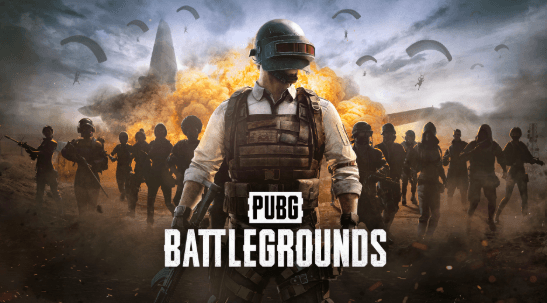
PUBG: Battlegrounds established the battle royale genre's defining loop — 100 players, one map, one survivor — before Fortnite or Apex. The gunplay runs on realistic ballistics and minimal aim assist. GPA scores it high on Action and Strategy — the combination that describes a shooter where circle positioning and loadout decisions matter as much as aim.
Tag Similarity
Action
80%
Co-op
85%
High Difficulty
50%
Graphics
75%
Strategy
80%
Story Depth
0%
Turn-Based
0%
Roguelike
0%
Chart tags: Action / Co-op / High Difficulty / Graphics / Strategy / Story Depth / Turn-Based / Roguelike
THE FINALS runs team combat through a fully destructible game show environment where collapsing buildings, explosive barrels, and environmental weapons are as important as gunplay. Embark Studios, former Battlefield developers. Free to play. PS5, Xbox Series X|S, PC. GPA scores it high on Action and Co-op — the team shooter that made environmental destruction a primary tactical resource rather than a visual flourish.
Tag Similarity
Action
82%
Co-op
82%
High Difficulty
65%
Graphics
78%
Strategy
72%
Story Depth
0%
Turn-Based
0%
Roguelike
0%
Chart tags: Action / Co-op / High Difficulty / Graphics / Strategy / Story Depth / Turn-Based / Roguelike
Helldivers 2 sends four Helldivers to hostile planets under the banner of Super Earth's democracy, calling in weapons and reinforcements through timed button sequences called Stratagems. The galactic war meta-game updates in real time across all players. Arrowhead Game Studios, PlayStation Studios. PS5, PC. GPA scores it at the top for Co-op — the squad shooter that made cooperative chaos the design goal rather than a side effect.
Tag Similarity
Action
82%
Co-op
95%
High Difficulty
68%
Graphics
78%
Strategy
72%
Story Depth
0%
Turn-Based
0%
Roguelike
0%
Chart tags: Action / Co-op / High Difficulty / Graphics / Strategy / Story Depth / Turn-Based / Roguelike
Call of Duty: Warzone runs up to 150 players in a battle royale with the Gulag resurrection mechanic that gives eliminated players a 1v1 chance to return. The weapon customization system from the mainline games carries over. Free to play. PS4/5, Xbox One/Series, PC. GPA scores it high on Action and Co-op — the battle royale that sustained Call of Duty's audience through the free-to-play format.
Tag Similarity
Action
85%
Co-op
78%
High Difficulty
0%
Graphics
75%
Strategy
68%
Story Depth
0%
Turn-Based
0%
Roguelike
0%
Chart tags: Action / Co-op / High Difficulty / Graphics / Strategy / Story Depth / Turn-Based / Roguelike
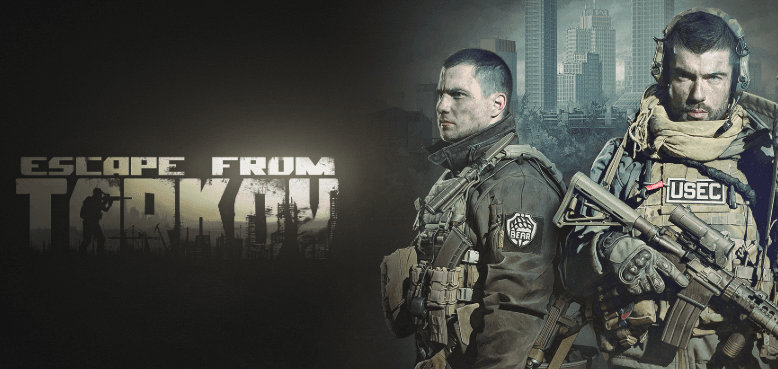
Escape from Tarkov drops players into raid maps with whatever gear they bring, requiring extraction at designated exits to keep what they find. Death means losing all carried equipment. Battlestate Games. PC only. GPA scores it at the top for Difficulty — the extraction shooter that defined the genre by making every decision carry permanent financial consequence.
Tag Similarity
Action
80%
Co-op
65%
High Difficulty
95%
Graphics
70%
Strategy
85%
Story Depth
0%
Turn-Based
0%
Roguelike
0%
Chart tags: Action / Co-op / High Difficulty / Graphics / Strategy / Story Depth / Turn-Based / Roguelike
Titanfall 2 combines wall-running pilot mobility with Titan mech combat in a single-player campaign widely considered among the best FPS stories made, alongside one of the most creative single levels in game design. The predecessor to Apex Legends. Respawn Entertainment, EA. PS4, Xbox One, PC. GPA scores it at the top for Action — the FPS that proved movement system design could be as distinctive as weapon design.
Tag Similarity
Action
92%
Co-op
60%
High Difficulty
65%
Graphics
72%
Strategy
0%
Story Depth
72%
Turn-Based
0%
Roguelike
0%
Chart tags: Action / Co-op / High Difficulty / Graphics / Strategy / Story Depth / Turn-Based / Roguelike
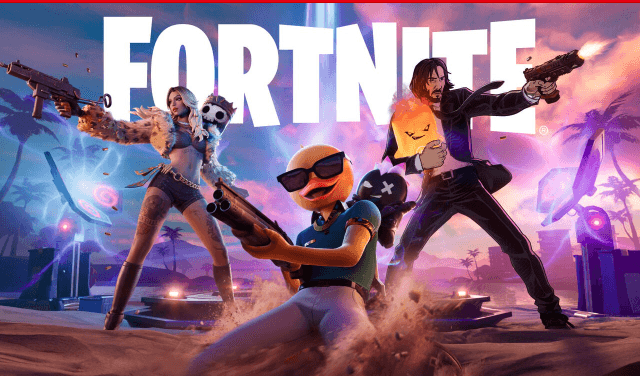
Fortnite layered building construction onto the battle royale format and became a cultural reference point through IP crossovers and seasonal events. The Zero Build mode removes the construction layer for players who prefer pure shooting. GPA scores it high on Co-op and Action, with a Beginner score above average reflecting the accessibility of Zero Build.
Tag Similarity
Action
80%
Co-op
80%
High Difficulty
60%
Graphics
75%
Strategy
55%
Story Depth
0%
Turn-Based
0%
Roguelike
30%
Chart tags: Action / Co-op / High Difficulty / Graphics / Strategy / Story Depth / Turn-Based / Roguelike
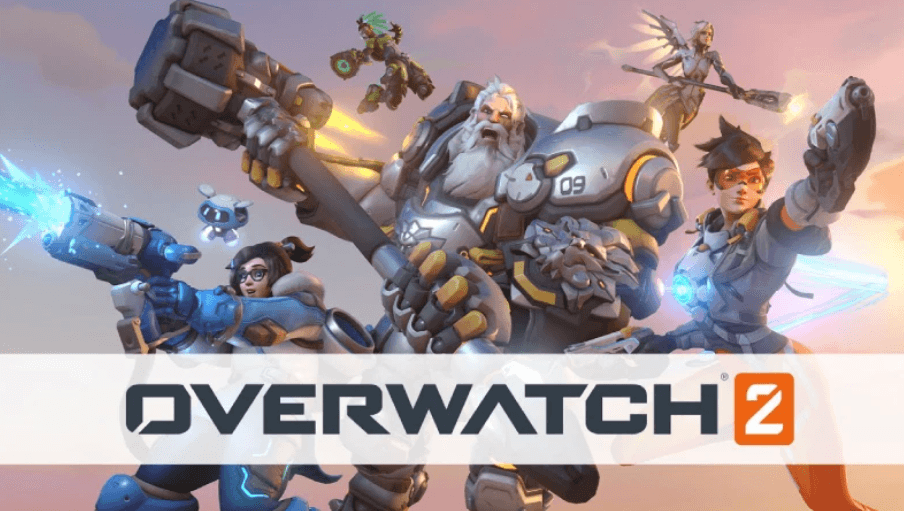
Overwatch restructured the team shooter around role composition, with tank, damage, and support heroes whose abilities are designed to function in combination. The current 5v5 format removed the second tank. GPA scores it high on Co-op and Action — the combination that describes a game where team coordination is the primary skill expression.
Tag Similarity
Action
85%
Co-op
95%
High Difficulty
75%
Graphics
85%
Strategy
80%
Story Depth
0%
Turn-Based
0%
Roguelike
30%
Chart tags: Action / Co-op / High Difficulty / Graphics / Strategy / Story Depth / Turn-Based / Roguelike
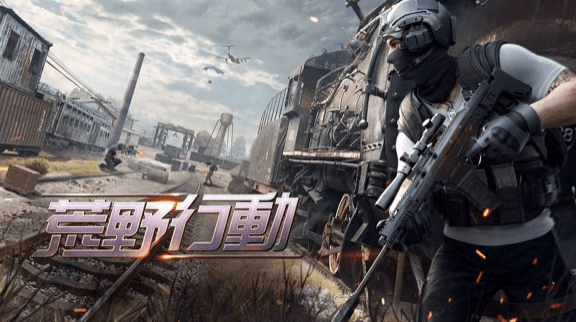
Knives Out (荒野行動) brought the battle royale format to mobile audiences in East Asia with controls designed for touchscreen play and progression systems tuned for daily sessions. GPA scores it high on Co-op and Action — the mobile battle royale that built the genre's East Asian player base before global competitors arrived.
Tag Similarity
Action
70%
Co-op
85%
High Difficulty
30%
Graphics
55%
Strategy
70%
Story Depth
0%
Turn-Based
0%
Roguelike
0%
Chart tags: Action / Co-op / High Difficulty / Graphics / Strategy / Story Depth / Turn-Based / Roguelike
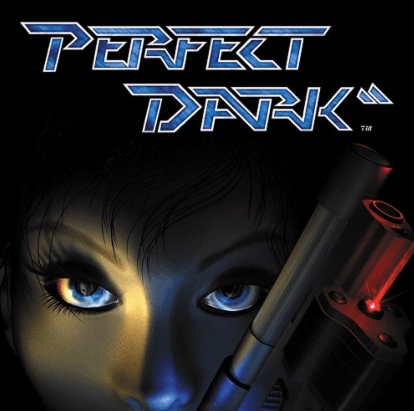
Perfect Dark follows GoldenEye's mission structure with a female protagonist, alien conspiracy plot, and an expanded multiplayer suite including AI bots at variable difficulty. The Combat Simulator supported eight bots to compensate for the N64's four-player hardware limit. Available through Nintendo Classics (18+ version). GPA scores it high on Action — GoldenEye's spiritual successor that exceeded its predecessor's content volume.
Tag Similarity
Action
82%
Co-op
78%
High Difficulty
68%
Graphics
58%
Strategy
60%
Story Depth
0%
Turn-Based
0%
Roguelike
0%
Chart tags: Action / Co-op / High Difficulty / Graphics / Strategy / Story Depth / Turn-Based / Roguelike
Call of Duty: Modern Warfare III opens with a dramatic prison break and builds its campaign around open-combat missions with multiple approach options. The Warzone integration and DMZ extraction mode extend the multiplayer offering. GPA scores it high on Action and Co-op — the combination that defines the franchise's core proposition across modes.
Tag Similarity
Action
90%
Co-op
80%
High Difficulty
70%
Graphics
85%
Strategy
70%
Story Depth
60%
Turn-Based
0%
Roguelike
30%
Chart tags: Action / Co-op / High Difficulty / Graphics / Strategy / Story Depth / Turn-Based / Roguelike
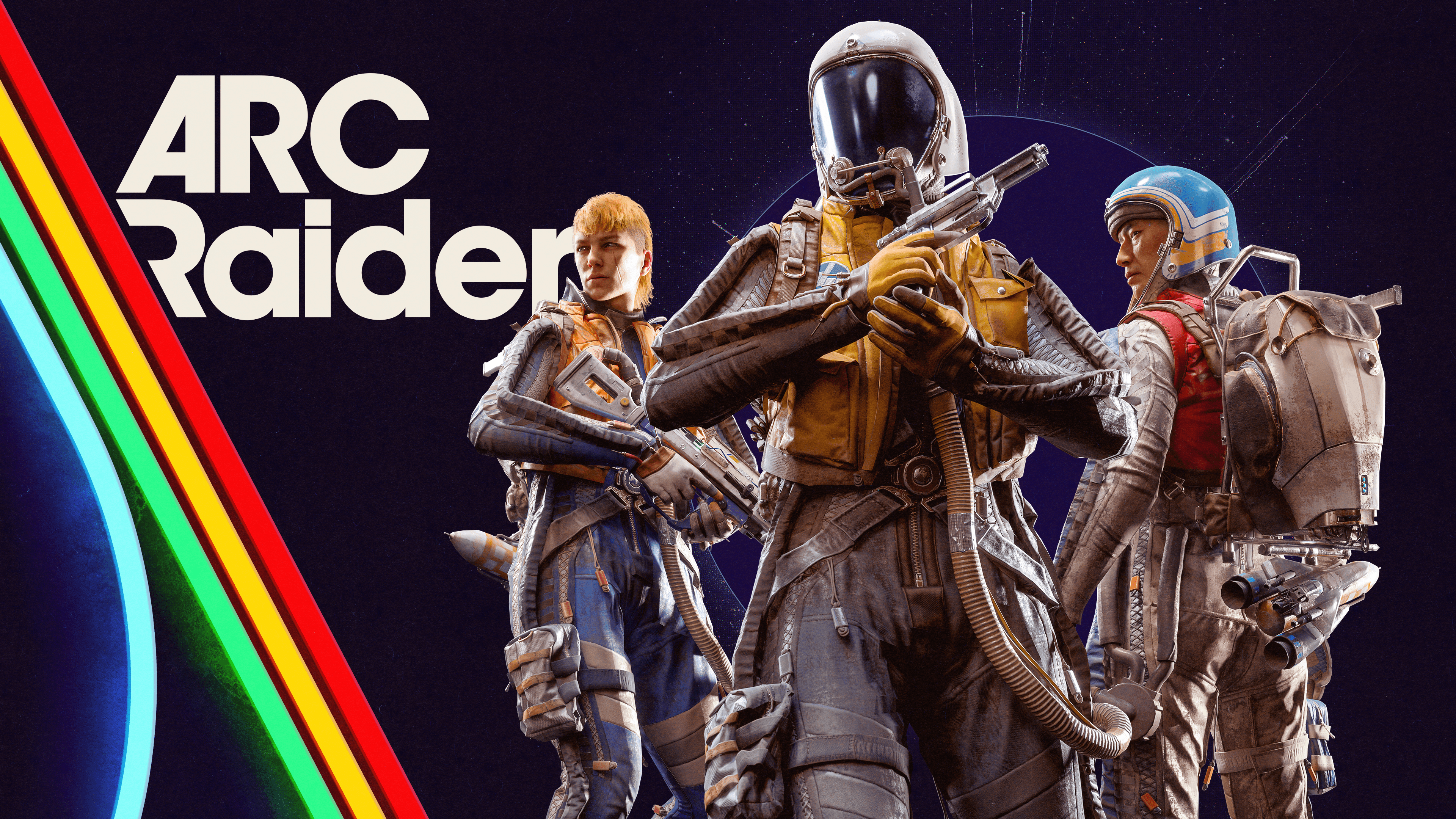
ARC Raiders is a free-to-play, third-person extraction shooter developed by Embark Studios. Set in a desolate, post-apocalyptic future, players step into the shoes of Raiders—resilient fighters who must band together to scavenge for vital resources while resisting the relentless onslaught of ARC, a ruthless mechanized alien threat descending from orbit. The game fuses intense squad-based tactical combat with high-stakes extraction mechanics, where survival depends on outsmarting both environmental hazards and rival crews.
Tag Similarity
Action
90%
Co-op
85%
High Difficulty
75%
Graphics
95%
Strategy
60%
Story Depth
50%
Turn-Based
0%
Roguelike
0%
Chart tags: Action / Co-op / High Difficulty / Graphics / Strategy / Story Depth / Turn-Based / Roguelike
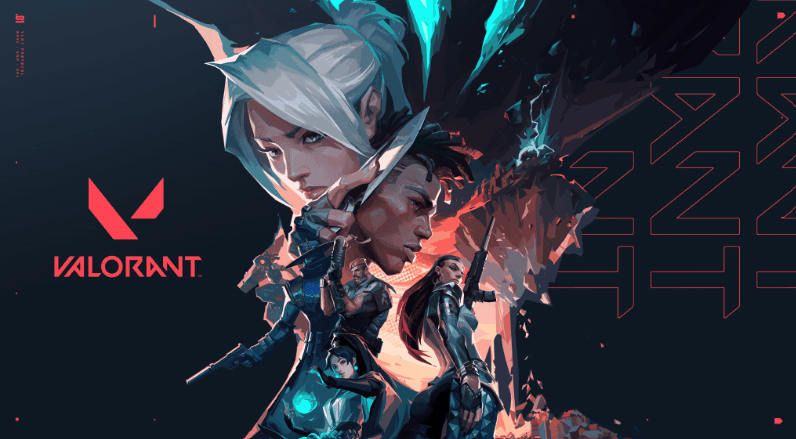
VALORANT's 5v5 tactical format pairs precise gunplay with Agent abilities that change site control without replacing individual aim as the deciding factor. GPA scores it high on Strategy and Co-op — the combination that positions it between Counter-Strike's mechanical discipline and Overwatch's ability-forward design.
Tag Similarity
Action
90%
Co-op
90%
High Difficulty
85%
Graphics
75%
Strategy
85%
Story Depth
0%
Turn-Based
0%
Roguelike
30%
Chart tags: Action / Co-op / High Difficulty / Graphics / Strategy / Story Depth / Turn-Based / Roguelike
Destiny 2 structures its cooperative shooter around a seasonal story model, with each season adding a narrative chapter and new activities. The gunplay remains the benchmark for the loot-shooter genre. GPA scores it high on Co-op and Action, with a lower Story Depth score reflecting the seasonal delivery format.
Tag Similarity
Action
85%
Co-op
85%
High Difficulty
65%
Graphics
85%
Strategy
55%
Story Depth
50%
Turn-Based
0%
Roguelike
30%
Chart tags: Action / Co-op / High Difficulty / Graphics / Strategy / Story Depth / Turn-Based / Roguelike
Marvel Rivals puts Marvel characters into a 6v6 hero shooter format, with team-up abilities that activate between specific character combinations. The free-to-play model launched with a complete roster. GPA scores it high on Co-op and Action — the combination that describes the hero shooter genre's core proposition.
Tag Similarity
Action
85%
Co-op
90%
High Difficulty
65%
Graphics
85%
Strategy
75%
Story Depth
0%
Turn-Based
0%
Roguelike
0%
Chart tags: Action / Co-op / High Difficulty / Graphics / Strategy / Story Depth / Turn-Based / Roguelike
Midnight Ghost Hunt assigns ghost possession of furniture to one team and ghost-hunting equipment to the other, building weapon combat into the object transformation format. GPA scores it high on Co-op and Action.
Tag Similarity
Action
70%
Co-op
70%
High Difficulty
55%
Graphics
60%
Strategy
55%
Story Depth
0%
Turn-Based
30%
Roguelike
0%
Chart tags: Action / Co-op / High Difficulty / Graphics / Strategy / Story Depth / Turn-Based / Roguelike
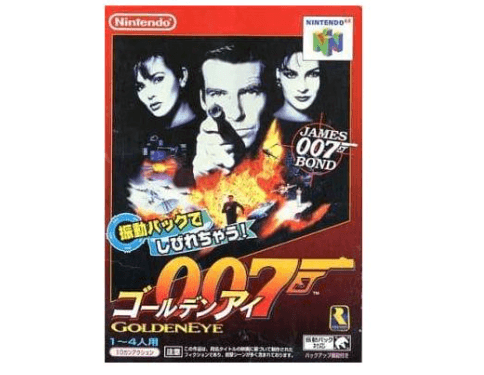
GoldenEye 007 established the console FPS template with mission-based objectives, silenced weapon stealth, and four-player split-screen multiplayer. The Rare-developed Bond adaptation remains the reference point for the genre on consoles. Available through Nintendo Classics (18+ version). GPA scores it high on Action and Co-op — the FPS that made the console the viable platform for the genre.
Tag Similarity
Action
85%
Co-op
80%
High Difficulty
65%
Graphics
55%
Strategy
60%
Story Depth
0%
Turn-Based
0%
Roguelike
0%
Chart tags: Action / Co-op / High Difficulty / Graphics / Strategy / Story Depth / Turn-Based / Roguelike
Orcs Must Die! 3 scales its trap placement and combat hybrid to War Scenarios with hundreds of enemies on screen simultaneously. The co-op mode supports two players. GPA scores it high on Strategy and Co-op — an action-tower defense built around cooperative trap engineering.
Tag Similarity
Action
80%
Co-op
80%
High Difficulty
70%
Graphics
75%
Strategy
85%
Story Depth
0%
Turn-Based
0%
Roguelike
0%
Chart tags: Action / Co-op / High Difficulty / Graphics / Strategy / Story Depth / Turn-Based / Roguelike
About "Apex Legends"
▸Game Composition (GPA Analysis)
Apex Legends(エーペックスレジェンズ) leads with its Battle Royale FPS identity, anchored by the core feel of "Apex Legends dropped in February 2019 without announcement and reached ten million players in 72 hours." The headline profile reads Action 95% / Co-op 95% / High Difficulty 80%, making it a strong pick for fans of Action and Co-op. Oriented toward experienced players looking to push their limits.
▸Characteristics & Analysis
Our editorial team scored "Apex Legends(エーペックスレジェンズ)" by using its feel of battle royale, FPS, and チーム戦 as the primary lens, weighting Action and Co-op most heavily. Top similar titles include "カウンターストライク2(Counter-Strike 2)", "レインボーシックス シージ(Rainbow Six Siege)", "PUBG".
Apex Legends Review & Similar Games — GPA Analysis (Action 95% · Co-op 95%)
Respawn Entertainment dropped Apex Legends on February 4, 2019 with no announcement. Ten million players in 48 hours. That number still gets cited whenever someone wants to explain how a game goes viral before the marketing department wakes up.
PUBG and Fortnite had already built the battle royale market. Apex walked into that space and did something neither of them had fully solved: it made the FPS format accessible without gutting the competitive ceiling. That tension — between a 40% Beginner score and a 90% Advanced score on GPA — is the entire story of why Apex works.
GPA scores it at 95% for both Action and Co-op, 80% for Difficulty and Graphics, 75% for Strategy. The "Battle Royale FPS" genre tag doesn't capture that distribution. Neither does calling it a shooter for casual players. It's both, at the same time, in the same match.
GPA score overview — Apex Legends
Action ◀
95%
Co-op ◀
95%
High Difficulty
80%
Graphics
80%
Strategy ◀
75%
GPA scores reflect experiential weight, not feature count.
Target player scores (50+ = recommended fit)
Beginner40
Intermediate60
Advanced90
Advanced 90 is the ceiling. Beginner 40 reflects a real entry point — not that it's easy to compete.
1. What Call of Duty Established — and What Apex Changed
Before Apex, the dominant FPS model was built around short TTK (Time to Kill). Military shooters, Call of Duty in particular, made the argument that the best FPS is the one where skill expression is immediate and uncompromising. See the enemy first. Land your shots. Win. If you don't, you're dead before you can process what happened.
That design is genuinely compelling as a competitive format. It's also a wall. If your aim isn't calibrated, if your crosshair placement isn't automatic, if your reaction time sits outside a narrow band — you lose. Repeatedly. Without meaningful feedback. The game isn't teaching you anything; it's just telling you that you lost again.
Warzone pushed this into a battle royale format with a hundred players, keeping CoD's short TTK intact. The result is high tension for skilled players and near-total attrition for everyone else.
The Shield System as a Design Argument
Apex introduced tiered shields — white, blue, purple, gold — and made a specific bet: longer TTK means more decisions per fight. When you take a hit in Apex, you don't die. You have a window. Do you retreat? Push? Call for your teammate? Use your tactical? That two to five second window between "I'm being shot" and "I'm down" is where the game lives.
This wasn't an accessibility feature bolted onto a competitive shooter. It's a structural argument that fights should have more texture than a single moment of contact. GPA's 95% Action score reflects the density of decisions inside each engagement, not just the mechanical speed of it.
2. Multiple Routes to Being Useful
Aim Assist and Weapon Diversity
The controller aim assist debate in Apex is genuinely unresolved. Mouse and keyboard players have more precise control at range; controller players get rotational assist that compensates at close to medium range. Both sides have legitimate grievances. What's harder to argue against is the outcome: console players could enter the same lobbies as PC players and find their footing without learning an entirely new input method.
Weapon design reinforces this. The Spitfire rewards sustained fire over precision. The Mastiff closes distance without demanding tight aim. The R-301 is stable enough for players still learning recoil patterns. Not every gun requires the same skill set. The meta shifts each season, but there's usually a loadout that doesn't punish you for not being a professional.
Tacticals as Error Correction
Each Legend's tactical ability functions as a reset button. Wraith's Into the Void gives invincibility frames and repositioning. Pathfinder's grapple closes or creates distance instantly. Horizon's Gravity Lift negates high ground disadvantage.
These aren't just flavor. They're the mechanism by which a player who lost a gunfight on aim can recover through positioning. GPA's Co-op score of 95% is partly about this — because the same logic applies to team play. Bloodhound's scan shares information. Lifeline's drone revives without exposing a third player. Newcastle's shield buys time during a push.
Overwatch established the "hero shooter" model where ability design lowers the pure-aim barrier. Apex applied that model to an open battle royale with 60 players dropping into the same map. The difference in scale changes what those abilities mean. In Overwatch, you're in a structured 5v5 with defined objectives. In Apex, you're navigating a live battlefield where the squad that reads the situation best usually survives longer than the squad that aims best.
The Three-Person Squad as the Core Unit
Apex supports solo play, but the game was designed around trios. The difference between Apex and a traditional deathmatch shooter isn't just map size — it's that you're playing as a single organism with three bodies. One goes down, two cover. One pushes, two support the angle. The squad composition — which Legends you bring, which ultimates you're coordinating — is its own layer of decision-making before a shot is fired.
GPA's Strategy score of 75% reflects this. It's not a tactics game, but reading the map, choosing your engagement timing, and sequencing your team's abilities across a 20-minute match is real strategic work. You can have better aim than every other squad and still lose it in the final ring because your ultimate timing was off.
3. The Ultimate — Where Each Match Gets Its Own Story
Ask Apex players which matches they remember, and the answer is rarely "the one where I hit all my shots." It's the one where the squad was surrounded, down to one alive, and something happened.
Ultimates as Momentum Reversal
Gibraltar's Defensive Bombardment pins a squad behind cover. Caustic's Nox Gas transforms a building into a trap. Bangalore's Rolling Thunder clears a choke point. These aren't just damage tools — they're situation inverters. A fight that was 90% decided in the enemy's favor can shift within the duration of one well-timed ultimate.
Three different ultimates in one squad means three different kinds of reversals available in a single match. The coordination layer — Gibraltar shield + Octane stim rush, Vantage mark + long-range push, Crypto drone scan + squad wipe — creates moments that are legible to a viewer even without context. You can watch a clip of a well-executed ultimate combo and understand what happened without knowing the players.
That readability is why Apex produces content. The mechanics generate highlight moments by design, not by accident.
Match Pacing: 20 Minutes, One Arc
Drop, loot, early skirmish, mid-game rotation, ring compression, final fight. A standard Apex match runs roughly 20 minutes and follows that structure fairly consistently. The ring doesn't just reduce the playable area — it forces engagement at a pace that keeps the match from stalling. You can play passively, but the ring will eventually make that decision for you.
The movement system — slide-jumping, wall-jumping, zip lines, jump towers — keeps those 20 minutes kinetic. The map isn't a flat arena you read from above; it's a vertical space you navigate from inside. That distinction is where the Advanced score of 90 comes from. Learning to aim is learnable quickly. Learning to move through King's Canyon or Storm Point like you own it takes significantly longer.
4. Streaming, Competition, and How Apex Got Japanese Players Into FPS
Apex's co-op and action tags share the same score because they're the same feature, described differently. The ping system — context-sensitive communication that works without voice chat — is the clearest expression of this. "Enemy here." "Looting this." "Going." One button, almost no friction.
In the Japanese market, where voice communication in multiplayer games carries more social anxiety than it does in Western contexts, this wasn't a minor QOL feature. It was the difference between playing with strangers and not playing at all. See the Japan FPS analysis article for market context.
The streaming angle reinforced it. Players watching popular streamers learned Apex's geography, movement, and ability interactions passively — absorbing through observation rather than grinding through failure alone. "I want to pull off what that streamer just did" is a more sustainable motivation for a new FPS player than "I want to get better at aiming." Apex gave casual viewers something specific to aspire to, not just a skill gap to close.
VALORANT Comparison: Two Branches of the Same Argument
VALORANT makes the same fundamental bet: agent abilities lower the pure-aim barrier while competitive depth stays intact. The surface similarities end there. Valorant is 5v5, round-based, tactical — closer to Counter-Strike with abilities than to a hero shooter. Apex is open-world battle royale with free rotation and aggressive mobility.
GPA's similarity score between the two reflects overlapping design DNA rather than the same game. Players who want the ability-plus-aim formula in a tighter, more structured environment tend toward VALORANT. Players who want that formula in a larger, more dynamic space tend toward Apex. Both retain a serious competitive ceiling.
The Input Device Question
The keyboard-and-mouse versus controller debate in Apex doesn't have a clean resolution. Aim assist helps controller players close the gap in some scenarios; precise aim at range still favors mouse. Both communities have legitimate points, and the argument recycles every few months.
What's harder to dismiss is the population outcome. Opening the game to controller players at a high level of assist brought in players who would have bounced off a PC-only, keyboard-mandatory environment. Whether that's the right competitive tradeoff is a different discussion from whether it worked as a growth strategy. It did.
Mobile: Where the Core Loop Hit a Wall
Apex Legends Mobile launched and shut down within two years. The diagnosis is simple: the things that make Apex feel like Apex — slide-jumping through terrain, strafe-shooting mid-air, chaining movement abilities — are physically difficult to execute with two thumbs on a touchscreen.
Mobile FPS games succeed when the core loop can be simplified for the input method. Apex's core loop can't. The game's movement system and its feel of being in-body on a moving battlefield is what makes it engaging. A touchscreen can approximate it but can't replicate it. The brand was strong enough to drive installs. The experience wasn't strong enough to retain players who'd already played the PC or console version.
It's a useful case: a game's core identity and its distribution potential aren't the same question. Apex proved that a game can be too specific to port without becoming something else.
Similar Games on GPA — Using the Score Axes
The Co-op and Action scores being equal at 95% is the most specific thing GPA can say about where Apex sits. Move those sliders on the similar-games search and here's what surfaces:
1. Overwatch 2
Match 76%
Closest design sibling. Role-based play, ultimate coordination, ability-lowered aim barrier. The difference is format: structured 5v5 objective modes versus open battle royale. Players who want Apex's hero design in a shorter match format with defined win conditions tend to enjoy Overwatch.
Similar tag snapshot (top 5)
Co-op
95%
Action
85%
Strategy
80%
Graphics
85%
High Difficulty
75%
2. VALORANT
Match 74%
Higher strategy score reflects the round-based structure and tighter tactical requirements. Less mobility, more pre-aim and positioning discipline. Players who want competitive rigor and are willing to invest in mechanical fundamentals tend to migrate here from Apex.
Similar tag snapshot (top 5)
Co-op
90%
Action
90%
Strategy
85%
High Difficulty
85%
Graphics
75%
3. Call of Duty: Modern Warfare III
Match 75%
The baseline comparison. Higher Action score comes from the faster TTK and reflex-first design. Lower Co-op score reflects that individual performance matters more in most CoD modes than squad coordination. For players who find Apex's mobility and ability interactions distracting, CoD's cleaner action format is the alternative.
Similar tag snapshot (top 5)
Action
90%
Co-op
80%
Strategy
70%
Graphics
85%
High Difficulty
70%
Who Apex Is For — and Where It Stops Working
Likely to click:
Players who've wanted to try a competitive FPS but found pure aim-based games discouraging
Anyone who enjoyed Overwatch's ability design and wants it in a larger-scale format
Players who want 20-minute sessions that feel complete — not the longer commitment of tactical shooters
Co-op players who want a game built around coordination, not just multiplayer lobbies
Worth knowing first:
The Advanced score of 90 is real. Getting from "I can play" to "I'm competing meaningfully" takes time
The keyboard-versus-controller input debate affects every ranked match. If competitive fairness is important to you, it's worth reading into before investing time
Solo queue experience varies significantly. Apex is designed around a three-person squad. Random teammates who don't coordinate change the game substantially
Movement is the skill floor here, not aim. Spending time in firing range is less valuable than time learning how to navigate maps at speed
The GPA Summary
Apex Legends sits at a specific intersection: high-action, high-cooperation, moderate-strategy. The ability design lowers the aim barrier without removing it. The movement system adds depth without making aim irrelevant. The ultimate mechanic creates moments that a broadcast audience can follow.
GPA's equal 95% scores for Action and Co-op reflect a game that refuses to make those values trade off against each other. The 90% Advanced score reflects that it still has a genuine ceiling for players who want to push it.
The similar-games search works best with Co-op and Action both elevated. Where you pull Strategy — higher or lower — will tell you whether you're looking for Apex's open-format feel or something more structured.
GPA scores reflect experiential weight, not feature count. Action 95% means the engagement density is the primary experience. Co-op 95% means team design is structural, not optional. Latest numbers live on each game's detail page.
Frequently Asked Questions
Q: Is Apex Legends good for beginners?
A: GPA's Beginner score is 40. The shield system and aim assist create a real entry point, but competing meaningfully takes time. It's approachable enough to start, with a genuine advanced ceiling (score 90) for players who invest.
Q: What is the difference between Apex Legends and VALORANT?
A: Apex is open battle royale with 60 players, emphasizing movement and team coordination across a large map. VALORANT is round-based 5v5 tactical shooting with tighter structure and more emphasis on ability sequencing before engagement. Both use ability design to lower the pure-aim barrier, but the moment-to-moment feel is very different.
Q: What games are similar to Apex Legends?
A: GPA's top similarity matches are Overwatch 2 (76%), Call of Duty: Modern Warfare III (75%), and VALORANT (74%). Use the similar games explorer on this page — adjusting Co-op and Action sliders gives the closest results to Apex.
Q: Can I enjoy Apex Legends solo?
A: Solo queue is available but the game is designed around three-person squads. Random teammates who don't coordinate change the experience significantly. With a premade squad, the Co-op score of 95% becomes the game's strength rather than a liability.