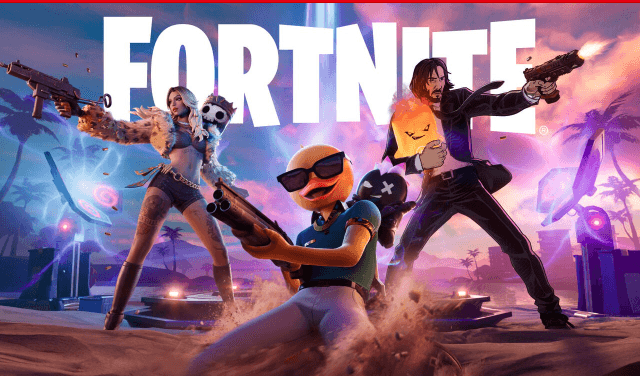
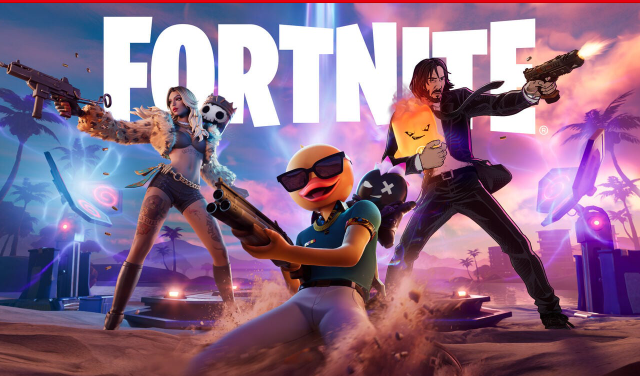
Fortnite layered building construction onto the battle royale format and became a cultural reference point through IP crossovers and seasonal events. The Zero Build mode removes the construction layer for players who prefer pure shooting. GPA scores it high on Co-op and Action, with a Beginner score above average reflecting the accessibility of Zero Build.
Game Characteristics
Action
80%
Co-op
80%
Graphics
75%
High Difficulty
60%
Strategy
55%
Sandbox
40%
Crafting
40%
Roguelike
30%
Player profile fit
Recommended for: Beginner to Advanced players (A score of 50 or higher indicates a good fit.)
THE FINALS runs team combat through a fully destructible game show environment where collapsing buildings, explosive barrels, and environmental weapons are as important as gunplay. Embark Studios, former Battlefield developers. Free to play. PS5, Xbox Series X|S, PC. GPA scores it high on Action and Co-op — the team shooter that made environmental destruction a primary tactical resource rather than a visual flourish.
Helldivers 2 sends four Helldivers to hostile planets under the banner of Super Earth's democracy, calling in weapons and reinforcements through timed button sequences called Stratagems. The galactic war meta-game updates in real time across all players. Arrowhead Game Studios, PlayStation Studios. PS5, PC. GPA scores it at the top for Co-op — the squad shooter that made cooperative chaos the design goal rather than a side effect.
Call of Duty: Warzone runs up to 150 players in a battle royale with the Gulag resurrection mechanic that gives eliminated players a 1v1 chance to return. The weapon customization system from the mainline games carries over. Free to play. PS4/5, Xbox One/Series, PC. GPA scores it high on Action and Co-op — the battle royale that sustained Call of Duty's audience through the free-to-play format.
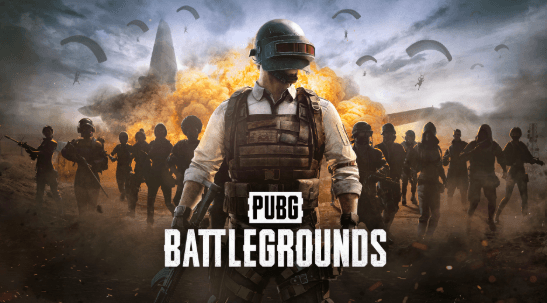
PUBG: Battlegrounds established the battle royale genre's defining loop — 100 players, one map, one survivor — before Fortnite or Apex. The gunplay runs on realistic ballistics and minimal aim assist. GPA scores it high on Action and Strategy — the combination that describes a shooter where circle positioning and loadout decisions matter as much as aim.
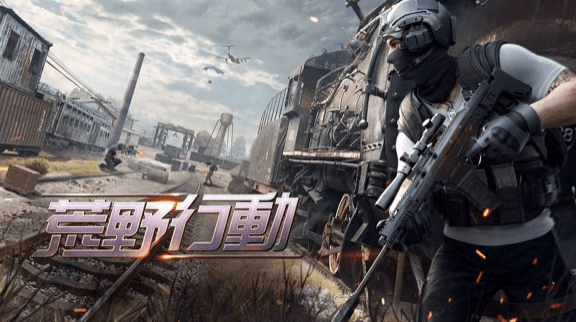
Knives Out (荒野行動) brought the battle royale format to mobile audiences in East Asia with controls designed for touchscreen play and progression systems tuned for daily sessions. GPA scores it high on Co-op and Action — the mobile battle royale that built the genre's East Asian player base before global competitors arrived.
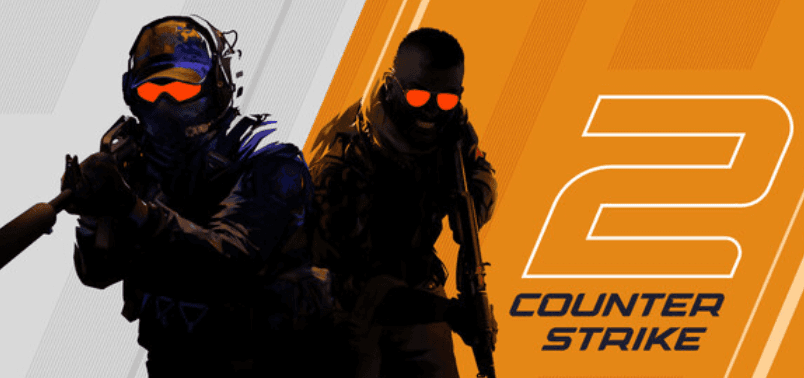
Counter-Strike 2 migrates CS:GO to Source 2, adding volumetric smoke grenades that interact with bullets and a sub-tick server architecture that reduces registration variance. Free to play. Valve. PC only. GPA scores it at the top for Action and Strategy — the competitive FPS that has defined the genre's skill ceiling for over two decades.
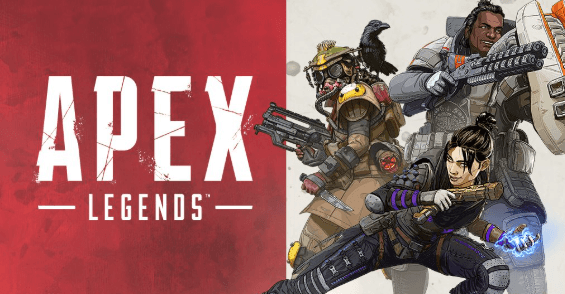
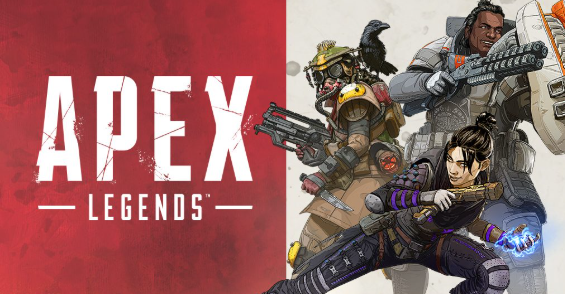
Apex Legends dropped in February 2019 without announcement and reached ten million players in 72 hours. The ping communication system, tiered shield structure, and Legend abilities lowered the barrier to competitive FPS without removing the skill ceiling. GPA scores it at 95% for both Action and Co-op — a dual maximum that describes a shooter where team design is structural, not optional.
Rainbow Six Siege builds its 5v5 tactical structure around soft and hard destructible surfaces — walls become entry points, floors become sightlines. Over 100 Operators each carry a unique gadget that changes how a site is defended or attacked. Ubisoft Montreal. PS4/5, Xbox One/Series, PC. GPA scores it at the top for Strategy among shooters — the FPS where pre-round planning determines outcome more than aim.
Marvel Rivals puts Marvel characters into a 6v6 hero shooter format, with team-up abilities that activate between specific character combinations. The free-to-play model launched with a complete roster. GPA scores it high on Co-op and Action — the combination that describes the hero shooter genre's core proposition.
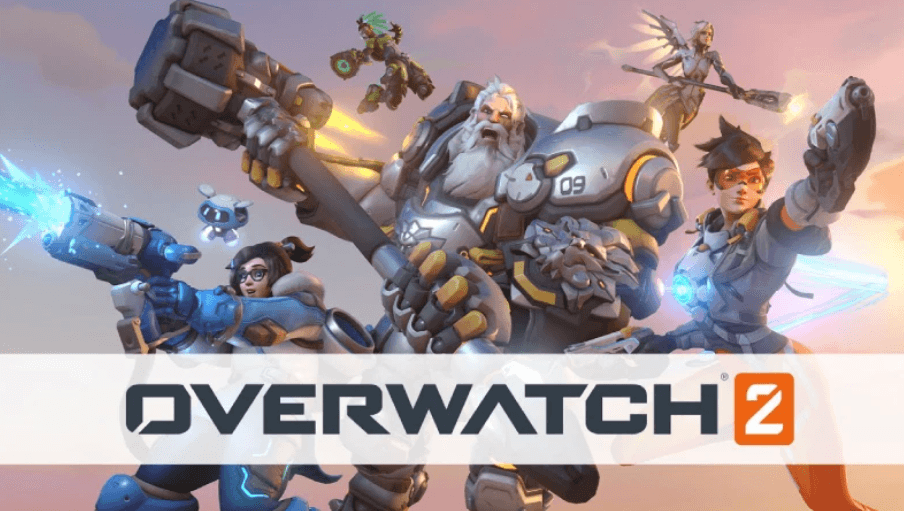
Overwatch restructured the team shooter around role composition, with tank, damage, and support heroes whose abilities are designed to function in combination. The current 5v5 format removed the second tank. GPA scores it high on Co-op and Action — the combination that describes a game where team coordination is the primary skill expression.
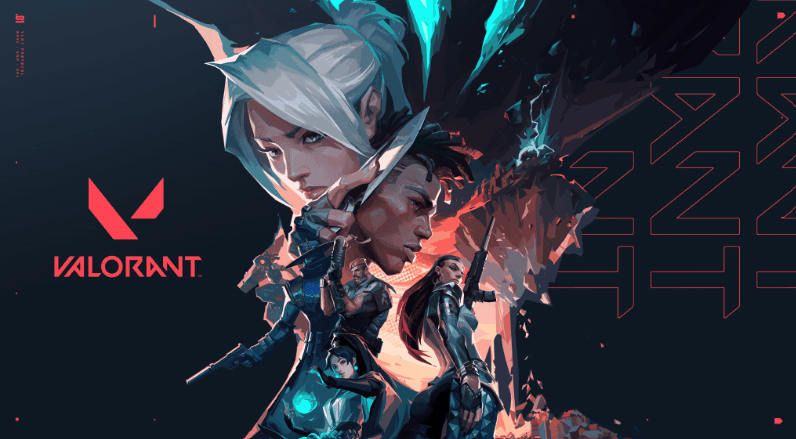
VALORANT's 5v5 tactical format pairs precise gunplay with Agent abilities that change site control without replacing individual aim as the deciding factor. GPA scores it high on Strategy and Co-op — the combination that positions it between Counter-Strike's mechanical discipline and Overwatch's ability-forward design.
Midnight Ghost Hunt assigns ghost possession of furniture to one team and ghost-hunting equipment to the other, building weapon combat into the object transformation format. GPA scores it high on Co-op and Action.
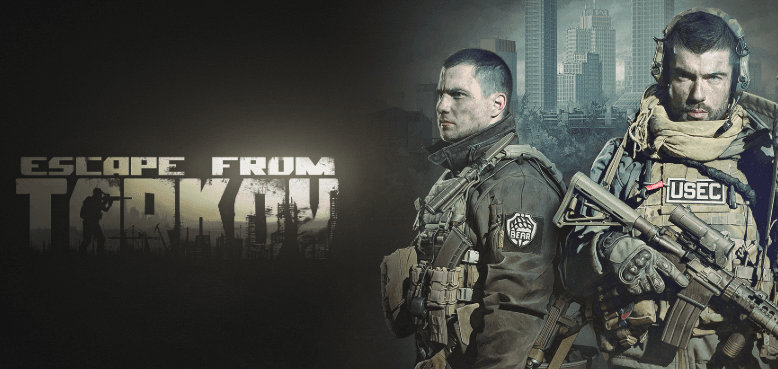
Escape from Tarkov drops players into raid maps with whatever gear they bring, requiring extraction at designated exits to keep what they find. Death means losing all carried equipment. Battlestate Games. PC only. GPA scores it at the top for Difficulty — the extraction shooter that defined the genre by making every decision carry permanent financial consequence.
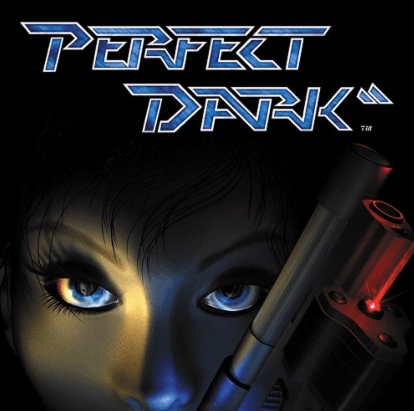
Perfect Dark follows GoldenEye's mission structure with a female protagonist, alien conspiracy plot, and an expanded multiplayer suite including AI bots at variable difficulty. The Combat Simulator supported eight bots to compensate for the N64's four-player hardware limit. Available through Nintendo Classics (18+ version). GPA scores it high on Action — GoldenEye's spiritual successor that exceeded its predecessor's content volume.
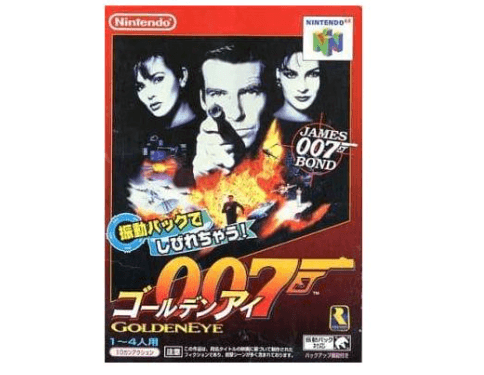
GoldenEye 007 established the console FPS template with mission-based objectives, silenced weapon stealth, and four-player split-screen multiplayer. The Rare-developed Bond adaptation remains the reference point for the genre on consoles. Available through Nintendo Classics (18+ version). GPA scores it high on Action and Co-op — the FPS that made the console the viable platform for the genre.
Sonic Rumble runs up to 32 players through toy-world obstacle courses in a Fall Guys-style party royale built around Sonic's speed mechanics and series-specific traps. Free to play with cross-platform support. SEGA. iOS, Android, PC (Steam). GPA scores it high on Co-op and Action — the Sonic party game built for mobile-first players who want the series' energy in a casual competitive format.
Boomerang Fu fights food-themed characters across 30+ arenas with a single boomerang that returns to its owner — catching it mid-flight is the key skill. 14 power-up combinations change each round. Cranky Watermelon. Switch, PS4/5, Xbox, PC. Won Best Gameplay at the 2020 Australian Game Developer Awards. GPA scores it high on Co-op and Action — the party game with the highest skill ceiling per round length ratio.
Orcs Must Die! 3 scales its trap placement and combat hybrid to War Scenarios with hundreds of enemies on screen simultaneously. The co-op mode supports two players. GPA scores it high on Strategy and Co-op — an action-tower defense built around cooperative trap engineering.
State of Decay 2 manages a survivor community rather than a single character, with permanent death for any community member and a resource economy that runs across multiple settlements. Four-player co-op. Undead Labs, Xbox Game Studios. Xbox One, Xbox Series X|S, PC. GPA scores it high on Strategy and Co-op — the zombie survival game where losing a named survivor carries genuine consequence.
Core Keeper digs through procedurally generated underground biomes toward boss encounters, with farming, fishing, and equipment crafting filling time between fights. Eight-player co-op runs the full experience. GPA scores it high on Craft and Co-op — close to Terraria in the similarity rankings with a stronger emphasis on cooperative play.
フォートナイト(Fortnite) leads with its Battle Royale identity, anchored by the core feel of "Fortnite layered building construction onto the battle royale format and became a cultural reference point through IP …." The headline profile reads Action 80% / Co-op 80% / Graphics 75%, making it a strong pick for fans of Action and Co-op. Accessible enough for newcomers while offering enough depth to satisfy veterans.
▸Characteristics & Analysis
Our editorial team scored "フォートナイト(Fortnite)" by using its feel of battle royale, building, and free to play as the primary lens, weighting Action and Co-op most heavily. Top similar titles include "THE FINALS(ザ ファイナルズ)", "ヘルダイバーズ2(Helldivers 2)", "コール オブ デューティ ウォーゾーン(Call of Duty: Warzone)".
Fortnite — How Building + Battle Royale Became a Cultural Platform
What Kind of Game Is It? — The Battle Royale That Added Building
Epic Games launched Fortnite in 2017 as a 100-player battle royale: drop onto an island, scavenge, fight, and be the last person or squad standing. Right after PUBG popularized survival shooting, Fortnite added a rule no competitor had fully committed to — real-time construction.
Walls, floors, and ramps go up instantly to block shots or take high ground. Wins depend on aim andspatial decision-making — what to build, where, and when to tear it down.
Free-to-play, cross-platform, and constantly updated through seasonal map changes, live events, and major IP crossovers, Fortnite grew beyond a single game into a youth-culture hub— which is why GPA treats it as a "cultural platform."
What GPA Scores Reveal About Fortnite
GPA's analysis places the game in this profile:
Experience profile — Fortnite
Action ◀
80%
Co-op ◀
80%
Graphics
75%
High difficulty
60%
Strategy
55%
Sandbox
40%
Crafting
40%
Based on GPA tag weights. Small tags: battle royale, building, free-to-play, IP collabs, stream-friendly.
80% Action and 80% Co-op means split-second calls matter in solo and squad alike. Building cover for teammates or boxing up a downed ally rewards coordination — a battle royale that aligns strongly with GPA's co-op axis.
Emotional story and narrative depth score lower by design. GPA is rating a live-service model where seasonal event storytelling replaces a single finished arc — a different category from quiet character-driven games like Red Dead Redemption.
Target audience (50+ recommended)
Beginner
60
Intermediate
70
Advanced
75
The range is narrow — nearly every skill level can play. Free-to-play access, cross-play, and seasonal updates make it easy to stay engaged long term.
Why Building Changed Battle Royale Rules
Battle royale is about fighting over limited resources inside a shrinking safe zone. Fortnite adds wood, stone, and metal — giving players permission to rewrite the terrain itself.
Instant towers for high ground, mid-fight cover, escape routes when cornered — building cannot fully erase an aim gap, but it leaves room to flip fights through speed and edit precision. At high skill, piece control and edits decide matches as much as tracking.
GPA's Building small tag and 40% Crafting reflect how central space creation is. Where PUBG and Apex emphasize shooting and positioning, Fortnite institutionalized construction as a third combat skill.
Season Narratives and IP Collabs — Always "Now"
Maps, weapons, and metas refresh every season. Island geography shifts, story beats play out in live events, and crossovers with Marvel, Star Wars, Dragon Ball, and more drop on a regular cadence.
GPA's phrase "continuous narrative generation through content updates" describes this loop. Players wait for the next season; streams, social feeds, and playground conversation follow — a social phenomenon, not just a game patch cycle.
Small tags like IP collabs and stream-friendly capture that angle. Competitive scenes exist (Fortnite Champion Series), but GPA weights casual culture and event buzz higher than esports-focused titles like Apex.
Creative Mode and UGC — From Playing to Making
Beyond battle royale, Creative mode lets players build and publish custom maps and minigames — races, puzzles, horror experiences, tribute levels — running alongside official content.
40% Sandbox scores that shift from play to create-and-share. It sits close to Roblox and Minecraft as a creation platform, which is one reason Fortnite never stayed a single-mode product.
Free access to Creative lowers the barrier for new players. Even if BR isn't your thing, you can jump into a friend's custom island — a very different onboarding curve from competitive FPS-first titles like Apex.
vs Apex and PUBG — What Only Fortnite Does
Same genre, very different GPA shapes. Apex Legends hits 95% Action, 95% Co-op, and 90 Advanced — a competitive FPS peak. Fortnite balances all skill bands (Beginner 60 / Intermediate 70 / Advanced 75) and uses building to give casual players comeback moments.
Fortnite vs Apex Legends — key score comparison
Fortnite action
80%
Apex action ◀
95%
Fortnite co-op
80%
Apex co-op ◀
95%
Fortnite high difficulty
60%
Apex high difficulty ◀
80%
Fortnite beginner fit ◀
60%
Apex beginner fit
40%
Apex leans competitive aim; Fortnite leans building, live events, and broad accessibility.
PUBG sells tension and realism, Apex sells squad skills and hero abilities, Fortnite sells building and cultural events — pick them as similar-looking but different experiences.
Summary — The Game That Turned Live Service Into Culture
Fortniterewrote battle royale with building, then kept itself relevant through free access, seasonal updates, and IP collabs — always something new to talk about. GPA's 80% Action and 80% Co-op reflect a design where reflexes and teamwork both decide outcomes.
Want one finished emotional arc? Look at RDR2 or NieR. Want a competitive FPS ceiling? Apex. Fortnite fits players who want to drop in with friends, ride live events, and keep creating.