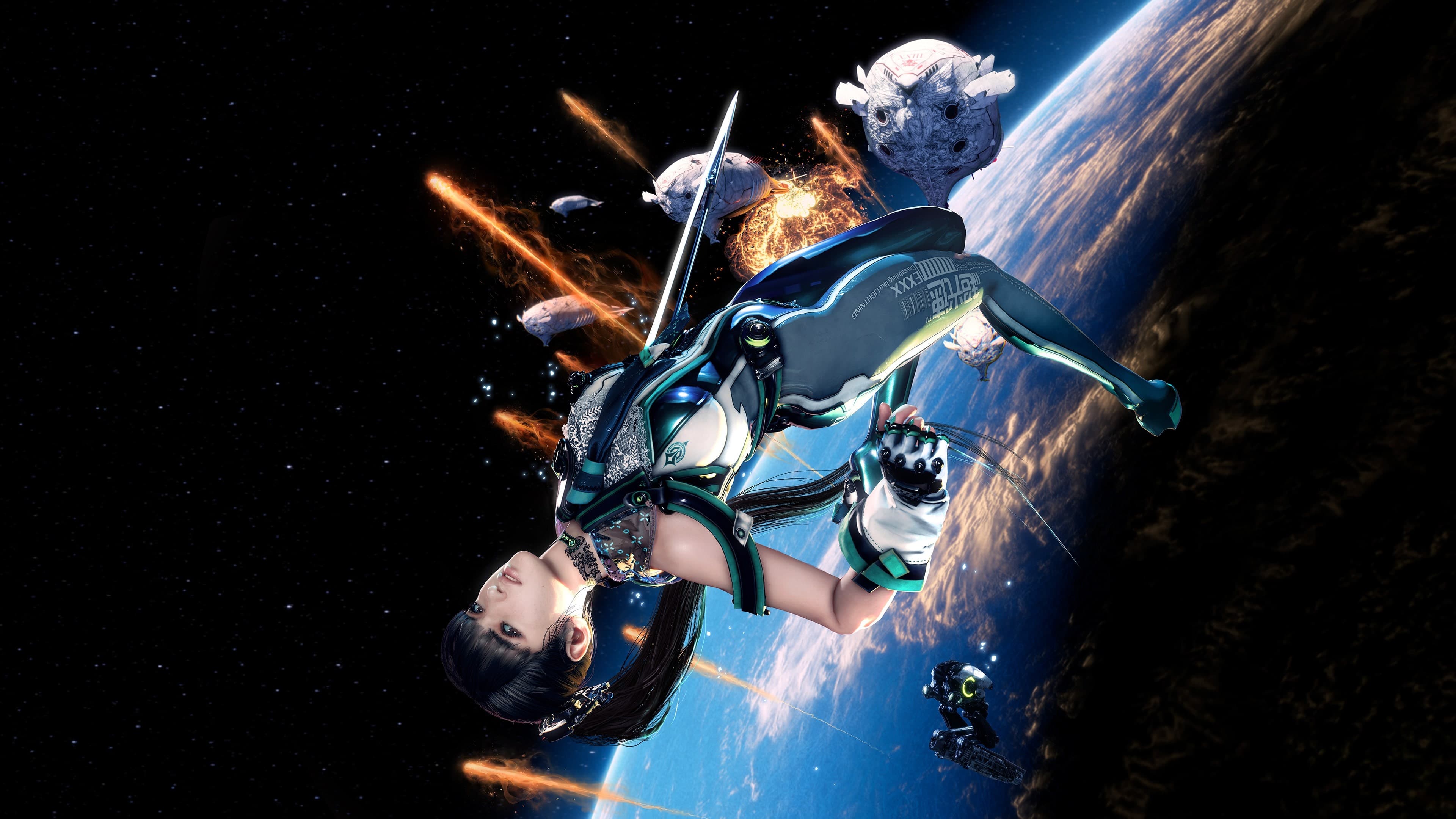
Stellar Blade follows EVE on a mission to reclaim Earth from alien creatures. The parry-focused combat rewards learning attack patterns. GPA scores it high on Action and Graphics — the character design and environmental art are among the strongest visual presentations in the Action category.
Game Characteristics
Action
85%
Existential Themes
80%
Anime Characters
80%
Graphics
75%
High Difficulty
70%
Dystopian Setting
70%
Emotional Story
65%
Story Depth
65%
Dark
60%
Multiple Endings
55%
Strategy
50%
Character Building
50%
Horror
40%
Roguelike
20%
Logic
20%
Player profile fit
Recommended for: Intermediate to Advanced players (A score of 50 or higher indicates a good fit.)
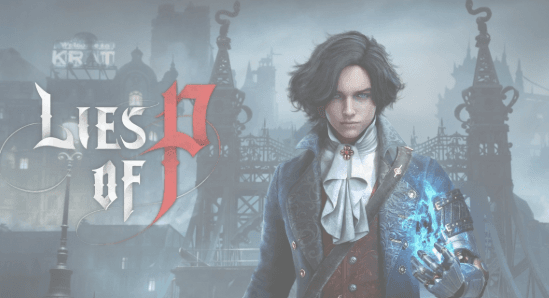
Lies of P retells Pinocchio as a Soulslike set in a Victorian-era city overrun by automatons. The weapon assembly system lets players combine handles and blades from different weapons. GPA scores it close to Elden Ring on Difficulty and Dark World, with the Soulslike tag shared across both.
Tag Similarity
Action
85%
Existential Themes
70%
Anime Characters
0%
Graphics
85%
High Difficulty
85%
Dystopian Setting
90%
Emotional Story
70%
Story Depth
75%
Chart tags: Action / Existential Themes / Anime Characters / Graphics / High Difficulty / Dystopian Setting / Emotional Story / Story Depth
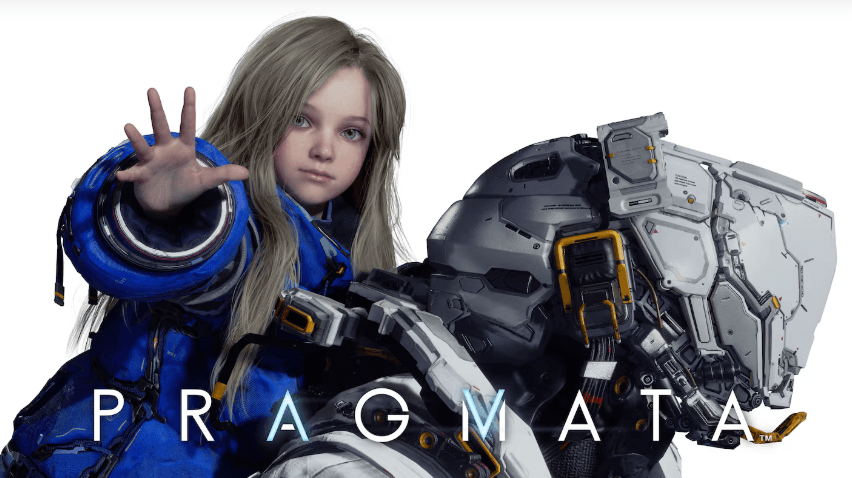
PRAGMATA sends astronaut Hugh and an android girl through a lunar crisis involving rogue AI and gravitational anomalies. The hacking and action systems layer on top of each other across escalating encounters. GPA scores it high on Action and Graphics — a Capcom title that brings the studio's action expertise into a science fiction setting.
Tag Similarity
Action
65%
Existential Themes
70%
Anime Characters
50%
Graphics
85%
High Difficulty
70%
Dystopian Setting
75%
Emotional Story
80%
Story Depth
80%
Chart tags: Action / Existential Themes / Anime Characters / Graphics / High Difficulty / Dystopian Setting / Emotional Story / Story Depth
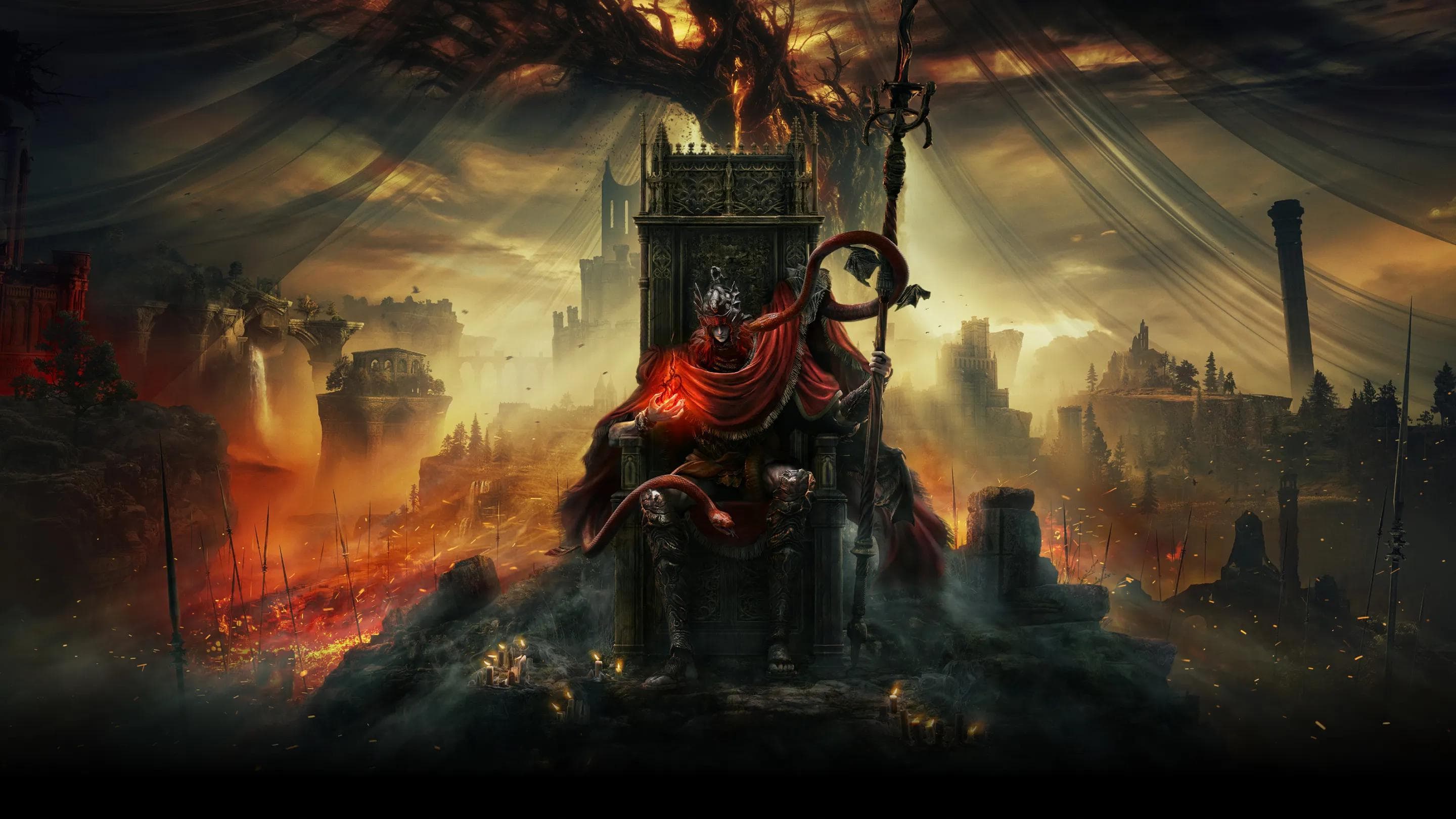
Elden Ring takes FromSoftware's Soulslike combat into an open world designed by Hidetaka Miyazaki and George R.R. Martin. The Legacy Dungeons preserve the dense, interconnected level design of earlier entries while the Lands Between rewards patient exploration. GPA scores it at 95% for both Difficulty and Action — the highest Action score in the database.
Tag Similarity
Action
90%
Existential Themes
70%
Anime Characters
0%
Graphics
85%
High Difficulty
80%
Dystopian Setting
85%
Emotional Story
0%
Story Depth
70%
Chart tags: Action / Existential Themes / Anime Characters / Graphics / High Difficulty / Dystopian Setting / Emotional Story / Story Depth
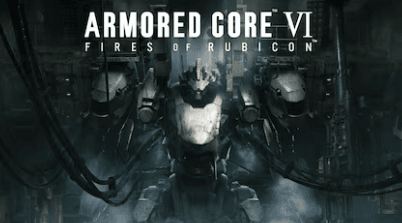
Armored Core VI returns after a decade with a mech assembly system that lets players reconfigure loadouts between missions. Each boss is designed to pressure specific AC builds. GPA scores it high on Action and Strategy — the combination that describes a game where mechanical optimization and combat execution sit at equal priority.
Tag Similarity
Action
90%
Existential Themes
65%
Anime Characters
0%
Graphics
80%
High Difficulty
85%
Dystopian Setting
80%
Emotional Story
65%
Story Depth
70%
Chart tags: Action / Existential Themes / Anime Characters / Graphics / High Difficulty / Dystopian Setting / Emotional Story / Story Depth
Metroid Dread returns the series to 2D after 19 years, sending Samus to planet ZDR to investigate a rogue EMMI robot. The stealth sequences against the indestructible EMMI units create a distinct tension layer on top of the Metroidvania exploration. GPA scores it high on Action and Difficulty — the combination that defines the series at its most mechanically demanding.
Tag Similarity
Action
85%
Existential Themes
55%
Anime Characters
0%
Graphics
80%
High Difficulty
80%
Dystopian Setting
50%
Emotional Story
60%
Story Depth
70%
Chart tags: Action / Existential Themes / Anime Characters / Graphics / High Difficulty / Dystopian Setting / Emotional Story / Story Depth
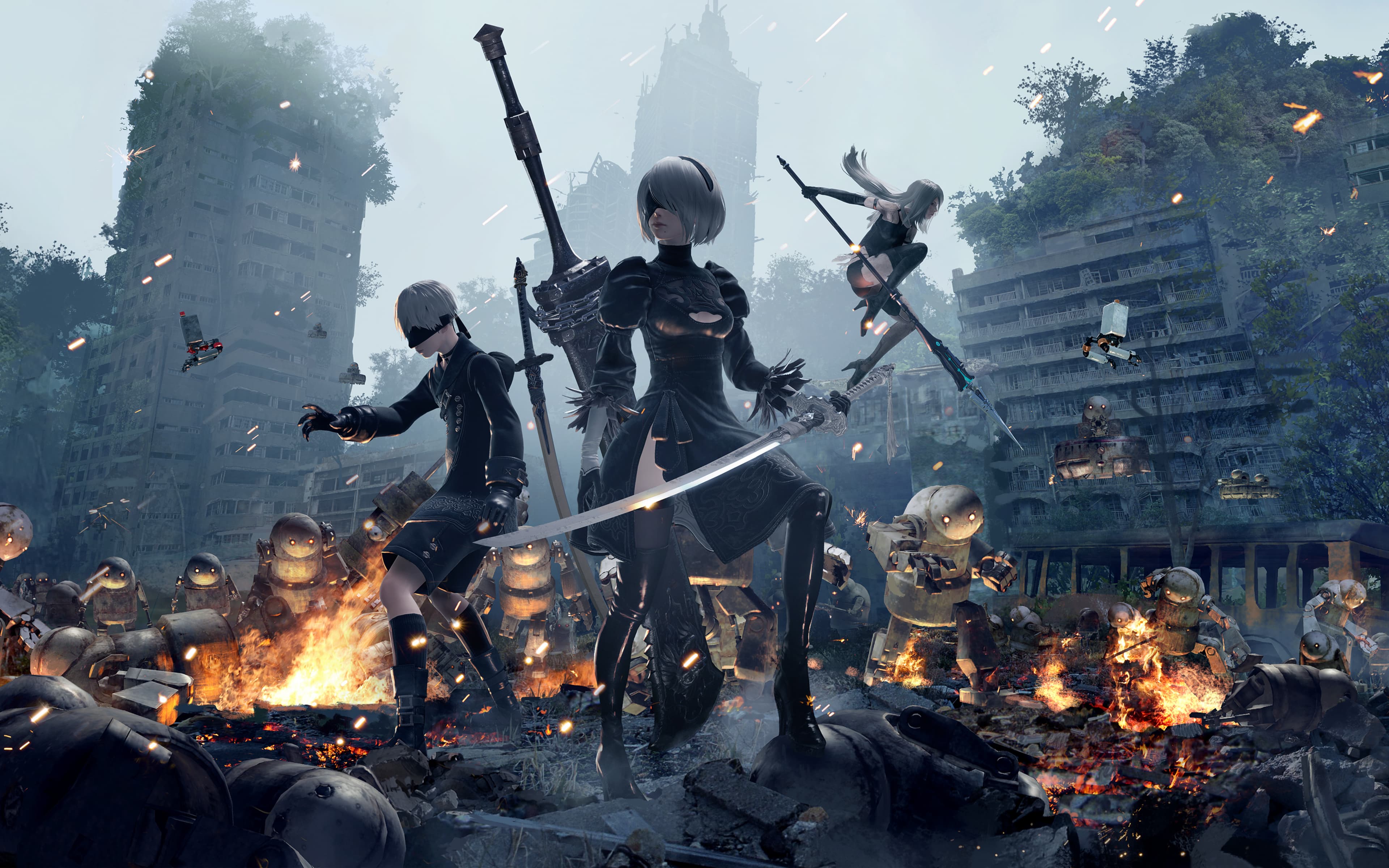
Androids fight a proxy war for humanity while quietly developing consciousness of their own. NieR: Automata asks its existential questions across multiple playthroughs, each one revealing a layer the last one withheld. GPA scores it at 95% for Existential Themes — the highest in the database — alongside strong marks for Emotional Story and Dark World.
Tag Similarity
Action
80%
Existential Themes
95%
Anime Characters
90%
Graphics
70%
High Difficulty
60%
Dystopian Setting
70%
Emotional Story
85%
Story Depth
85%
Chart tags: Action / Existential Themes / Anime Characters / Graphics / High Difficulty / Dystopian Setting / Emotional Story / Story Depth
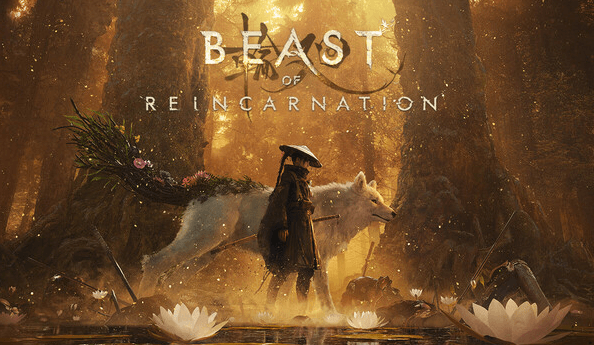
Beast of Reincarnation sends Emma the Sealer and her dog Koo across a post-apocalyptic Japan in the year 4026, where a corruption called the Blight has transformed the landscape into a beautiful but hostile wilderness. Emma absorbs abilities from defeated Nushi creatures, building toward a confrontation with the titular Beast. Combat blends real-time parrying in the Sekiro register with turn-based command elements. Game Freak's first non-Pokémon AAA title. GPA scores it high on Emotional Story and Dark World — a companion-bond action RPG that reviewers placed between NieR: Automata and Princess Mononoke.
Tag Similarity
Action
80%
Existential Themes
75%
Anime Characters
0%
Graphics
82%
High Difficulty
70%
Dystopian Setting
85%
Emotional Story
80%
Story Depth
75%
Chart tags: Action / Existential Themes / Anime Characters / Graphics / High Difficulty / Dystopian Setting / Emotional Story / Story Depth
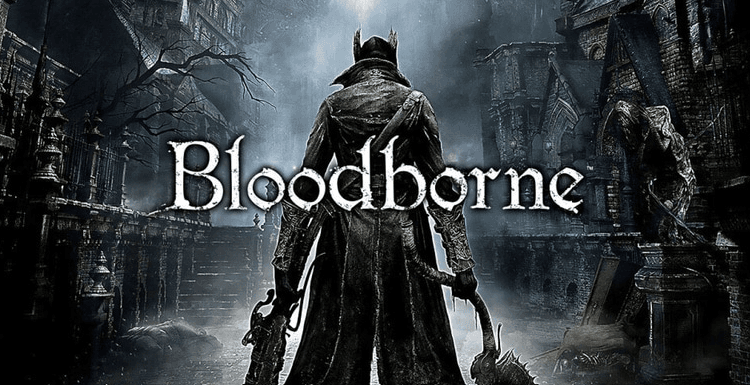
Bloodborne moves through Gothic Victorian streets and cosmic horror architecture with an aggressive combat system that punishes defensive play. The Rally mechanic returns health through attacking immediately after taking damage. GPA scores it at the top for Dark World and near the top for Difficulty — the Action score is higher than Dark Souls entries, reflecting the faster combat tempo.
Tag Similarity
Action
90%
Existential Themes
80%
Anime Characters
0%
Graphics
85%
High Difficulty
95%
Dystopian Setting
95%
Emotional Story
50%
Story Depth
70%
Chart tags: Action / Existential Themes / Anime Characters / Graphics / High Difficulty / Dystopian Setting / Emotional Story / Story Depth
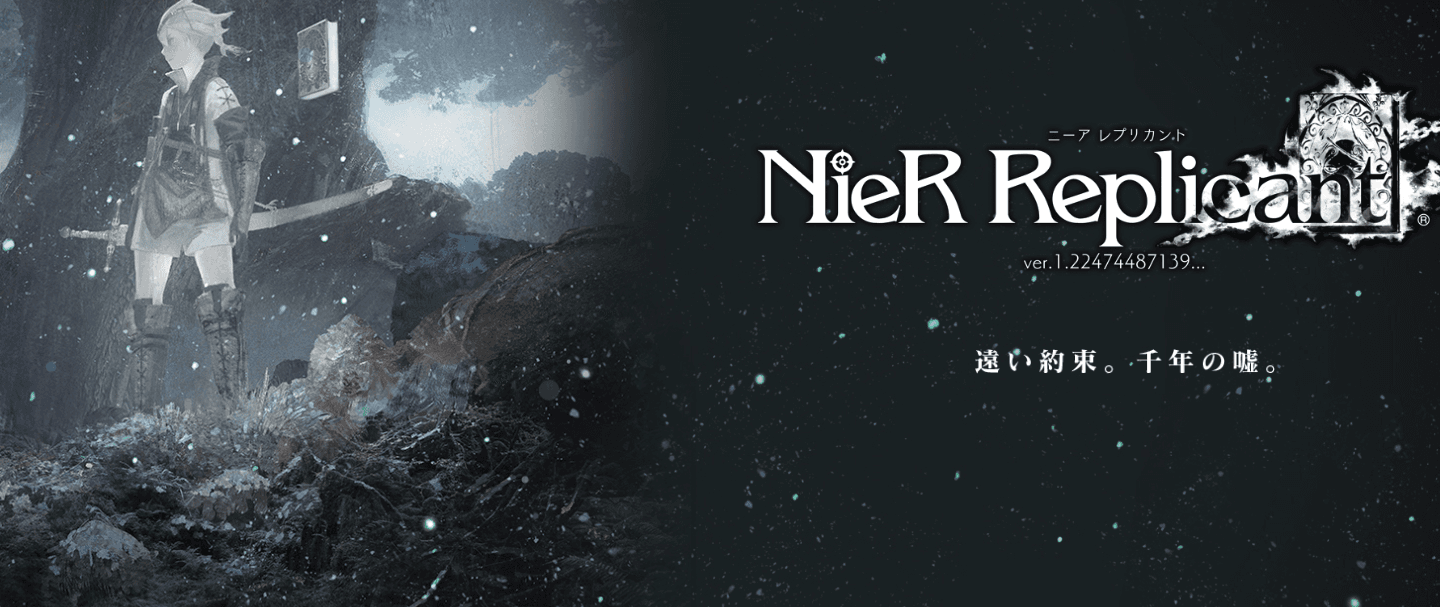
NieR Replicant ver.1.22 upgrades the 2010 original with Automata's combat system and expanded lore content. The multiple playthroughs reveal the story's full moral weight incrementally. GPA scores it close to Automata on Existential Themes, with Emotional Story slightly lower — a starting point for players who want the complete Yoko Taro narrative context.
Tag Similarity
Action
75%
Existential Themes
90%
Anime Characters
60%
Graphics
65%
High Difficulty
60%
Dystopian Setting
75%
Emotional Story
85%
Story Depth
85%
Chart tags: Action / Existential Themes / Anime Characters / Graphics / High Difficulty / Dystopian Setting / Emotional Story / Story Depth
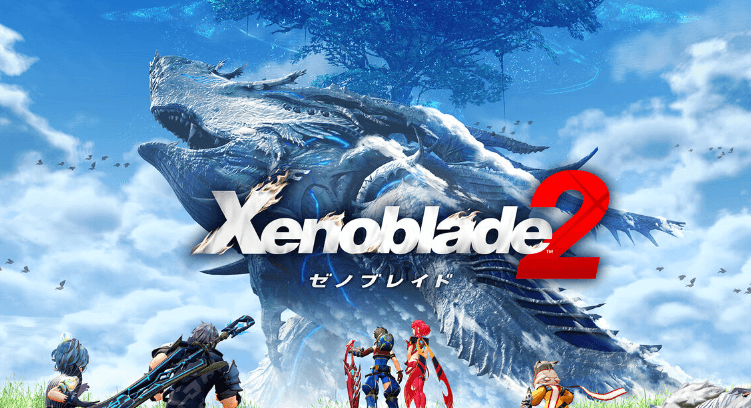
Xenoblade Chronicles 2 follows Rex and the Blades — living weapons with distinct personalities — toward the mythical Elysium. The combat system builds through Blade combinations and chain attacks. GPA scores it high on Turn-Based and Emotional Story, with Story Depth above average — a positioning that reflects the series' commitment to extended narrative investment.
Tag Similarity
Action
75%
Existential Themes
65%
Anime Characters
70%
Graphics
80%
High Difficulty
50%
Dystopian Setting
40%
Emotional Story
85%
Story Depth
85%
Chart tags: Action / Existential Themes / Anime Characters / Graphics / High Difficulty / Dystopian Setting / Emotional Story / Story Depth
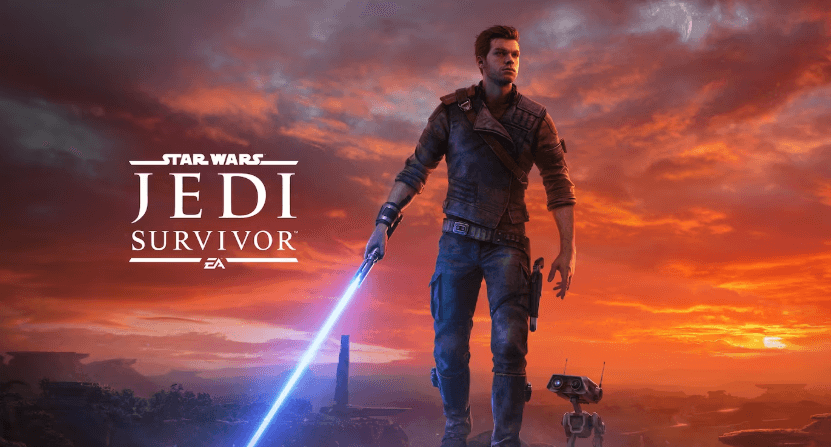
Star Wars Jedi: Survivor continues Cal Kestis's journey through a galaxy under Imperial consolidation, adding new lightsaber stances and a Metroidvania planet structure. GPA scores it high on Action and Story Depth — a sequel that deepens the combat options and the political stakes from Fallen Order.
Tag Similarity
Action
80%
Existential Themes
50%
Anime Characters
0%
Graphics
85%
High Difficulty
65%
Dystopian Setting
50%
Emotional Story
70%
Story Depth
70%
Chart tags: Action / Existential Themes / Anime Characters / Graphics / High Difficulty / Dystopian Setting / Emotional Story / Story Depth
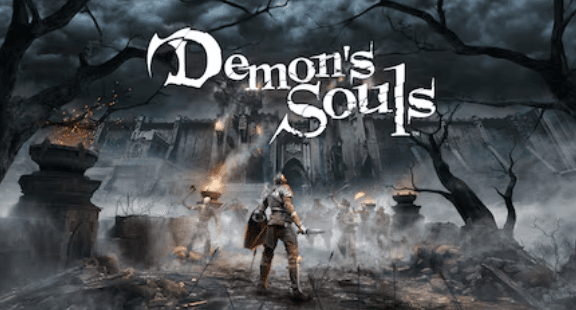
Demon's Souls was FromSoftware's proof of concept for the Soulslike format, and the PS5 remake preserves the original's structure in high fidelity. The World Tendency system changes enemy behavior based on in-game actions. GPA scores it high on Difficulty and Dark World — the combination that defines the series' origin point.
Tag Similarity
Action
85%
Existential Themes
75%
Anime Characters
0%
Graphics
80%
High Difficulty
95%
Dystopian Setting
90%
Emotional Story
0%
Story Depth
65%
Chart tags: Action / Existential Themes / Anime Characters / Graphics / High Difficulty / Dystopian Setting / Emotional Story / Story Depth
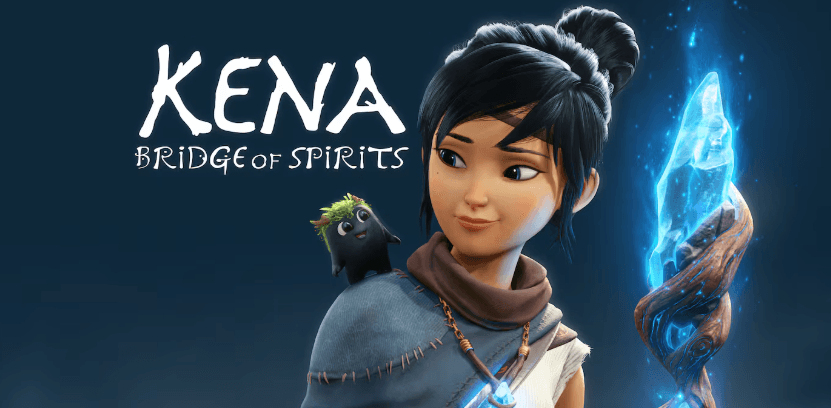
Kena: Bridge of Spirits sends a spirit guide through a village haunted by unresolved grief, clearing corruption to free the dead. The Rot companions add a resource management layer to the combat. GPA scores it high on Emotional Story and Graphics — the visual quality from a small studio remains the most discussed aspect of its reception.
Tag Similarity
Action
75%
Existential Themes
55%
Anime Characters
0%
Graphics
90%
High Difficulty
60%
Dystopian Setting
40%
Emotional Story
75%
Story Depth
75%
Chart tags: Action / Existential Themes / Anime Characters / Graphics / High Difficulty / Dystopian Setting / Emotional Story / Story Depth
Arknights runs its tower defense and tactical combat through a post-apocalyptic world where infected populations are segregated by law. The operator roster and faction writing carry more depth than most mobile strategy games. GPA scores it high on Strategy and Dark World — the combination that identifies a game where the setting's politics are as developed as the mechanics.
Tag Similarity
Action
30%
Existential Themes
75%
Anime Characters
80%
Graphics
70%
High Difficulty
70%
Dystopian Setting
80%
Emotional Story
70%
Story Depth
85%
Chart tags: Action / Existential Themes / Anime Characters / Graphics / High Difficulty / Dystopian Setting / Emotional Story / Story Depth
Nine Sols sets a Taoist science fiction narrative against combat directly inspired by Sekiro: Shadows Die Twice — a deflection system that builds into a Talisman seal execution. Red Candle Games' first action title, following Devotion and Detention. Switch, PS4/5, Xbox, PC. GPA scores it at the top for Action among Metroidvanias — the genre entry where parry timing is the entire combat philosophy.
Tag Similarity
Action
88%
Existential Themes
70%
Anime Characters
0%
Graphics
72%
High Difficulty
85%
Dystopian Setting
78%
Emotional Story
72%
Story Depth
70%
Chart tags: Action / Existential Themes / Anime Characters / Graphics / High Difficulty / Dystopian Setting / Emotional Story / Story Depth
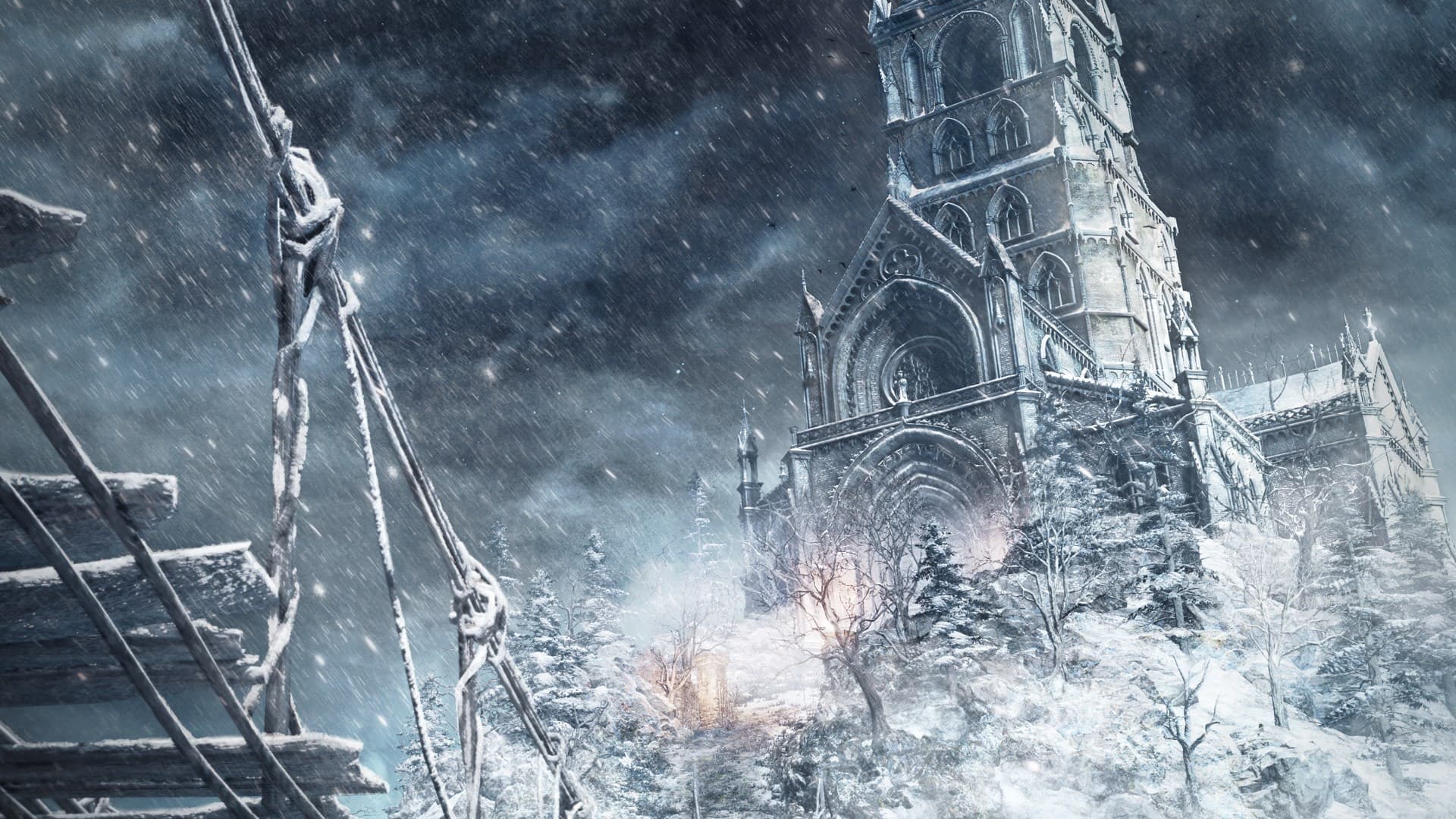
Dark Souls III accelerates the series' pacing and sharpens its boss design into its most refined form. The lore runs through item descriptions and environmental detail rather than cutscenes. GPA scores it at 90% for both Difficulty and Lore Focus — two axes that define the experience more precisely than genre alone.
Tag Similarity
Action
85%
Existential Themes
80%
Anime Characters
0%
Graphics
70%
High Difficulty
95%
Dystopian Setting
90%
Emotional Story
0%
Story Depth
70%
Chart tags: Action / Existential Themes / Anime Characters / Graphics / High Difficulty / Dystopian Setting / Emotional Story / Story Depth
Phantom Blade Zero builds its wuxia action around high-speed sword combat with a response window that rewards perfect timing. The martial arts world-building draws from Chinese historical fantasy. GPA scores it high on Action and Dark World — the combination that describes an action game where atmosphere and mechanical precision sit at equal priority.
Tag Similarity
Action
95%
Existential Themes
45%
Anime Characters
0%
Graphics
90%
High Difficulty
80%
Dystopian Setting
60%
Emotional Story
50%
Story Depth
50%
Chart tags: Action / Existential Themes / Anime Characters / Graphics / High Difficulty / Dystopian Setting / Emotional Story / Story Depth
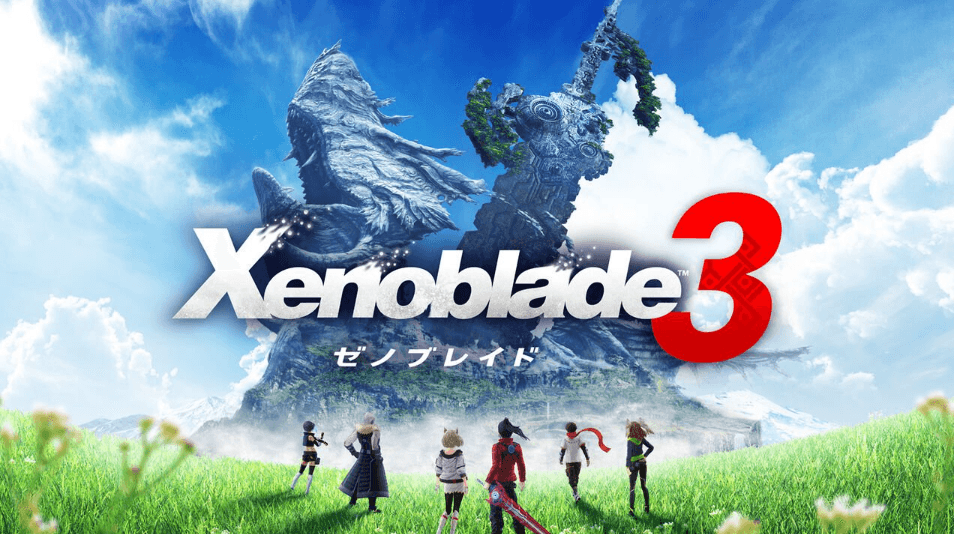
Xenoblade Chronicles 3 connects the worlds of the first two games through a story about soldiers fighting a war no one can explain. The real-time combat scales with party composition through the Ouroboros system. GPA scores it high on Turn-Based and Emotional Story, with Story Depth above average — a JRPG where the narrative's ambitions match its length.
Tag Similarity
Action
70%
Existential Themes
75%
Anime Characters
40%
Graphics
80%
High Difficulty
50%
Dystopian Setting
50%
Emotional Story
80%
Story Depth
85%
Chart tags: Action / Existential Themes / Anime Characters / Graphics / High Difficulty / Dystopian Setting / Emotional Story / Story Depth
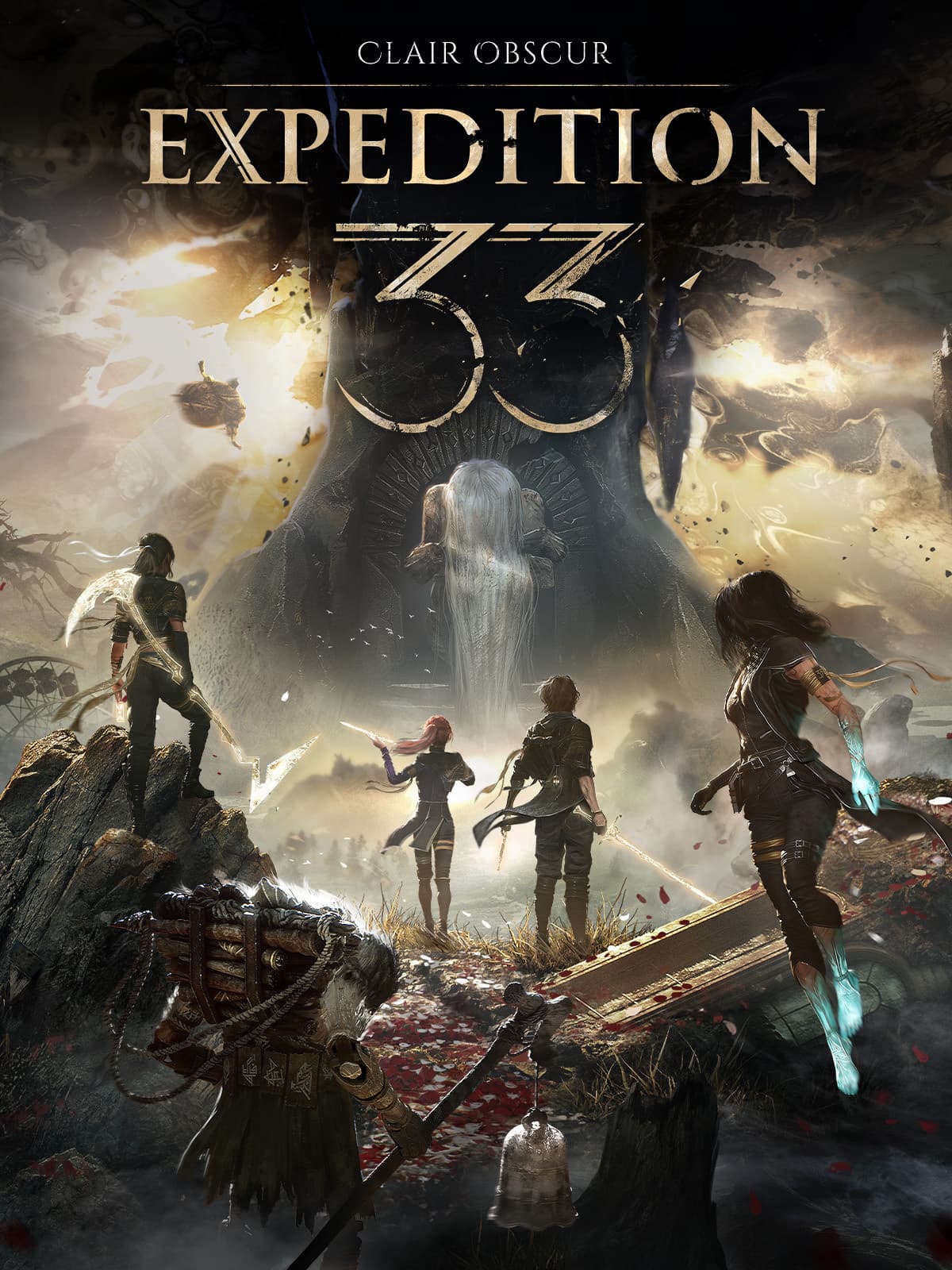
Set in a world where the Paintress condemns entire age groups to death each year, Expedition 33 sends a doomed party into a dying world to break the curse. The turn-based combat integrates real-time parry mechanics that shift the rhythm of every encounter. GPA scores it highest in Emotional Story and Story Depth — the French aesthetic and existential weight make it one of the most distinctive RPGs of 2025.
Tag Similarity
Action
60%
Existential Themes
85%
Anime Characters
0%
Graphics
80%
High Difficulty
60%
Dystopian Setting
85%
Emotional Story
80%
Story Depth
90%
Chart tags: Action / Existential Themes / Anime Characters / Graphics / High Difficulty / Dystopian Setting / Emotional Story / Story Depth
Prince of Persia: The Lost Crown returns the series to 2D with Sargon as protagonist, using time-based abilities alongside the series' acrobatic movement. The Metroidvania structure reveals the map through ability acquisition. GPA scores it high on Action and Puzzle — the combination that describes a game that commits to the genre with current production quality.
Tag Similarity
Action
85%
Existential Themes
45%
Anime Characters
0%
Graphics
85%
High Difficulty
80%
Dystopian Setting
35%
Emotional Story
50%
Story Depth
60%
Chart tags: Action / Existential Themes / Anime Characters / Graphics / High Difficulty / Dystopian Setting / Emotional Story / Story Depth
About "Stellar Blade"
▸Game Composition (GPA Analysis)
Stellar Blade(ステラブレイド) leads with its Action RPG identity, anchored by the core feel of "Stellar Blade follows EVE on a mission to reclaim Earth from alien creatures." The headline profile reads Action 85% / Existential Themes 80% / Anime Characters 80%, making it a strong pick for fans of Action and Existential Themes. Oriented toward experienced players looking to push their limits.
▸Characteristics & Analysis
Our editorial team scored "Stellar Blade(ステラブレイド)" by using its feel of soulslike, parry mechanics, and 退廃的ビジュアル as the primary lens, weighting Action and Existential Themes most heavily. Top similar titles include "Lies of P(ライズオブピー)", "プラグマタ(PRAGMATA)", "エルデンリング(Elden Ring)".
Stellar Blade Analysis — Survival on a Fallen Earth, and Combat That Rewards Skill
First Impressions as a Sci-Fi Mystery — Looking Past the Character-Action Label
SHIFT UP released Stellar Bladeon PS5 in April 2024 and PC in June 2025. Eve's appearance dominated the pre-release conversation, but the game itself makes a different first impression: a desperate landing, heavy blade impacts, and a ruined city that feels actively hostile. Official sales passed three million after the PC launch. Sensor Tower later estimated roughly 6.1 million in January 2026; that larger figure is a third-party estimate, not a publisher-confirmed total.
Eve belongs to the 7th Airborne Squad, dispatched from the Colony to reclaim Earth. After the operation falls apart, she reaches Xion—the last city on Earth—and begins hunting Naytibas with Adam and Lily. Mother Sphere's doctrine, the history taught in the Colony, and the records left on Earth do not line up neatly. Following those contradictions gives the action a genuine sci-fi mystery to pull against.
GPA tags put Action at 85% and Existential Theme at 80%. The pairing fits: immediate combat keeps pulling you through places that complicate Earth's official history.
GPA tag snapshot — Stellar Blade
Action
85%
Existential Theme
80%
Female Protagonist
80%
Graphics
75%
High Difficulty
70%
Top 5 tags shown. Use the similarity explorer on this page to dive deeper.
Story Analysis — Strong Pacing, but Limited Emotional Depth
The opening folds its tutorial into a landing gone wrong, then gives you little time to recover. From there, trips out of Xion follow a clean rhythm: take a lead, cross a ruined district, return with evidence. Exposition rarely holds the controller hostage, which is a real strength if you value momentum.
Some conversations move too quickly, and changes of heart can be compressed into a single scene. Exploration adds context, but the character drama can still feel underdeveloped.
Title
Story feel
Takeaway
Final Fantasy series
Large-scale journeys built around an ensemble cast
If you want long conversations and layered relationships, Stellar Blade is comparatively spare
NieR:Automata
Existential questions carried through intimate character pain
The subjects overlap, but NieR spends far more time inside its characters' emotions
Clair Obscur (Expedition 33)
Theatrical staging, dense dialogue, and a mystery that keeps changing shape
Clair Obscur pauses for conversation; Stellar Blade usually pushes on to the next place or fight
Stellar Blade
A ruined-Earth mystery assembled from places, records, and conflicting accounts
Character writing can be uneven, but exploration and combat give the mystery momentum
Much of the interesting material sits outside dialogue: a flooded station, an abandoned factory, a final note beside a camp. Codex entries gradually expose holes in the Colony's official history. They do not resolve every question, but they make searching a ruin feel relevant rather than cosmetic.
Near the end, what Eve learned in the Colony clashes openly with what she has found on Earth. Questions about whom to trust and what should survive lead to multiple endings. The identities and exact choice are better left unspoiled; optional exploration still changes how that decision lands.
Interpretive room does not guarantee a complete payoff. The endings invite discussion, but each also cuts away when another character beat would have helped. Curiosity and frustration coexist.
Stellar Blade Combat — How Skill Opens Up the Fight
Basic strings get you through the opening, but later enemies ask for a cycle: Perfect Parry a sequence, strip the enemy's Balance, then cash that opening in with Retribution. Beta Energy earned along the way fuels Beta Skills. Once that loop clicks, fights that once felt messy become shorter and much more deliberate.
Attack Variety — More Tools Mean a Different Fight
Eve eventually has basic strings, Perfect Parry, Perfect Dodge, Beta Skills, Burst Skills, and drone fire. The point is not to press everything at once. It is knowing which tool answers the distance, cue, and resource state in front of you.
Parry / Perfect Parry
Guarding on impact produces a Perfect Parry. Repeated successes reduce enemy Balance; empty it and Retribution becomes available. Perfect Parries also grant Beta Energy, but Balance and Beta Energy are separate systems. Most successes use crisp sound and sparks, not a dramatic freeze every time.
Perfect Dodge
A late dodge creates a counter window and builds Burst Energy. Blue cues call for Blink, purple cues for Repulse, while yellow marks an unblockable attack. Those colors narrow the problem; they do not reduce every exchange to a simple parry-or-dodge answer.
Beta Skills / Burst Skills
Beta Skills spend Beta Energy, while Burst Skills use Burst Energy generated by Perfect Dodge, Blink, Repulse, and related actions. They are two resources with different routes in, not alpha and beta versions of the same gauge.
Drone Ranged Fire
Ranged attacks that fit between melee exchanges. Drone Upgrade Modules add ammunition types for shield damage, area attacks, and other specific jobs.
Ranged Fire — Pressure and Payoff Between Melee Swings
Drone fire is easy to treat as optional, but boss fights often turn on whether you insert ranged decisions between melee exchanges. Close-range action and a TPS-like need to aim share the same arena — panic and satisfaction in the same breath.
The Skill Tree as Survival Strategy
Skill points can prioritize Perfect Parry follow-ups, dodge counters, or stronger gauge skills. Other upgrades use separate collectibles: Drone Upgrade Modules expand ranged options, Body Cores raise maximum HP, and Tumbler Expansion Modules add healing charges. Skill points can be reset with an SP Initializer, so experimenting with the combat trees is low-risk.
World-Building — Mother Sphere and the Truth About the Naytibas
Understanding Stellar Blade's story means following the history of humanity's collapse. Why is the surface a ruin? Why did people go underground? What are the Naytibas? Answers arrive gradually through exploration and codex collection — a sci-fi mystery structure that asks you to rebuild the truth yourself.
Mother Sphere — Protector or Controller?
To Eve, Mother Sphere is the authority that directs the Colony and sends Airborne Squads to Earth. Xion, however, survives under Orcal's leadership; Mother Sphere does not maintain the city. Records on the surface gradually make Eve question whether the mission briefing is history, doctrine, or some mix of both. The late-game answer is best left unspoiled.
The Naytibas — Why Do They Exist?
Naytibas are an immediate threat, but that does not mean Eve received a complete account of their origin. Exploration steadily widens the gap between enemy identification and historical truth. Going further would spoil one of the game's central reveals.
Survival Strategies Without Clean Answers
Xion's residents do not all want the same future. Some long for the Colony, some intend to remain on Earth, and others care only about finding one missing person. Hearing those voices makes the final choice harder, even though the script does not explore every consequence.
Who It Fits — Players Who Want Pace and Payoff
Story pacing first
You do not want dense jargon or extended flashback sequences. The script moves at a comfortable pace and is easy to pause at natural stopping points.
Combat systems above all
You want fights where your inputs decide outcomes. Reading a cue, changing from guard to dodge, and finding time for a ranged shot keeps each exchange active.
Sci-fi world-building enthusiasts
You enjoy comparing the Colony's account with records left on Earth. Reading the codex fills gaps around Mother Sphere, the collapse, and the Naytibas.
Editor's Review — 80 Hours In
Editor's Review
◎ What worked
After roughly 80 hours, what stays with me is how clearly practice registers. A combo that flattened me early on eventually became a string I could Perfect Parry, break for Retribution, and finish cleanly. Cutscenes are generally brief, while fishing, collecting, and requests make it easy to change course in the open zones. Not every side quest is memorable, but there is enough variety to keep "one more stop" turning into another hour.
△ What fell short
Important relationships receive much of their explanation near the end, and the final stretch moves faster than they can comfortably support. The branching endings leave worthwhile questions, but I wanted another scene or two showing how the characters absorbed each outcome. That may become sequel material; judged as this game's ending, it is abrupt. The combat kept rewarding my time more consistently than the story's resolution did.
Which Title Should You Play? — Separating Priorities
The right pick changes depending on whether you prioritize action, narrative, or music.
Priority
Recommended title
Reason
Melee and ranged combat
Stellar Blade
Parries, dodges, skills, and drone fire all matter in the same encounter
Character-driven tragedy
NieR:Automata
Its philosophical questions stay tied to personal emotion
Theatrical, dialogue-rich drama
Clair Obscur
It gives conversations and symbolic staging room to breathe
Vocal-led music
Choose by taste
All three have distinctive scores, but their musical identities differ
Stellar Blade is the action pick because melee rhythm, aimed drone fire, and several defensive responses all share one combat loop. NieR:Automata and Clair Obscur spend longer developing relationships through dialogue. Stellar Blade often hurries back to movement and combat; that pace is welcome, but some character turns consequently feel underwritten rather than intentionally restrained.
The Soundtrack — SHIFT UP and MONACA, Working at Different Scales
Roughly 60% of the music came from SHIFT UP's in-house team and 40% from MONACA. MONACA contributors included Oliver Good, Keita Inoue, and Shotaro Seo; Keiichi Okabe did not personally compose for the game. That distinction matters because "the NieR composer did it" is an easy but inaccurate shorthand.
Vocals still explain why many listeners hear a MONACA or NieR connection. Xion's soft song, long ambient stretches in the wasteland, and forceful boss choruses cover very different jobs. Japanese lyrics and voice used almost as texture make familiar Earth ruins feel displaced. The sharper electronic pulse in combat, however, gives Stellar Blade an identity beyond that influence.
Eidos 7 lets rain and subdued ambience sit behind your footsteps; entering a boss arena pulls rhythm and voices to the front. The score knows when it must survive a long exploration loop and when it has only a few minutes to sell a showdown. Repetition can set in during cleanup, but the range between locations is generous.
Room to Roam — Side Quests and Quiet Puzzles
The open zones give combat room to breathe. Detours range from worthwhile character threads to ordinary errands, so side content is useful without being uniformly rich.
▶
Side Quests
Some requests are simple hunts or pickups; longer chains reveal Xion's residents and missing families. Outfits and materials provide practical incentive, while the better quests make the city feel inhabited rather than turning every errand into essential lore.
▶
Puzzle Stages
Switch sequences, movable platforms, passcodes, and hidden routes create short pauses between fights. They are rarely elaborate puzzles, but they keep long sessions from becoming one continuous combat corridor.
Difficulty — Parry Tolerance and Where Stellar Blade Sits
Perfect Parry is central, but it is not the only viable defense. Blocking, spacing, Perfect Dodge, and dedicated cue responses all have a place. Enemy cadence, difficulty settings, gear, and input-assist upgrades change the feel, so 65% is an editorial reference point rather than a universal timing verdict.
How demanding each game's parry is — editorial scale (10-point converted to %)
SEKIRO
95%
Nioh 2
75%
Lies of P
88%
Hollow Knight
25%
Elden Ring
80%
Expedition 33
75%
Stellar Blade ◀
65%
Ghost of Tsushima
55%
Batman: AK
35%
Editorial rating for this article only — not GPA's official difficulty score. See Top 15 Parry & Action Games for full context.
At 65%, Stellar Blade sits between Expedition 33 at 75% and Ghost of Tsushima at 55%. Nioh 2 is also 75% here because its parry-like tools vary by weapon and are not a uniform 90–95 benchmark. Hollow Knight is 25% because parrying is incidental to its combat, not because its overall game is easy. The chart measures how demanding the parry is to use as intended, not total difficulty or quality.
Chaining Perfect Parries strips Balance toward Retribution while also building Beta Energy. The repeated clang is satisfying because it locks into the enemy's rhythm; dramatic slow motion is not attached to every successful input.
Cue colors need more precision than "red means parry or dodge." Blue calls for Blink, purple for Repulse, and yellow warns of an unblockable attack. A red flash announces a dangerous sequence, after which the blade cue and animation guide a Perfect Parry attempt. You still have to learn the motion.
For the cultural context of parry games and a detailed comparison across fifteen titles, see the Top 15 Parry & Action Games article.
Final Assessment — Who Should Play Stellar Blade
◎ Strong fit
·Pacing-first players — prefer short cutscenes and a quick return to exploration.
·Action + puzzle players — want combat depth and exploration thinking in the same package.
·Players who want to feel themselves improving — not as punishing as SEKIRO, not as easy as it first looks.
·Sci-fi world-building fans — energized by decoding how a world works through codex entries and environmental clues.
·Music-focused players — if NieR or Expedition 33's scores moved you, the Stellar Blade soundtrack will too.
△ Possible sticking points
·Character-drama-first players — if NieR or Clair Obscur is the benchmark, several relationships here may feel underwritten.
·Extreme-difficulty seekers — if you want one-mistake-equals-death tension (SEKIRO, Nioh 2 tier), this may feel too forgiving.
·Open-world freedom seekers — the area-based design can feel constrained next to Elden Ring's fully open world.
Visual Design — Weathered Ruins and Readable Combat Effects
GPA scores graphics at 75% — high, but the strength is less raw polygon count than sustained art direction. Ruined structures still show a civilization that was once real: wear, rust, plant overgrowth. Environments read as places that lived, then failed — environmental storytelling rather than ruins built only to look ruined.
Perfect Parry sparks, the Balance display, and blue, purple, and yellow cues communicate what just happened. Beta Skills and finishers look spectacular, although large enemies and a crowded camera can sometimes hide the cue you need. Both PS5 and PC versions look polished; spectacle does not always equal perfect clarity.
GPA Positioning — Reading the Tag Distribution
Action 85%, Existential Theme 80%, Graphics 75%, High Difficulty 70% — the interesting signal is that 70%. The 70% High Difficulty tag describes a demanding action game with difficulty options and build levers, not a pure die-and-repeat game. It should not be inferred from the parry chart that Nioh 2 is uniformly 90–95: its many weapon-specific counters make that comparison much messier.
Changing the tag sliders also changes the comparison. Raise Existential Theme and NieR or Expedition 33 moves closer; emphasize Action and Devil May Cry or Bayonetta becomes more relevant. The result depends on which part of Stellar Blade you want more of.
Conclusion — Past the Character-Action Label
Pre-release marketing made Stellar Blade easy to dismiss as a character showcase. In play, that label is incomplete: the ruined-Earth mystery rewards searching, combat grows through practiced decisions, and the vocal-heavy score gives each region a distinct mood.
Players chasing the relationship work of NieR or Clair Obscur may find the dialogue too brief and several late character turns rushed. That is a real limitation, not something the game necessarily suppresses on purpose. What it offers in return is steady movement, satisfying combat practice, and a ruined world worth checking for records between fights.
Stellar Blade is now available on PS5 and PC. It is an easy recommendation for players drawn to rhythmic defense, aimed ranged breaks, vocal-heavy music, and polished spectacle—provided they can accept uneven character writing. SHIFT UP's ambition is obvious; so are the places a sequel could improve.
Score data in this article is based on GPA (Gamer's Profile Analyzer)'s proprietary tag-weighting system. The parry difficulty chart is an editorial rating for this article only and differs from GPA's official scores. For the latest scores and similar-game rankings, visit the individual game pages from the GPA top page.