Fire Emblem: Three Houses runs through an academy semester before a time-skip that changes allegiances and the available maps. The Monastery management develops support relationships between units. GPA scores it high on Turn-Based and Emotional Story — the combination that drove the series to its widest audience.
Game Characteristics
Story Depth
90%
Turn-Based
85%
Emotional Story
85%
Strategy
80%
Multiple Endings
80%
Graphics
70%
Existential Themes
60%
Dystopian Setting
60%
Character Building
60%
High Difficulty
55%
Visual Novel / ADV
55%
Dark
55%
Anime Characters
50%
Player profile fit
Recommended for: Intermediate to Advanced players (A score of 50 or higher indicates a good fit.)
Bravely Default II revives the series' Brave and Default risk management system, letting players bank turns for burst actions or spend future turns for immediate advantage. GPA scores it high on Turn-Based and Strategy — the combination that describes a JRPG where the combat system is the primary design statement.
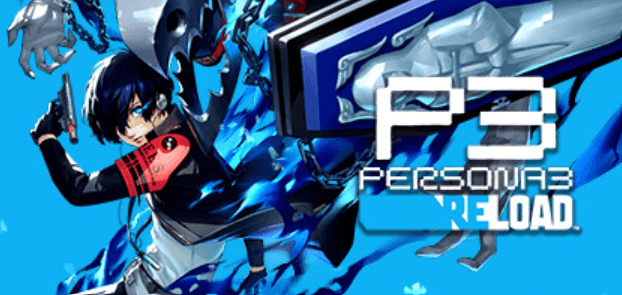
Persona 3 Reload rebuilds the 2006 original with Persona 5 Royal's production quality, keeping the Tartarus structure and the dual life of school days and midnight combat. The theme of accepting death runs through every Social Link. GPA scores it close to P5R on Turn-Based and Story Depth — the comparison helps calibrate expectations between entries.
Triangle Strategy presents Norzelia's three-nation conflict through a political decision system where the party votes on major choices. The tactical combat escalates alongside the moral stakes. GPA scores it at the top for Strategy and Turn-Based — the combination that places it closest to Tactics Ogre in the similarity rankings while operating in a completely original setting.
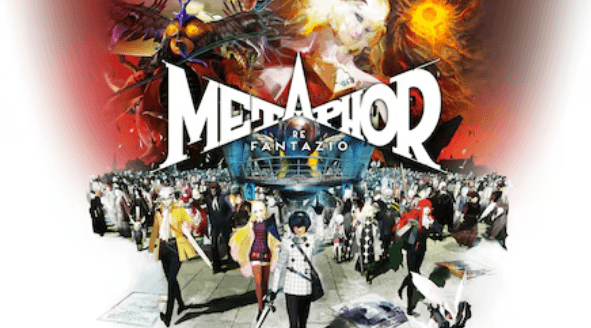
Metaphor: ReFantazio builds a fantasy political campaign around the Archetype system, which evolves job classes through use. The social management layer runs alongside the turn-based dungeon crawl. GPA scores it at the top for Turn-Based and Story Depth, sitting close to Persona 5 Royal in the similarity rankings while operating in a completely different setting.
Live A Live HD-2D remasters the 1994 SNES cult RPG, preserving its anthology structure of seven standalone stories set across different eras. Each chapter has distinct mechanics. GPA scores it high on Multiple Endings and Story Depth — a positioning that reflects a game where the formal structure is the primary creative statement.
Romancing SaGa 2: Revenge of the Seven rebuilds the 1993 SNES original in full 3D, preserving the generational succession system where players inherit the throne across dynasties while fighting the Seven Heroes. GPA scores it high on Turn-Based and Multiple Endings — the axes that best describe a game where the historical structure of the campaign is the primary mechanic.
Tactics Ogre: Reborn modernizes the 1995 original's class system and adds a Chariot replay function for reversing recent decisions. The branching story responds to player choices at key moments. GPA scores it at the top for Strategy and Turn-Based, with Multiple Endings above most tactical RPGs — a positioning that reflects a game where moral choices change the map.
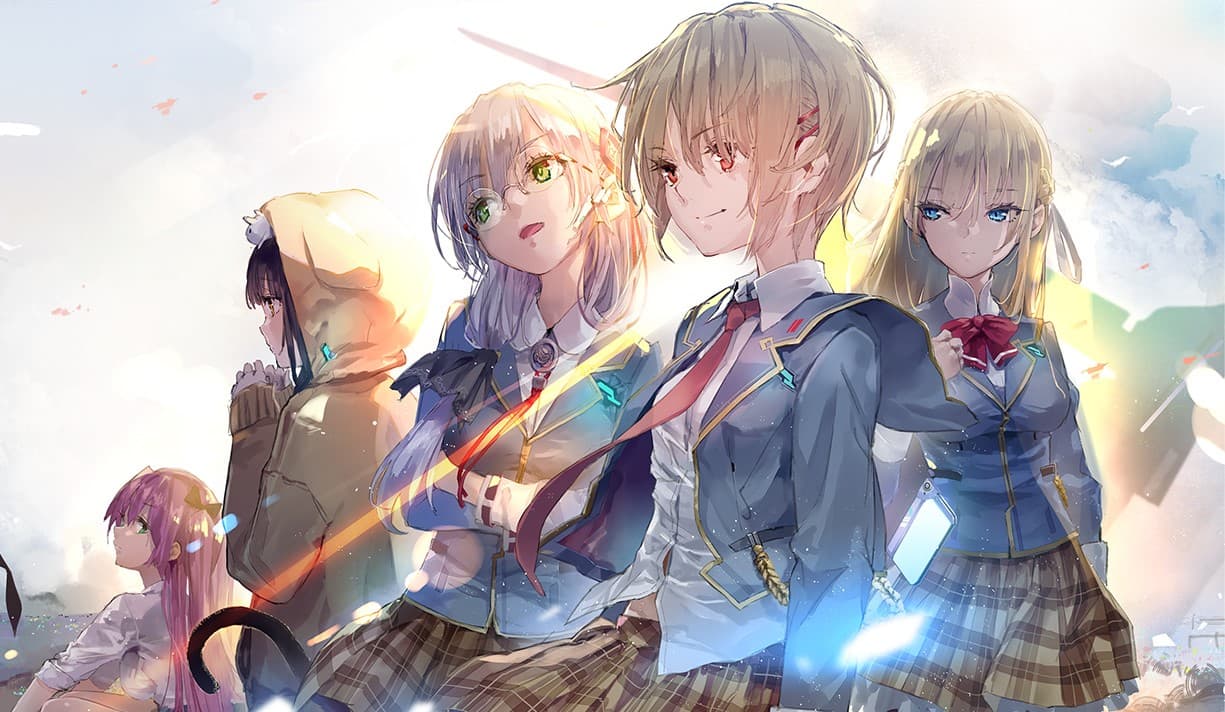
Heaven Burns Red's writing density per scene is the highest in the mobile category, following Seraphina and her unit through a war against unidentified organisms with the ambition of a full visual novel embedded in gacha delivery. GPA scores it at the top for Story Depth and Emotional Story — the combination that drove its reputation beyond the gacha audience.
Star Ocean: The Second Story R remasters the 1998 original with HD-2D visuals and optional voice acting. The dual protagonist system lets players choose Rena or Claude for different story perspectives. GPA scores it high on Turn-Based and Multiple Endings — the combination that describes a JRPG where the route choice changes a meaningful portion of the content.
Dragon Quest XI follows a hero whose legend turns out to be more complicated than the prophecy suggested. The narrative subverts the Chosen One structure in ways that earn the emotional investment built across 80 hours. GPA scores it at the top for Turn-Based and Story Depth in the DQ series — the combination that drives its unusually high user scores.
Sea of Stars runs its solstice warrior story through a turn-based system that rewards precise timing on attacks and blocks. The pixel art captures the SNES-era JRPG aesthetic it references without being a pastiche. GPA scores it high on Turn-Based and Emotional Story — the combination that describes the game's relationship to its inspirations.
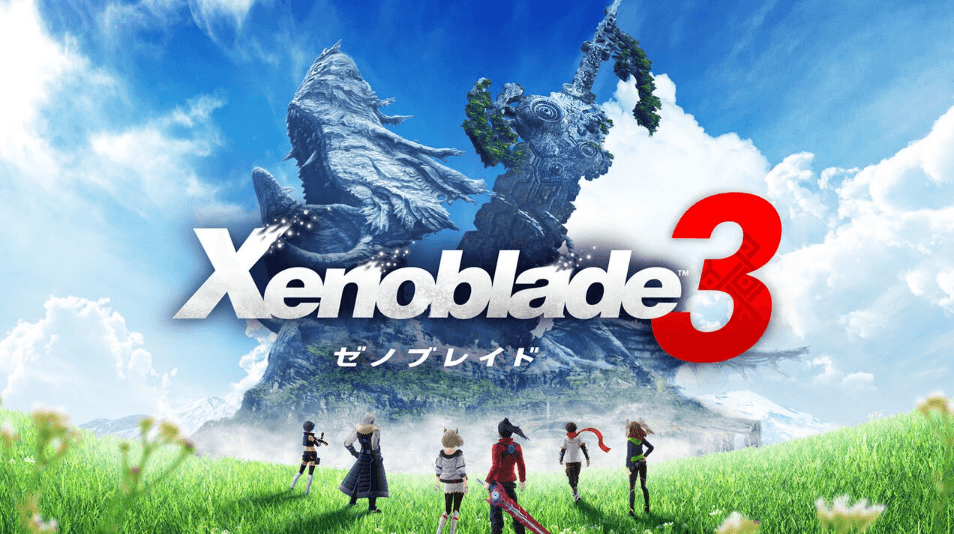
Xenoblade Chronicles 3 connects the worlds of the first two games through a story about soldiers fighting a war no one can explain. The real-time combat scales with party composition through the Ouroboros system. GPA scores it high on Turn-Based and Emotional Story, with Story Depth above average — a JRPG where the narrative's ambitions match its length.
SaGa Emerald Beyond builds its five protagonists across 17 worlds using a Timeline Battle system that rewards reading enemy positioning. GPA scores it high on Turn-Based and Multiple Endings — the SaGa series' signature branching narrative applied to its most mechanically complex combat system.
Xenoblade Chronicles 2 follows Rex and the Blades — living weapons with distinct personalities — toward the mythical Elysium. The combat system builds through Blade combinations and chain attacks. GPA scores it high on Turn-Based and Emotional Story, with Story Depth above average — a positioning that reflects the series' commitment to extended narrative investment.
Arknights runs its tower defense and tactical combat through a post-apocalyptic world where infected populations are segregated by law. The operator roster and faction writing carry more depth than most mobile strategy games. GPA scores it high on Strategy and Dark World — the combination that identifies a game where the setting's politics are as developed as the mechanics.
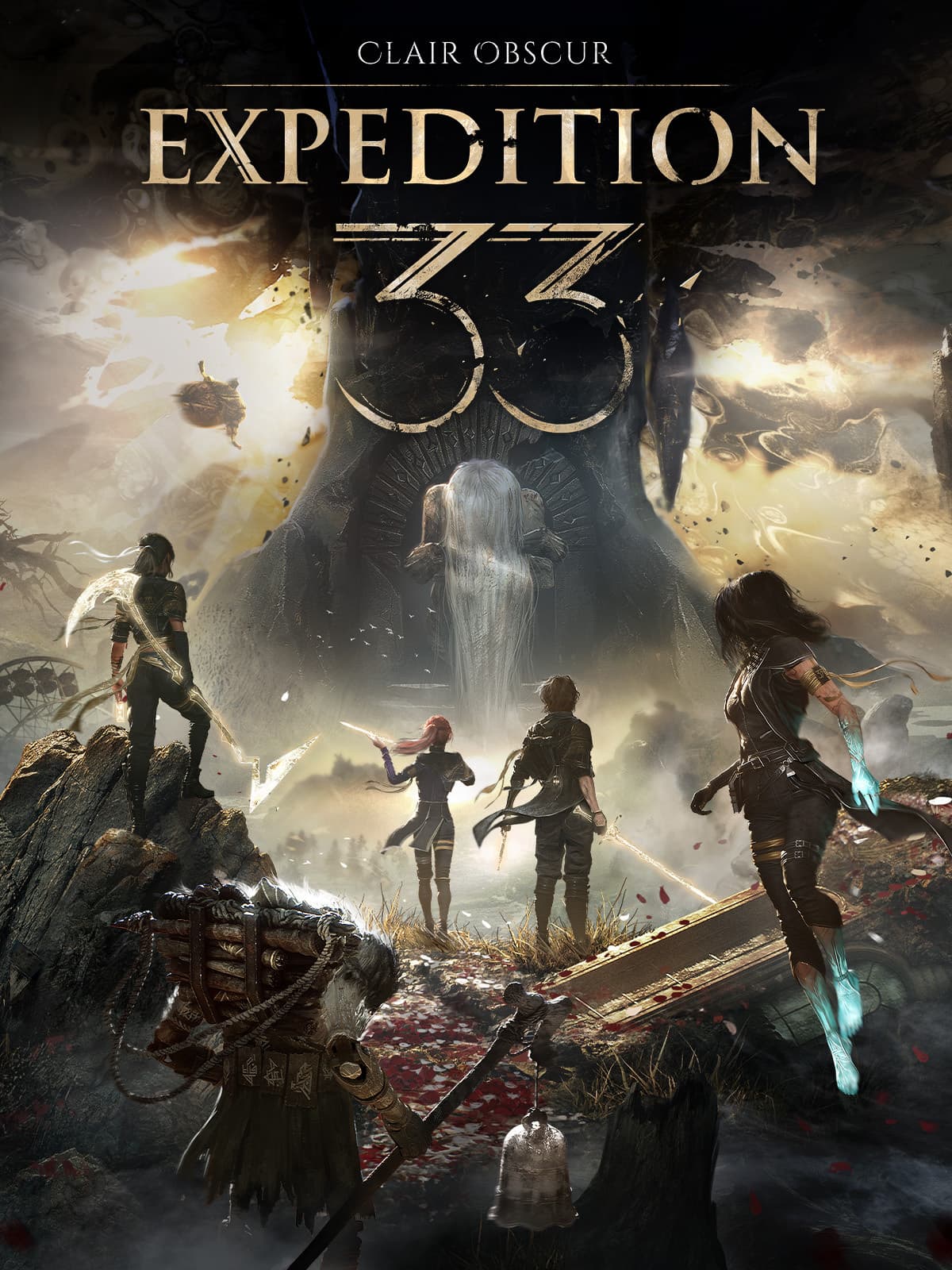
Set in a world where the Paintress condemns entire age groups to death each year, Expedition 33 sends a doomed party into a dying world to break the curse. The turn-based combat integrates real-time parry mechanics that shift the rhythm of every encounter. GPA scores it highest in Emotional Story and Story Depth — the French aesthetic and existential weight make it one of the most distinctive RPGs of 2025.
Crusader Kings III manages a medieval dynasty through marriage, succession, and political intrigue across generations rather than direct military command. Character traits drive emergent stories. GPA scores it at the top for Strategy among grand strategy titles, with Multiple Endings reflecting the divergent dynasty outcomes rather than branching plotlines.
Persona 5: The Phantom X extends the Phantom Thieves setting into a mobile RPG with a new protagonist and a gacha progression system. The visual identity matches the mainline entry. GPA scores it high on Turn-Based and Story Depth among mobile adaptations — a positioning that reflects the license quality rather than mechanical novelty.
One Piece Odyssey sends the Straw Hats to an island where their memories are scattered, building a turn-based JRPG around revisiting key arcs through a distorted version of the past. GPA scores it high on Emotional Story and Turn-Based — a positioning that describes an experience built primarily for fans of the source material.
Honkai: Star Rail runs its turn-based combat through a space station and a series of themed planets, with a gacha character system that expands the party composition options. GPA scores it high on Turn-Based and Story Depth among mobile titles — the HoYoverse entry that most directly addresses players who want JRPG mechanics in a live-service framework.
ファイアーエムブレム 風花雪月(FE風花雪月) leads with its シミュレーションRPG identity, anchored by the core feel of "Fire Emblem: Three Houses runs through an academy semester before a time-skip that changes allegiances and the availab…." The headline profile reads Story Depth 90% / Turn-Based 85% / Emotional Story 85%, making it a strong pick for fans of Story Depth and Turn-Based. Oriented toward experienced players looking to push their limits.
▸Characteristics & Analysis
Our editorial team scored "ファイアーエムブレム 風花雪月(FE風花雪月)" by using its feel of strategy RPG, Nintendo, and school setting as the primary lens, weighting Story Depth and Turn-Based most heavily. Top similar titles include "ブレイブリーデフォルトII", "ペルソナ3 リロード(Persona 3 Reload)", "トライアングルストラテジー".
Fire Emblem: Three Houses — Where Relationships Shape the Story and the Battlefield
Game Overview
Fire Emblem: Three Houses is a tactical RPG developed by Intelligent Systems for Nintendo Switch.
The game takes place in Fódlan, a continent divided among three major powers. At the center of the continent stands Garreg Mach Monastery, home to an Officers Academy where young nobles from the three regions train.
The player begins as a mercenary before becoming a professor at the academy. Their first major decision is choosing one of three houses: the Black Eagles, Blue Lions, or Golden Deer.
That choice isn't simply about selecting a starting party. It determines which students you spend your time with and shapes the story that follows. Nintendo specifically highlights the house choice as a major factor in determining the game's story path. (Nintendo Co., Ltd.)
Gameplay Analysis
Your House Defines Your Experience
One of the most interesting things about Three Houses is how much weight it gives to the decision you make at the beginning.
Each house has its own group of students, personalities, and political background. Choosing a house therefore changes not only your party but also your perspective on the events unfolding across Fódlan.
Once you finish one route, starting another playthrough with a different house can reveal a very different side of the same conflict.
GPA gives the game an 80% score for Multiple Endings, reflecting how much replay value comes from its branching structure.
School Life and War Are Connected
Three Houses isn't simply a tactical RPG where you move from one battle to another.
At the Officers Academy, you spend time with your students, develop their abilities, and build relationships with them. You can explore the monastery and interact with the characters between lessons and battles. (Nintendo Co., Ltd.)
Those students then become the units you take into battle.
This creates a simple but effective progression:
School Life → Character Development → Relationships → Battle
The time spent with your students makes the battles feel more personal. You're not simply commanding anonymous units—you are sending characters you've spent hours getting to know into combat.
Tactical Combat Rewards Planning
Battles take place on grid-based maps using a turn-based system.
Each unit has different movement ranges, weapons, stats, and class options. Characters can be developed into roles ranging from sword fighters and mages to healers and mounted units. (Nintendo Co., Ltd.)
The important decisions are often made before an attack is even launched.
Where should a unit move? Which enemy should they engage?
Who should stay on the front line? How far can the enemy move on its next turn?
Because every action affects the following turns, the game rewards careful planning rather than fast reactions.
That fits GPA's high scores of 85% for Turn-Based gameplay and 80% for Strategy.
Raising Your Students Is Part of the Strategy
Character development is another major part of the game.
Students have different strengths and weaknesses, and the player can guide their training and eventually influence which classes they pursue.
That means character development isn't just about making numbers go up.
You are deciding what role each student should play on the battlefield.
A character can become a stronger front-line fighter, a magic-focused unit, a support character, or another specialized class depending on how you develop them.
This gives the player a reason to think about both the characters they like and the army they want to build.
Relationships Give the Battles More Weight
GPA gives Three Houses an 85% score for Emotional Story, and its character relationships are a major reason why.
The students aren't only present during battles. You spend time with them at the academy, learn about their personalities, and gradually discover more about their backgrounds.
A character who initially feels like just another unit can become one of the most important members of your party after dozens of hours.
That emotional connection becomes especially meaningful as the story moves from school life toward war.
The contrast between the peaceful academy period and the conflict that follows gives the characters' relationships greater weight.
Why the Story Is One of Its Biggest Strengths
Three Houses receives a 90% GPA score for Story Depth, the highest score on the page.
Fódlan is divided among the Adrestian Empire, the Holy Kingdom of Faerghus, and the Leicester Alliance. The Officers Academy brings students from all three regions together, creating a relatively peaceful environment at the beginning of the game. (Nintendo Co., Ltd.)
But that situation eventually changes as conflict spreads across the continent.
The important part is that the player experiences the conflict through the house they chose.
The same world can look very different depending on which characters you have grown close to and which side of the conflict you follow.
That's why replaying another route can add more than simply another ending. It can change your understanding of the characters and events you thought you already knew.
What the GPA Scores Tell Us
Title tendency chart (Fire Emblem: Three Houses)
Story Depth ◀
90%
Turn-Based ◀
85%
Emotional Story ◀
85%
Strategy ◀
80%
Multiple Endings ◀
80%
Graphics
70%
Existential Themes
60%
Dystopian Setting
60%
Character Growth
60%
Based on GPA sub-tag scores. Story, house routes, and turn-based tactics form the core loop.
Target player scores (50+ = recommended fit)
Beginner45
Intermediate70
Advanced65
Fire Emblem: Three Houses scores 90% for Story Depth, 85% for Turn-Based gameplay, 85% for Emotional Story, 80% for Strategy, and 80% for Multiple Endings on GPA.
The scores show a game that sits between a character-driven RPG and a traditional tactical strategy game.
Its story and emotional scores reflect the importance of the characters, their relationships, and the branching routes.
Meanwhile, the Turn-Based and Strategy scores show that the game still demands careful battlefield planning.
It also scores 60% for Character Growth, 60% for Existential Themes, and 60% for Dystopian Setting, while its audience scores are 45% for beginners, 70% for intermediate players, and 65% for advanced players.
In other words, it is likely to appeal most to players who already enjoy strategy RPGs or are willing to spend time learning their systems.
Author's Thoughts
What makes Three Houses especially effective is the connection between the people you spend time with and the battles you fight.
You meet the students at the academy. You teach them. You watch them grow.
Then you take those same characters onto the battlefield.
That progression changes how you think about your units. They're no longer just pieces on a grid. They are characters you've spent hours getting to know.
And when you choose another house on a second playthrough, the entire experience can take on a different perspective.
Who you fight alongside becomes part of what makes the game interesting.
Conclusion
Fire Emblem: Three Houses combines school life, character development, turn-based strategy, and branching storytelling into a single RPG experience.
Its GPA scores—90% for Story Depth, 85% for Turn-Based gameplay, 85% for Emotional Story, 80% for Strategy, and 80% for Multiple Endings—highlight exactly where the game stands out.
It's a particularly good fit for players who enjoy:
Character-driven RPGs
Turn-based tactical combat
Developing and customizing party members
Branching stories and different perspectives
Replayable RPGs with multiple routes
The game begins with something as simple as choosing a class to teach.
From there, you build relationships, develop your students, and eventually lead those same characters onto the battlefield.
That transformation—from academy life to war—is at the heart of what makes Fire Emblem: Three Houses so memorable.