Dave the Diver splits its day between underwater diving for ingredients and nighttime sushi restaurant management. The two halves share an economy. GPA scores it high on Collection and Slow Life — a positioning that describes an experience built around routine, not urgency.
Game Characteristics
Graphics
70%
Character Building
70%
Action
60%
Emotional Story
60%
Story Depth
60%
Logic
45%
Strategy
40%
Existential Themes
35%
High Difficulty
30%
Dystopian Setting
30%
Player profile fit
Recommended for: Beginner to Advanced players (A score of 50 or higher indicates a good fit.)
Dragon Quest Treasures follows Eric and Mia's childhood adventure, centering treasure hunting and monster recruitment over traditional JRPG combat. The appraisal system turns found objects into scored rewards. GPA scores it lower on Difficulty and higher on Collection than mainline DQ entries — a positioning that correctly identifies the spin-off's audience.
Tag Similarity
Graphics
70%
Character Building
70%
Action
50%
Emotional Story
50%
Story Depth
50%
Logic
40%
Strategy
30%
Existential Themes
0%
Chart tags: Graphics / Character Building / Action / Emotional Story / Story Depth / Logic / Strategy / Existential Themes
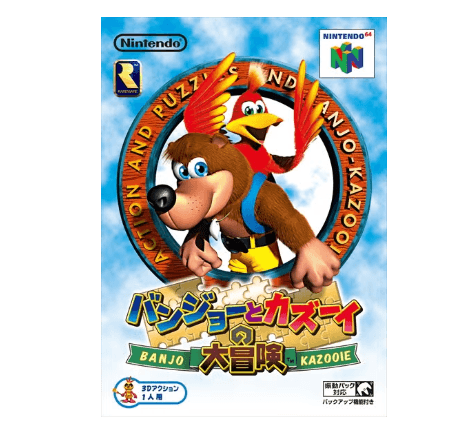
Banjo-Kazooie is playable through Nintendo Switch Online's Nintendo Classics catalog. The N64 3D platformer follows bear and bird through Gruntilda's mountain collecting puzzle pieces across nine worlds. GPA scores it high on Action and Collection — the combination that describes the collect-a-thon design that defined the late 1990s 3D platformer generation.
Tag Similarity
Graphics
40%
Character Building
45%
Action
60%
Emotional Story
40%
Story Depth
40%
Logic
55%
Strategy
0%
Existential Themes
0%
Chart tags: Graphics / Character Building / Action / Emotional Story / Story Depth / Logic / Strategy / Existential Themes
Pokémon Legends: Z-A marks an ambitious return to the Kalos region, focusing its narrative and gameplay entirely within the urban expanse of Lumiose City. Developed by Game Freak, the game centers around an innovative urban redevelopment plan designed to foster a harmonious coexistence between humans and Pokémon. Building upon the structural shift introduced in Pokémon Legends: Arceus, this entry promises a refined approach to catching, battling, and exploration, set against the backdrop of a changing city full of mystery.
Tag Similarity
Graphics
60%
Character Building
85%
Action
80%
Emotional Story
65%
Story Depth
65%
Logic
50%
Strategy
70%
Existential Themes
40%
Chart tags: Graphics / Character Building / Action / Emotional Story / Story Depth / Logic / Strategy / Existential Themes
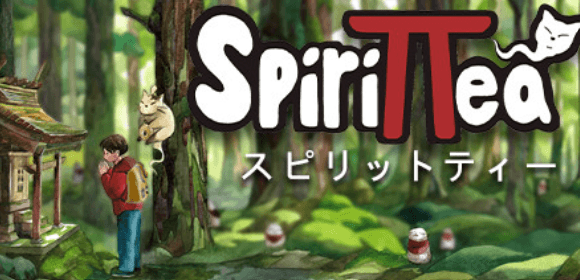
Spirittea runs a bathhouse for spirits in an East Asian village, combining Stardew Valley's social simulation with a ghost-identifying investigation loop. Each spirit has a specific need that unlocks through relationship-building. GPA scores it high on Slow Life and Emotional Story — a combination that places it in the cozy game cluster with additional narrative depth.
Tag Similarity
Graphics
65%
Character Building
65%
Action
0%
Emotional Story
60%
Story Depth
60%
Logic
30%
Strategy
0%
Existential Themes
50%
Chart tags: Graphics / Character Building / Action / Emotional Story / Story Depth / Logic / Strategy / Existential Themes
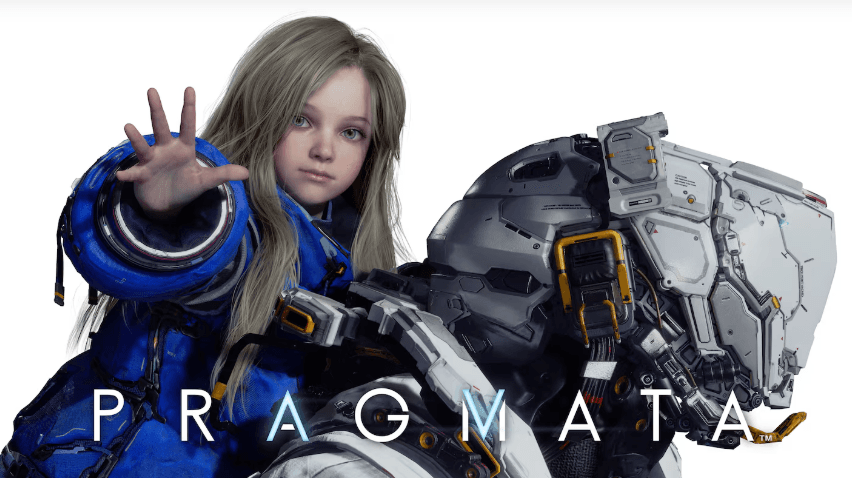
PRAGMATA sends astronaut Hugh and an android girl through a lunar crisis involving rogue AI and gravitational anomalies. The hacking and action systems layer on top of each other across escalating encounters. GPA scores it high on Action and Graphics — a Capcom title that brings the studio's action expertise into a science fiction setting.
Tag Similarity
Graphics
85%
Character Building
40%
Action
65%
Emotional Story
80%
Story Depth
80%
Logic
75%
Strategy
60%
Existential Themes
70%
Chart tags: Graphics / Character Building / Action / Emotional Story / Story Depth / Logic / Strategy / Existential Themes
Ring Fit Adventure turns exercise into a turn-based RPG, using the Ring-Con and leg strap to translate physical movement into in-game actions. The fitness mechanics scale through multiple difficulty settings. GPA scores it near the top for Co-op and in a category of its own for physical engagement — a combination that has no close equivalent in the database.
Tag Similarity
Graphics
60%
Character Building
70%
Action
30%
Emotional Story
50%
Story Depth
50%
Logic
0%
Strategy
30%
Existential Themes
0%
Chart tags: Graphics / Character Building / Action / Emotional Story / Story Depth / Logic / Strategy / Existential Themes
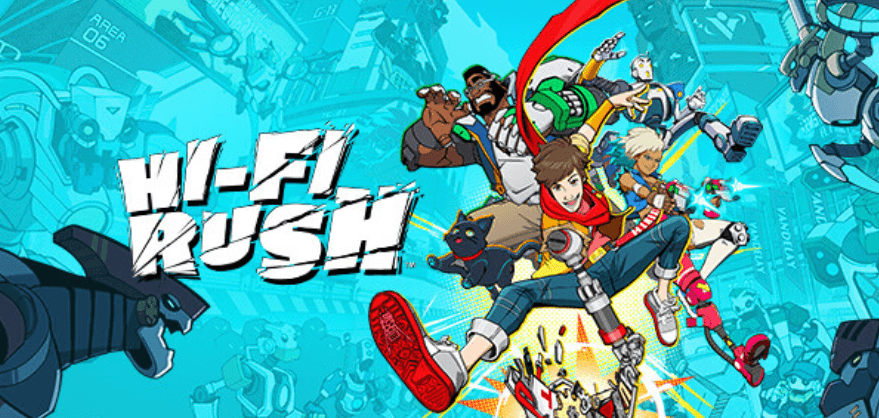
Hi-Fi Rush chains character-action combat to a persistent music beat, with every enemy attack and environmental cue synchronized to the soundtrack. Missing the rhythm reduces damage output. GPA scores it high on Action and Graphics — the rhythm-action hybrid that generated the year's biggest positive surprise from its shadow-dropped release.
Tag Similarity
Graphics
90%
Character Building
0%
Action
85%
Emotional Story
65%
Story Depth
60%
Logic
30%
Strategy
0%
Existential Themes
0%
Chart tags: Graphics / Character Building / Action / Emotional Story / Story Depth / Logic / Strategy / Existential Themes
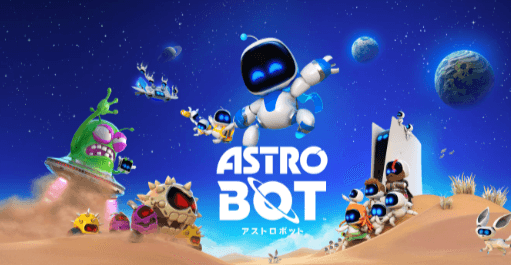
Astro Bot is built around the DualSense controller's haptic and adaptive trigger features, making the hardware the medium as much as the game is. The PlayStation IP cameos deepen for fans of the history. GPA scores it at the top for Action and Graphics among platformers, with the highest Beginner score in the action category.
Tag Similarity
Graphics
95%
Character Building
0%
Action
80%
Emotional Story
60%
Story Depth
50%
Logic
45%
Strategy
0%
Existential Themes
0%
Chart tags: Graphics / Character Building / Action / Emotional Story / Story Depth / Logic / Strategy / Existential Themes
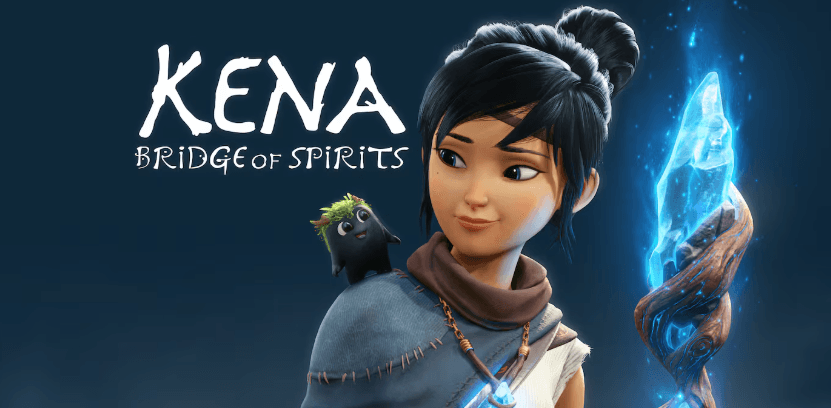
Kena: Bridge of Spirits sends a spirit guide through a village haunted by unresolved grief, clearing corruption to free the dead. The Rot companions add a resource management layer to the combat. GPA scores it high on Emotional Story and Graphics — the visual quality from a small studio remains the most discussed aspect of its reception.
Tag Similarity
Graphics
90%
Character Building
0%
Action
75%
Emotional Story
75%
Story Depth
75%
Logic
45%
Strategy
40%
Existential Themes
55%
Chart tags: Graphics / Character Building / Action / Emotional Story / Story Depth / Logic / Strategy / Existential Themes
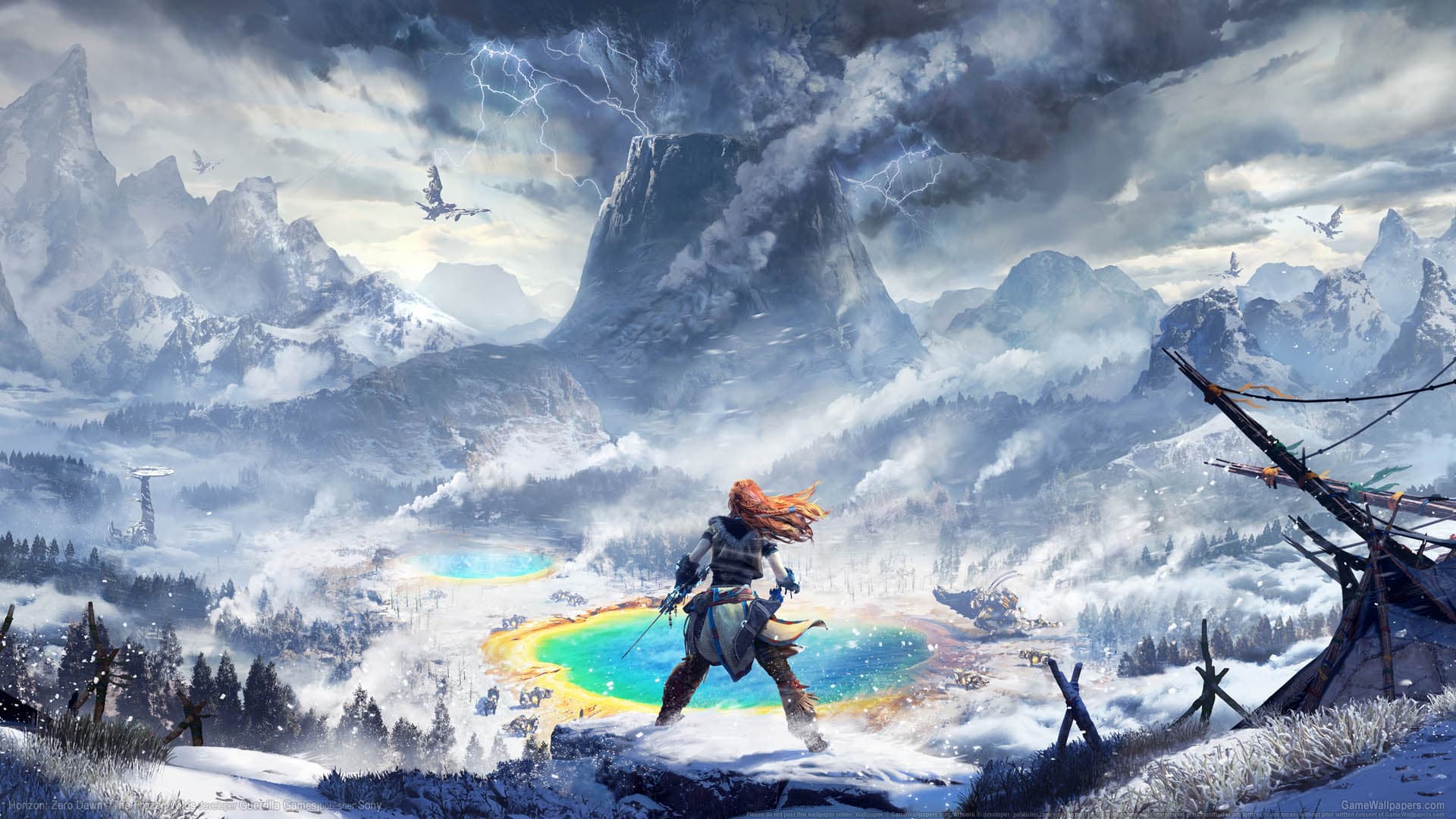
Horizon Forbidden West continues Aloy's investigation into the machine ecosystem collapse across western North America, adding underwater exploration and a wider variety of machine types. GPA scores it high on Open World and Story Depth — a sequel that expands the geographic and narrative scope of Zero Dawn without changing its fundamental design.
Tag Similarity
Graphics
85%
Character Building
50%
Action
80%
Emotional Story
75%
Story Depth
80%
Logic
40%
Strategy
60%
Existential Themes
60%
Chart tags: Graphics / Character Building / Action / Emotional Story / Story Depth / Logic / Strategy / Existential Themes
Genshin Impact gives players an open world across seven elemental nations, with an elemental reaction combat system and gacha character progression. GPA scores it high on Open World and Action.
Tag Similarity
Graphics
85%
Character Building
90%
Action
75%
Emotional Story
75%
Story Depth
80%
Logic
30%
Strategy
70%
Existential Themes
50%
Chart tags: Graphics / Character Building / Action / Emotional Story / Story Depth / Logic / Strategy / Existential Themes
Horizon Zero Dawn explains its post-apocalyptic world through environmental storytelling and collectibles before the main quest confirms anything. The machine combat rewards studying behavior patterns. GPA scores it high on Open World and Story Depth, with Emotional Story above 75 — a combination that describes an action game where the world-building carries as much weight as the combat.
Tag Similarity
Graphics
80%
Character Building
50%
Action
80%
Emotional Story
80%
Story Depth
85%
Logic
40%
Strategy
65%
Existential Themes
65%
Chart tags: Graphics / Character Building / Action / Emotional Story / Story Depth / Logic / Strategy / Existential Themes
Pokémon Scarlet and Violet opened the series to a fully explorable open world. Three independent storylines run simultaneously without a prescribed order. GPA scores it high on Collection and Co-op.
Tag Similarity
Graphics
50%
Character Building
90%
Action
65%
Emotional Story
70%
Story Depth
70%
Logic
50%
Strategy
70%
Existential Themes
50%
Chart tags: Graphics / Character Building / Action / Emotional Story / Story Depth / Logic / Strategy / Existential Themes
Honkai: Star Rail runs its turn-based combat through a space station and a series of themed planets, with a gacha character system that expands the party composition options. GPA scores it high on Turn-Based and Story Depth among mobile titles — the HoYoverse entry that most directly addresses players who want JRPG mechanics in a live-service framework.
Tag Similarity
Graphics
85%
Character Building
90%
Action
40%
Emotional Story
70%
Story Depth
75%
Logic
30%
Strategy
70%
Existential Themes
60%
Chart tags: Graphics / Character Building / Action / Emotional Story / Story Depth / Logic / Strategy / Existential Themes
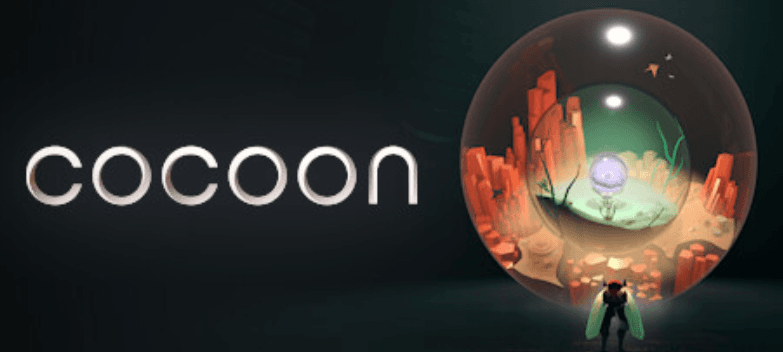
COCOON gives players nested worlds that can be carried as orbs and inserted into each other. The puzzle design scales in complexity without a single line of text. GPA scores it at the top for Puzzle — the highest in the database for the puzzle-only category — with Existential Themes above average for a wordless game.
Tag Similarity
Graphics
85%
Character Building
0%
Action
30%
Emotional Story
60%
Story Depth
60%
Logic
95%
Strategy
40%
Existential Themes
50%
Chart tags: Graphics / Character Building / Action / Emotional Story / Story Depth / Logic / Strategy / Existential Themes
Hyrule Warriors: Age of Calamity blends the rich lore and breathtaking world of The Legend of Zelda: Breath of the Wild with the fast-paced, hack-and-slash action of Omega Force’s Musou series. Serving as a dramatic prequel set 100 years before the events of Breath of the Wild, the game allows players to control Link, Zelda, the four Champions, and other allies in large-scale battles against the armies of Calamity Ganon. It offers a tactical, narrative-driven experience that details the tragic struggle to save the kingdom of Hyrule.
Tag Similarity
Graphics
60%
Character Building
40%
Action
75%
Emotional Story
60%
Story Depth
55%
Logic
0%
Strategy
20%
Existential Themes
0%
Chart tags: Graphics / Character Building / Action / Emotional Story / Story Depth / Logic / Strategy / Existential Themes
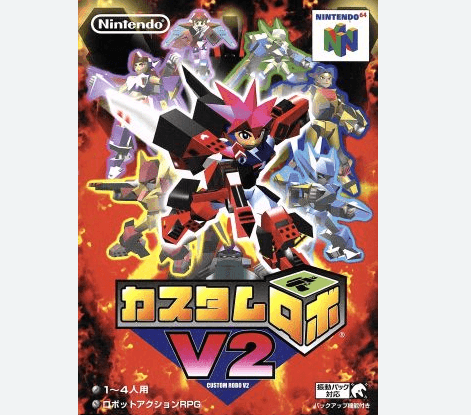
Custom Robo V2 expands the first game's part-combination battle system with more components and a longer story mode. Both Custom Robo and V2 were added to Nintendo Classics simultaneously in July 2022. GPA scores it high on Action and Strategy — the N64 game that built character customization into arena combat before that combination was standard.
Tag Similarity
Graphics
55%
Character Building
75%
Action
72%
Emotional Story
50%
Story Depth
0%
Logic
0%
Strategy
70%
Existential Themes
0%
Chart tags: Graphics / Character Building / Action / Emotional Story / Story Depth / Logic / Strategy / Existential Themes
Zenless Zone Zero sets a character-action RPG in the Hollow-infested city of New Eridu, where anomalous phenomena require specialized agents to navigate. GPA scores it high on Action and Graphics — a HoYoverse title built around the studio's highest action-game benchmark.
Tag Similarity
Graphics
80%
Character Building
85%
Action
80%
Emotional Story
70%
Story Depth
75%
Logic
40%
Strategy
0%
Existential Themes
0%
Chart tags: Graphics / Character Building / Action / Emotional Story / Story Depth / Logic / Strategy / Existential Themes
About "Dave the Diver"
▸Game Composition (GPA Analysis)
デイヴ・ザ・ダイバー(DAVE THE DIVER) leads with its Adventure Simulation identity, anchored by the core feel of "Dave the Diver splits its day between underwater diving for ingredients and nighttime sushi restaurant management." The headline profile reads Graphics 70% / Character Building 70% / Action 60%, making it a strong pick for fans of Graphics and Character Building. Skews toward a beginner-to-intermediate audience while still leaving room for more seasoned players.
▸Characteristics & Analysis
Our editorial team scored "デイヴ・ザ・ダイバー(DAVE THE DIVER)" by using its feel of ダイビング×経営, indie, and casual as the primary lens, weighting Graphics and Character Building most heavily. Top similar titles include "ドラゴンクエスト トレジャーズ", "バンジョーとカズーイの大冒険", "Pokémon LEGENDS Z-A(ポケモンレジェンズZA)".
Dave the Diver — The Addictive Loop of Deep-Sea Exploration and Sushi Management
Game Overview
Dave the Diver is an adventure-management game built around a simple premise: dive for fish during the day, then run a sushi restaurant at night. Developed by MINTROCKET, the game takes place around the mysterious Blue Hole, an underwater environment whose ecosystem and layout change as you explore it.
Dave uses harpoons, guns, nets, and other equipment to catch marine life and gather resources. At night, those catches become ingredients at the sushi restaurant, while the profits can be invested back into better equipment. (Steam Store) That creates the game's central loop: Dive → collect fish and resources → run the restaurant → earn money → upgrade your gear → dive deeper.
On paper, diving and restaurant management sound like two completely different games. In practice, they constantly feed into each other.
1. Two Very Different Gameplay Phases
During the day, diving is about exploration, resource gathering, and managing risk. Oxygen is limited, and carrying capacity matters. You have to decide how much you want to collect before heading back to the surface. Running out of oxygen can also force you to leave some of your haul behind, giving even routine dives a small element of risk and decision-making. (Steam Store)
At night, the game shifts to the sushi restaurant. You decide which ingredients to serve, keep the restaurant running, and turn the day's catch into profit. That money can then be used to improve your equipment, opening up more possibilities on future dives. The restaurant gives purpose to exploration, while exploration supplies the resources that keep the restaurant growing.
2. A Progression Loop That Always Gives You Something to Chase
GPA gives Dave the Diver a 70% score for progression, alongside 60% for action and 60% for both emotional storytelling and story depth. The progression score is particularly telling. Finding a new fish can give you another ingredient for the restaurant. Restaurant profits can improve your gear. Better equipment lets you reach new areas, where you can find new creatures and resources.
That means several goals develop naturally at the same time: you want to discover new fish, improve your equipment, make the restaurant more profitable, and see what lies deeper in the Blue Hole. The game also features more than 200 types of marine life, giving exploration a strong collection-driven appeal. (Steam Store)
3. More Action Than Its Cute Presentation Suggests
Dave the Diver looks like a relaxed management game at first glance, but its underwater sections have a genuine action component. Dave can use different weapons and tools to catch creatures and fight larger enemies. Still, combat isn't the main attraction, nor is the game built around punishing difficulty. That matches GPA's 30% High Difficulty score.
The real question is often not whether you can win a difficult fight, but whether you are carrying the right equipment, whether you should keep exploring, and how much you are willing to risk before returning to the surface. That makes the action approachable even for players who don't normally play action-heavy games.
4. A Lighthearted Story That Keeps the Adventure Moving
The story follows Dave and a colorful cast of characters as they become involved in the mysteries surrounding the Blue Hole. The tone stays deliberately playful. Jokes, eccentric characters, and absurd situations are mixed into the adventure rather than letting the story become overly serious. (Steam Store)
GPA rates the game at 60% for emotional storytelling and 60% for story depth. The story isn't the sole reason to play, but it provides enough momentum to keep the broader adventure moving. You're not simply diving because you need more fish. You also want to know what is waiting further down.
What the GPA Scores Tell Us
GPA score profile (Dave the Diver)
Graphics ◀
70%
Progression ◀
70%
Action ◀
60%
Emotional Story
60%
Story Depth
60%
Brain
45%
Strategy
40%
Existential Themes
35%
High Difficulty
30%
Balanced across genres — Graphics/Progression 70%, Action/Story 60%, Strategy 40%.
The defining feature of Dave the Diver is its balance. It scores 70% in Graphics and Progression, 60% in Action, Emotional Story, and Story Depth, while Brain and Strategy sit at 45% and 40%. Existential Themes are lower at 35%. Its strength lies in constantly giving the player a different reason to keep going.
You dive for fish. You use those fish to run the restaurant. The restaurant gives you money. The money improves your equipment. Better equipment lets you explore further. And deeper exploration reveals something else worth bringing back. That loop is the heart of Dave the Diver, and it explains why the game can move between fishing, action, management, exploration, and RPG progression without feeling like a collection of unrelated systems.
Who Should Play Dave the Diver?
◎ Players Who Are Likely to Love It
Exploration and collecting
Management games with light strategy
RPG-style progression
Accessible action
Games that mix multiple genres
Lighthearted comedy and colorful characters
Rather than committing fully to one genre, Dave the Diver keeps changing what you're doing without losing sight of the larger progression loop. The combination sounds strange on paper: a deep-sea fishing adventure by day and a sushi-management game by night. But once those two halves start feeding each other, the concept makes surprisingly intuitive sense. And that is where Dave the Diver gets its addictive quality.