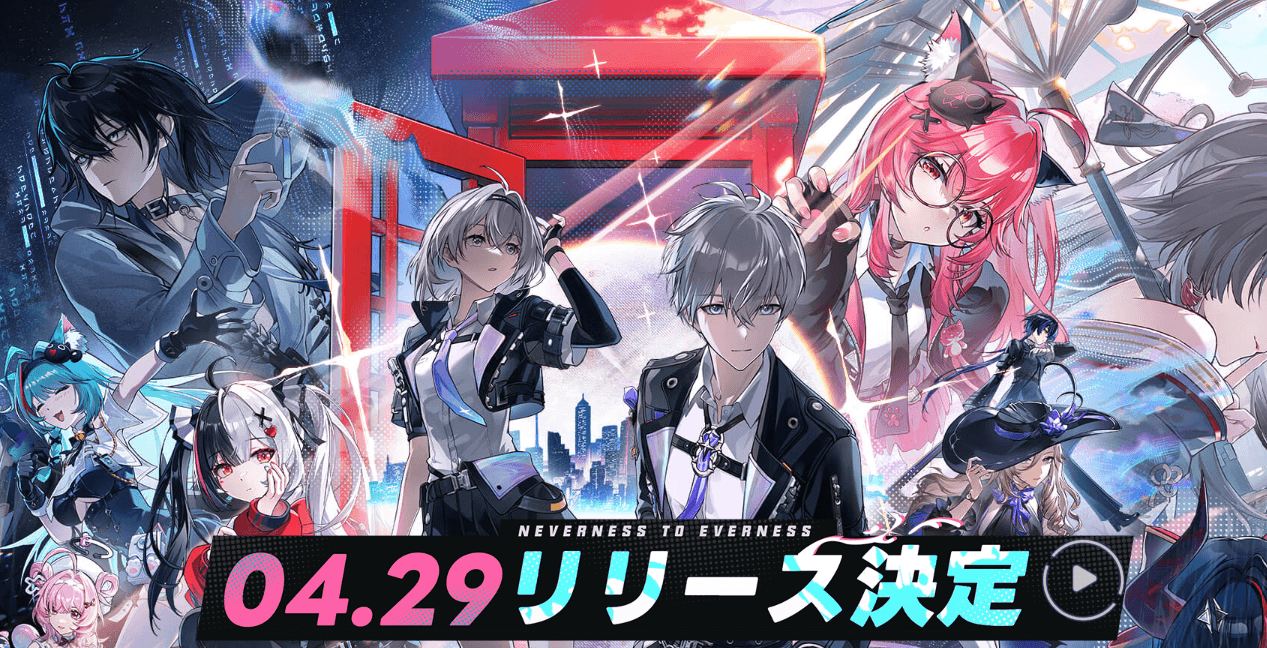
NTE: Neverness to Everness sets an open-world action RPG in Hethereau, a city where the supernatural coexists with hyper-stylized urban life. Street racing, mahjong, crane operations, and crew management sit alongside the main story. GPA scores it high on Action and Graphics — a live-service title that treats the city itself as the primary content.
Game Characteristics
Action
80%
Graphics
80%
Open World
80%
Anime Characters
80%
Strategy
70%
Co-op
60%
Character Building
60%
Emotional Story
50%
Story Depth
50%
Horror
50%
Dystopian Setting
40%
High Difficulty
30%
Target Audience
Recommended for: Beginners to Advanceds (scores ≥ 50 indicate a good fit)
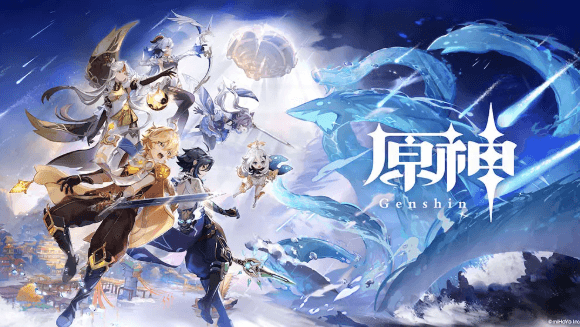
Genshin Impact gives players an open world across seven elemental nations, with an elemental reaction combat system and gacha character progression. GPA scores it high on Open World and Action.
Tag Similarity
Action
75%
Graphics
85%
Open World
80%
Anime Characters
85%
Strategy
70%
Co-op
50%
Character Building
90%
Emotional Story
75%
Chart tags: Action / Graphics / Open World / Anime Characters / Strategy / Co-op / Character Building / Emotional Story
Arknights: Endfield puts the next century of the Arknights universe on a new planet, replacing the original's 2D tower defense with 3D real-time squad combat and open-world base building. GPA scores it high on Strategy and Action — the franchise's transition from tower placement to direct unit control.
Tag Similarity
Action
75%
Graphics
90%
Open World
75%
Anime Characters
80%
Strategy
80%
Co-op
0%
Character Building
85%
Emotional Story
70%
Chart tags: Action / Graphics / Open World / Anime Characters / Strategy / Co-op / Character Building / Emotional Story
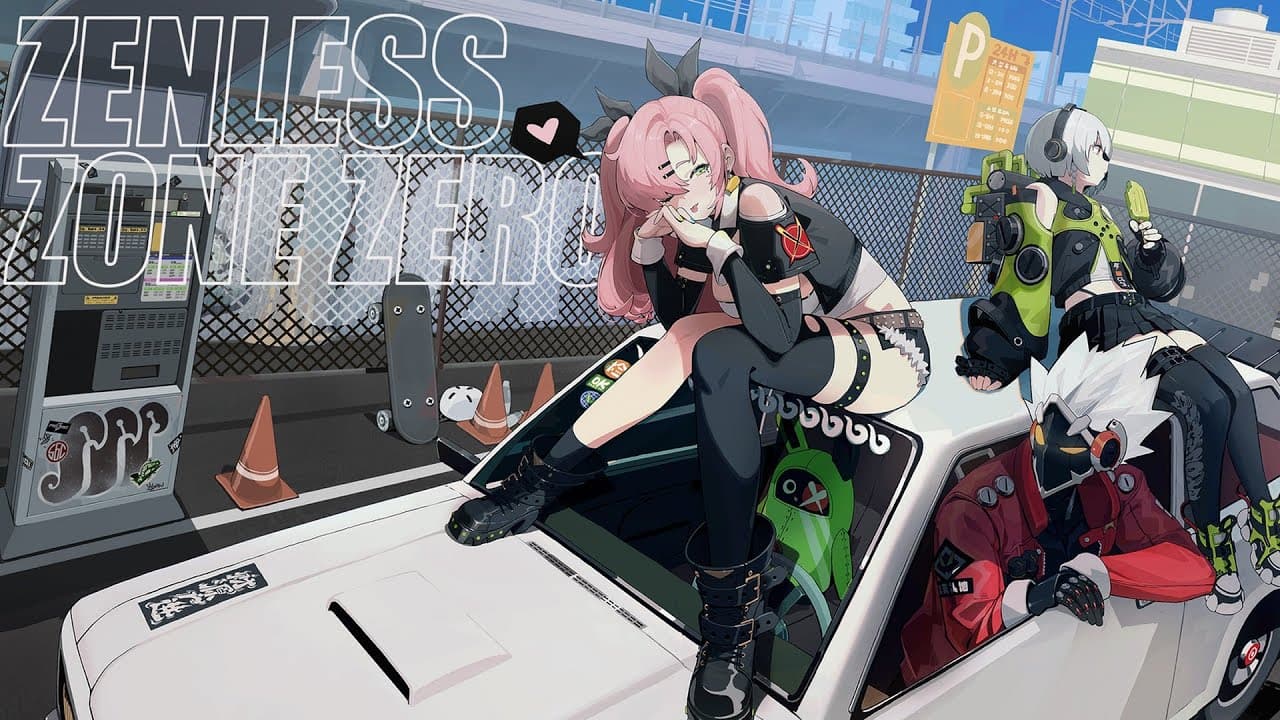
Zenless Zone Zero sets a character-action RPG in the Hollow-infested city of New Eridu, where anomalous phenomena require specialized agents to navigate. GPA scores it high on Action and Graphics — a HoYoverse title built around the studio's highest action-game benchmark.
Tag Similarity
Action
80%
Graphics
80%
Open World
0%
Anime Characters
80%
Strategy
0%
Co-op
50%
Character Building
85%
Emotional Story
70%
Chart tags: Action / Graphics / Open World / Anime Characters / Strategy / Co-op / Character Building / Emotional Story
Granblue Fantasy: Relink adapts the Granblue Fantasy world into an action RPG with a 4-player co-op quest structure. The character roster draws from the mobile game's extended cast. GPA scores it high on Action and Co-op — a single-player and multiplayer hybrid that serves both fan service and genre-competent action in parallel.
Tag Similarity
Action
85%
Graphics
85%
Open World
0%
Anime Characters
60%
Strategy
60%
Co-op
85%
Character Building
70%
Emotional Story
60%
Chart tags: Action / Graphics / Open World / Anime Characters / Strategy / Co-op / Character Building / Emotional Story
Black Desert Online builds its open world around action combat with no tab-targeting and a knowledge system that tracks every NPC, item, and location interaction. The character creator is the most detailed in the MMO category. GPA scores it high on Open World and Action — a free-to-play MMORPG built around character expression and action combat rather than traditional quest progression.
Tag Similarity
Action
75%
Graphics
80%
Open World
85%
Anime Characters
0%
Strategy
50%
Co-op
65%
Character Building
85%
Emotional Story
0%
Chart tags: Action / Graphics / Open World / Anime Characters / Strategy / Co-op / Character Building / Emotional Story
Monster Hunter Rise: Sunbreak adds a second continent, a new rank tier, and the Silkbind and Switch Skill systems that deepen the 14-weapon framework. GPA scores it close to World on Co-op and Action, with Craft above average for the expanded gear system.
Tag Similarity
Action
90%
Graphics
80%
Open World
55%
Anime Characters
0%
Strategy
70%
Co-op
90%
Character Building
85%
Emotional Story
35%
Chart tags: Action / Graphics / Open World / Anime Characters / Strategy / Co-op / Character Building / Emotional Story
Monster Hunter Wilds expands the series into fully seamless open environments where biome conditions change the available monsters and hunting strategies in real time. GPA scores it high on Action and Co-op — the flagship entry in the series' most ambitious structural iteration.
Tag Similarity
Action
95%
Graphics
90%
Open World
60%
Anime Characters
0%
Strategy
75%
Co-op
90%
Character Building
90%
Emotional Story
40%
Chart tags: Action / Graphics / Open World / Anime Characters / Strategy / Co-op / Character Building / Emotional Story
Persona 5: The Phantom X extends the Phantom Thieves setting into a mobile RPG with a new protagonist and a gacha progression system. The visual identity matches the mainline entry. GPA scores it high on Turn-Based and Story Depth among mobile adaptations — a positioning that reflects the license quality rather than mechanical novelty.
Tag Similarity
Action
40%
Graphics
70%
Open World
60%
Anime Characters
70%
Strategy
55%
Co-op
0%
Character Building
70%
Emotional Story
75%
Chart tags: Action / Graphics / Open World / Anime Characters / Strategy / Co-op / Character Building / Emotional Story
Warframe has evolved continuously since 2013, adding open-world zones, a full narrative, and hundreds of Warframe loadout combinations. The free-to-play model is the least intrusive in its category. GPA scores it high on Action and Co-op — a positioning that describes an endgame-focused shooter where the community knowledge base is as deep as the game itself.
Tag Similarity
Action
85%
Graphics
80%
Open World
50%
Anime Characters
0%
Strategy
55%
Co-op
80%
Character Building
90%
Emotional Story
50%
Chart tags: Action / Graphics / Open World / Anime Characters / Strategy / Co-op / Character Building / Emotional Story
Xenoblade Chronicles 2 follows Rex and the Blades — living weapons with distinct personalities — toward the mythical Elysium. The combat system builds through Blade combinations and chain attacks. GPA scores it high on Turn-Based and Emotional Story, with Story Depth above average — a positioning that reflects the series' commitment to extended narrative investment.
Tag Similarity
Action
75%
Graphics
80%
Open World
50%
Anime Characters
70%
Strategy
50%
Co-op
0%
Character Building
70%
Emotional Story
85%
Chart tags: Action / Graphics / Open World / Anime Characters / Strategy / Co-op / Character Building / Emotional Story
Horizon Forbidden West continues Aloy's investigation into the machine ecosystem collapse across western North America, adding underwater exploration and a wider variety of machine types. GPA scores it high on Open World and Story Depth — a sequel that expands the geographic and narrative scope of Zero Dawn without changing its fundamental design.
Tag Similarity
Action
80%
Graphics
85%
Open World
85%
Anime Characters
0%
Strategy
60%
Co-op
0%
Character Building
50%
Emotional Story
75%
Chart tags: Action / Graphics / Open World / Anime Characters / Strategy / Co-op / Character Building / Emotional Story
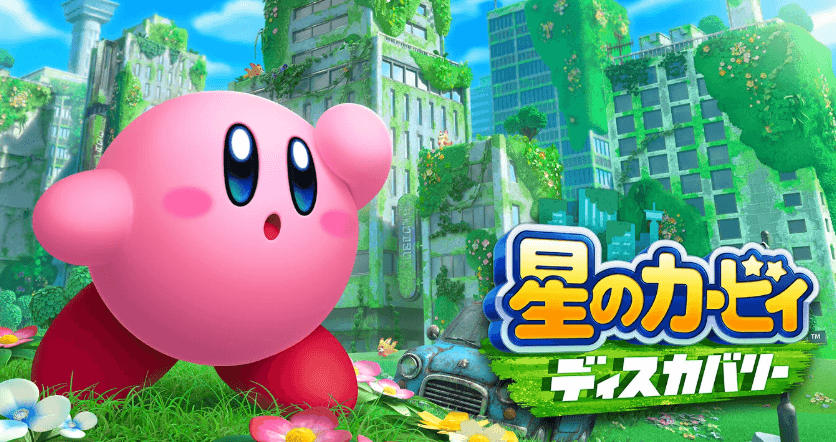
Kirby's first fully 3D platformer sends the pink protagonist through a post-civilization wilderness, absorbing enemy abilities to solve environmental puzzles. The Mouthful Mode transformation system adds a creative layer to the classic copy mechanic. GPA scores it high on the Beginner axis — accessible in a way that few 3D platformers achieve without sacrificing exploration depth.
Tag Similarity
Action
70%
Graphics
80%
Open World
50%
Anime Characters
0%
Strategy
30%
Co-op
60%
Character Building
0%
Emotional Story
50%
Chart tags: Action / Graphics / Open World / Anime Characters / Strategy / Co-op / Character Building / Emotional Story
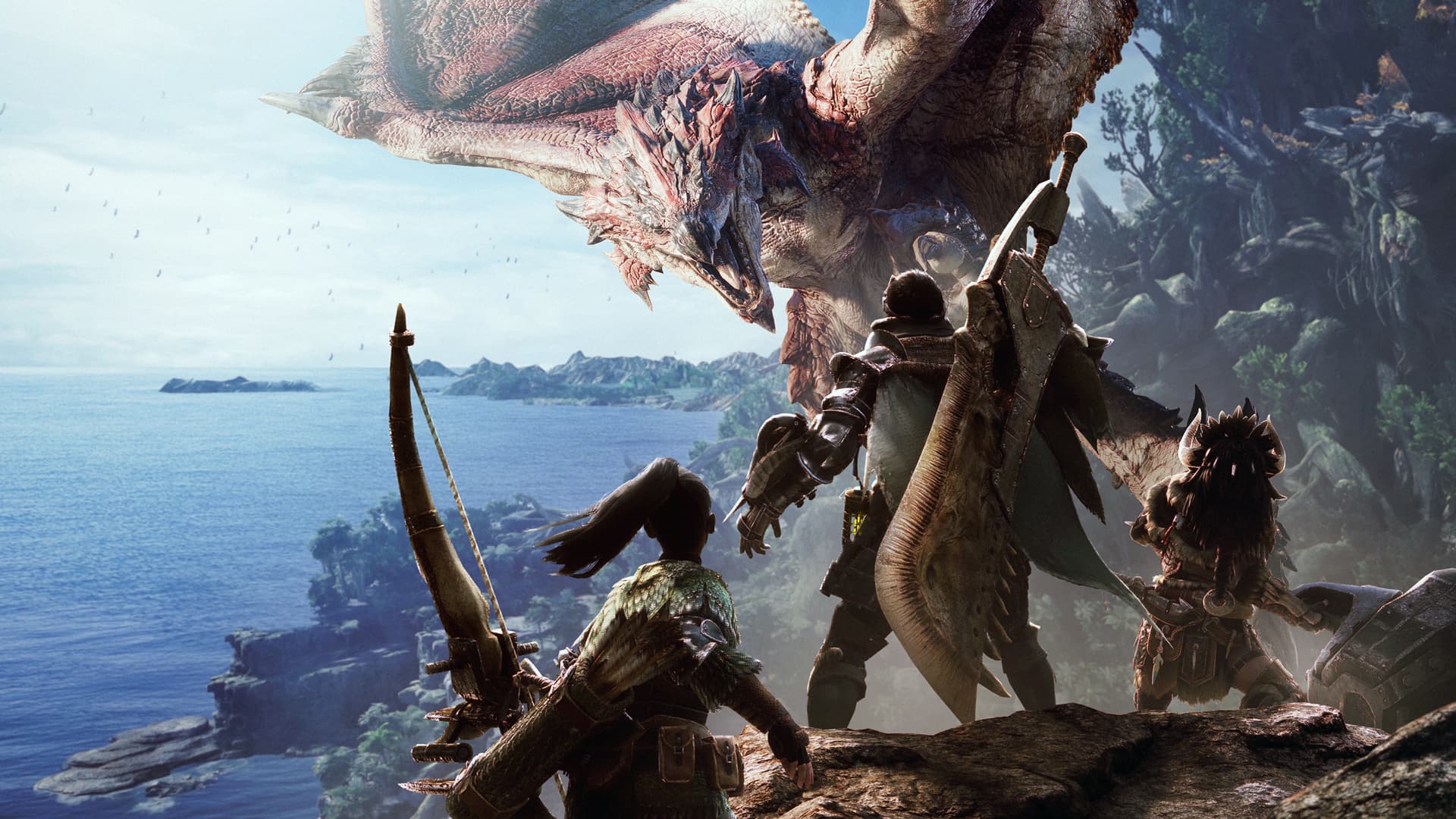
Monster Hunter: World brought the series out of handheld isolation and into a seamlessly connected open environment. Tracking monsters through the environment before engaging is the intended loop. GPA scores it high on Co-op and Action, with Craft and Collection axes adding the gear progression layer that drives long-term play.
Tag Similarity
Action
90%
Graphics
85%
Open World
65%
Anime Characters
0%
Strategy
70%
Co-op
90%
Character Building
90%
Emotional Story
0%
Chart tags: Action / Graphics / Open World / Anime Characters / Strategy / Co-op / Character Building / Emotional Story
The Division 2 builds its endgame around post-collapse Washington D.C., with gear-based progression and co-op raids that require coordinated builds. The seasonal content structure has sustained updates since 2019. GPA scores it high on Co-op and Action — the combination that describes a looter-shooter where the tactical layer is more developed than most genre competitors.
Tag Similarity
Action
85%
Graphics
85%
Open World
80%
Anime Characters
0%
Strategy
70%
Co-op
90%
Character Building
85%
Emotional Story
0%
Chart tags: Action / Graphics / Open World / Anime Characters / Strategy / Co-op / Character Building / Emotional Story
Honkai: Star Rail runs its turn-based combat through a space station and a series of themed planets, with a gacha character system that expands the party composition options. GPA scores it high on Turn-Based and Story Depth among mobile titles — the HoYoverse entry that most directly addresses players who want JRPG mechanics in a live-service framework.
Tag Similarity
Action
40%
Graphics
85%
Open World
0%
Anime Characters
85%
Strategy
70%
Co-op
30%
Character Building
90%
Emotional Story
70%
Chart tags: Action / Graphics / Open World / Anime Characters / Strategy / Co-op / Character Building / Emotional Story
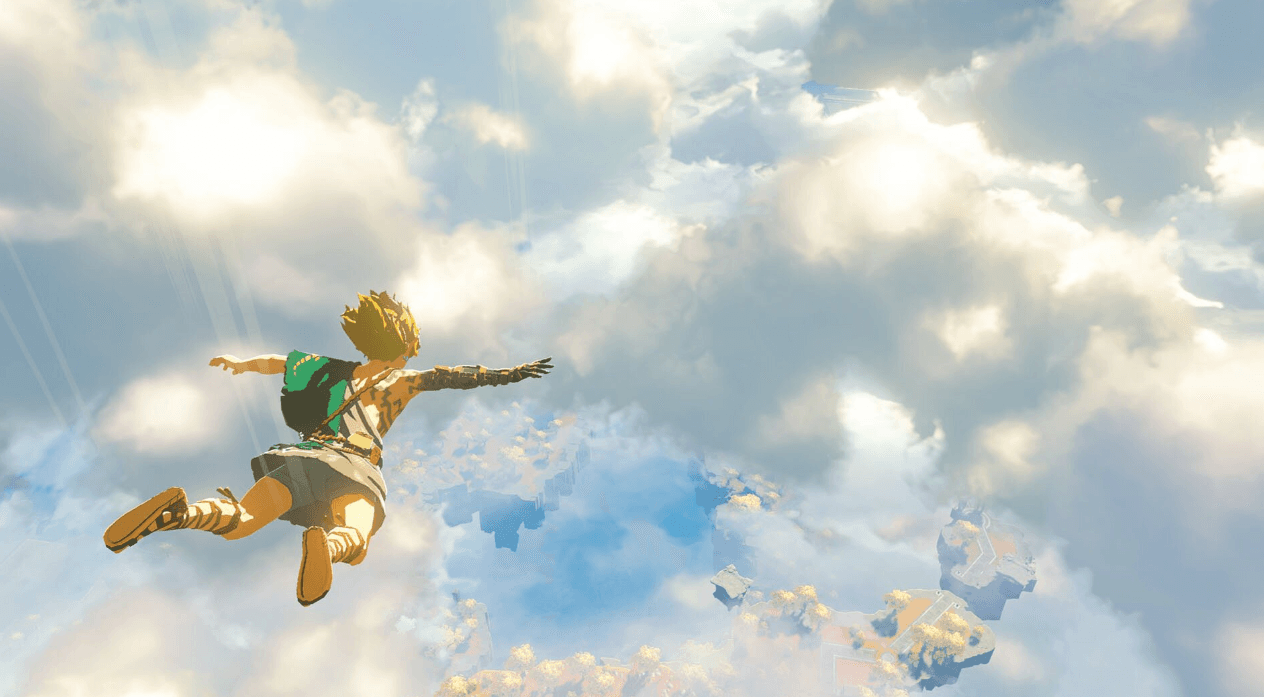
Breath of the Wild dismantled Zelda's traditional structure and replaced it with a physics engine that makes the entire map a puzzle. Climbing, cooking, and experimentation replace dungeon sequences. GPA scores it highest on Open World and Puzzle, with the Beginner score sitting unusually high for an action title — the control scheme and difficulty curve are genuinely accessible.
Tag Similarity
Action
70%
Graphics
70%
Open World
90%
Anime Characters
0%
Strategy
50%
Co-op
0%
Character Building
40%
Emotional Story
60%
Chart tags: Action / Graphics / Open World / Anime Characters / Strategy / Co-op / Character Building / Emotional Story
Rise of the Ronin puts Team Ninja's high-difficulty sword combat into an open-world Bakumatsu setting, with historical figures appearing as companions and antagonists. GPA scores it high on Action and Difficulty — the open-world pivot that applies Nioh's combat depth to a larger structural format.
Tag Similarity
Action
80%
Graphics
75%
Open World
70%
Anime Characters
0%
Strategy
50%
Co-op
0%
Character Building
50%
Emotional Story
65%
Chart tags: Action / Graphics / Open World / Anime Characters / Strategy / Co-op / Character Building / Emotional Story
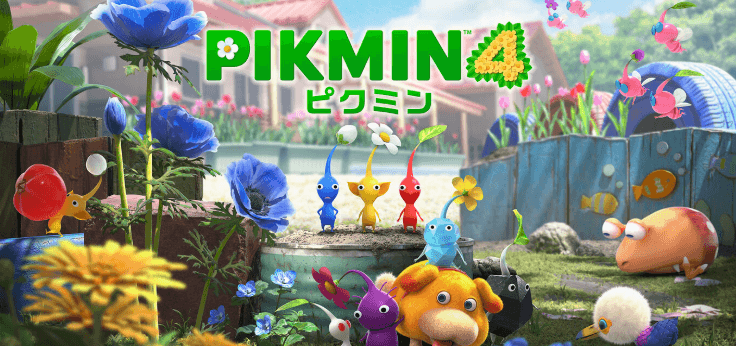
Pikmin 4 restructures the series with Oatchi as a permanent rideable companion who changes traversal options, alongside a night mode that shifts the loop toward tower defense survival. GPA scores it high on Strategy and Puzzle — the series entry most accessible to players new to the Pikmin format.
Tag Similarity
Action
65%
Graphics
80%
Open World
50%
Anime Characters
0%
Strategy
75%
Co-op
50%
Character Building
0%
Emotional Story
50%
Chart tags: Action / Graphics / Open World / Anime Characters / Strategy / Co-op / Character Building / Emotional Story
About "Neverness to Everness"
▸Game Composition (GPA Analysis)
Neverness to Everness(ネバエバ) leads with its Action RPG identity, anchored by the core feel of "NTE: Neverness to Everness sets an open-world action RPG in Hethereau, a city where the supernatural coexists with hyp…." The headline profile reads Action 80% / Graphics 80% / Open World 80%, making it a strong pick for fans of Action and Graphics. Accessible enough for newcomers while offering enough depth to satisfy veterans.
▸Characteristics & Analysis
Our editorial team scored "Neverness to Everness(ネバエバ)" by using its feel of open world, minigames, and near-future city as the primary lens, weighting Action and Graphics most heavily. Top similar titles include "原神(Genshin Impact)", "アークナイツ:エンドフィールド", "ゼンレスゾーンゼロ(ゼンゼロ)".
[Game Analysis] Neverness to Everness (NTE): A Japanese-Inspired Open-World Action RPG with Gacha-Style Casual Combat
A High-Freedom Urban Open World with High-Quality Anime Visuals — Combat Sits in Gacha Action RPG Territory
Released in 2025, Neverness to Everness(NTE) is a free-to-play action RPG available across PC, mobile, and PS5. The game's standout feature is its expansive open world modeled after a Japanese city. Players can freely roam the streets, sprint across rooftops, and explore every corner of the urban landscape — a sense of scale that clearly sets itself apart from the zone-based structure of Zenless Zone Zero.
Layered over that world is a high-quality anime presentation: fully voiced story scenes with a premium cast, anime-style cutscenes that run throughout the narrative, and beautifully rendered character animations. The experience of "walking an open world while watching anime" is central to what NTE offers.
Combat, by contrast, follows the gacha action RPG playbook — skill cooldowns, a perfect dodge mechanic, and character switching. The difficulty is approachable by design, sharing the same grammar as ZZZ and Genshin Impact. This analysis uses GPA tag scores and comparative data to map out exactly what NTE does well and what it deliberately keeps simple.
Gameplay Profile (Neverness to Everness) — GPA Tags
Action ◀
80%
Graphics
80%
Open World
80%
Anime Characters
80%
Strategy
70%
Top 5 GPA tags shown. Use the similarity explorer on this page to dive deeper.
Gacha & Business Model: The "Board Game Gacha" Twist
The base game is free, but obtaining characters is primarily gated behind gacha pulls. If you want to play as a specific character, spending on gacha is directly tied to that motivation — the same structure as ZZZ and Genshin, and standard across the F2P genre.
Where NTE differentiates itself is its board game-style gacha(sugoroku mechanic). Rather than simply pressing a button and watching a reel, players advance a piece across a board, with each square yielding different items or characters. It's an unusual approach that adds a layer of interactivity to the act of pulling — stimulating the collection drive while building anticipation in a more gamified way than a standard gacha spinner.
Character progression follows a mobile-first design: gather materials, level up, raise stats. Efficient farming often requires gacha resources, so the incentive loop between wanting to strengthen a character and spending on pulls is intentional and clear.
Combat Design: Mobile-First Accessibility and Its Trade-offs
NTE's combat revolves around skill cooldown management. Fire a skill, weave in normal attacks during the cooldown, then select the next skill — this loop is identical to ZZZ and Genshin, and requires almost no explanation for players already familiar with that genre.
Perfect Dodge: The Reflex-Based Core
The mechanic that adds genuine skill expression is the Perfect Dodge(極限回避). Timing a dodge input to match an enemy's attack creates a brief invincibility window, opening up a strong follow-up. It's a reflex-reading skill — "read when the hit comes and avoid it" — rather than a parry rhythm like SEKIRO or Lies of P. The type of skill demanded is fundamentally different.
That said, the overall difficulty ceiling is not high. Many encounters can be brute-forced even without landing Perfect Dodges. The design clearly prioritizes accessibility — keeping the barrier low enough that no player drops off due to difficulty is a deliberate F2P philosophy.
Character Switching: Playing Your Way
Characters can be swapped mid-combat, each bringing a distinct skill set and playstyle. The choice of who to bring directly shapes how a fight feels, and the link between "wanting to play a specific character" and gacha is explicit and intentional.
If You're Looking for Deep Combat
Even on PC or PS5, the combat design is tuned to the lowest common denominator: mobile. Compared to console-exclusive action RPGs that leverage precision input, the depth and reflex demands are noticeably lower. This is a design priority, not a flaw — NTE is built around the character and story experience, with combat serving as a comfortable vehicle for it. If deep, mastery-driven action is your primary goal, a title like Stellar Blade will serve you better.
Title
Combat Style
Difficulty Feel
Platform
Positioning
Neverness to Everness
Skill cooldowns + Perfect Dodge + Character Switch
★★☆☆☆
PC / Mobile / PS5
Mobile-first design. Low barrier, focused on character enjoyment
Zenless Zone Zero
Skill cooldowns + Parry + Chain Attack
★★★☆☆
PC / Mobile / PS5
Same multi-platform F2P setup. Slightly deeper combat mechanics
Genshin Impact
Elemental reactions + Skill cooldowns
★★☆☆☆
PC / Mobile / PS4·5
Exploration and elemental puzzles are central. Combat feel is lighter than NTE
Stellar Blade
Parry + Dodge + β-Skills
★★★★☆
PS5 exclusive
Best pick for deep combat mastery. Buy-to-play, no gacha
Persona 5 Royal
Turn-based command battle
★★★☆☆
Multi
Turn-based combat, but character charm and story depth are close to NTE in spirit
Visuals & Characters: Anime Quality at Full Commitment
NTE's visual polish is among the highest in its genre. The game runs in a real-time anime rendering style similar to ZZZ and Genshin, with character models and environments that hold up under scrutiny. The camera can toggle between first-person and third-person during gameplay, letting players choose between immersion in the world or watching their character in action.
Story events are punctuated by animated cutscenesdelivered in full voice. The feel is closer to "playing a game while watching anime" than most live-service titles manage to achieve. The premium voice cast reinforces attachment to characters, and hearing your favorite character's voice in combat is a core part of the experience the game is selling.
The closest stylistic comparison outside the gacha genre is the Persona series — not in combat (Persona is turn-based), but in the shared philosophy of putting character personality and anime-quality presentation at the center of the experience.
Anime Character Presentation Depth — editorial comparison (not GPA official)
NTE ◀
85%
ZZZ
82%
Genshin
78%
Persona 5R
80%
Stellar Blade
75%
Editorial rating based on anime character presentation density. Not GPA official scores.
UI & Practical Notes: JRPG Clarity and One Size Warning
The UI follows a JRPG-style layout — menus are visually organized and content placement is intuitive. Even players new to live-service games can find their way without confusion. Compared to some F2P titles that pile system upon system, NTE's onboarding is relatively clean.
One practical note: the mobile app requires approximately 15 GB of storage. This is significant — check available space before downloading on a smartphone. It's a trade-off for the visual quality, but it's not a casual install.
Who It's For — and Who Should Look Elsewhere
◎ Best Fit
▶Character fans and collectors — Pulling a favorite character, fighting alongside them, and watching their cutscenes is the loop. If that loop sounds rewarding, NTE delivers it well.
▶ZZZ / Genshin players looking for something new — If you enjoy the multi-platform F2P action format and want a title with a stronger character presentation angle, NTE is worth exploring.
▶Fans of anime-style stories and full voice acting — The Persona series comparison holds here: if character-driven storytelling through high-quality presentation is your thing, NTE's design philosophy aligns with that preference.
▶Mobile-first or cross-device players — The same experience runs on smartphone, PC, and PS5. It's easy to pick up in short sessions and maintain over time.
△ Consider Alternatives If...
▷Deep, mastery-driven combat is your priority — The precision parry tension of SEKIRO, or the multi-layered skill expression of Stellar Blade, are in a different tier. NTE's combat will feel thin by comparison.
▷You want a heavy, emotionally demanding narrative — If NieR:Automata's existential weight or Expedition 33's theatrical drama is your benchmark, NTE's anime-style storytelling will feel lighter.
▷You strongly dislike gacha spending — The core motivation loop of playing a specific character is tied to gacha. Free-to-play progression has limits, and buy-to-play action RPGs will offer a cleaner experience if that friction bothers you.
Picking the Right Game for What You Want
What you prioritize changes the answer.
Priority
Recommended Title
Reason
Character love / fandom
Neverness to Everness
Premium voice cast, high-quality anime cutscenes, satisfying character gacha
Deep combat mastery
Stellar Blade
Parry / dodge / β-skill three-way decision system
Characters + rich story
Persona series
Character depth and narrative thickness in balance. Turn-based combat
Multi-platform gacha action
Zenless Zone Zero
Slightly higher combat depth. Same F2P model
Vast exploration + gacha
Genshin Impact
Open-world exploration and elemental puzzles as the main axis
NTE Through the GPA Lens
GPA's tag distribution for NTE shows Action, Graphics, Open World, and Anime Characters all landing at 80% — an unusually even spread. This reflects a game that casts a wide net across experience types rather than specializing in one dimension. High Difficulty sitting at just 30% makes the accessibility-first design explicit in the data.
In GPA's similarity rankings, Genshin Impact comes in first (75% match) and Zenless Zone Zero second (69%), confirming that the closest comparable experiences are other multi-platform F2P action titles. Adjusting the Open World and Anime Characters sliders upward on this page will pull more character-focused and exploration-forward titles to the top.
Verdict: Real Character Experience Within Deliberate Constraints
Neverness to Everness is a game built under the constraint of delivering the same experience across smartphone, PC, and PS5 — and within that constraint, it maximizes the density of its character experience. Where it yields ground to other titles in combat depth and narrative weight, those are design priorities rather than failures.
Pulling a favorite character from gacha, fighting alongside them, hearing their voice in battle, and watching their animated cutscenes — the density of that loop is where NTE genuinely stands out in its genre. For players who came through ZZZ or Genshin and want a stronger character presentation angle, or fans of Persona-style character-driven games looking for an action alternative, NTE is worth serious consideration.
If parry-focused action, deep combat mastery, or a buy-to-play heavy narrative is what you're after, then Stellar Blade or Clair Obscur: Expedition 33 will be more satisfying. The right answer depends on what you're actually looking for — and knowing that difference is what GPA is designed to help with.
Data in this article is based on GPA's proprietary tag-weighting system. For the latest scores and similarity rankings, visit each game's detail page from the GPA top page.