Shadow of the Colossus sends Wander across a forbidden land to destroy sixteen colossi — each one a boss fight and a traversal puzzle contained within a single living creature. No enemies exist between encounters, only the landscape and the horse. The 2018 Bluepoint remake rebuilt every asset from scratch while preserving Fumito Ueda's original geometry and pacing. GPA scores it at the top for Emotional Story — the highest among action games — alongside high marks for Existential Themes and Dark World, the three axes that define a game where the act of winning is also the tragedy.
Game Characteristics
Emotional Story
95%
Graphics
85%
Existential Themes
80%
Dystopian Setting
75%
Action
70%
Story Depth
70%
Dark
65%
Puzzle
65%
Open World
55%
Target Audience
Recommended for: Beginners to Advanceds (scores ≥ 50 indicate a good fit)
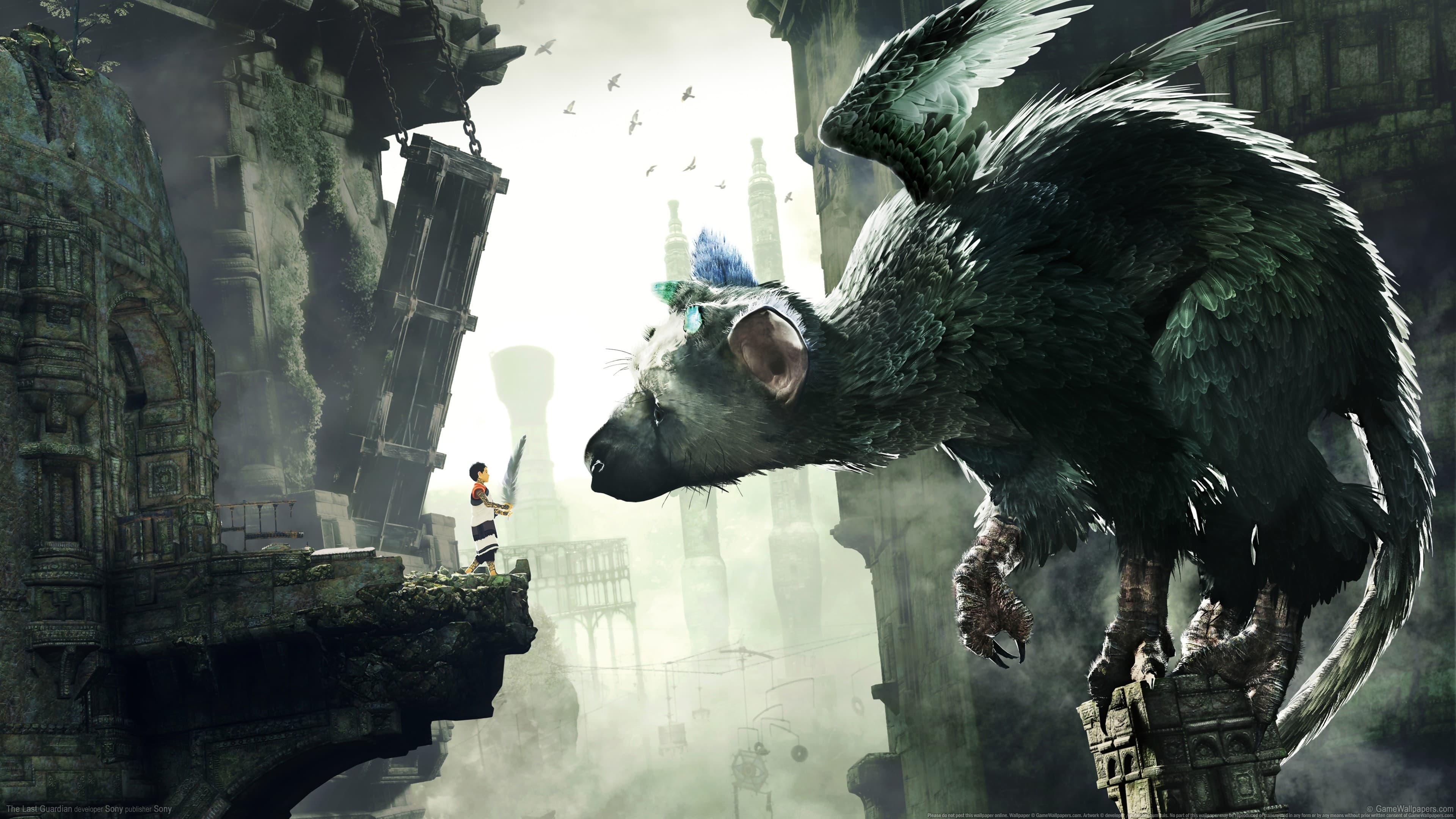
The Last Guardian follows a boy and an enormous creature named Trico through a crumbling ruin, building a relationship through care rather than command. Trico's AI creates unpredictable behavior that makes each interaction feel earned. GPA scores it at the top for Emotional Story — the highest in its genre category — with Dark World reflecting the melancholy that runs through the environmental design.
Tag Similarity
Emotional Story
95%
Graphics
85%
Existential Themes
70%
Dystopian Setting
75%
Action
0%
Story Depth
85%
Dark
55%
Puzzle
0%
Chart tags: Emotional Story / Graphics / Existential Themes / Dystopian Setting / Action / Story Depth / Dark / Puzzle
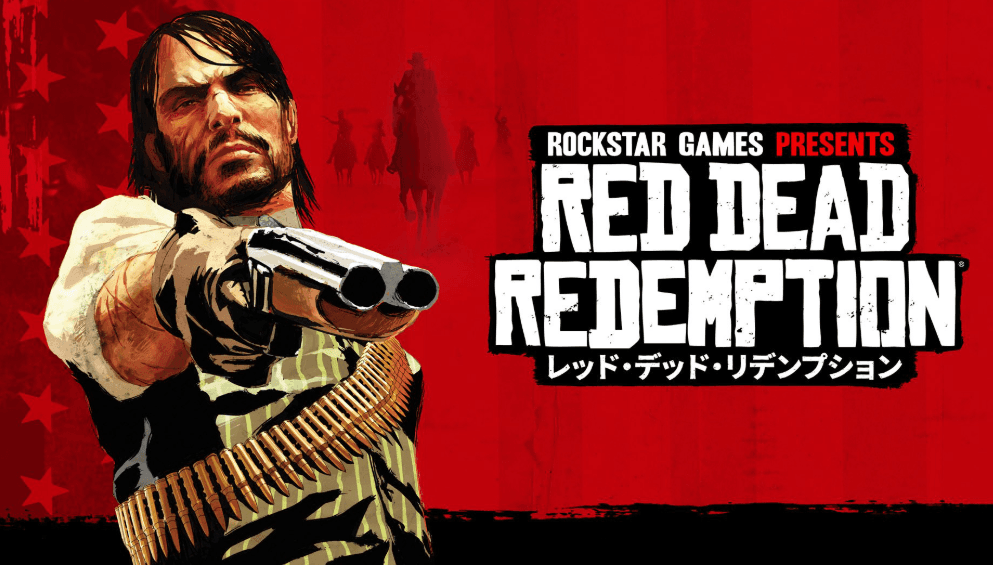
Red Dead Redemption follows John Marston across the dying American frontier in 1911, forced by government agents to hunt down his former gang in exchange for his family's freedom. The open world covers the American Southwest and Mexico, with horse travel as the primary pacing mechanism. The Undead Nightmare expansion reframes the same map as a zombie survival scenario. Originally released in 2010, the game reached Switch and PS4 in 2023 and Switch 2, PS5, and Xbox Series in December 2025. GPA scores it high on Emotional Story and Dark World — the prequel to RDR2 that established the series' identity.
Tag Similarity
Emotional Story
88%
Graphics
70%
Existential Themes
70%
Dystopian Setting
80%
Action
75%
Story Depth
85%
Dark
65%
Puzzle
0%
Chart tags: Emotional Story / Graphics / Existential Themes / Dystopian Setting / Action / Story Depth / Dark / Puzzle
Remember Me puts Nilin in Neo-Paris 2084, where memories are digitized and sold by the Memorize corporation. The Memory Remix mechanic lets players rewrite another character's memories mid-scene by adjusting emotional beats. Dontnod Entertainment's debut, published by Capcom. PS3/360/PC. GPA scores it high on Existential Themes and Emotional Story — the game that established Dontnod's thematic identity before Life is Strange.
Tag Similarity
Emotional Story
70%
Graphics
60%
Existential Themes
78%
Dystopian Setting
72%
Action
68%
Story Depth
70%
Dark
60%
Puzzle
55%
Chart tags: Emotional Story / Graphics / Existential Themes / Dystopian Setting / Action / Story Depth / Dark / Puzzle
ENDER MAGNOLIA continues the Ender Lilies world decades later, sending Lilac the Attuner through the Land of Fumes to purify corrupted Homunculi. Built in Unreal Engine 5, expanding the map and combat variety of the predecessor. Switch, PS4/5, Xbox, PC, January 2025. GPA scores it high on Dark World and Emotional Story — the sequel that delivered on every expectation the first game built.
Tag Similarity
Emotional Story
76%
Graphics
78%
Existential Themes
70%
Dystopian Setting
85%
Action
74%
Story Depth
70%
Dark
80%
Puzzle
58%
Chart tags: Emotional Story / Graphics / Existential Themes / Dystopian Setting / Action / Story Depth / Dark / Puzzle

ENDER LILIES sets its Metroidvania in a rain-destroyed kingdom where Lily the White Priestess summons purified undead spirits as her combat set. The Mili soundtrack is one of the highest-rated in the genre. Switch, PS4, Xbox, PC. GPA scores it high on Dark World and Emotional Story — the Metroidvania where the melancholy atmosphere is the primary draw alongside the combat.
Tag Similarity
Emotional Story
75%
Graphics
72%
Existential Themes
68%
Dystopian Setting
85%
Action
72%
Story Depth
68%
Dark
80%
Puzzle
55%
Chart tags: Emotional Story / Graphics / Existential Themes / Dystopian Setting / Action / Story Depth / Dark / Puzzle
Binary Domain sends a multinational squad to 2080 Tokyo to locate the creator of Hollow Children — robots built to replace humans undetected. The Consequence System tracks squad trust based on in-mission voice commands. Ryu Ga Gotoku Studio's action-shooter. PS3/360/PC. GPA scores it high on Existential Themes and Action — the third-person shooter that embedded AI ethics into its core narrative before it was a mainstream topic.
Tag Similarity
Emotional Story
68%
Graphics
60%
Existential Themes
80%
Dystopian Setting
72%
Action
78%
Story Depth
72%
Dark
65%
Puzzle
0%
Chart tags: Emotional Story / Graphics / Existential Themes / Dystopian Setting / Action / Story Depth / Dark / Puzzle
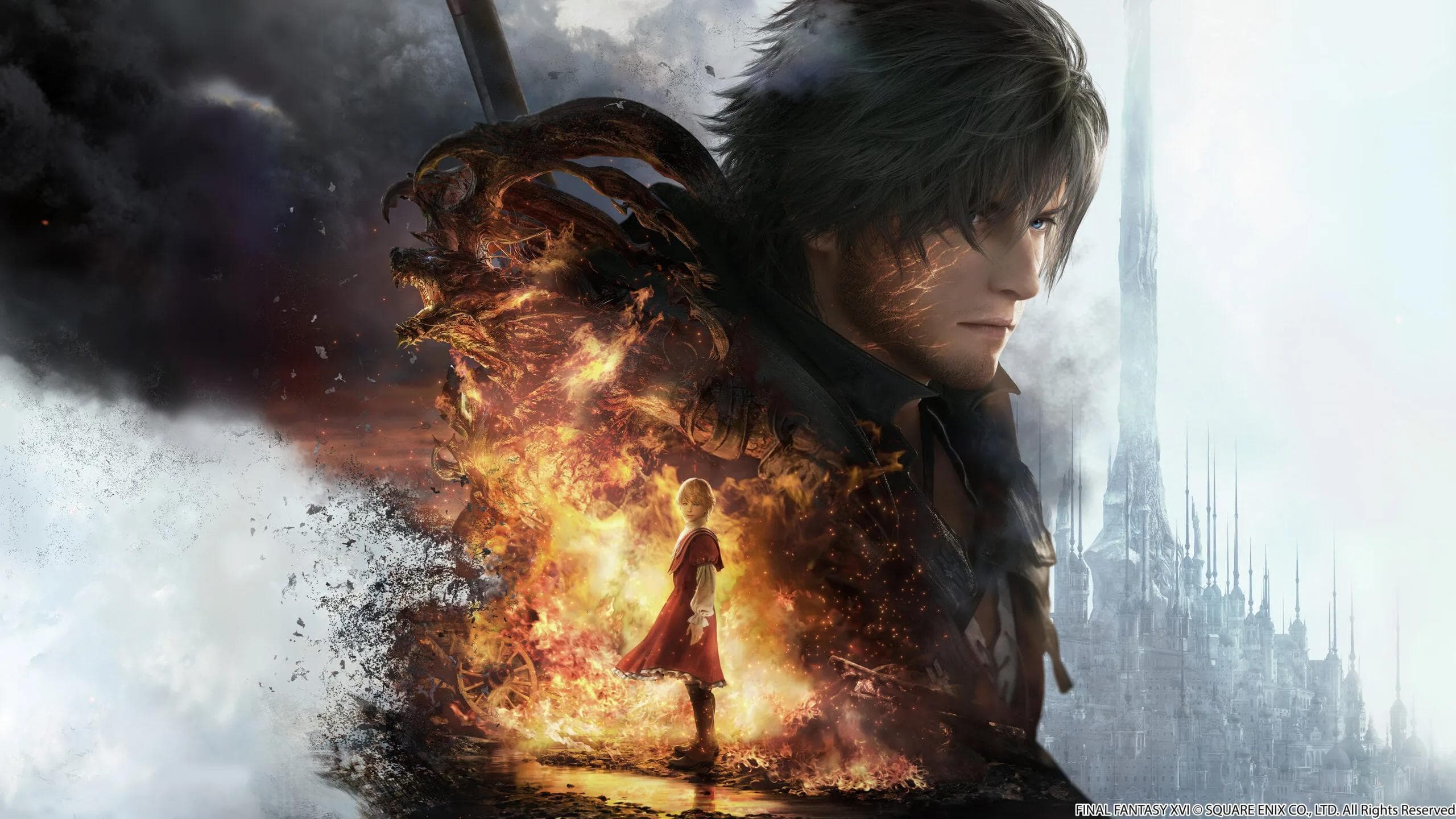
Death Stranding 2: On the Beach continues Sam Porter Bridges's connecting work in Mexico and Australia. GPA scores it high on Existential Themes and Open World.
Tag Similarity
Emotional Story
75%
Graphics
90%
Existential Themes
80%
Dystopian Setting
80%
Action
65%
Story Depth
80%
Dark
55%
Puzzle
0%
Chart tags: Emotional Story / Graphics / Existential Themes / Dystopian Setting / Action / Story Depth / Dark / Puzzle

Majora's Mask gives Link three days before the Moon falls, then resets everything when time runs out. Fifty mask sidequests run across the three-day cycle, each requiring careful timing to complete. Available through Nintendo Classics. GPA scores it high on Existential Themes and Puzzle — the Zelda entry with the darkest atmosphere and the most emotionally complex sidequests.
Tag Similarity
Emotional Story
75%
Graphics
60%
Existential Themes
80%
Dystopian Setting
70%
Action
0%
Story Depth
75%
Dark
65%
Puzzle
80%
Chart tags: Emotional Story / Graphics / Existential Themes / Dystopian Setting / Action / Story Depth / Dark / Puzzle
Marvel's Spider-Man 2 plays as Peter Parker and Miles Morales in alternating sections, with Venom and the symbiote system as the central threat. Manhattan traversal is faster than any previous entry. GPA scores it high on Action and Emotional Story — a sequel that deepens the relationship writing more than it changes the combat.
Tag Similarity
Emotional Story
80%
Graphics
95%
Existential Themes
55%
Dystopian Setting
40%
Action
85%
Story Depth
80%
Dark
45%
Puzzle
0%
Chart tags: Emotional Story / Graphics / Existential Themes / Dystopian Setting / Action / Story Depth / Dark / Puzzle
Bloober Team's remake rebuilds the 2001 classic from the ground up in Unreal Engine 5, expanding James Sunderland's guilt-driven journey through a fog-locked town populated by monsters that reflect his psychological state. Pyramid Head's design and purpose remain intact. GPA scores it high on Horror and Dark World — the remake that matched the original's psychological weight while updating the combat and pacing.
Tag Similarity
Emotional Story
85%
Graphics
85%
Existential Themes
85%
Dystopian Setting
90%
Action
60%
Story Depth
85%
Dark
90%
Puzzle
60%
Chart tags: Emotional Story / Graphics / Existential Themes / Dystopian Setting / Action / Story Depth / Dark / Puzzle
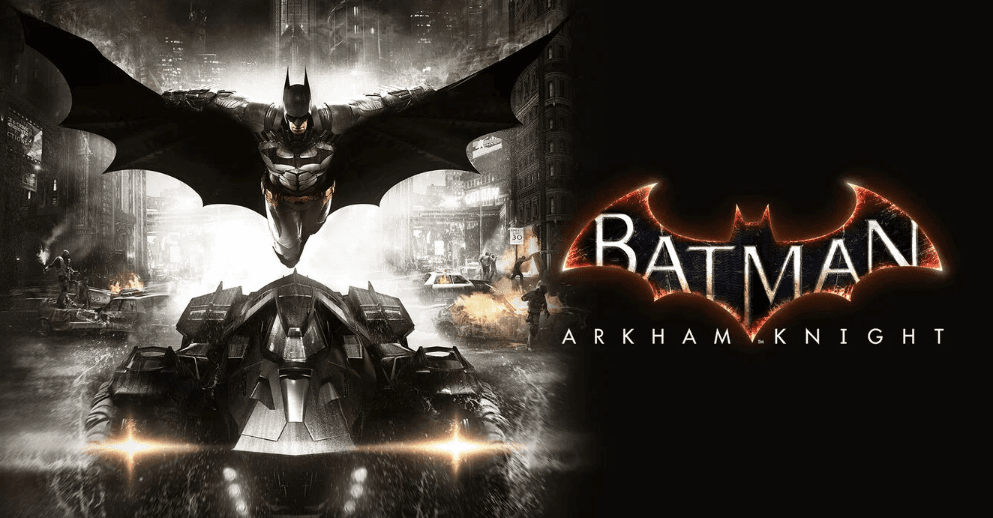
Observation inverts the sci-fi thriller premise by casting the player as SAM, the space station's AI, rather than the human crew member. Using cameras, drones, and station systems to investigate the disappeared crew creates a perspective no other game occupies. No Code, Devolver Digital. PS4, Xbox, PC. GPA scores it high on Existential Themes and Puzzle — the SF thriller where being the AI is both the mechanic and the message.
Tag Similarity
Emotional Story
65%
Graphics
65%
Existential Themes
88%
Dystopian Setting
75%
Action
0%
Story Depth
72%
Dark
62%
Puzzle
68%
Chart tags: Emotional Story / Graphics / Existential Themes / Dystopian Setting / Action / Story Depth / Dark / Puzzle
SOMA places players in an underwater facility in 2104 and asks what consciousness means — whether a copied mind is the same person, and what death means if copies exist. Combat is minimal; the horror comes from what the story reveals. Frictional Games' follow-up to Amnesia. GPA scores it at the top for Existential Themes among horror games — the only entry where philosophy and survival horror share equal weight.
Tag Similarity
Emotional Story
85%
Graphics
70%
Existential Themes
95%
Dystopian Setting
85%
Action
0%
Story Depth
85%
Dark
80%
Puzzle
55%
Chart tags: Emotional Story / Graphics / Existential Themes / Dystopian Setting / Action / Story Depth / Dark / Puzzle
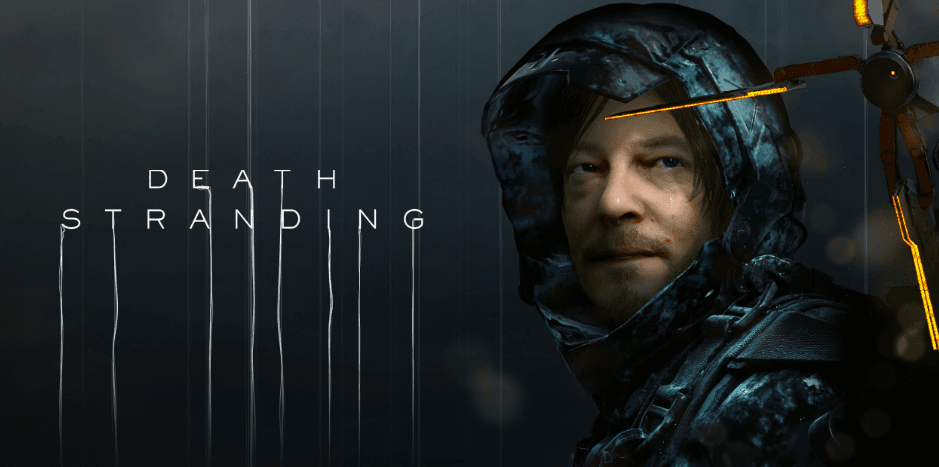
Death Stranding asks players to reconnect a post-apocalyptic America by carrying cargo across difficult terrain. Other players' structures appear in your world. GPA scores it high on Existential Themes and Open World, with the lowest Action score among open-world titles — a combination that accurately identifies who this game is and isn't for.
Tag Similarity
Emotional Story
80%
Graphics
90%
Existential Themes
85%
Dystopian Setting
80%
Action
0%
Story Depth
85%
Dark
60%
Puzzle
0%
Chart tags: Emotional Story / Graphics / Existential Themes / Dystopian Setting / Action / Story Depth / Dark / Puzzle
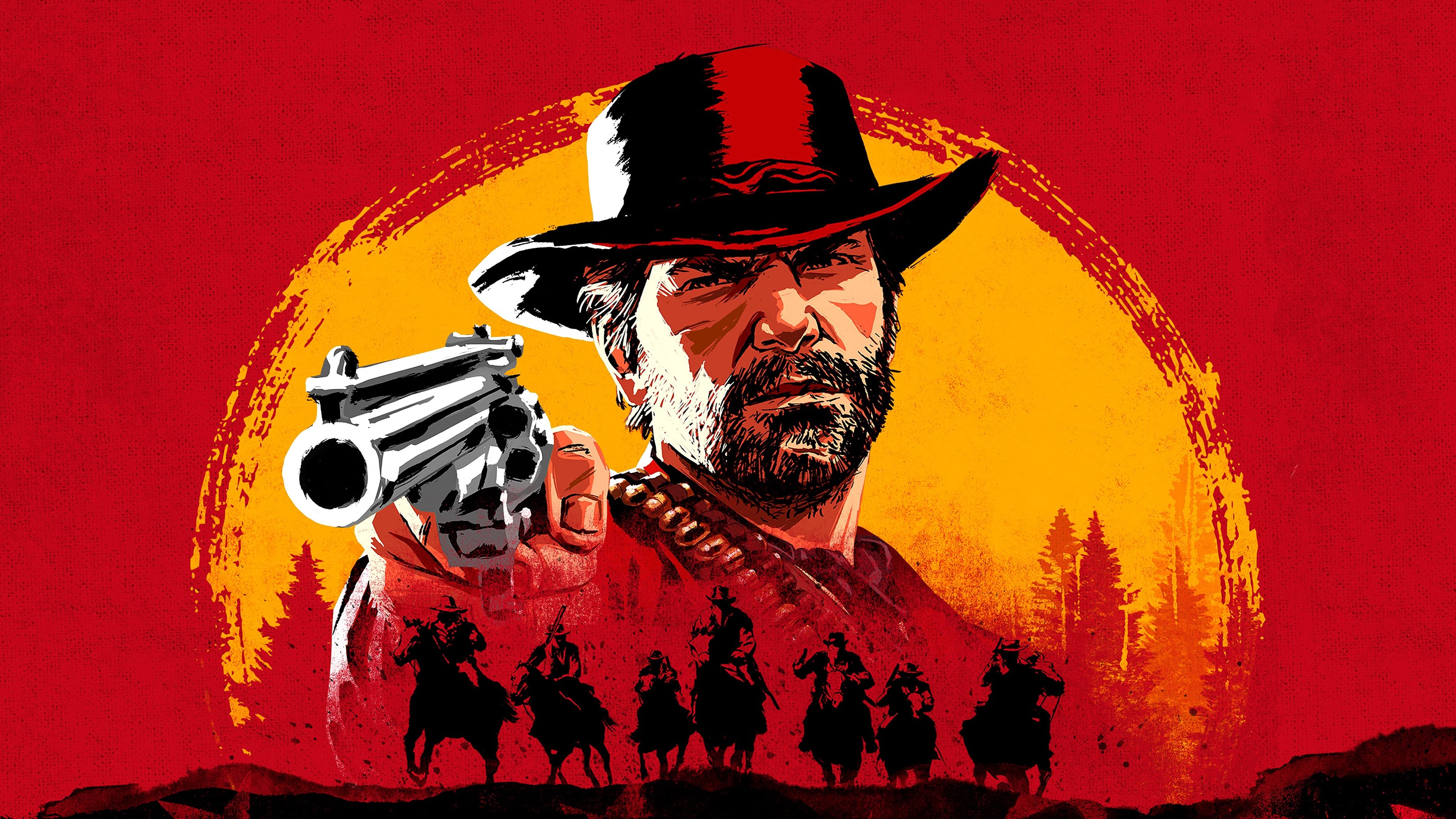
Red Dead Redemption 2 follows Arthur Morgan through the decline of the Van der Linde gang, building the open world of the American frontier with unusual attention to ambient detail. Honor affects dialogue and endings. GPA scores it at the top for Emotional Story and Story Depth among open-world titles — a combination that prioritizes players who want the world to feel inhabited.
Tag Similarity
Emotional Story
95%
Graphics
95%
Existential Themes
0%
Dystopian Setting
70%
Action
65%
Story Depth
95%
Dark
65%
Puzzle
0%
Chart tags: Emotional Story / Graphics / Existential Themes / Dystopian Setting / Action / Story Depth / Dark / Puzzle
Beast of Reincarnation sends Emma the Sealer and her dog Koo across a post-apocalyptic Japan in the year 4026, where a corruption called the Blight has transformed the landscape into a beautiful but hostile wilderness. Emma absorbs abilities from defeated Nushi creatures, building toward a confrontation with the titular Beast. Combat blends real-time parrying in the Sekiro register with turn-based command elements. Game Freak's first non-Pokémon AAA title. GPA scores it high on Emotional Story and Dark World — a companion-bond action RPG that reviewers placed between NieR: Automata and Princess Mononoke.
Tag Similarity
Emotional Story
80%
Graphics
82%
Existential Themes
75%
Dystopian Setting
85%
Action
80%
Story Depth
75%
Dark
75%
Puzzle
0%
Chart tags: Emotional Story / Graphics / Existential Themes / Dystopian Setting / Action / Story Depth / Dark / Puzzle
Observer: System Redux casts Rutger Hauer (in his final video game role) as Daniel Lazarski, a neural detective who hacks dying minds in cyberpunk 2084 Poland. The Dream Eater device renders psychological horror sequences inside corrupted memory spaces. Switch 2, PS4/5, Xbox, PC. GPA scores it high on Existential Themes and Dark World — the cyberpunk horror game that most effectively uses the mind-hacking mechanic as both story and scare delivery.
Tag Similarity
Emotional Story
68%
Graphics
75%
Existential Themes
80%
Dystopian Setting
88%
Action
0%
Story Depth
72%
Dark
80%
Puzzle
55%
Chart tags: Emotional Story / Graphics / Existential Themes / Dystopian Setting / Action / Story Depth / Dark / Puzzle
A Plague Tale: Requiem continues Amicia and Hugo's escape across 14th-century France, with rat swarms used as environmental obstacles and threats. The sibling relationship drives the emotional weight. GPA scores it high on Emotional Story and Dark World — the combination that positions it as a story-driven action game rather than a survival horror title.
Tag Similarity
Emotional Story
90%
Graphics
90%
Existential Themes
60%
Dystopian Setting
75%
Action
60%
Story Depth
85%
Dark
65%
Puzzle
0%
Chart tags: Emotional Story / Graphics / Existential Themes / Dystopian Setting / Action / Story Depth / Dark / Puzzle
Martha is Dead sets its psychological horror in WWII Italy, following Giulia who assumes the identity of her drowned twin sister. The setting intersects wartime atrocity with personal dissociation. LKA's 2022 release was partially censored on PlayStation for graphic content. GPA scores it high on Dark World and Existential Themes — the horror game that most directly engages with historical trauma as a narrative device.
Tag Similarity
Emotional Story
78%
Graphics
72%
Existential Themes
80%
Dystopian Setting
85%
Action
0%
Story Depth
78%
Dark
90%
Puzzle
50%
Chart tags: Emotional Story / Graphics / Existential Themes / Dystopian Setting / Action / Story Depth / Dark / Puzzle
Final Fantasy VII Rebirth expands Cloud and the party's journey outside Midgar across an open-world Gaia. The relationship system and Queen's Blood card game add depth between the story chapters. GPA scores it high on Emotional Story and Open World — a sequel that broadens the canvas while keeping the remake's combat system.
Tag Similarity
Emotional Story
90%
Graphics
95%
Existential Themes
0%
Dystopian Setting
55%
Action
80%
Story Depth
90%
Dark
50%
Puzzle
0%
Chart tags: Emotional Story / Graphics / Existential Themes / Dystopian Setting / Action / Story Depth / Dark / Puzzle
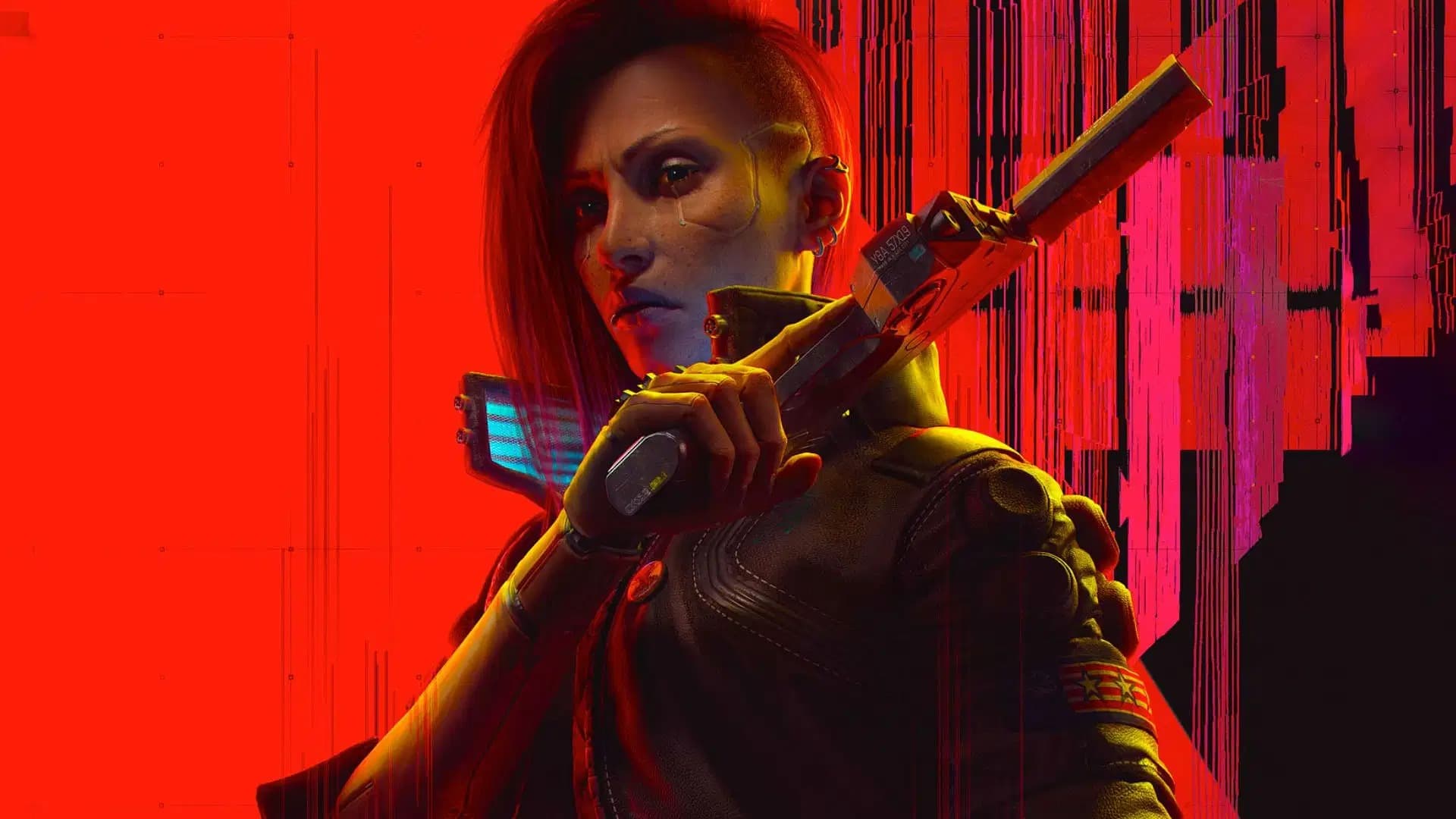
Cyberpunk 2077 recovered from a disastrous launch to become one of the most content-rich open world RPGs available. Night City rewards lateral exploration — side quests carry the writing quality of the main story. GPA scores it at 90% for Dark World and Open World, with Multiple Endings above 75 — the ending branches respond to choices made across the full campaign.
Tag Similarity
Emotional Story
80%
Graphics
90%
Existential Themes
70%
Dystopian Setting
90%
Action
70%
Story Depth
85%
Dark
80%
Puzzle
0%
Chart tags: Emotional Story / Graphics / Existential Themes / Dystopian Setting / Action / Story Depth / Dark / Puzzle
About "Shadow of the Colossus"
▸Game Composition (GPA Analysis)
ワンダと巨像(Shadow of the Colossus) leads with its Action-Adventure identity, anchored by the core feel of "Shadow of the Colossus sends Wander across a forbidden land to destroy sixteen colossi — each one a boss fight and a t…." The headline profile reads Emotional Story 95% / Graphics 85% / Existential Themes 80%, making it a strong pick for fans of Emotional Story and Graphics. Accessible enough for newcomers while offering enough depth to satisfy veterans.
▸Characteristics & Analysis
Our editorial team scored "ワンダと巨像(Shadow of the Colossus)" by using its feel of emotional story, 孤独と信頼, and 上田文人作品 as the primary lens, weighting Emotional Story and Graphics most heavily. Top similar titles include "人喰いの大鷲トリコ", "レッド・デッド・リデンプション(Red Dead Redemption)", "リメンバーミー(Remember Me)".
Review — Shadow of the Colossus: an action-adventure that makes you question whether victory is right
Game Overview
Shadow of the Colossus follows Wander, a young man who travels to a forbidden land in search of a way to bring a dead girl back to life.
His goal is simple: find and defeat sixteen enormous colossi scattered across the ancient land.
But this is not a typical action game filled with enemies and encounters.
Between battles, Wander travels through a vast, largely empty landscape with his horse, Agro. There are no crowds of enemies waiting around every corner. Instead, the journey to the next colossus becomes part of the experience.
And when Wander finally finds one, the battle is unlike a conventional boss fight.
The colossi are enormous creatures that Wander must climb. He has to find places to grab onto, locate their weak points, manage his stamina, and stay attached while the creature moves beneath him.
The 2018 PS4 remake rebuilt the game's visuals from the ground up while preserving the core structure of the original. Bluepoint Games also refined the controls to make the experience more accessible.
Gameplay Analysis
Defeating the Colossi Isn't the Whole Experience
One of the most distinctive things about Shadow of the Colossus is how much time the game spends away from combat.
Wander travels across forests, deserts, ruins, lakes, and open fields, using his sword to locate the direction of the next colossus.
The world is quiet.
Then, suddenly, a gigantic creature appears.
That contrast gives each encounter much more impact. Because the world is usually so calm, the appearance of a colossus feels like a genuine interruption to the landscape.
The journey between battles is not simply filler.
It creates the sense of isolation that defines the game.
Each Colossus Is Also a Puzzle
The battles are not simply about attacking a large enemy.
The first question is usually: How do I even reach its weak point?
Where can Wander climb?
Which part of the environment can he use?
When should he move?
How can he stay attached without running out of stamina?
The player has to observe the colossus and figure out the solution.
That is why GPA gives the game a 65% Puzzle score alongside 70% for Action. The combat requires physical control, but solving the encounter is just as important.
Climbing Becomes the Combat
The most memorable mechanic is probably the simple act of grabbing onto the colossi.
Wander climbs their fur, holds onto their bodies, and moves from one foothold to another while the creature tries to shake him off.
The battle becomes less about attacking and more about maintaining your position on something that is vastly larger than you.
The PS4 remake reinforces that feeling with detailed animation and environmental effects. The colossi's fur moves in the wind, their bodies react to Wander's movements, and their sheer size becomes part of the visual experience.
A Beautiful World With a Strong Sense of Loneliness
The world of Shadow of the Colossus is beautiful, but it is also strangely empty.
Ancient ruins, forests, deserts, lakes, and enormous open spaces stretch across the landscape. Yet there are almost no people living there.
Wander crosses this world almost entirely alone.
That feeling is reflected in GPA's scores: 85% for Graphics, 80% for Existential Themes, and 75% for Dystopian Setting.
The environment isn't simply there to make the game look impressive. Its emptiness changes how the player experiences movement.
After an intense battle, the game returns you to the same quiet landscape.
The contrast is important.
The battle ends, but the silence remains.
Are the Colossi Really Your Enemies?
This is where Shadow of the Colossus becomes much more interesting than a standard boss-rush game.
The game tells you that the colossi must be defeated.
From a gameplay perspective, there is no ambiguity: defeating them is how you progress.
But the creatures do not always behave like conventional enemies.
They often appear to be simply existing in their own environments.
Wander finds them, climbs them, attacks their weak points, and kills them.
The more you progress, the harder it becomes to ignore the question:
Is defeating them actually the right thing to do?
This tension helps explain the game's extremely high 95% Emotional Story and 80% Existential Themes scores on GPA.
Victory Doesn't Feel Like a Simple Victory
In most action games, defeating a powerful boss creates a straightforward sense of accomplishment.
Shadow of the Colossus creates something more complicated.
There is still satisfaction when you finally understand a colossus and successfully climb to its weak point.
But once the creature falls, the feeling isn't purely celebratory.
Something feels wrong.
The player's actions are mechanically rewarding, while the story gradually encourages the player to question those same actions.
That disconnect is one of the game's most effective ideas.
You want to win because the game asks you to win.
At the same time, the game makes you wonder what that victory actually means.
What the GPA Scores Tell Us
The game's profile is defined by the combination of 95% Emotional Story, 85% Graphics, and 80% Existential Themes.
Title tendency chart (Shadow of the Colossus)
Emotional Story ◀
95%
Graphics ◀
85%
Existential Themes ◀
80%
Dystopian Setting
75%
Action
70%
Puzzle
65%
Open World
55%
* Based on GPA sub-tag scores. Colossus battles, lonely exploration, and the ethics of victory work as one experience.
Its 70% Action score shows that the physical side of the game still matters. Climbing, movement, timing, and stamina management are all important.
But the 65% Puzzle score also reflects how much observation and problem-solving are involved in each colossus encounter.
The 55% Open World score is also worth noting.
The game has a large world to explore, but it does not use that space like a modern open-world RPG. There are not dozens of quests, activities, or collectibles scattered across the map.
The size of the world serves another purpose: it creates distance, silence, and anticipation between the major encounters.
That combination is what makes Shadow of the Colossus difficult to describe simply as an action game.
Author's Thoughts
What I find most interesting about Shadow of the Colossus is the gap between what the player enjoys doing and what the player eventually starts to question.
You want to find the colossi.
You want to figure out how to climb them.
You feel a genuine sense of accomplishment when you finally reach their weak points.
But after the battle, there is often another feeling underneath that satisfaction.
Was this really necessary?
The game never needs to turn that question into a long explanation. Instead, it lets the player's actions create the question.
And once each battle is over, the game sends you back into the quiet landscape again.
That rhythm — exploration, discovery, climbing, victory, and silence — is what makes the experience so memorable.
Conclusion
Shadow of the Colossus is an action-adventure game built around sixteen massive encounters.
But its strength isn't simply the spectacle of fighting giant creatures.
It takes a few simple actions — find, climb, and defeat — and uses them to make the player question why they are doing them in the first place.
The enormous creatures, lonely landscapes, puzzle-like battles, and emotional weight all work together without overwhelming the player with unnecessary systems.
GPA's 95% Emotional Story and 80% Existential Themes capture that side of the experience particularly well.
Rather than filling its world with endless content, Shadow of the Colossus builds its identity around a small number of carefully focused ideas.
And that is why defeating a colossus can feel satisfying, unsettling, and strangely sad at the same time.