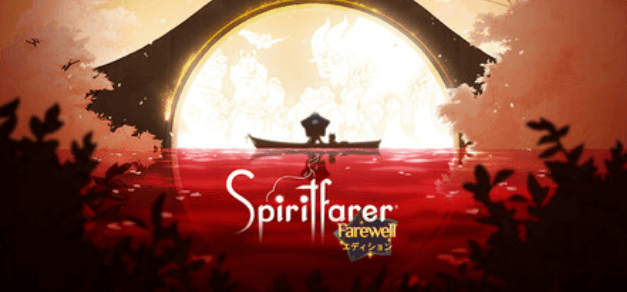
Spiritfarer runs a ferry for the dead, asking players to fulfill the last wishes of passengers before sending them through. The crafting and cooking systems build the relationship structure. GPA scores it highest on Emotional Story among Slow Life titles — a positioning that sets it apart from purely relaxation-focused games in the same cluster.
Game Characteristics
Emotional Story
90%
Story Depth
80%
Graphics
80%
Existential Themes
75%
Crafting
60%
Character Building
60%
Sandbox
55%
Co-op
50%
Player profile fit
Recommended for: Beginner to Intermediate players (A score of 50 or higher indicates a good fit.)
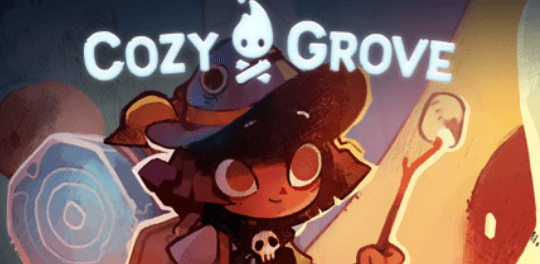
Cozy Grove places a Spirit Scout on a ghost-inhabited island with a daily task structure that limits how much the game can be played each sitting. Spirits reveal new tasks as relationships deepen, and the map slowly fills with color. GPA scores it high on Slow Life and Emotional Story — a life sim designed around the pace of one session per day rather than marathon play.
Tag Similarity
Emotional Story
65%
Story Depth
60%
Graphics
65%
Existential Themes
0%
Crafting
50%
Character Building
60%
Sandbox
0%
Co-op
45%
Chart tags: Emotional Story / Story Depth / Graphics / Existential Themes / Crafting / Character Building / Sandbox / Co-op
Story of Seasons: Let's Go! Grand Bazaar rebuilds the 2008 DS original in full 3D, centering weekly bazaar events as the primary economy alongside standard farm management. Players grow crops, raise animals, and fill the market stall to attract more visitors. Switch and Switch 2 versions launched August 2025; PS5 and Xbox followed in May 2026. GPA scores it high on育成 and Slow Life — the bazaar system distinguishes it from other farm sims in the series.
Tag Similarity
Emotional Story
60%
Story Depth
55%
Graphics
70%
Existential Themes
0%
Crafting
60%
Character Building
85%
Sandbox
55%
Co-op
50%
Chart tags: Emotional Story / Story Depth / Graphics / Existential Themes / Crafting / Character Building / Sandbox / Co-op
Journey sends a robed figure across a desert toward a distant mountain, with no dialogue and no explanation. Strangers encountered online can travel alongside you but cannot speak — only chirp. The two-hour runtime is structured like a piece of music, building to a conclusion that earns its emotional weight. GPA scores it at the top for Emotional Story and Existential Themes — the combination that identifies a game where the experience is the content.
Tag Similarity
Emotional Story
90%
Story Depth
55%
Graphics
75%
Existential Themes
85%
Crafting
0%
Character Building
0%
Sandbox
0%
Co-op
55%
Chart tags: Emotional Story / Story Depth / Graphics / Existential Themes / Crafting / Character Building / Sandbox / Co-op
Pok mon cards come to life in a competitive card game built around the Pok mon Trading Card Game ruleset. The mobile-first design keeps matches short while the deck-building layer rewards long-term investment. GPA scores it high on Strategy and Turn-Based, sitting close to Slay the Spire in the similarity rankings.
Tag Similarity
Emotional Story
50%
Story Depth
60%
Graphics
50%
Existential Themes
50%
Crafting
90%
Character Building
30%
Sandbox
100%
Co-op
50%
Chart tags: Emotional Story / Story Depth / Graphics / Existential Themes / Crafting / Character Building / Sandbox / Co-op
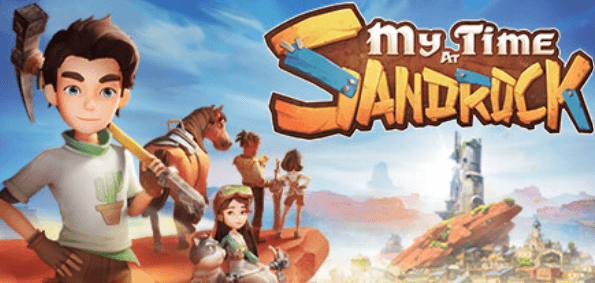
My Time at Sandrock continues the My Time at Portia formula in a desert post-apocalyptic setting 300 years after technology collapsed. Players restore machinery, build relationships, and develop the workshop in a town that responds to their economic output. Multiplayer supports co-op. GPA scores it high on Craft and育成 — the My Time entry with the strongest RPG integration and the largest content volume at launch.
Tag Similarity
Emotional Story
65%
Story Depth
70%
Graphics
65%
Existential Themes
0%
Crafting
80%
Character Building
85%
Sandbox
65%
Co-op
50%
Chart tags: Emotional Story / Story Depth / Graphics / Existential Themes / Crafting / Character Building / Sandbox / Co-op
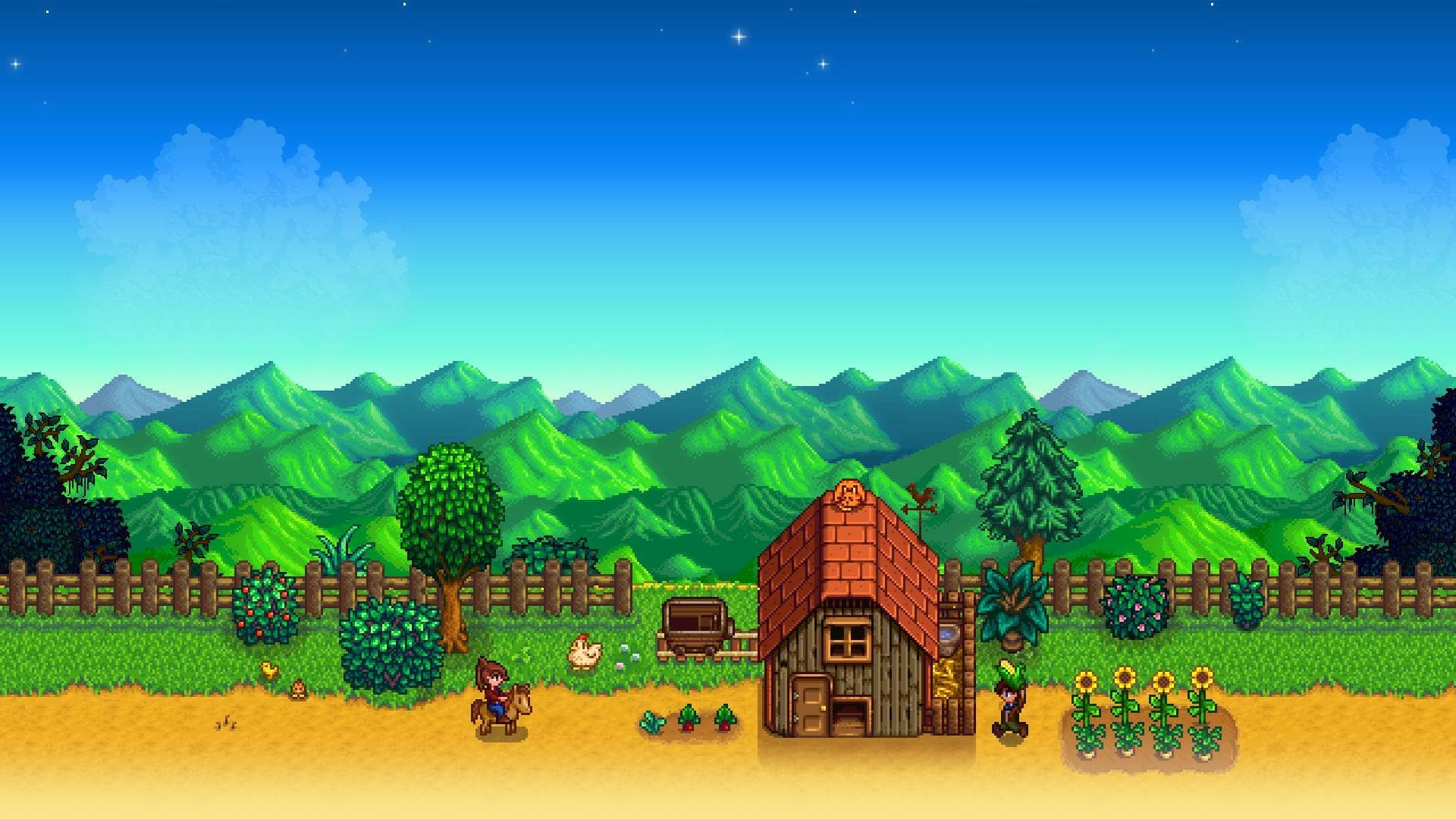
Stardew Valley rebuilds the harvest moon loop and expands it with a fully developed town of NPCs, a mine with escalating combat, and seasonal festivals. The co-op mode supports up to four players on the same farm. GPA scores it high on Slow Life and Co-op, with a Beginner score above 80 — the accessible entry point in the Craft-heavy cluster.
Tag Similarity
Emotional Story
55%
Story Depth
55%
Graphics
50%
Existential Themes
0%
Crafting
65%
Character Building
85%
Sandbox
70%
Co-op
60%
Chart tags: Emotional Story / Story Depth / Graphics / Existential Themes / Crafting / Character Building / Sandbox / Co-op
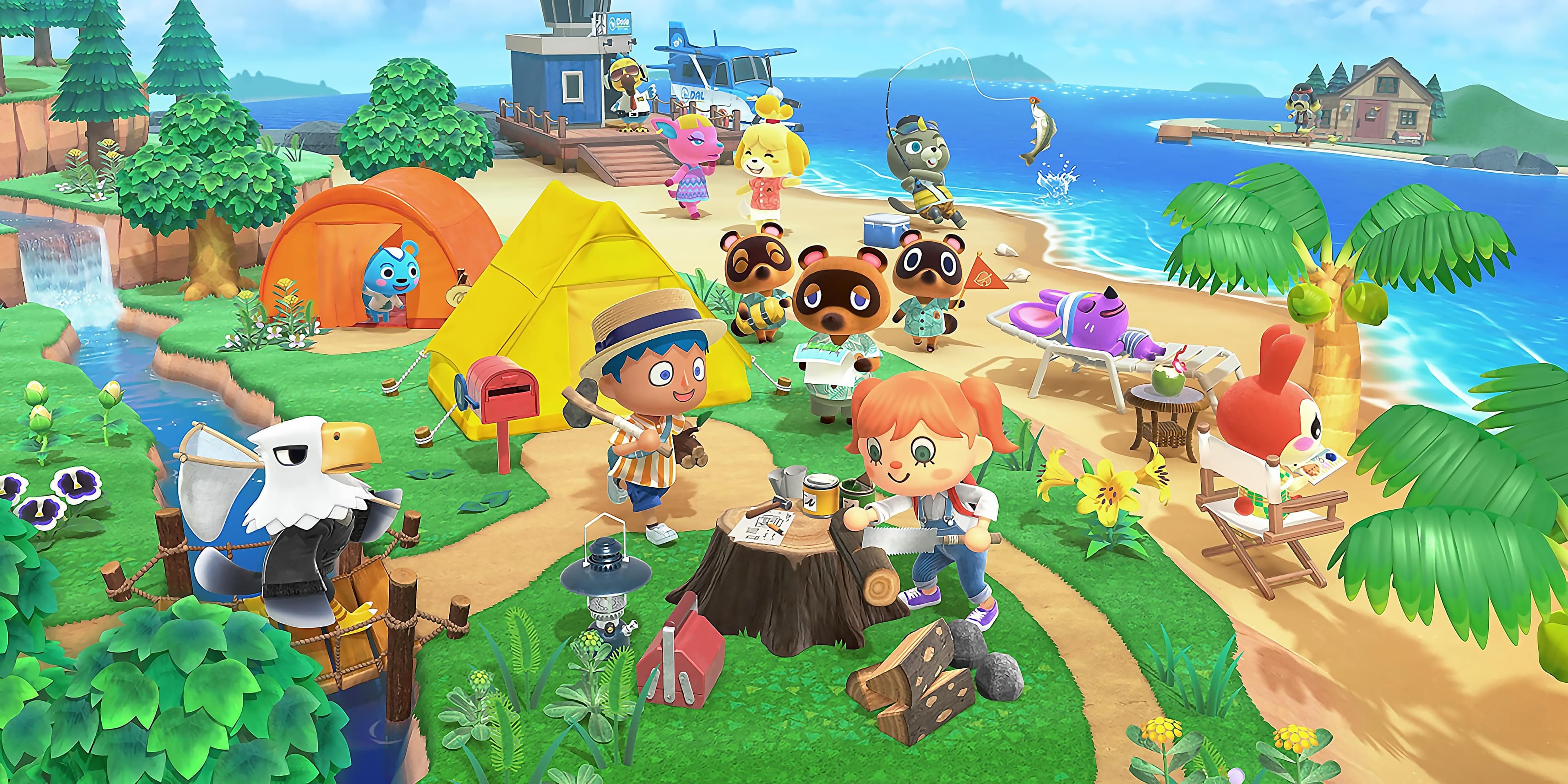
Animal Crossing: New Horizons moves the series to a deserted island and adds terraforming tools that let players reshape the terrain. The real-time calendar ties the game to the actual date. GPA scores it high on Slow Life and Co-op, with Collection above average — a positioning that places it near Stardew Valley in the similarity rankings while running lower on combat.
Tag Similarity
Emotional Story
40%
Story Depth
50%
Graphics
60%
Existential Themes
0%
Crafting
75%
Character Building
70%
Sandbox
80%
Co-op
65%
Chart tags: Emotional Story / Story Depth / Graphics / Existential Themes / Crafting / Character Building / Sandbox / Co-op
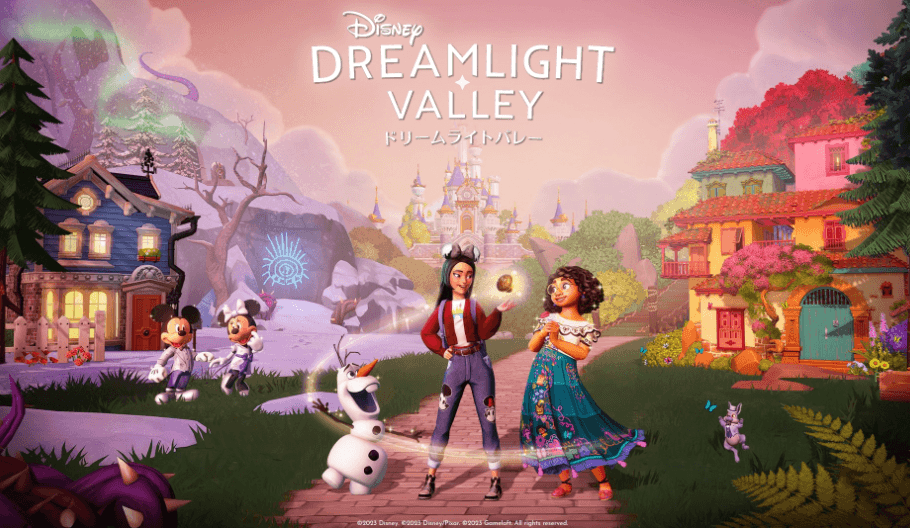
Disney Dreamlight Valley puts Disney and Pixar characters in a valley restoration simulation with farming, cooking, and friendship-building mechanics. The content updates deliver new characters and storylines seasonally. GPA scores it high on Slow Life and Co-op — the combination that describes the casual life simulation audience Disney's IP targets.
Tag Similarity
Emotional Story
50%
Story Depth
40%
Graphics
70%
Existential Themes
0%
Crafting
50%
Character Building
70%
Sandbox
50%
Co-op
50%
Chart tags: Emotional Story / Story Depth / Graphics / Existential Themes / Crafting / Character Building / Sandbox / Co-op
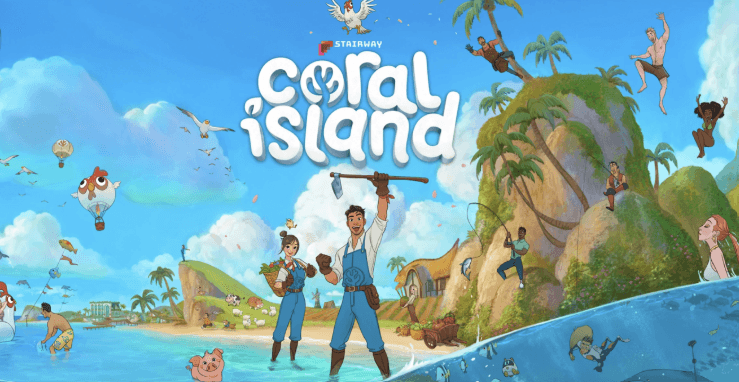
Coral Island centers reef restoration alongside the farm management and relationship systems of the life simulation genre. The diving mechanic ties ecological health to farm income. GPA scores it high on Slow Life and Co-op — the combination that places it close to Stardew Valley in the similarity rankings with an environmental focus that adds thematic distinctiveness.
Tag Similarity
Emotional Story
55%
Story Depth
50%
Graphics
75%
Existential Themes
0%
Crafting
50%
Character Building
70%
Sandbox
50%
Co-op
50%
Chart tags: Emotional Story / Story Depth / Graphics / Existential Themes / Crafting / Character Building / Sandbox / Co-op
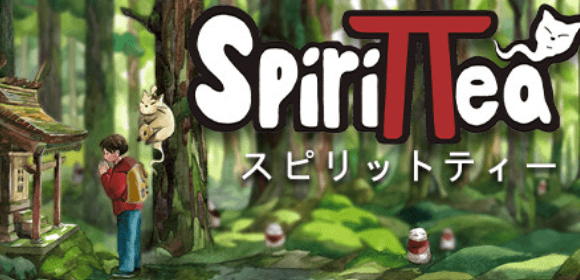
Spirittea runs a bathhouse for spirits in an East Asian village, combining Stardew Valley's social simulation with a ghost-identifying investigation loop. Each spirit has a specific need that unlocks through relationship-building. GPA scores it high on Slow Life and Emotional Story — a combination that places it in the cozy game cluster with additional narrative depth.
Tag Similarity
Emotional Story
60%
Story Depth
60%
Graphics
65%
Existential Themes
50%
Crafting
40%
Character Building
65%
Sandbox
0%
Co-op
0%
Chart tags: Emotional Story / Story Depth / Graphics / Existential Themes / Crafting / Character Building / Sandbox / Co-op
Sky: Children of the Light puts players in a fallen kingdom of clouds, sending them across seven realms to return ancestral spirits to the stars. Communication with other players is limited to gestures and light — no text, no voice. Strangers help each other through darkness without exchanging a single word. From the studio behind Journey, the free-to-play model has driven 260 million downloads. GPA scores it high on Co-op and Emotional Story — the combination that identifies an online game built entirely around kindness as a mechanic.
Tag Similarity
Emotional Story
85%
Story Depth
55%
Graphics
85%
Existential Themes
75%
Crafting
0%
Character Building
0%
Sandbox
0%
Co-op
85%
Chart tags: Emotional Story / Story Depth / Graphics / Existential Themes / Crafting / Character Building / Sandbox / Co-op
ABZÛ puts players inside a vast ocean and asks them to swim. The marine environments draw from Sumerian mythology, with fish schools that respond to movement. The two-hour journey ends with a conclusion that recontextualizes everything before it. GPA scores it high on Emotional Story and Graphics — a spiritual successor to Journey that replaces the desert with the sea.
Tag Similarity
Emotional Story
75%
Story Depth
0%
Graphics
85%
Existential Themes
70%
Crafting
0%
Character Building
0%
Sandbox
0%
Co-op
40%
Chart tags: Emotional Story / Story Depth / Graphics / Existential Themes / Crafting / Character Building / Sandbox / Co-op
What Remains of Edith Finch traces a cursed family's deaths through a sequence of vignettes — each family member's final moments rendered in a completely different game mechanic. Giant Sparrow and Annapurna Interactive. Switch, PS4, Xbox, PC. Won BAFTA Game of the Year 2018. GPA scores it at the top for Emotional Story — the walking game that demonstrated what no other medium can do with death as subject matter.
Tag Similarity
Emotional Story
95%
Story Depth
85%
Graphics
72%
Existential Themes
85%
Crafting
0%
Character Building
0%
Sandbox
0%
Co-op
0%
Chart tags: Emotional Story / Story Depth / Graphics / Existential Themes / Crafting / Character Building / Sandbox / Co-op
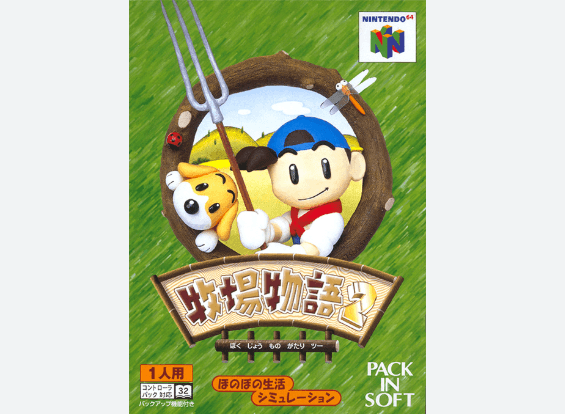
The second entry in the Story of Seasons series on N64 refined the farming, livestock, and marriage systems that the original established. Added to Nintendo Classics in December 2023. GPA scores it high on Slow Life and Collection — the farm sim entry that defined the series' core loop for successors to follow.
Tag Similarity
Emotional Story
55%
Story Depth
0%
Graphics
45%
Existential Themes
0%
Crafting
50%
Character Building
80%
Sandbox
50%
Co-op
0%
Chart tags: Emotional Story / Story Depth / Graphics / Existential Themes / Crafting / Character Building / Sandbox / Co-op
Dinkum drops players into an Australian outback island with four biomes — cold, desert, bushland, and tropical — and a town to build from a single tent. Farming, mining, fishing, and museum donation structure the progression. One developer built it over eight years. GPA scores it high on Craft and Sandbox — the life sim that most accurately renders Australian environmental design in the genre.
Tag Similarity
Emotional Story
50%
Story Depth
0%
Graphics
60%
Existential Themes
0%
Crafting
80%
Character Building
75%
Sandbox
75%
Co-op
60%
Chart tags: Emotional Story / Story Depth / Graphics / Existential Themes / Crafting / Character Building / Sandbox / Co-op
Firewatch puts Henry in a Wyoming fire lookout tower in 1989, with Delilah on the radio as his only contact. The forest mystery unfolds through radio conversation and first-person exploration across three days. GPA scores it high on Emotional Story and Story Depth — a walking game where the dialogue does the dramatic work that cutscenes would handle in a larger production.
Tag Similarity
Emotional Story
80%
Story Depth
75%
Graphics
75%
Existential Themes
65%
Crafting
0%
Character Building
0%
Sandbox
0%
Co-op
0%
Chart tags: Emotional Story / Story Depth / Graphics / Existential Themes / Crafting / Character Building / Sandbox / Co-op
TOEM gives players a camera and a series of towns where photo evidence completes requests from cheerful NPCs, building toward a natural phenomenon called TOEM at the journey's end. Something We Made. Switch, PS5, Xbox, PC. GPA scores it high on Slow Life and Emotional Story — the photography adventure that made helpfulness the game mechanic.
Tag Similarity
Emotional Story
70%
Story Depth
55%
Graphics
65%
Existential Themes
0%
Crafting
0%
Character Building
0%
Sandbox
0%
Co-op
0%
Chart tags: Emotional Story / Story Depth / Graphics / Existential Themes / Crafting / Character Building / Sandbox / Co-op
About "Spiritfarer"
▸Game Composition (GPA Analysis)
スピリットフェアラー leads with its 管理シミュレーション identity, anchored by the core feel of "Spiritfarer runs a ferry for the dead, asking players to fulfill the last wishes of passengers before sending them thr…." The headline profile reads Emotional Story 90% / Story Depth 80% / Graphics 80%, making it a strong pick for fans of Emotional Story and Story Depth. Skews toward a beginner-to-intermediate audience while still leaving room for more seasoned players.
▸Characteristics & Analysis
Our editorial team scored "スピリットフェアラー" by using its feel of 死と別れ, relaxing, and slow life as the primary lens, weighting Emotional Story and Story Depth most heavily. Top similar titles include "コージーグローブ(Cozy Grove)", "牧場物語 Let's!風のグランドバザール", "風ノ旅ビト(Journey)".
Review — Spiritfarer: a game about spending time together before saying goodbye
Game Overview
Spiritfarer is an adventure and management game about death, friendship, and learning how to say goodbye.
You play as Stella, a Spiritfarer whose job is to ferry spirits to the afterlife.
As you travel across the sea, you welcome spirits onto your boat, learn about them, take care of their needs, and eventually help them move on.
The boat can be expanded with farms, kitchens, workshops, and other facilities. You can gather resources, mine, fish, cook, craft, and explore new locations.
At first glance, it looks like a cozy management game.
And it is.
But the ultimate goal isn't to build the biggest or most efficient boat.
It's to spend time with the spirits living on it.
Then, eventually, say goodbye.
Thunder Lotus describes Spiritfarer as “a cozy management game about dying,” with Stella caring for spirits before releasing them into the afterlife.
Gameplay Analysis
Building the Boat Is About Taking Care of Someone
Spiritfarer contains many familiar management-game systems. You farm. Mine. Fish. Harvest resources. Cook. Craft. Build new facilities.
In a traditional management game, these systems might exist mainly to make your operation more efficient.
Spiritfarer gives them a different purpose.
You cook because your passengers need food.
You build because a spirit needs something.
You gather resources because you need to fulfill someone's request.
You expand the boat because you want to take care of the people living on it.
Thunder Lotus has explicitly explained that boat optimization, resource gathering, crafting, farming, and fishing were designed around caring for the spirits rather than simply maximizing efficiency.
That changes the meaning of the management systems.
The important question isn't simply: “What should I build?”
It's: “Who am I building this for?”
Relationships Become Gameplay
In Spiritfarer, relationships aren't developed only through dialogue and cutscenes.
You cook for the spirits.
Learn what they like.
Complete their requests.
Build things they need.
Spend time with them.
And sometimes, simply give them a hug.
Thunder Lotus describes these actions as ways of turning kindness into something the player actually does, rather than something that exists only in the story.
That's one of the game's most effective ideas.
Being kind isn't just a narrative choice. It is gameplay.
A Cozy Game About Death
Visually, Spiritfarer feels warm and peaceful.
The world is colorful.
The characters are charming.
You can farm, cook, fish, and build things on your boat.
The pace is generally relaxed.
But the central theme is death.
That's what makes the game unusual.
Death isn't primarily presented as something the player needs to defeat or avoid.
Instead, the game asks what it means to spend someone's final days with them.
The question becomes: “How do I spend the time I have left with this person?”
That idea is reflected in GPA's 90% Emotional Story and 75% Existential Themes scores.
The emotional impact comes not only from the subject matter, but from the way the gameplay is built around it.
The Time You Spend Together Makes Goodbye Matter
The spirits don't simply appear and disappear.
You live with them.
You cook for them.
Help them.
Travel with them.
Build things for them.
Gradually, you learn who they are.
That's why saying goodbye can feel different from simply watching a sad scene in a game.
The player has spent time with these characters.
The relationship exists partly because of things the player actually did.
The ordinary moments become important precisely because they eventually come to an end.
The Boat Is Both a Base and a Home
Your boat is more than a means of transportation.
It's where the spirits live.
It's where you grow crops, cook meals, build facilities, and spend time together.
As the boat develops, it becomes a more complete living space.
That makes the boat feel less like a conventional management-game base and more like a shared home.
Expanding it isn't simply about increasing efficiency. You're creating a place where these characters can live comfortably.
Caring Matters More Than Optimization
From a management-game perspective, Spiritfarer is unusual.
There are resources to collect and facilities to build, so efficiency is clearly part of the experience.
But maximizing production isn't the central goal.
You are constantly paying attention to the spirits themselves.
What do they need?
What do they like?
How are they feeling?
Thunder Lotus has explained that spirits have individual moods that can be affected by different factors, making their well-being part of the gameplay as well as the game's themes.
The result is a management system where the things you're managing are not just buildings and resources. You're taking care of people.
What the GPA Scores Tell Us
The current GPA scores are:
Title tendency chart (Spiritfarer)
Emotional Story ◀
90%
Story Depth ◀
80%
Graphics ◀
80%
Existential Themes ◀
75%
Crafting
60%
Character Growth
60%
Sandbox
55%
Co-op
50%
* Based on GPA sub-tag scores. Emotional story and farewell-themed narrative dominate.
The difference between Emotional Story at 90% and Crafting at 60% is especially revealing.
Crafting and management are important, but they're not the main reason to play.
The relationships with the spirits are.
The GPA audience scores also lean toward Beginners at 75% and Intermediate players at 70%, while Advanced players are at 40%.
That fits a game that prioritizes relaxed exploration, character relationships, and emotional storytelling over demanding mechanics.
Author's Thoughts
What stands out most about Spiritfarer is how much value it places on simply spending time with someone.
You expand the boat.
Build new facilities.
Travel to new places.
Gather resources.
But behind all of those activities are the spirits.
You're doing these things for someone.
That makes even simple tasks feel meaningful.
And there's an important difference from most games about companions.
Usually, gaining a new companion means gaining another ability or becoming stronger.
In Spiritfarer, gaining a companion also means gaining another eventual goodbye.
You know that the relationship has an ending.
And yet you still choose to spend time together.
That's where much of the game's emotional power comes from.
Conclusion
Spiritfarer is a management adventure about building a boat, exploring the world, gathering resources, and caring for spirits.
But the boat isn't the real destination.
The real experience is meeting these characters, looking after them, spending time with them, and eventually helping them move on.
Farming, cooking, fishing, mining, and crafting all support that central experience.
The GPA scores reflect it clearly, with 90% for Emotional Story, 80% for Story Depth, and 75% for Existential Themes.
Spiritfarer takes the subject of death and approaches it not through fear, but through care.
It isn't really a game about learning how to die. It's a game about learning how to say goodbye.