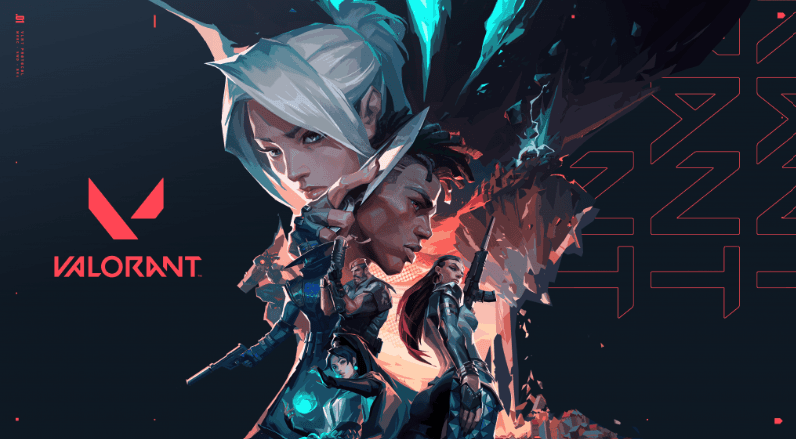
VALORANT's 5v5 tactical format pairs precise gunplay with Agent abilities that change site control without replacing individual aim as the deciding factor. GPA scores it high on Strategy and Co-op — the combination that positions it between Counter-Strike's mechanical discipline and Overwatch's ability-forward design.
Game Characteristics
Action
90%
Co-op
90%
High Difficulty
85%
Strategy
85%
Graphics
75%
Character Building
60%
Roguelike
30%
Player profile fit
Recommended for: Intermediate to Advanced players (A score of 50 or higher indicates a good fit.)
Beginner
30
Intermediate
60 ✓
Advanced
88 ✓
Keywords
tactical FPSエージェント制e-sports競技free to playRiot Games
Gameplay Profile Chart
Adjust tag ratios to instantly update similar titles in real time.
Action
90%
Co-op
90%
High Difficulty
85%
Strategy
85%
Graphics
75%
Character Building
60%
Roguelike
30%
Top 8 Tags — Radar Chart
CurrentOriginal
Games Similar to VALORANT (474)
GPA match scores are calculated from gameplay profile tags. They are not editorial “feels like this game” ratings.
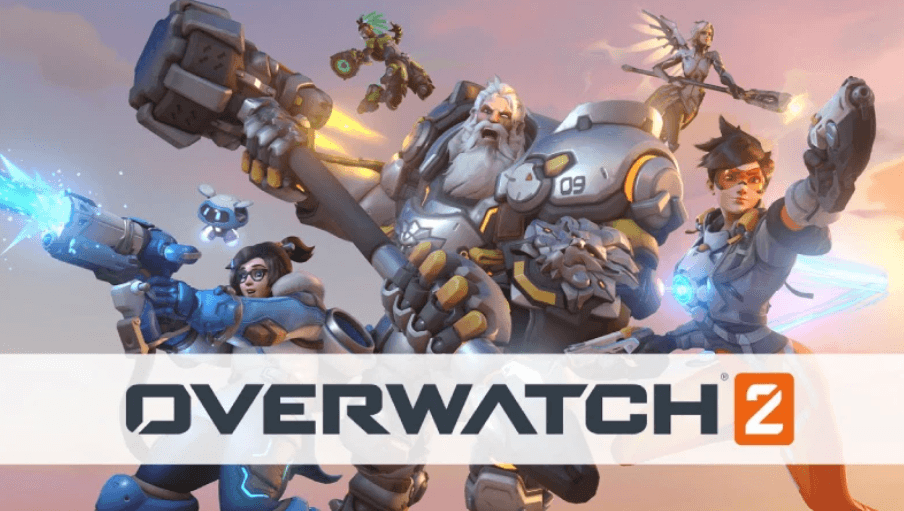
Overwatch restructured the team shooter around role composition, with tank, damage, and support heroes whose abilities are designed to function in combination. The current 5v5 format removed the second tank. GPA scores it high on Co-op and Action — the combination that describes a game where team coordination is the primary skill expression.
Tag Similarity
Action
85%
Co-op
95%
High Difficulty
75%
Strategy
80%
Graphics
85%
Character Building
55%
Roguelike
30%
Chart tags: Action / Co-op / High Difficulty / Strategy / Graphics / Character Building / Roguelike
Marvel Rivals puts Marvel characters into a 6v6 hero shooter format, with team-up abilities that activate between specific character combinations. The free-to-play model launched with a complete roster. GPA scores it high on Co-op and Action — the combination that describes the hero shooter genre's core proposition.
Tag Similarity
Action
85%
Co-op
90%
High Difficulty
65%
Strategy
75%
Graphics
85%
Character Building
40%
Roguelike
0%
Chart tags: Action / Co-op / High Difficulty / Strategy / Graphics / Character Building / Roguelike
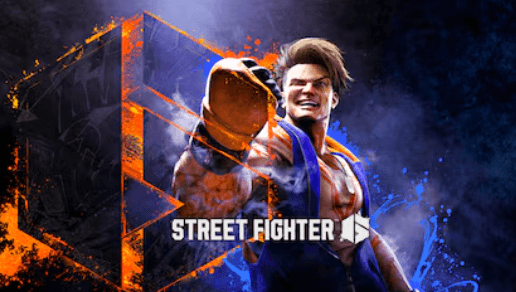
Street Fighter 6 introduced the Drive System and the Modern control option simultaneously, expanding the competitive ceiling while lowering the entry point. The World Tour mode contextualizes the roster. GPA scores it high on Action and Strategy — the combination that describes a fighting game where both mechanical execution and read-based decision-making are rewarded.
Tag Similarity
Action
95%
Co-op
80%
High Difficulty
80%
Strategy
80%
Graphics
85%
Character Building
50%
Roguelike
0%
Chart tags: Action / Co-op / High Difficulty / Strategy / Graphics / Character Building / Roguelike
Guilty Gear Strive rebuilt the series around wider accessibility without removing the depth that defined it. The rock soundtrack and anime-quality animation remain the most immediate presentation in the genre. GPA scores it high on Action and Graphics — the combination that describes the fighting game most defined by its audiovisual identity alongside its mechanics.
Tag Similarity
Action
90%
Co-op
70%
High Difficulty
80%
Strategy
75%
Graphics
95%
Character Building
40%
Roguelike
0%
Chart tags: Action / Co-op / High Difficulty / Strategy / Graphics / Character Building / Roguelike
Orcs Must Die! 3 scales its trap placement and combat hybrid to War Scenarios with hundreds of enemies on screen simultaneously. The co-op mode supports two players. GPA scores it high on Strategy and Co-op — an action-tower defense built around cooperative trap engineering.
Tag Similarity
Action
80%
Co-op
80%
High Difficulty
70%
Strategy
85%
Graphics
75%
Character Building
70%
Roguelike
0%
Chart tags: Action / Co-op / High Difficulty / Strategy / Graphics / Character Building / Roguelike
Destiny 2 structures its cooperative shooter around a seasonal story model, with each season adding a narrative chapter and new activities. The gunplay remains the benchmark for the loot-shooter genre. GPA scores it high on Co-op and Action, with a lower Story Depth score reflecting the seasonal delivery format.
Tag Similarity
Action
85%
Co-op
85%
High Difficulty
65%
Strategy
55%
Graphics
85%
Character Building
70%
Roguelike
30%
Chart tags: Action / Co-op / High Difficulty / Strategy / Graphics / Character Building / Roguelike
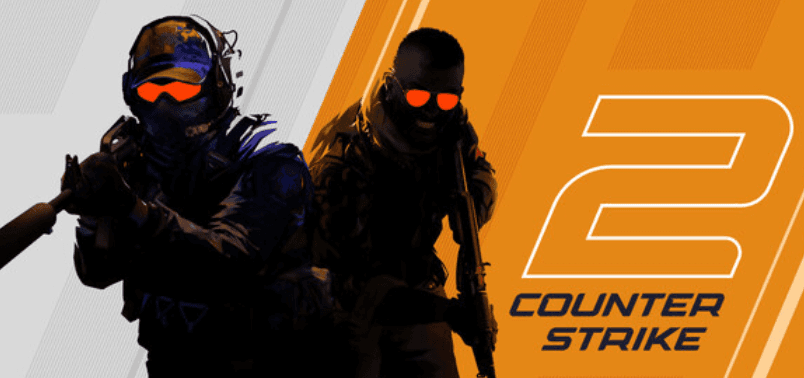
Counter-Strike 2 migrates CS:GO to Source 2, adding volumetric smoke grenades that interact with bullets and a sub-tick server architecture that reduces registration variance. Free to play. Valve. PC only. GPA scores it at the top for Action and Strategy — the competitive FPS that has defined the genre's skill ceiling for over two decades.
Tag Similarity
Action
88%
Co-op
85%
High Difficulty
88%
Strategy
90%
Graphics
70%
Character Building
0%
Roguelike
0%
Chart tags: Action / Co-op / High Difficulty / Strategy / Graphics / Character Building / Roguelike
Rainbow Six Siege builds its 5v5 tactical structure around soft and hard destructible surfaces — walls become entry points, floors become sightlines. Over 100 Operators each carry a unique gadget that changes how a site is defended or attacked. Ubisoft Montreal. PS4/5, Xbox One/Series, PC. GPA scores it at the top for Strategy among shooters — the FPS where pre-round planning determines outcome more than aim.
Tag Similarity
Action
82%
Co-op
88%
High Difficulty
85%
Strategy
92%
Graphics
72%
Character Building
0%
Roguelike
0%
Chart tags: Action / Co-op / High Difficulty / Strategy / Graphics / Character Building / Roguelike
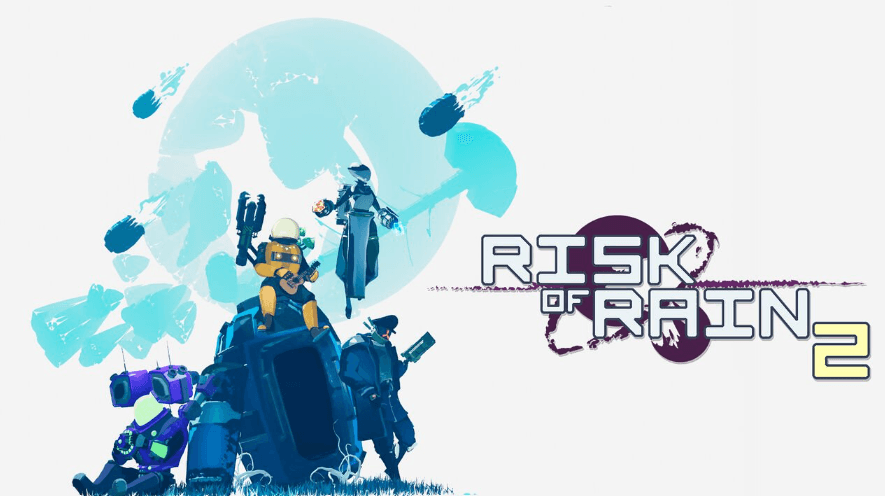
Risk of Rain 2 scales enemy difficulty in real time — the longer the run, the harder it gets. Item stacking compounds exponentially, turning a cautious survivor into a screen-clearing force within a single stage. Twelve survivors with distinct playstyles cover every combat preference. GPA scores it high on Roguelike and Action — the combination that describes a game where the power curve is the content.
Tag Similarity
Action
80%
Co-op
70%
High Difficulty
75%
Strategy
65%
Graphics
70%
Character Building
70%
Roguelike
90%
Chart tags: Action / Co-op / High Difficulty / Strategy / Graphics / Character Building / Roguelike
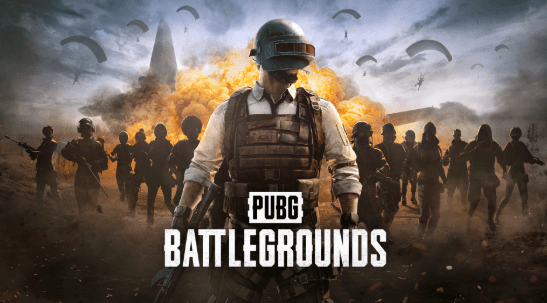
PUBG: Battlegrounds established the battle royale genre's defining loop — 100 players, one map, one survivor — before Fortnite or Apex. The gunplay runs on realistic ballistics and minimal aim assist. GPA scores it high on Action and Strategy — the combination that describes a shooter where circle positioning and loadout decisions matter as much as aim.
Tag Similarity
Action
80%
Co-op
85%
High Difficulty
50%
Strategy
80%
Graphics
75%
Character Building
0%
Roguelike
0%
Chart tags: Action / Co-op / High Difficulty / Strategy / Graphics / Character Building / Roguelike
THE FINALS runs team combat through a fully destructible game show environment where collapsing buildings, explosive barrels, and environmental weapons are as important as gunplay. Embark Studios, former Battlefield developers. Free to play. PS5, Xbox Series X|S, PC. GPA scores it high on Action and Co-op — the team shooter that made environmental destruction a primary tactical resource rather than a visual flourish.
Tag Similarity
Action
82%
Co-op
82%
High Difficulty
65%
Strategy
72%
Graphics
78%
Character Building
0%
Roguelike
0%
Chart tags: Action / Co-op / High Difficulty / Strategy / Graphics / Character Building / Roguelike
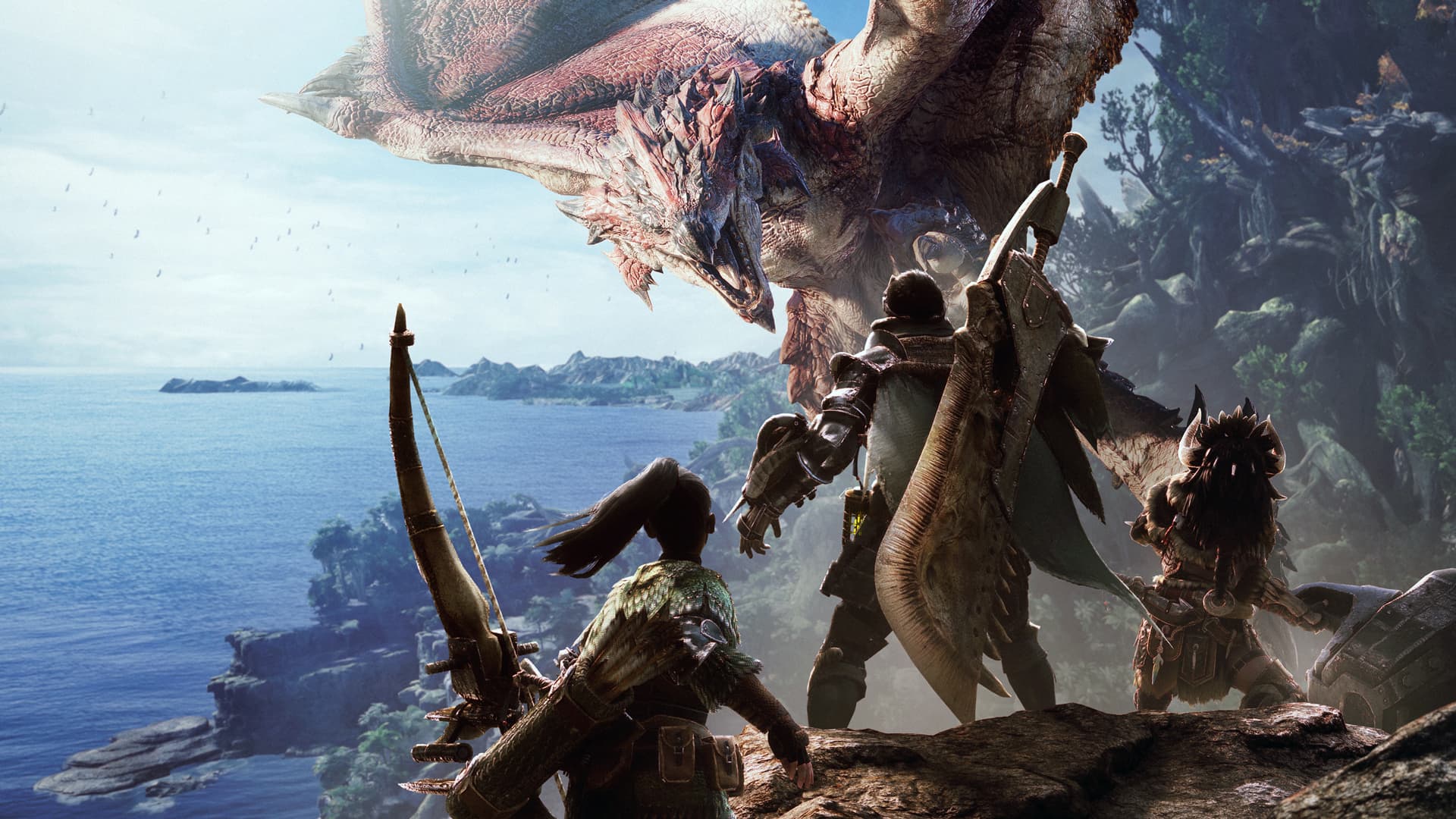
Monster Hunter: World brought the series out of handheld isolation and into a seamlessly connected open environment. Tracking monsters through the environment before engaging is the intended loop. GPA scores it high on Co-op and Action, with Craft and Collection axes adding the gear progression layer that drives long-term play.
Tag Similarity
Action
90%
Co-op
90%
High Difficulty
75%
Strategy
70%
Graphics
85%
Character Building
90%
Roguelike
0%
Chart tags: Action / Co-op / High Difficulty / Strategy / Graphics / Character Building / Roguelike
Helldivers 2 sends four Helldivers to hostile planets under the banner of Super Earth's democracy, calling in weapons and reinforcements through timed button sequences called Stratagems. The galactic war meta-game updates in real time across all players. Arrowhead Game Studios, PlayStation Studios. PS5, PC. GPA scores it at the top for Co-op — the squad shooter that made cooperative chaos the design goal rather than a side effect.
Tag Similarity
Action
82%
Co-op
95%
High Difficulty
68%
Strategy
72%
Graphics
78%
Character Building
0%
Roguelike
0%
Chart tags: Action / Co-op / High Difficulty / Strategy / Graphics / Character Building / Roguelike
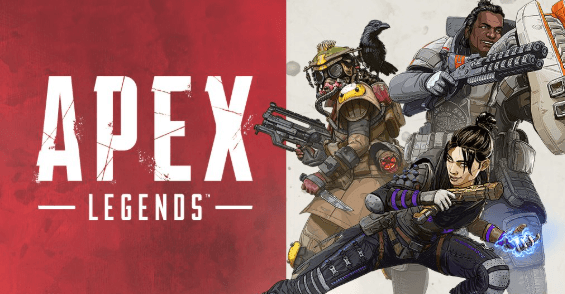
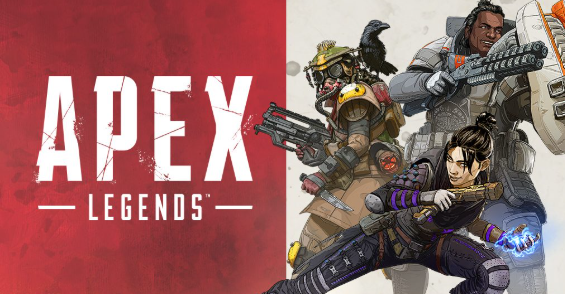
Apex Legends dropped in February 2019 without announcement and reached ten million players in 72 hours. The ping communication system, tiered shield structure, and Legend abilities lowered the barrier to competitive FPS without removing the skill ceiling. GPA scores it at 95% for both Action and Co-op — a dual maximum that describes a shooter where team design is structural, not optional.
Tag Similarity
Action
95%
Co-op
95%
High Difficulty
80%
Strategy
75%
Graphics
80%
Character Building
0%
Roguelike
30%
Chart tags: Action / Co-op / High Difficulty / Strategy / Graphics / Character Building / Roguelike
Monster Hunter Rise: Sunbreak adds a second continent, a new rank tier, and the Silkbind and Switch Skill systems that deepen the 14-weapon framework. GPA scores it close to World on Co-op and Action, with Craft above average for the expanded gear system.
Tag Similarity
Action
90%
Co-op
90%
High Difficulty
75%
Strategy
70%
Graphics
80%
Character Building
85%
Roguelike
0%
Chart tags: Action / Co-op / High Difficulty / Strategy / Graphics / Character Building / Roguelike
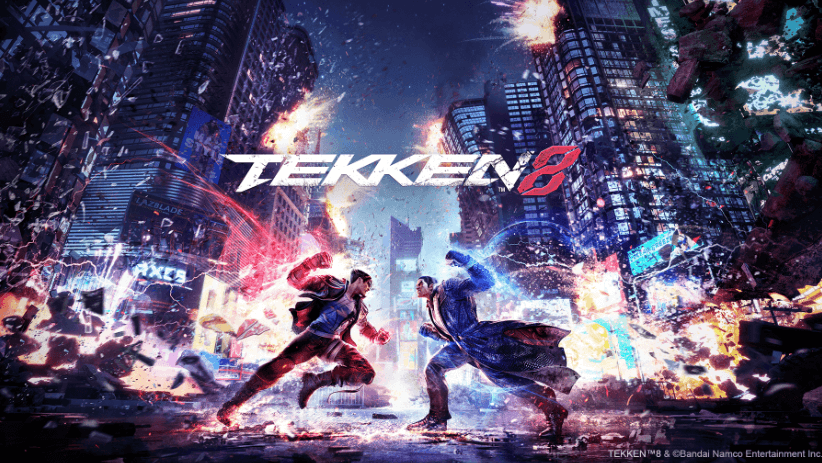
Tekken 8 closes the Mishima father-son conflict with the Heat System forcing aggressive engagement. The legacy roster carries decades of matchup knowledge. GPA scores it high on Action and Co-op — the competitive multiplayer focus — with Story Depth above the fighting game average reflecting the mainline narrative conclusion.
Tag Similarity
Action
90%
Co-op
70%
High Difficulty
75%
Strategy
70%
Graphics
90%
Character Building
40%
Roguelike
0%
Chart tags: Action / Co-op / High Difficulty / Strategy / Graphics / Character Building / Roguelike
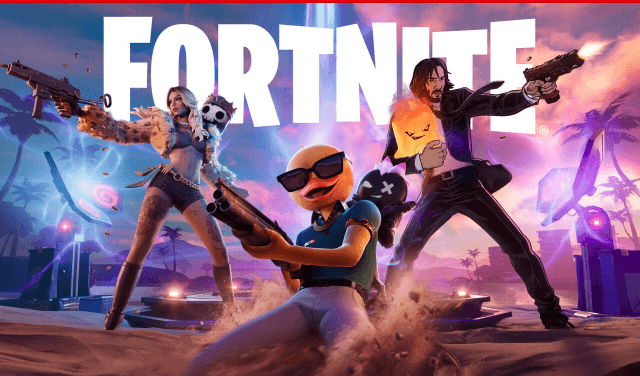
Fortnite layered building construction onto the battle royale format and became a cultural reference point through IP crossovers and seasonal events. The Zero Build mode removes the construction layer for players who prefer pure shooting. GPA scores it high on Co-op and Action, with a Beginner score above average reflecting the accessibility of Zero Build.
Tag Similarity
Action
80%
Co-op
80%
High Difficulty
60%
Strategy
55%
Graphics
75%
Character Building
0%
Roguelike
30%
Chart tags: Action / Co-op / High Difficulty / Strategy / Graphics / Character Building / Roguelike
Monster Hunter Wilds expands the series into fully seamless open environments where biome conditions change the available monsters and hunting strategies in real time. GPA scores it high on Action and Co-op — the flagship entry in the series' most ambitious structural iteration.
Tag Similarity
Action
95%
Co-op
90%
High Difficulty
80%
Strategy
75%
Graphics
90%
Character Building
90%
Roguelike
0%
Chart tags: Action / Co-op / High Difficulty / Strategy / Graphics / Character Building / Roguelike
Perfect Dark follows GoldenEye's mission structure with a female protagonist, alien conspiracy plot, and an expanded multiplayer suite including AI bots at variable difficulty. The Combat Simulator supported eight bots to compensate for the N64's four-player hardware limit. Available through Nintendo Classics (18+ version). GPA scores it high on Action — GoldenEye's spiritual successor that exceeded its predecessor's content volume.
Tag Similarity
Action
82%
Co-op
78%
High Difficulty
68%
Strategy
60%
Graphics
58%
Character Building
0%
Roguelike
0%
Chart tags: Action / Co-op / High Difficulty / Strategy / Graphics / Character Building / Roguelike
Dungeon Defenders: Going Rogue takes the hybrid tower defense and hero action format into a roguelite structure. Each run builds a different loadout from available upgrades. GPA scores it high on Roguelike and Strategy — the tower defense genre's most mechanically dense roguelite entry.
Tag Similarity
Action
75%
Co-op
85%
High Difficulty
75%
Strategy
85%
Graphics
0%
Character Building
80%
Roguelike
85%
Chart tags: Action / Co-op / High Difficulty / Strategy / Graphics / Character Building / Roguelike
About "VALORANT"
▸Game Composition (GPA Analysis)
VALORANT(ヴァロラント) leads with its Tactical FPS identity, anchored by the core feel of "VALORANT's 5v5 tactical format pairs precise gunplay with Agent abilities that change site control without replacing i…." The headline profile reads Action 90% / Co-op 90% / High Difficulty 85%, making it a strong pick for fans of Action and Co-op. Oriented toward experienced players looking to push their limits.
▸Characteristics & Analysis
Our editorial team scored "VALORANT(ヴァロラント)" by using its feel of tactical FPS, エージェント制, and e-sports競技 as the primary lens, weighting Action and Co-op most heavily. Top similar titles include "オーバーウォッチ2(Overwatch2)", "Marvel Rivals(マーベル ライバルズ)", "Street Fighter 6(スト6)".
VALORANT — A Tactical FPS Where Aim Is Only Part of the Game
Game Overview
VALORANT is a 5v5 tactical shooter developed by Riot Games.
Players are divided into attacking and defending teams, with rounds built around precise gunplay, tactical abilities, and coordinated team play. In its core mode, attackers attempt to plant the Spike while defenders try to stop them.
What separates VALORANT from a traditional tactical FPS is its roster of Agents, each equipped with unique abilities.
That means winning a gunfight is only one part of the equation. Players also need to gather information, control space, manage resources, coordinate with teammates, and decide when to take a fight.
PlayStation describes VALORANT as a character-based tactical shooter built around precise gunplay, abilities, and team strategy. (PlayStation)
Gameplay Analysis
Aim Is Only Part of the Equation
At its core, VALORANT is still a shooter.
You need to aim accurately, control your movement, and win gunfights. But raw aim alone is rarely enough.
If you do not know where the enemy is, even the best aim can leave you at a disadvantage.
On the other hand, gathering information and creating a favorable situation with your teammates can make individual gunfights much easier.
Riot identifies information gathering and denial, coordinated movement, methodical angle clearing, and ability usage as important parts of tactical shooter gameplay. (Riot Games)
That creates a basic flow:
Gather information → make a decision → use abilities → coordinate → take the fight.
The shooting is important, but everything leading up to the shot matters too.
Agents Change the Way You Approach a Round
Every Agent has a different set of abilities.
Some can block vision with smokes. Others can gather information, restrict enemy movement, or control areas of the map.
As a result, the same map can play very differently depending on which Agents are on each team.
A smoke can cut off an angle and make an entry safer.
A scouting ability can reveal an enemy position before your team commits.
A defensive ability can make a site much harder to attack.
The important point is that these abilities do not replace gunplay.
They create situations in which gunplay becomes more favorable.
PlayStation similarly describes Agent abilities as tools that create opportunities for the game's gunplay to shine. (PlayStation)
Every Round Is a Resource Management Problem
VALORANT also asks players to think beyond the current firefight.
At the start of each round, players spend credits on weapons and equipment. Sometimes you can afford the rifle and utility you want. Other times, saving your money for the next round may be the better decision.
That creates an additional layer of strategy.
The question is not simply: Can we win this round?
It can also be: How much should we risk to win it?
Riot's official description highlights the credit system and the ability to purchase different weapons based on your playstyle and team needs. (Xbox.com)
A team that manages its economy well can create stronger opportunities in later rounds.
Sometimes Waiting Is the Right Play
VALORANT rewards patience as much as aggression.
As a defender, you might hold an angle and wait for the attackers to commit.
As an attacker, you might delay the push until the defenders have used important abilities.
You can also fall back, gather information, and change your plan instead of forcing the same attack.
Riot has explained that the game's maps and combat systems are designed to give players holding territory a natural advantage. Moving players are also less accurate when firing, reinforcing the importance of positioning and timing. (Riot Games)
In other words, the question is not just who shoots first.
It is often who chooses the better moment to fight.
Information Is a Weapon
One of the most important resources in VALORANT is information.
Spotting an enemy can be valuable.
Hearing footsteps can be valuable.
Knowing that an enemy has already used a particular ability can be valuable.
Even learning where the Spike is can completely change your team's next decision.
The opposite is also true. Giving away your own position or intentions can allow the enemy to prepare a counterattack.
Riot has discussed how enemy visibility and information can affect not only individual fights but strategic decisions across an entire round. (Riot Games)
That makes communication and information management a major part of the game.
Teamwork Matters as Much as Individual Skill
GPA gives VALORANT a 90% Co-op score.
That does not simply mean that five players can enter a match together. It reflects how strongly the game's mechanics reward coordination.
One player might create an opening with a smoke.
Another gathers information.
A third player follows up with an attack.
A fourth watches the flank.
A fifth holds a different angle.
None of those actions necessarily produces the most kills, but together they can determine whether a round succeeds.
This is why VALORANT can feel very different from a shooter where individual performance dominates the outcome.
What the GPA Scores Tell Us
Title tendency chart (VALORANT)
Action ◀
90%
Co-op ◀
90%
High Difficulty ◀
85%
Strategy ◀
85%
Graphics
75%
Character Growth
60%
* Based on GPA sub-tag scores. Aim, information, coordination, and decision-making as one tactical FPS loop.
Target player scores (50+ = recommended fit)
Beginner30
Intermediate60
Advanced88
The strongest GPA scores for VALORANT are 90% Action, 90% Co-op, 85% High Difficulty, and 85% Strategy. It also scores 75% for Graphics and 60% for Character Growth.
Those numbers describe the game's identity quite well.
The 90% Action score reflects the importance of aim, movement, reaction speed, and gunplay.
The 85% Strategy score comes from everything surrounding the shooting: positioning, information, ability usage, economy, timing, and round planning.
And the 90% Co-op score highlights how much the game rewards coordinated team play.
The 85% High Difficulty score is also significant.
GPA rates the game at 30 for beginners, 60 for intermediate players, and 88 for advanced players.
The basic rules are relatively easy to understand, but becoming consistently good requires much more: aim, map knowledge, Agent knowledge, positioning, communication, and decision-making.
That creates a very clear learning curve.
The more you play, the more details you begin to recognize.
Author's Thoughts
The most satisfying part of VALORANT is not necessarily getting the final kill.
Sometimes it is making the right decision before the fight even starts.
You predict where the enemy is.
You use a smoke to remove their line of sight.
Your teammate gathers information.
You wait for the right moment.
Then you execute the attack.
When the plan works, the resulting kill feels like the final step of a much larger decision.
Of course, mechanical skill still matters. A player with excellent aim can completely change the outcome of a round.
But the longer you play VALORANT, the more obvious it becomes that aim is only one part of the game.
Aim, information, abilities, teamwork, and decision-making all have to work together.
That combination is what makes VALORANT such a demanding tactical shooter.
Conclusion
VALORANT combines precise gunplay with Agent abilities, resource management, information gathering, and team strategy.
Its GPA profile reflects that balance: 90% Action, 90% Co-op, 85% High Difficulty, and 85% Strategy.
It is a strong fit for players who:
Enjoy competitive FPS games
Want to improve their aim
Like coordinating with teammates
Enjoy tactical decision-making
Prefer games with a deep learning curve
Want a competitive game where improvement comes through repeated play
The defining idea is simple: Winning is not just about shooting better.
It is about creating a better situation before the shot happens.
Gather information, control space, use your abilities, coordinate with your team, and choose the right moment to fight.
That combination of mechanical skill and tactical decision-making is at the heart of VALORANT.