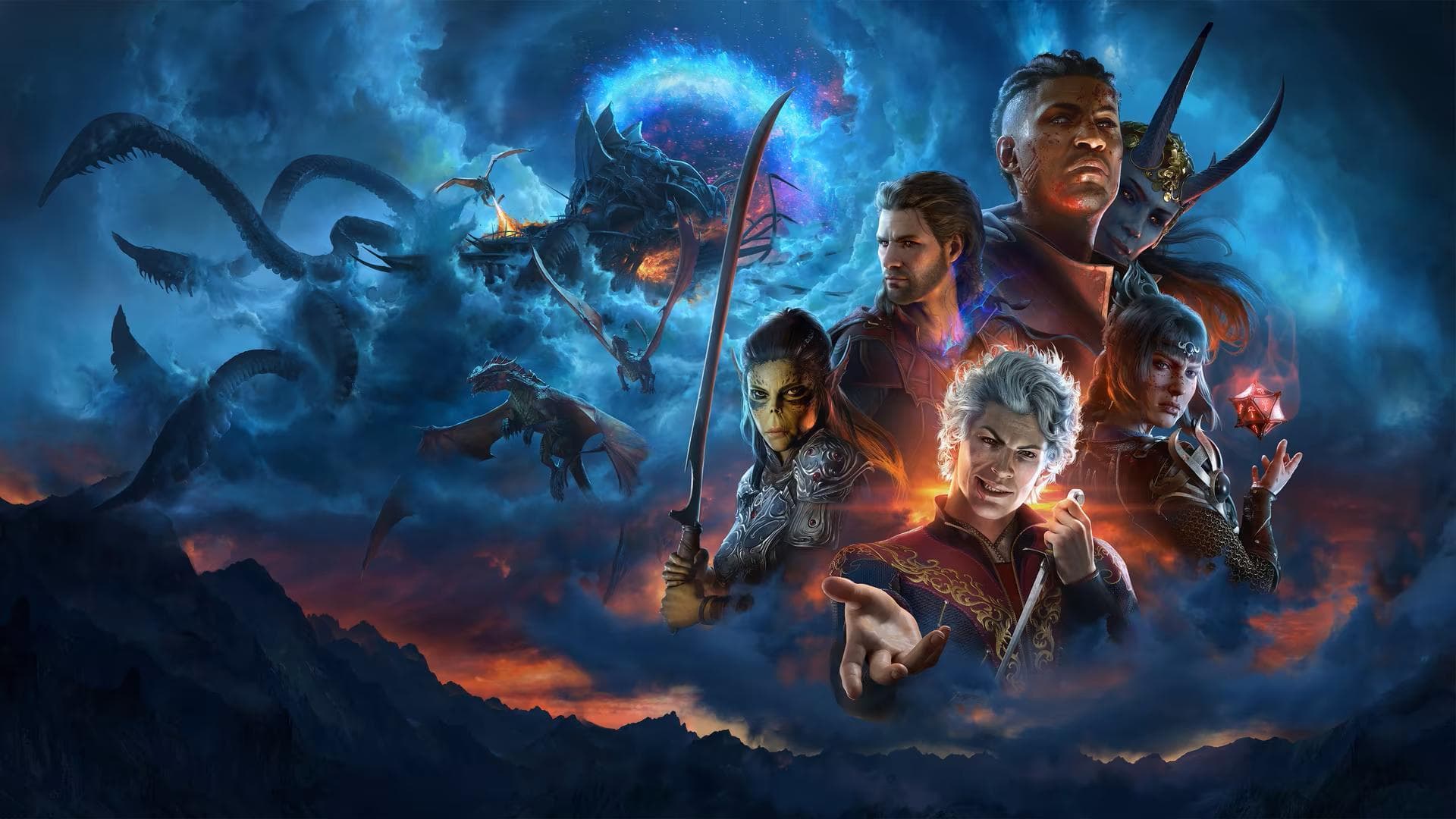
Baldur's Gate 3 adapts Dungeons & Dragons 5th edition rules into a 100-hour RPG where nearly every decision carries downstream consequences. Co-op supports up to four players through the full campaign. GPA scores it at the top for Co-op and Multiple Endings, with Story Depth close behind — a combination that suits players who want a reactive world rather than a directed one.
Game Characteristics
Strategy
95%
Multiple Endings
90%
Story Depth
85%
Graphics
80%
Visual Novel / ADV
80%
Open World
70%
Co-op
70%
High Difficulty
65%
Emotional Story
65%
Horror
30%
Player profile fit
Recommended for: Beginner to Advanced players (A score of 50 or higher indicates a good fit.)
Divinity: Original Sin 2 builds on the first game's co-op tactical combat with stronger writing and a wider skill system. Environmental interactions — burning oil, freezing water — chain into the combat. GPA scores it at the top for Strategy and Co-op, with Multiple Endings above average — a positioning that describes a CRPG where the systems support rather than compete with the story.
Tag Similarity
Strategy
90%
Multiple Endings
80%
Story Depth
85%
Graphics
0%
Visual Novel / ADV
75%
Open World
0%
Co-op
80%
High Difficulty
70%
Chart tags: Strategy / Multiple Endings / Story Depth / Graphics / Visual Novel / ADV / Open World / Co-op / High Difficulty
Starfield gives players a thousand planets and the tools to build a ship from components. The RPG systems — skills, companions, factions — run deep underneath the exploration. GPA scores it high on Open World and Sandbox, with Story Depth above average reflecting Bethesda's continued investment in faction writing.
Tag Similarity
Strategy
55%
Multiple Endings
65%
Story Depth
60%
Graphics
70%
Visual Novel / ADV
40%
Open World
90%
Co-op
0%
High Difficulty
30%
Chart tags: Strategy / Multiple Endings / Story Depth / Graphics / Visual Novel / ADV / Open World / Co-op / High Difficulty
SaGa Emerald Beyond builds its five protagonists across 17 worlds using a Timeline Battle system that rewards reading enemy positioning. GPA scores it high on Turn-Based and Multiple Endings — the SaGa series' signature branching narrative applied to its most mechanically complex combat system.
Tag Similarity
Strategy
85%
Multiple Endings
85%
Story Depth
80%
Graphics
75%
Visual Novel / ADV
60%
Open World
0%
Co-op
0%
High Difficulty
70%
Chart tags: Strategy / Multiple Endings / Story Depth / Graphics / Visual Novel / ADV / Open World / Co-op / High Difficulty
Dragon Age: The Veilguard closes the Solas storyline that began in Inquisition, sending Rook and a party of seven companions against an ancient elven threat. The combat moves away from tactical pause toward action. GPA scores it mid-range on Strategy and high on Emotional Story — a positioning that sits between the tactical depth of Origins and the action focus of newer entries.
Tag Similarity
Strategy
60%
Multiple Endings
70%
Story Depth
85%
Graphics
80%
Visual Novel / ADV
55%
Open World
0%
Co-op
0%
High Difficulty
0%
Chart tags: Strategy / Multiple Endings / Story Depth / Graphics / Visual Novel / ADV / Open World / Co-op / High Difficulty
One Piece Odyssey sends the Straw Hats to an island where their memories are scattered, building a turn-based JRPG around revisiting key arcs through a distorted version of the past. GPA scores it high on Emotional Story and Turn-Based — a positioning that describes an experience built primarily for fans of the source material.
Tag Similarity
Strategy
55%
Multiple Endings
45%
Story Depth
70%
Graphics
65%
Visual Novel / ADV
50%
Open World
0%
Co-op
0%
High Difficulty
40%
Chart tags: Strategy / Multiple Endings / Story Depth / Graphics / Visual Novel / ADV / Open World / Co-op / High Difficulty
Dragon Quest XI follows a hero whose legend turns out to be more complicated than the prophecy suggested. The narrative subverts the Chosen One structure in ways that earn the emotional investment built across 80 hours. GPA scores it at the top for Turn-Based and Story Depth in the DQ series — the combination that drives its unusually high user scores.
Tag Similarity
Strategy
50%
Multiple Endings
50%
Story Depth
90%
Graphics
70%
Visual Novel / ADV
50%
Open World
50%
Co-op
0%
High Difficulty
40%
Chart tags: Strategy / Multiple Endings / Story Depth / Graphics / Visual Novel / ADV / Open World / Co-op / High Difficulty
Kingdom Come: Deliverance II continues Henry's story across 15th-century Bohemia without fantasy elements. GPA scores it high on Story Depth and Open World.
Tag Similarity
Strategy
0%
Multiple Endings
55%
Story Depth
85%
Graphics
80%
Visual Novel / ADV
55%
Open World
85%
Co-op
0%
High Difficulty
60%
Chart tags: Strategy / Multiple Endings / Story Depth / Graphics / Visual Novel / ADV / Open World / Co-op / High Difficulty
Avowed carries the consequence-aware dialogue structure of Pillars of Eternity into first-person action RPG combat. GPA scores it high on Story Depth and Multiple Endings.
Tag Similarity
Strategy
0%
Multiple Endings
60%
Story Depth
75%
Graphics
75%
Visual Novel / ADV
60%
Open World
65%
Co-op
0%
High Difficulty
0%
Chart tags: Strategy / Multiple Endings / Story Depth / Graphics / Visual Novel / ADV / Open World / Co-op / High Difficulty
Coffee Talk sets players behind a late-night coffee shop counter, brewing drinks for a cast of urban fantasy regulars — werewolves, elves, and orcs with personal problems. The drink recipes affect which endings unlock. The lo-fi soundtrack runs continuously. GPA scores it high on Text ADV and Emotional Story — a visual novel where the service mechanic makes the conversations feel earned.
Tag Similarity
Strategy
0%
Multiple Endings
60%
Story Depth
70%
Graphics
65%
Visual Novel / ADV
85%
Open World
0%
Co-op
0%
High Difficulty
0%
Chart tags: Strategy / Multiple Endings / Story Depth / Graphics / Visual Novel / ADV / Open World / Co-op / High Difficulty
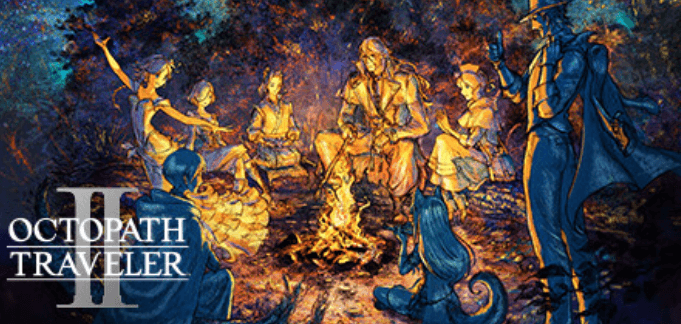
Octopath Traveler II runs eight parallel stories through a turn-based system built around exploiting enemy weaknesses. The Path Actions let each character interact with NPCs differently. GPA scores it high on Turn-Based and Strategy, with Story Depth above average — a positioning that fits players coming from classic JRPG structures.
Tag Similarity
Strategy
70%
Multiple Endings
60%
Story Depth
80%
Graphics
85%
Visual Novel / ADV
50%
Open World
0%
Co-op
0%
High Difficulty
0%
Chart tags: Strategy / Multiple Endings / Story Depth / Graphics / Visual Novel / ADV / Open World / Co-op / High Difficulty
The Elder Scrolls V: Skyrim gave players a province-sized open world and enough quest content to sustain thousands of hours. The modding scene extended that lifespan indefinitely. GPA scores it at the maximum for Open World — the defining axis — with Story Depth mid-range, reflecting breadth of content over narrative density.
Tag Similarity
Strategy
60%
Multiple Endings
70%
Story Depth
80%
Graphics
65%
Visual Novel / ADV
55%
Open World
90%
Co-op
0%
High Difficulty
60%
Chart tags: Strategy / Multiple Endings / Story Depth / Graphics / Visual Novel / ADV / Open World / Co-op / High Difficulty
Triangle Strategy presents Norzelia's three-nation conflict through a political decision system where the party votes on major choices. The tactical combat escalates alongside the moral stakes. GPA scores it at the top for Strategy and Turn-Based — the combination that places it closest to Tactics Ogre in the similarity rankings while operating in a completely original setting.
Tag Similarity
Strategy
85%
Multiple Endings
70%
Story Depth
80%
Graphics
80%
Visual Novel / ADV
55%
Open World
0%
Co-op
0%
High Difficulty
65%
Chart tags: Strategy / Multiple Endings / Story Depth / Graphics / Visual Novel / ADV / Open World / Co-op / High Difficulty
Judgment follows disgraced defense attorney Takayuki Yagami through a Kamurocho murder investigation that ties into a pharmaceutical conspiracy. The detective mechanics — tailing suspects, drone surveillance — add variety to the brawler combat. GPA scores it high on Story Depth and Emotional Story, with Action above average for the narrative-focused positioning.
Tag Similarity
Strategy
20%
Multiple Endings
50%
Story Depth
85%
Graphics
50%
Visual Novel / ADV
60%
Open World
40%
Co-op
0%
High Difficulty
40%
Chart tags: Strategy / Multiple Endings / Story Depth / Graphics / Visual Novel / ADV / Open World / Co-op / High Difficulty
Sea of Stars runs its solstice warrior story through a turn-based system that rewards precise timing on attacks and blocks. The pixel art captures the SNES-era JRPG aesthetic it references without being a pastiche. GPA scores it high on Turn-Based and Emotional Story — the combination that describes the game's relationship to its inspirations.
Tag Similarity
Strategy
60%
Multiple Endings
50%
Story Depth
75%
Graphics
85%
Visual Novel / ADV
50%
Open World
0%
Co-op
0%
High Difficulty
40%
Chart tags: Strategy / Multiple Endings / Story Depth / Graphics / Visual Novel / ADV / Open World / Co-op / High Difficulty
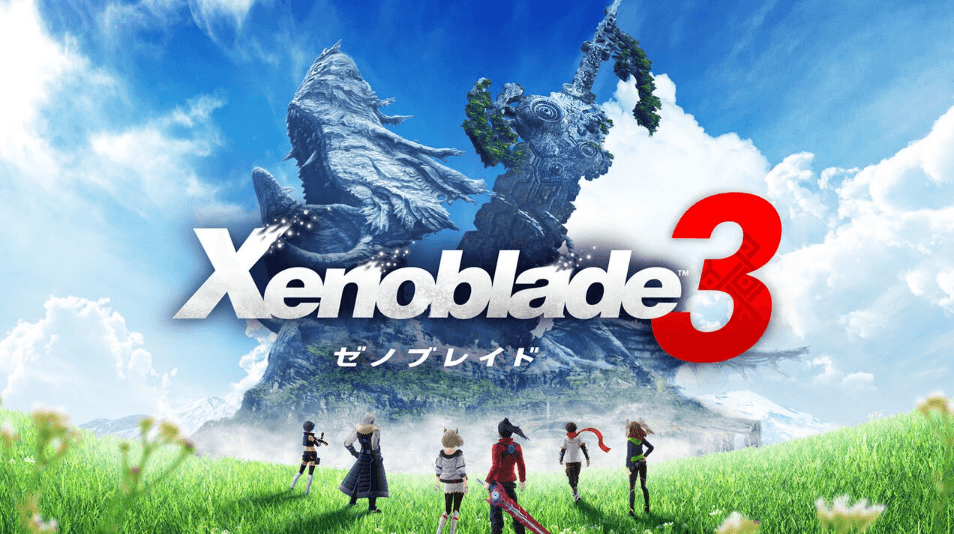
Xenoblade Chronicles 3 connects the worlds of the first two games through a story about soldiers fighting a war no one can explain. The real-time combat scales with party composition through the Ouroboros system. GPA scores it high on Turn-Based and Emotional Story, with Story Depth above average — a JRPG where the narrative's ambitions match its length.
Tag Similarity
Strategy
50%
Multiple Endings
60%
Story Depth
85%
Graphics
80%
Visual Novel / ADV
55%
Open World
60%
Co-op
0%
High Difficulty
50%
Chart tags: Strategy / Multiple Endings / Story Depth / Graphics / Visual Novel / ADV / Open World / Co-op / High Difficulty
Lost Judgment expands the detective framework into a high school setting where Yagami investigates bullying and serial murder simultaneously. The club activity system adds social depth between cases. GPA scores it above Lost Judgment (2018) on Story Depth — the investigation structure and social commentary carry more weight in the sequel.
Tag Similarity
Strategy
20%
Multiple Endings
50%
Story Depth
90%
Graphics
55%
Visual Novel / ADV
65%
Open World
40%
Co-op
0%
High Difficulty
30%
Chart tags: Strategy / Multiple Endings / Story Depth / Graphics / Visual Novel / ADV / Open World / Co-op / High Difficulty
Tactics Ogre: Reborn modernizes the 1995 original's class system and adds a Chariot replay function for reversing recent decisions. The branching story responds to player choices at key moments. GPA scores it at the top for Strategy and Turn-Based, with Multiple Endings above most tactical RPGs — a positioning that reflects a game where moral choices change the map.
Tag Similarity
Strategy
90%
Multiple Endings
80%
Story Depth
90%
Graphics
70%
Visual Novel / ADV
65%
Open World
0%
Co-op
0%
High Difficulty
70%
Chart tags: Strategy / Multiple Endings / Story Depth / Graphics / Visual Novel / ADV / Open World / Co-op / High Difficulty
Crusader Kings III manages a medieval dynasty through marriage, succession, and political intrigue across generations rather than direct military command. Character traits drive emergent stories. GPA scores it at the top for Strategy among grand strategy titles, with Multiple Endings reflecting the divergent dynasty outcomes rather than branching plotlines.
Tag Similarity
Strategy
90%
Multiple Endings
90%
Story Depth
85%
Graphics
55%
Visual Novel / ADV
80%
Open World
0%
Co-op
0%
High Difficulty
0%
Chart tags: Strategy / Multiple Endings / Story Depth / Graphics / Visual Novel / ADV / Open World / Co-op / High Difficulty
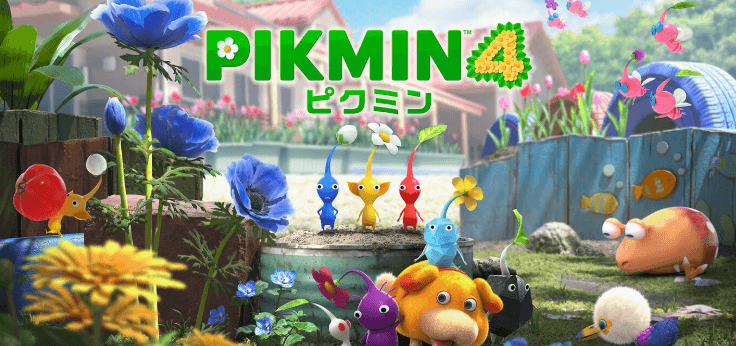
Pikmin 4 restructures the series with Oatchi as a permanent rideable companion who changes traversal options, alongside a night mode that shifts the loop toward tower defense survival. GPA scores it high on Strategy and Puzzle — the series entry most accessible to players new to the Pikmin format.
Tag Similarity
Strategy
75%
Multiple Endings
0%
Story Depth
50%
Graphics
80%
Visual Novel / ADV
0%
Open World
50%
Co-op
50%
High Difficulty
40%
Chart tags: Strategy / Multiple Endings / Story Depth / Graphics / Visual Novel / ADV / Open World / Co-op / High Difficulty
About "Baldur's Gate 3"
▸Game Composition (GPA Analysis)
バルダーズゲート3(Baldur's Gate 3) leads with its CRPG identity, anchored by the core feel of "Baldur's Gate 3 adapts Dungeons & Dragons 5th edition rules into a 100-hour RPG where nearly every decision carries do…." The headline profile reads Strategy 95% / Multiple Endings 90% / Story Depth 85%, making it a strong pick for fans of Strategy and Multiple Endings. Balanced to appeal to a broad range of players.
▸Characteristics & Analysis
Our editorial team scored "バルダーズゲート3(Baldur's Gate 3)" by using its feel of D&Dシステム, 種族選択, and co-op multiplayer as the primary lens, weighting Strategy and Multiple Endings most heavily. Top similar titles include "ディヴィニティ:オリジナル・シン2", "Starfield(スターフィールド)", "サガ・エメラルド ビヨンド(SaGa Emerald Beyond)".
Baldur's Gate 3 Explained | A Choice-Driven CRPG Analyzed by GPA
Game Overview
Baldur's Gate 3 is a fantasy RPG based on the fifth edition rules of Dungeons & Dragons.
Players create their own character, recruit companions, explore the world, and make decisions that can change how events unfold. Combat is only one part of the experience. Conversations, exploration, skill checks, party composition, and even seemingly minor actions can affect what happens next.
Combat uses turn-based rules, with positioning, terrain, spells, abilities, and environmental interactions all playing a role. Players can prepare for encounters before combat begins, take advantage of high ground, use stealth, or manipulate the environment once a fight starts.
The result is an RPG where the player's decisions are constantly part of the gameplay.
GPA rates Baldur's Gate 3 at 95% for Strategy, 90% for Multiple Endings, 85% for Story Depth, 80% for Graphics, and 80% for Visual Novel / ADV. The profile reflects a game where deciding what to do is just as important as knowing how to fight.
Title tendency chart (Baldur's Gate 3)
Strategy ◀
95%
Multiple Endings ◀
90%
Story Depth ◀
85%
Graphics
80%
Visual Novel / ADV
80%
Based on GPA gameplay tag scores.
Gameplay Analysis
Strategy 95% | The Battle Starts Before Combat
The strategy in Baldur's Gate 3 is not limited to choosing attacks during a turn.
Before a fight begins, players can scout enemy positions, take high ground, approach from stealth, or position the party for an advantage.
Once combat starts, there are even more options.
You can push enemies from high ground, manipulate surfaces, apply buffs or debuffs, control movement, or combine abilities between party members.
The D&D-based dice system adds another layer of uncertainty. Instead of memorizing a perfect sequence, players often have to react to what actually happens and adjust their next move.
That combination of positioning, abilities, party composition, environmental interactions, and chance is what makes the Strategy score so high.
Multiple Endings 90% | Your Choices Shape the Adventure
Choices in Baldur's Gate 3 are not limited to dialogue options.
Who you recruit, who you help, which factions you support, and how you handle important situations can affect later events.
As a result, the game does not feel like a single fixed story that simply moves from one chapter to the next.
The same location can play out differently depending on what the player has already done.
That also gives the game strong replay value. A second playthrough can reveal completely different situations simply because you made different decisions.
Story Depth 85% | You Participate in the Story
The Story Depth score is not simply about the amount of dialogue or cinematic content.
The important point is that the player actively participates in shaping the story.
Companions have their own goals, personalities, and conflicts, while the player's decisions can affect their relationships with the party.
Dialogue can also involve ability checks, meaning that the result is influenced not only by what you choose to say, but also by what your character is capable of doing.
Larian describes Baldur's Gate 3 as a player-driven RPG in which the player's actions help define the story.
Visual Novel / ADV 80% | Dialogue Is Part of the Gameplay
The Visual Novel / ADV score does not simply mean that the game contains a lot of text.
Dialogue itself functions as part of the gameplay.
You can persuade, intimidate, deceive, question, or simply refuse to answer. Character abilities and dice rolls can affect the outcome.
A successful conversation can sometimes avoid a fight or lead to a different event entirely.
That makes dialogue and gameplay difficult to separate. Talking to someone can be just as important as winning a battle.
Graphics 80% | A Detailed Fantasy World
The 80% Graphics score reflects more than visual fidelity.
The game presents a wide range of environments, from settlements and forests to caves and ruins, with cinematic presentation during conversations.
Players can freely explore from a third-person perspective, while dialogue scenes use character performances and camera work to make conversations feel more like interactive scenes than static text boxes.
The visual presentation helps bridge the gap between traditional CRPG systems and a more cinematic modern RPG.
Do You Need to Know D&D?
Baldur's Gate 3 is built around D&D 5e rules, but you do not need to have played the previous Baldur's Gate games to enjoy it.
Larian explicitly describes it as a new adventure that can be enjoyed without prior knowledge of the earlier games.
Knowing D&D can make certain systems easier to understand, especially classes, abilities, spells, ability scores, and dice checks.
But you do not need to learn the entire ruleset before starting. Much of it can be understood naturally as you play.
Co-op | Four Players, One Shared Adventure
Baldur's Gate 3 supports online multiplayer for up to four players.
Each player can control a character while the group explores the same campaign. That means disagreements over dialogue choices, combat tactics, or how to handle a situation can become part of the experience itself.
Rather than simply making combat easier with more players, co-op adds another layer of decision-making because everyone brings their own preferences to the same adventure.
Who Is It For?
Baldur's Gate 3 offers a lot of freedom, but there is also a lot to learn from the start. Understanding classes, ability scores, spells, actions, bonus actions, and equipment opens up many more options in combat.
Players who are already comfortable with turn-based RPGs or D&D-style systems will often find it easier to use the full depth of the game.
Difficulty settings also let you adjust how demanding combat feels, so you do not have to start on the hardest mode.
GPA's target player scores are 50 for Beginner, Intermediate, and Advanced alike — a wide middle band that fits many players, with room to grow into the deeper systems over time.
Target player scores (50+ suggests a comfortable fit)
Beginner50
Intermediate50
Advanced50
Players who enjoy branching stories
Fans of turn-based tactical combat
Players who enjoy party building and character development
People who want dialogue and exploration to matter mechanically
Players looking for a non-linear RPG
Fans of D&D-style dice checks
Friends looking for a long-form co-op RPG
It may be less suitable for players who want short, combat-focused sessions or a tightly controlled linear story.
Conclusion
Baldur's Gate 3 combines turn-based combat, character building, dialogue, exploration, and D&D-style dice checks into a CRPG where player decisions constantly shape the experience.
Its GPA profile — 95% Strategy, 90% Multiple Endings, 85% Story Depth, 80% Graphics, and 80% Visual Novel / ADV — reflects how much of the game revolves around making decisions rather than simply following a predetermined route.
The central appeal is not finding the correct solution. It is making a choice, seeing what happens, and deciding what to do next.
For players who want an RPG that lets them shape both the battles and the story, Baldur's Gate 3 offers a particularly deep form of player-driven progression.