Celeste climbs a mountain while working through anxiety and self-doubt, encoding the protagonist's mental state into the level design. Assist Mode lets players adjust any parameter without disabling achievements. GPA scores it high on Difficulty and Emotional Story — two axes that rarely align, and that together describe what makes this platformer different from its peers.
Game Characteristics
Action
85%
Emotional Story
85%
High Difficulty
80%
Story Depth
75%
Graphics
70%
Existential Themes
65%
Player profile fit
Recommended for: Intermediate to Advanced players (A score of 50 or higher indicates a good fit.)
Sifu builds its brawler around aging — dying adds years that increase damage dealt but reduce health. The counter and parry system rewards precise timing over button mashing. GPA scores it high on Action and Difficulty, with a low Beginner score reflecting the commitment the parry system demands before it feels rewarding.
Tag Similarity
Action
90%
Emotional Story
50%
High Difficulty
90%
Story Depth
50%
Graphics
80%
Existential Themes
55%
Chart tags: Action / Emotional Story / High Difficulty / Story Depth / Graphics / Existential Themes
Neva follows warrior Viola and her wolf companion through a hand-animated action game where the wolf's behavior changes as she grows from pup to adult. The combat timing rewards patience. GPA scores it high on Emotional Story and Action — a combination that correctly identifies a game where the relationship between the two characters is the mechanical engine.
Tag Similarity
Action
85%
Emotional Story
80%
High Difficulty
65%
Story Depth
70%
Graphics
90%
Existential Themes
50%
Chart tags: Action / Emotional Story / High Difficulty / Story Depth / Graphics / Existential Themes
Katana ZERO kills in one hit — both the player and every enemy — with a timeline rewind that frames each level as a premonition. The neo-noir story of a drug-dependent assassin unfolds through dialogue choices that can be interrupted mid-sentence. Askiisoft, Devolver Digital. Switch, PC. GPA scores it high on Action and Emotional Story — the 3-hour action game where the narrative density matches the mechanical precision.
Tag Similarity
Action
85%
Emotional Story
75%
High Difficulty
72%
Story Depth
72%
Graphics
65%
Existential Themes
65%
Chart tags: Action / Emotional Story / High Difficulty / Story Depth / Graphics / Existential Themes
Cave Story was built alone by Daisuke Amaya over five years and released free in 2004, establishing the template for what one developer could produce. The story of Quote and Curly in an underground world carries genuine emotional weight. Switch, PS4, PC. GPA scores it high on Emotional Story and Action — the individual-developer landmark that showed the world what indie games could be.
Tag Similarity
Action
72%
Emotional Story
72%
High Difficulty
65%
Story Depth
65%
Graphics
55%
Existential Themes
60%
Chart tags: Action / Emotional Story / High Difficulty / Story Depth / Graphics / Existential Themes
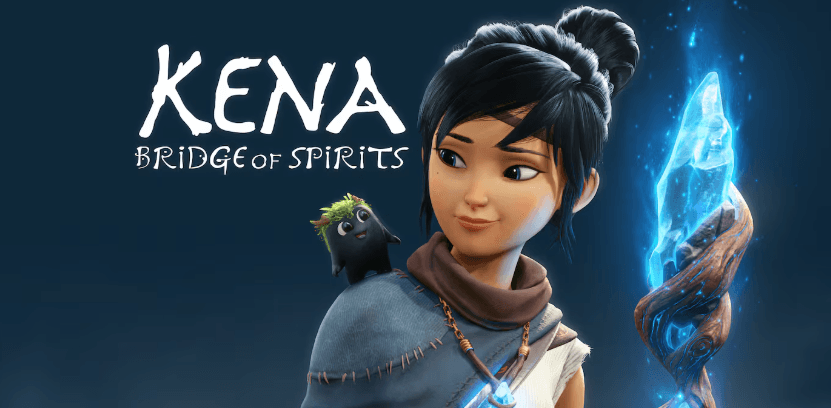
Kena: Bridge of Spirits sends a spirit guide through a village haunted by unresolved grief, clearing corruption to free the dead. The Rot companions add a resource management layer to the combat. GPA scores it high on Emotional Story and Graphics — the visual quality from a small studio remains the most discussed aspect of its reception.
Tag Similarity
Action
75%
Emotional Story
75%
High Difficulty
60%
Story Depth
75%
Graphics
90%
Existential Themes
55%
Chart tags: Action / Emotional Story / High Difficulty / Story Depth / Graphics / Existential Themes
Metroid Dread returns the series to 2D after 19 years, sending Samus to planet ZDR to investigate a rogue EMMI robot. The stealth sequences against the indestructible EMMI units create a distinct tension layer on top of the Metroidvania exploration. GPA scores it high on Action and Difficulty — the combination that defines the series at its most mechanically demanding.
Tag Similarity
Action
85%
Emotional Story
60%
High Difficulty
80%
Story Depth
70%
Graphics
80%
Existential Themes
55%
Chart tags: Action / Emotional Story / High Difficulty / Story Depth / Graphics / Existential Themes
Prince of Persia: The Lost Crown returns the series to 2D with Sargon as protagonist, using time-based abilities alongside the series' acrobatic movement. The Metroidvania structure reveals the map through ability acquisition. GPA scores it high on Action and Puzzle — the combination that describes a game that commits to the genre with current production quality.
Tag Similarity
Action
85%
Emotional Story
50%
High Difficulty
80%
Story Depth
60%
Graphics
85%
Existential Themes
45%
Chart tags: Action / Emotional Story / High Difficulty / Story Depth / Graphics / Existential Themes
Titanfall 2 combines wall-running pilot mobility with Titan mech combat in a single-player campaign widely considered among the best FPS stories made, alongside one of the most creative single levels in game design. The predecessor to Apex Legends. Respawn Entertainment, EA. PS4, Xbox One, PC. GPA scores it at the top for Action — the FPS that proved movement system design could be as distinctive as weapon design.
Tag Similarity
Action
92%
Emotional Story
72%
High Difficulty
65%
Story Depth
72%
Graphics
72%
Existential Themes
0%
Chart tags: Action / Emotional Story / High Difficulty / Story Depth / Graphics / Existential Themes
Ori and the Blind Forest introduced the Soul Link manual save system and a precision platforming vocabulary that the sequel expanded on. Moon Studios' debut is smaller and more focused than Will of the Wisps. Switch, Xbox One, and PC. GPA scores it high on Emotional Story and Action — the compact Metroidvania origin point that told a complete story in 8 hours.
Tag Similarity
Action
72%
Emotional Story
80%
High Difficulty
68%
Story Depth
68%
Graphics
85%
Existential Themes
0%
Chart tags: Action / Emotional Story / High Difficulty / Story Depth / Graphics / Existential Themes
Ori and the Will of the Wisps triples the first game's map size and adds direct melee combat to the precision platforming that defined Blind Forest. The hand-painted art and orchestral score from Gareth Coker carry the game's emotional weight. Switch, Xbox One, Xbox Series X|S, and PC. GPA scores it high on Emotional Story and Graphics — the Metroidvania that reaches the widest audience because of its visual and narrative quality.
Tag Similarity
Action
75%
Emotional Story
82%
High Difficulty
65%
Story Depth
70%
Graphics
90%
Existential Themes
0%
Chart tags: Action / Emotional Story / High Difficulty / Story Depth / Graphics / Existential Themes
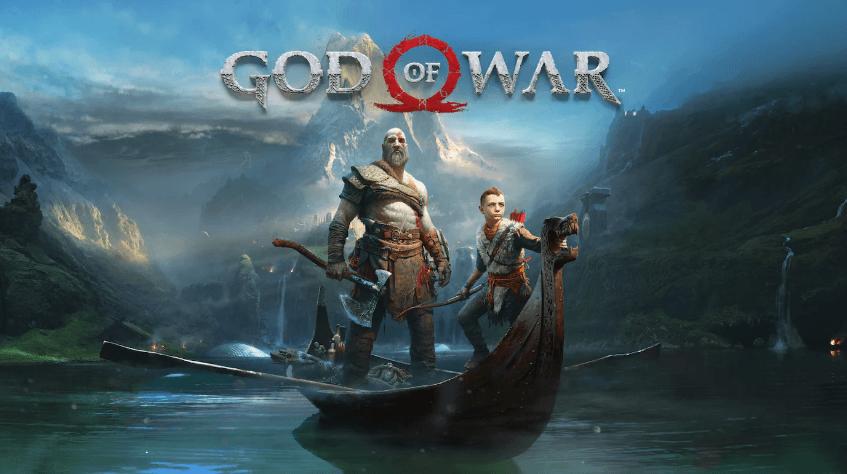
God of War (2018) moves Kratos and his son Atreus through Norse mythology on a single unbroken camera shot. The relationship between the two is the structural engine of the game. GPA scores it at the top for Emotional Story and Graphics — the same axes that drive the sequel's scores.
Tag Similarity
Action
85%
Emotional Story
90%
High Difficulty
65%
Story Depth
90%
Graphics
90%
Existential Themes
60%
Chart tags: Action / Emotional Story / High Difficulty / Story Depth / Graphics / Existential Themes
Ghost of Tsushima hands Jin Sakai a katana and an open version of feudal Japan and largely steps aside. The wind navigation system replaces minimap markers. GPA scores it high on Emotional Story and Dark World, with Open World sitting close behind — a combination that describes an action game built around atmosphere as much as combat.
Tag Similarity
Action
85%
Emotional Story
75%
High Difficulty
70%
Story Depth
80%
Graphics
95%
Existential Themes
70%
Chart tags: Action / Emotional Story / High Difficulty / Story Depth / Graphics / Existential Themes
The Last of Us Part II follows Ellie's revenge arc and then Abby's perspective on the same events, making players responsible for actions from both sides. The violence is sustained and purposeful. GPA scores it high on Emotional Story and Dark World — the combination that identifies a narrative experience designed to be uncomfortable.
Tag Similarity
Action
80%
Emotional Story
90%
High Difficulty
70%
Story Depth
95%
Graphics
90%
Existential Themes
80%
Chart tags: Action / Emotional Story / High Difficulty / Story Depth / Graphics / Existential Themes
Phantom Blade Zero builds its wuxia action around high-speed sword combat with a response window that rewards perfect timing. The martial arts world-building draws from Chinese historical fantasy. GPA scores it high on Action and Dark World — the combination that describes an action game where atmosphere and mechanical precision sit at equal priority.
Tag Similarity
Action
95%
Emotional Story
50%
High Difficulty
80%
Story Depth
50%
Graphics
90%
Existential Themes
45%
Chart tags: Action / Emotional Story / High Difficulty / Story Depth / Graphics / Existential Themes
Nine Sols sets a Taoist science fiction narrative against combat directly inspired by Sekiro: Shadows Die Twice — a deflection system that builds into a Talisman seal execution. Red Candle Games' first action title, following Devotion and Detention. Switch, PS4/5, Xbox, PC. GPA scores it at the top for Action among Metroidvanias — the genre entry where parry timing is the entire combat philosophy.
Tag Similarity
Action
88%
Emotional Story
72%
High Difficulty
85%
Story Depth
70%
Graphics
72%
Existential Themes
70%
Chart tags: Action / Emotional Story / High Difficulty / Story Depth / Graphics / Existential Themes
God of War: Ragnarök continues Kratos and Atreus's journey through the Norse realms toward Ragnarök. The relationship between the two protagonists carries more weight than the combat, which is itself excellent. GPA scores it at the top for Emotional Story and Graphics — a sequel that deepens what the 2018 game established.
Tag Similarity
Action
85%
Emotional Story
90%
High Difficulty
60%
Story Depth
90%
Graphics
90%
Existential Themes
60%
Chart tags: Action / Emotional Story / High Difficulty / Story Depth / Graphics / Existential Themes
ENDER MAGNOLIA continues the Ender Lilies world decades later, sending Lilac the Attuner through the Land of Fumes to purify corrupted Homunculi. Built in Unreal Engine 5, expanding the map and combat variety of the predecessor. Switch, PS4/5, Xbox, PC, January 2025. GPA scores it high on Dark World and Emotional Story — the sequel that delivered on every expectation the first game built.
Tag Similarity
Action
74%
Emotional Story
76%
High Difficulty
70%
Story Depth
70%
Graphics
78%
Existential Themes
70%
Chart tags: Action / Emotional Story / High Difficulty / Story Depth / Graphics / Existential Themes
A Plague Tale: Requiem continues Amicia and Hugo's escape across 14th-century France, with rat swarms used as environmental obstacles and threats. The sibling relationship drives the emotional weight. GPA scores it high on Emotional Story and Dark World — the combination that positions it as a story-driven action game rather than a survival horror title.
Tag Similarity
Action
60%
Emotional Story
90%
High Difficulty
70%
Story Depth
85%
Graphics
90%
Existential Themes
60%
Chart tags: Action / Emotional Story / High Difficulty / Story Depth / Graphics / Existential Themes
ENDER LILIES sets its Metroidvania in a rain-destroyed kingdom where Lily the White Priestess summons purified undead spirits as her combat set. The Mili soundtrack is one of the highest-rated in the genre. Switch, PS4, Xbox, PC. GPA scores it high on Dark World and Emotional Story — the Metroidvania where the melancholy atmosphere is the primary draw alongside the combat.
Tag Similarity
Action
72%
Emotional Story
75%
High Difficulty
68%
Story Depth
68%
Graphics
72%
Existential Themes
68%
Chart tags: Action / Emotional Story / High Difficulty / Story Depth / Graphics / Existential Themes
Marvel's Spider-Man 2 plays as Peter Parker and Miles Morales in alternating sections, with Venom and the symbiote system as the central threat. Manhattan traversal is faster than any previous entry. GPA scores it high on Action and Emotional Story — a sequel that deepens the relationship writing more than it changes the combat.
Tag Similarity
Action
85%
Emotional Story
80%
High Difficulty
60%
Story Depth
80%
Graphics
95%
Existential Themes
55%
Chart tags: Action / Emotional Story / High Difficulty / Story Depth / Graphics / Existential Themes
About "Celeste"
▸Game Composition (GPA Analysis)
セレステ(Celeste) leads with its Action identity, anchored by the core feel of "Celeste climbs a mountain while working through anxiety and self-doubt, encoding the protagonist's mental state into t…." The headline profile reads Action 85% / Emotional Story 85% / High Difficulty 80%, making it a strong pick for fans of Action and Emotional Story. Oriented toward experienced players looking to push their limits.
▸Characteristics & Analysis
Our editorial team scored "セレステ(Celeste)" by using its feel of メンタルヘルス, emotional story, and 精密操作 as the primary lens, weighting Action and Emotional Story most heavily. Top similar titles include "SIFU(シフー)", "Neva(ネバ)", "カタナ ゼロ(Katana ZERO)".
Celeste Game Analysis — When Difficulty Becomes Part of the Story
GPA Analysis | Action 85% | Emotional Story 85% | High Difficulty 80% | Story Depth 75% | Beginner-Friendly 30%
Game Overview
Celeste is a precision 2D platformer about Madeline, a young woman attempting to climb the mysterious Celeste Mountain. Released in 2018, the game received widespread critical acclaim, earning a Metascore of 92 and a user score of 8.7 on Metacritic.
On the surface, Celeste looks like a traditional difficult platformer. Its core mechanics are simple: jump, climb, and use a mid-air dash to navigate increasingly demanding stages.
But the simplicity of those mechanics is deceptive.
As the game progresses, players are asked to combine these basic abilities with increasingly precise movement. A single mistimed jump can send Madeline falling, but death is never treated as a major setback. The game immediately puts you back into the action, encouraging another attempt.
That constant cycle of failure, learning, and retrying is at the heart of Celeste.
More importantly, it mirrors the game's story.
Gameplay Analysis — Difficulty as a Form of Progression
GPA rates Celeste at 85% for Action, 85% for Emotional Storytelling, 80% for High Difficulty, and 75% for Story Depth.
GPA score overview — Celeste
Action ◀
85%
Emotional Story ◀
85%
High Difficulty ◀
80%
Story Depth ◀
75%
Existential Theme
65%
The most interesting part of this combination is how closely the gameplay and narrative are connected.
Madeline's journey up Celeste Mountain is also a journey through anxiety, self-doubt, and personal struggle. At the same time, the player is constantly facing challenges that initially seem impossible.
You fail.
You try again.
You learn the timing.
You change your route.
Eventually, you succeed.
The player experiences the same basic idea that Madeline's story is trying to communicate: progress does not necessarily mean avoiding failure. Sometimes, progress means learning how to keep moving after failure.
That is an unusually effective form of storytelling because the game does not simply tell the player about overcoming adversity. It makes the player experience it.
Why Celeste's Difficulty Works
GPA gives Celeste a High Difficulty score of 80%, with Beginner at 30%, Intermediate at 65%, and Advanced at 85%.
Those numbers make sense. Celeste can be extremely demanding, particularly in its later stages and optional content.
Yet it rarely feels unfair.
The game's levels are divided into relatively short screens, and death carries almost no meaningful penalty. If you fail a difficult sequence, you can immediately try again.
More importantly, the level design usually makes failure understandable.
You can tell why you missed the jump.
You can see where your timing went wrong.
You can experiment with a different route.
That distinction is important. A difficult game becomes frustrating when failure feels arbitrary. Celeste instead turns failure into information.
Every failed attempt gives you another chance to understand the level.
Target player scores (50+ = recommended fit)
Beginner30
Intermediate65
Advanced85
Beginner 30% is low on paper, but Assist Mode and instant retries keep the story reach broad.
A Precision Platformer That Respects the Player
The controls are remarkably straightforward.
You have a small set of movement options, but the game gradually finds new ways to combine them. What begins as a simple jump-and-dash system eventually becomes a demanding test of timing, positioning, and route planning.
This is where Celeste earns its reputation as a precision platformer.
The challenge does not come from constantly adding new mechanics. It comes from asking the player to become increasingly skilled with the mechanics they already understand.
That creates a satisfying sense of mastery.
A section that seemed impossible ten minutes earlier can suddenly become routine. The game rarely needs to tell you that you have improved. Your hands already know.
The Story and the Gameplay Speak the Same Language
It would be easy to describe Celeste as simply a difficult indie platformer, but doing so misses what makes the game special.
Madeline's climb is closely tied to her struggle with anxiety and self-doubt. Her relationship with the other side of herself becomes central to the game's emotional arc.
GPA reflects this with an Emotional Story score of 85% and an Existential Theme score of 65%.
The important point is that the game's themes are not separated from its mechanics.
When Madeline struggles to climb the mountain, the player is struggling to clear difficult platforming sections.
When Madeline learns to accept herself, the player has also learned to approach the game's challenges differently.
The metaphor is not subtle, but it works because the player participates in it.
Is Celeste Beginner-Friendly?
GPA gives Celeste a Beginner score of 30%, which places it primarily in the Intermediate-to-Advanced range.
That does not mean the game is inaccessible to newcomers.
In fact, Celeste is unusually considerate for such a difficult platformer.
Deaths are quick. Restarts are immediate. There is little punishment for experimentation. Players are encouraged to keep trying rather than fear failure.
The game also includes Assist Mode, allowing players to adjust certain aspects of the experience if the standard difficulty becomes too demanding.
For players who want to experience the story without mastering every platforming challenge, that flexibility is valuable.
However, anyone attempting to complete the game at its intended difficulty should still expect a serious test of precision and patience.
The Author's Take
What I appreciate most about Celeste is that it is difficult without feeling hostile.
Many challenging games make failure feel like punishment. Celeste treats failure more like part of the learning process.
You may die dozens of times on the same screen, but because the restart is almost instantaneous, frustration gradually turns into experimentation.
Then something changes.
A jump that once seemed impossible becomes natural.
You stop thinking about the controls.
You simply do it.
That moment of mastery is one of the best things Celeste offers.
And because the player's experience mirrors Madeline's own journey, the accomplishment carries more weight than simply clearing another difficult level.
A Metascore of 92 feels entirely justified. Celeste is an exceptionally polished platformer, but its real achievement is the way its mechanics, level design, and emotional narrative reinforce one another.
GPA places the game primarily in the Intermediate-to-Advanced range, and that is a fair assessment of its standard difficulty. But I would still recommend Celeste to anyone interested in seeing how a game can turn failure itself into part of its storytelling.
It is a game about climbing a mountain.
More importantly, it is a game about falling, getting back up, and continuing to climb.
Few platformers have made that idea feel so personal.