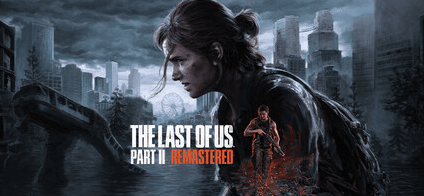
The Last of Us Part II follows Ellie's revenge arc and then Abby's perspective on the same events, making players responsible for actions from both sides. The violence is sustained and purposeful. GPA scores it high on Emotional Story and Dark World — the combination that identifies a narrative experience designed to be uncomfortable.
Game Characteristics
Story Depth
95%
Emotional Story
90%
Graphics
90%
Action
80%
Existential Themes
80%
Dark
75%
High Difficulty
70%
Dystopian Setting
60%
Visual Novel / ADV
50%
Multiple Endings
40%
Horror
40%
Player profile fit
Recommended for: Intermediate to Advanced players (A score of 50 or higher indicates a good fit.)
A Plague Tale: Requiem continues Amicia and Hugo's escape across 14th-century France, with rat swarms used as environmental obstacles and threats. The sibling relationship drives the emotional weight. GPA scores it high on Emotional Story and Dark World — the combination that positions it as a story-driven action game rather than a survival horror title.
Tag Similarity
Story Depth
85%
Emotional Story
90%
Graphics
90%
Action
60%
Existential Themes
60%
Dark
65%
High Difficulty
70%
Dystopian Setting
75%
Chart tags: Story Depth / Emotional Story / Graphics / Action / Existential Themes / Dark / High Difficulty / Dystopian Setting
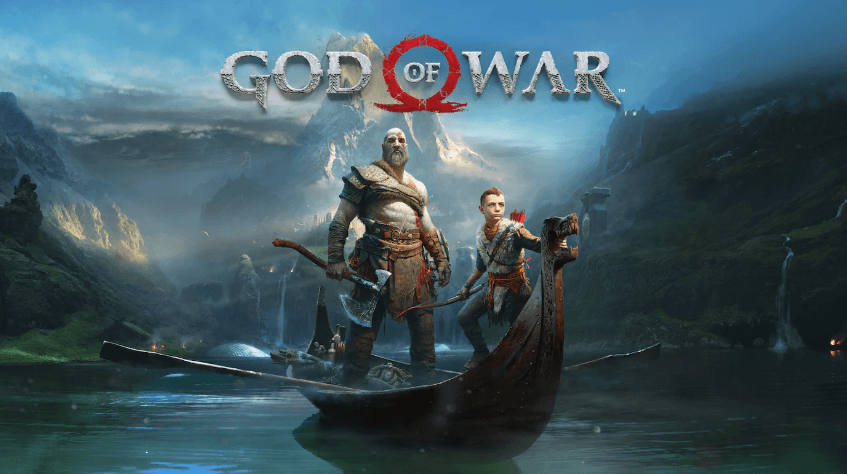
God of War (2018) moves Kratos and his son Atreus through Norse mythology on a single unbroken camera shot. The relationship between the two is the structural engine of the game. GPA scores it at the top for Emotional Story and Graphics — the same axes that drive the sequel's scores.
Tag Similarity
Story Depth
90%
Emotional Story
90%
Graphics
90%
Action
85%
Existential Themes
60%
Dark
55%
High Difficulty
65%
Dystopian Setting
50%
Chart tags: Story Depth / Emotional Story / Graphics / Action / Existential Themes / Dark / High Difficulty / Dystopian Setting
God of War: Ragnarök continues Kratos and Atreus's journey through the Norse realms toward Ragnarök. The relationship between the two protagonists carries more weight than the combat, which is itself excellent. GPA scores it at the top for Emotional Story and Graphics — a sequel that deepens what the 2018 game established.
Tag Similarity
Story Depth
90%
Emotional Story
90%
Graphics
90%
Action
85%
Existential Themes
60%
Dark
65%
High Difficulty
60%
Dystopian Setting
60%
Chart tags: Story Depth / Emotional Story / Graphics / Action / Existential Themes / Dark / High Difficulty / Dystopian Setting
Control sends Jesse Faden into the Federal Bureau of Control's headquarters, a brutalist building that reorganizes itself. The environmental storytelling runs through case files and audio logs. GPA scores it high on Existential Themes and Dark World, with Action above average — a positioning that describes a game where the world-building is the primary draw alongside the telekinetic combat.
Tag Similarity
Story Depth
70%
Emotional Story
65%
Graphics
85%
Action
80%
Existential Themes
70%
Dark
65%
High Difficulty
60%
Dystopian Setting
80%
Chart tags: Story Depth / Emotional Story / Graphics / Action / Existential Themes / Dark / High Difficulty / Dystopian Setting
Katana ZERO kills in one hit — both the player and every enemy — with a timeline rewind that frames each level as a premonition. The neo-noir story of a drug-dependent assassin unfolds through dialogue choices that can be interrupted mid-sentence. Askiisoft, Devolver Digital. Switch, PC. GPA scores it high on Action and Emotional Story — the 3-hour action game where the narrative density matches the mechanical precision.
Tag Similarity
Story Depth
72%
Emotional Story
75%
Graphics
65%
Action
85%
Existential Themes
65%
Dark
68%
High Difficulty
72%
Dystopian Setting
75%
Chart tags: Story Depth / Emotional Story / Graphics / Action / Existential Themes / Dark / High Difficulty / Dystopian Setting
Resident Evil Village follows Ethan Winters to a European village and a castle owned by Lady Dimitrescu. The horror atmosphere gives way to action in the second half. GPA scores it high on Horror and Action, with Story Depth above the series average — the expanded cast and lore push the narrative weight higher than Village's predecessors.
Tag Similarity
Story Depth
75%
Emotional Story
70%
Graphics
85%
Action
80%
Existential Themes
50%
Dark
65%
High Difficulty
65%
Dystopian Setting
75%
Chart tags: Story Depth / Emotional Story / Graphics / Action / Existential Themes / Dark / High Difficulty / Dystopian Setting
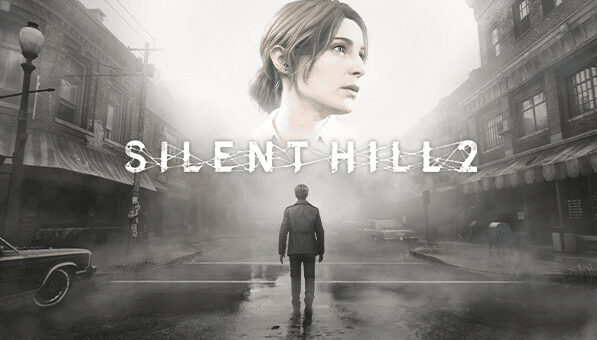
Silent Hill 2 Remake rebuilds the 2001 psychological horror classic with full 3D traversal and over-the-shoulder combat while preserving the fog-dense town of Silent Hill and James Sunderland's fragmented guilt. GPA scores it high on Horror and Dark World — the combination that defines survival horror at its most psychologically deliberate.
Tag Similarity
Story Depth
85%
Emotional Story
80%
Graphics
80%
Action
60%
Existential Themes
85%
Dark
85%
High Difficulty
75%
Dystopian Setting
90%
Chart tags: Story Depth / Emotional Story / Graphics / Action / Existential Themes / Dark / High Difficulty / Dystopian Setting
Alan Wake 2 sends writer Alan Wake through the Dark Place and FBI agent Saga Anderson through a murder investigation in Bright Falls simultaneously. The two timelines comment on each other. GPA scores it high on Horror and Dark World, with Story Depth above average — a narrative horror that uses the medium's interactivity as the storytelling mechanism.
Tag Similarity
Story Depth
90%
Emotional Story
80%
Graphics
90%
Action
60%
Existential Themes
85%
Dark
75%
High Difficulty
70%
Dystopian Setting
85%
Chart tags: Story Depth / Emotional Story / Graphics / Action / Existential Themes / Dark / High Difficulty / Dystopian Setting
Neva follows warrior Viola and her wolf companion through a hand-animated action game where the wolf's behavior changes as she grows from pup to adult. The combat timing rewards patience. GPA scores it high on Emotional Story and Action — a combination that correctly identifies a game where the relationship between the two characters is the mechanical engine.
Tag Similarity
Story Depth
70%
Emotional Story
80%
Graphics
90%
Action
85%
Existential Themes
50%
Dark
40%
High Difficulty
65%
Dystopian Setting
50%
Chart tags: Story Depth / Emotional Story / Graphics / Action / Existential Themes / Dark / High Difficulty / Dystopian Setting
Lies of P retells Pinocchio as a Soulslike set in a Victorian-era city overrun by automatons. The weapon assembly system lets players combine handles and blades from different weapons. GPA scores it close to Elden Ring on Difficulty and Dark World, with the Soulslike tag shared across both.
Tag Similarity
Story Depth
75%
Emotional Story
70%
Graphics
85%
Action
85%
Existential Themes
70%
Dark
85%
High Difficulty
85%
Dystopian Setting
90%
Chart tags: Story Depth / Emotional Story / Graphics / Action / Existential Themes / Dark / High Difficulty / Dystopian Setting
NieR Replicant ver.1.22 upgrades the 2010 original with Automata's combat system and expanded lore content. The multiple playthroughs reveal the story's full moral weight incrementally. GPA scores it close to Automata on Existential Themes, with Emotional Story slightly lower — a starting point for players who want the complete Yoko Taro narrative context.
Tag Similarity
Story Depth
85%
Emotional Story
85%
Graphics
65%
Action
75%
Existential Themes
90%
Dark
70%
High Difficulty
60%
Dystopian Setting
75%
Chart tags: Story Depth / Emotional Story / Graphics / Action / Existential Themes / Dark / High Difficulty / Dystopian Setting
Bloober Team's remake rebuilds the 2001 classic from the ground up in Unreal Engine 5, expanding James Sunderland's guilt-driven journey through a fog-locked town populated by monsters that reflect his psychological state. Pyramid Head's design and purpose remain intact. GPA scores it high on Horror and Dark World — the remake that matched the original's psychological weight while updating the combat and pacing.
Tag Similarity
Story Depth
85%
Emotional Story
85%
Graphics
85%
Action
60%
Existential Themes
85%
Dark
90%
High Difficulty
65%
Dystopian Setting
90%
Chart tags: Story Depth / Emotional Story / Graphics / Action / Existential Themes / Dark / High Difficulty / Dystopian Setting
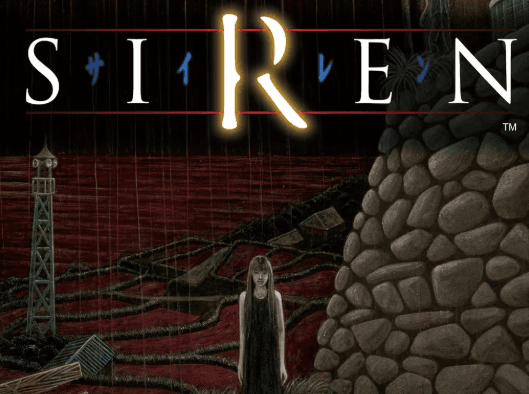
Siren assigns players multiple characters across a fragmented timeline, navigating a cursed village where the undead Shibito patrol. Sightjacking — temporarily borrowing Shibito vision — is the primary information tool. GPA scores it high on Horror and Dark World — a survival horror built around information asymmetry rather than ammunition management.
Tag Similarity
Story Depth
80%
Emotional Story
80%
Graphics
40%
Action
40%
Existential Themes
70%
Dark
80%
High Difficulty
80%
Dystopian Setting
90%
Chart tags: Story Depth / Emotional Story / Graphics / Action / Existential Themes / Dark / High Difficulty / Dystopian Setting
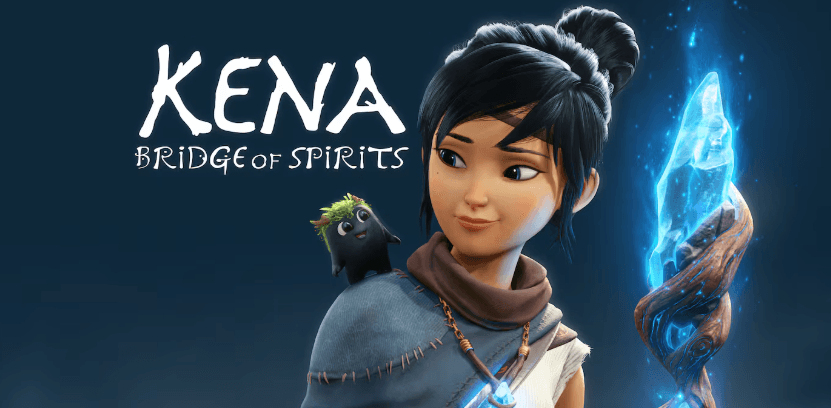
Kena: Bridge of Spirits sends a spirit guide through a village haunted by unresolved grief, clearing corruption to free the dead. The Rot companions add a resource management layer to the combat. GPA scores it high on Emotional Story and Graphics — the visual quality from a small studio remains the most discussed aspect of its reception.
Tag Similarity
Story Depth
75%
Emotional Story
75%
Graphics
90%
Action
75%
Existential Themes
55%
Dark
40%
High Difficulty
60%
Dystopian Setting
40%
Chart tags: Story Depth / Emotional Story / Graphics / Action / Existential Themes / Dark / High Difficulty / Dystopian Setting
ENDER MAGNOLIA continues the Ender Lilies world decades later, sending Lilac the Attuner through the Land of Fumes to purify corrupted Homunculi. Built in Unreal Engine 5, expanding the map and combat variety of the predecessor. Switch, PS4/5, Xbox, PC, January 2025. GPA scores it high on Dark World and Emotional Story — the sequel that delivered on every expectation the first game built.
Tag Similarity
Story Depth
70%
Emotional Story
76%
Graphics
78%
Action
74%
Existential Themes
70%
Dark
80%
High Difficulty
70%
Dystopian Setting
85%
Chart tags: Story Depth / Emotional Story / Graphics / Action / Existential Themes / Dark / High Difficulty / Dystopian Setting
ENDER LILIES sets its Metroidvania in a rain-destroyed kingdom where Lily the White Priestess summons purified undead spirits as her combat set. The Mili soundtrack is one of the highest-rated in the genre. Switch, PS4, Xbox, PC. GPA scores it high on Dark World and Emotional Story — the Metroidvania where the melancholy atmosphere is the primary draw alongside the combat.
Tag Similarity
Story Depth
68%
Emotional Story
75%
Graphics
72%
Action
72%
Existential Themes
68%
Dark
80%
High Difficulty
68%
Dystopian Setting
85%
Chart tags: Story Depth / Emotional Story / Graphics / Action / Existential Themes / Dark / High Difficulty / Dystopian Setting
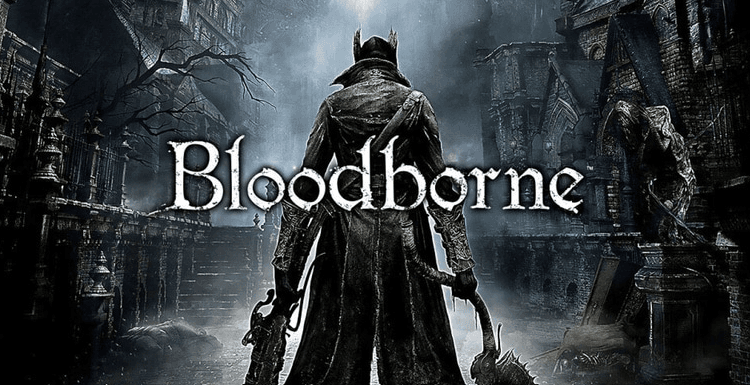
Bloodborne moves through Gothic Victorian streets and cosmic horror architecture with an aggressive combat system that punishes defensive play. The Rally mechanic returns health through attacking immediately after taking damage. GPA scores it at the top for Dark World and near the top for Difficulty — the Action score is higher than Dark Souls entries, reflecting the faster combat tempo.
Tag Similarity
Story Depth
70%
Emotional Story
50%
Graphics
85%
Action
90%
Existential Themes
80%
Dark
90%
High Difficulty
95%
Dystopian Setting
95%
Chart tags: Story Depth / Emotional Story / Graphics / Action / Existential Themes / Dark / High Difficulty / Dystopian Setting
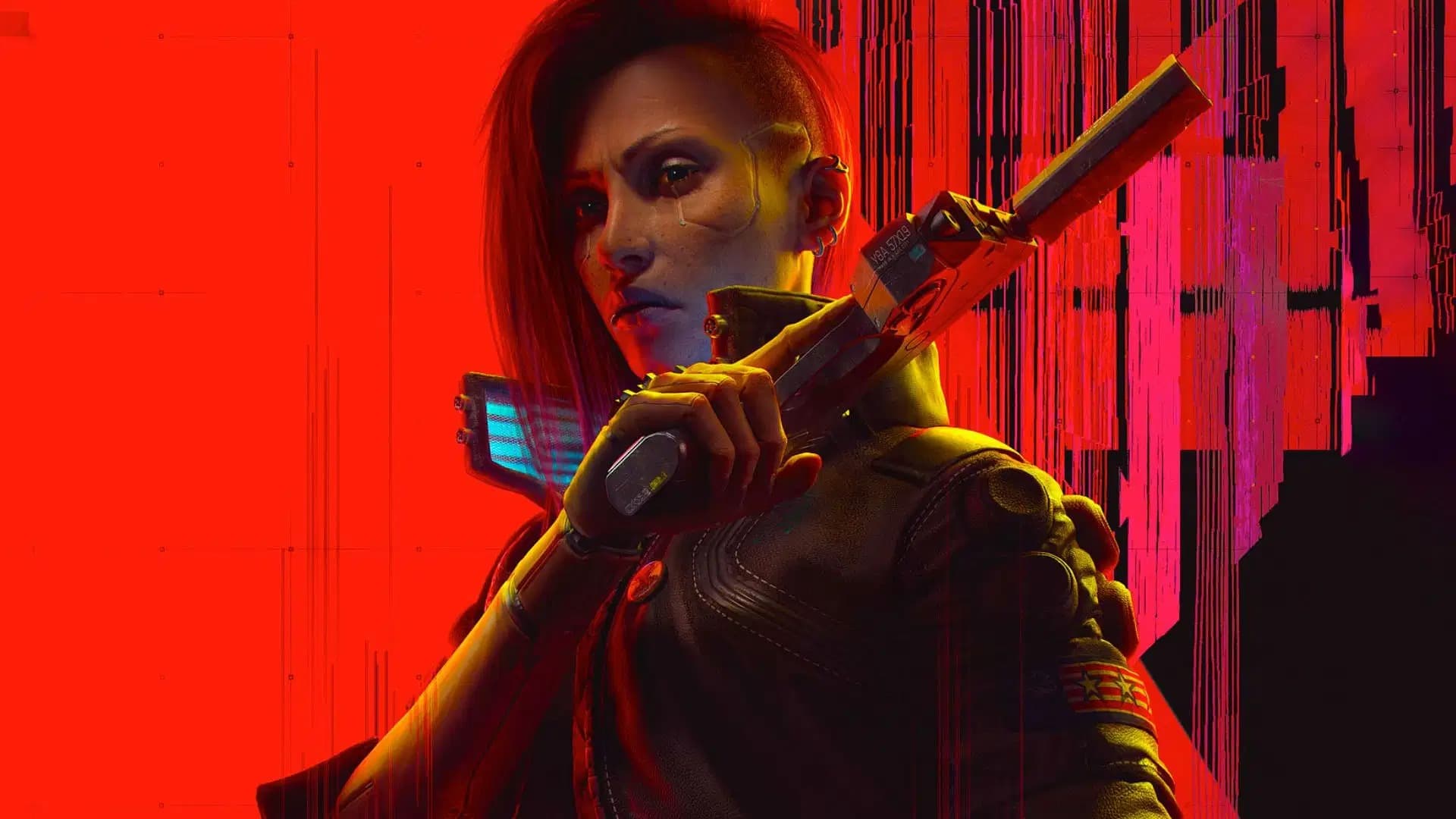
Cyberpunk 2077 recovered from a disastrous launch to become one of the most content-rich open world RPGs available. Night City rewards lateral exploration — side quests carry the writing quality of the main story. GPA scores it at 90% for Dark World and Open World, with Multiple Endings above 75 — the ending branches respond to choices made across the full campaign.
Tag Similarity
Story Depth
85%
Emotional Story
80%
Graphics
90%
Action
70%
Existential Themes
70%
Dark
80%
High Difficulty
50%
Dystopian Setting
90%
Chart tags: Story Depth / Emotional Story / Graphics / Action / Existential Themes / Dark / High Difficulty / Dystopian Setting
Nine Sols sets a Taoist science fiction narrative against combat directly inspired by Sekiro: Shadows Die Twice — a deflection system that builds into a Talisman seal execution. Red Candle Games' first action title, following Devotion and Detention. Switch, PS4/5, Xbox, PC. GPA scores it at the top for Action among Metroidvanias — the genre entry where parry timing is the entire combat philosophy.
Tag Similarity
Story Depth
70%
Emotional Story
72%
Graphics
72%
Action
88%
Existential Themes
70%
Dark
70%
High Difficulty
85%
Dystopian Setting
78%
Chart tags: Story Depth / Emotional Story / Graphics / Action / Existential Themes / Dark / High Difficulty / Dystopian Setting
Metroid Dread returns the series to 2D after 19 years, sending Samus to planet ZDR to investigate a rogue EMMI robot. The stealth sequences against the indestructible EMMI units create a distinct tension layer on top of the Metroidvania exploration. GPA scores it high on Action and Difficulty — the combination that defines the series at its most mechanically demanding.
Tag Similarity
Story Depth
70%
Emotional Story
60%
Graphics
80%
Action
85%
Existential Themes
55%
Dark
40%
High Difficulty
80%
Dystopian Setting
50%
Chart tags: Story Depth / Emotional Story / Graphics / Action / Existential Themes / Dark / High Difficulty / Dystopian Setting
About "The Last of Us Part II"
▸Game Composition (GPA Analysis)
The Last of Us Part II(ラストオブアス2) leads with its Action-Adventure identity, anchored by the core feel of "The Last of Us Part II follows Ellie's revenge arc and then Abby's perspective on the same events, making players resp…." The headline profile reads Story Depth 95% / Emotional Story 90% / Graphics 90%, making it a strong pick for fans of Story Depth and Emotional Story. Oriented toward experienced players looking to push their limits.
▸Characteristics & Analysis
Our editorial team scored "The Last of Us Part II(ラストオブアス2)" by using its feel of 復讐テーマ, ethical dilemmas, and Sony exclusive as the primary lens, weighting Story Depth and Emotional Story most heavily. Top similar titles include "A Plague Tale: Requiem", "ゴッド・オブ・ウォー(2018)", "ゴッド・オブ・ウォー ラグナロク".
Review — The Last of Us Part II: making the player experience both sides of revenge
Game Overview
The Last of Us Part II is an action-adventure game set five years after the events of the original. The story follows Ellie as she sets out on a path of revenge, before eventually shifting to Abby, a character initially presented from the opposite side of that conflict.
That change in perspective is the foundation of the entire experience.
GPA gives the game a 95% Story Depth score, 90% Emotional Story, and 90% Graphics, while also rating its Action at 80% and High Difficulty at 70%.
Those numbers reflect an important point: Part II is not simply a story-heavy game with combat attached. Its strongest ideas come from making the player experience the conflict through gameplay.
Gameplay Analysis
The Player Doesn't Stay on One Side of the Conflict
For much of the first half, the player controls Ellie as she pursues revenge.
You move through abandoned buildings, hide in tall grass, search for supplies, craft equipment, and decide when to stay hidden or engage enemies directly. The combat builds on the stealth and survival mechanics of the original, while giving the player more options for approaching encounters.
Then the perspective changes.
The player takes control of Abby.
This is more than a narrative twist. The game asks you to physically inhabit the character you previously viewed from the other side of the conflict.
Instead of simply telling you that Abby has her own motivations, relationships, and people she cares about, the game makes you play through them.
That distinction matters.
The player isn't just learning about another perspective. The player is spending hours controlling it.
Violence Becomes Part of the Story
Violence is unavoidable in The Last of Us Part II, but the important part is how closely it is connected to the player's actions.
Stealth, firearms, melee attacks, crafting, and resource management are all tools for survival and progression. You use them because the game requires you to.
At the same time, the story increasingly makes those actions uncomfortable.
The people you fight are not presented as faceless targets. They have names, relationships, and lives outside the immediate encounter.
That creates a tension between what the player needs to do to progress and what the story asks the player to think about afterward.
You kill an enemy because that is how the game works.
But the more you understand the people on both sides, the harder it becomes to view those actions as completely detached from their consequences.
That is where GPA's 80% Existential Themes score becomes meaningful. The game repeatedly pushes the player toward the question of what their own actions actually mean within the story.
Ellie and Abby Give the Same Mechanics Different Meaning
Ellie and Abby share many of the same fundamental systems, but their combat styles have different emphases.
Ellie relies heavily on stealth, ranged attacks, and tools that let her control encounters from a distance. Abby is more comfortable with aggressive close-range combat and physical attacks.
The systems remain familiar, but the context changes.
That is important because the game eventually asks the player to look at the same world from two opposing positions.
At first, the player naturally sees the story through Ellie's eyes.
After spending significant time with Abby, however, that certainty begins to break down. Abby has her own relationships, motivations, and people she wants to protect.
The game does not simply ask the player to understand that intellectually.
It makes the player play as her.
A Beautiful World That Is Also Brutal
GPA's 90% Graphics score is also easy to understand when looking at how the game uses its environments.
Ruined buildings, overgrown streets, forests, and abandoned spaces are rendered with remarkable detail. Yet those same environments can quickly turn into dangerous combat arenas.
A quiet exploration sequence can suddenly become a tense encounter.
You might be listening for footsteps one moment and desperately searching for cover the next.
That contrast makes the world feel more than decorative. The environments constantly shift between beauty, isolation, and danger.
The Last of Us Part II through GPA scores
Title tendency chart (The Last of Us Part II)
Story Depth ◀
95%
Emotional Story ◀
90%
Graphics ◀
90%
Existential Themes
80%
Action
80%
High Difficulty
70%
* Based on GPA sub-tag scores. Story, perspective shifts, and violent gameplay read as one profile.
Author's Thoughts
What stayed with me most about The Last of Us Part II wasn't simply its ending.
It was the feeling of having my perspective on a character change while I was actually controlling them.
At the beginning, it is easy to become invested in Ellie's revenge. Her motivation gives the player a clear direction.
Then the game asks you to play as Abby.
Suddenly, the person you had been judging becomes the character whose survival you are responsible for.
That is a difficult thing for a game to pull off because it does not give the player a comfortable answer.
Instead, it forces you to spend time with both sides.
That also explains why the game can produce such different reactions. Players are not simply watching the characters make decisions. They are participating in the violence, movement, exploration, and survival that make those decisions feel personal.
GPA's 95% Story Depth, 90% Emotional Story, and 80% Existential Themes reflect that combination.
The strength of The Last of Us Part II is not just that it tells a complicated story.
It makes the player experience the complications through the act of playing.
Conclusion
The Last of Us Part II begins with a straightforward idea: revenge.
But it gradually breaks down the simple distinction between protagonist and enemy by making the player experience the conflict from both sides.
Ellie and Abby are not simply two characters with different opinions. They become two perspectives that the player must actively inhabit.
That makes the game's central questions harder to dismiss.
Who is right? Who deserves revenge? And why did you choose to support one character in the first place?
With 95% Story Depth, 90% Emotional Story, 90% Graphics, and 80% Action, GPA's profile captures what makes The Last of Us Part II stand out.
It is an action-adventure game where the story is not separate from the gameplay. The player's actions, perspective, and emotional response are all part of the experience. See also The Last of Us Part I and our 15 games that will make you cry list for neighboring picks.