Confabulation photographs changes in a home where the player's memory of the layout is unreliable. The camera serves as both tool and metaphor for the game's central theme. GPA scores it high on Horror and Puzzle — the memory-photograph mechanic sits between Exit 8's anomaly logic and Observation Duty's surveillance framing.
Game Characteristics
Puzzle
75%
Dystopian Setting
65%
Horror
65%
Existential Themes
60%
Dark
55%
Emotional Story
45%
Graphics
40%
Player profile fit
Recommended for: Beginner to Advanced players (A score of 50 or higher indicates a good fit.)
Beginner
55 ✓
Intermediate
65 ✓
Advanced
50 ✓
Keywords
自宅が舞台記憶の信頼性写真で記憶回復Observation Duty系譜13言語対応
Gameplay Profile Chart
Adjust tag ratios to instantly update similar titles in real time.
Puzzle
75%
Dystopian Setting
65%
Horror
65%
Existential Themes
60%
Dark
55%
Emotional Story
45%
Graphics
40%
Top 8 Tags — Radar Chart
CurrentOriginal
Games Similar to Confabulation (474)
GPA match scores are calculated from gameplay profile tags. They are not editorial “feels like this game” ratings.
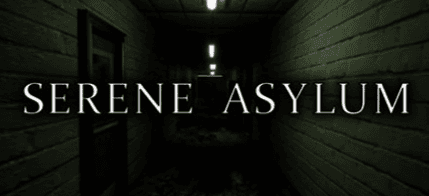
Serene Asylum wakes players on a surgical table in an asylum with a history that surfaces through documents. The infinite loop structure traps the space in repetition. GPA scores it high on Horror and Puzzle — a free-to-play horror that applies the loop mechanic to institutional architecture.
Tag Similarity
Puzzle
65%
Dystopian Setting
75%
Horror
70%
Existential Themes
65%
Dark
70%
Emotional Story
45%
Graphics
45%
Chart tags: Puzzle / Dystopian Setting / Horror / Existential Themes / Dark / Emotional Story / Graphics
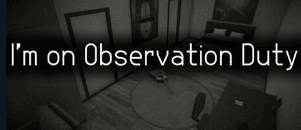
I'm on Observation Duty tasks players with monitoring security camera feeds across a house and flagging anomalies before a time limit expires. The series extends to eight entries. GPA scores it high on Horror and Puzzle — the anomaly detection mechanic applied to static surveillance footage rather than first-person traversal.
Tag Similarity
Puzzle
75%
Dystopian Setting
65%
Horror
70%
Existential Themes
50%
Dark
55%
Emotional Story
0%
Graphics
40%
Chart tags: Puzzle / Dystopian Setting / Horror / Existential Themes / Dark / Emotional Story / Graphics
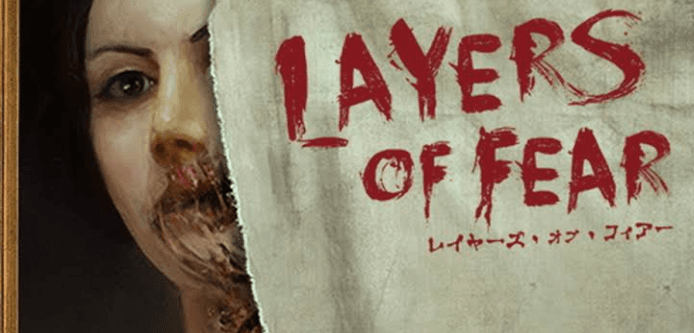
Layers of Fear traps a mad painter in a mansion where every room rearranges itself to reflect his deteriorating mind. Environmental storytelling through portrait fragments and scattered writings builds the backstory. Bloober Team's breakout title. GPA scores it high on Horror and Existential Themes — the first-person psychological horror built entirely around architecture as a mental state.
Tag Similarity
Puzzle
50%
Dystopian Setting
80%
Horror
80%
Existential Themes
70%
Dark
80%
Emotional Story
0%
Graphics
65%
Chart tags: Puzzle / Dystopian Setting / Horror / Existential Themes / Dark / Emotional Story / Graphics
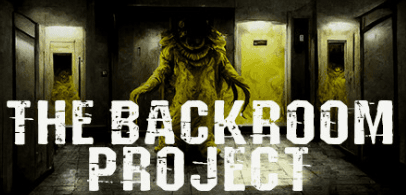
Backrooms: The Project starts in empty corporate offices before descending through level structures rendered in UE5. The photorealistic fluorescent corridors are the highest production value entry in the Backrooms genre. GPA scores it high on Horror and Graphics.
Tag Similarity
Puzzle
55%
Dystopian Setting
85%
Horror
80%
Existential Themes
60%
Dark
70%
Emotional Story
0%
Graphics
65%
Chart tags: Puzzle / Dystopian Setting / Horror / Existential Themes / Dark / Emotional Story / Graphics
Scorn drops players into a world of biomechanical architecture drawn directly from H.R. Giger and Zdzisław Beksiński without explanation or dialogue. The environment is the horror. Puzzles use organs and living machinery. Ebb Software's debut. GPA scores it high on Dark World and Existential Themes — the art-horror game where the visual language is the entire experience.
Tag Similarity
Puzzle
65%
Dystopian Setting
92%
Horror
80%
Existential Themes
80%
Dark
90%
Emotional Story
0%
Graphics
80%
Chart tags: Puzzle / Dystopian Setting / Horror / Existential Themes / Dark / Emotional Story / Graphics
Amnesia introduced the sanity meter — look at monsters and the player's vision deteriorates and strange sounds intrude. There are no weapons. The castle setting and helplessness design drove the early YouTube Let's Play phenomenon. Frictional Games' 2010 release established the template for first-person horror games for the following decade. GPA scores it high on Horror — the game that rewrote horror design conventions.
Tag Similarity
Puzzle
60%
Dystopian Setting
85%
Horror
92%
Existential Themes
70%
Dark
85%
Emotional Story
0%
Graphics
55%
Chart tags: Puzzle / Dystopian Setting / Horror / Existential Themes / Dark / Emotional Story / Graphics
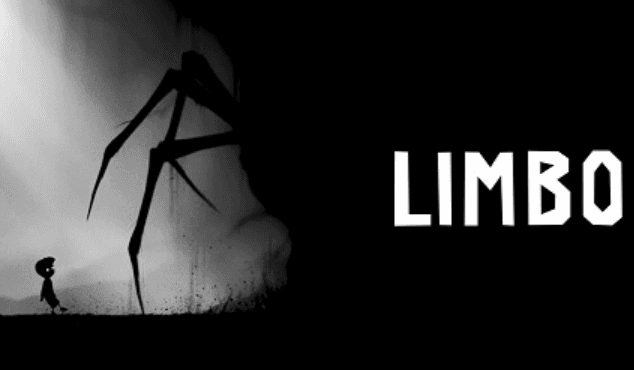
Limbo renders a boy's journey through a monochrome nightmare in silhouette, using physics puzzles and environmental hazards to tell a story without a single word. Playdead's debut. Switch, PS3/4, Xbox, PC. GPA scores it high on Existential Themes and Puzzle — the wordless puzzle platformer that Inside later built upon, establishing Playdead's visual storytelling identity.
Tag Similarity
Puzzle
78%
Dystopian Setting
82%
Horror
0%
Existential Themes
80%
Dark
78%
Emotional Story
72%
Graphics
70%
Chart tags: Puzzle / Dystopian Setting / Horror / Existential Themes / Dark / Emotional Story / Graphics
Observer: System Redux casts Rutger Hauer (in his final video game role) as Daniel Lazarski, a neural detective who hacks dying minds in cyberpunk 2084 Poland. The Dream Eater device renders psychological horror sequences inside corrupted memory spaces. Switch 2, PS4/5, Xbox, PC. GPA scores it high on Existential Themes and Dark World — the cyberpunk horror game that most effectively uses the mind-hacking mechanic as both story and scare delivery.
Tag Similarity
Puzzle
55%
Dystopian Setting
88%
Horror
75%
Existential Themes
80%
Dark
80%
Emotional Story
68%
Graphics
75%
Chart tags: Puzzle / Dystopian Setting / Horror / Existential Themes / Dark / Emotional Story / Graphics
Observation inverts the sci-fi thriller premise by casting the player as SAM, the space station's AI, rather than the human crew member. Using cameras, drones, and station systems to investigate the disappeared crew creates a perspective no other game occupies. No Code, Devolver Digital. PS4, Xbox, PC. GPA scores it high on Existential Themes and Puzzle — the SF thriller where being the AI is both the mechanic and the message.
Tag Similarity
Puzzle
68%
Dystopian Setting
75%
Horror
58%
Existential Themes
88%
Dark
62%
Emotional Story
65%
Graphics
65%
Chart tags: Puzzle / Dystopian Setting / Horror / Existential Themes / Dark / Emotional Story / Graphics
SOMA places players in an underwater facility in 2104 and asks what consciousness means — whether a copied mind is the same person, and what death means if copies exist. Combat is minimal; the horror comes from what the story reveals. Frictional Games' follow-up to Amnesia. GPA scores it at the top for Existential Themes among horror games — the only entry where philosophy and survival horror share equal weight.
Tag Similarity
Puzzle
55%
Dystopian Setting
85%
Horror
75%
Existential Themes
95%
Dark
80%
Emotional Story
85%
Graphics
70%
Chart tags: Puzzle / Dystopian Setting / Horror / Existential Themes / Dark / Emotional Story / Graphics
Martha is Dead sets its psychological horror in WWII Italy, following Giulia who assumes the identity of her drowned twin sister. The setting intersects wartime atrocity with personal dissociation. LKA's 2022 release was partially censored on PlayStation for graphic content. GPA scores it high on Dark World and Existential Themes — the horror game that most directly engages with historical trauma as a narrative device.
Tag Similarity
Puzzle
50%
Dystopian Setting
85%
Horror
78%
Existential Themes
80%
Dark
90%
Emotional Story
78%
Graphics
72%
Chart tags: Puzzle / Dystopian Setting / Horror / Existential Themes / Dark / Emotional Story / Graphics
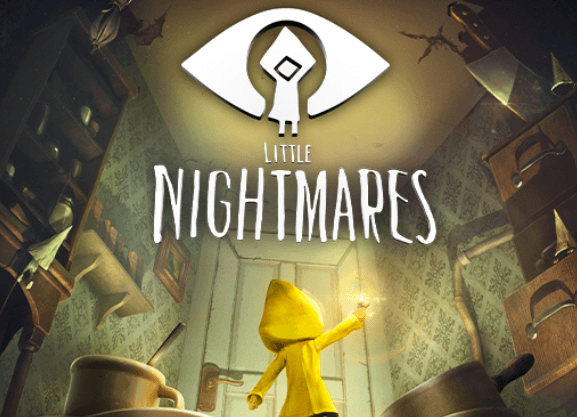
Little Nightmares traps Six on The Maw, a vessel full of oversized grotesque adults, using puzzle escape mechanics and a perspective that makes every room feel architecturally hostile. Tarsier Studios, Bandai Namco. Switch, PS4, Xbox, PC. GPA scores it high on Horror and Dark World — the puzzle horror that built its identity entirely around scale disparity between the protagonist and the threats.
Tag Similarity
Puzzle
72%
Dystopian Setting
85%
Horror
82%
Existential Themes
0%
Dark
85%
Emotional Story
68%
Graphics
80%
Chart tags: Puzzle / Dystopian Setting / Horror / Existential Themes / Dark / Emotional Story / Graphics
ANATOMY walks through an empty house while cassette tapes deliver a theory about the architecture of habitation. The theory becomes true over multiple playthroughs. GPA scores it high on Existential Themes and Horror — a short-form horror where the central idea is the game mechanic.
Tag Similarity
Puzzle
0%
Dystopian Setting
80%
Horror
70%
Existential Themes
85%
Dark
65%
Emotional Story
55%
Graphics
35%
Chart tags: Puzzle / Dystopian Setting / Horror / Existential Themes / Dark / Emotional Story / Graphics
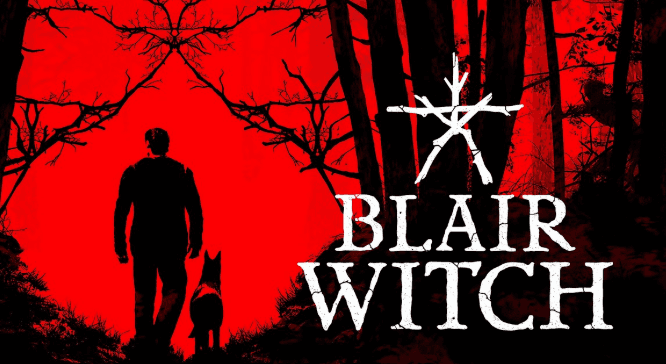
Blair Witch follows Ellis, a former police officer, into the Black Hills Forest with his dog Bullet in an official sequel to the 1999 film. Bullet functions as both companion and tool. Bloober Team's licensed horror. GPA scores it high on Horror and Dark World — the licensed horror game where the canine companion mechanic genuinely changes the emotional texture of the fear experience.
Tag Similarity
Puzzle
0%
Dystopian Setting
80%
Horror
80%
Existential Themes
60%
Dark
78%
Emotional Story
65%
Graphics
68%
Chart tags: Puzzle / Dystopian Setting / Horror / Existential Themes / Dark / Emotional Story / Graphics
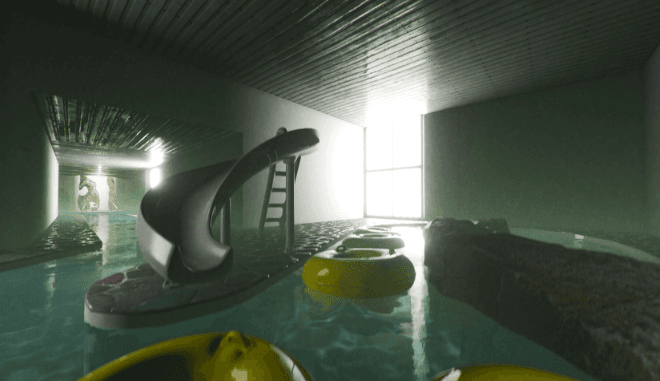
Anemoiapolis recreates malls, pools, and transitional spaces with the visual fidelity to make the emptiness feel accurate rather than digital. The term 'anemoiapolis' describes the game's central emotion: nostalgia for places you have never been. GPA scores it high on Dark World — the combination that places it at the purest end of the liminal space genre.
Tag Similarity
Puzzle
0%
Dystopian Setting
85%
Horror
65%
Existential Themes
75%
Dark
65%
Emotional Story
55%
Graphics
80%
Chart tags: Puzzle / Dystopian Setting / Horror / Existential Themes / Dark / Emotional Story / Graphics
Visage explores a house with multiple dark histories through its past residents' chapters, with a sanity system that breaks down when players stay in darkness or witness disturbing events. The P.T.-inspired design delivers the full playable horror experience that Silent Hills never completed. GPA scores it high on Horror and Existential Themes — the most complete realization of the atmospheric haunted house genre.
Tag Similarity
Puzzle
60%
Dystopian Setting
88%
Horror
90%
Existential Themes
70%
Dark
85%
Emotional Story
0%
Graphics
70%
Chart tags: Puzzle / Dystopian Setting / Horror / Existential Themes / Dark / Emotional Story / Graphics
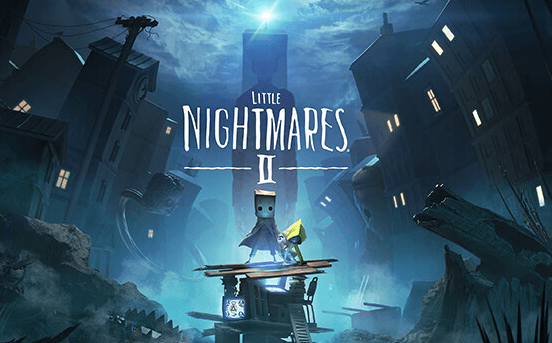
Little Nightmares II teams Mono with Six in a city dominated by television signals, expanding the first game's escape-puzzle structure with a companion mechanic and a more developed setting. The ending recontextualizes both games. Tarsier Studios' follow-up. GPA scores it high on Horror and Emotional Story — the rare horror sequel that deepens the original's emotional stakes.
Tag Similarity
Puzzle
75%
Dystopian Setting
85%
Horror
85%
Existential Themes
0%
Dark
85%
Emotional Story
75%
Graphics
80%
Chart tags: Puzzle / Dystopian Setting / Horror / Existential Themes / Dark / Emotional Story / Graphics
SIGNALIS puts Elster, a Replika technician, inside an abandoned mining facility where the environment loops and the enemy behavior distorts. rose-engine's two-person team drew from Silent Hill, Ghost in the Shell, and Neon Genesis Evangelion to create a survival horror that operates on dream logic. Switch, PS4, Xbox, PC. GPA scores it high on Existential Themes and Horror — the indie horror game most committed to its own aesthetic system.
Tag Similarity
Puzzle
58%
Dystopian Setting
85%
Horror
82%
Existential Themes
85%
Dark
80%
Emotional Story
75%
Graphics
60%
Chart tags: Puzzle / Dystopian Setting / Horror / Existential Themes / Dark / Emotional Story / Graphics
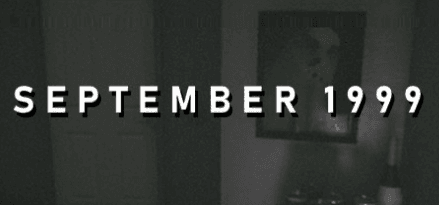
SEPTEMBER 1999 runs for five and a half minutes. A VHS recording moves through a house with something wrong. Free to play. GPA scores it high on Horror and Dark World — the entire game is a tone delivery system at minimum viable length.
Tag Similarity
Puzzle
0%
Dystopian Setting
70%
Horror
75%
Existential Themes
55%
Dark
70%
Emotional Story
0%
Graphics
40%
Chart tags: Puzzle / Dystopian Setting / Horror / Existential Themes / Dark / Emotional Story / Graphics
LSD: Dream Emulator is available through emulation. The 1998 PlayStation title was built from ten years of dream diary entries, generating environments through a day counter system that produces different results over time. GPA scores it at the top for Existential Themes — the game predates the liminal space concept by twenty years while embodying it completely.
Tag Similarity
Puzzle
0%
Dystopian Setting
80%
Horror
65%
Existential Themes
90%
Dark
60%
Emotional Story
0%
Graphics
40%
Chart tags: Puzzle / Dystopian Setting / Horror / Existential Themes / Dark / Emotional Story / Graphics
About "Confabulation"
▸Game Composition (GPA Analysis)
Confabulation(コンファビュレーション) leads with its 自宅異変探しホラー identity, anchored by the core feel of "Confabulation photographs changes in a home where the player's memory of the layout is unreliable." The headline profile reads Puzzle 75% / Dystopian Setting 65% / Horror 65%, making it a strong pick for fans of Puzzle and Dystopian Setting. Skews toward a beginner-to-intermediate audience while still leaving room for more seasoned players.
▸Characteristics & Analysis
Our editorial team scored "Confabulation(コンファビュレーション)" by using its feel of 自宅が舞台, 記憶の信頼性, and 写真で記憶回復 as the primary lens, weighting Puzzle and Dystopian Setting most heavily. Top similar titles include "Serene Asylum(セリーン・アサイラム)", "I'm on Observation Duty(アイム・オン・オブザベーション・デューティ)", "レイヤーズ・オブ・フィアー(Layers of Fear)".
Confabulation Analysis — When You Can't Trust Your Own Memory
Game Overview
Confabulation is a first-person psychological horror game built around a simple but unsettling premise: your memory is fading, and the house around you keeps changing.
The basic objective is to identify things that have changed, photograph them, and gradually recover what you have forgotten.
At first glance, it resembles an anomaly-hunting game.
But the real hook is more psychological.
The game doesn't simply ask whether you can spot something that looks wrong. It asks whether you can trust your own memory of what was there in the first place. (Steam Store)
When the Anomaly Is Your Own Memory
Games such as I'm on Observation Duty and The Exit 8 are built around the same fundamental skill: learn what “normal” looks like, then identify anything that doesn't belong.
Confabulation takes that structure and pushes it toward psychological horror.
You walk through a familiar home and begin forming a mental picture of where everything should be.
Then something changes.
A familiar object is somewhere it shouldn't be. Something that was there before has disappeared. A room no longer looks quite right.
The unsettling part is the doubt that follows.
Was the object moved?
Or did you simply remember the room incorrectly?
That uncertainty becomes the game's central source of tension.
The Camera Is More Than a Tool
Photography is at the center of Confabulation's gameplay.
When the player discovers something that has changed, taking a picture can restore it and help prevent the loss of sanity. The camera therefore serves two purposes at once.
It is a gameplay tool, but it is also a metaphor for memory.
The player is essentially creating evidence of what they have seen.
That creates an interesting tension between perception and documentation: should you trust what you remember, what you see, or what you have recorded?
This is where the game's horror and puzzle design intersect.
Why GPA Scores Puzzle at 75%
Title tendency chart (Confabulation)
Puzzle ◀
75%
Horror ◀
65%
Decadent Worldview
65%
Existential Themes
60%
Dark
55%
Emotional Story
45%
Graphics
40%
* Based on GPA sub-tag scores. Home anomaly hunting built around unreliable memory.
GPA gives Confabulation its highest score in Puzzle at 75%, followed by Horror at 65%.
That balance is important.
This isn't simply a horror game where puzzles exist to slow the player down. Observation, exploration and pattern recognition are the core of the experience.
The game also randomizes puzzles, changing objects, horror elements and story elements between playthroughs. That makes the experience less about memorizing a fixed solution and more about actively observing each run.
Your memory and attention become part of the gameplay.
Turning a Familiar Home Into a Threat
The choice of setting is another major part of the design.
There is no need for an abandoned hospital or an enormous haunted mansion. Confabulation uses something much more familiar: a home.
That familiarity is precisely what makes the setting effective.
You already understand what a normal home should look like. You instinctively remember where furniture belongs, how rooms are arranged, and what should be sitting on a shelf.
When those assumptions start breaking down, even a small change can become unsettling.
GPA reflects this with scores of 65% for Decadent Worldview and 60% for Existential Themes. The game isn't primarily interested in spectacular environments. Instead, it turns an ordinary private space into something increasingly unreliable.
GPA's Take
Confabulation takes the relatively straightforward structure of an anomaly-hunting game and connects it to a much more unsettling idea: the unreliability of memory.
Its 75% Puzzle score reflects the importance of observation and deduction, while the 65% Horror and 60% Existential Themes scores point toward the psychological layer underneath the mechanics.
Fans of I'm on Observation Duty or The Exit 8 will recognize the basic appeal, but Confabulation pushes that formula toward something more personal.
The fear isn't simply about seeing something you shouldn't.
It's about realizing that you may no longer be able to trust what you remember seeing.