30 Best Liminal Space and Backrooms Horror Games, Analyzed with GPA Scores
Game analysis · Four kinds of liminal space horror, classified through GPA (Gamer's Profile Analyzer) tag scores
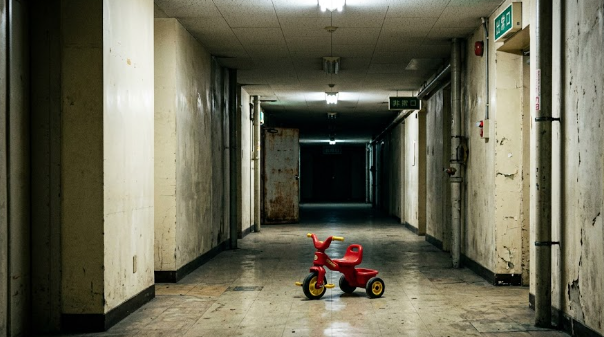
A familiar place with nobody in it can be unsettling before anything frightening actually happens. Liminal space horror lives in that gap.
The term "liminal space" spread across social media around 2019. Pool locker rooms, late-night convenience stores, and train platforms after the final departure all became familiar images: places built for crowds, shown after everyone has gone. Games soon began turning that absence into something players could explore.
The global success of The Exit 8 brought anomaly hunting into the same conversation as the Backrooms and helped the genre branch in several directions. Using GPA (Gamer's Profile Analyzer) tag scores, this article groups 30 games into four distinct approaches to liminal horror.
Four Ways Liminal Space Games Turn Absence into Horror
Liminal space horror may look like a narrow genre, but these games create unease in very different ways. GPA's gameplay analysis points to four broad design styles.
POOLS relies almost entirely on sound and space. The Exit 8 turns small disturbances in an everyday setting into an observation puzzle. Backrooms games add pursuit and survival, while works such as Naissancē use impossible architecture as both spectacle and threat. They share an interest in empty places, but the play behind that feeling is markedly different.
Pure Liminal Experiences
Pools, commercial spaces, and empty interiors: these games build their atmosphere almost entirely from sound and space. GPA scores tend to run high for Dystopian World and Horror, with very little Action.
Representative games: POOLS, The Stanley Parable, Superliminal
Everyday Places Turned Uncanny
Familiar Japanese settings — schools, apartment blocks, convenience stores, and trains — become unsettling once the people disappear. Many follow the observation-and-loop design popularized by The Exit 8.
Representative games: The Exit 8, The Stigmatized Property, Shinkansen 0
Entity Chases & Backrooms Escapes
These games add stealth, pursuit, and the threat of discovery to the unease of empty spaces. Their GPA Difficulty and Strategy scores tend to exceed the other three groups, reflecting a stronger focus on survival mechanics.
Representative games: The Backrooms, I'm on Observation Duty, Anemoiapolis
Surreal Architecture & Art Horror
Impossible buildings turn architectural beauty into a source of uncertainty. Existential Theme and Puzzle are often their strongest GPA scores, with ideas and spatial reasoning carrying as much weight as fear.
Representative games: Antichamber, My House (myhouse.wad), Naissancē
* Editorial assessment only — not official GPA scores.
Liminal space games are listed by horror intensity. You can filter by type.
| # | Title | Type | Horror |
|---|---|---|---|
| 1 | The Backrooms | Chase / Escape | 85% |
| 2 | The Complex: Found Footage | Chase / Escape | 85% |
| 3 | I'm on Observation Duty | Chase / Escape | 85% |
| 4 | Confabulation | Chase / Escape | 85% |
| 5 | Parking Garage Rally Circuit | Chase / Escape | 85% |
| 6 | Anemoiapolis | Chase / Escape | 85% |
| 7 | Serene Asylum | Chase / Escape | 85% |
| 8 | Lost in Vivo | Chase / Escape | 85% |
| 9 | Backrooms: The Project | Chase / Escape | 85% |
| 10 | POOLS | Pure Experience | 80% |
| 11 | The Stanley Parable | Pure Experience | 80% |
| 12 | Superliminal | Pure Experience | 80% |
| 13 | INSIDE | Pure Experience | 80% |
| 14 | World of Horror | Pure Experience | 80% |
| 15 | LSD: Dream Emulator | Pure Experience | 80% |
| 16 | Naissancē | Pure Experience | 80% |
| 17 | Fatum Betula | Pure Experience | 80% |
| 18 | The Exit 8 | Everyday Uncanny | 78% |
| 19 | The Stigmatized Property | Everyday Uncanny | 78% |
| 20 | Shinkansen 0 | Everyday Uncanny | 78% |
| 21 | The Convenience Store | Everyday Uncanny | 78% |
| 22 | Platform 8 | Everyday Uncanny | 78% |
| 23 | September 1999 | Everyday Uncanny | 78% |
| 24 | The Night Way Home | Everyday Uncanny | 78% |
| 25 | Maple Forest | Everyday Uncanny | 78% |
| 26 | Antichamber | Surreal / Art | 75% |
| 27 | My House (myhouse.wad) | Surreal / Art | 75% |
| 28 | Interior Worlds | Surreal / Art | 75% |
| 29 | ANATOMY | Surreal / Art | 75% |
| 30 | Mouthwashing | Surreal / Art | 75% |
| 31 | Serene | Surreal / Art | 75% |
① Pure Liminal Experiences
Pools, commercial spaces, and empty interiors: these games build their atmosphere almost entirely from sound and space. GPA scores tend to run high for Dystopian World and Horror, with very little Action.
1. POOLS
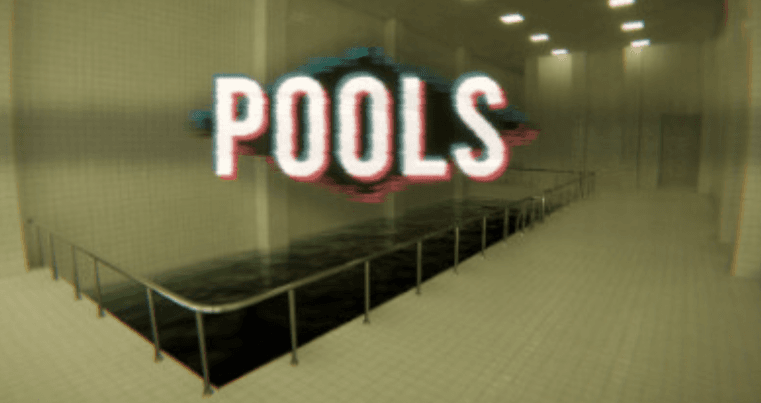
POOLS
Genre: Walking Simulator
POOLS renders endless indoor swimming facilities through vintage video camera grain, using footsteps and water echoes as the entire audio design. There are no threats and no objectives. GPA scores it high on Dark World and Existential Themes — the experience is defined entirely by absence and atmosphere.
Gameplay Profile
Key tags: Dystopian Setting / Graphics / Horror / Existential Themes / Dark
POOLS builds its horror entirely from locker rooms, bathing areas, and tiled corridors. There are no conventional threats, only the anxiety of wandering through sterile spaces without knowing why they exist or how you arrived. Its six chapters take roughly 20–30 minutes, making Tensori's game an accessible introduction to the visual language of liminal space.
GPA gives it high Dystopian World and Horror scores, with almost no Action. It is an ideal starting point for players curious about liminal games but unwilling to commit to a long campaign.
2. The Stanley Parable

The Stanley Parable
Genre: Interactive Fiction
The Stanley Parable traps an office worker in a loop while a narrator describes his choices in real time, then subverts every decision the player makes. The game's subject is the relationship between player and game. GPA scores it at the top for Existential Themes and Multiple Endings — the combination that describes a game where the act of playing is the content.
Gameplay Profile
Key tags: Existential Themes / Multiple Endings / Visual Novel / ADV / Story Depth / Emotional Story
The Stanley Parable sends you through an abandoned office while a narrator tells you where to go — instructions you can obey or ignore. Humming copiers, empty meeting rooms, and silent corridors turn an ordinary workplace into something uncanny. A single route takes one or two hours, while The Ultra Deluxe version adds enough branches to consume an evening. Years before 'liminal space' became a mainstream label, the game understood how strange an office feels once its workers disappear.
Its GPA Existential Theme and Creativity scores are especially high. The result sits closer to comic existential unease than conventional horror, pairing empty spaces with genuine narrative agency.
3. Superliminal

Superliminal
Genre: Puzzle Adventure
Superliminal builds its puzzle design around forced perspective — objects appear to resize based on viewing angle, and the game asks players to use this property to navigate. The space gradually becomes architecturally impossible. GPA scores it high on Puzzle and Existential Themes — the combination that identifies a game where the mechanics and the subject matter are the same thing.
Gameplay Profile
Key tags: Logic / Existential Themes / Dystopian Setting / Graphics / Story Depth
Superliminal uses forced perspective to resize objects and rewrite the rules of each room. Hotel lobbies, laboratories, and dream spaces connect in ways that never quite make sense, leaving you unsure whether there is a real exit or whether you will ever wake up. The three-to-four-hour runtime makes it easy to play in a sitting, while Pillow Castle turns the broken continuity of liminal spaces into a coherent puzzle system.
Puzzle and Creativity stand out in its GPA profile. It asks more of the player mechanically than most games in this category, but the quiet of its empty rooms never leaves.
4. INSIDE
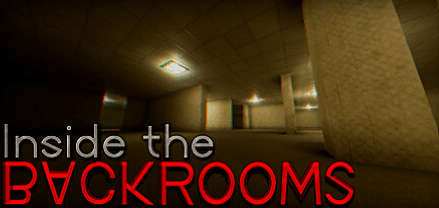
INSIDE
Genre: Co-op Horror
Inside the Backrooms supports co-op play across its escape sequences, running puzzle solving and creature avoidance in parallel. The multi-floor structure gives each section distinct rules. GPA scores it high on Co-op and Horror — the combination that identifies the Backrooms game most committed to building conventional gameplay around the source material.
Gameplay Profile
Key tags: Horror / Dystopian Setting / Co-op / Dark / Logic
Playdead's wordless side-scroller presents a dystopia without exposition, then uses its final scene to recast everything that came before. Shadow and sound carry the dread as a boy moves through forests and sterile facilities, never learning why he is being hunted or what the complex was built to do. INSIDE lasts roughly three to four hours, but packs an unusual amount into that time. It explored the horror of unexplained spaces before 'liminal' became a common description.
GPA scores it highly for Dystopian World, Horror, and short-adventure appeal. Its unanswered questions linger well beyond the credits.
5. World of Horror

World of Horror
Genre: ローグライクホラーADV
World of Horror pulls from Junji Ito's visual vocabulary for its 1-bit roguelite investigation. GPA scores it high on Horror and Dark World.
Gameplay Profile
Key tags: Dystopian Setting / Horror / Dark / Roguelike / Existential Themes
World of Horror turns 1990s Japan into a Junji Ito-inspired pixel-art roguelite. Town statistics deteriorate and random events accumulate until everyday life seems to collapse without explanation. Each 30-to-60-minute run asks how long you can survive and what happened to the town in the first place. Developer panstasz makes familiar locations feel systematically wrong rather than relying on a single haunted setting.
Horror, Dystopian World, and Roguelike are all prominent in its GPA profile. It belongs here for the way its philosophical horror channels wider social anxiety through ordinary places.
6. LSD: Dream Emulator
LSD: Dream Emulator
Genre: 探索アドベンチャー
LSD: Dream Emulator is available through emulation. The 1998 PlayStation title was built from ten years of dream diary entries, generating environments through a day counter system that produces different results over time. GPA scores it at the top for Existential Themes — the game predates the liminal space concept by twenty years while embodying it completely.
Gameplay Profile
Key tags: Existential Themes / Dystopian Setting / Horror / Dark / Graphics
This 1998 PS1 experiment turns a developer's dream diary into an open-ended walk with no conventional goal or story. Touching a wall can send you somewhere else; revisiting a location may reveal a different layout. Its dream logic leaves your purpose and even the possibility of waking deliberately unclear. Sessions can last as long as you choose, though 30–60 minutes works well as a single fragment. Asmik Ace made meaningless space compelling before liminal space had a name.
Creativity and Existential Theme dominate its GPA profile. Any history of liminal games would be incomplete without it.
7. Naissancē

Naissancē
Genre: 探索アドベンチャー
NaissanceE renders brutalist megastructure architecture at a scale that reduces the player character to near-invisibility. The monochrome environment has no enemies and no objectives beyond movement. GPA scores it high on Existential Themes and Dark World — the combination that describes an art game where scale is the subject matter.
Gameplay Profile
Key tags: Dystopian Setting / Existential Themes / Dark / Graphics
Naissancē sends you through monumental black-and-white architecture: colonnades, spiral staircases, and halls with no visible end. Nobody else is present; sound simply echoes through the structure. The uncertainty of why you are inside, or whether an outside exists, creates most of the pressure. Limeysoft's one-to-two-hour experience helped establish a form of liminal horror in which scale and architecture are the threat.
GPA rates Exploration and Dystopian World highly. Few games make the building itself feel so completely like the central character.
8. Fatum Betula

Fatum Betula
Genre: 実存系探索アドベンチャー
Fatum Betula places players in a world with no past, presenting a birch tree responsible for fate and asking for offerings that unlock ten distinct endings. The PS1-era polygon aesthetic is deliberate. GPA scores it high on Existential Themes and Multiple Endings — a minimalist horror built around symbolic choice rather than narrative explanation.
Gameplay Profile
Key tags: Existential Themes / Dystopian Setting / Multiple Endings / Dark / Puzzle
Fatum Betula is retro 3D horror built around a birch tree, with PS1-style visuals and a world where forests bleed into stranger places. Ten endings reshape the spaces you visit and alter what familiar locations mean. A route takes roughly 30–60 minutes, while the branching structure rewards repeated trips. Its low-poly world captures the kind of brief, hard-to-forget spaces that define many liminal games.
Horror and Multiple Endings score highly on GPA. Within this category, player choice carries unusual weight.
② Everyday Places Turned Uncanny
Familiar Japanese settings — schools, apartment blocks, convenience stores, and trains — become unsettling once the people disappear. Many follow the observation-and-loop design popularized by The Exit 8.
1. The Exit 8

The Exit 8
Genre: Escape
The Exit 8 gives players a looping underground passageway and one instruction: exit at 8 if nothing is wrong, turn back if something is. The anomaly detection loop runs on observation and iteration. GPA scores it at the top for Puzzle among walking horror titles — the mechanic distilled the genre to its most precise form.
Gameplay Profile
Key tags: Horror / Logic / Turn-Based / Existential Themes / Dystopian Setting
KOTAKE CREATE's anomaly-hunting horror sends you through the same Japanese underground passage again and again. Turn back when something is wrong; keep moving when the corridor appears normal. Tiny changes make a familiar public space feel alien, while the loop raises questions about why you are there and whether Exit 8 exists. A run takes roughly 15–30 minutes and gets faster as you learn the anomalies. Its viral success established the Japanese everyday setting and repeated observation loop as a recognizable form of liminal horror.
This GPA-listed Japanese indie is short, inexpensive, and built for discussion. It became one of the main sparks behind the global wave of anomaly games and liminal space horror.
2. The Stigmatized Property

The Stigmatized Property
Genre: Horror
The Stigmatized Property drops players into a Tokyo apartment building with a history of fatal incidents. Chilla's Art's signature found footage aesthetic and abrupt pacing create tension through restraint rather than spectacle. GPA scores it high on Horror and Dark World — the combination that defines the Japanese indie horror genre's most prolific studio.
Gameplay Profile
Key tags: Horror / Logic / Existential Themes / Dystopian Setting / Dark
The Stigmatized Property is a short horror game set in a Japanese apartment complex. Elevators, shared corridors, and vacant units retain the furniture and traces of everyday life, even when the residents are gone. The 30-to-60-minute story lets unease build around what happened to the previous tenant. Released before The Exit 8, it is an earlier example of horror rooted in familiar Japanese spaces, with a stronger narrative focus than an anomaly hunt.
GPA scores Horror and Japanese Setting highly. It is a strong entry point for players interested in the uncanny side of ordinary Japanese homes.
3. Shinkansen 0

Shinkansen 0
Genre: Walking Simulator
Shinkansen 0 uses the Shinkansen platform and car interior as its liminal setting, alternating between the empty station and the moving train. The anomaly detection runs across both environments. GPA scores it high on Horror and Puzzle — the combination that places it in the Exit 8 lineage of walking horror designed around observational attention.
Gameplay Profile
Key tags: Horror / Logic / Dystopian Setting / Graphics / Dark
Shinkansen 0 turns a late-night bullet train into a compact horror setting. Rows of empty seats, narrow aisles, and quiet restrooms make a familiar form of transport feel subtly hostile. Over 20–40 minutes, each detected anomaly increases the tension around the train and whether the next stop offers a way out. It applies Chilla's Art's style of everyday horror to a distinctly Japanese transit space.
Horror and Nostalgia score highly on GPA. Among everyday-collapse games, it is a clear example of how the familiar design of a Shinkansen can become unsettling.
4. The Convenience Store

The Convenience Store
Genre: ホラーアドベンチャー
The Convenience Store sends a night shift worker through a closing routine in a store where the customers stopped coming. Chilla's Art's VHS filter and abrupt transitions carry the horror. GPA scores it high on Horror and Dark World — the combination that defines a liminal horror built around institutional spaces.
Gameplay Profile
Key tags: Horror / Dystopian Setting / Dark / Existential Themes / Graphics
The Convenience Store places a night-shift worker behind the counter of a 24-hour shop. Scanning purchases, restocking shelves, and hearing store announcements should feel routine, yet long stretches of isolation between encounters make every task uneasy. The 30-to-60-minute story allows anomalies to creep into ordinary work until the promise of an always-open store becomes threatening.
GPA gives it high Horror and Everyday Feel scores. Familiarity with Japanese convenience-store culture can make its small details hit even harder.
5. Platform 8
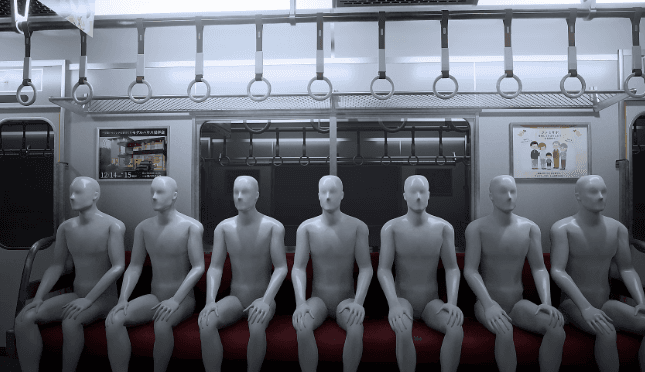
Platform 8
Genre: Walking Simulator
The Platform 8 traps players on a commuter train that never arrives, applying the anomaly detection mechanic from Exit 8 to a moving environment. GPA scores it high on Horror and Puzzle.
Gameplay Profile
Key tags: Dystopian Setting / Horror / Logic / Graphics / Dark
Platform 8 moves The Exit 8's anomaly hunt onto a train that never reaches its destination, shifting between its carriages and the station platform. Distant rail noise, empty benches, and repeated spaces turn commuting memories into a looping puzzle. A run lasts around 15–30 minutes and becomes quicker as the anomaly patterns become familiar. As KOTAKE CREATE's follow-up, it sharpens the series' use of Japanese transit spaces.
Horror and Exploration rate highly on GPA. Few games in this group use the everyday memory of waiting for a train so directly.
6. September 1999
September 1999
September 1999 is a VHS-styled found-footage horror vignette set in the final days of that month. Tape noise, low resolution, and CRT-like color turn the look of obsolete home video into a source of dread. The stated 30-to-60-minute runtime keeps the focus on the format itself and the memories attached to it.
GPA scores Horror, Nostalgia, and Retro Graphics highly. Players who remember the VHS era may find its distortions especially uncomfortable.
September 1999 is a VHS-styled found-footage horror vignette set in the final days of that month. Tape noise, low resolution, and CRT-like color turn the look of obsolete home video into a source of dread. The stated 30-to-60-minute runtime keeps the focus on the format itself and the memories attached to it.
GPA scores Horror, Nostalgia, and Retro Graphics highly. Players who remember the VHS era may find its distortions especially uncomfortable.
7. The Night Way Home

The Night Way Home
Genre: 和風サバイバルホラー
The Night Way Home sends Rina home from school through a route that shifts into something else. Chilla's Art's survival elements appear here earlier in the catalog. GPA scores it high on Horror and Dark World — the liminal commute setting that has become the studio's most recurring horror context.
Gameplay Profile
Key tags: Horror / Dystopian Setting / Dark / Existential Themes / Action
The Night Way Home builds a short horror story around the walk home after dark. Streetlights, crossings, and familiar shop signs shift almost imperceptibly until the route no longer feels reliable. Over 20–40 minutes, repetition turns the universal anxiety of a night walk into a liminal space with no obvious way home.
Horror and Exploration are high on GPA. It stands out in this category by grounding its fear in an experience almost anyone can recognize.
8. Maple Forest
Maple Forest
Maple Forest finds liminal unease in autumn woodland rather than an urban interior. The landscape should be beautiful, but the complete absence of people changes its mood. During a 30-to-60-minute walk, strong contrasts in color and sound sustain the question of why you are there and where the path leads. It is a rare example of everyday-collapse horror set in nature.
GPA scores Horror, Exploration, and Graphics highly. Its quiet otherworld offers a change of pace from empty offices and city streets.
Maple Forest finds liminal unease in autumn woodland rather than an urban interior. The landscape should be beautiful, but the complete absence of people changes its mood. During a 30-to-60-minute walk, strong contrasts in color and sound sustain the question of why you are there and where the path leads. It is a rare example of everyday-collapse horror set in nature.
GPA scores Horror, Exploration, and Graphics highly. Its quiet otherworld offers a change of pace from empty offices and city streets.
③ Entity Chases & Backrooms Escapes
These games add stealth, pursuit, and the threat of discovery to the unease of empty spaces. Their GPA Difficulty and Strategy scores tend to exceed the other three groups, reflecting a stronger focus on survival mechanics.
1. The Backrooms
The Backrooms
Genre: Survival Horror
The Backrooms 1998 processes its found footage through VHS degradation artifacts that make the yellow corridor footage feel like a discovered recording. The 1998 timestamp commits to the analog horror aesthetic. GPA scores it high on Horror and Dark World — the found footage framing is the design, not decoration.
Gameplay Profile
Key tags: Horror / Dystopian Setting / Dark / Existential Themes / Graphics
Backrooms games draw on a 4chan creepypasta: endless rooms with yellow wallpaper, buzzing fluorescent lights, damp carpet, and the sense that something is approaching. Different adaptations ask how you fell out of reality and whether there is a way back. Runtimes vary from half an hour to several hours, but shorter versions can communicate the idea within a single sitting. The scenario remains the defining template for combining liminal space with online horror.
GPA emphasizes Horror and Stealth. Compared with pure-experience games, Backrooms titles place much more weight on hiding and escape.
2. The Complex: Found Footage
The Complex: Found Footage
Genre: ホラーウォーキングシム
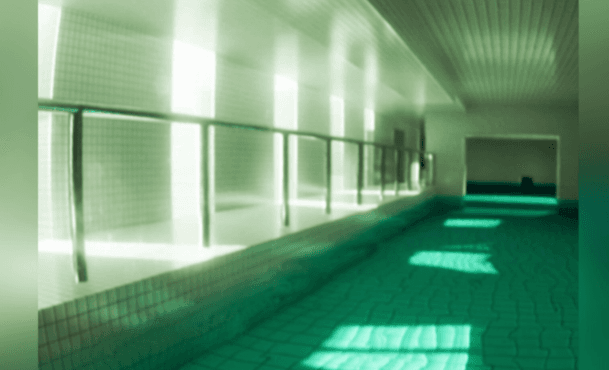
The Complex: Found Footage renders Backrooms Level 0 through VHS processing that makes the yellow fluorescent corridors feel genuinely documented. The found footage framing is structural, not decorative. GPA scores it high on Horror and Graphics — the visual commitment to the format is the primary reason to play.
Gameplay Profile
Key tags: Graphics / Dystopian Setting / Horror / Dark / Existential Themes
The Complex: Found Footage explores an abandoned building through the distortion of a camera lens. Noisy footage, dark stairwells, and vacant office floors add the fear of being discovered to an already liminal setting. Its one-to-two-hour runtime alternates quiet exploration with pursuit, making the building feel frozen in time but far from safe.
Horror, Exploration, and Stealth score highly on GPA. It is an easy recommendation for players drawn to both found-footage horror and liminal spaces.
3. I'm on Observation Duty
I'm on Observation Duty
Genre: Surveillance Anomaly Horror
I'm on Observation Duty tasks players with monitoring security camera feeds across a house and flagging anomalies before a time limit expires. The series extends to eight entries. GPA scores it high on Horror and Puzzle — the anomaly detection mechanic applied to static surveillance footage rather than first-person traversal.
Gameplay Profile
Key tags: Puzzle / Horror / Dystopian Setting / Dark / Existential Themes
I'm on Observation Duty asks you to monitor several rooms through security cameras and report anything that changes. As objects move and anomalies accumulate, a static surveillance job becomes a memory test under pressure. Vacant rooms begin to feel alive, while each 20-to-40-minute shift makes the cost of overlooking a detail clear. Rather than exploring empty space, you are forced to watch it.
GPA gives it high Horror, Strategy, and Logic scores. Its observation-driven tension makes it a natural next step after The Exit 8.
4. Confabulation

Confabulation
Genre: 自宅異変探しホラー
Confabulation photographs changes in a home where the player's memory of the layout is unreliable. The camera serves as both tool and metaphor for the game's central theme. GPA scores it high on Horror and Puzzle — the memory-photograph mechanic sits between Exit 8's anomaly logic and Observation Duty's surveillance framing.
Gameplay Profile
Key tags: Puzzle / Dystopian Setting / Horror / Existential Themes / Dark
Confabulation is puzzle horror built around unreliable memory. Reality and fiction blur as familiar rooms contradict what you remember, leaving you unsure why you are trapped or whether your own recollection can be trusted. The one-to-two-hour structure alternates environmental puzzles with psychological dread, adding cognitive uncertainty to the usual liminal escape.
Horror, Existential Theme, and Puzzle score highly on GPA. It offers a more cerebral alternative to a straightforward chase loop.
5. Parking Garage Rally Circuit

Parking Garage Rally Circuit
Genre: レトロアーケードレーシング
Parking Garage Rally Circuit races through multi-story parking structures in a Saturn-era visual register. The liminal space is the track rather than the horror setting. GPA scores it high on Action — a game that redirects the parking garage's uncanny atmosphere toward racing rather than dread.
Gameplay Profile
Key tags: Action / Dystopian Setting / Graphics / Strategy / Puzzle
Parking Garage Rally Circuit is the odd game out here: a racer set inside an empty multistory garage. Concrete pillars, fluorescent hum, and engine noise create a striking contrast between the stillness of the building and the speed of the car. The roughly hour-long experience treats a liminal environment as a compact action course rather than somewhere to creep through on foot.
GPA scores both Horror and Action highly. It is the pick for anyone curious about the unlikely overlap between racing and liminal unease.
6. Anemoiapolis
Anemoiapolis
Genre: Walking Simulator
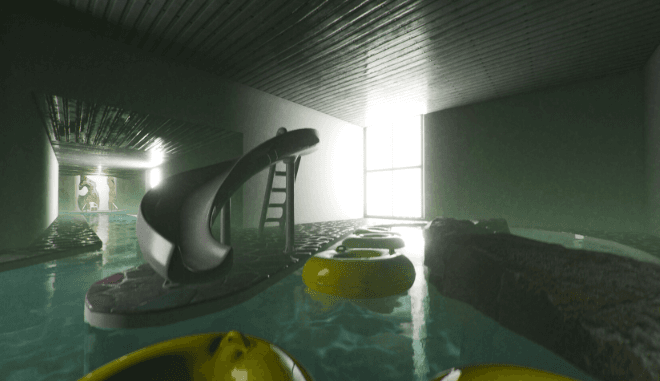
Anemoiapolis recreates malls, pools, and transitional spaces with the visual fidelity to make the emptiness feel accurate rather than digital. The term 'anemoiapolis' describes the game's central emotion: nostalgia for places you have never been. GPA scores it high on Dark World — the combination that places it at the purest end of the liminal space genre.
Gameplay Profile
Key tags: Dystopian Setting / Graphics / Existential Themes / Horror / Dark
Anemoiapolis recreates the atmosphere of an early-2000s shopping mall after closing. Empty food courts, idle escalators, and faint background music layer nostalgia over the discomfort of being trapped. Its two-to-three-hour runtime gives the spaces room to breathe, placing the game between a pure walking experience and an escape story.
Horror, Exploration, and Nostalgia score highly on GPA. It is one of the strongest examples of dead-mall liminal horror.
7. Serene Asylum
Serene Asylum
Genre: 精神病院脱出ホラー
Serene Asylum wakes players on a surgical table in an asylum with a history that surfaces through documents. The infinite loop structure traps the space in repetition. GPA scores it high on Horror and Puzzle — a free-to-play horror that applies the loop mechanic to institutional architecture.
Gameplay Profile
Key tags: Dystopian Setting / Horror / Dark / Existential Themes / Puzzle
Serene Asylum explores an abandoned psychiatric hospital of white walls, long corridors, and oppressive silence. The setting can appear beautiful at first, but chase sequences keep that stillness from ever feeling safe. Its one-to-two-hour runtime alternates exploration with tension while leaving your role — patient or investigator — uncertain.
Horror and Exploration score highly on GPA. Within the chase-focused group, it makes especially strong use of institutional unease.
8. Lost in Vivo

Lost in Vivo
Genre: Survival Horror
Lost in Vivo chases a dog into a drainage system that extends far beyond what the surface implies. The Silent Hill influence runs through the enemy design and audio. GPA scores it high on Horror and Dark World — freeware horror that applies Konami-era survival horror logic to a constricted underground environment.
Gameplay Profile
Key tags: Dystopian Setting / Horror / Dark / Existential Themes / Action
Lost in Vivo is survival horror set across sewers and abandoned spaces, where darkness, claustrophobia, and limited light make every underground passage oppressive. Its five-to-eight-hour runtime is longer than most games on this list, but the tension rarely lets up. The threat of hostile encounters turns subterranean liminal space into a full survival campaign.
GPA scores Horror, Difficulty, and Stealth highly. It is a strong liminal-adjacent choice for dedicated survival horror players.
9. Backrooms: The Project
Backrooms: The Project
Backrooms: The Project closely follows the familiar Backrooms setup: endless yellow rooms, fluorescent buzz, damp carpet, distant footsteps, and the suggestion of something nearby. Over two to four hours, exploration and stealth revolve around the question of whether Level 0 has an exit. Among chase-focused games, it is one of the most direct adaptations of the meme's original imagery.
Horror and Stealth score highly on GPA. It is a strong first choice for players who want a serious take on Backrooms lore.
Backrooms: The Project closely follows the familiar Backrooms setup: endless yellow rooms, fluorescent buzz, damp carpet, distant footsteps, and the suggestion of something nearby. Over two to four hours, exploration and stealth revolve around the question of whether Level 0 has an exit. Among chase-focused games, it is one of the most direct adaptations of the meme's original imagery.
Horror and Stealth score highly on GPA. It is a strong first choice for players who want a serious take on Backrooms lore.
④ Surreal Architecture & Art Horror
Impossible buildings turn architectural beauty into a source of uncertainty. Existential Theme and Puzzle are often their strongest GPA scores, with ideas and spatial reasoning carrying as much weight as fear.
1. Antichamber

Antichamber
Genre: 非ユークリッド探索パズル
Antichamber builds its corridors from non-Euclidean geometry where turning around produces a different space than the one just left. Twenty-five awards preceded its 2013 release. GPA scores it at the top for Puzzle among first-person exploration games — the spatial logic is the game design.
Gameplay Profile
Key tags: Puzzle / Existential Themes / Dystopian Setting / Graphics
Antichamber turns non-Euclidean architecture into a puzzle language. Backtracking through a corner may lead to a different room; a staircase can change direction beneath you. Over five to ten hours, the game teaches you to reason through a building whose connections refuse ordinary logic. Alexander Bruce's work remains a foundational example of making impossible architecture understandable without making it less strange.
Puzzle, Creativity, and Existential Theme all score highly on GPA. It is the most logically rigorous expression of spatial disorientation in this group.
2. My House (myhouse.wad)
My House (myhouse.wad)
My House (myhouse.wad) begins as an ordinary-looking DOOM map before its architecture starts breaking the rules. Corridors multiply, rooms nest inside one another, and the house begins to resemble a memory that cannot be trusted. A run takes roughly 30–60 minutes, but its impact is much larger than its length suggests. The mod format only makes its transformation from familiar FPS space into liminal horror more effective.
GPA gives it high Horror, Creativity, and Existential Theme scores. It is one of the category's clearest examples of a short experience that refuses to leave your head.
My House (myhouse.wad) begins as an ordinary-looking DOOM map before its architecture starts breaking the rules. Corridors multiply, rooms nest inside one another, and the house begins to resemble a memory that cannot be trusted. A run takes roughly 30–60 minutes, but its impact is much larger than its length suggests. The mod format only makes its transformation from familiar FPS space into liminal horror more effective.
GPA gives it high Horror, Creativity, and Existential Theme scores. It is one of the category's clearest examples of a short experience that refuses to leave your head.
3. Interior Worlds

Interior Worlds
Genre: ホラー探索
Interior Worlds sends players through unlit rooms with only a flash camera for visibility. Each press of the shutter illuminates the space for a fraction of a second. GPA scores it high on Horror and Dark World — the mechanic makes darkness the primary material.
Gameplay Profile
Key tags: Horror / Dark / Dystopian Setting / Graphics / Existential Themes
Interior Worlds sends you through interiors that appear to continue forever. Physics-defying architecture and silence make each connection feel questionable, raising doubts about whether any outside world exists. The one-to-two-hour walking experience is short, but its impossible rooms sustain a powerful sense of being both inside and somewhere else entirely.
GPA gives it high Exploration, Existential Theme, and Graphics scores. It is shorter and more art-driven than Antichamber.
4. ANATOMY
ANATOMY
Genre: 実験的心理ホラー
ANATOMY walks through an empty house while cassette tapes deliver a theory about the architecture of habitation. The theory becomes true over multiple playthroughs. GPA scores it high on Existential Themes and Horror — a short-form horror where the central idea is the game mechanic.
Gameplay Profile
Key tags: Existential Themes / Dystopian Setting / Horror / Dark / Emotional Story
ANATOMY treats a house as a living organism. Walls seem to pulse and rooms begin to resemble organs, turning domestic architecture into a source of philosophical horror. The game lasts around an hour, but its ideas linger far longer. Kitty Horrorshow's experiment pushes surreal architecture toward pure conceptual horror.
Horror, Existential Theme, and Creativity score highly on GPA. Few games in this group make their central idea feel so complete.
5. Mouthwashing

Mouthwashing
Genre: SF心理ホラー
Mouthwashing confines five crew members to a disabled cargo ship and follows the disintegration through non-linear chapter structure. No combat, no resolution. GPA scores it high on Existential Themes and Dark World — the 2024 critical recognition came for a game built entirely from absence.
Gameplay Profile
Key tags: Dark / Existential Themes / Dystopian Setting / Emotional Story / Story Depth
Mouthwashing is psychological horror aboard a sealed spacecraft. A cramped cockpit, shared quarters, and severed communications place the collapse of human relationships inside an equally damaged environment. The two-to-three-hour story leaves a severe aftertaste, using confinement and uncertainty about whom to trust as much as surreal architecture.
Horror, Psychological, and Story score highly on GPA. Its character-driven dread reaches well beyond the usual audience for indie horror.
6. Serene
Serene
Genre: 精神病院脱出ホラー
Serene Asylum wakes players on a surgical table in an asylum with a history that surfaces through documents. The infinite loop structure traps the space in repetition. GPA scores it high on Horror and Puzzle — a free-to-play horror that applies the loop mechanic to institutional architecture.
Gameplay Profile
Key tags: Dystopian Setting / Horror / Dark / Existential Themes / Puzzle
Serene pairs silence with architectural beauty rather than outright terror. Light falls through windows, empty rooms echo, and the sea sits in the distance. The 30-to-60-minute walk still leaves your purpose and destination uncertain, but the mood is closer to meditation than fear. It offers the same spatial fascination as liminal horror from a gentler angle.
GPA scores Graphics, Exploration, and Relaxation highly. It is the rare positive outlier in the surreal-architecture group.
Finding the Right Kind of Liminal Horror with GPA Scores
Many of these games create horror without leaning on jump scares or grotesque imagery. Their common trick is to make absence playable: a room feels wrong because the people who should occupy it are nowhere to be found.
Each GPA game page includes Horror and Dystopian World scores, target-player tags, and a similar-games ranking, making it easier to move from quiet architectural unease to a more survival-focused Backrooms experience.
Related articles
![[Game Analysis] 50 Best Horror Games | Survival, Japanese, Liminal, Co-op & Psychological Horror — GPA](/_next/image?url=%2Fimages%2Fgames%2Fhorror-games-50.png&w=3840&q=75&dpl=dpl_CcKhQLFQH73EHM9qJFm4AXp96bfr)
Game Analysis
[Game Analysis] 50 Best Horror Games | Survival, Japanese, Liminal, Co-op & Psychological Horror — GPA
Resident Evil, Fatal Frame, The Exit 8, Phasmophobia, Silent Hill 2, Alan Wake 2 and more — 50 horror games in 5 types.
Read more

Game Analysis
50 Best Indie Games | GPA Scores Reveal How Small Teams Create Big Experiences
Hollow Knight, Balatro, Disco Elysium, UNDERTALE, The Exit 8 and more — 48 curated indie games sorted into 7 types using GPA tag scores.
Read more

Game Analysis
For VTubers & Streamers | 30 Best Games for Streaming (Meccha Chameleon, DbD, Detroit)
Meccha Chameleon, DbD, Detroit, Persona 5 Royal and more — 30 games sorted into 4 types, including stream-fit liminal horror picks.
Read more
Game Analysis
20 Best Co-op Games | GPA Scores Compare How Friends Play Together
Overcooked, Monster Hunter, Phasmophobia, Valheim and more — 20 games sorted into 4 types, including co-op horror overlap.
Read more
Game Analysis
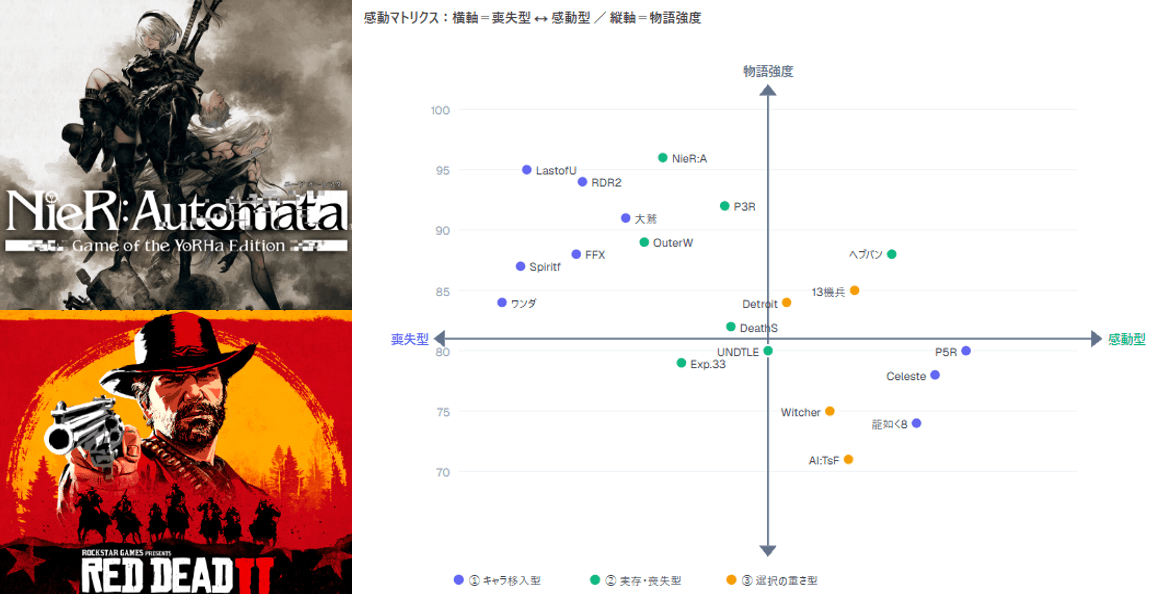
20 Games That Make You Cry | Story RPGs, PS5 & Mobile Ranked
NieR:Automata, Red Dead Redemption 2, The Last Guardian, Detroit and more — 20 story-driven games ranked by GPA emotional narrative scores.
Read more