Crusader Kings III manages a medieval dynasty through marriage, succession, and political intrigue across generations rather than direct military command. Character traits drive emergent stories. GPA scores it at the top for Strategy among grand strategy titles, with Multiple Endings reflecting the divergent dynasty outcomes rather than branching plotlines.
Game Characteristics
Strategy
90%
Multiple Endings
90%
Story Depth
85%
Emotional Story
80%
Visual Novel / ADV
80%
Existential Themes
75%
Turn-Based
60%
Dystopian Setting
55%
Graphics
55%
Dark
50%
Player profile fit
Recommended for: Intermediate to Advanced players (A score of 50 or higher indicates a good fit.)
Beginner
15
Intermediate
55 ✓
Advanced
80 ✓
Keywords
王朝経営中世ヨーロッパ陰謀と結婚Paradox無限の物語
Gameplay Profile Chart
Adjust tag ratios to instantly update similar titles in real time.
Strategy
90%
Multiple Endings
90%
Story Depth
85%
Emotional Story
80%
Visual Novel / ADV
80%
Existential Themes
75%
Turn-Based
60%
Dystopian Setting
55%
Top 8 Tags — Radar Chart
CurrentOriginal
Games Similar to Crusader Kings III (474)
GPA match scores are calculated from gameplay profile tags. They are not editorial “feels like this game” ratings.
Tactics Ogre: Reborn modernizes the 1995 original's class system and adds a Chariot replay function for reversing recent decisions. The branching story responds to player choices at key moments. GPA scores it at the top for Strategy and Turn-Based, with Multiple Endings above most tactical RPGs — a positioning that reflects a game where moral choices change the map.
Triangle Strategy presents Norzelia's three-nation conflict through a political decision system where the party votes on major choices. The tactical combat escalates alongside the moral stakes. GPA scores it at the top for Strategy and Turn-Based — the combination that places it closest to Tactics Ogre in the similarity rankings while operating in a completely original setting.
Fire Emblem: Three Houses runs through an academy semester before a time-skip that changes allegiances and the available maps. The Monastery management develops support relationships between units. GPA scores it high on Turn-Based and Emotional Story — the combination that drove the series to its widest audience.
A detective with no memory investigates a murder in a post-apocalyptic harbor town, arguing with 24 internalized skill-voices that comment on every decision. Disco Elysium replaces combat entirely with dialogue and skill checks. GPA's Text ADV and Strategy scores both run high here, reflecting a game where reading and political philosophy are the primary mechanics.
Live A Live HD-2D remasters the 1994 SNES cult RPG, preserving its anthology structure of seven standalone stories set across different eras. Each chapter has distinct mechanics. GPA scores it high on Multiple Endings and Story Depth — a positioning that reflects a game where the formal structure is the primary creative statement.
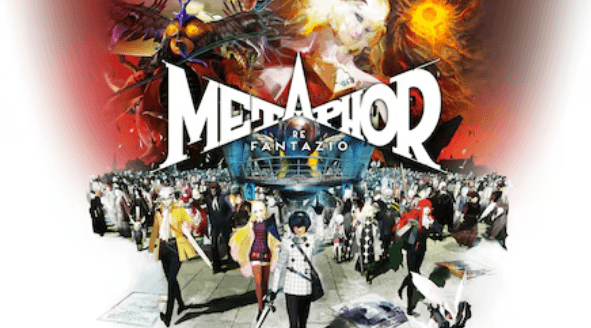
Metaphor: ReFantazio builds a fantasy political campaign around the Archetype system, which evolves job classes through use. The social management layer runs alongside the turn-based dungeon crawl. GPA scores it at the top for Turn-Based and Story Depth, sitting close to Persona 5 Royal in the similarity rankings while operating in a completely different setting.
Detroit: Become Human puts players in the roles of three androids navigating a 2038 Detroit where AI has become indistinguishable from consciousness. Every major decision branches the story, and protagonists can die permanently. GPA scores it at the top for Multiple Endings and Text ADV — the combination that identifies a game where the dialogue system is the primary mechanic.
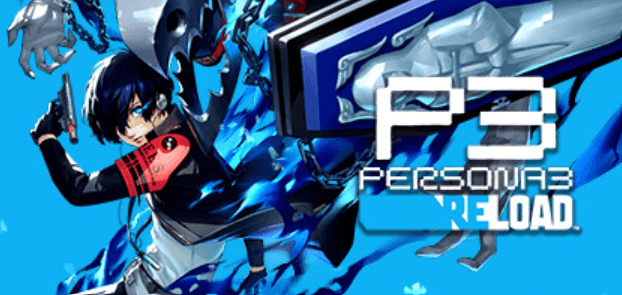
Persona 3 Reload rebuilds the 2006 original with Persona 5 Royal's production quality, keeping the Tartarus structure and the dual life of school days and midnight combat. The theme of accepting death runs through every Social Link. GPA scores it close to P5R on Turn-Based and Story Depth — the comparison helps calibrate expectations between entries.
Sea of Stars runs its solstice warrior story through a turn-based system that rewards precise timing on attacks and blocks. The pixel art captures the SNES-era JRPG aesthetic it references without being a pastiche. GPA scores it high on Turn-Based and Emotional Story — the combination that describes the game's relationship to its inspirations.
Bravely Default II revives the series' Brave and Default risk management system, letting players bank turns for burst actions or spend future turns for immediate advantage. GPA scores it high on Turn-Based and Strategy — the combination that describes a JRPG where the combat system is the primary design statement.
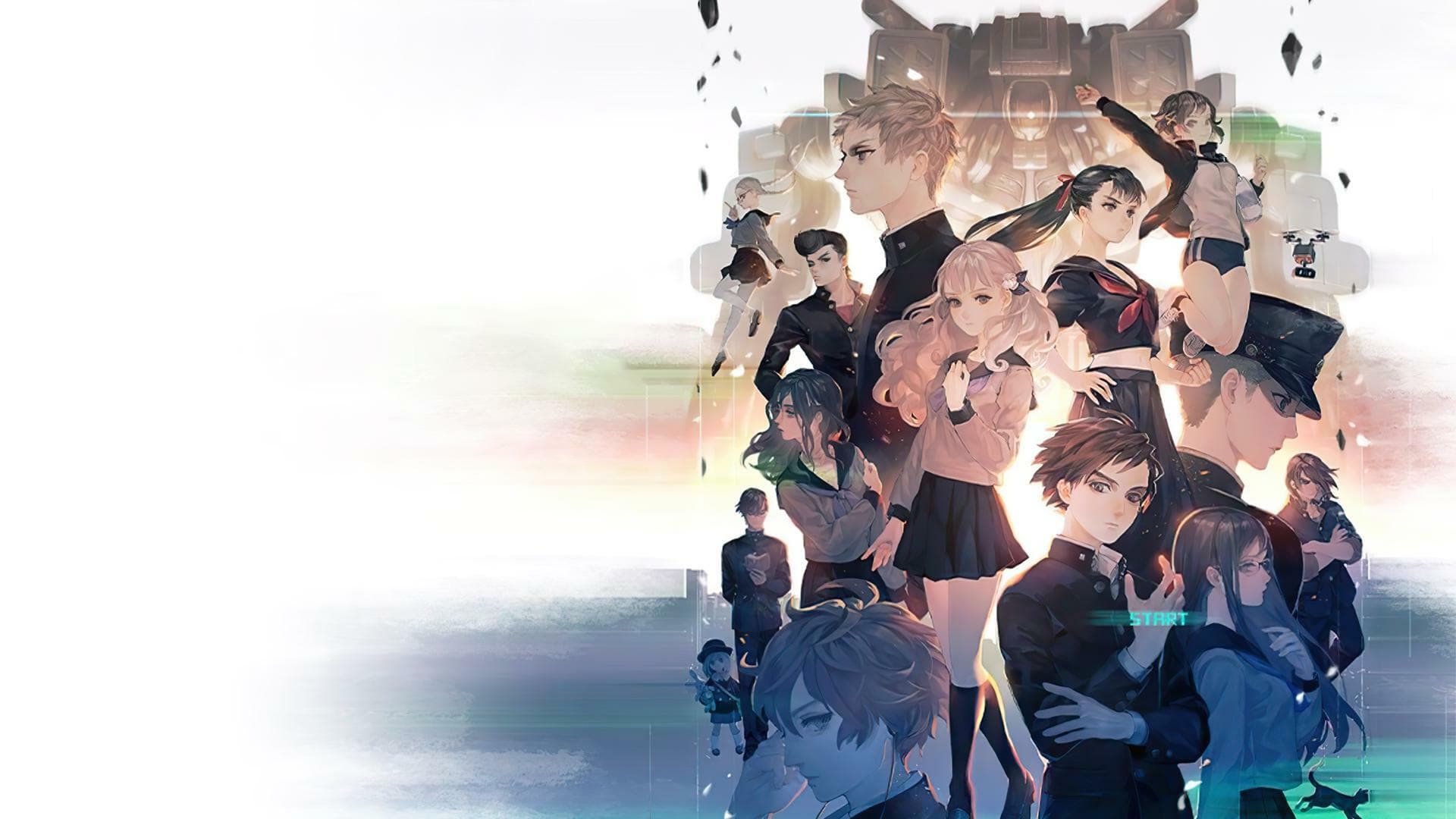
Atlus's 13 Sentinels: Aegis Rim tells a mystery across 13 protagonists in 2180 Japan, assembling the full picture from fragments that arrive out of order. The RTS mech battles are secondary to the visual novel sections. GPA scores it at the top for Story Depth and Text ADV — the combination that identifies it as primarily a reading experience with strategy attached.
Romancing SaGa 2: Revenge of the Seven rebuilds the 1993 SNES original in full 3D, preserving the generational succession system where players inherit the throne across dynasties while fighting the Seven Heroes. GPA scores it high on Turn-Based and Multiple Endings — the axes that best describe a game where the historical structure of the campaign is the primary mechanic.
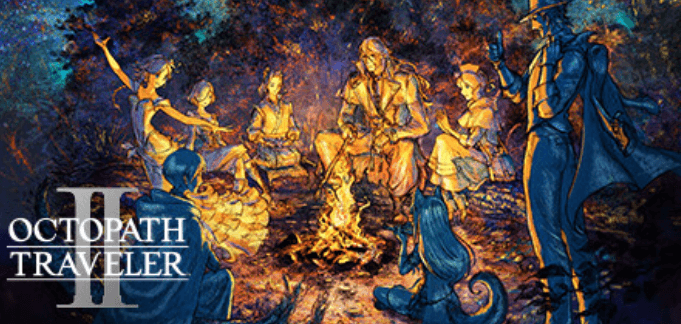
Octopath Traveler II runs eight parallel stories through a turn-based system built around exploiting enemy weaknesses. The Path Actions let each character interact with NPCs differently. GPA scores it high on Turn-Based and Strategy, with Story Depth above average — a positioning that fits players coming from classic JRPG structures.
Divinity: Original Sin 2 builds on the first game's co-op tactical combat with stronger writing and a wider skill system. Environmental interactions — burning oil, freezing water — chain into the combat. GPA scores it at the top for Strategy and Co-op, with Multiple Endings above average — a positioning that describes a CRPG where the systems support rather than compete with the story.
Dragon Age: The Veilguard closes the Solas storyline that began in Inquisition, sending Rook and a party of seven companions against an ancient elven threat. The combat moves away from tactical pause toward action. GPA scores it mid-range on Strategy and high on Emotional Story — a positioning that sits between the tactical depth of Origins and the action focus of newer entries.
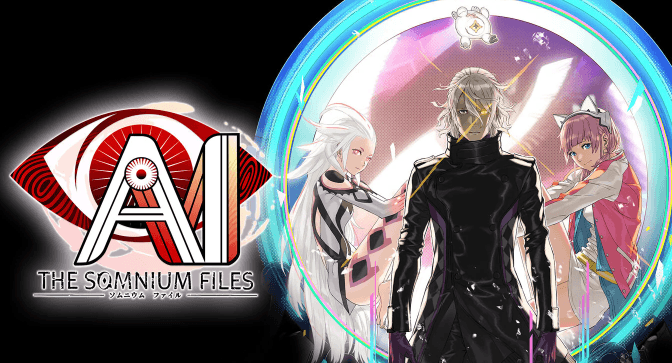
AI: The Somnium Files tasks detective Kaname Date with solving a murder by entering suspects' dream worlds to retrieve hidden memories. The Somnium sequences operate on surreal logic. GPA scores it at the top for Text ADV and Multiple Endings — the combination that places it alongside Disco Elysium as a game where reading and investigation are the entire experience.
The Stanley Parable traps an office worker in a loop while a narrator describes his choices in real time, then subverts every decision the player makes. The game's subject is the relationship between player and game. GPA scores it at the top for Existential Themes and Multiple Endings — the combination that describes a game where the act of playing is the content.
Dragon Quest XI follows a hero whose legend turns out to be more complicated than the prophecy suggested. The narrative subverts the Chosen One structure in ways that earn the emotional investment built across 80 hours. GPA scores it at the top for Turn-Based and Story Depth in the DQ series — the combination that drives its unusually high user scores.
SaGa Emerald Beyond builds its five protagonists across 17 worlds using a Timeline Battle system that rewards reading enemy positioning. GPA scores it high on Turn-Based and Multiple Endings — the SaGa series' signature branching narrative applied to its most mechanically complex combat system.
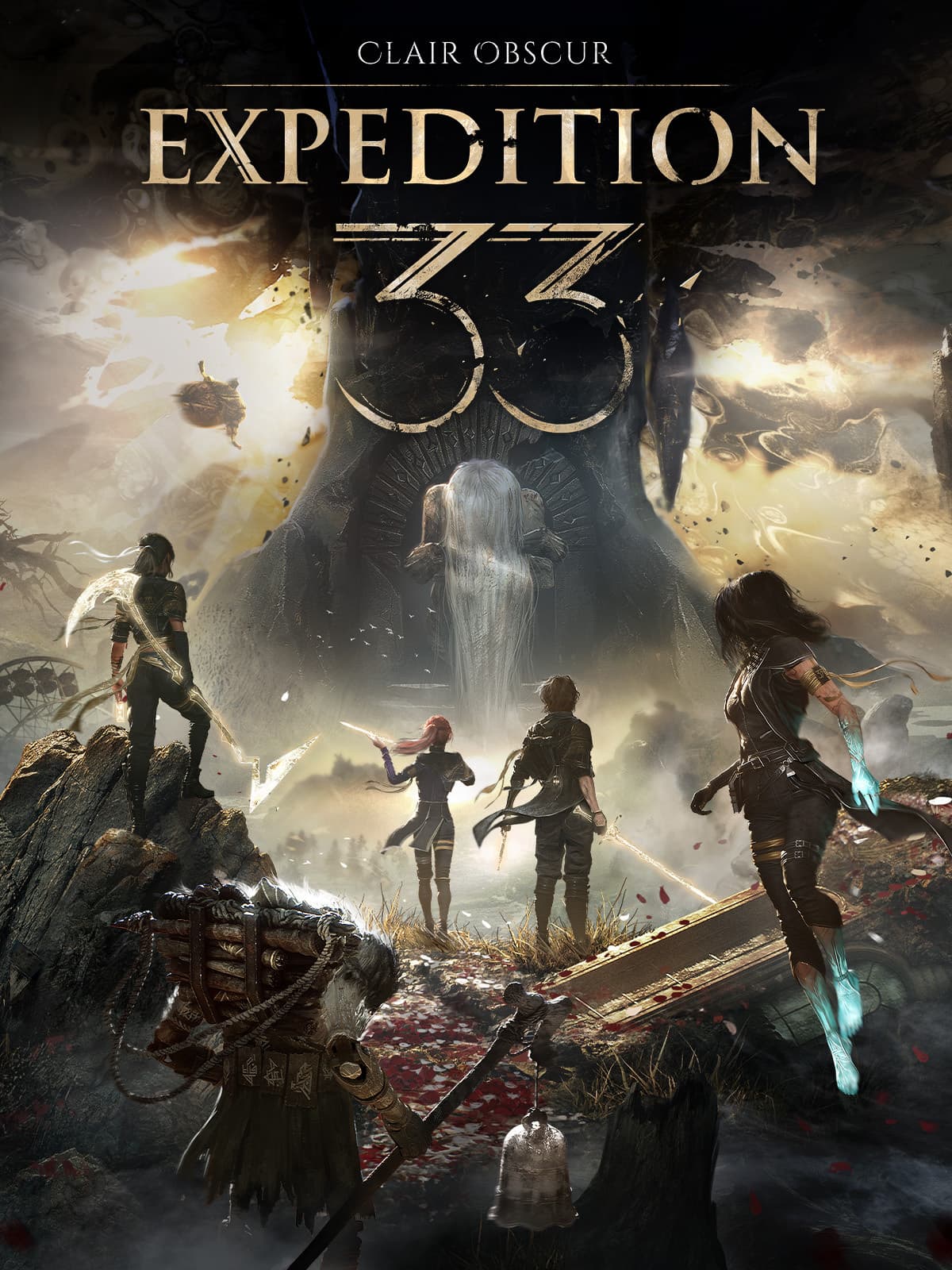
Set in a world where the Paintress condemns entire age groups to death each year, Expedition 33 sends a doomed party into a dying world to break the curse. The turn-based combat integrates real-time parry mechanics that shift the rhythm of every encounter. GPA scores it highest in Emotional Story and Story Depth — the French aesthetic and existential weight make it one of the most distinctive RPGs of 2025.
Crusader Kings III leads with its Grand Strategy identity, anchored by the core feel of "Crusader Kings III manages a medieval dynasty through marriage, succession, and political intrigue across generations …." The headline profile reads Strategy 90% / Multiple Endings 90% / Story Depth 85%, making it a strong pick for fans of Strategy and Multiple Endings. Oriented toward experienced players looking to push their limits.
▸Characteristics & Analysis
Our editorial team scored "Crusader Kings III" by using its feel of 王朝経営, 中世ヨーロッパ, and 陰謀と結婚 as the primary lens, weighting Strategy and Multiple Endings most heavily. Top similar titles include "タクティクスオウガ リボーン", "トライアングルストラテジー", "ファイアーエムブレム 風花雪月(FE風花雪月)".
Crusader Kings III — A Grand Strategy Game Where You Build a Dynasty, Not Just a Kingdom
Overview
Crusader Kings III is a grand strategy game set in the Middle Ages, but its focus is not simply on conquering territory or building the strongest army.
Instead, you take control of a noble dynasty and guide it across generations.
War is only one tool at your disposal. You can expand your realm through marriage, strengthen your position through diplomacy, manipulate rivals through schemes, use religion to consolidate power, or build relationships with powerful nobles.
The biggest difference from many strategy games is that your ruler is not immortal.
When your character dies, you continue as an heir. That heir may have completely different abilities, personality traits, relationships, and ambitions. A successful military ruler might be followed by a cautious diplomat—or an ambitious heir who immediately creates new problems.
As a result, the way you play can change dramatically from one generation to the next.
You are not simply creating a kingdom.
You are creating the history of a dynasty.
Gameplay Analysis
90% Strategy — Power Is About More Than Warfare
The strategic depth of Crusader Kings III comes from the number of ways you can pursue the same objective.
If you want to expand your territory, you can declare war. But you can also use marriage to establish claims, build alliances, manipulate your vassals, or use schemes to weaken an opponent from within.
The same goal can often be approached through completely different methods.
Paradox highlights warfare, diplomacy, espionage, marriage, religion, and dynastic management as major parts of the experience. (Paradox Interactive)
That flexibility is a major reason GPA gives the game a 90% Strategy score.
The game constantly asks you to think beyond the most obvious solution.
90% Multiple Endings — Your History Changes, Not Just the Final Cutscene
The “multiple endings” in Crusader Kings III work differently from those in a traditional choice-driven adventure game.
There is no simple point near the end where you choose between Ending A, B, or C.
Instead, your decisions gradually reshape the history of your dynasty.
Who do you marry?
Who inherits your titles?
Which territories do you conquer?
Which religion do you follow?
Which nobles do you trust?
Every decision can affect what happens decades later.
Two players can start in a similar position and end up with completely different dynasties.
The result is a game where the player does not simply follow a story.
The player's actions create the story.
85% Story Depth, 80% Emotional Story — Characters Create the Drama
At first glance, Crusader Kings III might look like a numbers-heavy strategy game.
But its characters are what make many of its stories memorable.
Characters have their own personalities, abilities, relationships, and ambitions, all of which can influence what happens around them.
A loyal vassal might become your greatest enemy after a succession dispute. A marriage intended to secure an alliance might create a complicated inheritance problem several decades later.
These are not necessarily stories built around a single predetermined protagonist. They emerge from the relationships between characters and the decisions made by the player.
That is why the game can produce surprisingly personal moments.
You may find yourself protecting one particular character because of their loyalty, or planning revenge against someone who betrayed your family generations earlier.
GPA's 80% Emotional Story score reflects this kind of character-driven drama emerging from the game's systems.
80% Text Adventure — Reading People Is Part of the Strategy
A large part of Crusader Kings III involves reading situations, examining characters, and making decisions through events and interactions.
You may spend just as much time considering a character's relationships or choosing an option in an event as you do managing an army.
That gives the game a strong text-adventure element.
However, it is not a traditional linear narrative.
Events and situations are shaped by your character, your realm, and the people around you. The same type of event can have very different consequences depending on the circumstances.
The text is therefore not simply there to tell you a story.
It is part of the system you use to manage your dynasty.
75% Existential Themes — Thinking Beyond Your Own Lifetime
One of the most interesting aspects of Crusader Kings III is that your character's own lifetime is only one part of the experience.
You constantly have to think about what will happen after your ruler dies.
The best decision for your current ruler may not be the best decision for your dynasty.
You may arrange a marriage to secure a future heir, change your succession plans to protect your realm, or strengthen relationships with vassals because you know the next generation will need their support.
Your character eventually disappears.
Your dynasty continues.
That long-term perspective gives Crusader Kings III a different feel from a conventional strategy game.
15% Beginner Score — The Learning Curve Is Real
GPA rates the game at 15 for beginners, 55 for intermediate players, and 80 for advanced players.
That gap is significant.
Target audience (50+ recommended)
Beginner
15
Intermediate
55
Advanced
80
Many interconnected systems — overwhelming at first, deeply rewarding once they click.
There are many interconnected systems to understand: territory, vassals, armies, marriage, succession, religion, culture, diplomacy, characters, and schemes.
Trying to understand everything at once can easily become overwhelming.
But once those systems start to make sense, the possibilities expand dramatically.
This is a game that prioritizes depth and freedom over immediate accessibility.
For experienced strategy players, that complexity is often part of the appeal.
Who Is Crusader Kings III For?
Enjoy historical strategy games
Like games that reward long-term planning
Want to create their own stories
Enjoy diplomacy, marriage, politics, and intrigue
Like spending dozens of hours with a single dynasty
Enjoy character-driven drama emerging from game systems
Prefer discovering their own strategies rather than following a fixed solution
It is less suitable for players who want immediate action or a clearly defined objective with a fast pace.
Final Verdict
Title tendency chart (Crusader Kings III)
Strategy ◀
90%
Multiple Endings ◀
90%
Story Depth ◀
85%
Emotional Story ◀
80%
Visual Novel / ADV ◀
80%
Existential Themes
75%
Turn-Based
60%
Dystopian Setting
55%
Graphics
55%
Dark
50%
* Based on GPA sub-tag scores. Developed by Paradox Development Studio. Released 2020.
Crusader Kings III is not simply a game about ruling a medieval kingdom.
It is a game about building and surviving as a dynasty across generations.
War, diplomacy, marriage, religion, intrigue, and succession are all connected to the same larger goal: keeping your family in power.
GPA rates it at 90% for Strategy, 90% for Multiple Endings, 85% for Story Depth, 80% for Emotional Story, and 80% for Text Adventure.
Those scores reflect what makes the game unusual. Its strongest stories are often not the ones written in advance, but the ones that emerge from your decisions and the characters around you.
The 15% Beginner score also tells an important part of the story: getting into Crusader Kings III can take time.
But once the systems click, every campaign can become a completely different history.
If you want a game where your own decisions create the story, rather than simply following one written for you, Crusader Kings III is one of the strongest examples of that idea in modern strategy gaming.