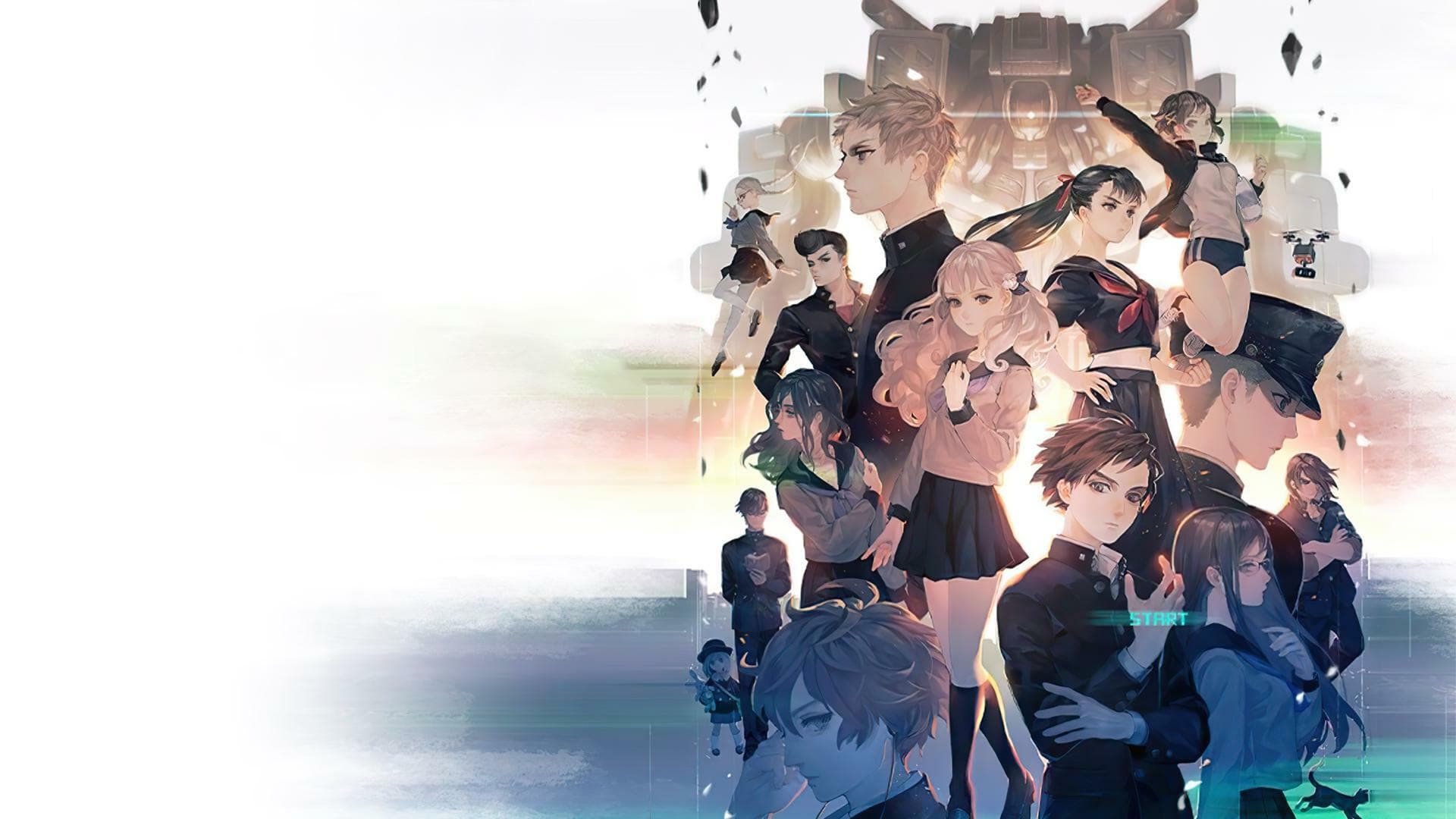
Atlus's 13 Sentinels: Aegis Rim tells a mystery across 13 protagonists in 2180 Japan, assembling the full picture from fragments that arrive out of order. The RTS mech battles are secondary to the visual novel sections. GPA scores it at the top for Story Depth and Text ADV — the combination that identifies it as primarily a reading experience with strategy attached.
Game Characteristics
Emotional Story
95%
Story Depth
95%
Visual Novel / ADV
85%
Existential Themes
80%
Graphics
75%
Multiple Endings
70%
Dystopian Setting
65%
Dark
60%
Turn-Based
50%
Player profile fit
Recommended for: Beginner to Advanced players (A score of 50 or higher indicates a good fit.)
A Space for the Unbound sets its pixel art mystery in 1990s rural Indonesia, following Atma and Rara as their relationship encounters a supernatural threat. The tone holds grief and warmth simultaneously. GPA scores it high on Emotional Story and Text ADV — a combination that places it in the same cluster as Night in the Woods and similar character-driven adventures.
Tag Similarity
Emotional Story
90%
Story Depth
90%
Visual Novel / ADV
85%
Existential Themes
75%
Graphics
75%
Multiple Endings
60%
Dystopian Setting
40%
Dark
50%
Chart tags: Emotional Story / Story Depth / Visual Novel / ADV / Existential Themes / Graphics / Multiple Endings / Dystopian Setting / Dark
Live A Live HD-2D remasters the 1994 SNES cult RPG, preserving its anthology structure of seven standalone stories set across different eras. Each chapter has distinct mechanics. GPA scores it high on Multiple Endings and Story Depth — a positioning that reflects a game where the formal structure is the primary creative statement.
Tag Similarity
Emotional Story
90%
Story Depth
90%
Visual Novel / ADV
65%
Existential Themes
80%
Graphics
80%
Multiple Endings
70%
Dystopian Setting
55%
Dark
60%
Chart tags: Emotional Story / Story Depth / Visual Novel / ADV / Existential Themes / Graphics / Multiple Endings / Dystopian Setting / Dark
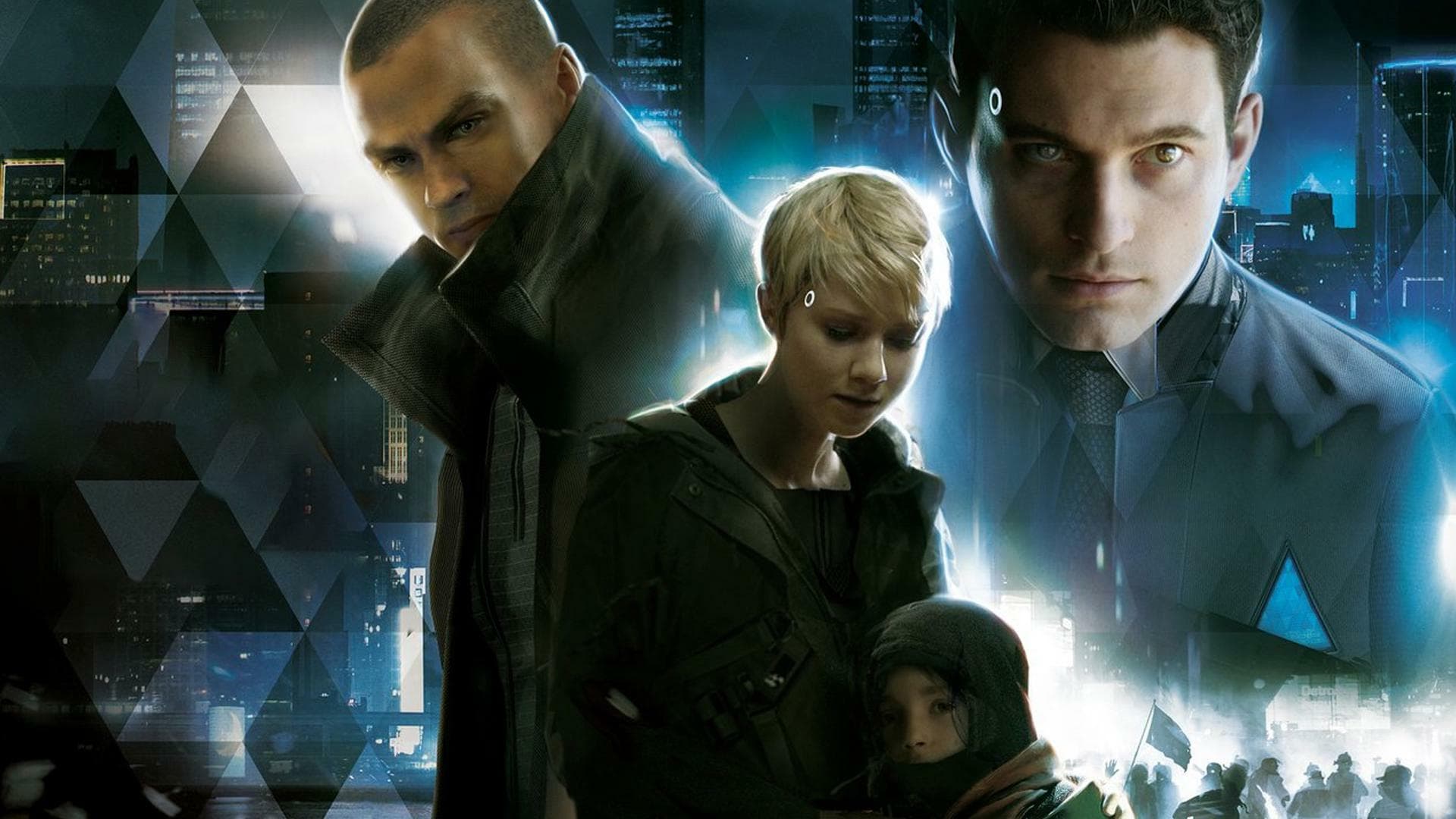
Detroit: Become Human puts players in the roles of three androids navigating a 2038 Detroit where AI has become indistinguishable from consciousness. Every major decision branches the story, and protagonists can die permanently. GPA scores it at the top for Multiple Endings and Text ADV — the combination that identifies a game where the dialogue system is the primary mechanic.
Tag Similarity
Emotional Story
95%
Story Depth
95%
Visual Novel / ADV
90%
Existential Themes
90%
Graphics
50%
Multiple Endings
90%
Dystopian Setting
60%
Dark
40%
Chart tags: Emotional Story / Story Depth / Visual Novel / ADV / Existential Themes / Graphics / Multiple Endings / Dystopian Setting / Dark
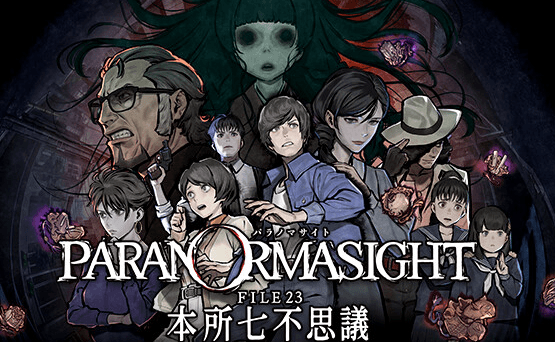
PARANORMASIGHT sets a group of protagonists against each other in Showa-era Tokyo, where each holds a Resentment Curse that can kill — but only under specific conditions. The multi-perspective structure and meta-narrative breaks break through the screen. Square Enix's 2023 release. GPA scores it high on Text ADV and Multiple Endings — the horror visual novel that surprised every expectation set by its publisher.
Tag Similarity
Emotional Story
80%
Story Depth
85%
Visual Novel / ADV
90%
Existential Themes
70%
Graphics
60%
Multiple Endings
85%
Dystopian Setting
70%
Dark
75%
Chart tags: Emotional Story / Story Depth / Visual Novel / ADV / Existential Themes / Graphics / Multiple Endings / Dystopian Setting / Dark
The Stanley Parable traps an office worker in a loop while a narrator describes his choices in real time, then subverts every decision the player makes. The game's subject is the relationship between player and game. GPA scores it at the top for Existential Themes and Multiple Endings — the combination that describes a game where the act of playing is the content.
Tag Similarity
Emotional Story
70%
Story Depth
75%
Visual Novel / ADV
80%
Existential Themes
90%
Graphics
55%
Multiple Endings
90%
Dystopian Setting
70%
Dark
0%
Chart tags: Emotional Story / Story Depth / Visual Novel / ADV / Existential Themes / Graphics / Multiple Endings / Dystopian Setting / Dark
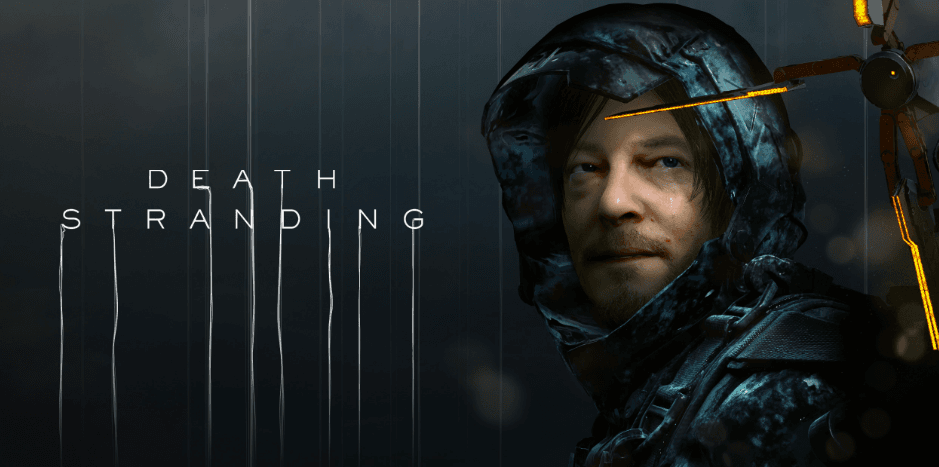
Death Stranding asks players to reconnect a post-apocalyptic America by carrying cargo across difficult terrain. Other players' structures appear in your world. GPA scores it high on Existential Themes and Open World, with the lowest Action score among open-world titles — a combination that accurately identifies who this game is and isn't for.
Tag Similarity
Emotional Story
80%
Story Depth
85%
Visual Novel / ADV
45%
Existential Themes
85%
Graphics
90%
Multiple Endings
50%
Dystopian Setting
80%
Dark
60%
Chart tags: Emotional Story / Story Depth / Visual Novel / ADV / Existential Themes / Graphics / Multiple Endings / Dystopian Setting / Dark
Firewatch puts Henry in a Wyoming fire lookout tower in 1989, with Delilah on the radio as his only contact. The forest mystery unfolds through radio conversation and first-person exploration across three days. GPA scores it high on Emotional Story and Story Depth — a walking game where the dialogue does the dramatic work that cutscenes would handle in a larger production.
Tag Similarity
Emotional Story
80%
Story Depth
75%
Visual Novel / ADV
65%
Existential Themes
65%
Graphics
75%
Multiple Endings
0%
Dystopian Setting
60%
Dark
0%
Chart tags: Emotional Story / Story Depth / Visual Novel / ADV / Existential Themes / Graphics / Multiple Endings / Dystopian Setting / Dark
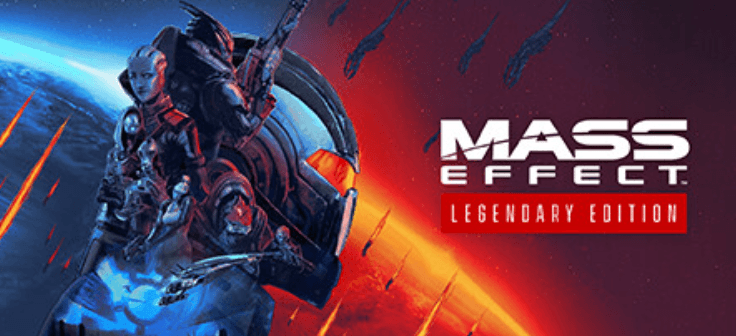
Mass Effect Legendary Edition packages all three games and 40+ DLC packs in a single 4K collection. Choices made in the first game carry directly into the third. GPA scores it at the top for Story Depth and Multiple Endings — the combination that describes a trilogy where the full weight of decisions is only clear at the end of 120 hours.
Tag Similarity
Emotional Story
90%
Story Depth
95%
Visual Novel / ADV
80%
Existential Themes
75%
Graphics
75%
Multiple Endings
85%
Dystopian Setting
65%
Dark
60%
Chart tags: Emotional Story / Story Depth / Visual Novel / ADV / Existential Themes / Graphics / Multiple Endings / Dystopian Setting / Dark
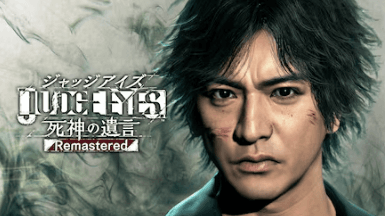
Lost Judgment expands the detective framework into a high school setting where Yagami investigates bullying and serial murder simultaneously. The club activity system adds social depth between cases. GPA scores it above Lost Judgment (2018) on Story Depth — the investigation structure and social commentary carry more weight in the sequel.
Tag Similarity
Emotional Story
70%
Story Depth
90%
Visual Novel / ADV
65%
Existential Themes
65%
Graphics
55%
Multiple Endings
50%
Dystopian Setting
30%
Dark
55%
Chart tags: Emotional Story / Story Depth / Visual Novel / ADV / Existential Themes / Graphics / Multiple Endings / Dystopian Setting / Dark
AI: The Somnium Files tasks detective Kaname Date with solving a murder by entering suspects' dream worlds to retrieve hidden memories. The Somnium sequences operate on surreal logic. GPA scores it at the top for Text ADV and Multiple Endings — the combination that places it alongside Disco Elysium as a game where reading and investigation are the entire experience.
Tag Similarity
Emotional Story
85%
Story Depth
90%
Visual Novel / ADV
90%
Existential Themes
75%
Graphics
70%
Multiple Endings
85%
Dystopian Setting
60%
Dark
65%
Chart tags: Emotional Story / Story Depth / Visual Novel / ADV / Existential Themes / Graphics / Multiple Endings / Dystopian Setting / Dark
Stray follows a cat navigating a walled city beneath a dome, with no human population remaining. The movement system maps to feline behavior. GPA scores it high on Existential Themes and Dark World, with Emotional Story above average — a combination that describes a walking game built around atmosphere and a specific viewpoint.
Tag Similarity
Emotional Story
80%
Story Depth
75%
Visual Novel / ADV
50%
Existential Themes
65%
Graphics
90%
Multiple Endings
0%
Dystopian Setting
85%
Dark
60%
Chart tags: Emotional Story / Story Depth / Visual Novel / ADV / Existential Themes / Graphics / Multiple Endings / Dystopian Setting / Dark
OneShot tells its player directly that they are the god of this world and Niko is their prophet. GPA scores it high on Existential Themes and Emotional Story.
Tag Similarity
Emotional Story
75%
Story Depth
70%
Visual Novel / ADV
65%
Existential Themes
80%
Graphics
50%
Multiple Endings
50%
Dystopian Setting
65%
Dark
0%
Chart tags: Emotional Story / Story Depth / Visual Novel / ADV / Existential Themes / Graphics / Multiple Endings / Dystopian Setting / Dark
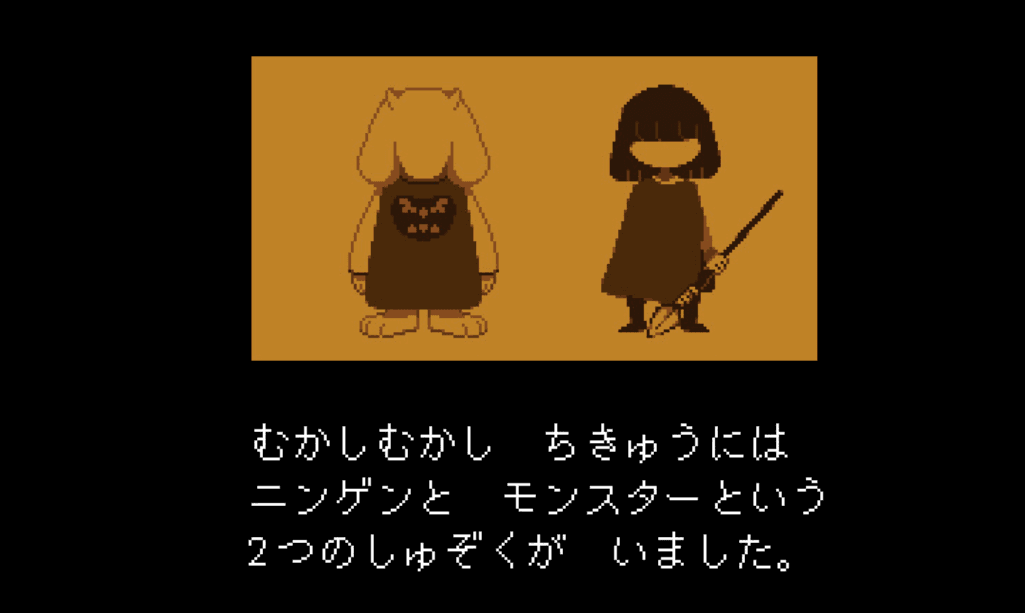
UNDERTALE subverts RPG combat conventions by making the choice not to fight a legitimate and rewarded strategy. The meta-awareness of game conventions runs through every system. GPA scores it high on Multiple Endings and Emotional Story — the combination that identifies a game where the decisions carry genuine moral weight.
Tag Similarity
Emotional Story
95%
Story Depth
85%
Visual Novel / ADV
70%
Existential Themes
85%
Graphics
0%
Multiple Endings
90%
Dystopian Setting
0%
Dark
55%
Chart tags: Emotional Story / Story Depth / Visual Novel / ADV / Existential Themes / Graphics / Multiple Endings / Dystopian Setting / Dark
Judgment follows disgraced defense attorney Takayuki Yagami through a Kamurocho murder investigation that ties into a pharmaceutical conspiracy. The detective mechanics — tailing suspects, drone surveillance — add variety to the brawler combat. GPA scores it high on Story Depth and Emotional Story, with Action above average for the narrative-focused positioning.
Tag Similarity
Emotional Story
70%
Story Depth
85%
Visual Novel / ADV
60%
Existential Themes
60%
Graphics
50%
Multiple Endings
50%
Dystopian Setting
30%
Dark
55%
Chart tags: Emotional Story / Story Depth / Visual Novel / ADV / Existential Themes / Graphics / Multiple Endings / Dystopian Setting / Dark
Sea of Stars runs its solstice warrior story through a turn-based system that rewards precise timing on attacks and blocks. The pixel art captures the SNES-era JRPG aesthetic it references without being a pastiche. GPA scores it high on Turn-Based and Emotional Story — the combination that describes the game's relationship to its inspirations.
Tag Similarity
Emotional Story
70%
Story Depth
75%
Visual Novel / ADV
50%
Existential Themes
40%
Graphics
85%
Multiple Endings
50%
Dystopian Setting
30%
Dark
30%
Chart tags: Emotional Story / Story Depth / Visual Novel / ADV / Existential Themes / Graphics / Multiple Endings / Dystopian Setting / Dark
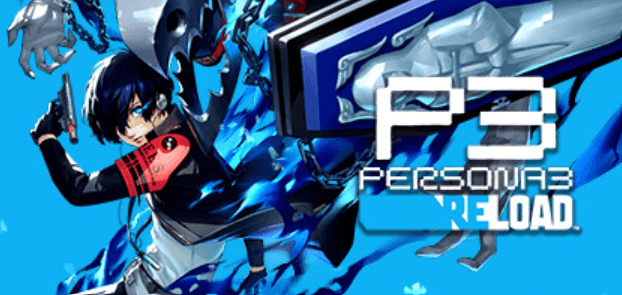
Persona 3 Reload rebuilds the 2006 original with Persona 5 Royal's production quality, keeping the Tartarus structure and the dual life of school days and midnight combat. The theme of accepting death runs through every Social Link. GPA scores it close to P5R on Turn-Based and Story Depth — the comparison helps calibrate expectations between entries.
Tag Similarity
Emotional Story
90%
Story Depth
90%
Visual Novel / ADV
65%
Existential Themes
80%
Graphics
85%
Multiple Endings
65%
Dystopian Setting
60%
Dark
70%
Chart tags: Emotional Story / Story Depth / Visual Novel / ADV / Existential Themes / Graphics / Multiple Endings / Dystopian Setting / Dark
Heaven Burns Red's writing density per scene is the highest in the mobile category, following Seraphina and her unit through a war against unidentified organisms with the ambition of a full visual novel embedded in gacha delivery. GPA scores it at the top for Story Depth and Emotional Story — the combination that drove its reputation beyond the gacha audience.
Tag Similarity
Emotional Story
95%
Story Depth
95%
Visual Novel / ADV
70%
Existential Themes
80%
Graphics
80%
Multiple Endings
55%
Dystopian Setting
75%
Dark
60%
Chart tags: Emotional Story / Story Depth / Visual Novel / ADV / Existential Themes / Graphics / Multiple Endings / Dystopian Setting / Dark
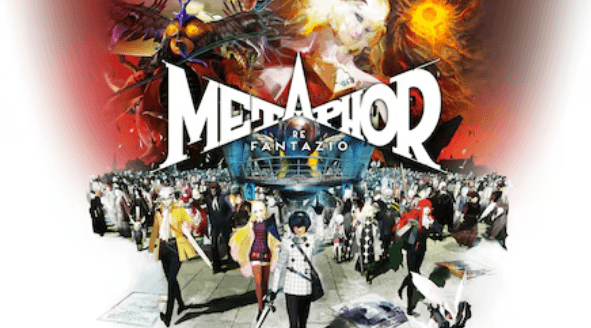
Metaphor: ReFantazio builds a fantasy political campaign around the Archetype system, which evolves job classes through use. The social management layer runs alongside the turn-based dungeon crawl. GPA scores it at the top for Turn-Based and Story Depth, sitting close to Persona 5 Royal in the similarity rankings while operating in a completely different setting.
Tag Similarity
Emotional Story
90%
Story Depth
95%
Visual Novel / ADV
70%
Existential Themes
85%
Graphics
85%
Multiple Endings
65%
Dystopian Setting
80%
Dark
75%
Chart tags: Emotional Story / Story Depth / Visual Novel / ADV / Existential Themes / Graphics / Multiple Endings / Dystopian Setting / Dark
About "13 Sentinels: Aegis Rim"
▸Game Composition (GPA Analysis)
十三機兵防衛圏 leads with its Adventure / Strategy identity, anchored by the core feel of "Atlus's 13 Sentinels: Aegis Rim tells a mystery across 13 protagonists in 2180 Japan, assembling the full picture from…." The headline profile reads Emotional Story 95% / Story Depth 95% / Visual Novel / ADV 85%, making it a strong pick for fans of Emotional Story and Story Depth. Accessible enough for newcomers while offering enough depth to satisfy veterans.
▸Characteristics & Analysis
Our editorial team scored "十三機兵防衛圏" by using its feel of SFミステリー, 群像劇, and time loop as the primary lens, weighting Emotional Story and Story Depth most heavily. Top similar titles include "A Space for the Unbound(心に吹く花)", "ライブアライブ(LIVE A LIVE)", "デトロイト ビカム ヒューマン".
Review — 13 Sentinels: Aegis Rim: solving a sci-fi mystery one perspective at a time
Game Overview
13 Sentinels: Aegis Rim is a sci-fi adventure and strategy game developed by Vanillaware.
The story follows 13 teenagers whose lives become connected through a mysterious series of events involving giant robots, kaiju, and a world on the brink of destruction.
But the game doesn't tell their stories in a simple chronological order.
Instead, players move between different characters, periods, and situations, gradually discovering how the pieces fit together.
ATLUS describes the game as a sci-fi mystery epic spanning thirteen intertwining stories. The adventure sections use Vanillaware's distinctive 2D visual style, while the combat sections let players control the Sentinels against waves of kaiju.
GPA reflects the game's emphasis on storytelling with Emotional Story 95%, Story Depth 95%, Visual Novel / ADV 85%, Existential Themes 80%, Graphics 75%, and Multiple Endings 70%.
Gameplay Analysis
The 13 Protagonists Are Part of One Story
The first thing that can feel overwhelming about 13 Sentinels is its cast.
There are 13 protagonists.
Normally, that could make a story feel fragmented.
Here, fragmentation is the point.
An event that seems confusing from one character's perspective may become understandable when you experience another character's story.
A conversation that seems insignificant at first can become important later.
The characters aren't simply telling separate stories.
Their stories are pieces of the same mystery.
A PlayStation interview with the developers describes this structure directly: players gradually unlock more of each character's route, with revelations in one story helping explain events in another.
The Player Is the One Solving the Mystery
The most interesting part of the narrative is that progressing through the story is also a process of solving the mystery.
You watch a new scene.
You learn something about a character.
You discover an event from the past or future.
Then you start connecting it to something you saw earlier.
Eventually, you begin asking questions yourself:
“Did that character already know this?”
“Was that scene actually showing something different from what I thought?”
The game doesn't simply hand you a complete explanation.
You collect information and build the bigger picture yourself.
That is a major reason why GPA gives the game such a high Story Depth score.
New Information Changes the Meaning of Old Scenes
One of the best things about 13 Sentinels is how new information can change your understanding of what you've already seen.
A normal conversation might initially seem unimportant.
Later, another character's story reveals something that completely changes how you interpret it.
A strange term suddenly makes sense.
A character's behavior starts to look different.
A previously confusing event suddenly has context.
This creates a motivation beyond simply wanting to know what happens next.
You also want to understand what already happened.
That's a particularly good match for GPA's combination of Story Depth 95% and Visual Novel / ADV 85%.
The Adventure and Combat Sections Serve Different Purposes
13 Sentinels isn't purely a visual novel.
The game alternates its narrative-focused adventure sections with battles in which the characters pilot giant Sentinels against waves of kaiju.
The official description presents the two sides clearly: a 2D side-scrolling adventure for uncovering the mystery, followed by fast-paced, top-down combat with customizable mechs.
The two parts serve different purposes.
The adventure sections are about understanding the characters and the mystery.
The battles are about controlling the Sentinels and defending against the enemy.
So the game constantly moves between learning what is happening and fighting to survive it.
GPA's Turn-Based score of 50% also reflects that combat isn't the dominant identity of the game.
The Mechs Aren't the Whole Point
The title and visual design might make 13 Sentinels look like a giant-robot game first and foremost.
It isn't.
The Sentinels are obviously important to the story, but the main attraction is still the characters and the mystery surrounding them.
That is why the game can work even if you're not particularly interested in mecha.
It uses classic science-fiction imagery — giant robots, kaiju, time travel, space, mysterious organizations — but keeps returning to more personal questions:
Who are these people?
What is happening to their world?
What do they actually know?
And why are their stories connected?
That balance between familiar sci-fi ideas and character-driven storytelling is central to the game's identity.
Vanillaware's Art Makes the World Feel Personal
Vanillaware's hand-painted visual style is another major part of the experience.
The game spends plenty of time showing ordinary places: schools, streets, neighborhoods, and quiet moments between characters.
That grounded visual presentation helps make the complicated science-fiction plot easier to connect with emotionally.
GPA gives the game a Graphics score of 75%, which fits the way its visual style supports the atmosphere and characters rather than relying purely on technical spectacle.
What the GPA Scores Tell Us
The GPA profile makes the game's identity very clear.
Title tendency chart (13 Sentinels: Aegis Rim)
Emotional Story ◀
95%
Story Depth ◀
95%
Visual Novel / ADV ◀
85%
Existential Themes ◀
80%
Graphics
75%
Multiple Endings
70%
Dystopian Setting
65%
Dark
60%
Turn-Based
50%
* Based on GPA sub-tag scores. Ensemble mystery and visual-novel structure dominate.
The combination of Emotional Story 95%, Story Depth 95%, and Visual Novel / ADV 85% is especially important.
This isn't primarily a game about mastering combat. It's a game about following characters, collecting information, and gradually understanding how their stories connect.
Its Beginner score is 60, Intermediate 75, and Advanced 55, suggesting that the game is relatively accessible while still offering enough depth for players who enjoy complex narratives.
Author's Thoughts
What makes 13 Sentinels so enjoyable isn't simply the final answer to its mystery.
It's the process of getting there.
At first, everything can feel confusing.
There are too many characters.
Different timelines.
Strange events.
Information that doesn't seem to fit together.
But eventually, you start forming your own theories.
“Maybe this is what happened.”
“Maybe this character is connected to that event.”
Then the game gives you another piece of information.
Sometimes your theory is right.
Sometimes it's completely wrong.
That process is what makes the story feel interactive even though much of the experience is built around reading and watching.
You remember things. You connect them. You figure things out.
And once the 13 separate perspectives begin to converge, the reason for having such a large cast becomes much clearer.
What initially looks like 13 unrelated lives gradually becomes one story.
Conclusion
13 Sentinels: Aegis Rim is a sci-fi mystery built around 13 protagonists whose stories unfold across different points in time and space.
It combines 2D adventure sections with tactical mech battles, but its real focus is the mystery surrounding its characters and world.
Every new piece of information can change how you understand something that came before.
That's why this isn't simply a game where you watch a complicated story.
It's a game where you collect the pieces and assemble the story yourself.
For players who enjoy sci-fi, ensemble casts, mysteries, and character-driven adventures, the game's exceptionally high GPA scores for Emotional Story, Story Depth, and Visual Novel / ADV make perfect sense.