A Space for the Unbound sets its pixel art mystery in 1990s rural Indonesia, following Atma and Rara as their relationship encounters a supernatural threat. The tone holds grief and warmth simultaneously. GPA scores it high on Emotional Story and Text ADV — a combination that places it in the same cluster as Night in the Woods and similar character-driven adventures.
Game Characteristics
Emotional Story
90%
Story Depth
90%
Visual Novel / ADV
85%
Existential Themes
75%
Graphics
75%
Multiple Endings
60%
Dark
50%
Dystopian Setting
40%
Logic
30%
Anime Characters
30%
Player profile fit
Recommended for: Beginner to Advanced players (A score of 50 or higher indicates a good fit.)
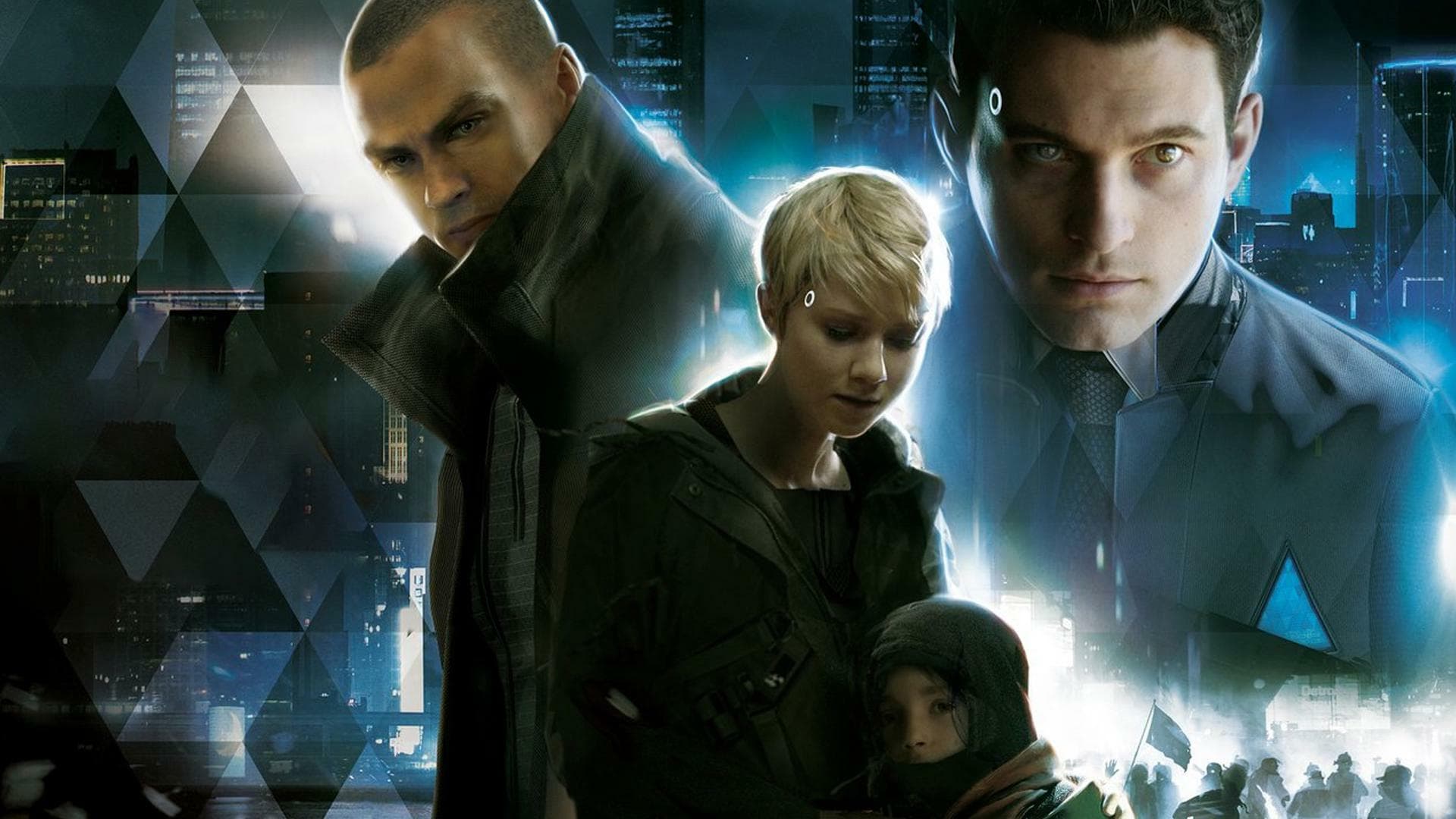
Detroit: Become Human puts players in the roles of three androids navigating a 2038 Detroit where AI has become indistinguishable from consciousness. Every major decision branches the story, and protagonists can die permanently. GPA scores it at the top for Multiple Endings and Text ADV — the combination that identifies a game where the dialogue system is the primary mechanic.
Tag Similarity
Emotional Story
95%
Story Depth
95%
Visual Novel / ADV
90%
Existential Themes
90%
Graphics
50%
Multiple Endings
90%
Dark
40%
Dystopian Setting
60%
Chart tags: Emotional Story / Story Depth / Visual Novel / ADV / Existential Themes / Graphics / Multiple Endings / Dark / Dystopian Setting
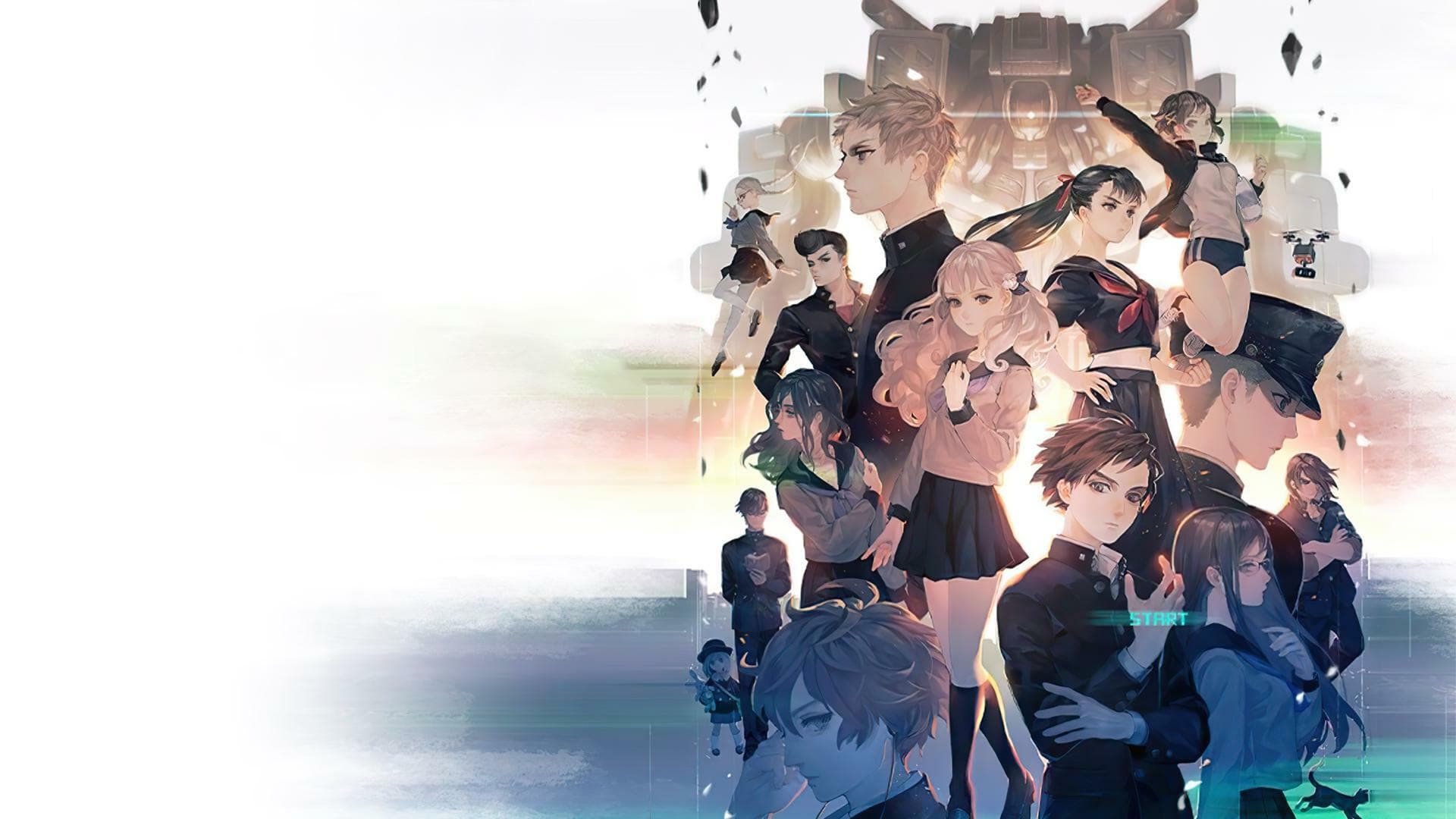
Atlus's 13 Sentinels: Aegis Rim tells a mystery across 13 protagonists in 2180 Japan, assembling the full picture from fragments that arrive out of order. The RTS mech battles are secondary to the visual novel sections. GPA scores it at the top for Story Depth and Text ADV — the combination that identifies it as primarily a reading experience with strategy attached.
Tag Similarity
Emotional Story
95%
Story Depth
95%
Visual Novel / ADV
85%
Existential Themes
80%
Graphics
75%
Multiple Endings
70%
Dark
60%
Dystopian Setting
65%
Chart tags: Emotional Story / Story Depth / Visual Novel / ADV / Existential Themes / Graphics / Multiple Endings / Dark / Dystopian Setting
AI: The Somnium Files tasks detective Kaname Date with solving a murder by entering suspects' dream worlds to retrieve hidden memories. The Somnium sequences operate on surreal logic. GPA scores it at the top for Text ADV and Multiple Endings — the combination that places it alongside Disco Elysium as a game where reading and investigation are the entire experience.
Tag Similarity
Emotional Story
85%
Story Depth
90%
Visual Novel / ADV
90%
Existential Themes
75%
Graphics
70%
Multiple Endings
85%
Dark
65%
Dystopian Setting
60%
Chart tags: Emotional Story / Story Depth / Visual Novel / ADV / Existential Themes / Graphics / Multiple Endings / Dark / Dystopian Setting
The Stanley Parable traps an office worker in a loop while a narrator describes his choices in real time, then subverts every decision the player makes. The game's subject is the relationship between player and game. GPA scores it at the top for Existential Themes and Multiple Endings — the combination that describes a game where the act of playing is the content.
Tag Similarity
Emotional Story
70%
Story Depth
75%
Visual Novel / ADV
80%
Existential Themes
90%
Graphics
55%
Multiple Endings
90%
Dark
0%
Dystopian Setting
70%
Chart tags: Emotional Story / Story Depth / Visual Novel / ADV / Existential Themes / Graphics / Multiple Endings / Dark / Dystopian Setting
Lost Judgment expands the detective framework into a high school setting where Yagami investigates bullying and serial murder simultaneously. The club activity system adds social depth between cases. GPA scores it above Lost Judgment (2018) on Story Depth — the investigation structure and social commentary carry more weight in the sequel.
Tag Similarity
Emotional Story
70%
Story Depth
90%
Visual Novel / ADV
65%
Existential Themes
65%
Graphics
55%
Multiple Endings
50%
Dark
55%
Dystopian Setting
30%
Chart tags: Emotional Story / Story Depth / Visual Novel / ADV / Existential Themes / Graphics / Multiple Endings / Dark / Dystopian Setting
OneShot tells its player directly that they are the god of this world and Niko is their prophet. GPA scores it high on Existential Themes and Emotional Story.
Tag Similarity
Emotional Story
75%
Story Depth
70%
Visual Novel / ADV
65%
Existential Themes
80%
Graphics
50%
Multiple Endings
50%
Dark
0%
Dystopian Setting
65%
Chart tags: Emotional Story / Story Depth / Visual Novel / ADV / Existential Themes / Graphics / Multiple Endings / Dark / Dystopian Setting
Judgment follows disgraced defense attorney Takayuki Yagami through a Kamurocho murder investigation that ties into a pharmaceutical conspiracy. The detective mechanics — tailing suspects, drone surveillance — add variety to the brawler combat. GPA scores it high on Story Depth and Emotional Story, with Action above average for the narrative-focused positioning.
Tag Similarity
Emotional Story
70%
Story Depth
85%
Visual Novel / ADV
60%
Existential Themes
60%
Graphics
50%
Multiple Endings
50%
Dark
55%
Dystopian Setting
30%
Chart tags: Emotional Story / Story Depth / Visual Novel / ADV / Existential Themes / Graphics / Multiple Endings / Dark / Dystopian Setting
Stray follows a cat navigating a walled city beneath a dome, with no human population remaining. The movement system maps to feline behavior. GPA scores it high on Existential Themes and Dark World, with Emotional Story above average — a combination that describes a walking game built around atmosphere and a specific viewpoint.
Tag Similarity
Emotional Story
80%
Story Depth
75%
Visual Novel / ADV
50%
Existential Themes
65%
Graphics
90%
Multiple Endings
0%
Dark
60%
Dystopian Setting
85%
Chart tags: Emotional Story / Story Depth / Visual Novel / ADV / Existential Themes / Graphics / Multiple Endings / Dark / Dystopian Setting
Firewatch puts Henry in a Wyoming fire lookout tower in 1989, with Delilah on the radio as his only contact. The forest mystery unfolds through radio conversation and first-person exploration across three days. GPA scores it high on Emotional Story and Story Depth — a walking game where the dialogue does the dramatic work that cutscenes would handle in a larger production.
Tag Similarity
Emotional Story
80%
Story Depth
75%
Visual Novel / ADV
65%
Existential Themes
65%
Graphics
75%
Multiple Endings
0%
Dark
0%
Dystopian Setting
60%
Chart tags: Emotional Story / Story Depth / Visual Novel / ADV / Existential Themes / Graphics / Multiple Endings / Dark / Dystopian Setting
UNDERTALE subverts RPG combat conventions by making the choice not to fight a legitimate and rewarded strategy. The meta-awareness of game conventions runs through every system. GPA scores it high on Multiple Endings and Emotional Story — the combination that identifies a game where the decisions carry genuine moral weight.
Tag Similarity
Emotional Story
95%
Story Depth
85%
Visual Novel / ADV
70%
Existential Themes
85%
Graphics
0%
Multiple Endings
90%
Dark
55%
Dystopian Setting
0%
Chart tags: Emotional Story / Story Depth / Visual Novel / ADV / Existential Themes / Graphics / Multiple Endings / Dark / Dystopian Setting
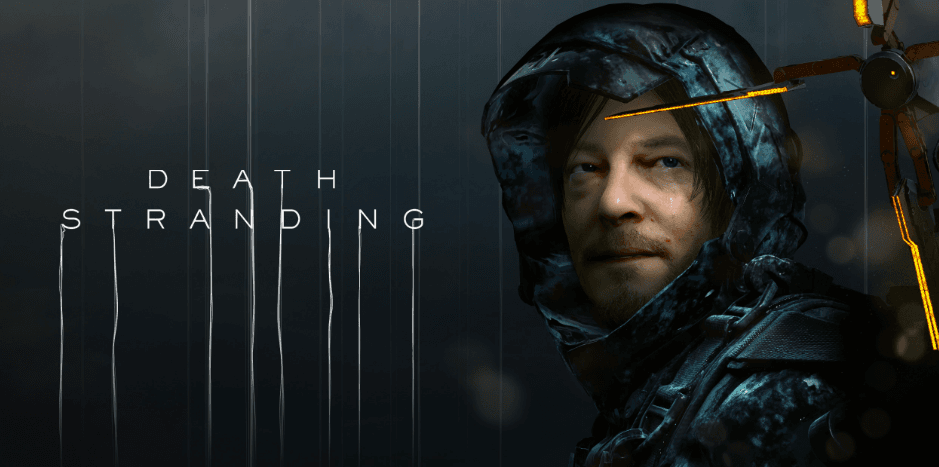
Death Stranding asks players to reconnect a post-apocalyptic America by carrying cargo across difficult terrain. Other players' structures appear in your world. GPA scores it high on Existential Themes and Open World, with the lowest Action score among open-world titles — a combination that accurately identifies who this game is and isn't for.
Tag Similarity
Emotional Story
80%
Story Depth
85%
Visual Novel / ADV
45%
Existential Themes
85%
Graphics
90%
Multiple Endings
50%
Dark
60%
Dystopian Setting
80%
Chart tags: Emotional Story / Story Depth / Visual Novel / ADV / Existential Themes / Graphics / Multiple Endings / Dark / Dystopian Setting
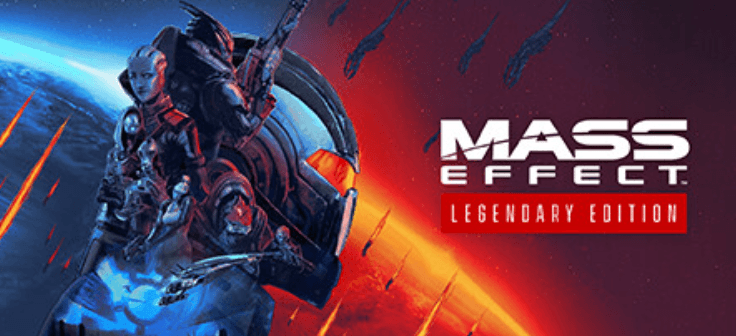
Mass Effect Legendary Edition packages all three games and 40+ DLC packs in a single 4K collection. Choices made in the first game carry directly into the third. GPA scores it at the top for Story Depth and Multiple Endings — the combination that describes a trilogy where the full weight of decisions is only clear at the end of 120 hours.
Tag Similarity
Emotional Story
90%
Story Depth
95%
Visual Novel / ADV
80%
Existential Themes
75%
Graphics
75%
Multiple Endings
85%
Dark
60%
Dystopian Setting
65%
Chart tags: Emotional Story / Story Depth / Visual Novel / ADV / Existential Themes / Graphics / Multiple Endings / Dark / Dystopian Setting
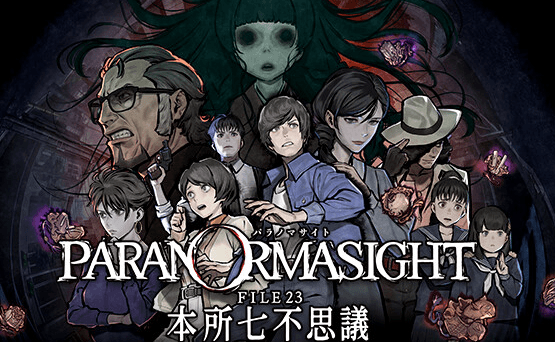
PARANORMASIGHT sets a group of protagonists against each other in Showa-era Tokyo, where each holds a Resentment Curse that can kill — but only under specific conditions. The multi-perspective structure and meta-narrative breaks break through the screen. Square Enix's 2023 release. GPA scores it high on Text ADV and Multiple Endings — the horror visual novel that surprised every expectation set by its publisher.
Tag Similarity
Emotional Story
80%
Story Depth
85%
Visual Novel / ADV
90%
Existential Themes
70%
Graphics
60%
Multiple Endings
85%
Dark
75%
Dystopian Setting
70%
Chart tags: Emotional Story / Story Depth / Visual Novel / ADV / Existential Themes / Graphics / Multiple Endings / Dark / Dystopian Setting
Yakuza 0 covers the 1988 origins of Kiryu and Majima before the events of the main series, set against the backdrop of the Japanese bubble economy. The dual protagonist structure gives each character a distinct combat style and business management game. GPA scores it high on Emotional Story and Story Depth — the strongest narrative entry point in the series.
Tag Similarity
Emotional Story
85%
Story Depth
70%
Visual Novel / ADV
60%
Existential Themes
55%
Graphics
45%
Multiple Endings
0%
Dark
50%
Dystopian Setting
35%
Chart tags: Emotional Story / Story Depth / Visual Novel / ADV / Existential Themes / Graphics / Multiple Endings / Dark / Dystopian Setting
NieR Replicant ver.1.22 upgrades the 2010 original with Automata's combat system and expanded lore content. The multiple playthroughs reveal the story's full moral weight incrementally. GPA scores it close to Automata on Existential Themes, with Emotional Story slightly lower — a starting point for players who want the complete Yoko Taro narrative context.
Tag Similarity
Emotional Story
85%
Story Depth
85%
Visual Novel / ADV
50%
Existential Themes
90%
Graphics
65%
Multiple Endings
75%
Dark
70%
Dystopian Setting
75%
Chart tags: Emotional Story / Story Depth / Visual Novel / ADV / Existential Themes / Graphics / Multiple Endings / Dark / Dystopian Setting
Live A Live HD-2D remasters the 1994 SNES cult RPG, preserving its anthology structure of seven standalone stories set across different eras. Each chapter has distinct mechanics. GPA scores it high on Multiple Endings and Story Depth — a positioning that reflects a game where the formal structure is the primary creative statement.
Tag Similarity
Emotional Story
90%
Story Depth
90%
Visual Novel / ADV
65%
Existential Themes
80%
Graphics
80%
Multiple Endings
70%
Dark
60%
Dystopian Setting
55%
Chart tags: Emotional Story / Story Depth / Visual Novel / ADV / Existential Themes / Graphics / Multiple Endings / Dark / Dystopian Setting
Coffee Talk sets players behind a late-night coffee shop counter, brewing drinks for a cast of urban fantasy regulars — werewolves, elves, and orcs with personal problems. The drink recipes affect which endings unlock. The lo-fi soundtrack runs continuously. GPA scores it high on Text ADV and Emotional Story — a visual novel where the service mechanic makes the conversations feel earned.
Tag Similarity
Emotional Story
75%
Story Depth
70%
Visual Novel / ADV
85%
Existential Themes
0%
Graphics
65%
Multiple Endings
60%
Dark
0%
Dystopian Setting
0%
Chart tags: Emotional Story / Story Depth / Visual Novel / ADV / Existential Themes / Graphics / Multiple Endings / Dark / Dystopian Setting
Sea of Stars runs its solstice warrior story through a turn-based system that rewards precise timing on attacks and blocks. The pixel art captures the SNES-era JRPG aesthetic it references without being a pastiche. GPA scores it high on Turn-Based and Emotional Story — the combination that describes the game's relationship to its inspirations.
Tag Similarity
Emotional Story
70%
Story Depth
75%
Visual Novel / ADV
50%
Existential Themes
40%
Graphics
85%
Multiple Endings
50%
Dark
30%
Dystopian Setting
30%
Chart tags: Emotional Story / Story Depth / Visual Novel / ADV / Existential Themes / Graphics / Multiple Endings / Dark / Dystopian Setting
About "A Space for the Unbound"
▸Game Composition (GPA Analysis)
A Space for the Unbound(心に吹く花) leads with its Text Adventure identity, anchored by the core feel of "A Space for the Unbound sets its pixel art mystery in 1990s rural Indonesia, following Atma and Rara as their relation…." The headline profile reads Emotional Story 90% / Story Depth 90% / Visual Novel / ADV 85%, making it a strong pick for fans of Emotional Story and Story Depth. Accessible enough for newcomers while offering enough depth to satisfy veterans.
▸Characteristics & Analysis
Our editorial team scored "A Space for the Unbound(心に吹く花)" by using its feel of インドネシア舞台, youth adventure, and 精神疾患テーマ as the primary lens, weighting Emotional Story and Story Depth most heavily. Top similar titles include "デトロイト ビカム ヒューマン", "十三機兵防衛圏", "AI: ソムニウム ファイル".
Review — A Space for the Unbound: A Coming-of-Age Story About Love, Memory, and Inner Struggles
Game Overview
A Space for the Unbound is a story-driven adventure game developed by Indonesian studio Mojiken. Set in a small Indonesian town in the late 1990s, it follows two high school students, Atma and Raya, as they approach the end of their school years.
At first, it feels like a nostalgic coming-of-age story about everyday life in a quiet town. Then supernatural events begin to unfold, revealing hidden secrets and the personal struggles of the people living there.
The game openly deals with anxiety, depression, and the relationship between its two protagonists, while gradually expanding its story into something much larger. (Steam store page)
1. A 1990s Indonesian Town That Feels Lived In
One of the game's greatest strengths is its setting.
Rather than placing its characters in a fictional fantasy world from the beginning, A Space for the Unbound starts with everyday life in a small Indonesian town in the late 1990s.
You walk through the streets, visit shops and familiar locations, and talk to the people who live there.
Nothing about it initially feels like the setting for a world-ending supernatural story.
That makes the supernatural elements more effective when they begin to appear.
The people in town also have their own problems and personal stories. Talking to them is not simply optional flavor; it gradually reveals the lives behind the everyday environment. The developers specifically highlight interacting with townspeople and learning their personal stories as one of the game's key features. (Steam store page)
2. A 90% Emotional Story Where People Matter More Than the Apocalypse
The 90% Emotional Story score is probably the most important number for understanding A Space for the Unbound.
The game involves the end of the world, but the apocalypse itself is not really the heart of the story.
What matters is what the characters are going through.
Why are they struggling?
What are they unable to say?
What are they afraid of?
Those personal questions gradually become connected to the supernatural events happening around the town.
That makes simply meeting and talking to new characters an important part of the experience. The larger crisis gives the story scale, but the emotional weight comes from the people living through it.
3. Turning Inner Struggles Into Something You Can Explore
One of the game's most distinctive ideas is its ability to let the player enter people's minds.
Instead of explaining every character's problems through dialogue alone, the game gives Atma a supernatural way to enter another person's inner world.
The developers describe this feature as diving into people's minds in an "Inception-style" experience. (Steam store page)
That creates a direct connection between the story and the gameplay.
You are not simply being told that someone is struggling.
You enter their inner world and see it for yourself.
The contrast between the ordinary town and these strange mental spaces gives the game a different way to portray emotions and personal problems.
That helps explain the 85% Text Adventure score: dialogue and story are central, but exploration and supernatural interactions give those conversations a playable context.
4. A 90% Story Depth Score Built Around an Entire Community
The story is not limited to Atma and Raya.
As you explore the town, you encounter different people and gradually learn about their relationships, problems, and everyday lives.
That makes the town itself part of the story.
What works particularly well is the contrast between the large-scale supernatural crisis and the small problems of ordinary people.
The world may be approaching catastrophe, but someone's immediate concern might still be a friendship, a family problem, a relationship, or uncertainty about the future.
Those smaller concerns remain meaningful even as the larger story becomes increasingly strange.
That combination of personal stories and a much bigger supernatural conflict is a major reason for the game's 90% Story Depth score.
5. A 75% Existential Theme About Facing Yourself
The 75% Existential Themes score reflects the game's deeper subject matter.
A Space for the Unbound explicitly deals with anxiety, depression, and the process of confronting one's own struggles. (Steam store page)
What makes these themes more effective is that they are connected to the game's supernatural mechanics.
The player can enter other people's minds and experience aspects of their inner worlds that would normally remain invisible.
In real life, we cannot simply look inside another person's mind.
Here, that impossible ability becomes a gameplay mechanic.
It gives the player a way to experience something that the characters themselves may struggle to communicate: the things happening inside someone's head that nobody else can see.
6. Pixel Art That Captures Everyday Indonesia
The game's pixel art is another major part of its identity.
Rather than using the visual style simply for nostalgia, the game uses it to create a recognizable sense of place.
The streets, stores, schools, and residential areas all contribute to the feeling of a small community where people actually live.
That makes the supernatural sequences stand out even more.
The contrast between ordinary everyday spaces and surreal environments becomes part of the game's visual language.
Steam describes the game as a pixel-art adventure set in late-1990s rural Indonesia, emphasizing both its nostalgic setting and vibrant environment. (Steam store page)
What the GPA Scores Tell Us
Title tendency chart (A Space for the Unbound)
Emotional Story ◀
90%
Story Depth ◀
90%
Text Adventure ◀
85%
Existential Themes
75%
Graphics
75%
* Based on GPA sub-tag scores. A story-driven adventure weaving coming-of-age drama, everyday life, supernatural events, and inner struggles.
The defining feature of A Space for the Unbound is the way it combines coming-of-age drama, everyday life, supernatural events, and emotional struggles into one story.
Its 90% Emotional Story, 90% Story Depth, and 85% Text Adventure scores make it clear that narrative is the center of the experience.
But this is not simply a game where you sit back and read.
You explore the town, talk to its residents, investigate strange events, and sometimes enter people's minds to understand what they are dealing with.
That is also where the 75% Existential Themes score becomes important. The game connects the idea of saving the world with something much more personal: understanding yourself and the people around you.
It is not a game built around complex combat or mechanical mastery.
Instead, its strength comes from gradually connecting the town, its people, the supernatural events, and the characters' inner struggles.
Even when the world is coming to an end, people are still dealing with love, friendship, family, uncertainty, and the question of who they want to become.
A Space for the Unbound turns those very ordinary emotions into the heart of an extraordinary coming-of-age adventure.