Stray follows a cat navigating a walled city beneath a dome, with no human population remaining. The movement system maps to feline behavior. GPA scores it high on Existential Themes and Dark World, with Emotional Story above average — a combination that describes a walking game built around atmosphere and a specific viewpoint.
Game Characteristics
Graphics
90%
Dystopian Setting
85%
Emotional Story
80%
Story Depth
75%
Existential Themes
65%
Dark
60%
Logic
55%
Visual Novel / ADV
50%
Player profile fit
Recommended for: Beginner to Advanced players (A score of 50 or higher indicates a good fit.)
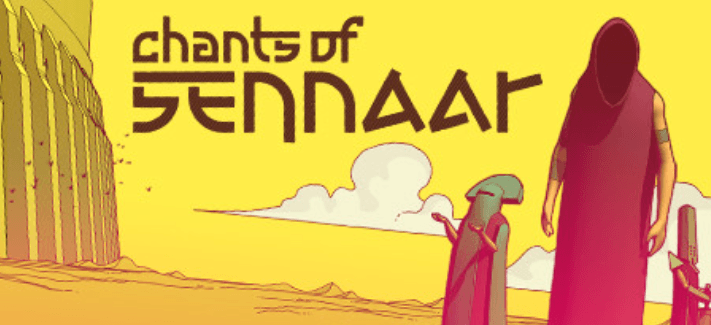
Chants of Sennaar tasks players with deciphering five constructed languages by observing context and testing hypotheses. Each language belongs to a different culture in a tower where communication has broken down. GPA scores it at the top for Puzzle and Existential Themes — the combination that correctly identifies decryption and philosophy as the twin engines of the experience.
Tag Similarity
Graphics
60%
Dystopian Setting
50%
Emotional Story
60%
Story Depth
70%
Existential Themes
60%
Dark
45%
Logic
95%
Visual Novel / ADV
75%
Chart tags: Graphics / Dystopian Setting / Emotional Story / Story Depth / Existential Themes / Dark / Logic / Visual Novel / ADV
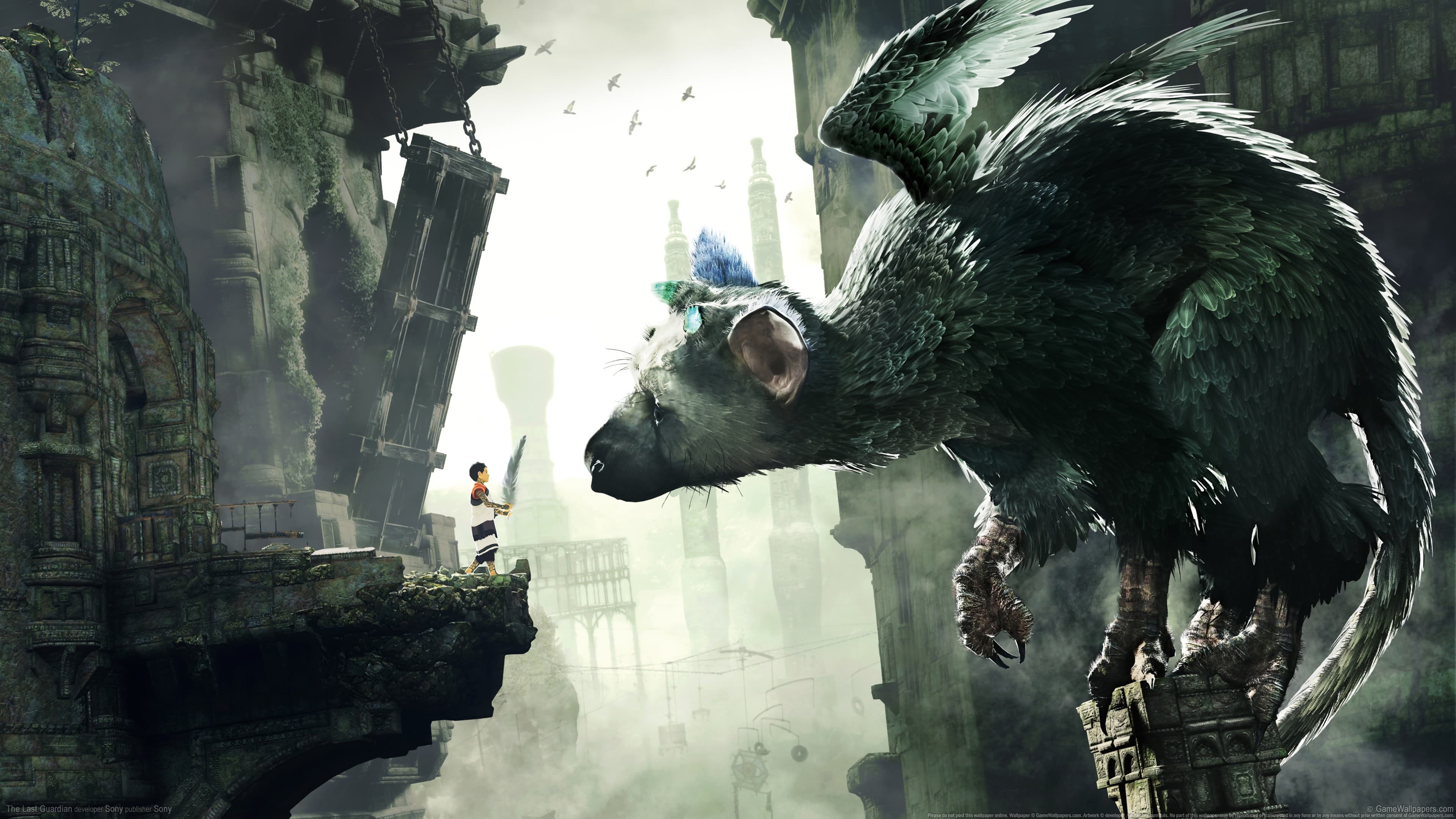
The Last Guardian follows a boy and an enormous creature named Trico through a crumbling ruin, building a relationship through care rather than command. Trico's AI creates unpredictable behavior that makes each interaction feel earned. GPA scores it at the top for Emotional Story — the highest in its genre category — with Dark World reflecting the melancholy that runs through the environmental design.
Tag Similarity
Graphics
85%
Dystopian Setting
75%
Emotional Story
95%
Story Depth
85%
Existential Themes
70%
Dark
55%
Logic
70%
Visual Novel / ADV
0%
Chart tags: Graphics / Dystopian Setting / Emotional Story / Story Depth / Existential Themes / Dark / Logic / Visual Novel / ADV
Firewatch puts Henry in a Wyoming fire lookout tower in 1989, with Delilah on the radio as his only contact. The forest mystery unfolds through radio conversation and first-person exploration across three days. GPA scores it high on Emotional Story and Story Depth — a walking game where the dialogue does the dramatic work that cutscenes would handle in a larger production.
Tag Similarity
Graphics
75%
Dystopian Setting
60%
Emotional Story
80%
Story Depth
75%
Existential Themes
65%
Dark
0%
Logic
0%
Visual Novel / ADV
65%
Chart tags: Graphics / Dystopian Setting / Emotional Story / Story Depth / Existential Themes / Dark / Logic / Visual Novel / ADV
OneShot tells its player directly that they are the god of this world and Niko is their prophet. GPA scores it high on Existential Themes and Emotional Story.
Tag Similarity
Graphics
50%
Dystopian Setting
65%
Emotional Story
75%
Story Depth
70%
Existential Themes
80%
Dark
0%
Logic
65%
Visual Novel / ADV
65%
Chart tags: Graphics / Dystopian Setting / Emotional Story / Story Depth / Existential Themes / Dark / Logic / Visual Novel / ADV
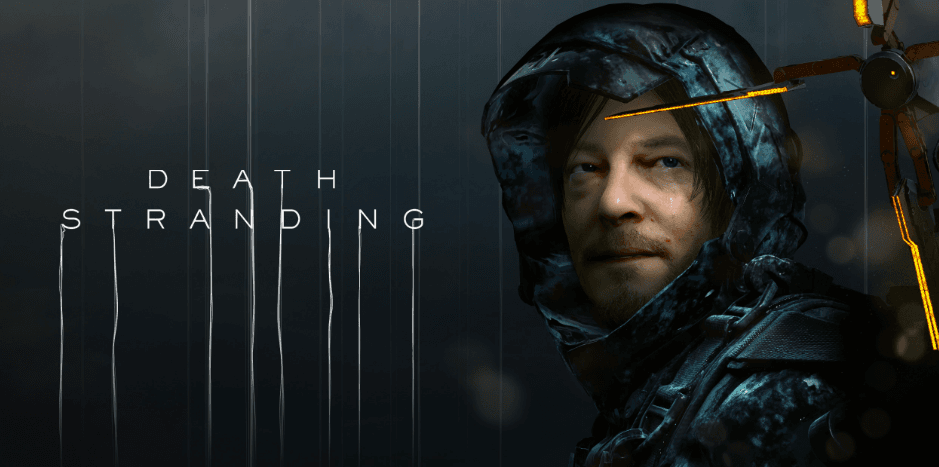
Death Stranding asks players to reconnect a post-apocalyptic America by carrying cargo across difficult terrain. Other players' structures appear in your world. GPA scores it high on Existential Themes and Open World, with the lowest Action score among open-world titles — a combination that accurately identifies who this game is and isn't for.
Tag Similarity
Graphics
90%
Dystopian Setting
80%
Emotional Story
80%
Story Depth
85%
Existential Themes
85%
Dark
60%
Logic
0%
Visual Novel / ADV
45%
Chart tags: Graphics / Dystopian Setting / Emotional Story / Story Depth / Existential Themes / Dark / Logic / Visual Novel / ADV
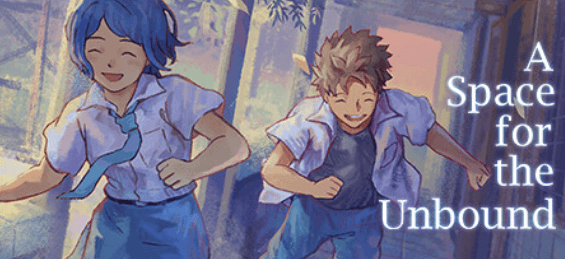
A Space for the Unbound sets its pixel art mystery in 1990s rural Indonesia, following Atma and Rara as their relationship encounters a supernatural threat. The tone holds grief and warmth simultaneously. GPA scores it high on Emotional Story and Text ADV — a combination that places it in the same cluster as Night in the Woods and similar character-driven adventures.
Tag Similarity
Graphics
75%
Dystopian Setting
40%
Emotional Story
90%
Story Depth
90%
Existential Themes
75%
Dark
50%
Logic
30%
Visual Novel / ADV
85%
Chart tags: Graphics / Dystopian Setting / Emotional Story / Story Depth / Existential Themes / Dark / Logic / Visual Novel / ADV
Superliminal builds its puzzle design around forced perspective — objects appear to resize based on viewing angle, and the game asks players to use this property to navigate. The space gradually becomes architecturally impossible. GPA scores it high on Puzzle and Existential Themes — the combination that identifies a game where the mechanics and the subject matter are the same thing.
Tag Similarity
Graphics
70%
Dystopian Setting
75%
Emotional Story
60%
Story Depth
65%
Existential Themes
80%
Dark
0%
Logic
90%
Visual Novel / ADV
0%
Chart tags: Graphics / Dystopian Setting / Emotional Story / Story Depth / Existential Themes / Dark / Logic / Visual Novel / ADV
DREDGE sends a lone fisherman through an isolated archipelago where the fish are wrong and the nights are dangerous. The Lovecraftian horror escalates through item descriptions and environmental events rather than cutscenes. GPA scores it high on Dark World and Horror — the combination that separates it from other fishing games structurally.
Tag Similarity
Graphics
60%
Dystopian Setting
65%
Emotional Story
55%
Story Depth
65%
Existential Themes
60%
Dark
60%
Logic
50%
Visual Novel / ADV
50%
Chart tags: Graphics / Dystopian Setting / Emotional Story / Story Depth / Existential Themes / Dark / Logic / Visual Novel / ADV
Gensokyo Night Festival walks players through a deserted Japanese town after the festival crowd has gone. The absence of the crowd is more unsettling than any added horror element. GPA scores it high on Dark World and Existential Themes — a purely atmospheric walking experience without conventional gameplay mechanics.
Tag Similarity
Graphics
70%
Dystopian Setting
80%
Emotional Story
55%
Story Depth
0%
Existential Themes
65%
Dark
55%
Logic
0%
Visual Novel / ADV
0%
Chart tags: Graphics / Dystopian Setting / Emotional Story / Story Depth / Existential Themes / Dark / Logic / Visual Novel / ADV
FAR: Lone Sails crosses a drained seabed in a vehicle requiring fuel, cooling, and sail management. The journey is silent. GPA scores it high on Existential Themes and Dark World.
Tag Similarity
Graphics
65%
Dystopian Setting
80%
Emotional Story
60%
Story Depth
0%
Existential Themes
70%
Dark
0%
Logic
55%
Visual Novel / ADV
0%
Chart tags: Graphics / Dystopian Setting / Emotional Story / Story Depth / Existential Themes / Dark / Logic / Visual Novel / ADV
Return of the Obra Dinn reconstructs the fates of 60 shipwreck victims through a stop-death pocket watch. GPA scores it at the top for Puzzle among mystery games.
Tag Similarity
Graphics
55%
Dystopian Setting
65%
Emotional Story
0%
Story Depth
80%
Existential Themes
65%
Dark
55%
Logic
90%
Visual Novel / ADV
60%
Chart tags: Graphics / Dystopian Setting / Emotional Story / Story Depth / Existential Themes / Dark / Logic / Visual Novel / ADV
Atlus's 13 Sentinels: Aegis Rim tells a mystery across 13 protagonists in 2180 Japan, assembling the full picture from fragments that arrive out of order. The RTS mech battles are secondary to the visual novel sections. GPA scores it at the top for Story Depth and Text ADV — the combination that identifies it as primarily a reading experience with strategy attached.
Tag Similarity
Graphics
75%
Dystopian Setting
65%
Emotional Story
95%
Story Depth
95%
Existential Themes
80%
Dark
60%
Logic
0%
Visual Novel / ADV
85%
Chart tags: Graphics / Dystopian Setting / Emotional Story / Story Depth / Existential Themes / Dark / Logic / Visual Novel / ADV
Remember Me puts Nilin in Neo-Paris 2084, where memories are digitized and sold by the Memorize corporation. The Memory Remix mechanic lets players rewrite another character's memories mid-scene by adjusting emotional beats. Dontnod Entertainment's debut, published by Capcom. PS3/360/PC. GPA scores it high on Existential Themes and Emotional Story — the game that established Dontnod's thematic identity before Life is Strange.
Tag Similarity
Graphics
60%
Dystopian Setting
72%
Emotional Story
70%
Story Depth
70%
Existential Themes
78%
Dark
60%
Logic
0%
Visual Novel / ADV
50%
Chart tags: Graphics / Dystopian Setting / Emotional Story / Story Depth / Existential Themes / Dark / Logic / Visual Novel / ADV
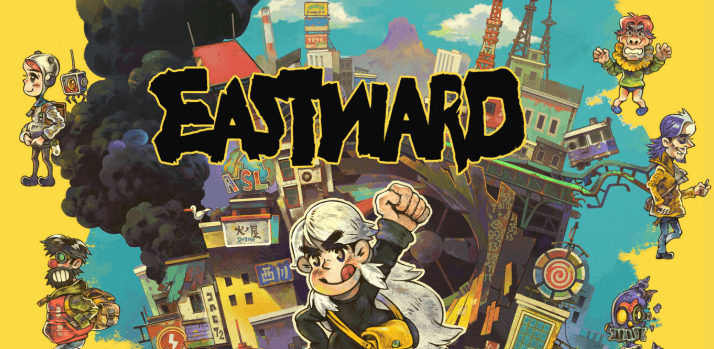
Eastward follows a father and daughter from an underground colony through hand-drawn pixel art environments. GPA scores it high on Emotional Story and Graphics.
Tag Similarity
Graphics
80%
Dystopian Setting
70%
Emotional Story
70%
Story Depth
70%
Existential Themes
0%
Dark
50%
Logic
55%
Visual Novel / ADV
0%
Chart tags: Graphics / Dystopian Setting / Emotional Story / Story Depth / Existential Themes / Dark / Logic / Visual Novel / ADV
A Plague Tale: Requiem continues Amicia and Hugo's escape across 14th-century France, with rat swarms used as environmental obstacles and threats. The sibling relationship drives the emotional weight. GPA scores it high on Emotional Story and Dark World — the combination that positions it as a story-driven action game rather than a survival horror title.
Tag Similarity
Graphics
90%
Dystopian Setting
75%
Emotional Story
90%
Story Depth
85%
Existential Themes
60%
Dark
65%
Logic
30%
Visual Novel / ADV
50%
Chart tags: Graphics / Dystopian Setting / Emotional Story / Story Depth / Existential Themes / Dark / Logic / Visual Novel / ADV
Yakuza 0 covers the 1988 origins of Kiryu and Majima before the events of the main series, set against the backdrop of the Japanese bubble economy. The dual protagonist structure gives each character a distinct combat style and business management game. GPA scores it high on Emotional Story and Story Depth — the strongest narrative entry point in the series.
Tag Similarity
Graphics
45%
Dystopian Setting
35%
Emotional Story
85%
Story Depth
70%
Existential Themes
55%
Dark
50%
Logic
20%
Visual Novel / ADV
60%
Chart tags: Graphics / Dystopian Setting / Emotional Story / Story Depth / Existential Themes / Dark / Logic / Visual Novel / ADV
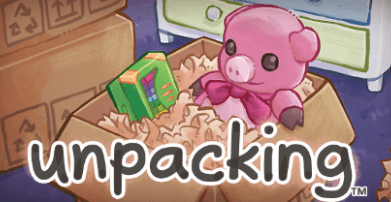
Unpacking moves household objects from boxes into rooms, revealing a life story without dialogue. GPA scores it high on Emotional Story and Puzzle.
Tag Similarity
Graphics
60%
Dystopian Setting
0%
Emotional Story
75%
Story Depth
60%
Existential Themes
55%
Dark
0%
Logic
60%
Visual Novel / ADV
0%
Chart tags: Graphics / Dystopian Setting / Emotional Story / Story Depth / Existential Themes / Dark / Logic / Visual Novel / ADV
About "Stray"
▸Game Composition (GPA Analysis)
Stray(ストレイ) leads with its Adventure identity, anchored by the core feel of "Stray follows a cat navigating a walled city beneath a dome, with no human population remaining." The headline profile reads Graphics 90% / Dystopian Setting 85% / Emotional Story 80%, making it a strong pick for fans of Graphics and Dystopian Setting. Accessible enough for newcomers while offering enough depth to satisfy veterans.
▸Characteristics & Analysis
Our editorial team scored "Stray(ストレイ)" by using its feel of 猫, cyberpunk, and post-apocalyptic as the primary lens, weighting Graphics and Dystopian Setting most heavily. Top similar titles include "チャンツ・オブ・セナール", "人喰いの大鷲トリコ", "Night in the Woods(ナイト・イン・ザ・ウッズ)".
Stray — Exploring a Forgotten Cybercity Through the Eyes of a Cat
Game Overview
Stray is an adventure game developed by BlueTwelve Studio and released in 2022. You play as a stray cat separated from its family, exploring a forgotten cybercity in search of a way back home.
The city is filled with neon-lit streets, abandoned buildings, curious droids, and dangerous creatures. There are no humans left. Instead of playing as a soldier, detective, or traditional action hero, you experience this world as a cat. You climb to rooftops, squeeze through narrow gaps, walk along pipes and ledges, interact with objects, and explore places that would be inaccessible to a human-sized character.
During the journey, the cat meets B-12, a small flying drone that becomes both a practical companion and an important part of the story. Together, they search for a way out while uncovering the mystery of the city. (Annapurna)
GPA rates Stray at 90% for Graphics, 85% for Decadent Worldview, 80% for Emotional Story, 75% for Story Depth, 65% for Existential Themes, 60% for Dark, 55% for Brain, and 50% for Text Adventure.
1. Being a Cat Is the Gameplay
The most important thing about Stray is that being a cat isn't just a visual gimmick. The game's mechanics are built around the animal's physical abilities. You can squeeze through narrow openings. Jump onto high surfaces. Walk along thin ledges. Move across rooftops. Climb through areas that would be inaccessible to a human character.
The official PlayStation description emphasizes exactly these cat-specific actions, including reaching high places and moving through narrow spaces. (PlayStation) That creates a direct connection between the premise and the gameplay: You are a cat → you move like a cat → the city is designed around those abilities.
2. The Rooftops Become Your Exploration Route
The city isn't just something you walk through at street level. You move across rooftops, pipes, signs, balconies, and narrow ledges. From a human perspective, these would be obstacles. From a cat's perspective, they become pathways. That changes how you read the environment.
The result is a city that functions almost like a giant playground designed around a cat's mobility. However, Stray isn't a fully open-ended open-world game. Its areas are more controlled and story-driven, with exploration opportunities built into each environment. That structure allows the game to balance freedom with a relatively focused narrative.
3. Cat Behavior Makes the World Feel More Real
Stray also understands that players don't just want to move like a cat. They want to behave like one. You can knock objects off shelves. Scratch surfaces. Climb into cardboard boxes. Sleep. Interact with the environment simply because you can. None of these actions are necessarily important for completing the main story.
PlayStation's official materials specifically highlight these playful interactions with the environment and the cat's ability to behave stealthily, quickly, or mischievously. (PlayStation) Those small details are a major part of Stray's charm.
4. B-12 Gives the Cat Access to a Bigger World
A cat can explore the city. But it can't understand everything happening around it. That's where B-12 comes in. The small flying drone helps the cat communicate with the city's inhabitants, translate their language, manage items, and uncover information. The cat provides the physical abilities. B-12 provides information. Together, they can understand and navigate a world that neither could fully handle alone.
B-12 isn't simply a convenient gameplay tool. The drone is also a central character whose relationship with the cat becomes increasingly important as the story progresses. (Annapurna)
5. The Droids Reveal the City's History
The people living in this city aren't human. They are droids. They have jobs, homes, relationships, and communities of their own. The cat therefore enters an established society as an outsider. By helping residents, finding items, solving problems, and talking to different characters, you gradually learn more about the city.
The inhabitants aren't simply quest-givers. They are part of the world-building. Their lives provide clues about what happened before the cat arrived. This makes exploration and storytelling closely connected.
6. A Beautiful City Built on Decay
GPA gives Stray an 85% score for Decadent Worldview, and the game's setting is one of its strongest features. The city is visually striking. Neon signs illuminate dark streets. Buildings are packed together. Pipes and wires cover the walls. Plants have begun reclaiming parts of the environment. But underneath the colorful surface is a world that has already lost something.
The official description presents the setting as a decaying cybercity filled with neon alleys, mysterious droids, dangerous creatures, and an ancient mystery waiting to be uncovered. (Annapurna) That contrast between beauty and decay is central to Stray's atmosphere.
7. Why the Emotional Story Score Reaches 80%
One of Stray's most interesting GPA scores is its 80% Emotional Story rating. Much of that emotional impact comes from the relationship between the cat and B-12. At first, B-12 is simply useful. The drone helps the cat understand the environment and communicate with the droids. But as they travel together, their relationship becomes part of the story itself.
The fact that the cat cannot speak is particularly important. The cat doesn't explain its feelings through long conversations. Instead, the relationship is expressed through movement, proximity, reactions, and shared experiences. That makes their bond feel different from the conventional relationships found in dialogue-heavy games.
8. The Puzzles Are About Understanding the World
GPA gives Stray a 55% Brain score. That makes sense because the game isn't designed as a hardcore puzzle adventure. Most of its puzzles ask you to observe your surroundings, find the right object, understand what a character needs, operate a mechanism, or figure out where to go next. The challenge usually comes from understanding the environment rather than solving complicated logic problems.
The puzzle isn't always the destination. Sometimes it's simply a reason to interact more closely with the world.
9. Story Depth and Existential Themes
Stray also has a 75% Story Depth score and a 65% Existential Themes score. The story gradually connects several mysteries: the history of the city, the society of the droids, the identity of B-12, and the cat's own journey. The existential side of the game comes from questions about humanity, consciousness, memory, and what remains of a civilization after its creators are gone.
But Stray doesn't turn those questions into a philosophical lecture. Instead, you encounter them naturally while exploring the city. You start with a simple goal: Find your way home. Then you begin to understand the world around you. And eventually, that personal journey becomes connected to a much larger story.
10. What the GPA Scores Tell Us About Stray
GPA score profile (Stray)
Graphics ◀
90%
Decadent Worldview ◀
85%
Emotional Story ◀
80%
Story Depth
75%
Existential Themes
65%
Dark
60%
Brain
55%
Text Adventure
50%
Graphics 90% + Decadent Worldview 85% + Emotional Story 80% — world, exploration, and story reinforce each other.
The combination of 90% Graphics, 85% Decadent Worldview, and 80% Emotional Story tells us a lot about the game's strengths. Stray isn't built around deep character progression or a complicated combat system. Its main motivation is curiosity. You want to see the next part of the city. You want to understand what happened to the people who once lived there. You want to see what happens to the cat and B-12.
11. Who Should Play Stray?
◎ Players Who Are Likely to Love It
Love cats
Enjoy atmospheric science-fiction
Like cyberpunk settings
Prefer exploration and story over combat
Enjoy games such as Journey or ABZÛ
Like stories built around relationships with non-human characters
Enjoy uncovering the history of mysterious worlds
Want a relatively focused adventure rather than a huge RPG
△ Things to Consider
Players looking for deep character progression, extensive equipment systems, or demanding combat may find Stray relatively light. But that simplicity is part of its appeal.
Why Stray Works
The appeal of Stray goes beyond the simple idea of "playing as a cat." The game actually builds its mechanics around that premise. You squeeze through gaps. Climb rooftops. Walk along pipes. Knock things over. Sleep in comfortable places. Explore a city from a perspective completely different from the people who once built it.
Then B-12 joins the journey, adding another layer to both the gameplay and the story. GPA's 90% Graphics, 85% Decadent Worldview, and 80% Emotional Story scores reflect exactly what makes the game memorable.
Stray isn't simply a game about a cute cat wandering through a cyberpunk city. It's an adventure about seeing a forgotten world from the perspective of someone who doesn't belong there—and gradually discovering why that world disappeared. By the time the journey ends, what remains isn't just the novelty of controlling a cat. It's the memory of a small cat and a tiny drone traveling together through a city that had been waiting a very long time for someone to find its story.