AI: The Somnium Files tasks detective Kaname Date with solving a murder by entering suspects' dream worlds to retrieve hidden memories. The Somnium sequences operate on surreal logic. GPA scores it at the top for Text ADV and Multiple Endings — the combination that places it alongside Disco Elysium as a game where reading and investigation are the entire experience.
Game Characteristics
Story Depth
90%
Visual Novel / ADV
90%
Emotional Story
85%
Multiple Endings
85%
Existential Themes
75%
Graphics
70%
Anime Characters
70%
Dark
65%
Logic
65%
Dystopian Setting
60%
Player profile fit
Recommended for: Beginner to Advanced players (A score of 50 or higher indicates a good fit.)
Beginner
50 ✓
Intermediate
75 ✓
Advanced
70 ✓
Keywords
打越鋼太郎夢探索ソムニウム猟奇殺人捜査考察ADV続編あり
Gameplay Profile Chart
Adjust tag ratios to instantly update similar titles in real time.
Story Depth
90%
Visual Novel / ADV
90%
Emotional Story
85%
Multiple Endings
85%
Existential Themes
75%
Graphics
70%
Anime Characters
70%
Dark
65%
Top 8 Tags — Radar Chart
CurrentOriginal
Games Similar to AI: The Somnium Files (474)
GPA match scores are calculated from gameplay profile tags. They are not editorial “feels like this game” ratings.
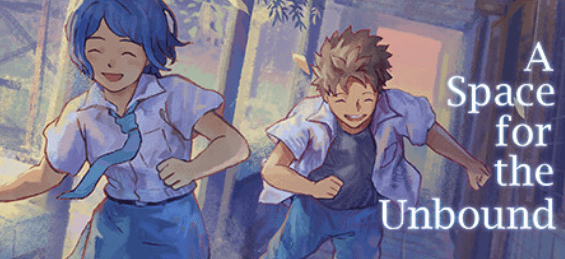
A Space for the Unbound sets its pixel art mystery in 1990s rural Indonesia, following Atma and Rara as their relationship encounters a supernatural threat. The tone holds grief and warmth simultaneously. GPA scores it high on Emotional Story and Text ADV — a combination that places it in the same cluster as Night in the Woods and similar character-driven adventures.
Tag Similarity
Story Depth
90%
Visual Novel / ADV
85%
Emotional Story
90%
Multiple Endings
60%
Existential Themes
75%
Graphics
75%
Anime Characters
30%
Dark
50%
Chart tags: Story Depth / Visual Novel / ADV / Emotional Story / Multiple Endings / Existential Themes / Graphics / Anime Characters / Dark
The Stanley Parable traps an office worker in a loop while a narrator describes his choices in real time, then subverts every decision the player makes. The game's subject is the relationship between player and game. GPA scores it at the top for Existential Themes and Multiple Endings — the combination that describes a game where the act of playing is the content.
Tag Similarity
Story Depth
75%
Visual Novel / ADV
80%
Emotional Story
70%
Multiple Endings
90%
Existential Themes
90%
Graphics
55%
Anime Characters
0%
Dark
0%
Chart tags: Story Depth / Visual Novel / ADV / Emotional Story / Multiple Endings / Existential Themes / Graphics / Anime Characters / Dark
OneShot tells its player directly that they are the god of this world and Niko is their prophet. GPA scores it high on Existential Themes and Emotional Story.
Tag Similarity
Story Depth
70%
Visual Novel / ADV
65%
Emotional Story
75%
Multiple Endings
50%
Existential Themes
80%
Graphics
50%
Anime Characters
0%
Dark
0%
Chart tags: Story Depth / Visual Novel / ADV / Emotional Story / Multiple Endings / Existential Themes / Graphics / Anime Characters / Dark
Papers, Please processes document verification at a fictional Soviet border checkpoint with escalating moral pressure. GPA scores it at the top for Existential Themes and Dark World.
Tag Similarity
Story Depth
70%
Visual Novel / ADV
60%
Emotional Story
65%
Multiple Endings
70%
Existential Themes
75%
Graphics
0%
Anime Characters
0%
Dark
75%
Chart tags: Story Depth / Visual Novel / ADV / Emotional Story / Multiple Endings / Existential Themes / Graphics / Anime Characters / Dark
Lost Judgment expands the detective framework into a high school setting where Yagami investigates bullying and serial murder simultaneously. The club activity system adds social depth between cases. GPA scores it above Lost Judgment (2018) on Story Depth — the investigation structure and social commentary carry more weight in the sequel.
Tag Similarity
Story Depth
90%
Visual Novel / ADV
65%
Emotional Story
70%
Multiple Endings
50%
Existential Themes
65%
Graphics
55%
Anime Characters
20%
Dark
55%
Chart tags: Story Depth / Visual Novel / ADV / Emotional Story / Multiple Endings / Existential Themes / Graphics / Anime Characters / Dark
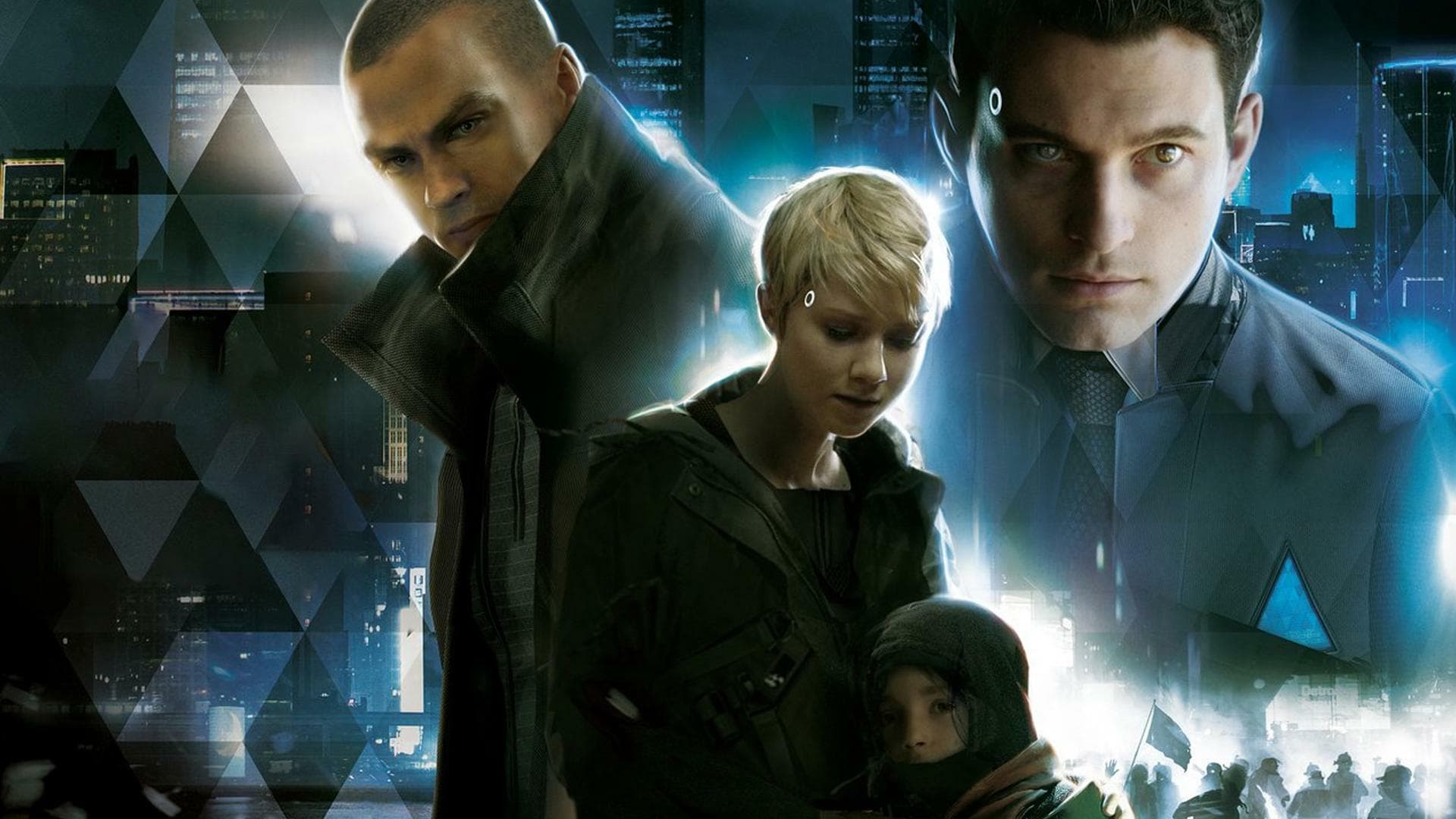
Detroit: Become Human puts players in the roles of three androids navigating a 2038 Detroit where AI has become indistinguishable from consciousness. Every major decision branches the story, and protagonists can die permanently. GPA scores it at the top for Multiple Endings and Text ADV — the combination that identifies a game where the dialogue system is the primary mechanic.
Tag Similarity
Story Depth
95%
Visual Novel / ADV
90%
Emotional Story
95%
Multiple Endings
90%
Existential Themes
90%
Graphics
50%
Anime Characters
0%
Dark
40%
Chart tags: Story Depth / Visual Novel / ADV / Emotional Story / Multiple Endings / Existential Themes / Graphics / Anime Characters / Dark
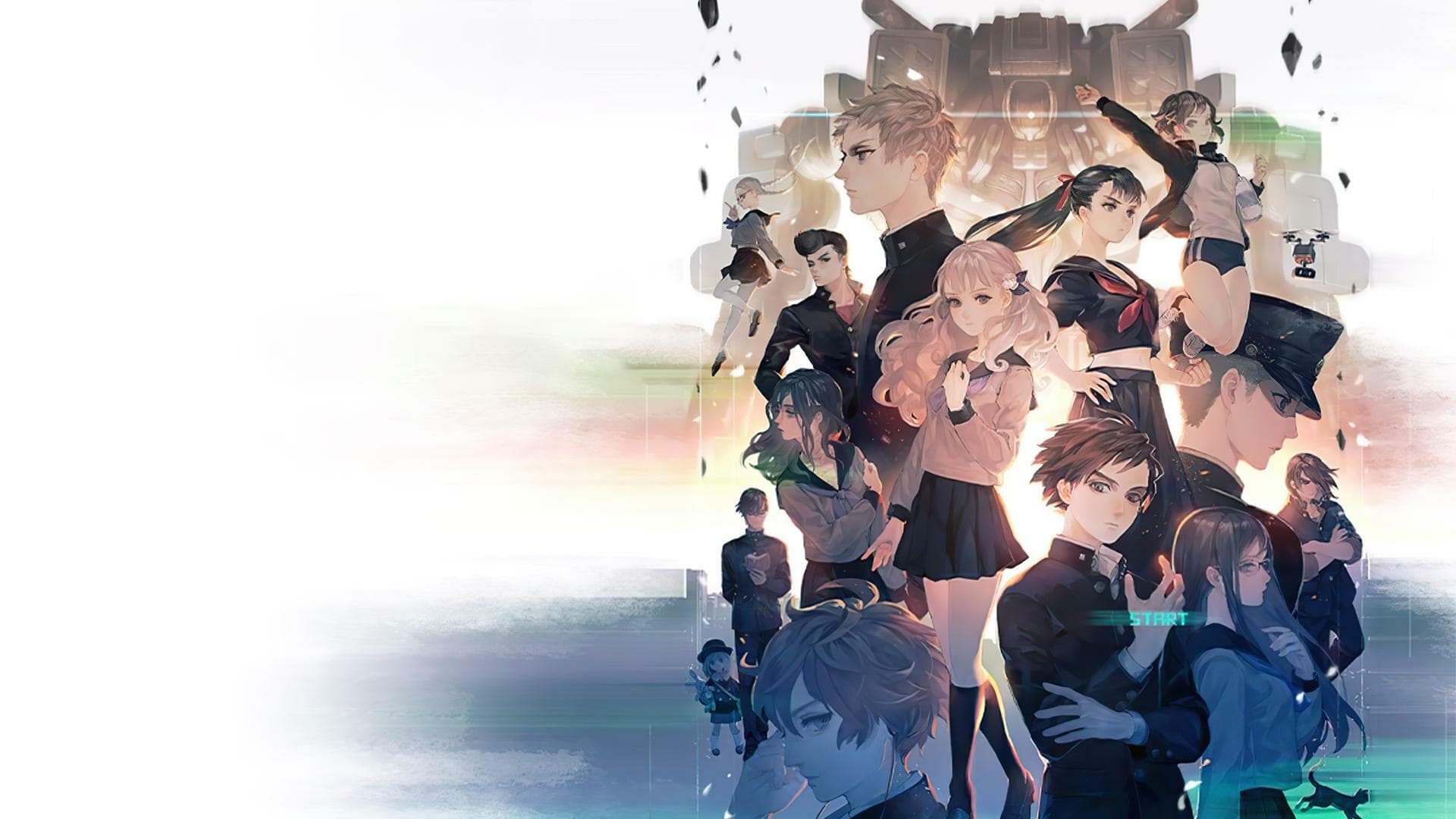
Atlus's 13 Sentinels: Aegis Rim tells a mystery across 13 protagonists in 2180 Japan, assembling the full picture from fragments that arrive out of order. The RTS mech battles are secondary to the visual novel sections. GPA scores it at the top for Story Depth and Text ADV — the combination that identifies it as primarily a reading experience with strategy attached.
Tag Similarity
Story Depth
95%
Visual Novel / ADV
85%
Emotional Story
95%
Multiple Endings
70%
Existential Themes
80%
Graphics
75%
Anime Characters
0%
Dark
60%
Chart tags: Story Depth / Visual Novel / ADV / Emotional Story / Multiple Endings / Existential Themes / Graphics / Anime Characters / Dark
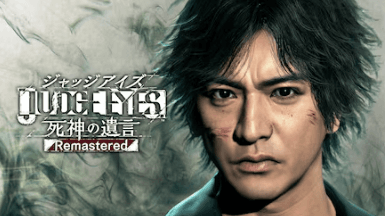
Judgment follows disgraced defense attorney Takayuki Yagami through a Kamurocho murder investigation that ties into a pharmaceutical conspiracy. The detective mechanics — tailing suspects, drone surveillance — add variety to the brawler combat. GPA scores it high on Story Depth and Emotional Story, with Action above average for the narrative-focused positioning.
Tag Similarity
Story Depth
85%
Visual Novel / ADV
60%
Emotional Story
70%
Multiple Endings
50%
Existential Themes
60%
Graphics
50%
Anime Characters
20%
Dark
55%
Chart tags: Story Depth / Visual Novel / ADV / Emotional Story / Multiple Endings / Existential Themes / Graphics / Anime Characters / Dark
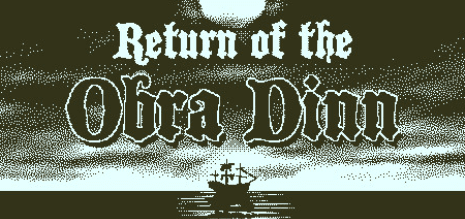
Return of the Obra Dinn reconstructs the fates of 60 shipwreck victims through a stop-death pocket watch. GPA scores it at the top for Puzzle among mystery games.
Tag Similarity
Story Depth
80%
Visual Novel / ADV
60%
Emotional Story
0%
Multiple Endings
40%
Existential Themes
65%
Graphics
55%
Anime Characters
0%
Dark
55%
Chart tags: Story Depth / Visual Novel / ADV / Emotional Story / Multiple Endings / Existential Themes / Graphics / Anime Characters / Dark
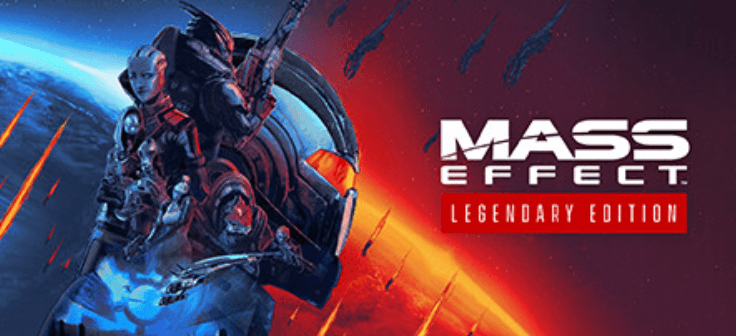
Mass Effect Legendary Edition packages all three games and 40+ DLC packs in a single 4K collection. Choices made in the first game carry directly into the third. GPA scores it at the top for Story Depth and Multiple Endings — the combination that describes a trilogy where the full weight of decisions is only clear at the end of 120 hours.
Tag Similarity
Story Depth
95%
Visual Novel / ADV
80%
Emotional Story
90%
Multiple Endings
85%
Existential Themes
75%
Graphics
75%
Anime Characters
0%
Dark
60%
Chart tags: Story Depth / Visual Novel / ADV / Emotional Story / Multiple Endings / Existential Themes / Graphics / Anime Characters / Dark
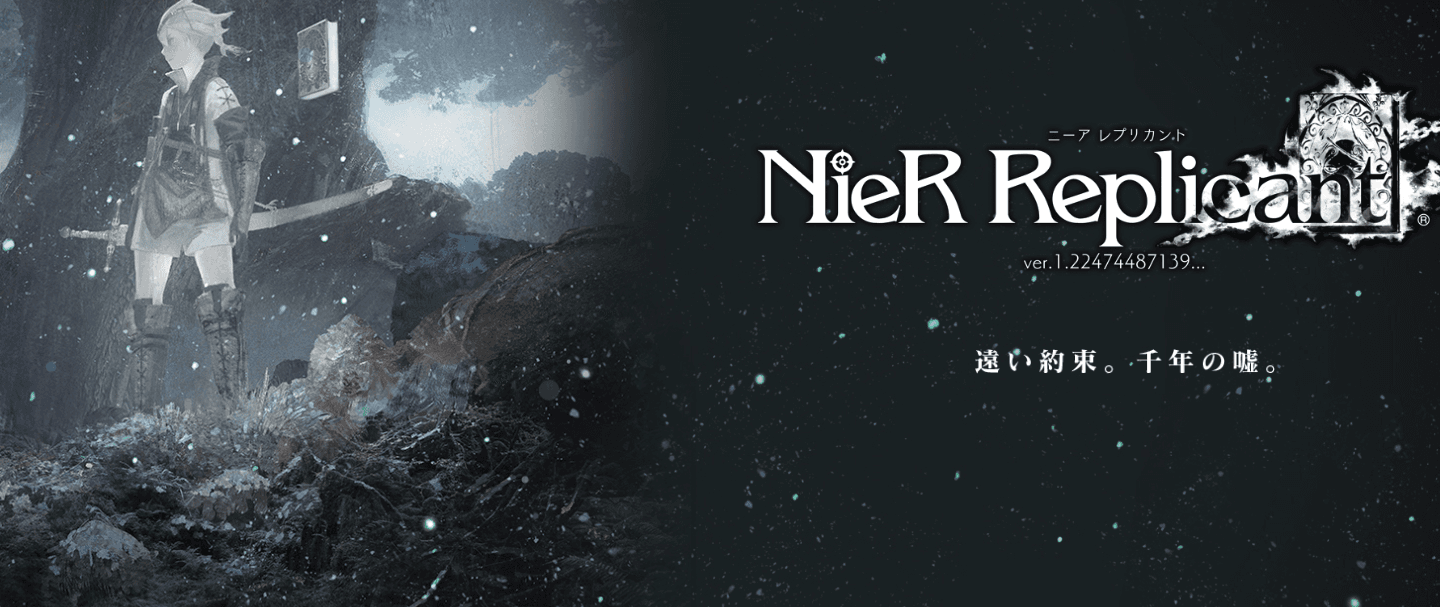
NieR Replicant ver.1.22 upgrades the 2010 original with Automata's combat system and expanded lore content. The multiple playthroughs reveal the story's full moral weight incrementally. GPA scores it close to Automata on Existential Themes, with Emotional Story slightly lower — a starting point for players who want the complete Yoko Taro narrative context.
Tag Similarity
Story Depth
85%
Visual Novel / ADV
50%
Emotional Story
85%
Multiple Endings
75%
Existential Themes
90%
Graphics
65%
Anime Characters
60%
Dark
70%
Chart tags: Story Depth / Visual Novel / ADV / Emotional Story / Multiple Endings / Existential Themes / Graphics / Anime Characters / Dark
Heaven Burns Red's writing density per scene is the highest in the mobile category, following Seraphina and her unit through a war against unidentified organisms with the ambition of a full visual novel embedded in gacha delivery. GPA scores it at the top for Story Depth and Emotional Story — the combination that drove its reputation beyond the gacha audience.
Tag Similarity
Story Depth
95%
Visual Novel / ADV
70%
Emotional Story
95%
Multiple Endings
55%
Existential Themes
80%
Graphics
80%
Anime Characters
85%
Dark
60%
Chart tags: Story Depth / Visual Novel / ADV / Emotional Story / Multiple Endings / Existential Themes / Graphics / Anime Characters / Dark
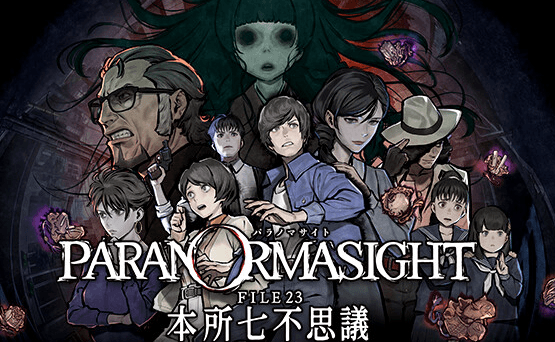
PARANORMASIGHT sets a group of protagonists against each other in Showa-era Tokyo, where each holds a Resentment Curse that can kill — but only under specific conditions. The multi-perspective structure and meta-narrative breaks break through the screen. Square Enix's 2023 release. GPA scores it high on Text ADV and Multiple Endings — the horror visual novel that surprised every expectation set by its publisher.
Tag Similarity
Story Depth
85%
Visual Novel / ADV
90%
Emotional Story
80%
Multiple Endings
85%
Existential Themes
70%
Graphics
60%
Anime Characters
0%
Dark
75%
Chart tags: Story Depth / Visual Novel / ADV / Emotional Story / Multiple Endings / Existential Themes / Graphics / Anime Characters / Dark
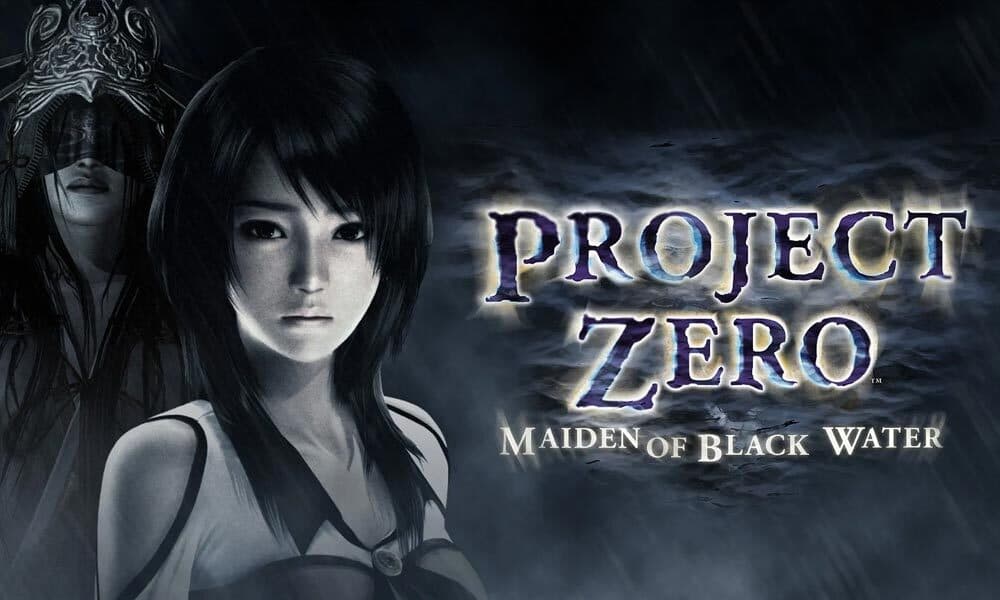
Fatal Frame: Maiden of Black Water sends players into a haunted mountain with a camera obscura that exorcises spirits through photography. The combat requires holding position while spirits approach to maximize score. GPA scores it high on Horror and Dark World — the combination that defines the Fatal Frame series' specific register of Japanese horror.
Tag Similarity
Story Depth
60%
Visual Novel / ADV
55%
Emotional Story
60%
Multiple Endings
60%
Existential Themes
60%
Graphics
40%
Anime Characters
70%
Dark
70%
Chart tags: Story Depth / Visual Novel / ADV / Emotional Story / Multiple Endings / Existential Themes / Graphics / Anime Characters / Dark
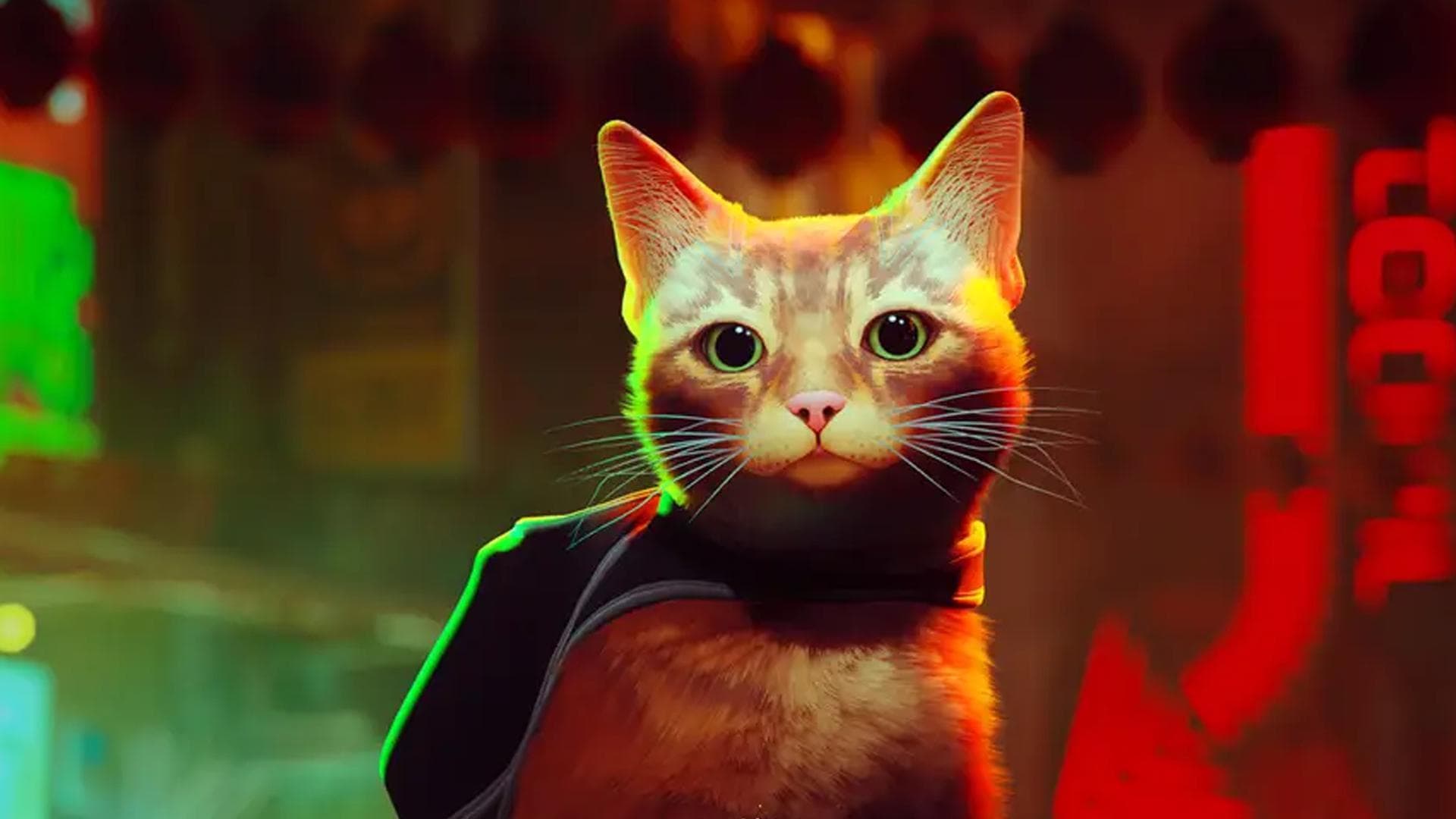
Stray follows a cat navigating a walled city beneath a dome, with no human population remaining. The movement system maps to feline behavior. GPA scores it high on Existential Themes and Dark World, with Emotional Story above average — a combination that describes a walking game built around atmosphere and a specific viewpoint.
Tag Similarity
Story Depth
75%
Visual Novel / ADV
50%
Emotional Story
80%
Multiple Endings
0%
Existential Themes
65%
Graphics
90%
Anime Characters
0%
Dark
60%
Chart tags: Story Depth / Visual Novel / ADV / Emotional Story / Multiple Endings / Existential Themes / Graphics / Anime Characters / Dark
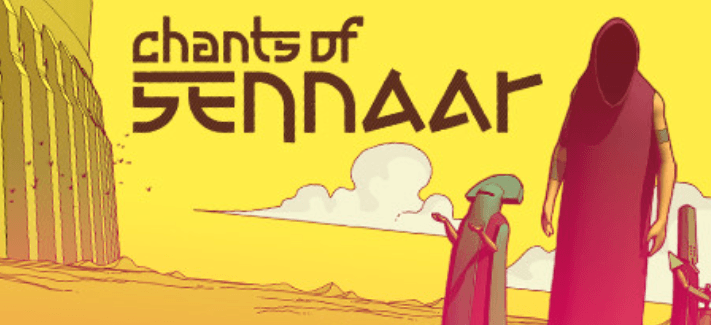
Chants of Sennaar tasks players with deciphering five constructed languages by observing context and testing hypotheses. Each language belongs to a different culture in a tower where communication has broken down. GPA scores it at the top for Puzzle and Existential Themes — the combination that correctly identifies decryption and philosophy as the twin engines of the experience.
Tag Similarity
Story Depth
70%
Visual Novel / ADV
75%
Emotional Story
60%
Multiple Endings
0%
Existential Themes
60%
Graphics
60%
Anime Characters
0%
Dark
45%
Chart tags: Story Depth / Visual Novel / ADV / Emotional Story / Multiple Endings / Existential Themes / Graphics / Anime Characters / Dark
Death Stranding asks players to reconnect a post-apocalyptic America by carrying cargo across difficult terrain. Other players' structures appear in your world. GPA scores it high on Existential Themes and Open World, with the lowest Action score among open-world titles — a combination that accurately identifies who this game is and isn't for.
Tag Similarity
Story Depth
85%
Visual Novel / ADV
45%
Emotional Story
80%
Multiple Endings
50%
Existential Themes
85%
Graphics
90%
Anime Characters
0%
Dark
60%
Chart tags: Story Depth / Visual Novel / ADV / Emotional Story / Multiple Endings / Existential Themes / Graphics / Anime Characters / Dark
Myhouse.wad was released as a Doom II WAD file in 2023, presenting itself as a recreation of a dead friend's house that gradually reveals impossible geometry and psychological horror. GPA scores it high on Existential Themes and Horror — the highest-rated entry in the liminal space genre for emotional weight relative to technical presentation.
Tag Similarity
Story Depth
80%
Visual Novel / ADV
0%
Emotional Story
85%
Multiple Endings
65%
Existential Themes
90%
Graphics
50%
Anime Characters
0%
Dark
85%
Chart tags: Story Depth / Visual Novel / ADV / Emotional Story / Multiple Endings / Existential Themes / Graphics / Anime Characters / Dark
About "AI: The Somnium Files"
▸Game Composition (GPA Analysis)
AI: ソムニウム ファイル leads with its Adventure identity, anchored by the core feel of "AI: The Somnium Files tasks detective Kaname Date with solving a murder by entering suspects' dream worlds to retrieve…." The headline profile reads Story Depth 90% / Visual Novel / ADV 90% / Emotional Story 85%, making it a strong pick for fans of Story Depth and Visual Novel / ADV. Oriented toward experienced players looking to push their limits.
▸Characteristics & Analysis
Our editorial team scored "AI: ソムニウム ファイル" by using its feel of 打越鋼太郎, 夢探索ソムニウム, and 猟奇殺人捜査 as the primary lens, weighting Story Depth and Visual Novel / ADV most heavily. Top similar titles include "A Space for the Unbound(心に吹く花)", "The Stanley Parable(スタンリー・パラブル)", "OneShot(ワンショット)".
Review — AI: The Somnium Files: an investigation adventure with an ocular AI
Uchikoshi in 2019 — not just reading text
Spike Chunsoft, 2019. Scenario by Kotaro Uchikoshi of Ever17 and Zero Escape fame. Suspense, gag, SF, parody — everything in the script, plus a cast with loud personalities. Reviews often flag crude jokes and conspiracy riffs as strong quirks, yet planted threads light up and episodes lock into truth in a way only Uchikoshi delivers — a one-of-a-kind story. Dialogue carries the plot, sentences stay short — page-turn manga pacing. It clears the old “just read text” adventure image and sits as a newer-era ADV.
Metascore and major review outlets (2019 launch)
Outlet / platform
Score
Metacritic (Nintendo Switch)
86 / 100
Metacritic (PlayStation 4)
78 / 100
Metacritic user score
8.6 / 10
Famitsu (cross-review)
34 / 40
IGN
8.2 / 10
GameSpot
8 / 10
Nintendo Life
8 / 10
Hardcore Gamer
4.5 / 5
Scores as listed on Metacritic and each outlet; may vary by platform or edition.
Critics mostly backed the writing, voice work, and Somnium set-pieces. The Switch Metascore ranked 12th among Switch games reviewed in 2019 on the aggregator. Pushback clustered around crude gags, uneven tone, and Somnium timers — the same fault lines player reviews still argue about.
Awards: nominated for Best Adventure Game at the 2019 Famitsu Dengeki Game Awards. Japan's launch-week sales were modest, but the PC build landed among Steam's stronger new-release sellers that month. For Uchikoshi, it was a step out of Zero Escape's sealed rooms — ocular AI and dream raids reaching a wider adventure audience, with scores that reflect both the reach and the friction.
Setting — near-future Tokyo, an ocular AI, and dream-entry Psync
Near-future Tokyo where phones and net feel like ours — YouTubers included, easy entry. Two big deltas: ocular AI Aiba in Kaname Date's left socket, and Psync gear that lets you enter others' dreams. As an AIBIS special agent, Date hunts cases with partner and device. The tagline “I killed because I wanted love” also plays on “AI” and “eye”: Artificial Intelligence, Eye, meeting (ai), and love (ai) — overlapping words that give the back half its weight.
Story — a serial-killer shell over an identity hunt
Six years after an incident cost Date his memory and left eye, he works AIBIS with Aiba and Psync. He also ends up living with Mizuki Okiura and her daughter Iris. The case opens at a ruined amusement park: an eye-gouged corpse — Mizuki's mother Shouko Saitou — and Mizuki herself on scene holding a bloody ice pick. Roughly two hours of stormy setup, yet gags and cast keep it from going fully grim.
From there the plot sinks into who the amnesiac protagonist really is. The late-game pile-on matches Ever17 — and in places may out-punch it. The culprit stays hard to pin, yet every route's facts lock together. The aftertaste is “one rope,” not “I guessed it.” The finale can feel a touch long because the answer hides so well.
After the common route, meta-fiction, suspense, and love stories stack in Uchikoshi fashion. Core theme: love — especially parent and child. Mizuki and her parents, Ota and his mother with dementia, A-set and her mother's eyes — blood ties and chosen family in many shapes. Ota's mother arc hits familiar beats but performs. By the ending, what the scenes say matters more than exposition.
Date and Aiba — a partner act with real weight
Characters keep up with the plot. It starts with Date and Aiba's throwaway banter, then fans out to net idol A-set (a hardcore conspiracy theorist on some routes), wannabe light-novelist Ota, his mother, Moma Kumakura, the taxi driver who calls passengers “granny” for a loud laugh, and more — the list does not end. Crude jokes show up often, but the case itself is brutal enough that the comedy works as a buffer. The spine is one-eyed Date and Aiba in the socket: venom and logic braking Date when he starts to run hot. That back-and-forth is how character personality fills the gaps between investigations.
Parody and memes woven into the story
Parodies and net memes are packed in. Reviews split on this — some players bounce, some lean in. Missing a reference is fine; the tone still lands without the original joke. If that register works for you, watch the margins of dialogue and the edges of the frame. Tapping something that looks unrelated to the case can still spit back a reaction — the RPG mood of doing side quests while the world ends, rebuilt as adventure “poke the screen” play.
Music and visuals — careful for an ADV, sufficient on screen
Every track fits its scene; among adventures this is a carefully scored set. The title screen atmosphere is especially strong — you feel a long story starting before you click in. Visuals are sufficient. Some event scenes look cheap, but nothing that blocks reading forward. Rated CERO Z: blood and a few brutal beats exist. It is not horror-scary or grotesque in the pull-back sense — the mystery information matters more.
Two layers: investigation and Somnium. Investigation is point-and-click across locations — hover names, color-coded new info, less backtracking hell. Irrelevant NPCs and props feed Date/Aiba banter. Aiba's zoom, X-ray, and 35mm shots help parsing. Testimony clashes and timing interrogations add bulk. Branch rewinds stay clear; choice overload and push-input friction remain.
Somnium uses Psync to enter dreams and view the subject's subconscious in third person via human-shaped Aiba — puzzle logic over real-world rules. Pulling the ice pick from a photo can be the “right” emotional read. Late Somnium gets brute-force heavy; timer stress on gag picks stays as noted.
Beginner-friendly design living with deep craft
Careful systems and deep craft sit in the same room. Route changes and retries are always available. Scene recaps in small movie windows cut down on “wait, what was that?” Mostly full voice, and a rare Switch title with touch support. The glossary notes — likely Uchikoshi's own prose — are staggering in volume, even explaining near-common-sense terms. That is why poking the world stays fun: polish and gag density share the same ground.
Somnium — where the quirks and the problems stack
Roughly: dive into a subject's dream for clues. The game's strongest quirks and weakest points both live here. Roughly half of Date and Aiba's silly banter happens in Somnium — yet the timer makes joke options hard to pick. Every action burns time; clearing with a second left and a hidden item unlocks artbook-style extras, which only tightens the squeeze. Skip and retry are easy; the chore remains. Common sense does not apply, so the “correct” move may not open the path, and finales often turn into brute force. Thin theory, slightly awkward controls — the partner comedy and the clock are arguing in the same room.
System — stable to the end; restart after long sessions
No freezes before the credits. After clearing, browsing the album crashed once. Long uptime stretches load times — periodic restarts help. More a long-session note than a show-stopper.
GPA analysis and neighboring titles
GPA tags put Story Depth and Text Adventure at 90%, Emotional Story and Multi-Ending at 85%, Existential Theme at 75%. Action sits near zero — the numbers say read, choose, and explore dreams. A mystery ADV where text, branching, and theme stack high for players who like to think afterward.
GPA tag snapshot — AI: The Somnium Files
Story Depth ◀
90%
Text Adventure ◀
90%
Emotional Story
85%
Multi-Ending
85%
Existential Theme
75%
Based on GPA major tags. Action sits near the floor.
On the shelf of neighbors: Uchikoshi's Ever17 / Zero Escape for planted twists. Against Detroit: Become Human's city-scale android politics, this AI is one eye's worth of partnership — narrower, denser. 13 Sentinels: Aegis Rim sits beside it for narrative density; Disco Elysium for text-heavy reflection. Slot this after Detroit and the air changes — locked rooms and dreams instead of social movements, asking similar questions.
Polarizing gags — miss this tone and the whole game feels distant
Not calling this bad — just noting it splits the room. If the comedy does not click, the whole package is hard to accept. A shootout that looks cool can end in a deliberately stupid punchline. It is not always that register; tense scenes exist. Still, gags land in apparently serious beats, and some players will find them cold. Treat it as the on-ramp to Uchikoshi's habit of parking despair next to the laugh.
Reviewer's take
Comedy that grates lowers my personal score — yet the story holds. Not Ever17-level shock or Zero Escape-tight engineering, but resolving on ambiguous love is genius-tier craft. Strong quirks; still a new-era ADV worth playing now. CERO Z (18+). Sequel nirvanA Initiative (June 2022) sits six years later — this game first.