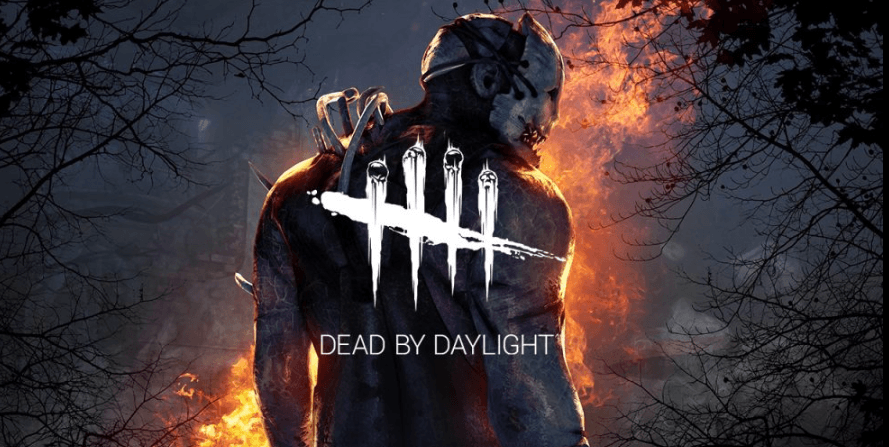
Dead by Daylight defines asymmetric survival horror as a competitive genre, with licensed horror IP killers hunting four survivors who repair generators. The behavior system tracks player conduct across thousands of matches. GPA scores it at the top for Co-op and high on Horror — the genre-defining entry that all subsequent asymmetric horror measures itself against.
Game Characteristics
Co-op
90%
Horror
85%
Action
70%
High Difficulty
65%
Strategy
65%
Dystopian Setting
60%
Dark
60%
Graphics
50%
Turn-Based
30%
Character Building
20%
Player profile fit
Recommended for: Intermediate to Advanced players (A score of 50 or higher indicates a good fit.)
Propnight fused DbD's generator repair structure with prop transformation disguise, letting survivors become furniture to avoid detection. The studio's 2024 closure ended the live service. GPA scores it high on Co-op and Horror — a hybrid that executed the obvious design combination before the studio ceased operations.
Tag Similarity
Co-op
75%
Horror
70%
Action
65%
High Difficulty
60%
Strategy
55%
Dystopian Setting
55%
Dark
60%
Graphics
60%
Chart tags: Co-op / Horror / Action / High Difficulty / Strategy / Dystopian Setting / Dark / Graphics
Back 4 Blood adds a card deck system to the Left 4 Dead formula, letting players build run-defining loadouts before each mission. The AI Director spawns Ridden based on team performance. Turtle Rock Studios' return to the cooperative zombie shooter. GPA scores it high on Co-op and Action — the L4D spiritual successor that added build strategy to cooperative zombie survival without replacing its core tension.
Tag Similarity
Co-op
88%
Horror
70%
Action
80%
High Difficulty
60%
Strategy
65%
Dystopian Setting
60%
Dark
60%
Graphics
72%
Chart tags: Co-op / Horror / Action / High Difficulty / Strategy / Dystopian Setting / Dark / Graphics
Friday the 13th: The Game let players take Jason's role in licensed asymmetric survival horror. Licensing disputes ended sales in 2018. GPA scores it high on Horror and Co-op — the first major licensed asymmetric horror.
Tag Similarity
Co-op
75%
Horror
80%
Action
70%
High Difficulty
60%
Strategy
0%
Dystopian Setting
70%
Dark
75%
Graphics
55%
Chart tags: Co-op / Horror / Action / High Difficulty / Strategy / Dystopian Setting / Dark / Graphics
Hide or Die runs co-op survival against a slasher threat in maps designed around collective resource management under pressure. GPA scores it high on Co-op and Horror.
Tag Similarity
Co-op
75%
Horror
75%
Action
60%
High Difficulty
55%
Strategy
0%
Dystopian Setting
60%
Dark
65%
Graphics
50%
Chart tags: Co-op / Horror / Action / High Difficulty / Strategy / Dystopian Setting / Dark / Graphics
Phasmophobia tasks a team with identifying ghost types through evidence collection using voice recognition and sensor equipment. Calling out a ghost's name in the dark produces audible responses. GPA scores it at the top for Co-op and high on Horror — the combination that captures a game built entirely around cooperative tension.
Tag Similarity
Co-op
85%
Horror
90%
Action
30%
High Difficulty
65%
Strategy
55%
Dystopian Setting
70%
Dark
60%
Graphics
40%
Chart tags: Co-op / Horror / Action / High Difficulty / Strategy / Dystopian Setting / Dark / Graphics
Lethal Company sends crews to abandoned moons to collect scrap for a corporate quota, with random monster encounters that differ by location. The emergent co-op chaos is the content. GPA scores it high on Co-op and Horror — a combination that describes a game where shared survival pressure generates the experience rather than scripted events.
Tag Similarity
Co-op
90%
Horror
85%
Action
50%
High Difficulty
70%
Strategy
40%
Dystopian Setting
50%
Dark
55%
Graphics
0%
Chart tags: Co-op / Horror / Action / High Difficulty / Strategy / Dystopian Setting / Dark / Graphics
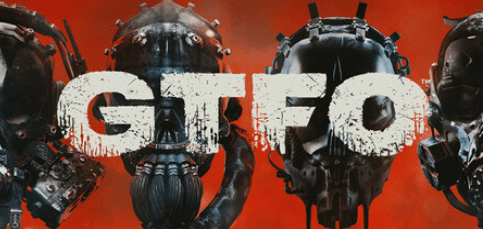
GTFO sends four prisoners into a monster-infested underground complex with objectives that require coordination at every step. Shooting is a last resort — stealth and tool management carry most missions. The difficulty requires genuine communication to survive. GPA scores it at the top for Co-op and high on Horror — the cooperative horror that treats teamwork as the core mechanic rather than a mode.
Tag Similarity
Co-op
95%
Horror
85%
Action
70%
High Difficulty
90%
Strategy
80%
Dystopian Setting
80%
Dark
75%
Graphics
70%
Chart tags: Co-op / Horror / Action / High Difficulty / Strategy / Dystopian Setting / Dark / Graphics
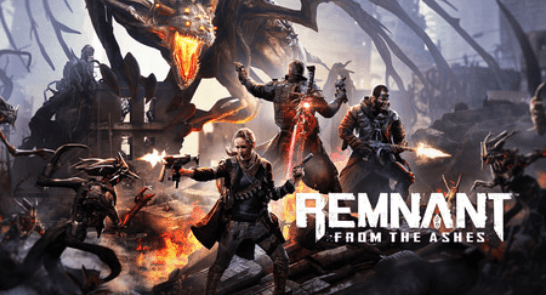
Remnant: From the Ashes transplants Dark Souls' bonfire-and-stamina structure into a third-person shooter, with procedurally generated dungeons and boss encounters that differ between playthroughs. Three-player co-op. Gunfire Games, Perfect World Entertainment. Switch, PS4, Xbox One, PC. GPA scores it high on Action and Co-op — the Soulslike that most effectively opened the genre to shooter-first players.
Tag Similarity
Co-op
80%
Horror
0%
Action
80%
High Difficulty
68%
Strategy
60%
Dystopian Setting
70%
Dark
65%
Graphics
65%
Chart tags: Co-op / Horror / Action / High Difficulty / Strategy / Dystopian Setting / Dark / Graphics
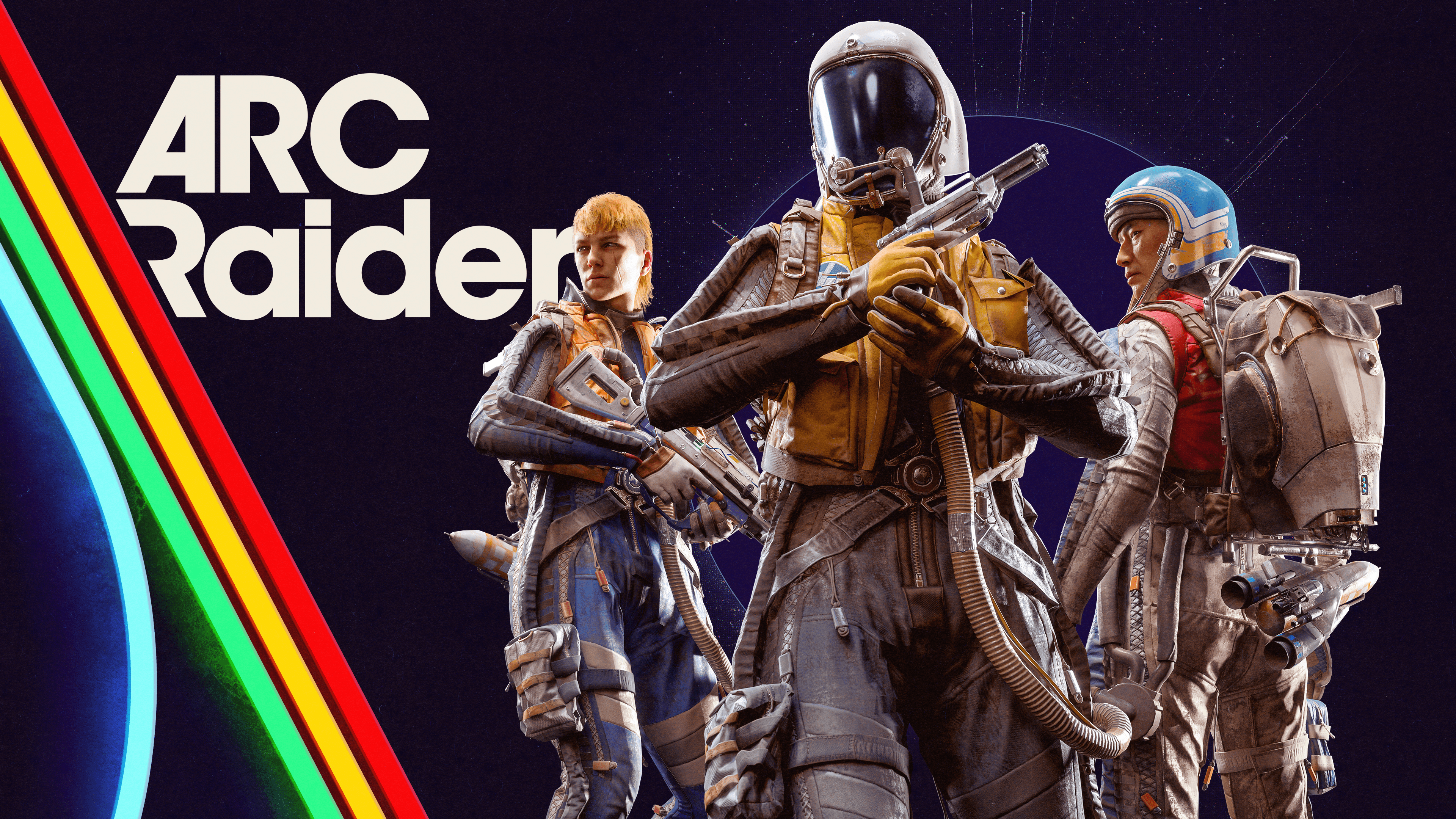
ARC Raiders is a free-to-play, third-person extraction shooter developed by Embark Studios. Set in a desolate, post-apocalyptic future, players step into the shoes of Raiders—resilient fighters who must band together to scavenge for vital resources while resisting the relentless onslaught of ARC, a ruthless mechanized alien threat descending from orbit. The game fuses intense squad-based tactical combat with high-stakes extraction mechanics, where survival depends on outsmarting both environmental hazards and rival crews.
Tag Similarity
Co-op
85%
Horror
0%
Action
90%
High Difficulty
75%
Strategy
60%
Dystopian Setting
65%
Dark
40%
Graphics
95%
Chart tags: Co-op / Horror / Action / High Difficulty / Strategy / Dystopian Setting / Dark / Graphics
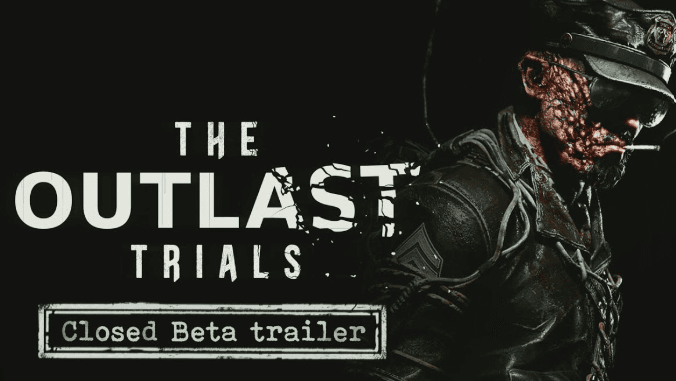
The Outlast Trials moves the series from solo horror to cooperative play, sending up to four players through Cold War-era trials in a program designed to condition killers. The no-weapons design from the original series survives intact. GPA scores it high on Co-op and Horror — the Outlast series entry that proved the helplessness mechanic works in multiplayer without losing its tension.
Tag Similarity
Co-op
85%
Horror
88%
Action
0%
High Difficulty
70%
Strategy
0%
Dystopian Setting
80%
Dark
80%
Graphics
65%
Chart tags: Co-op / Horror / Action / High Difficulty / Strategy / Dystopian Setting / Dark / Graphics
Helldivers 2 sends four Helldivers to hostile planets under the banner of Super Earth's democracy, calling in weapons and reinforcements through timed button sequences called Stratagems. The galactic war meta-game updates in real time across all players. Arrowhead Game Studios, PlayStation Studios. PS5, PC. GPA scores it at the top for Co-op — the squad shooter that made cooperative chaos the design goal rather than a side effect.
Tag Similarity
Co-op
95%
Horror
0%
Action
82%
High Difficulty
68%
Strategy
72%
Dystopian Setting
0%
Dark
0%
Graphics
78%
Chart tags: Co-op / Horror / Action / High Difficulty / Strategy / Dystopian Setting / Dark / Graphics
THE FINALS runs team combat through a fully destructible game show environment where collapsing buildings, explosive barrels, and environmental weapons are as important as gunplay. Embark Studios, former Battlefield developers. Free to play. PS5, Xbox Series X|S, PC. GPA scores it high on Action and Co-op — the team shooter that made environmental destruction a primary tactical resource rather than a visual flourish.
Tag Similarity
Co-op
82%
Horror
0%
Action
82%
High Difficulty
65%
Strategy
72%
Dystopian Setting
0%
Dark
0%
Graphics
78%
Chart tags: Co-op / Horror / Action / High Difficulty / Strategy / Dystopian Setting / Dark / Graphics
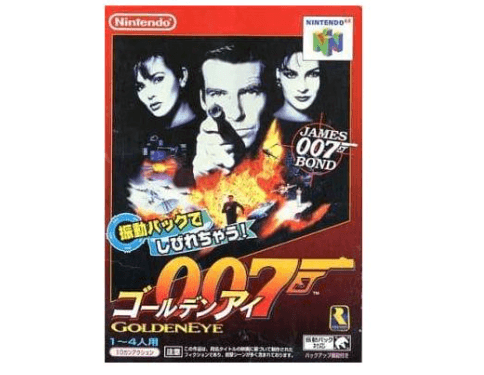
GoldenEye 007 established the console FPS template with mission-based objectives, silenced weapon stealth, and four-player split-screen multiplayer. The Rare-developed Bond adaptation remains the reference point for the genre on consoles. Available through Nintendo Classics (18+ version). GPA scores it high on Action and Co-op — the FPS that made the console the viable platform for the genre.
Tag Similarity
Co-op
80%
Horror
0%
Action
85%
High Difficulty
65%
Strategy
60%
Dystopian Setting
50%
Dark
0%
Graphics
55%
Chart tags: Co-op / Horror / Action / High Difficulty / Strategy / Dystopian Setting / Dark / Graphics
State of Decay 2 manages a survivor community rather than a single character, with permanent death for any community member and a resource economy that runs across multiple settlements. Four-player co-op. Undead Labs, Xbox Game Studios. Xbox One, Xbox Series X|S, PC. GPA scores it high on Strategy and Co-op — the zombie survival game where losing a named survivor carries genuine consequence.
Tag Similarity
Co-op
72%
Horror
55%
Action
65%
High Difficulty
65%
Strategy
72%
Dystopian Setting
68%
Dark
0%
Graphics
58%
Chart tags: Co-op / Horror / Action / High Difficulty / Strategy / Dystopian Setting / Dark / Graphics
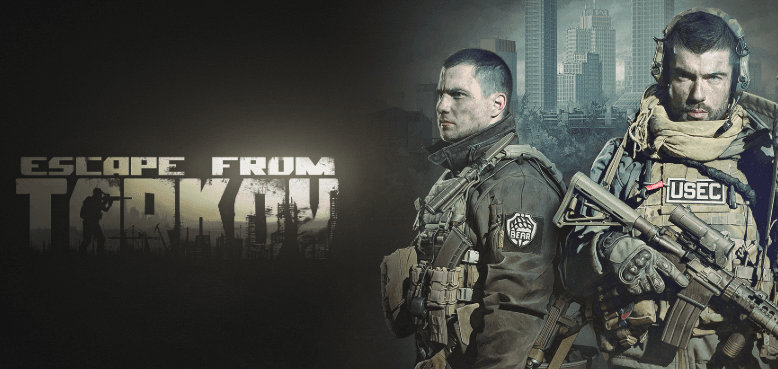
Escape from Tarkov drops players into raid maps with whatever gear they bring, requiring extraction at designated exits to keep what they find. Death means losing all carried equipment. Battlestate Games. PC only. GPA scores it at the top for Difficulty — the extraction shooter that defined the genre by making every decision carry permanent financial consequence.
Tag Similarity
Co-op
65%
Horror
0%
Action
80%
High Difficulty
95%
Strategy
85%
Dystopian Setting
65%
Dark
0%
Graphics
70%
Chart tags: Co-op / Horror / Action / High Difficulty / Strategy / Dystopian Setting / Dark / Graphics
Dying Light 2 Stay Human builds parkour traversal into every combat scenario in a city where night transforms the zombie population into something worse. The faction choice system branches the city's development. Four-player co-op is supported throughout. GPA scores it high on Action and Open World — the open-world zombie game that commits most fully to movement as a survival mechanic.
Tag Similarity
Co-op
75%
Horror
65%
Action
82%
High Difficulty
60%
Strategy
0%
Dystopian Setting
72%
Dark
68%
Graphics
78%
Chart tags: Co-op / Horror / Action / High Difficulty / Strategy / Dystopian Setting / Dark / Graphics
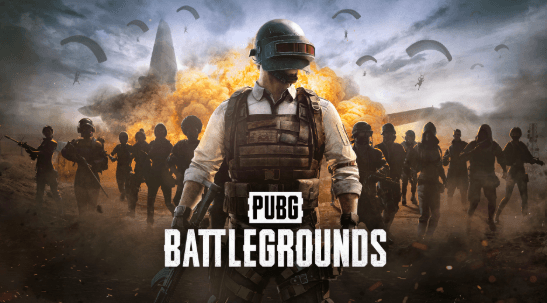
PUBG: Battlegrounds established the battle royale genre's defining loop — 100 players, one map, one survivor — before Fortnite or Apex. The gunplay runs on realistic ballistics and minimal aim assist. GPA scores it high on Action and Strategy — the combination that describes a shooter where circle positioning and loadout decisions matter as much as aim.
Tag Similarity
Co-op
85%
Horror
0%
Action
80%
High Difficulty
50%
Strategy
80%
Dystopian Setting
0%
Dark
0%
Graphics
75%
Chart tags: Co-op / Horror / Action / High Difficulty / Strategy / Dystopian Setting / Dark / Graphics
DOOM Eternal redesigns the series' combat as a resource management loop — chainsaw for ammo, glory kill for health, flamethrower for armor — that forces constant aggressive movement. id Software's 2020 follow-up to DOOM 2016. Switch, PS4/5, Xbox, PC. GPA scores it at the top for Action — the FPS that turned resource management into a rhythm-game sensation.
Tag Similarity
Co-op
0%
Horror
0%
Action
95%
High Difficulty
80%
Strategy
68%
Dystopian Setting
72%
Dark
65%
Graphics
80%
Chart tags: Co-op / Horror / Action / High Difficulty / Strategy / Dystopian Setting / Dark / Graphics
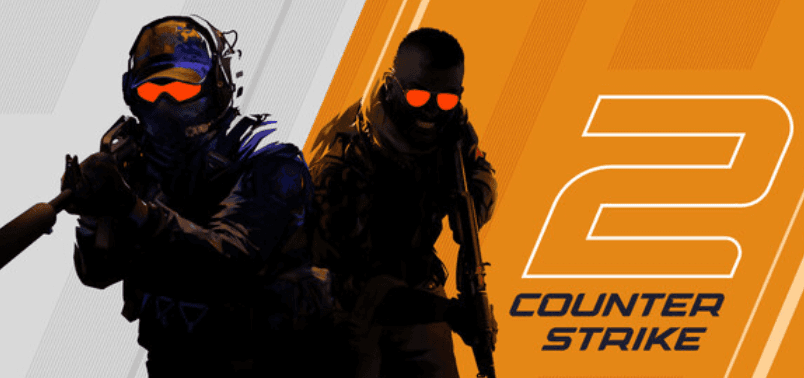
Counter-Strike 2 migrates CS:GO to Source 2, adding volumetric smoke grenades that interact with bullets and a sub-tick server architecture that reduces registration variance. Free to play. Valve. PC only. GPA scores it at the top for Action and Strategy — the competitive FPS that has defined the genre's skill ceiling for over two decades.
Tag Similarity
Co-op
85%
Horror
0%
Action
88%
High Difficulty
88%
Strategy
90%
Dystopian Setting
0%
Dark
0%
Graphics
70%
Chart tags: Co-op / Horror / Action / High Difficulty / Strategy / Dystopian Setting / Dark / Graphics
Apex Legends dropped in February 2019 without announcement and reached ten million players in 72 hours. The ping communication system, tiered shield structure, and Legend abilities lowered the barrier to competitive FPS without removing the skill ceiling. GPA scores it at 95% for both Action and Co-op — a dual maximum that describes a shooter where team design is structural, not optional.
Tag Similarity
Co-op
95%
Horror
0%
Action
95%
High Difficulty
80%
Strategy
75%
Dystopian Setting
0%
Dark
0%
Graphics
80%
Chart tags: Co-op / Horror / Action / High Difficulty / Strategy / Dystopian Setting / Dark / Graphics
About "Dead by Daylight"
▸Game Composition (GPA Analysis)
Dead by Daylight(DbD) leads with its Multiplayer Asymmetric Horror identity, anchored by the core feel of "Dead by Daylight defines asymmetric survival horror as a competitive genre, with licensed horror IP killers hunting fo…." The headline profile reads Co-op 90% / Horror 85% / Action 70%, making it a strong pick for fans of Co-op and Horror. Oriented toward experienced players looking to push their limits.
▸Characteristics & Analysis
Our editorial team scored "Dead by Daylight(DbD)" by using its feel of asymmetric PvP, streamer-popular, and survival as the primary lens, weighting Co-op and Horror most heavily. Top similar titles include "Propnight(プロップナイト)", "バック・フォー・ブラッド(Back 4 Blood)", "Friday the 13th: The Game(13日の金曜日 ザ・ゲーム)".
Game Analysis: Why Dead by Daylight Remains the Undisputed King of Asymmetrical Horror
Introduction: A Deadly Game of Hide-and-Seek That Refuses to Die
Since its launch in 2016, the asymmetrical multiplayer genre has seen countless copycats rise and fall. Yet, Dead by Daylight (DbD) still stands alone at the top, consistently pulling in massive concurrent player numbers. On paper, a 1v4 setup — one Killer versus four Survivors — sounds fundamentally broken and unfair. So how has Behaviour Interactive managed to keep this twisted game of deadly hide-and-seek alive and thriving for nearly a decade?
Based out of Canada, Behaviour Interactive took a rough-around-the-edges Steam Early Access title and spent the last eight-plus years molding it into a cultural phenomenon. The core of their success lies in a flawless mechanical intersection: a 90% Co-op focus paired with an 85% Horror atmosphere, all driven by a 70% Action pacing. It's a formula where four players must coordinate to repair generators and open the exit gates, while a lone Killer hunts them down. It sounds simple, but the tactical depth beneath the surface is staggering.
GPA score overview — Dead by Daylight
Co-op ◀
90%
Horror ◀
85%
Action ◀
70%
High Difficulty
65%
Strategy
65%
Target player scores (50+ = recommended fit)
Beginner40
Intermediate80
Advanced70
Intermediate 80 is the core audience. Beginner 40 marks an accessible entry; competitive depth needs time.
Chapter 1: The Asymmetrical Paradox — Endless Variety and Constant Evolution
Balancing a traditional PvP game, where both sides have identical tools, is hard enough. Balancing a 1v4 asymmetrical game should be impossible. Yet, DbD pulls it off by leaning into an incredibly deep customizable perk system instead of forcing rigid, mirrored balance.
Each character comes with unique perks that can be mixed and matched into a four-slot build, creating endless tactical synergy:
The Survivor Choice:Do you go all-in on stealth, build a setup meant to waste the Killer's time in a chase, or optimize your build to pop generators at lightning speed?
The Killer Calculus: Do you bring perks to track survivors down, invest your resources into regressing generator progress, or bank everything on a late-game comeback when the gates are powered?
With hundreds of perks available, there is no single "correct" way to play. This sheer variety keeps the game fresh even after thousands of hours.
Crucially, Behaviour refuses to let the meta stagnate. Unlike other developers who let power creep ruin their games, Behaviour is ruthless with balancing patches. If a specific perk or Killer breaks the game's health, they tweak it based on hard data and community feedback. This constant fine-tuning is exactly what keeps the core player base trusting the live-service model.
Chapter 2: Beyond the RNG — The Power of Meta-Cognition
To a casual observer, DbD might look like a game decided by luck — the randomness of tile generation or an unfavorable Killer matchup. But at a high level, DbD is a game of pure psychological warfare. Winning consistently requires an elite level of meta-cognition: the ability to read the map, track invisible variables, and stay three steps ahead of your opponent.
Expert players treat every match like a high-stakes chess game, deciphering the opposition's entire strategy from the smallest cues:
Perk Deduction
"He gained too much distance on that hit — he's running Sprint Burst." "She's looping this structure weirdly — she must be anticipating Scourge Hook." High-tier players memorize animations and timings to figure out the enemy's exact loadout within the first minute of a match.
Map Geometry and Micro-Spacing
Experienced Survivors and Killers don't just run; they read the layout of the "jungle gyms," pallets, and window vaults. They know exactly how many loops a structure can offer before a hit is inevitable, turning accidental map RNG into a calculated path to victory.
Every dramatic hatch escape or 4K (four-man wipe) isn't luck. It's the logical conclusion of one side completely out-thinking the other.
Chapter 3: The Hall of Fame of Horror — Crossovers and Monetization Done Right
What truly pushed DbD into the mainstream was its brilliant crossover strategy. Behaviour didn't just build a game; they built the ultimate "Hall of Fame of Horror," bringing together iconic franchises from cinema and gaming alike:
Resident Evil (Nemesis, Albert Wesker, Leon S. Kennedy, Jill Valentine)
Ringu (Sadako / The Onryo)
Stranger Things (The Demogorgon, Steve, Nancy)
Classic cinema legends like The Texas Chain Saw Massacre, Halloween, and A Nightmare on Elm Street.
What sets DbD apart from other live-service games is that these crossovers aren't just lazy, cosmetic cash-grabs. Behaviour treats these licenses with immense respect. Sadako's ability to teleport through TVs or Wesker's Uroboros infection aren't just flashy visuals — they are core gameplay mechanics that capture the true essence of those characters.
A Fair and Sustainable Economy
These high-profile collaborations and premium cosmetics drive the game's economy, but Behaviour avoids the fatal mistake of Pay-to-Win mechanics. While new characters and rare skins are locked behind a paywall, they do not dictate who wins a match. A 3-star performance (whether that means a clean escape or a ruthless 4K) still comes down to player skill and mechanical mastery. Furthermore, the in-game progression system allows dedicated players to unlock non-licensed perks over time simply by playing. This keeps the competitive integrity intact while allowing fans to support the game through cosmetics they love.
Chapter 4: Built for the Spotlight — The Streaming Ecosystem and Matchmaking Fixes
DbD's longevity is deeply tied to its massive footprint on platforms like Twitch and YouTube. The game is uniquely structured to be a spectator sport: it is just as entertaining to watch as it is to play.
Every 15-minute trial naturally builds toward a cinematic climax, whether it's a last-second flashlight save at the exit gates or a brutal mindgame at a crucial pallet drop. The dual perspectives — the terrifying, claustrophobic first-person view of the Killer versus the tactical, third-person awareness of the Survivors — makes for incredible content that keeps audiences hooked.
Fixing the Matchmaking Nightmare
However, great content doesn't matter if people can't actually play the game. For years, DbD suffered from notorious matchmaking issues, where players routinely waited 10 to 20 minutes just to find a single match.
Behaviour solved this infrastructure crisis with two massive updates:
Full Crossplay Integration: Merging the player pools across PC, PlayStation, Xbox, and Nintendo Switch.
Matchmaking Incentives: Offering Bloodpoint bonuses to players who queue up for whichever side is currently lacking numbers.
Today, queue times are short and stable around the clock. By fixing their matchmaking pipeline, Behaviour lowered the barrier to entry, making it easy for casual viewers to jump off Twitch and get straight into a lobby of their own.
Conclusion: The Definitive Asymmetrical Experience
Dead by Daylightdidn't achieve longevity through a gimmick. It earned its spot at the top through:
Deep mechanical synergy via its robust perk system.
High-skill ceilings driven by elite-level macro and micro-readings.
A fair live-service model that respects both the player's wallet and iconic horror licenses.
A healthy streaming ecosystem supported by modern, fast matchmaking.
It is worth noting that DbD isn't for everyone. With a 40% rating for absolute beginners compared to an 80% for Intermediate and 70% for Advanced targets, the learning curve can be punishing. If you are looking for a relaxing, solo narrative experience, you won't find it here.
But if you want a high-stakes, adrenaline-fueled competitive horror experience that rewards psychological mastery, Dead by Daylight remains the undisputed, definitive king of the genre.
Similar titles by GPA score
Read alongside the similar-games slider at the top of this page. On the co-op × horror axis, Phasmophobia and Lethal Company rank high — all three share the structure of experiencing fear with friends.
1. Phasmophobia
Similarity 75%
Shared DNA: co-op horror, stream-friendly tension, shared dread. Difference: four-player investigation, not asymmetric PvP — exploration and evidence over chase combat.
Top 5 tag overlap
Co-op
85%
Horror
90%
Action
30%
High Difficulty
65%
Strategy
55%
2. Lethal Company
Similarity 74%
Shared DNA: co-op × horror, strong streaming culture fit. Difference: PvE extraction loop, not asymmetric PvP — low-price indie breakout.
Top 5 tag overlap
Co-op
90%
Horror
85%
Action
50%
High Difficulty
70%
Strategy
40%
3. Resident Evil 4 Remake
Similarity 62%
Shared DNA: horror in the 85% range, origin IP for DbD collab killers. Difference: single-player / co-op survival horror, not asymmetric PvP.