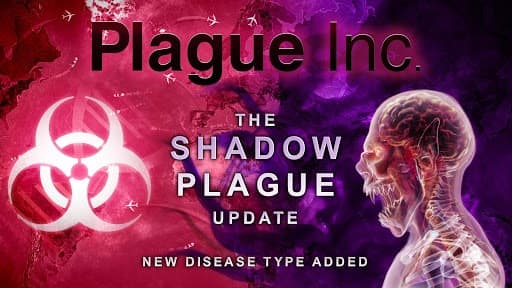
Plague Inc. gives players a pathogen to evolve and a world population to infect. The transmission, symptom, and ability tree decisions run against a Cure research counter that responds to the pathogen's visibility. GPA scores it at the top for Strategy — the highest in the simulation category — reflecting a game where every evolutionary choice creates downstream consequences.
Game Characteristics
Strategy
90%
Logic
80%
Dark
70%
Existential Themes
65%
Turn-Based
60%
Dystopian Setting
60%
Roguelike
40%
High Difficulty
40%
Character Building
20%
Graphics
10%
Target Audience
Recommended for: Beginners to Advanceds (scores ≥ 50 indicate a good fit)
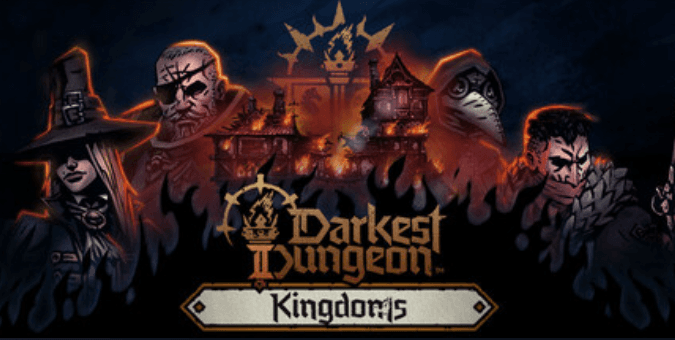
Darkest Dungeon II moves the campaign onto a stagecoach journey toward a mountain, replacing the base management structure with roguelite path selection. The stress and relationship systems between heroes now determine combat effectiveness directly. GPA scores it high on Roguelike and Dark World — the sequel that deepened the original's psychological horror into its most mechanically cohesive form.
Tag Similarity
Strategy
80%
Logic
0%
Dark
88%
Existential Themes
65%
Turn-Based
85%
Dystopian Setting
88%
Roguelike
88%
High Difficulty
85%
Chart tags: Strategy / Logic / Dark / Existential Themes / Turn-Based / Dystopian Setting / Roguelike / High Difficulty
Into the Breach sends small squads of mechs against Vek insects across grid-based maps where every enemy attack is telegraphed in advance. The puzzle is finding the move that neutralizes the most threats simultaneously. GPA scores it maximum on Strategy and Puzzle — the highest combined score for those two axes in the database.
Tag Similarity
Strategy
95%
Logic
85%
Dark
0%
Existential Themes
0%
Turn-Based
80%
Dystopian Setting
0%
Roguelike
70%
High Difficulty
75%
Chart tags: Strategy / Logic / Dark / Existential Themes / Turn-Based / Dystopian Setting / Roguelike / High Difficulty
XCOM 2 runs a resistance organization against an alien-occupied Earth through turn-based squad tactics with permadeath. Losing a named soldier who survived a dozen missions carries permanent weight. GPA scores it at the top for Strategy and Difficulty — the combination that defines the series' identity and separates it from tactical games without stakes.
Tag Similarity
Strategy
95%
Logic
0%
Dark
55%
Existential Themes
0%
Turn-Based
95%
Dystopian Setting
50%
Roguelike
60%
High Difficulty
85%
Chart tags: Strategy / Logic / Dark / Existential Themes / Turn-Based / Dystopian Setting / Roguelike / High Difficulty
Arknights runs its tower defense and tactical combat through a post-apocalyptic world where infected populations are segregated by law. The operator roster and faction writing carry more depth than most mobile strategy games. GPA scores it high on Strategy and Dark World — the combination that identifies a game where the setting's politics are as developed as the mechanics.
Tag Similarity
Strategy
90%
Logic
60%
Dark
70%
Existential Themes
75%
Turn-Based
50%
Dystopian Setting
80%
Roguelike
0%
High Difficulty
70%
Chart tags: Strategy / Logic / Dark / Existential Themes / Turn-Based / Dystopian Setting / Roguelike / High Difficulty
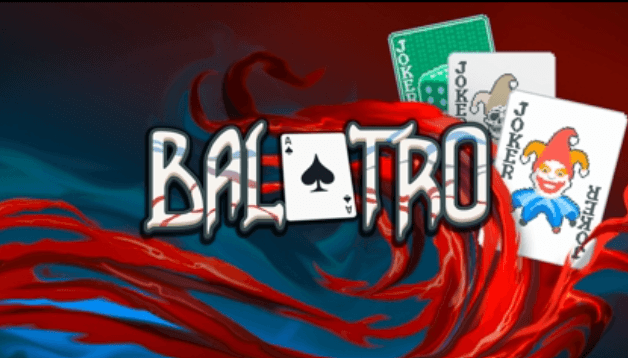
Balatro builds a poker-based roguelite around Joker combinations that generate exponentially scaling score multipliers. The 'Overlooked Ranking' scoring rewards bold positioning over passive survival. GPA scores it at the top for Puzzle and Roguelike — the combination that explains why it crossed from card game enthusiasts to players who had never touched a deck-builder.
Tag Similarity
Strategy
60%
Logic
80%
Dark
0%
Existential Themes
0%
Turn-Based
70%
Dystopian Setting
0%
Roguelike
60%
High Difficulty
50%
Chart tags: Strategy / Logic / Dark / Existential Themes / Turn-Based / Dystopian Setting / Roguelike / High Difficulty
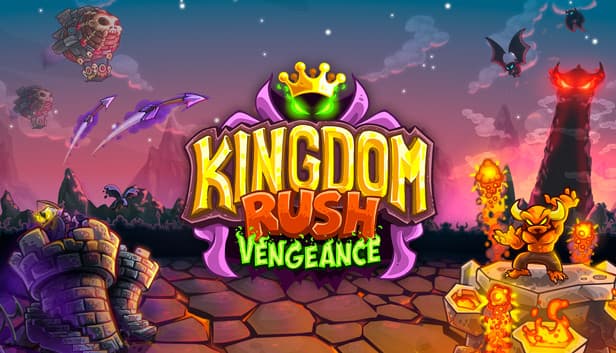
Kingdom Rush Vengeance inverts the series' premise by casting the player as the villain, defending against the hero units that populated earlier games. The tower types and hero roster match the villain faction's mechanics. GPA scores it high on Strategy and Puzzle — the role reversal that recontextualizes earlier entries as additional information.
Tag Similarity
Strategy
90%
Logic
75%
Dark
10%
Existential Themes
0%
Turn-Based
0%
Dystopian Setting
0%
Roguelike
0%
High Difficulty
30%
Chart tags: Strategy / Logic / Dark / Existential Themes / Turn-Based / Dystopian Setting / Roguelike / High Difficulty
Metaphor: ReFantazio builds a fantasy political campaign around the Archetype system, which evolves job classes through use. The social management layer runs alongside the turn-based dungeon crawl. GPA scores it at the top for Turn-Based and Story Depth, sitting close to Persona 5 Royal in the similarity rankings while operating in a completely different setting.
Tag Similarity
Strategy
60%
Logic
50%
Dark
75%
Existential Themes
85%
Turn-Based
90%
Dystopian Setting
80%
Roguelike
20%
High Difficulty
50%
Chart tags: Strategy / Logic / Dark / Existential Themes / Turn-Based / Dystopian Setting / Roguelike / High Difficulty
Rogue Tower expands enemy paths rather than defending fixed ones, building the route as the game progresses. Card draws determine which towers are available each wave. GPA scores it high on Strategy and Roguelike — the tower defense subgenre's most original structural variation.
Tag Similarity
Strategy
90%
Logic
80%
Dark
0%
Existential Themes
0%
Turn-Based
0%
Dystopian Setting
0%
Roguelike
85%
High Difficulty
70%
Chart tags: Strategy / Logic / Dark / Existential Themes / Turn-Based / Dystopian Setting / Roguelike / High Difficulty
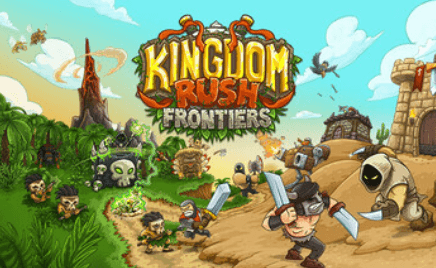
Kingdom Rush Frontiers moves the series to desert, jungle, and seafloor environments, adding new tower trees and hero units that change tactical options significantly from the first game. GPA scores it high on Strategy and Puzzle — the sequel that matched the original's design quality without reducing the challenge.
Tag Similarity
Strategy
90%
Logic
75%
Dark
0%
Existential Themes
0%
Turn-Based
0%
Dystopian Setting
0%
Roguelike
0%
High Difficulty
30%
Chart tags: Strategy / Logic / Dark / Existential Themes / Turn-Based / Dystopian Setting / Roguelike / High Difficulty
Kingdom Rush Origins runs as a prequel with an elven army, adding new unit types that change the defensive composition options. The tower tree is redesigned from the ground up rather than extended from earlier entries. GPA scores it high on Strategy and Puzzle — the third entry in the series that maintained the design consistency across all three campaigns.
Tag Similarity
Strategy
90%
Logic
75%
Dark
0%
Existential Themes
0%
Turn-Based
0%
Dystopian Setting
0%
Roguelike
0%
High Difficulty
30%
Chart tags: Strategy / Logic / Dark / Existential Themes / Turn-Based / Dystopian Setting / Roguelike / High Difficulty
The Geryon asks players to study the movement patterns of an entity traversing the liminal space rather than simply hiding from it. The algorithmic behavior requires observation before engagement. GPA scores it high on Horror and Strategy — the combination that separates it from atmospheric walking experiences in the genre.
Tag Similarity
Strategy
70%
Logic
0%
Dark
80%
Existential Themes
60%
Turn-Based
0%
Dystopian Setting
85%
Roguelike
0%
High Difficulty
70%
Chart tags: Strategy / Logic / Dark / Existential Themes / Turn-Based / Dystopian Setting / Roguelike / High Difficulty
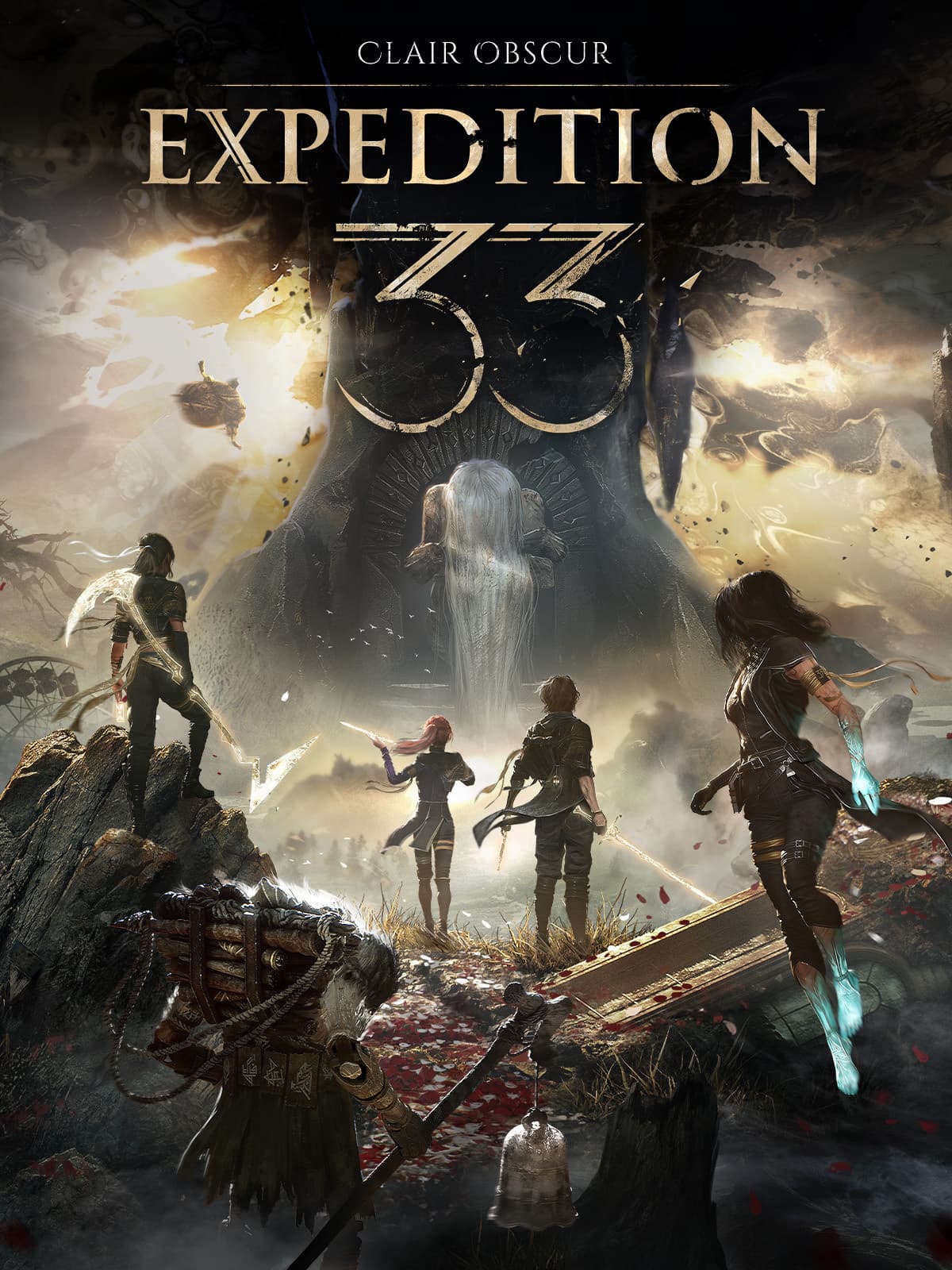
Set in a world where the Paintress condemns entire age groups to death each year, Expedition 33 sends a doomed party into a dying world to break the curse. The turn-based combat integrates real-time parry mechanics that shift the rhythm of every encounter. GPA scores it highest in Emotional Story and Story Depth — the French aesthetic and existential weight make it one of the most distinctive RPGs of 2025.
Tag Similarity
Strategy
60%
Logic
20%
Dark
60%
Existential Themes
85%
Turn-Based
90%
Dystopian Setting
85%
Roguelike
20%
High Difficulty
60%
Chart tags: Strategy / Logic / Dark / Existential Themes / Turn-Based / Dystopian Setting / Roguelike / High Difficulty
Slay the Spire defined the roguelike deckbuilder by making card synergies the primary puzzle. Four characters each work with a distinct card pool and mechanic. GPA scores it at the top for Strategy and Turn-Based among roguelikes — a combination that separates it from action-forward entries in the genre.
Tag Similarity
Strategy
95%
Logic
60%
Dark
0%
Existential Themes
0%
Turn-Based
0%
Dystopian Setting
0%
Roguelike
90%
High Difficulty
80%
Chart tags: Strategy / Logic / Dark / Existential Themes / Turn-Based / Dystopian Setting / Roguelike / High Difficulty
Ctrl Alt Ego transfers player consciousness between gadgets and AI systems in an abandoned corporate facility. The possession mechanic and hacking system address the question of where the self resides. GPA scores it high on Existential Themes and Puzzle — the mechanics and the subject matter run on the same logic.
Tag Similarity
Strategy
70%
Logic
85%
Dark
0%
Existential Themes
85%
Turn-Based
0%
Dystopian Setting
75%
Roguelike
0%
High Difficulty
0%
Chart tags: Strategy / Logic / Dark / Existential Themes / Turn-Based / Dystopian Setting / Roguelike / High Difficulty
Kingdom Rush places towers along a fixed enemy path and scales its difficulty through tower upgrade combinations and hero ability timing. The balance between defensive placement and active intervention sets the genre benchmark. GPA scores it high on Strategy and Puzzle — the tower defense that defined the genre's upper limit for mobile.
Tag Similarity
Strategy
90%
Logic
75%
Dark
0%
Existential Themes
0%
Turn-Based
0%
Dystopian Setting
0%
Roguelike
0%
High Difficulty
30%
Chart tags: Strategy / Logic / Dark / Existential Themes / Turn-Based / Dystopian Setting / Roguelike / High Difficulty
Inscryption runs a cabin card game that deconstructs itself over three acts. The meta-horror elements are foreshadowed from the first screen. GPA scores it high on Roguelike and Dark World.
Tag Similarity
Strategy
80%
Logic
0%
Dark
80%
Existential Themes
80%
Turn-Based
0%
Dystopian Setting
75%
Roguelike
70%
High Difficulty
0%
Chart tags: Strategy / Logic / Dark / Existential Themes / Turn-Based / Dystopian Setting / Roguelike / High Difficulty
Elemental Dungeon combines tower defense placement with elemental attribute matching, using interactions between element types as the core puzzle layer. GPA scores it high on Strategy and Puzzle — a tower defense where spatial arrangement creates elemental chain reactions.
Tag Similarity
Strategy
80%
Logic
80%
Dark
0%
Existential Themes
0%
Turn-Based
0%
Dystopian Setting
0%
Roguelike
0%
High Difficulty
60%
Chart tags: Strategy / Logic / Dark / Existential Themes / Turn-Based / Dystopian Setting / Roguelike / High Difficulty
The Exit 8 gives players a looping underground passageway and one instruction: exit at 8 if nothing is wrong, turn back if something is. The anomaly detection loop runs on observation and iteration. GPA scores it at the top for Puzzle among walking horror titles — the mechanic distilled the genre to its most precise form.
Tag Similarity
Strategy
0%
Logic
80%
Dark
40%
Existential Themes
55%
Turn-Based
60%
Dystopian Setting
40%
Roguelike
0%
High Difficulty
30%
Chart tags: Strategy / Logic / Dark / Existential Themes / Turn-Based / Dystopian Setting / Roguelike / High Difficulty
About "Plague Inc."
▸Game Composition (GPA Analysis)
Plague Inc.(プレイグインク) leads with its 戦略シミュレーション identity, anchored by the core feel of "Plague Inc." The headline profile reads Strategy 90% / Logic 80% / Dark 70%, making it a strong pick for fans of Strategy and Logic. Oriented toward experienced players looking to push their limits.
▸Characteristics & Analysis
Our editorial team scored "Plague Inc.(プレイグインク)" by using its feel of simulation, puzzle elements, and 陣取り as the primary lens, weighting Strategy and Logic most heavily. Top similar titles include "ダーケストダンジョン2(Darkest Dungeon II)", "Into the Breach", "XCOM 2".
Plague Inc. — The Strategy Game Where You Are the Disaster
Plague Inc. doesn't give you a city to protect or a world to save. You arethe threat — a pathogen evolving in real time, spreading silently across a world that doesn't know you exist yet.
Ndemic Creations released it in 2012 as a mobile title. It has since sold tens of millions of copies across PC, Switch, and console. When COVID-19 arrived in 2020, it briefly hit the top of the App Store again — not because it predicted anything, but because its transmission model felt uncomfortably accurate. The CDC invited the developer to speak at a conference. That's not marketing copy. That's the clearest signal that something underneath the provocative premise is working at a different level.
GPA scores Plague Inc.at 95% for Strategy, 90% for Dystopian Setting, and 85% for Logic. Those three numbers are the real genre tag. "Simulation" undersells it.
GPA tag snapshot — Plague Inc.
Strategy ◀
95%
Dystopian Setting ◀
90%
Logic ◀
85%
Turn-Based
70%
High Difficulty
65%
GPA scores reflect gameplay experience, not genre label. Simulation alone doesn't capture what this game demands.
1. The Core Loop: Infect, Evolve, Kill — and Why the Order Matters
The three pillars of every Plague Inc. run are Infection, Evolution, and Lethality. They pull against each other constantly. That tension is the game.
DNA Points: The Currency That Forces Trade-offs
Everything runs on DNA points — earned through time, new infections, and event triggers. You spend them across three branches: Transmission, Symptoms, and Abilities.
Early game has a clear priority: spread without being noticed. Stack water and air transmission. Infect as many countries as possible before anyone sounds the alarm. The moment you add visible symptoms — coughing, bleeding, organ failure — governments notice. Borders close. Cure research accelerates. You've tipped your hand too early.
Mid-game is where the decisions get expensive. Struggling in cold climates? Invest in Cold Resistance. Wealthier nations proving resistant? Drug Resistance becomes the priority. Every DNA point you spend closes off another option. Balatro players will recognize the feeling: do you build the combo now, or hold resources for what's coming?
The Stealth-to-Burst Shift
The cleanest design in Plague Inc.is the phase transition. For the first half of any run, your goal is invisibility — zero lethality, no alarming symptoms, just quiet red dots spreading across the map. Most new players learn this the hard way: add coughing too early, and three countries lock down before you've reached South America.
Once global infection crosses a threshold — the community-developed "80% rule" for Bacteria on Normal — you flip the switch. Lethality climbs. Symptoms open. The blue Cure bubble appears on the map. Now you're in a race: can you kill faster than humanity can research?
That transition is different every run. A virus run throws random mutations that spike lethality before you're ready. A fungus run makes the 80% threshold nearly unreachable through air travel alone. The same strategy document becomes useless the moment you change pathogen type.
Symptom Tree Trade-offs
No node in the symptom tree has a clean upside. Coughing boosts transmission but raises detection. Total Organ Failure is the lethality anchor but supercharges Cure research. Coma slows transmission but keeps infected hosts alive longer. Every choice is opportunity cost wearing a biology costume.
2. Seven Pathogens, Seven Different Games
The seven base pathogen types — Bacteria, Virus, Fungus, Parasite, Prion, Nano-Virus, Bio-Weapon — don't just change numbers. They change what the game is about.
Bacteria is the tutorial. Balanced mutation rates, no special constraints. Start here.
Virusfights you from the inside. Random mutations add symptoms you didn't choose, raising lethality before you're ready. DNA income is higher, but control is lower. You're managing entropy.
Bio-Weaponremoves stealth as an option. Lethality rises automatically over time regardless of your choices. You're playing a timer game from the first minute.
Nano-Virusstarts with Cure research already in progress. You didn't trigger it — it was already running when you spawned. Every build decision is now in response to a countdown you didn't start.
Neurax Worm and Necroa Virus(DLC) break the framework entirely. The Necroa Virus turns infected hosts into zombies that fight back. Suddenly you're managing a military conflict layered on top of the infection model. It's not the same game with a skin change. It's a genuinely different set of problems.
Prion is the patience test — slow progression, long timelines, difficult to control. Fungus makes cross-ocean transmission nearly impossible without specific investment, forcing a completely different geographic approach.
The result: switching pathogen type doesn't feel like choosing a difficulty modifier. It feels like starting a different game that happens to use the same map.
3. The World Is Not a Fixed Map
The geography in Plague Inc.is not decoration. It's a puzzle grid that changes state while you're solving it.
The Madagascar Problem
The community has a meme: Madagascar and Greenland. Two countries that close their ports at the first sign of trouble, leaving you with one infected person who somehow never dies and never spreads. It's not a bug. It's the design functioning as intended.
Island nations with limited transport routes close early and hard. Wealthy nations detect faster and respond better. Poor nations spread faster but generate less DNA per infection. Cold regions require specific evolutionary investment. The map isn't asking you to infect countries — it's asking you to read systems and find gaps.
Random Events as Living World State
The Olympics opens a two-week window of accelerated global travel — infection gold. Climate change warming the Arctic reduces the return on Cold Resistance investment. Government collapse slows Cure research but removes organized response. A Brexit event literally changes border permeability between specific countries.
These aren't set dressing. They require you to update your plan mid-run. The world state is dynamic, and your pathogen build has to respond to it.
The Cure Race
Once humanity notices you, blue research bubbles appear on the map. Cure progress is driven by the number of infected countries, available medical funding, and international cooperation. Your counter-tools — Genetic Reshuffle, lethality-driven researcher reduction — cost DNA you might need elsewhere.
The endgame is a race between your kill rate and their research rate. Everything you did in stealth phase was buying time for this moment.
Difficulty and Genetic Codes
Easy through Hard teaches the loop; Mega Brutal without Genetic Codes is a different beast. Pre-run Genetic Code builds — slowing Cure research, boosting climate resistance — turn failed runs into data for the next attempt.
4. The Map Turns Red Quietly, and That's the Point
Plague Inc. has no 3D cutscenes. No character deaths shown on screen. The world ends through text tickers and dot density.
"Brazil enters full lockdown." "UK government collapses." "WHO declares global emergency." Each headline fires into a near-silent soundscape with a small audio cue — the world responded — and the map shifts. That's the entire audiovisual vocabulary of the game's catastrophe.
GPA's 90% Dystopian Setting score reflects that. This isn't darkness through graphic content. It's darkness through implication. The number of living humans on the counter ticking toward zero while the map goes from green to red is the horror. You supplied the rest.
Cure Mode — available in Plague Inc: Evolved — flips the perspective. You play as the WHO response team, analyzing the pathogen and allocating resources. Every piece of knowledge you built up as the pathogen now becomes intelligence for the defense. Few games let you experience both sides of the same system this directly.
DLC adds genuine new problems: Shadow Plague, Simian Flu, and more. Learn Bacteria and Virus on the base roster first — the core loop has enough variation to carry a long time before you need them.
GPA's Similar Games — Beyond the "Simulation" Tag
Plague Inc.sits at an unusual intersection on GPA's axis map: very high Strategy, very high Dystopian Setting, moderate Turn-Based. When you move those sliders on this page, here's what surfaces:
1. Into the Breach
Match 64%
Both reward understanding a complete system and finding the move that controls multiple outcomes at once. Into the Breach is faster and more spatial; Plague Inc. is slower and more geographic. The decision-making register is similar.
Similar tag snapshot (top 5)
Strategy
95%
Logic
85%
Turn-Based
80%
Roguelike
70%
High Difficulty
75%
2. Slay the Spire
Match 56%
Build construction that creates compounding synergies. Both punish over-commitment and reward knowing when to hold resources. Shorter-loop and deck-based vs map-based and longer — but the optimization rhythm connects.
Similar tag snapshot (top 5)
Strategy
95%
Roguelike
90%
Logic
60%
High Difficulty
80%
Dystopian Setting
0%
3. Balatro
Match 59%
Short-session, high-density optimization games where the same system generates wildly different problems each run. DNA allocation and joker selection create similar 'which resource do I spend now' pressure.
Note: Frostpunk shares the cold-world-management tone but isn't currently in the GPA database. Worth looking at separately if the Dystopian Setting axis is what draws you to Plague Inc.
GPA Positioning on the Score Map
The high Strategy score reflects decision density over time — not reflex, not pattern recognition, but resource sequencing under pressure. The high Dystopian Setting score comes from systemic implication, not explicit content. The 70% Turn-Based score reflects that updates happen in discrete pulses (per-country, per-event) rather than real-time, even though there's no formal "end turn" button.
The 65% High Difficulty score reflects the range: Easy is genuinely accessible, Mega Brutal without Genetic Codes is a different beast. The game teaches through failure without punishing you for exploring.
Before You Start — Common Questions
Is the premise too uncomfortable to enjoy?
The actual experience of playing sits closer to "systems analyst" than "disaster simulator." You're reading a spreadsheet that happens to be a world map. The CDC comparison isn't a punchline — the transmission model is structured enough to be educational. That said, if real-world pandemic content carries weight for you, that's worth knowing going in.
How long is a run?
Normal difficulty, standard pathogen: 20–30 minutes. Mega Brutal or Fungus on Hard: can stretch past an hour. The short-session format means a failed run is a data point, not a sunk cost.
Can you actually solve the Madagascar problem?
Not always. Investing in Ship transmission early, Bird II, and Extreme Bioaerosol raises your probability of getting there after ports close. Fungus is the one pathogen where island nations require a completely different approach from the start.
Is the base game enough without DLC?
Yes. The seven base pathogens have enough variation to keep the core loop interesting for a long time. Shadow Plague, Simian Flu, and Cure Mode add genuine new problems — but learn Bacteria and Virus first.
·People drawn to cold, morally-inverted world settings (Frostpunk territory)
Worth knowing first
·If real-world pandemic content is psychologically heavy, the news ticker format will reinforce that throughout
·There's almost no twitch skill required — it's nearly all waiting and allocating
·There's no narrative payoff at the end. No story. Numbers going to zero is the conclusion.
The GPA Summary
Plague Inc.is a strategy game in the classic sense — finite resources, time pressure, an opponent that responds to your moves. The pathogen wrapper is a framing device that happens to make the underlying resource allocation problem feel visceral in a way that city-builders and card games don't.
GPA places it at the intersection of cold optimization and systemic dystopian world building. If you move the Strategy and Dystopian Setting sliders on the similar-games search, you'll find the titles that share the same core pull: the satisfaction of reading a complex system and making it do what you want.
The 20-minute run length means the cost of being wrong is low. That's what keeps people running the same pathogens for years.
GPA scores reflect the experiential weight of each axis — not a feature checklist. Strategy 95% means decision density is the primary experience. Dystopian Setting 90% means the atmosphere is sustained through design, not graphic content. Latest numbers and similar-game rankings live on each game's detail page from the GPA home screen.