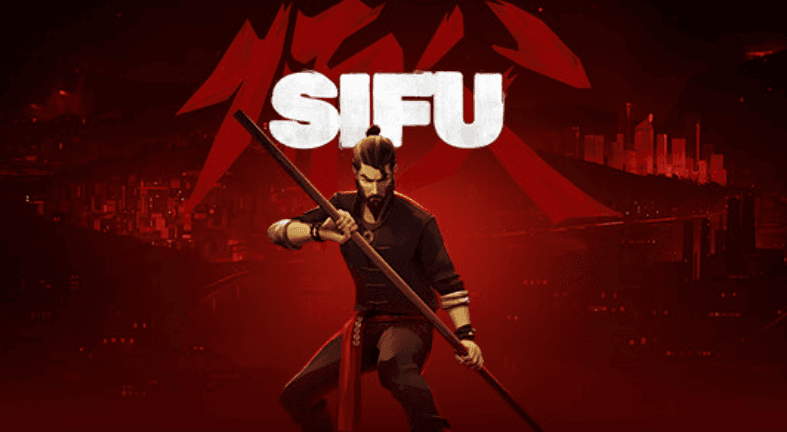
Sifu builds its brawler around aging — dying adds years that increase damage dealt but reduce health. The counter and parry system rewards precise timing over button mashing. GPA scores it high on Action and Difficulty, with a low Beginner score reflecting the commitment the parry system demands before it feels rewarding.
Game Characteristics
Action
90%
High Difficulty
90%
Graphics
80%
Existential Themes
55%
Emotional Story
50%
Story Depth
50%
Dystopian Setting
30%
Dark
30%
Player profile fit
Recommended for: Intermediate to Advanced players (A score of 50 or higher indicates a good fit.)
Beginner
20
Intermediate
50 ✓
Advanced
90 ✓
Keywords
Chinese martial artsaging systemfightingindiemust-replay
Gameplay Profile Chart
Adjust tag ratios to instantly update similar titles in real time.
Action
90%
High Difficulty
90%
Graphics
80%
Existential Themes
55%
Emotional Story
50%
Story Depth
50%
Dystopian Setting
30%
Dark
30%
Top 8 Tags — Radar Chart
CurrentOriginal
Games Similar to Sifu (474)
GPA match scores are calculated from gameplay profile tags. They are not editorial “feels like this game” ratings.
Neva follows warrior Viola and her wolf companion through a hand-animated action game where the wolf's behavior changes as she grows from pup to adult. The combat timing rewards patience. GPA scores it high on Emotional Story and Action — a combination that correctly identifies a game where the relationship between the two characters is the mechanical engine.
Tag Similarity
Action
85%
High Difficulty
65%
Graphics
90%
Existential Themes
50%
Emotional Story
80%
Story Depth
70%
Dystopian Setting
50%
Dark
40%
Chart tags: Action / High Difficulty / Graphics / Existential Themes / Emotional Story / Story Depth / Dystopian Setting / Dark
Celeste climbs a mountain while working through anxiety and self-doubt, encoding the protagonist's mental state into the level design. Assist Mode lets players adjust any parameter without disabling achievements. GPA scores it high on Difficulty and Emotional Story — two axes that rarely align, and that together describe what makes this platformer different from its peers.
Tag Similarity
Action
85%
High Difficulty
80%
Graphics
70%
Existential Themes
65%
Emotional Story
85%
Story Depth
75%
Dystopian Setting
0%
Dark
0%
Chart tags: Action / High Difficulty / Graphics / Existential Themes / Emotional Story / Story Depth / Dystopian Setting / Dark
Prince of Persia: The Lost Crown returns the series to 2D with Sargon as protagonist, using time-based abilities alongside the series' acrobatic movement. The Metroidvania structure reveals the map through ability acquisition. GPA scores it high on Action and Puzzle — the combination that describes a game that commits to the genre with current production quality.
Tag Similarity
Action
85%
High Difficulty
80%
Graphics
85%
Existential Themes
45%
Emotional Story
50%
Story Depth
60%
Dystopian Setting
35%
Dark
30%
Chart tags: Action / High Difficulty / Graphics / Existential Themes / Emotional Story / Story Depth / Dystopian Setting / Dark
Katana ZERO kills in one hit — both the player and every enemy — with a timeline rewind that frames each level as a premonition. The neo-noir story of a drug-dependent assassin unfolds through dialogue choices that can be interrupted mid-sentence. Askiisoft, Devolver Digital. Switch, PC. GPA scores it high on Action and Emotional Story — the 3-hour action game where the narrative density matches the mechanical precision.
Tag Similarity
Action
85%
High Difficulty
72%
Graphics
65%
Existential Themes
65%
Emotional Story
75%
Story Depth
72%
Dystopian Setting
75%
Dark
68%
Chart tags: Action / High Difficulty / Graphics / Existential Themes / Emotional Story / Story Depth / Dystopian Setting / Dark
Metal Gear Rising: Revengeance puts cyborg Raiden's High Frequency Blade through the Blade Mode slow-motion cutting system, developed jointly by Kojima Productions and PlatinumGames. The boss encounters and soundtrack — Rules of Nature, Collective Consciousness — have maintained cultural presence far beyond the game's 2013 release. PS3/360/PC. GPA scores it at the top for Action — the hack-and-slash Soulslike crossover where the speed is the opposite of FromSoftware's design.
Tag Similarity
Action
95%
High Difficulty
78%
Graphics
65%
Existential Themes
0%
Emotional Story
55%
Story Depth
60%
Dystopian Setting
65%
Dark
55%
Chart tags: Action / High Difficulty / Graphics / Existential Themes / Emotional Story / Story Depth / Dystopian Setting / Dark
Nine Sols sets a Taoist science fiction narrative against combat directly inspired by Sekiro: Shadows Die Twice — a deflection system that builds into a Talisman seal execution. Red Candle Games' first action title, following Devotion and Detention. Switch, PS4/5, Xbox, PC. GPA scores it at the top for Action among Metroidvanias — the genre entry where parry timing is the entire combat philosophy.
Tag Similarity
Action
88%
High Difficulty
85%
Graphics
72%
Existential Themes
70%
Emotional Story
72%
Story Depth
70%
Dystopian Setting
78%
Dark
70%
Chart tags: Action / High Difficulty / Graphics / Existential Themes / Emotional Story / Story Depth / Dystopian Setting / Dark
Hollow Knight: Silksong is the highly anticipated epic sequel to the critically acclaimed metroidvania Hollow Knight. Developed by Team Cherry, the game puts players in control of Hornet, the sharp-witted princess and protector of Hallownest, who has been captured and brought to Pharloom—a vast, unfamiliar kingdom ruled by silk and song. Players must ascend through a hauntingly beautiful, completely new world, utilizing Hornet's agile, acrobat-like combat style, crafting deadly traps, and uncovering the ancient secrets of the citadel at the peak.
Tag Similarity
Action
85%
High Difficulty
85%
Graphics
80%
Existential Themes
60%
Emotional Story
0%
Story Depth
70%
Dystopian Setting
75%
Dark
65%
Chart tags: Action / High Difficulty / Graphics / Existential Themes / Emotional Story / Story Depth / Dystopian Setting / Dark
Metroid Dread returns the series to 2D after 19 years, sending Samus to planet ZDR to investigate a rogue EMMI robot. The stealth sequences against the indestructible EMMI units create a distinct tension layer on top of the Metroidvania exploration. GPA scores it high on Action and Difficulty — the combination that defines the series at its most mechanically demanding.
Tag Similarity
Action
85%
High Difficulty
80%
Graphics
80%
Existential Themes
55%
Emotional Story
60%
Story Depth
70%
Dystopian Setting
50%
Dark
40%
Chart tags: Action / High Difficulty / Graphics / Existential Themes / Emotional Story / Story Depth / Dystopian Setting / Dark
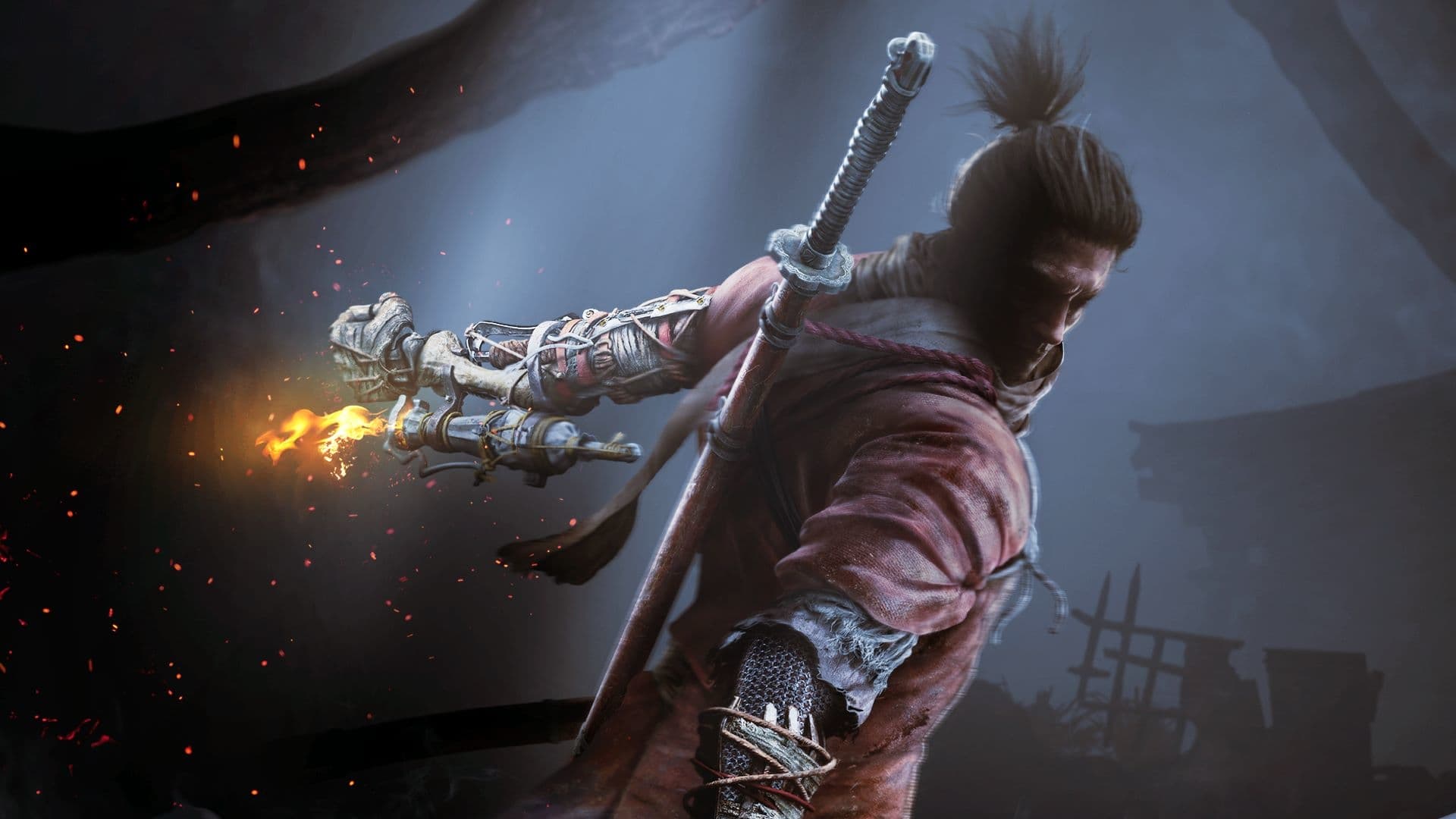
Sekiro removes the build customization of the Souls series and replaces it with a deflection-based combat system where reading enemy attacks is the only viable approach. GPA scores it at maximum Difficulty — the highest in the database alongside Cuphead — with Action close behind.
Tag Similarity
Action
95%
High Difficulty
95%
Graphics
80%
Existential Themes
0%
Emotional Story
70%
Story Depth
70%
Dystopian Setting
75%
Dark
70%
Chart tags: Action / High Difficulty / Graphics / Existential Themes / Emotional Story / Story Depth / Dystopian Setting / Dark
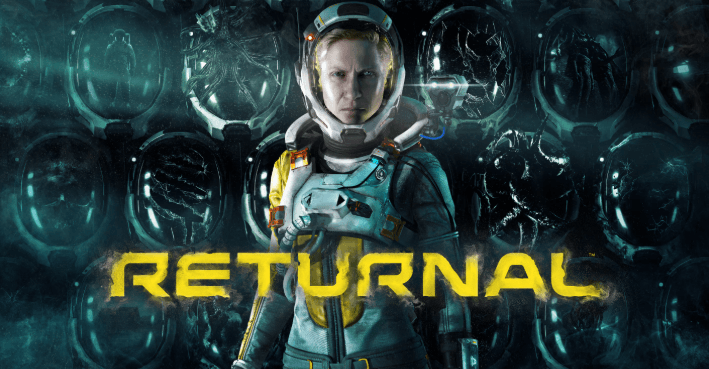
Returnal traps a space scout in a time loop on an alien planet, with roguelike structure and third-person shooter mechanics. The story surfaces through environmental objects between runs. GPA scores it at the top for Roguelike and near the top for Difficulty — the Action score is high enough that aim skill matters alongside the build decisions.
Tag Similarity
Action
85%
High Difficulty
90%
Graphics
85%
Existential Themes
80%
Emotional Story
70%
Story Depth
65%
Dystopian Setting
80%
Dark
75%
Chart tags: Action / High Difficulty / Graphics / Existential Themes / Emotional Story / Story Depth / Dystopian Setting / Dark
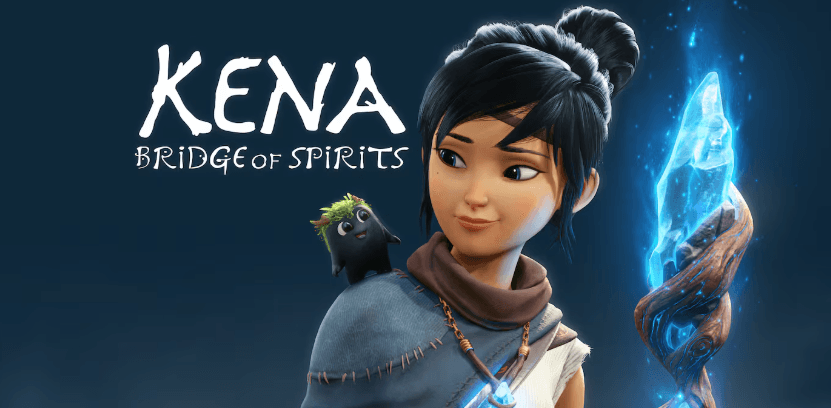
Kena: Bridge of Spirits sends a spirit guide through a village haunted by unresolved grief, clearing corruption to free the dead. The Rot companions add a resource management layer to the combat. GPA scores it high on Emotional Story and Graphics — the visual quality from a small studio remains the most discussed aspect of its reception.
Tag Similarity
Action
75%
High Difficulty
60%
Graphics
90%
Existential Themes
55%
Emotional Story
75%
Story Depth
75%
Dystopian Setting
40%
Dark
40%
Chart tags: Action / High Difficulty / Graphics / Existential Themes / Emotional Story / Story Depth / Dystopian Setting / Dark
Hollow Knight puts a silent knight in a vast underground insect kingdom built with hand-drawn art and a score that shifts by region. The map system withholds information until it's earned. GPA scores it at the top for Difficulty and Action among platformers, with Dark World running high — a combination that points at players who want atmosphere alongside the mechanical challenge.
Tag Similarity
Action
85%
High Difficulty
85%
Graphics
80%
Existential Themes
65%
Emotional Story
0%
Story Depth
70%
Dystopian Setting
80%
Dark
75%
Chart tags: Action / High Difficulty / Graphics / Existential Themes / Emotional Story / Story Depth / Dystopian Setting / Dark
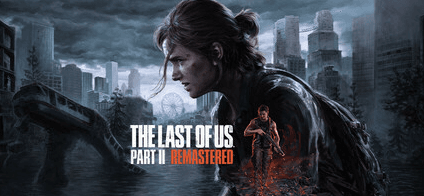
The Last of Us Part II follows Ellie's revenge arc and then Abby's perspective on the same events, making players responsible for actions from both sides. The violence is sustained and purposeful. GPA scores it high on Emotional Story and Dark World — the combination that identifies a narrative experience designed to be uncomfortable.
Tag Similarity
Action
80%
High Difficulty
70%
Graphics
90%
Existential Themes
80%
Emotional Story
90%
Story Depth
95%
Dystopian Setting
60%
Dark
75%
Chart tags: Action / High Difficulty / Graphics / Existential Themes / Emotional Story / Story Depth / Dystopian Setting / Dark
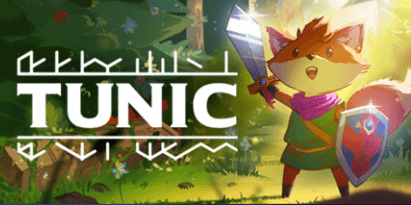
TUNIC hands players an untranslated instruction manual and asks them to decode it alongside the game's mechanics. GPA scores it high on Puzzle and Difficulty.
Tag Similarity
Action
70%
High Difficulty
80%
Graphics
70%
Existential Themes
60%
Emotional Story
50%
Story Depth
70%
Dystopian Setting
40%
Dark
0%
Chart tags: Action / High Difficulty / Graphics / Existential Themes / Emotional Story / Story Depth / Dystopian Setting / Dark
ENDER MAGNOLIA continues the Ender Lilies world decades later, sending Lilac the Attuner through the Land of Fumes to purify corrupted Homunculi. Built in Unreal Engine 5, expanding the map and combat variety of the predecessor. Switch, PS4/5, Xbox, PC, January 2025. GPA scores it high on Dark World and Emotional Story — the sequel that delivered on every expectation the first game built.
Tag Similarity
Action
74%
High Difficulty
70%
Graphics
78%
Existential Themes
70%
Emotional Story
76%
Story Depth
70%
Dystopian Setting
85%
Dark
80%
Chart tags: Action / High Difficulty / Graphics / Existential Themes / Emotional Story / Story Depth / Dystopian Setting / Dark
ENDER LILIES sets its Metroidvania in a rain-destroyed kingdom where Lily the White Priestess summons purified undead spirits as her combat set. The Mili soundtrack is one of the highest-rated in the genre. Switch, PS4, Xbox, PC. GPA scores it high on Dark World and Emotional Story — the Metroidvania where the melancholy atmosphere is the primary draw alongside the combat.
Tag Similarity
Action
72%
High Difficulty
68%
Graphics
72%
Existential Themes
68%
Emotional Story
75%
Story Depth
68%
Dystopian Setting
85%
Dark
80%
Chart tags: Action / High Difficulty / Graphics / Existential Themes / Emotional Story / Story Depth / Dystopian Setting / Dark
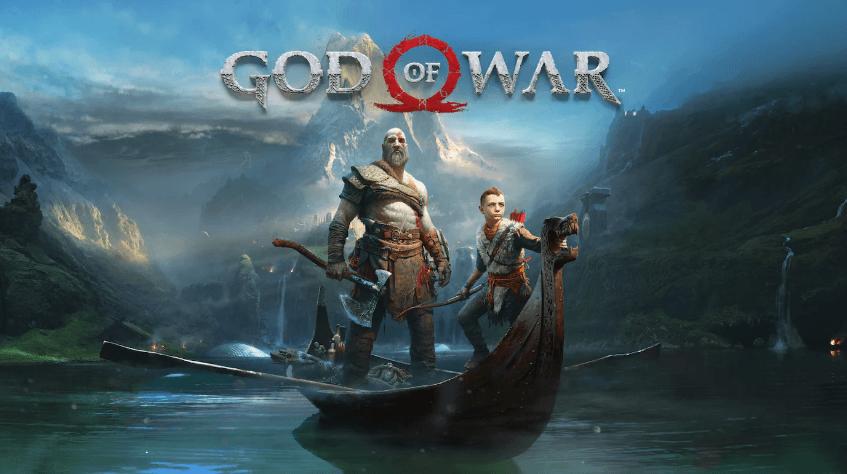
God of War (2018) moves Kratos and his son Atreus through Norse mythology on a single unbroken camera shot. The relationship between the two is the structural engine of the game. GPA scores it at the top for Emotional Story and Graphics — the same axes that drive the sequel's scores.
Tag Similarity
Action
85%
High Difficulty
65%
Graphics
90%
Existential Themes
60%
Emotional Story
90%
Story Depth
90%
Dystopian Setting
50%
Dark
55%
Chart tags: Action / High Difficulty / Graphics / Existential Themes / Emotional Story / Story Depth / Dystopian Setting / Dark
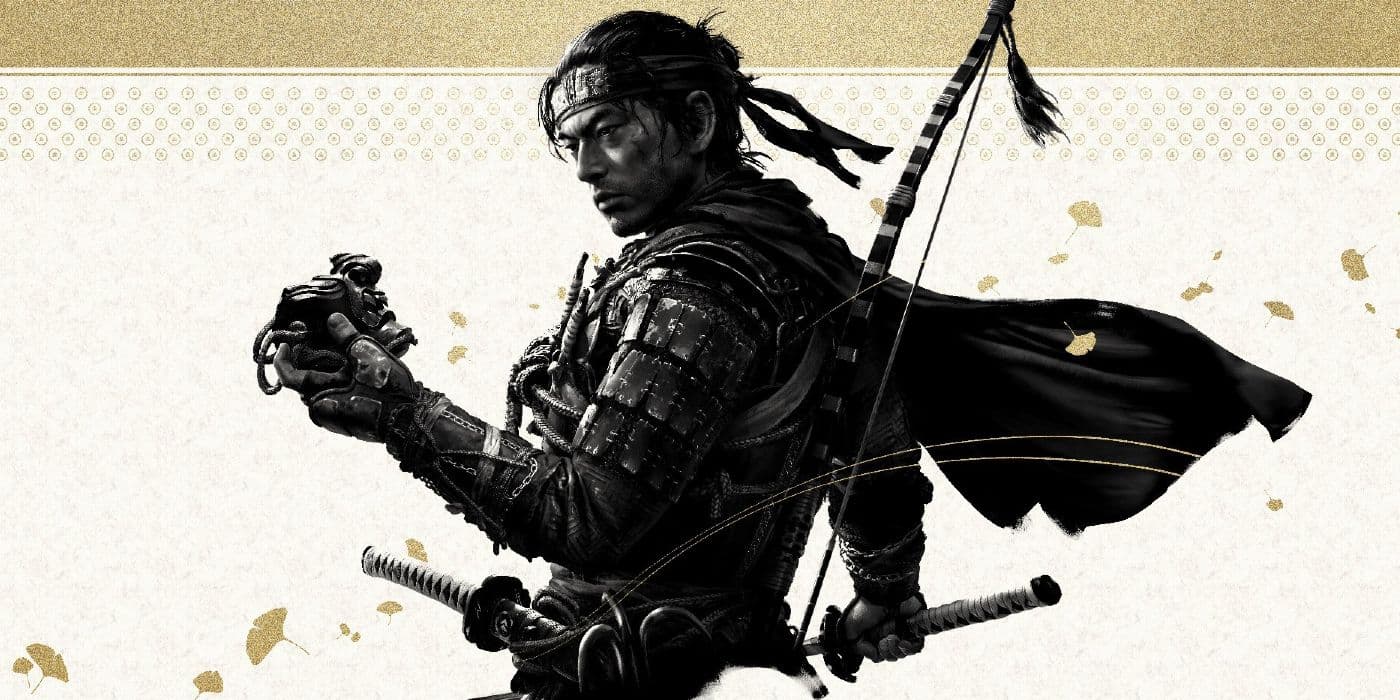
Ghost of Tsushima hands Jin Sakai a katana and an open version of feudal Japan and largely steps aside. The wind navigation system replaces minimap markers. GPA scores it high on Emotional Story and Dark World, with Open World sitting close behind — a combination that describes an action game built around atmosphere as much as combat.
Tag Similarity
Action
85%
High Difficulty
70%
Graphics
95%
Existential Themes
70%
Emotional Story
75%
Story Depth
80%
Dystopian Setting
50%
Dark
30%
Chart tags: Action / High Difficulty / Graphics / Existential Themes / Emotional Story / Story Depth / Dystopian Setting / Dark
God of War: Ragnarök continues Kratos and Atreus's journey through the Norse realms toward Ragnarök. The relationship between the two protagonists carries more weight than the combat, which is itself excellent. GPA scores it at the top for Emotional Story and Graphics — a sequel that deepens what the 2018 game established.
Tag Similarity
Action
85%
High Difficulty
60%
Graphics
90%
Existential Themes
60%
Emotional Story
90%
Story Depth
90%
Dystopian Setting
60%
Dark
65%
Chart tags: Action / High Difficulty / Graphics / Existential Themes / Emotional Story / Story Depth / Dystopian Setting / Dark
Control sends Jesse Faden into the Federal Bureau of Control's headquarters, a brutalist building that reorganizes itself. The environmental storytelling runs through case files and audio logs. GPA scores it high on Existential Themes and Dark World, with Action above average — a positioning that describes a game where the world-building is the primary draw alongside the telekinetic combat.
Tag Similarity
Action
80%
High Difficulty
60%
Graphics
85%
Existential Themes
70%
Emotional Story
65%
Story Depth
70%
Dystopian Setting
80%
Dark
65%
Chart tags: Action / High Difficulty / Graphics / Existential Themes / Emotional Story / Story Depth / Dystopian Setting / Dark
About "Sifu"
▸Game Composition (GPA Analysis)
SIFU(シフー) leads with its Brawler identity, anchored by the core feel of "Sifu builds its brawler around aging — dying adds years that increase damage dealt but reduce health." The headline profile reads Action 90% / High Difficulty 90% / Graphics 80%, making it a strong pick for fans of Action and High Difficulty. Oriented toward experienced players looking to push their limits.
▸Characteristics & Analysis
Our editorial team scored "SIFU(シフー)" by using its feel of Chinese martial arts, aging system, and fighting as the primary lens, weighting Action and High Difficulty most heavily. Top similar titles include "Neva(ネバ)", "セレステ(Celeste)", "プリンス オブ ペルシャ 失われた王冠".
Review — Sifu: a kung fu game where death becomes part of the training
Game Overview
Sifu is a 3D action game built around Chinese martial arts.
You play as a young Kung Fu student hunting down the five people responsible for your family's death. The journey takes you through modern urban environments, from gang-controlled areas to heavily guarded enemy hideouts.
The game's defining mechanic is its relationship between death and aging.
When the protagonist dies, an ancient pendant allows them to come back to life. But every resurrection comes at a cost: the character gets older.
Repeated deaths in a short period also accelerate the aging process. As the protagonist ages, maximum health decreases while offensive power increases. Eventually, the character becomes too old to resurrect, resulting in a game over.
Death, therefore, is more than a failure state.
It becomes part of the game's progression.
Gameplay Analysis
Combat Is About Reading Your Opponent
Sifu's combat is not simply about attacking as quickly as possible.
You need to dodge.
Block.
Deflect attacks.
Break an opponent's structure.
Find an opening and counter.
Positioning becomes especially important when multiple enemies surround you.
The longer you play, the more important it becomes to recognize enemy patterns and react correctly.
That is reflected in GPA's 90% Action and 90% High Difficulty scores.
The combat is demanding, but much of that difficulty comes from asking the player to understand how each encounter works.
The Environment Is Part of the Fight
Sifu also encourages players to use the environment.
You can pick up objects and throw them.
Use makeshift weapons.
Jump over obstacles.
Use windows and ledges to change the flow of a fight.
When several enemies attack at once, positioning can be just as important as your attacks.
Throwable objects, improvised weapons, windows, and ledges are highlighted as tools the player can use to survive.
The better you become at Sifu, the more you start thinking about the entire space around you rather than just the enemies in front of you.
Every Death Makes You Older
The aging system is the game's most distinctive mechanic.
The protagonist starts at age 20, and dying causes them to age.
If you keep dying repeatedly, the amount of aging increases.
But getting older is not simply a punishment.
As you age, you lose maximum health while gaining offensive power.
The system creates a trade-off rather than a straightforward decline.
The problem is that there is a limit.
Once the protagonist becomes too old, the pendant can no longer bring them back.
That gives every failed attempt a second meaning.
You can try again, but you cannot keep making the same mistakes forever.
The Player Gets Better Before the Character Does
Progression in Sifu is not primarily about grinding for experience.
It is about learning.
You start by struggling against an enemy's attacks.
Then you recognize the pattern.
You learn when to dodge.
You learn when to counter.
You remember where enemies appear.
You figure out how to use the environment.
Eventually, you reach the same section at a much younger age than before.
That is a different kind of character progression.
The player becomes stronger by understanding the game.
Failure, retrying, and practice are central to the experience, tying the process directly to the idea of Kung Fu mastery.
Revenge Gives the Repetition a Purpose
The protagonist has a simple goal: find the five people responsible for their family's death.
But Sifu is not designed to be completed in a single effortless run.
You replay sections.
You learn the encounters.
You improve your performance.
You eventually reach areas that were previously out of reach.
The result is a useful connection between the protagonist's training and the player's own practice.
The character is trying to master Kung Fu.
The player is trying to master Sifu.
The two experiences gradually become the same thing.
That idea is closely tied to the game's concept of Kung Fu as a skill that requires continuous practice and patience.
A Combat System Built to Feel Like a Kung Fu Movie
Difficulty is not the only reason Sifu is satisfying.
The combat is also designed to make the player feel like the protagonist of a martial arts movie.
Fights can move through rooms, over tables, around obstacles, and between multiple enemies.
The animation and camera work give successful combinations a cinematic quality without turning the combat into a passive spectacle.
The combat design balances believable martial arts techniques with the visual style of classic Kung Fu cinema.
That helps explain GPA's 80% Graphics score alongside its high Action score.
What the GPA Scores Tell Us
The three numbers that best describe Sifu are 90% Action, 90% High Difficulty, and 80% Graphics.
Title tendency chart (Sifu)
Action ◀
90%
High Difficulty ◀
90%
Graphics ◀
80%
Existential Themes
55%
Emotional Story
50%
Story Depth
50%
* Based on GPA sub-tag scores. Aging, retries, and high-skill kung fu combat as one loop.
Target player scores (50+ = recommended fit)
Beginner20
Intermediate50
Advanced90
The difficulty is central, but the important thing is how the game expects you to respond to it.
You learn enemy patterns.
Reduce your mistakes.
Use the environment more effectively.
And gradually complete stages at a younger age.
That makes improvement itself part of the gameplay loop.
At the same time, GPA gives Sifu 55% for Existential Themes, 50% for Emotional Story, and 50% for Story Depth.
The story supports the experience, but it is not the main attraction.
The combat and the process of learning are.
That is also reflected in the audience profile: 20% Beginner, 50% Intermediate, and 90% Advanced.
Author's Thoughts
What I like most about Sifu is how often progression feels like the player getting better rather than the character simply getting stronger.
At first, you die constantly.
You don't recognize enemy attacks.
Getting surrounded feels impossible.
Then, after enough practice, the same encounters start to look different.
You know when to dodge.
You know when to counter.
You know where to stand.
Eventually, you realize that you are reaching areas at an age where you previously would have been much older.
That feels less like leveling up and more like actually learning Kung Fu.
You die repeatedly, but the goal is to make sure you don't need to die in the same way twice.
Conclusion
Sifu is a challenging 3D action game built around Chinese martial arts.
Its defining idea is simple but effective: death makes you older, while practice makes you better.
You learn enemy patterns, understand the environments, improve your timing, and gradually push further while keeping your character younger.
That creates a strong connection between the game's progression system and its central idea of Kung Fu training.
GPA's 90% Action, 90% High Difficulty, and 80% Graphics scores capture the game's focus on combat and mastery.
If you enjoy games that reward repetition, precise timing, and genuine improvement, Sifu is the kind of game where failure can eventually become the most useful part of the experience.