Like a Dragon: Infinite Wealth sends Ichiban Kasuga to Hawaii for a reunion that becomes a larger investigation. The turn-based combat adds situational environmental attacks and a job system with over 20 classes. GPA scores it high on Emotional Story and Turn-Based — a sequel that expands both the mechanical depth and the emotional investment of the series' RPG pivot.
Game Characteristics
Story Depth
95%
Emotional Story
80%
Action
75%
Turn-Based
70%
Dark
65%
Existential Themes
60%
Open World
60%
Visual Novel / ADV
60%
Character Building
60%
High Difficulty
50%
Graphics
50%
Dystopian Setting
40%
Crafting
40%
Strategy
20%
Player profile fit
Recommended for: Beginner to Intermediate players (A score of 50 or higher indicates a good fit.)
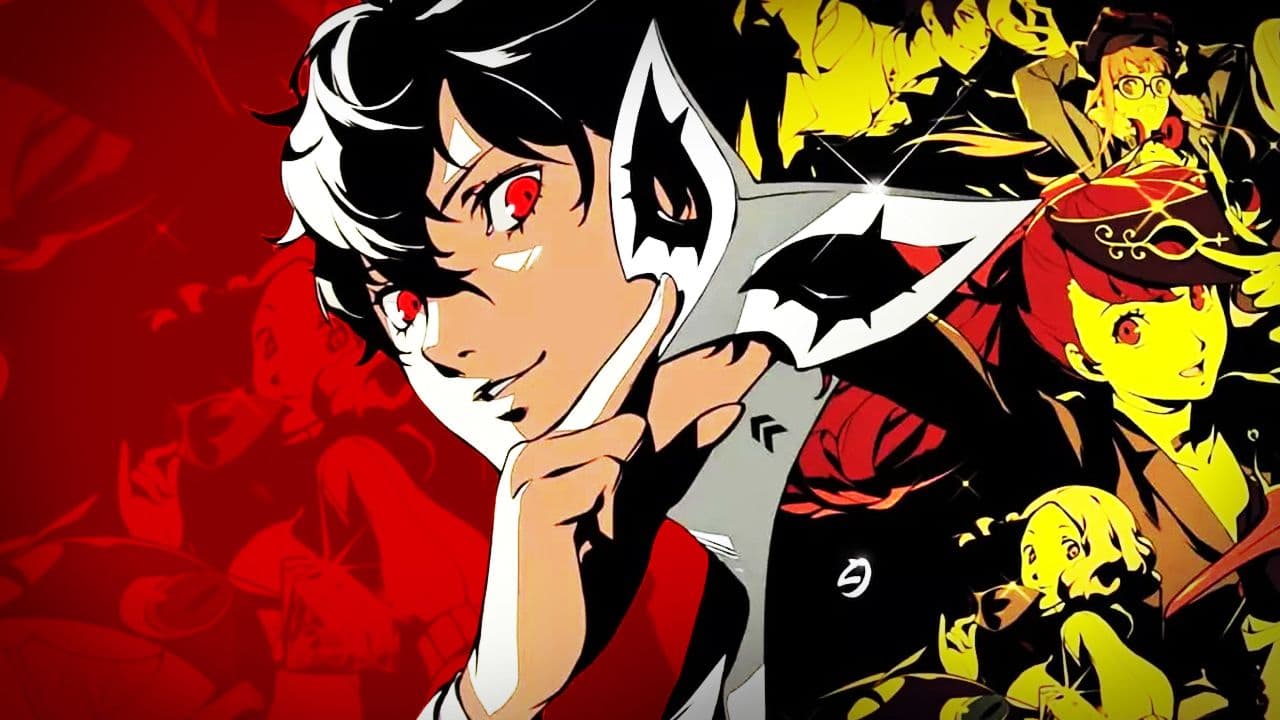
Persona 5 Royal puts a group of high school outcasts in charge of changing the hearts of corrupt adults through supernatural heists inside their subconscious. The Cognitive World setting drives both the visual identity and the narrative structure. GPA scores it near the top for Story Depth, Text ADV, and Multiple Endings — three axes that point at players who want a JRPG built around character writing rather than combat systems.
Tag Similarity
Story Depth
80%
Emotional Story
75%
Action
65%
Turn-Based
75%
Dark
65%
Existential Themes
50%
Open World
50%
Visual Novel / ADV
65%
Chart tags: Story Depth / Emotional Story / Action / Turn-Based / Dark / Existential Themes / Open World / Visual Novel / ADV
Like a Dragon (Yakuza 7) marks the series' turn-based pivot, following Ichiban Kasuga's rise from rock bottom in Isezaki Ijincho. The Dragon Quest parody combat system plays its references straight. GPA scores it high on Emotional Story and Turn-Based — the entry that opened the series to players who wanted JRPG mechanics alongside the writing.
Tag Similarity
Story Depth
95%
Emotional Story
70%
Action
0%
Turn-Based
90%
Dark
55%
Existential Themes
0%
Open World
60%
Visual Novel / ADV
60%
Chart tags: Story Depth / Emotional Story / Action / Turn-Based / Dark / Existential Themes / Open World / Visual Novel / ADV
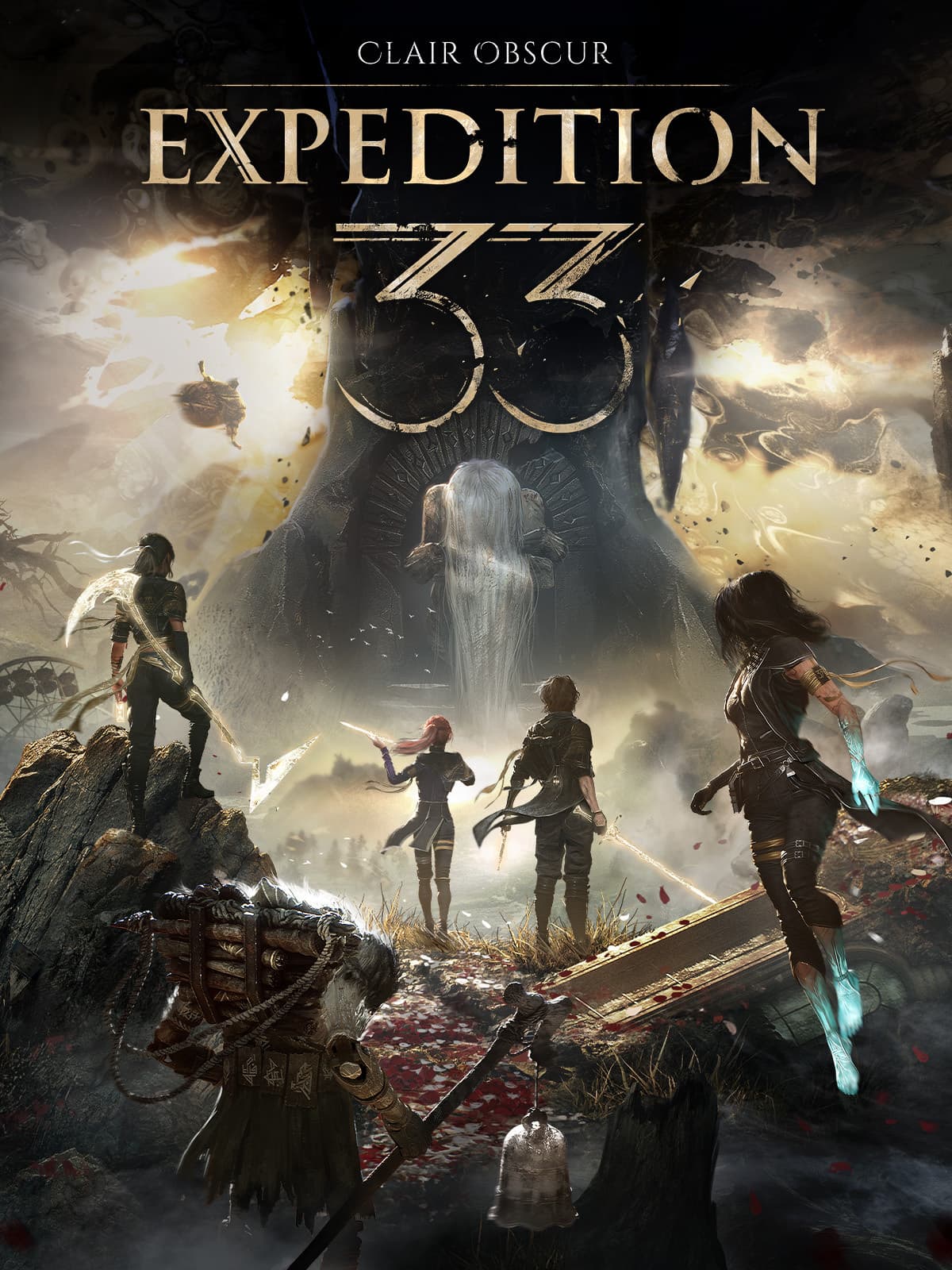
Set in a world where the Paintress condemns entire age groups to death each year, Expedition 33 sends a doomed party into a dying world to break the curse. The turn-based combat integrates real-time parry mechanics that shift the rhythm of every encounter. GPA scores it highest in Emotional Story and Story Depth — the French aesthetic and existential weight make it one of the most distinctive RPGs of 2025.
Tag Similarity
Story Depth
90%
Emotional Story
80%
Action
60%
Turn-Based
90%
Dark
60%
Existential Themes
85%
Open World
60%
Visual Novel / ADV
0%
Chart tags: Story Depth / Emotional Story / Action / Turn-Based / Dark / Existential Themes / Open World / Visual Novel / ADV
Like a Dragon: Pirate Yakuza in Hawaii puts Goro Majima at the center of a pirate adventure following memory loss. The naval combat and crew management add mechanics absent from the main series. GPA scores it high on Action and Emotional Story — a spin-off built around a secondary character's appeal rather than the main series' RPG structure.
Tag Similarity
Story Depth
85%
Emotional Story
55%
Action
65%
Turn-Based
0%
Dark
55%
Existential Themes
0%
Open World
55%
Visual Novel / ADV
50%
Chart tags: Story Depth / Emotional Story / Action / Turn-Based / Dark / Existential Themes / Open World / Visual Novel / ADV
Persona 3 Reload rebuilds the 2006 original with Persona 5 Royal's production quality, keeping the Tartarus structure and the dual life of school days and midnight combat. The theme of accepting death runs through every Social Link. GPA scores it close to P5R on Turn-Based and Story Depth — the comparison helps calibrate expectations between entries.
Tag Similarity
Story Depth
90%
Emotional Story
90%
Action
50%
Turn-Based
85%
Dark
70%
Existential Themes
80%
Open World
0%
Visual Novel / ADV
65%
Chart tags: Story Depth / Emotional Story / Action / Turn-Based / Dark / Existential Themes / Open World / Visual Novel / ADV
Yakuza 0 covers the 1988 origins of Kiryu and Majima before the events of the main series, set against the backdrop of the Japanese bubble economy. The dual protagonist structure gives each character a distinct combat style and business management game. GPA scores it high on Emotional Story and Story Depth — the strongest narrative entry point in the series.
Tag Similarity
Story Depth
70%
Emotional Story
85%
Action
40%
Turn-Based
0%
Dark
50%
Existential Themes
55%
Open World
40%
Visual Novel / ADV
60%
Chart tags: Story Depth / Emotional Story / Action / Turn-Based / Dark / Existential Themes / Open World / Visual Novel / ADV
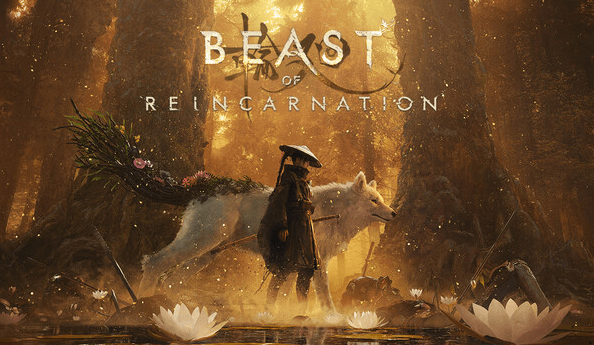
Beast of Reincarnation sends Emma the Sealer and her dog Koo across a post-apocalyptic Japan in the year 4026, where a corruption called the Blight has transformed the landscape into a beautiful but hostile wilderness. Emma absorbs abilities from defeated Nushi creatures, building toward a confrontation with the titular Beast. Combat blends real-time parrying in the Sekiro register with turn-based command elements. Game Freak's first non-Pokémon AAA title. GPA scores it high on Emotional Story and Dark World — a companion-bond action RPG that reviewers placed between NieR: Automata and Princess Mononoke.
Tag Similarity
Story Depth
75%
Emotional Story
80%
Action
80%
Turn-Based
0%
Dark
75%
Existential Themes
75%
Open World
65%
Visual Novel / ADV
0%
Chart tags: Story Depth / Emotional Story / Action / Turn-Based / Dark / Existential Themes / Open World / Visual Novel / ADV
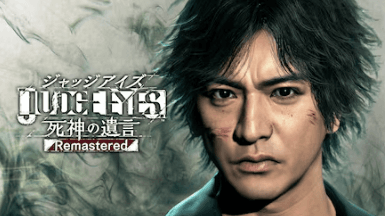
Judgment follows disgraced defense attorney Takayuki Yagami through a Kamurocho murder investigation that ties into a pharmaceutical conspiracy. The detective mechanics — tailing suspects, drone surveillance — add variety to the brawler combat. GPA scores it high on Story Depth and Emotional Story, with Action above average for the narrative-focused positioning.
Tag Similarity
Story Depth
85%
Emotional Story
70%
Action
40%
Turn-Based
0%
Dark
55%
Existential Themes
60%
Open World
40%
Visual Novel / ADV
60%
Chart tags: Story Depth / Emotional Story / Action / Turn-Based / Dark / Existential Themes / Open World / Visual Novel / ADV
Lost Judgment expands the detective framework into a high school setting where Yagami investigates bullying and serial murder simultaneously. The club activity system adds social depth between cases. GPA scores it above Lost Judgment (2018) on Story Depth — the investigation structure and social commentary carry more weight in the sequel.
Tag Similarity
Story Depth
90%
Emotional Story
70%
Action
40%
Turn-Based
0%
Dark
55%
Existential Themes
65%
Open World
40%
Visual Novel / ADV
65%
Chart tags: Story Depth / Emotional Story / Action / Turn-Based / Dark / Existential Themes / Open World / Visual Novel / ADV
Romancing SaGa 2: Revenge of the Seven rebuilds the 1993 SNES original in full 3D, preserving the generational succession system where players inherit the throne across dynasties while fighting the Seven Heroes. GPA scores it high on Turn-Based and Multiple Endings — the axes that best describe a game where the historical structure of the campaign is the primary mechanic.
Tag Similarity
Story Depth
70%
Emotional Story
60%
Action
70%
Turn-Based
70%
Dark
40%
Existential Themes
45%
Open World
0%
Visual Novel / ADV
50%
Chart tags: Story Depth / Emotional Story / Action / Turn-Based / Dark / Existential Themes / Open World / Visual Novel / ADV
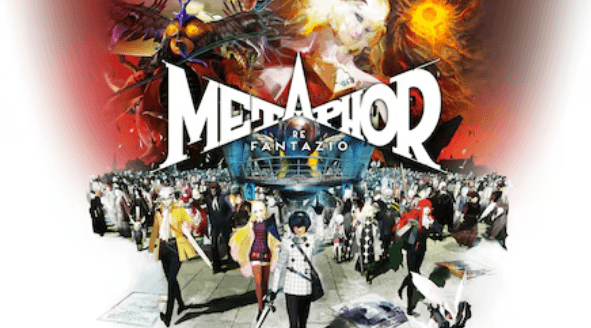
Metaphor: ReFantazio builds a fantasy political campaign around the Archetype system, which evolves job classes through use. The social management layer runs alongside the turn-based dungeon crawl. GPA scores it at the top for Turn-Based and Story Depth, sitting close to Persona 5 Royal in the similarity rankings while operating in a completely different setting.
Tag Similarity
Story Depth
95%
Emotional Story
90%
Action
0%
Turn-Based
90%
Dark
75%
Existential Themes
85%
Open World
40%
Visual Novel / ADV
70%
Chart tags: Story Depth / Emotional Story / Action / Turn-Based / Dark / Existential Themes / Open World / Visual Novel / ADV
Dragon Quest XI follows a hero whose legend turns out to be more complicated than the prophecy suggested. The narrative subverts the Chosen One structure in ways that earn the emotional investment built across 80 hours. GPA scores it at the top for Turn-Based and Story Depth in the DQ series — the combination that drives its unusually high user scores.
Tag Similarity
Story Depth
90%
Emotional Story
80%
Action
0%
Turn-Based
85%
Dark
40%
Existential Themes
40%
Open World
50%
Visual Novel / ADV
50%
Chart tags: Story Depth / Emotional Story / Action / Turn-Based / Dark / Existential Themes / Open World / Visual Novel / ADV
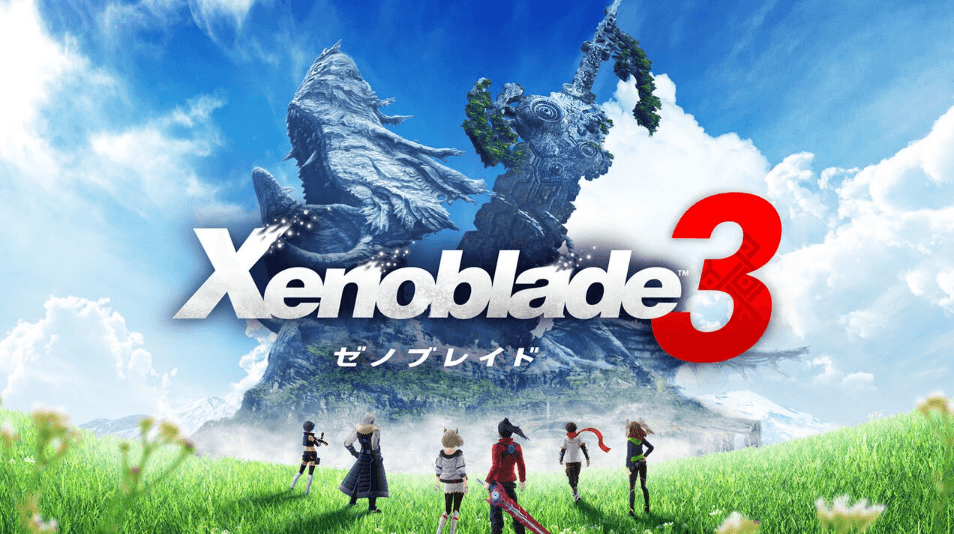
Xenoblade Chronicles 3 connects the worlds of the first two games through a story about soldiers fighting a war no one can explain. The real-time combat scales with party composition through the Ouroboros system. GPA scores it high on Turn-Based and Emotional Story, with Story Depth above average — a JRPG where the narrative's ambitions match its length.
Tag Similarity
Story Depth
85%
Emotional Story
80%
Action
70%
Turn-Based
0%
Dark
50%
Existential Themes
75%
Open World
60%
Visual Novel / ADV
55%
Chart tags: Story Depth / Emotional Story / Action / Turn-Based / Dark / Existential Themes / Open World / Visual Novel / ADV
Pokémon Legends: Z-A marks an ambitious return to the Kalos region, focusing its narrative and gameplay entirely within the urban expanse of Lumiose City. Developed by Game Freak, the game centers around an innovative urban redevelopment plan designed to foster a harmonious coexistence between humans and Pokémon. Building upon the structural shift introduced in Pokémon Legends: Arceus, this entry promises a refined approach to catching, battling, and exploration, set against the backdrop of a changing city full of mystery.
Tag Similarity
Story Depth
65%
Emotional Story
65%
Action
80%
Turn-Based
40%
Dark
0%
Existential Themes
40%
Open World
60%
Visual Novel / ADV
50%
Chart tags: Story Depth / Emotional Story / Action / Turn-Based / Dark / Existential Themes / Open World / Visual Novel / ADV
Like a Dragon: Ishin! sends Ryoma Sakamoto through the Boshin War in a hybrid action RPG that switches between swordsmanship, gunplay, and brawling. The substories apply Yakuza's substory structure to a historical setting. GPA scores it high on Emotional Story and Action — the historical spin-off that runs the series' formula through the Meiji Restoration.
Tag Similarity
Story Depth
90%
Emotional Story
60%
Action
60%
Turn-Based
0%
Dark
55%
Existential Themes
0%
Open World
50%
Visual Novel / ADV
55%
Chart tags: Story Depth / Emotional Story / Action / Turn-Based / Dark / Existential Themes / Open World / Visual Novel / ADV
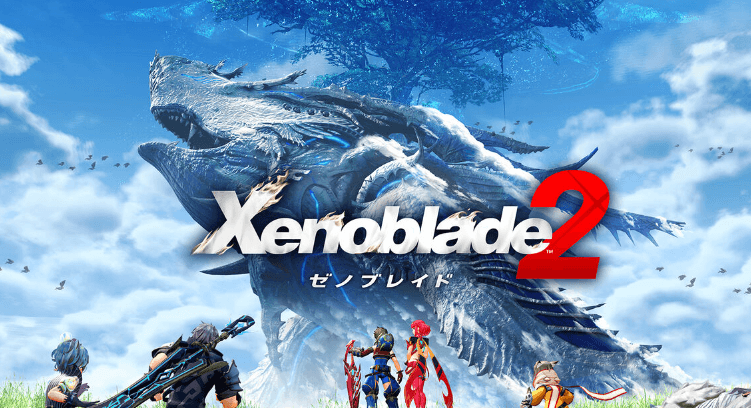
Xenoblade Chronicles 2 follows Rex and the Blades — living weapons with distinct personalities — toward the mythical Elysium. The combat system builds through Blade combinations and chain attacks. GPA scores it high on Turn-Based and Emotional Story, with Story Depth above average — a positioning that reflects the series' commitment to extended narrative investment.
Tag Similarity
Story Depth
85%
Emotional Story
85%
Action
75%
Turn-Based
0%
Dark
45%
Existential Themes
65%
Open World
50%
Visual Novel / ADV
50%
Chart tags: Story Depth / Emotional Story / Action / Turn-Based / Dark / Existential Themes / Open World / Visual Novel / ADV
Breath of the Wild dismantled Zelda's traditional structure and replaced it with a physics engine that makes the entire map a puzzle. Climbing, cooking, and experimentation replace dungeon sequences. GPA scores it highest on Open World and Puzzle, with the Beginner score sitting unusually high for an action title — the control scheme and difficulty curve are genuinely accessible.
Tag Similarity
Story Depth
70%
Emotional Story
60%
Action
70%
Turn-Based
0%
Dark
20%
Existential Themes
20%
Open World
90%
Visual Novel / ADV
20%
Chart tags: Story Depth / Emotional Story / Action / Turn-Based / Dark / Existential Themes / Open World / Visual Novel / ADV
Pokémon Scarlet and Violet opened the series to a fully explorable open world. Three independent storylines run simultaneously without a prescribed order. GPA scores it high on Collection and Co-op.
Tag Similarity
Story Depth
70%
Emotional Story
70%
Action
65%
Turn-Based
60%
Dark
0%
Existential Themes
50%
Open World
70%
Visual Novel / ADV
50%
Chart tags: Story Depth / Emotional Story / Action / Turn-Based / Dark / Existential Themes / Open World / Visual Novel / ADV
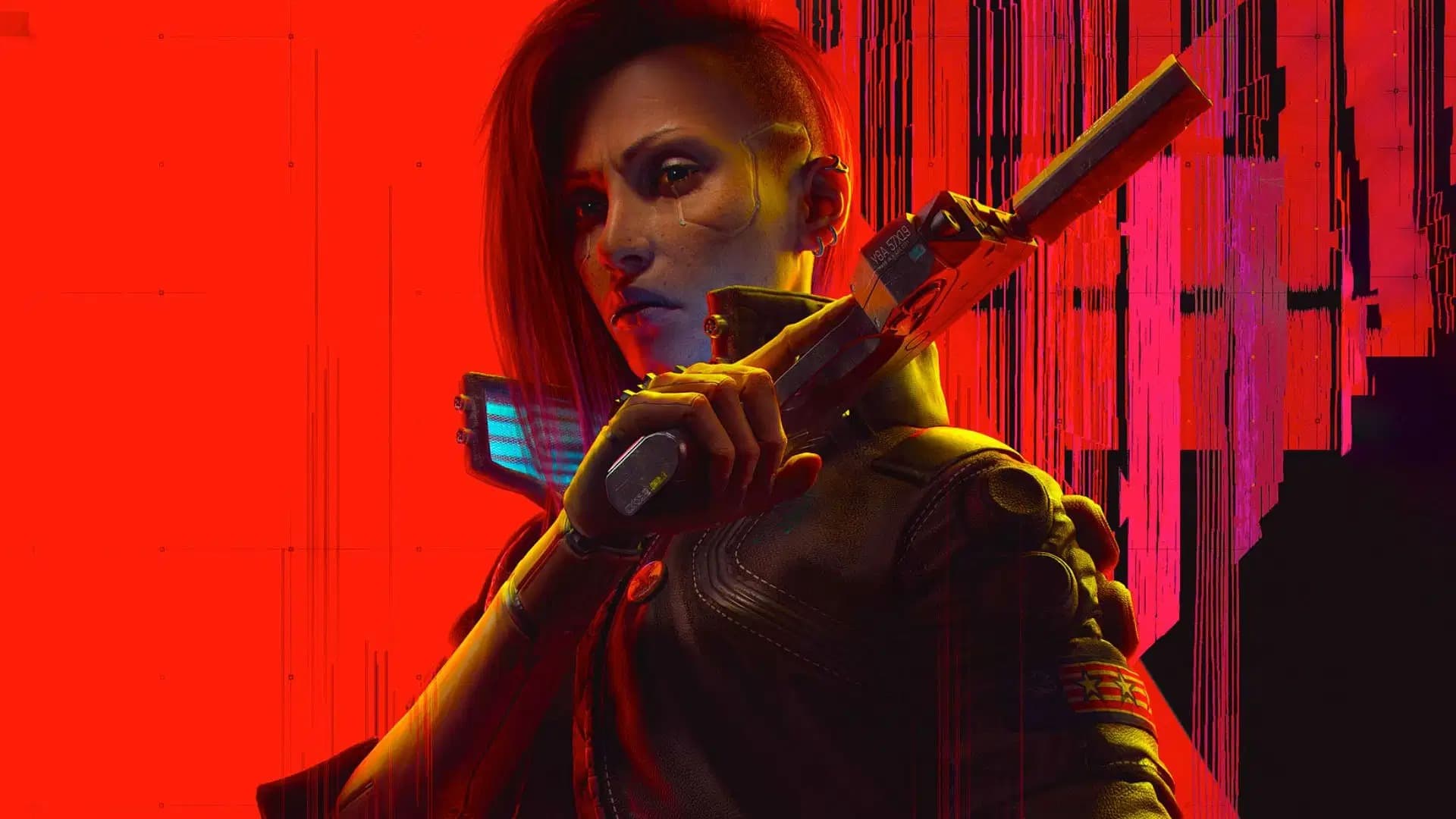
Cyberpunk 2077 recovered from a disastrous launch to become one of the most content-rich open world RPGs available. Night City rewards lateral exploration — side quests carry the writing quality of the main story. GPA scores it at 90% for Dark World and Open World, with Multiple Endings above 75 — the ending branches respond to choices made across the full campaign.
Tag Similarity
Story Depth
85%
Emotional Story
80%
Action
70%
Turn-Based
0%
Dark
80%
Existential Themes
70%
Open World
85%
Visual Novel / ADV
50%
Chart tags: Story Depth / Emotional Story / Action / Turn-Based / Dark / Existential Themes / Open World / Visual Novel / ADV
About "Like a Dragon: Infinite Wealth"
▸Game Composition (GPA Analysis)
龍が如く8 leads with its Action-Adventure identity, anchored by the core feel of "Like a Dragon: Infinite Wealth sends Ichiban Kasuga to Hawaii for a reunion that becomes a larger investigation." The headline profile reads Story Depth 95% / Emotional Story 80% / Action 75%, making it a strong pick for fans of Story Depth and Emotional Story. Balanced to appeal to a broad range of players.
▸Characteristics & Analysis
Our editorial team scored "龍が如く8" by using its feel of command battle, popular IP series, and crime action as the primary lens, weighting Story Depth and Emotional Story most heavily. Top similar titles include "ペルソナ5 ロイヤル(Persona 5 Royal)", "龍が如く7 光と闇の行方", "Clair Obscur: Expedition 33(クレールオブスキュール)".
Review — Like a Dragon: Infinite Wealth: a story about starting over and facing the end
Game Overview
Like a Dragon: Infinite Wealth follows Ichiban Kasuga and Kazuma Kiryu as they face very different stages of their lives across Yokohama and Hawaii.
Ichiban travels to Hawaii after learning new information about his family, only to become involved in a much larger conflict. Kiryu, meanwhile, is forced to confront his own past and think about what remains of the life he has spent protecting others.
The game continues the turn-based RPG system introduced in Yakuza: Like a Dragon, but expands it with more freedom of movement, environmental attacks, jobs, character progression, and party-based combat.
GPA reflects the game's balance between story and gameplay with a 95% score for Story Depth, 80% for Emotional Story, 75% for Action, and 70% for Turn-Based combat.
Gameplay Analysis
Two Protagonists, Two Very Different Journeys
The most important aspect of Infinite Wealth is the contrast between Ichiban and Kiryu.
Ichiban is trying to rebuild his life. He has already fallen to rock bottom once, but he continues to look forward and search for a new purpose.
Kiryu is in a very different position. His story is about looking back at the life he has lived and confronting the consequences of the choices he has made.
Both characters are surrounded by friends and allies, but they approach life from opposite directions.
Ichiban represents the possibility of starting again.
Kiryu represents the weight of everything that has already happened.
Putting these two characters in the same game gives the story a natural way to explore friendship, responsibility, aging, and what it means to keep moving forward.
Turn-Based Combat Built Around the Party
Like a Dragon: Infinite Wealth continues the series' shift toward turn-based combat, but gives the system more freedom than its predecessor.
Characters can move within a limited area during their turns, allowing players to consider positioning, enemy distance, and where their allies are standing.
This adds more tactical choices to each encounter without abandoning the exaggerated personality that defines the series.
More importantly, the system reinforces one of the game's central ideas: you don't have to fight alone.
Characters can cooperate with each other, take advantage of positioning, and combine their abilities.
The party isn't simply a collection of characters on a menu.
Their relationships also affect how you experience combat.
Jobs Make the Party More Flexible
The Job system returns with a wide range of classes, including Samurai, Action Star, Housekeeper, and several other jobs with their own abilities and equipment.
The system isn't just about changing statistics.
Each job changes how a character fights, which means party composition becomes part of the strategy.
A character can be built around physical attacks, support abilities, elemental damage, or other specialized roles.
That flexibility also fits the personality of the series.
The story is constantly about ordinary people finding ways to survive unusual situations, while the combat system lets you turn those characters into an intentionally ridiculous group of fighters.
Hawaii Expands the Series' Playground
Hawaii gives Infinite Wealth a completely different environment from the familiar streets of Yokohama.
The new setting is much larger, with beaches, shopping areas, Chinatown, and other districts to explore.
But the important part isn't simply the size of the map.
It's what the game allows you to do there.
You can follow the main story, investigate side stories, play minigames, train your characters, or simply wander around and discover something unexpected.
That sense of distraction has always been an important part of the Like a Dragon formula.
A serious story sequence can be followed by an absurd minigame or a completely unrelated side activity.
The contrast keeps the world from feeling like a series of missions connected by loading screens.
Character Development Happens Outside Combat
Another important part of Infinite Wealth is that progression isn't limited to battles.
Relationships, personal abilities, side activities, and other interactions contribute to character development.
This gives the city a different role from a typical RPG hub.
Yokohama and Hawaii aren't simply places where you pick up quests.
They're places where the characters spend their time.
That matters because Infinite Wealth is heavily focused on the idea of spending time with other people.
Walking around the city, talking to companions, playing minigames, or taking a break from the main story can become part of the overall character experience.
What the GPA Scores Tell Us
GPA gives Like a Dragon: Infinite Wealth a 95% score for Story Depth, 80% for Emotional Story, 75% for Action, 70% for Turn-Based combat, and 60% for both Existential Themes and Open World.
Title tendency chart (Like a Dragon: Infinite Wealth)
Story Depth ◀
95%
Emotional Story ◀
80%
Action ◀
75%
Turn-Based ◀
70%
Dark
65%
Existential Themes
60%
Open World
60%
Character Growth
60%
* Based on GPA sub-tag scores. Story, companions, city exploration, and turn-based combat work as one experience.
The 95% Story Depth score is particularly significant.
Despite its turn-based RPG structure, the game is not primarily about combat systems.
The combat, character progression, exploration, side stories, and minigames all support a much larger character-driven experience.
The 75% Action score is also notable because it shows that the game retains the physical, exaggerated feel associated with the Like a Dragon series even after moving to a command-based battle system.
In other words, the game doesn't completely separate its RPG mechanics from the identity of the series.
It takes the familiar characters, humor, city exploration, and over-the-top combat and builds them into a turn-based RPG.
Author's Thoughts
What stayed with me most about Like a Dragon: Infinite Wealth is how much time the game spends with its characters.
Ichiban is trying to figure out what his next chapter should look like.
Kiryu is looking back at everything that came before.
That contrast makes ordinary moments feel more important.
Walking through town, talking with companions, taking part in side activities, or simply spending time away from the main story can feel like part of the characters' lives rather than something you do between major missions.
That's something the Like a Dragon series has always been good at, but Infinite Wealth pushes it further by putting two protagonists with very different perspectives on life side by side.
The game isn't only about what happens to them.
It's also about the time they spend with the people around them.
Conclusion
Like a Dragon: Infinite Wealth is a turn-based RPG built around two very different ideas of life.
Ichiban is looking ahead and trying to start over.
Kiryu is looking back and confronting the life he has already lived.
Around them are the systems that define the game: party-based combat, Jobs, character progression, exploration, side stories, and a huge collection of distractions across Hawaii and Japan.
The result is an RPG where combat is only one part of the experience.
You explore because there are people to meet.
You develop characters because their relationships matter.
You take detours because the characters' lives continue outside the main story.
And you fight alongside your friends because, in the end, the game is less interested in the idea of a lone hero than in the people who choose to stand beside him.
That's what makes Like a Dragon: Infinite Wealth more than a continuation of the series' turn-based RPG experiment.
It's a game about what comes next, what came before, and the people who make both parts of life worth remembering.