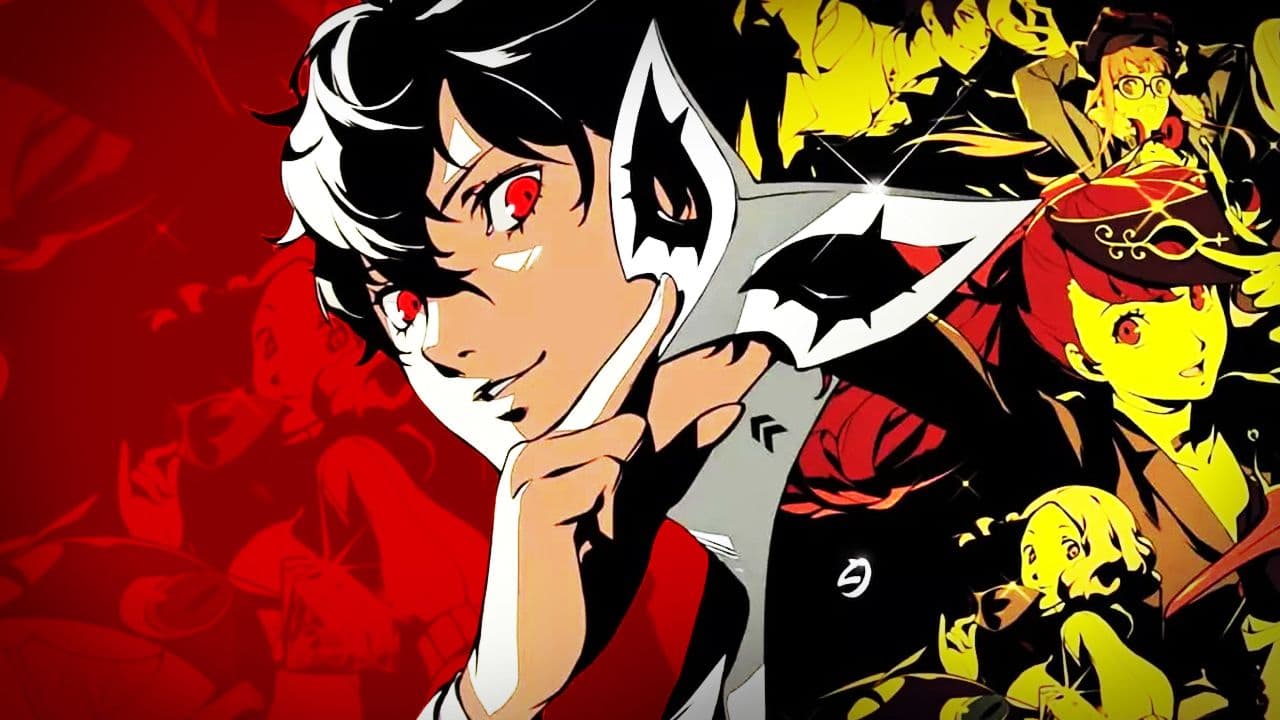
Persona 5 Royal puts a group of high school outcasts in charge of changing the hearts of corrupt adults through supernatural heists inside their subconscious. The Cognitive World setting drives both the visual identity and the narrative structure. GPA scores it near the top for Story Depth, Text ADV, and Multiple Endings — three axes that point at players who want a JRPG built around character writing rather than combat systems.
Game Characteristics
Story Depth
80%
Turn-Based
75%
Emotional Story
75%
Action
65%
Visual Novel / ADV
65%
Multiple Endings
65%
Dark
65%
Character Building
65%
High Difficulty
50%
Existential Themes
50%
Graphics
50%
Open World
50%
Logic
40%
Horror
30%
Roguelike
20%
Strategy
20%
Player profile fit
Recommended for: Beginner to Intermediate players (A score of 50 or higher indicates a good fit.)
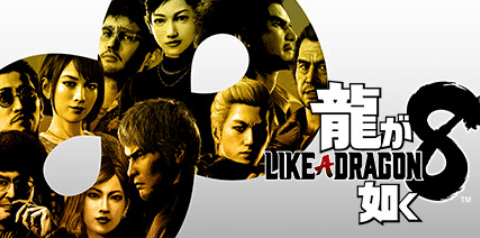
Like a Dragon (Yakuza 7) marks the series' turn-based pivot, following Ichiban Kasuga's rise from rock bottom in Isezaki Ijincho. The Dragon Quest parody combat system plays its references straight. GPA scores it high on Emotional Story and Turn-Based — the entry that opened the series to players who wanted JRPG mechanics alongside the writing.
Tag Similarity
Story Depth
95%
Turn-Based
90%
Emotional Story
70%
Action
0%
Visual Novel / ADV
60%
Multiple Endings
50%
Dark
55%
Character Building
70%
Chart tags: Story Depth / Turn-Based / Emotional Story / Action / Visual Novel / ADV / Multiple Endings / Dark / Character Building
Dragon Quest XI follows a hero whose legend turns out to be more complicated than the prophecy suggested. The narrative subverts the Chosen One structure in ways that earn the emotional investment built across 80 hours. GPA scores it at the top for Turn-Based and Story Depth in the DQ series — the combination that drives its unusually high user scores.
Tag Similarity
Story Depth
90%
Turn-Based
85%
Emotional Story
80%
Action
0%
Visual Novel / ADV
50%
Multiple Endings
50%
Dark
40%
Character Building
50%
Chart tags: Story Depth / Turn-Based / Emotional Story / Action / Visual Novel / ADV / Multiple Endings / Dark / Character Building
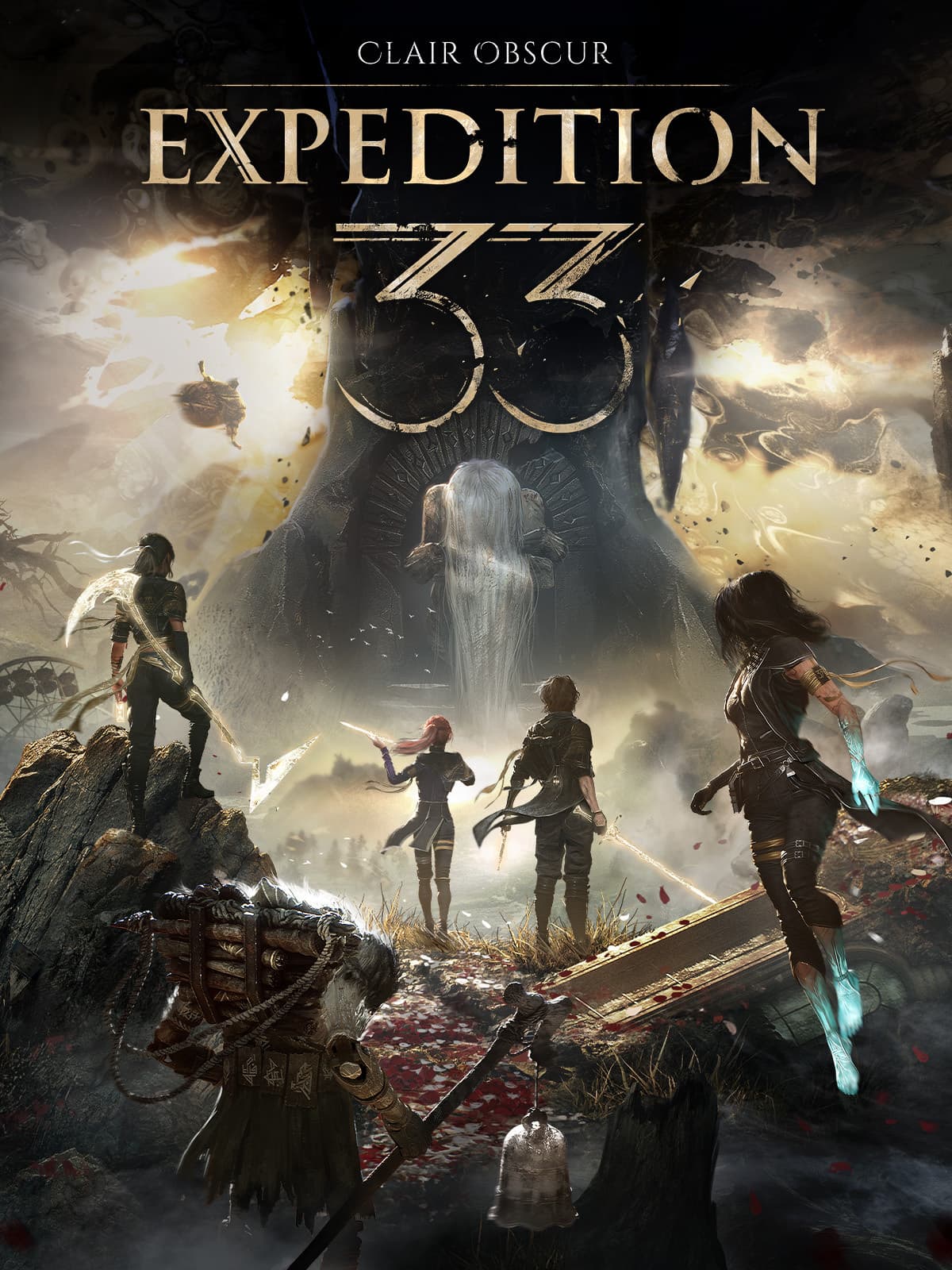
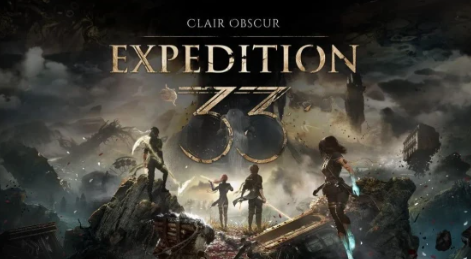
Set in a world where the Paintress condemns entire age groups to death each year, Expedition 33 sends a doomed party into a dying world to break the curse. The turn-based combat integrates real-time parry mechanics that shift the rhythm of every encounter. GPA scores it highest in Emotional Story and Story Depth — the French aesthetic and existential weight make it one of the most distinctive RPGs of 2025.
Tag Similarity
Story Depth
90%
Turn-Based
90%
Emotional Story
80%
Action
60%
Visual Novel / ADV
0%
Multiple Endings
55%
Dark
60%
Character Building
60%
Chart tags: Story Depth / Turn-Based / Emotional Story / Action / Visual Novel / ADV / Multiple Endings / Dark / Character Building
Persona 5: The Phantom X extends the Phantom Thieves setting into a mobile RPG with a new protagonist and a gacha progression system. The visual identity matches the mainline entry. GPA scores it high on Turn-Based and Story Depth among mobile adaptations — a positioning that reflects the license quality rather than mechanical novelty.
Tag Similarity
Story Depth
70%
Turn-Based
80%
Emotional Story
75%
Action
40%
Visual Novel / ADV
60%
Multiple Endings
55%
Dark
40%
Character Building
70%
Chart tags: Story Depth / Turn-Based / Emotional Story / Action / Visual Novel / ADV / Multiple Endings / Dark / Character Building
Persona 3 Reload rebuilds the 2006 original with Persona 5 Royal's production quality, keeping the Tartarus structure and the dual life of school days and midnight combat. The theme of accepting death runs through every Social Link. GPA scores it close to P5R on Turn-Based and Story Depth — the comparison helps calibrate expectations between entries.
Tag Similarity
Story Depth
90%
Turn-Based
85%
Emotional Story
90%
Action
50%
Visual Novel / ADV
65%
Multiple Endings
65%
Dark
70%
Character Building
65%
Chart tags: Story Depth / Turn-Based / Emotional Story / Action / Visual Novel / ADV / Multiple Endings / Dark / Character Building
Metaphor: ReFantazio builds a fantasy political campaign around the Archetype system, which evolves job classes through use. The social management layer runs alongside the turn-based dungeon crawl. GPA scores it at the top for Turn-Based and Story Depth, sitting close to Persona 5 Royal in the similarity rankings while operating in a completely different setting.
Tag Similarity
Story Depth
95%
Turn-Based
90%
Emotional Story
90%
Action
0%
Visual Novel / ADV
70%
Multiple Endings
65%
Dark
75%
Character Building
70%
Chart tags: Story Depth / Turn-Based / Emotional Story / Action / Visual Novel / ADV / Multiple Endings / Dark / Character Building
Star Ocean: The Second Story R remasters the 1998 original with HD-2D visuals and optional voice acting. The dual protagonist system lets players choose Rena or Claude for different story perspectives. GPA scores it high on Turn-Based and Multiple Endings — the combination that describes a JRPG where the route choice changes a meaningful portion of the content.
Tag Similarity
Story Depth
75%
Turn-Based
70%
Emotional Story
75%
Action
70%
Visual Novel / ADV
50%
Multiple Endings
90%
Dark
35%
Character Building
55%
Chart tags: Story Depth / Turn-Based / Emotional Story / Action / Visual Novel / ADV / Multiple Endings / Dark / Character Building
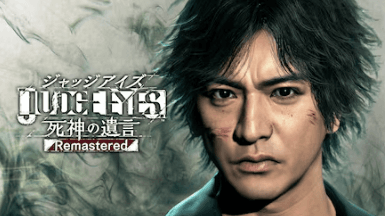
Judgment follows disgraced defense attorney Takayuki Yagami through a Kamurocho murder investigation that ties into a pharmaceutical conspiracy. The detective mechanics — tailing suspects, drone surveillance — add variety to the brawler combat. GPA scores it high on Story Depth and Emotional Story, with Action above average for the narrative-focused positioning.
Tag Similarity
Story Depth
85%
Turn-Based
0%
Emotional Story
70%
Action
40%
Visual Novel / ADV
60%
Multiple Endings
50%
Dark
55%
Character Building
20%
Chart tags: Story Depth / Turn-Based / Emotional Story / Action / Visual Novel / ADV / Multiple Endings / Dark / Character Building
Lost Judgment expands the detective framework into a high school setting where Yagami investigates bullying and serial murder simultaneously. The club activity system adds social depth between cases. GPA scores it above Lost Judgment (2018) on Story Depth — the investigation structure and social commentary carry more weight in the sequel.
Tag Similarity
Story Depth
90%
Turn-Based
0%
Emotional Story
70%
Action
40%
Visual Novel / ADV
65%
Multiple Endings
50%
Dark
55%
Character Building
20%
Chart tags: Story Depth / Turn-Based / Emotional Story / Action / Visual Novel / ADV / Multiple Endings / Dark / Character Building
Pokémon Legends: Z-A marks an ambitious return to the Kalos region, focusing its narrative and gameplay entirely within the urban expanse of Lumiose City. Developed by Game Freak, the game centers around an innovative urban redevelopment plan designed to foster a harmonious coexistence between humans and Pokémon. Building upon the structural shift introduced in Pokémon Legends: Arceus, this entry promises a refined approach to catching, battling, and exploration, set against the backdrop of a changing city full of mystery.
Tag Similarity
Story Depth
65%
Turn-Based
40%
Emotional Story
65%
Action
80%
Visual Novel / ADV
50%
Multiple Endings
0%
Dark
0%
Character Building
85%
Chart tags: Story Depth / Turn-Based / Emotional Story / Action / Visual Novel / ADV / Multiple Endings / Dark / Character Building
Like a Dragon: Ishin! sends Ryoma Sakamoto through the Boshin War in a hybrid action RPG that switches between swordsmanship, gunplay, and brawling. The substories apply Yakuza's substory structure to a historical setting. GPA scores it high on Emotional Story and Action — the historical spin-off that runs the series' formula through the Meiji Restoration.
Tag Similarity
Story Depth
90%
Turn-Based
0%
Emotional Story
60%
Action
60%
Visual Novel / ADV
55%
Multiple Endings
0%
Dark
55%
Character Building
60%
Chart tags: Story Depth / Turn-Based / Emotional Story / Action / Visual Novel / ADV / Multiple Endings / Dark / Character Building
Romancing SaGa 2: Revenge of the Seven rebuilds the 1993 SNES original in full 3D, preserving the generational succession system where players inherit the throne across dynasties while fighting the Seven Heroes. GPA scores it high on Turn-Based and Multiple Endings — the axes that best describe a game where the historical structure of the campaign is the primary mechanic.
Tag Similarity
Story Depth
70%
Turn-Based
70%
Emotional Story
60%
Action
70%
Visual Novel / ADV
50%
Multiple Endings
50%
Dark
40%
Character Building
55%
Chart tags: Story Depth / Turn-Based / Emotional Story / Action / Visual Novel / ADV / Multiple Endings / Dark / Character Building
Like a Dragon: Infinite Wealth sends Ichiban Kasuga to Hawaii for a reunion that becomes a larger investigation. The turn-based combat adds situational environmental attacks and a job system with over 20 classes. GPA scores it high on Emotional Story and Turn-Based — a sequel that expands both the mechanical depth and the emotional investment of the series' RPG pivot.
Tag Similarity
Story Depth
95%
Turn-Based
70%
Emotional Story
80%
Action
75%
Visual Novel / ADV
60%
Multiple Endings
0%
Dark
65%
Character Building
60%
Chart tags: Story Depth / Turn-Based / Emotional Story / Action / Visual Novel / ADV / Multiple Endings / Dark / Character Building
The Elder Scrolls V: Skyrim gave players a province-sized open world and enough quest content to sustain thousands of hours. The modding scene extended that lifespan indefinitely. GPA scores it at the maximum for Open World — the defining axis — with Story Depth mid-range, reflecting breadth of content over narrative density.
Tag Similarity
Story Depth
80%
Turn-Based
0%
Emotional Story
65%
Action
75%
Visual Novel / ADV
55%
Multiple Endings
70%
Dark
40%
Character Building
80%
Chart tags: Story Depth / Turn-Based / Emotional Story / Action / Visual Novel / ADV / Multiple Endings / Dark / Character Building
Crayon Shin-chan: My Summer Vacation With Professor Iyashi follows Shinnosuke through seven days at a countryside resort filled with bug catching, fishing, and beetle sumo. The summer diary calendar structures the experience without pressure. GPA scores it at the top for Beginner and high on Slow Life — the most accessible life simulation in the Nintendo library.
Tag Similarity
Story Depth
65%
Turn-Based
30%
Emotional Story
70%
Action
0%
Visual Novel / ADV
60%
Multiple Endings
0%
Dark
20%
Character Building
55%
Chart tags: Story Depth / Turn-Based / Emotional Story / Action / Visual Novel / ADV / Multiple Endings / Dark / Character Building
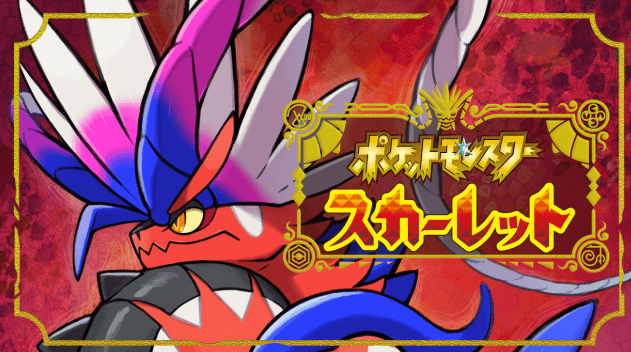
Pokémon Scarlet and Violet opened the series to a fully explorable open world. Three independent storylines run simultaneously without a prescribed order. GPA scores it high on Collection and Co-op.
Tag Similarity
Story Depth
70%
Turn-Based
60%
Emotional Story
70%
Action
65%
Visual Novel / ADV
50%
Multiple Endings
0%
Dark
0%
Character Building
90%
Chart tags: Story Depth / Turn-Based / Emotional Story / Action / Visual Novel / ADV / Multiple Endings / Dark / Character Building
Power Pro Kun Pocket R is a modern reimagining of the beloved baseball-RPG spin-off series, bringing its unique flavor back to life on modern platforms. The game features the classic, deeply strategic "Success Mode," where players navigate bizarre cyber-punk narratives, high school drama, and eccentric storylines to train their custom baseball players. Alongside the traditional sports simulations, it includes chaotic multiplayer mini-games and a distinct tank-battling cooperative survival mode, capturing the unorthodox charm of the original titles.
Tag Similarity
Story Depth
45%
Turn-Based
50%
Emotional Story
45%
Action
35%
Visual Novel / ADV
40%
Multiple Endings
30%
Dark
30%
Character Building
90%
Chart tags: Story Depth / Turn-Based / Emotional Story / Action / Visual Novel / ADV / Multiple Endings / Dark / Character Building
Sea of Stars runs its solstice warrior story through a turn-based system that rewards precise timing on attacks and blocks. The pixel art captures the SNES-era JRPG aesthetic it references without being a pastiche. GPA scores it high on Turn-Based and Emotional Story — the combination that describes the game's relationship to its inspirations.
Tag Similarity
Story Depth
75%
Turn-Based
85%
Emotional Story
70%
Action
30%
Visual Novel / ADV
50%
Multiple Endings
50%
Dark
30%
Character Building
0%
Chart tags: Story Depth / Turn-Based / Emotional Story / Action / Visual Novel / ADV / Multiple Endings / Dark / Character Building
Yakuza 0 covers the 1988 origins of Kiryu and Majima before the events of the main series, set against the backdrop of the Japanese bubble economy. The dual protagonist structure gives each character a distinct combat style and business management game. GPA scores it high on Emotional Story and Story Depth — the strongest narrative entry point in the series.
Tag Similarity
Story Depth
70%
Turn-Based
0%
Emotional Story
85%
Action
40%
Visual Novel / ADV
60%
Multiple Endings
0%
Dark
50%
Character Building
10%
Chart tags: Story Depth / Turn-Based / Emotional Story / Action / Visual Novel / ADV / Multiple Endings / Dark / Character Building
About "Persona 5 Royal"
▸Game Composition (GPA Analysis)
ペルソナ5 ロイヤル(Persona 5 Royal) leads with its JRPG identity, anchored by the core feel of "Persona 5 Royal puts a group of high school outcasts in charge of changing the hearts of corrupt adults through supern…." The headline profile reads Story Depth 80% / Turn-Based 75% / Emotional Story 75%, making it a strong pick for fans of Story Depth and Turn-Based. Skews toward a beginner-to-intermediate audience while still leaving room for more seasoned players.
▸Characteristics & Analysis
Our editorial team scored "ペルソナ5 ロイヤル(Persona 5 Royal)" by using its feel of JRPG, set in Japan, and coming-of-age as the primary lens, weighting Story Depth and Turn-Based most heavily. Top similar titles include "龍が如く7 光と闇の行方", "ドラゴンクエストXI 過ぎ去りし時を求めて S(ドラクエ11S)", "Clair Obscur: Expedition 33(クレールオブスキュール)".
Review — Persona 5 Royal: a JRPG that turns everyday life into part of the adventure
Game Overview
Persona 5 Royal is a JRPG about living the life of a high school student by day and becoming a member of the Phantom Thieves by night.
During the day, you attend classes, spend time with friends, explore Tokyo, work part-time jobs, and take part in various activities. At night, you can enter the Metaverse and explore Palaces, distorted worlds shaped by the minds of corrupt individuals.
The combat is turn-based, built around exploiting enemy weaknesses with Personas, weapons, and guns. But combat is only one part of the experience.
What makes Persona 5 Royal stand out is the way ordinary life becomes part of character progression and dungeon strategy.
GPA reflects that balance with an 80% score for Story Depth, 75% for Turn-Based combat and Emotional Story, and 65% for Text Adventure and Character Growth.
Gameplay Analysis
Day and Night Feel Like Two Sides of the Same Game
One of the most appealing parts of Persona 5 Royal is the contrast between school life and Phantom Thief activities.
During the day, you attend school, spend time with friends, visit different places around the city, and decide how to use your limited free time.
At night, the focus shifts toward the Metaverse and the Palaces.
The official website describes this basic rhythm directly: you live as an ordinary student during the day and become a Phantom Thief at night.
The important part is that this isn't just a visual or narrative contrast.
Every day forces you to make decisions.
Do you spend time with someone? Improve one of your abilities? Work? Study? Enter a Palace?
Your answer affects how the rest of the year unfolds.
Relationships Become Part of Your Progression
The Confidant system is one of the best examples of how Persona 5 Royal connects everyday life with gameplay.
By spending time with people you meet around school and Tokyo, you can deepen your relationships with them. Higher Confidant ranks unlock additional benefits that can help you as a Phantom Thief.
That creates a simple but effective gameplay loop:
Spend time with people → strengthen relationships → gain new advantages in the Phantom Thieves' activities.
In many RPGs, character progression mainly comes from fighting enemies.
Here, simply choosing who to spend an afternoon with can also make you stronger.
That makes ordinary social activities feel like meaningful gameplay rather than downtime between battles.
Palaces Turn the Story Into Something You Actually Play
Palaces represent the distorted minds of the game's targets, but they are also fully playable dungeons.
You sneak around enemies, ambush them, exploit their weaknesses, solve environmental obstacles, and work your way toward the Treasure hidden deep inside each Palace.
Combat revolves around exploiting enemy weaknesses. Hitting a weakness can trigger a One More, allowing the party to attack again.
That makes learning enemy weaknesses important rather than optional.
More importantly, the Palace structure fits the Phantom Thieves themselves.
The story says they are stealing someone's distorted desires.
The gameplay actually makes you enter that distorted world, fight through it, overcome its defenses, and reach the person's Treasure.
The concept of being a Phantom Thief isn't just part of the story. It shapes what the player actually does.
Persona Fusion Adds Another Layer of Growth
The protagonist can use multiple Personas, while the Velvet Room allows players to fuse Personas together to create new ones.
This gives character progression another layer.
You have to think about which Personas to use, what skills they should have, and how they can cover different enemy weaknesses.
That means Persona 5 Royal has two different kinds of progression happening at the same time.
There is the social side, where relationships and daily activities make you more capable.
Then there is the RPG side, where Persona fusion and combat preparation make your party stronger.
Both are connected to the same limited resource: time.
One Year Becomes the Core Game Mechanic
The most important resource in Persona 5 Royal isn't money or experience.
It's time.
If you spend an afternoon with a friend, you can't use that same afternoon for something else.
If you work on your social relationships, you may have less time for other activities.
If you enter a Palace, you're committing part of your schedule to dungeon exploration.
This gives everyday decisions weight.
School, friendships, work, studying, combat, exploration, and Persona fusion may look like separate systems, but they all exist within the same calendar.
That is why the game can make an ordinary afternoon feel just as important as a battle.
What the GPA Scores Tell Us
Title tendency chart (Persona 5 Royal)
Story Depth ◀
80%
Turn-Based ◀
75%
Emotional Story ◀
75%
Action
65%
Visual Novel / ADV
65%
Multiple Endings
65%
Character Growth
65%
High Difficulty
50%
* Based on GPA sub-tag scores. School-life simulation and turn-based RPG share one calendar.
GPA gives Persona 5 Royal an 80% score for Story Depth, 75% for Turn-Based combat and Emotional Story, and 65% for Text Adventure and Character Growth.
That combination says a lot about what kind of RPG this is.
The game isn't built around combat alone.
Its identity comes from the combination of story, relationships, daily activities, character progression, and turn-based battles.
The 50% High Difficulty score also suggests that it isn't positioned primarily as a hardcore RPG. Its GPA audience scores are 60 for beginners, 60 for intermediate players, and 40 for advanced players.
In other words, the appeal is less about mastering an extremely difficult combat system and more about becoming invested in the world, characters, and choices you make throughout the year.
Author's Thoughts
What stands out most about Persona 5 Royal is that deciding how to spend your time is part of the game itself.
School, friendships, part-time jobs, character development, Palace exploration, Persona fusion, and combat might initially seem like separate systems.
They aren't.
They all fit into the same calendar and compete for the same limited amount of time.
As a result, the game gradually creates the feeling that you're not simply completing a story.
You're actually spending a year with these characters.
That's why some of the most memorable moments don't necessarily come from battles or major story events.
Sometimes it's simply an afternoon spent with someone.
Conclusion
Persona 5 Royal isn't just a JRPG that combines turn-based combat with a high school setting.
It creates a loop where your everyday life affects your Phantom Thief activities, and your progress as a Phantom Thief changes how you experience that everyday life.
You build relationships, improve your abilities, explore Palaces, fight Shadows, fuse Personas, and then return to ordinary life.
Everything happens within the same year.
That's what makes Persona 5 Royal special: it doesn't simply ask you to follow a story.
It asks you to decide how you want to spend your time.