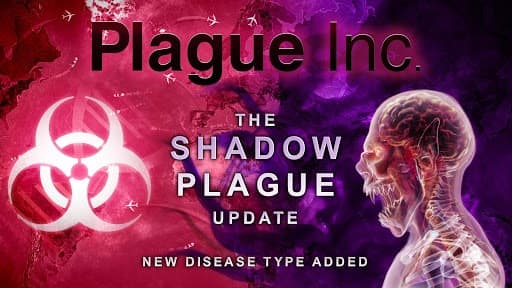
Plague Inc. gives players a pathogen to evolve and a world population to infect. The transmission, symptom, and ability tree decisions run against a Cure research counter that responds to the pathogen's visibility. GPA scores it at the top for Strategy — the highest in the simulation category — reflecting a game where every evolutionary choice creates downstream consequences.
Game Characteristics
Strategy
90%
Logic
80%
Dark
70%
Existential Themes
65%
Turn-Based
60%
Dystopian Setting
60%
Roguelike
40%
High Difficulty
40%
Character Building
20%
Graphics
10%
Player profile fit
Recommended for: Beginner to Advanced players (A score of 50 or higher indicates a good fit.)
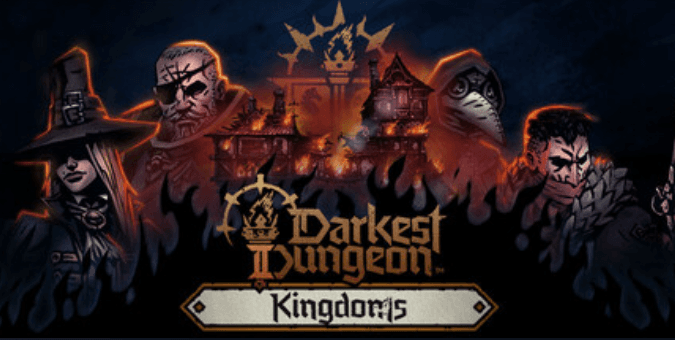
Darkest Dungeon II moves the campaign onto a stagecoach journey toward a mountain, replacing the base management structure with roguelite path selection. The stress and relationship systems between heroes now determine combat effectiveness directly. GPA scores it high on Roguelike and Dark World — the sequel that deepened the original's psychological horror into its most mechanically cohesive form.
Tag Similarity
Strategy
80%
Logic
0%
Dark
88%
Existential Themes
65%
Turn-Based
85%
Dystopian Setting
88%
Roguelike
88%
High Difficulty
85%
Chart tags: Strategy / Logic / Dark / Existential Themes / Turn-Based / Dystopian Setting / Roguelike / High Difficulty
Into the Breach sends small squads of mechs against Vek insects across grid-based maps where every enemy attack is telegraphed in advance. The puzzle is finding the move that neutralizes the most threats simultaneously. GPA scores it maximum on Strategy and Puzzle — the highest combined score for those two axes in the database.
Tag Similarity
Strategy
95%
Logic
85%
Dark
0%
Existential Themes
0%
Turn-Based
80%
Dystopian Setting
0%
Roguelike
70%
High Difficulty
75%
Chart tags: Strategy / Logic / Dark / Existential Themes / Turn-Based / Dystopian Setting / Roguelike / High Difficulty
XCOM 2 runs a resistance organization against an alien-occupied Earth through turn-based squad tactics with permadeath. Losing a named soldier who survived a dozen missions carries permanent weight. GPA scores it at the top for Strategy and Difficulty — the combination that defines the series' identity and separates it from tactical games without stakes.
Tag Similarity
Strategy
95%
Logic
0%
Dark
55%
Existential Themes
0%
Turn-Based
95%
Dystopian Setting
50%
Roguelike
60%
High Difficulty
85%
Chart tags: Strategy / Logic / Dark / Existential Themes / Turn-Based / Dystopian Setting / Roguelike / High Difficulty
Arknights runs its tower defense and tactical combat through a post-apocalyptic world where infected populations are segregated by law. The operator roster and faction writing carry more depth than most mobile strategy games. GPA scores it high on Strategy and Dark World — the combination that identifies a game where the setting's politics are as developed as the mechanics.
Tag Similarity
Strategy
90%
Logic
60%
Dark
70%
Existential Themes
75%
Turn-Based
50%
Dystopian Setting
80%
Roguelike
0%
High Difficulty
70%
Chart tags: Strategy / Logic / Dark / Existential Themes / Turn-Based / Dystopian Setting / Roguelike / High Difficulty
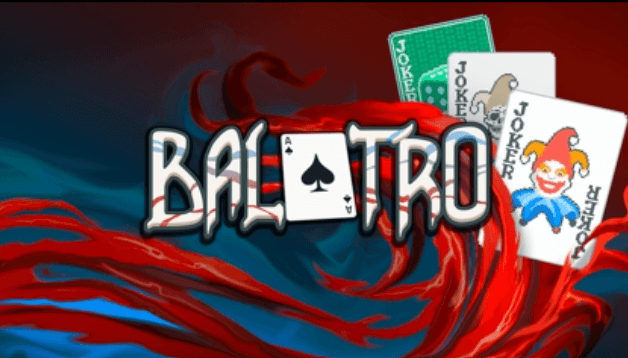
Balatro builds a poker-based roguelite around Joker combinations that generate exponentially scaling score multipliers. The 'Overlooked Ranking' scoring rewards bold positioning over passive survival. GPA scores it at the top for Puzzle and Roguelike — the combination that explains why it crossed from card game enthusiasts to players who had never touched a deck-builder.
Tag Similarity
Strategy
60%
Logic
80%
Dark
0%
Existential Themes
0%
Turn-Based
70%
Dystopian Setting
0%
Roguelike
60%
High Difficulty
50%
Chart tags: Strategy / Logic / Dark / Existential Themes / Turn-Based / Dystopian Setting / Roguelike / High Difficulty
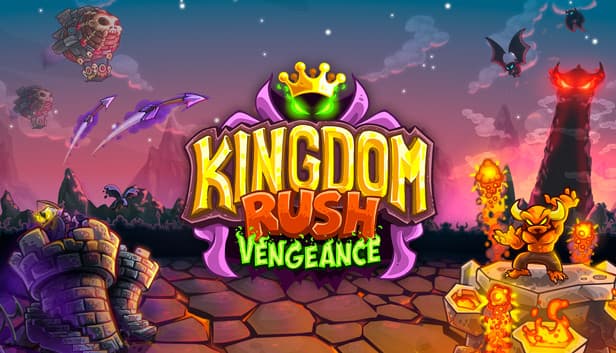
Kingdom Rush Vengeance inverts the series' premise by casting the player as the villain, defending against the hero units that populated earlier games. The tower types and hero roster match the villain faction's mechanics. GPA scores it high on Strategy and Puzzle — the role reversal that recontextualizes earlier entries as additional information.
Tag Similarity
Strategy
90%
Logic
75%
Dark
10%
Existential Themes
0%
Turn-Based
0%
Dystopian Setting
0%
Roguelike
0%
High Difficulty
30%
Chart tags: Strategy / Logic / Dark / Existential Themes / Turn-Based / Dystopian Setting / Roguelike / High Difficulty
Metaphor: ReFantazio builds a fantasy political campaign around the Archetype system, which evolves job classes through use. The social management layer runs alongside the turn-based dungeon crawl. GPA scores it at the top for Turn-Based and Story Depth, sitting close to Persona 5 Royal in the similarity rankings while operating in a completely different setting.
Tag Similarity
Strategy
60%
Logic
50%
Dark
75%
Existential Themes
85%
Turn-Based
90%
Dystopian Setting
80%
Roguelike
20%
High Difficulty
50%
Chart tags: Strategy / Logic / Dark / Existential Themes / Turn-Based / Dystopian Setting / Roguelike / High Difficulty
Rogue Tower expands enemy paths rather than defending fixed ones, building the route as the game progresses. Card draws determine which towers are available each wave. GPA scores it high on Strategy and Roguelike — the tower defense subgenre's most original structural variation.
Tag Similarity
Strategy
90%
Logic
80%
Dark
0%
Existential Themes
0%
Turn-Based
0%
Dystopian Setting
0%
Roguelike
85%
High Difficulty
70%
Chart tags: Strategy / Logic / Dark / Existential Themes / Turn-Based / Dystopian Setting / Roguelike / High Difficulty
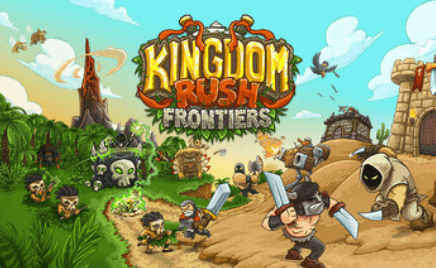
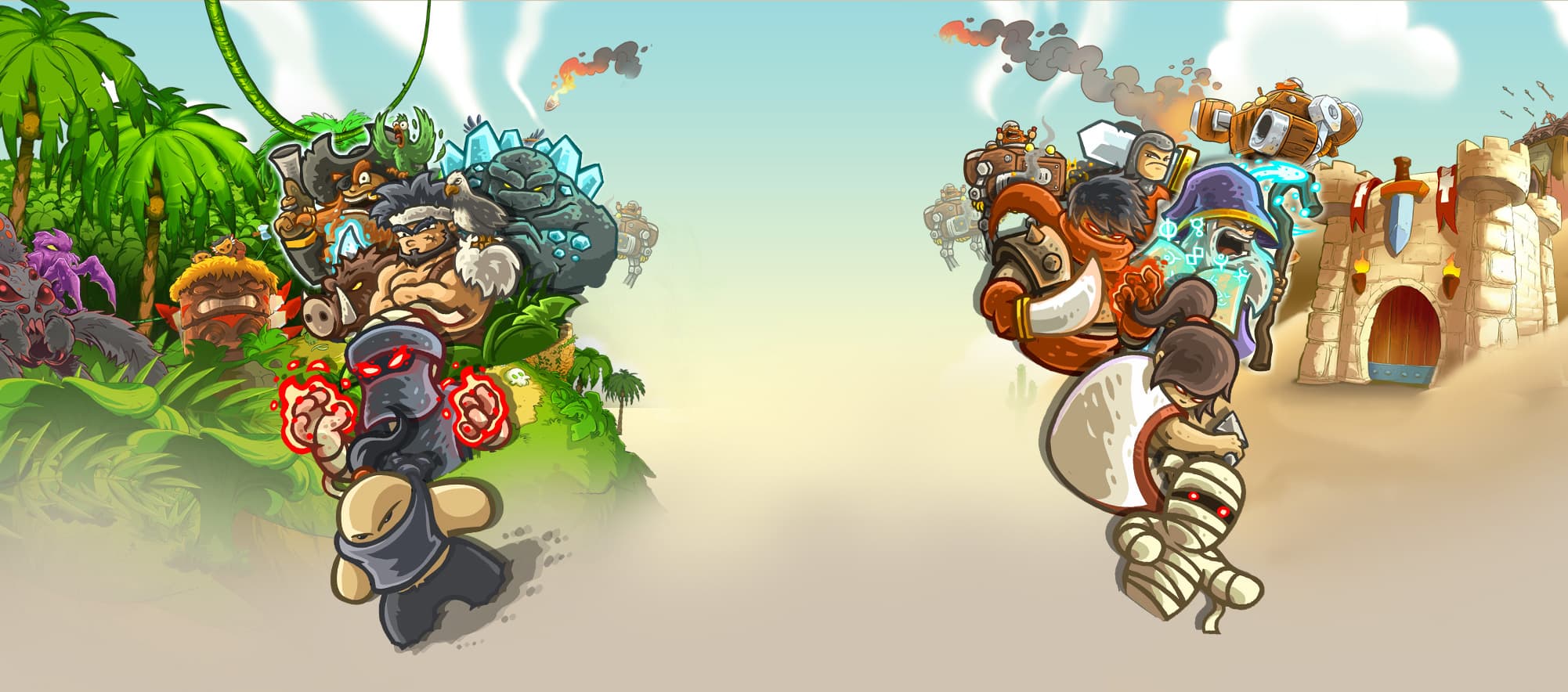
Kingdom Rush Frontiers moves the series to desert, jungle, and seafloor environments, adding new tower trees and hero units that change tactical options significantly from the first game. GPA scores it high on Strategy and Puzzle — the sequel that matched the original's design quality without reducing the challenge.
Tag Similarity
Strategy
90%
Logic
75%
Dark
0%
Existential Themes
0%
Turn-Based
0%
Dystopian Setting
0%
Roguelike
0%
High Difficulty
30%
Chart tags: Strategy / Logic / Dark / Existential Themes / Turn-Based / Dystopian Setting / Roguelike / High Difficulty
Kingdom Rush Origins runs as a prequel with an elven army, adding new unit types that change the defensive composition options. The tower tree is redesigned from the ground up rather than extended from earlier entries. GPA scores it high on Strategy and Puzzle — the third entry in the series that maintained the design consistency across all three campaigns.
Tag Similarity
Strategy
90%
Logic
75%
Dark
0%
Existential Themes
0%
Turn-Based
0%
Dystopian Setting
0%
Roguelike
0%
High Difficulty
30%
Chart tags: Strategy / Logic / Dark / Existential Themes / Turn-Based / Dystopian Setting / Roguelike / High Difficulty
The Geryon asks players to study the movement patterns of an entity traversing the liminal space rather than simply hiding from it. The algorithmic behavior requires observation before engagement. GPA scores it high on Horror and Strategy — the combination that separates it from atmospheric walking experiences in the genre.
Tag Similarity
Strategy
70%
Logic
0%
Dark
80%
Existential Themes
60%
Turn-Based
0%
Dystopian Setting
85%
Roguelike
0%
High Difficulty
70%
Chart tags: Strategy / Logic / Dark / Existential Themes / Turn-Based / Dystopian Setting / Roguelike / High Difficulty
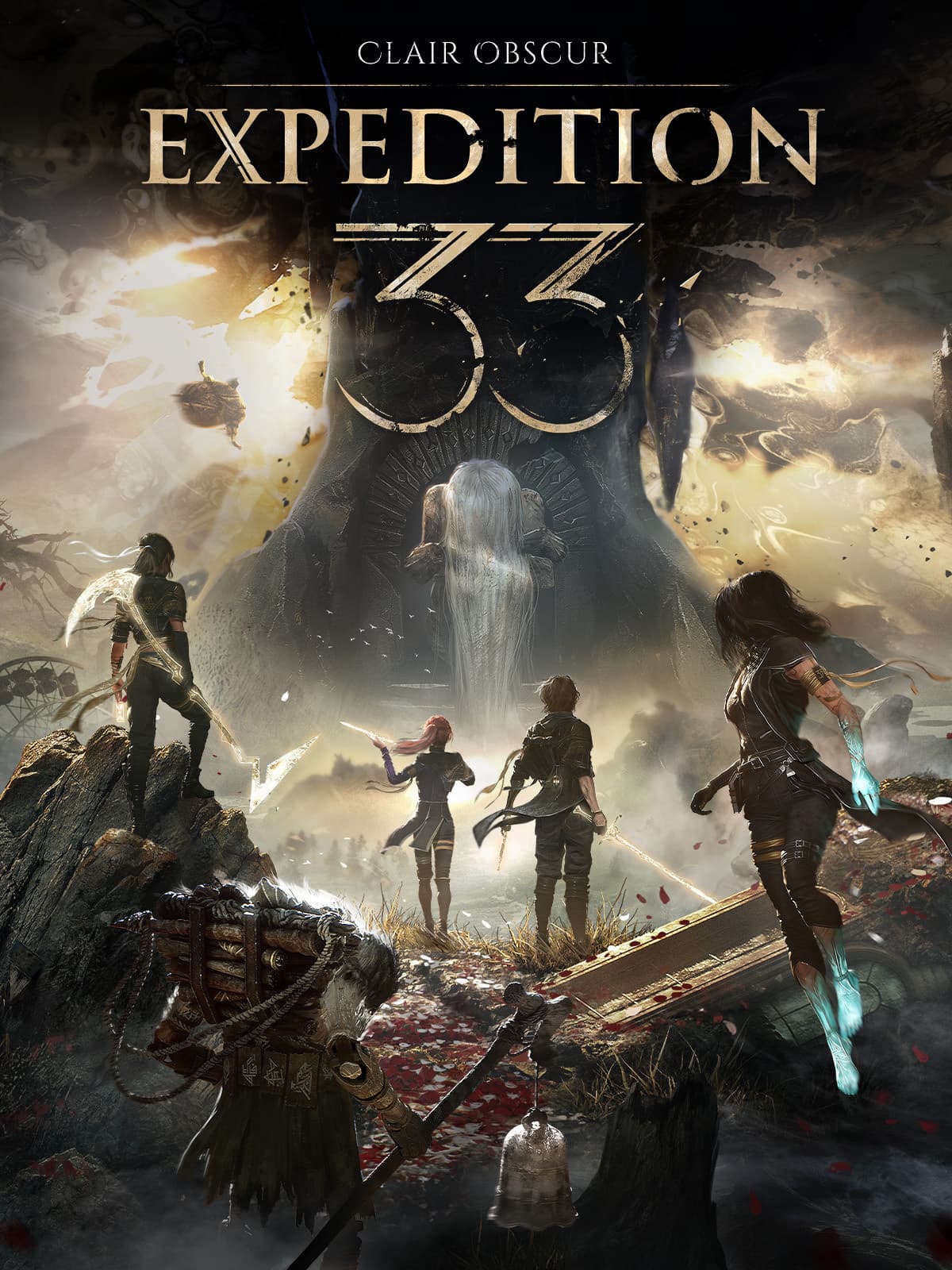
Set in a world where the Paintress condemns entire age groups to death each year, Expedition 33 sends a doomed party into a dying world to break the curse. The turn-based combat integrates real-time parry mechanics that shift the rhythm of every encounter. GPA scores it highest in Emotional Story and Story Depth — the French aesthetic and existential weight make it one of the most distinctive RPGs of 2025.
Tag Similarity
Strategy
60%
Logic
20%
Dark
60%
Existential Themes
85%
Turn-Based
90%
Dystopian Setting
85%
Roguelike
20%
High Difficulty
60%
Chart tags: Strategy / Logic / Dark / Existential Themes / Turn-Based / Dystopian Setting / Roguelike / High Difficulty
Slay the Spire defined the roguelike deckbuilder by making card synergies the primary puzzle. Four characters each work with a distinct card pool and mechanic. GPA scores it at the top for Strategy and Turn-Based among roguelikes — a combination that separates it from action-forward entries in the genre.
Tag Similarity
Strategy
95%
Logic
60%
Dark
0%
Existential Themes
0%
Turn-Based
0%
Dystopian Setting
0%
Roguelike
90%
High Difficulty
80%
Chart tags: Strategy / Logic / Dark / Existential Themes / Turn-Based / Dystopian Setting / Roguelike / High Difficulty
Ctrl Alt Ego transfers player consciousness between gadgets and AI systems in an abandoned corporate facility. The possession mechanic and hacking system address the question of where the self resides. GPA scores it high on Existential Themes and Puzzle — the mechanics and the subject matter run on the same logic.
Tag Similarity
Strategy
70%
Logic
85%
Dark
0%
Existential Themes
85%
Turn-Based
0%
Dystopian Setting
75%
Roguelike
0%
High Difficulty
0%
Chart tags: Strategy / Logic / Dark / Existential Themes / Turn-Based / Dystopian Setting / Roguelike / High Difficulty
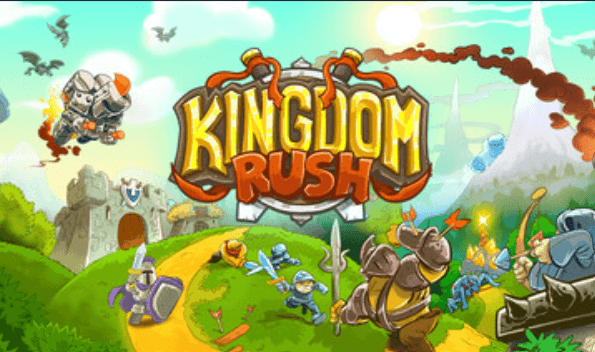
Kingdom Rush places towers along a fixed enemy path and scales its difficulty through tower upgrade combinations and hero ability timing. The balance between defensive placement and active intervention sets the genre benchmark. GPA scores it high on Strategy and Puzzle — the tower defense that defined the genre's upper limit for mobile.
Tag Similarity
Strategy
90%
Logic
75%
Dark
0%
Existential Themes
0%
Turn-Based
0%
Dystopian Setting
0%
Roguelike
0%
High Difficulty
30%
Chart tags: Strategy / Logic / Dark / Existential Themes / Turn-Based / Dystopian Setting / Roguelike / High Difficulty
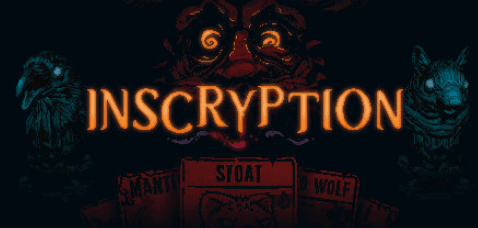
Inscryption runs a cabin card game that deconstructs itself over three acts. The meta-horror elements are foreshadowed from the first screen. GPA scores it high on Roguelike and Dark World.
Tag Similarity
Strategy
80%
Logic
0%
Dark
80%
Existential Themes
80%
Turn-Based
0%
Dystopian Setting
75%
Roguelike
70%
High Difficulty
0%
Chart tags: Strategy / Logic / Dark / Existential Themes / Turn-Based / Dystopian Setting / Roguelike / High Difficulty
Dark Souls II: Scholar of the First Sin packages all three DLC chapters and rearranges enemy placements and NPC questlines from the original release. The HP degradation mechanic on death distinguishes it from the other FromSoftware entries. PS3, PS4, Xbox 360, Xbox One, PC. GPA scores it high on Difficulty and Dark World — the Dark Souls entry that most rewards NPC questline investment.
Tag Similarity
Strategy
60%
Logic
0%
Dark
78%
Existential Themes
65%
Turn-Based
0%
Dystopian Setting
85%
Roguelike
0%
High Difficulty
85%
Chart tags: Strategy / Logic / Dark / Existential Themes / Turn-Based / Dystopian Setting / Roguelike / High Difficulty
Elemental Dungeon combines tower defense placement with elemental attribute matching, using interactions between element types as the core puzzle layer. GPA scores it high on Strategy and Puzzle — a tower defense where spatial arrangement creates elemental chain reactions.
Tag Similarity
Strategy
80%
Logic
80%
Dark
0%
Existential Themes
0%
Turn-Based
0%
Dystopian Setting
0%
Roguelike
0%
High Difficulty
60%
Chart tags: Strategy / Logic / Dark / Existential Themes / Turn-Based / Dystopian Setting / Roguelike / High Difficulty
About "Plague Inc."
▸Game Composition (GPA Analysis)
Plague Inc.(プレイグインク) leads with its 戦略シミュレーション identity, anchored by the core feel of "Plague Inc." The headline profile reads Strategy 90% / Logic 80% / Dark 70%, making it a strong pick for fans of Strategy and Logic. Oriented toward experienced players looking to push their limits.
▸Characteristics & Analysis
Our editorial team scored "Plague Inc.(プレイグインク)" by using its feel of simulation, puzzle elements, and 陣取り as the primary lens, weighting Strategy and Logic most heavily. Top similar titles include "ダーケストダンジョン2(Darkest Dungeon II)", "Into the Breach", "XCOM 2".
A Strategy Game About Spreading a Global Pandemic
Introduction — Playing From the Other Side of the Pandemic
Plague Inc. is a strategy simulation game developed by Ndemic Creations. First released in 2012, the game puts players in control of a pathogen with one simple objective: spread across the world and eventually wipe out humanity.
Most strategy games put the player in the role of a ruler, commander, survivor, or hero. Plague Inc. takes the opposite approach. Instead of protecting humanity from a disaster, you are responsible for creating one.
The premise may sound like a dark joke, but the actual gameplay is built around careful resource management and situational decision-making. Players spend DNA points to evolve transmission methods, symptoms, and abilities while monitoring how humanity responds to the outbreak.
Ndemic Creations describes the game as a combination of strategy and simulation in which players must evolve a global plague while adapting to humanity's attempts to stop it (Ndemic Creations).
According to GPA's current analysis, Plague Inc. scores particularly high in Strategy at 90%, Logic at 80%, and Dark at 70%. It also scores 65% for Existential Themes, 60% for Turn-Based elements, and 60% for a Decadent Worldview.
Those numbers reflect what makes the game interesting. The focus is not on fast controls or flashy presentation, but on reading the situation, managing limited resources, and deciding what to do next.
The original game has since expanded to other platforms through Plague Inc: Evolved, which adds new disease types, scenarios, multiplayer, custom scenarios, and additional statistical information. The game is available across mobile, PC, and console platforms.
The game also received renewed attention during the COVID-19 pandemic because of its subject matter. Ndemic Creations has worked with public-health organizations and released The Cure, a mode that reverses the premise and puts players in charge of stopping a global outbreak.
Title tendency chart (Plague Inc.)
Strategy ◀
90%
Logic ◀
80%
Dark ◀
70%
Existential Themes
65%
Turn-Based
60%
Decadent Worldview
60%
GPA top-tag excerpt. These experience tags explain what the game asks you to think about more clearly than genre labels alone.
1. The Core Gameplay Loop: Infection, Evolution, and Lethality
The basic gameplay loop in Plague Inc. can be understood through three stages: spreading the infection, evolving the pathogen, and eventually increasing its lethality.
As infected areas expand across the world map, players earn DNA points and use them to unlock new traits. These can improve transmission, introduce symptoms, or give the pathogen abilities that help it survive changing conditions.
The important part is that you cannot simply maximize everything at once.
You are not directly attacking individual countries. Instead, you are deciding which traits to develop and when to develop them while watching the global situation change.
The number of infected people, deaths, affected countries, news reports, and Cure progress all provide information that can influence your next decision.
DNA Points as Your Main Resource
DNA points are the most important resource in the game.
They can be spent on Transmission, Symptoms, and Abilities. Every upgrade can be useful, but spending too much too early can leave you without enough DNA when you actually need it.
Early in a game, improving transmission through air or water can help the disease reach more people. On the other hand, developing serious symptoms too early can make the disease easier to detect and encourage humanity to begin developing a Cure.
That creates an important distinction between infecting the world and killing the world.
A successful strategy often starts with expanding quietly before turning toward higher lethality.
Later in the game, your decisions become more specific. If infection is struggling in cold countries, you may need Cold Resistance. If wealthy countries are resisting the disease, Drug Resistance may become more useful.
Instead of following one fixed upgrade path, you are constantly looking at the map and deciding where your next DNA points should go.
The Push and Pull Between Stealth and Lethality
The priorities of a successful outbreak change as the game progresses.
Early on, remaining relatively unnoticed is important. If you develop severe symptoms too quickly, humanity may discover the disease before it has infected enough people.
Once the disease has spread widely, however, the situation changes. You need to increase lethality before the Cure is completed.
The timing is crucial.
Move too early, and humanity may begin fighting back before the disease has reached enough countries. Wait too long, and the Cure may become impossible to stop.
This is one reason GPA gives the game a 90% Strategy score and an 80% Logic score. Much of the challenge comes from deciding when to change your priorities rather than simply choosing the strongest upgrade.
The different pathogen types reinforce this idea. Bacteria provides a relatively straightforward introduction to the basic mechanics, while viruses introduce mutation, fungi can struggle to spread efficiently, and other pathogens change the rules in different ways.
Because of these differences, a strategy that works well for one pathogen may not work for another.
2. Seven Pathogens, Seven Different Problems
One of the strengths of Plague Inc. is that its different pathogens are more than cosmetic variations.
Bacteria, Virus, Fungus, Parasite, Prion, Nano-Virus, and Bio-Weapon each create different strategic problems. The basic systems remain familiar, but the way you approach them can change considerably.
That means learning the game is not simply about finding one optimal build. You also need to understand what makes each pathogen different.
From Bacteria to Bio-Weapon and the Necroa Virus
Bacteria is a good starting point because it teaches the basic structure of the game: spread the infection, evolve useful traits, and eventually increase lethality.
Virus changes the experience by introducing unpredictable mutations. A symptom may appear without you deliberately purchasing it, forcing you to reconsider your original plan.
Bio-Weapon creates another problem. Its lethality can become increasingly dangerous, making the timing of your upgrades even more important.
Then there are special scenarios such as the Necroa Virus, which introduces zombies into the formula. Instead of simply watching infection numbers rise, you have to deal with a completely different set of problems involving infected populations and survivors.
Parasite, Prion, Nano-Virus, and other pathogens also introduce their own characteristics.
The result is a system where understanding the basic rules is only the beginning. Changing the pathogen can require you to rethink how you spend DNA and how quickly you want to escalate the outbreak.
3. Humanity Fights Back — Borders, the Cure, and Random Events
The player is not the only side making decisions.
As the outbreak becomes more visible, governments and health organizations begin responding. Borders can close, research efforts accelerate, and countries can become much harder to infect.
This means you have to pay attention not only to your pathogen, but also to what humanity is doing in response.
Geography, Climate, and Infrastructure as a Puzzle
One of the most familiar situations in Plague Inc. is reaching the point where almost the entire world is infected except for a few countries.
Island nations can become particularly troublesome because infection depends heavily on air and sea travel.
Once most of the world has been infected, getting the disease into the final few countries can become a problem of its own.
Climate, infrastructure, and the conditions of individual countries also affect how easily the disease spreads.
The world map therefore serves as more than a background. It is a source of information that you need to read.
Where should the outbreak begin? Which transmission method should you prioritize? Which resistance should you unlock?
These decisions become more meaningful because they are directly connected to the geography of the world.
This is another reason the GPA Logic score reaches 80%. Much of the gameplay involves interpreting information and deciding what action makes sense in the current situation.
The Cure as a Race Against Time
Once humanity recognizes the threat, the Cure becomes a visible countdown for the player.
You are no longer simply trying to infect more people. You have to eliminate the remaining population before the Cure reaches completion.
Certain abilities can slow the development of the Cure, while other upgrades help the pathogen survive the changing conditions.
The final stages of a successful game therefore become a race between global infection and medical research.
The decisions you made earlier in the game eventually come back into play. A strong early spread gives you more options later, while a poorly managed outbreak may leave you with too little time.
Difficulty and Customization
The difficulty levels change how aggressively humanity responds and how carefully you need to manage the outbreak.
Easy and Normal are useful for learning the basic systems, while higher difficulties demand more careful resource management and timing.
The Genetic Code system also allows players to customize their pathogen before starting a game by selecting bonuses that alter certain aspects of the outbreak.
This creates room for different approaches rather than forcing every player through exactly the same progression.
Failure is also informative. If the outbreak collapses, you can look at which countries resisted infection, how quickly the Cure progressed, and where your strategy stopped working.
Random events and changing world conditions also mean that two games with the same pathogen do not necessarily play out in exactly the same way.
4. How a Simple Map Creates a Dark Atmosphere
Plague Inc. does not rely on cinematic visuals to create its dark atmosphere.
Much of the game takes place on a world map. Countries change color as infection spreads, while news reports and statistics communicate what is happening.
Yet the longer an outbreak continues, the more noticeable the change becomes.
A Global Disaster Told Through Numbers and Headlines
One of the most effective elements of Plague Inc. is the way it presents a global disaster through statistics and short news reports.
Instead of watching every event through cinematic cutscenes, you monitor the world through numbers, headlines, and changes on the map.
That approach fits the game's strategy focus. You are constantly looking at information and deciding what it means for your next move.
The player's position also changes the way the world is perceived. Rather than trying to stop the outbreak, you are deliberately trying to make it worse.
That perspective is a major reason the game feels darker than its relatively simple presentation might suggest.
The GPA scores of 70% for Dark and 60% for Decadent Worldview reflect this aspect of the experience. The game is not dark because it constantly shows graphic imagery. It is dark because the player is managing a worldwide disaster from the pathogen's perspective.
A typical game can also be completed relatively quickly, making it easy to start another attempt after a failure.
Plague Inc: Evolved also adds Cure Mode, which reverses the basic premise. Instead of spreading a disease, players investigate outbreaks, introduce countermeasures, and work toward developing a cure (Ndemic Creations).
Similar Games Based on GPA Scores
Looking at the games that rank highly alongside Plague Inc. in GPA's similarity system gives a useful picture of its overall position.
Because Strategy and Logic are among its strongest categories, games focused on resource management, planning, and situational decision-making tend to appear nearby.
1. Darkest Dungeon II
Similarity 66%
Common ground: Both games ask players to make difficult decisions under pressure while dealing with dark subject matter and changing conditions. Difference: Darkest Dungeon II is a roguelike RPG built around party management, combat, and a journey structure, while Plague Inc. focuses on managing a global outbreak.
2. Into the Breach
類似度 64%
Common ground: Both games require players to examine the current situation carefully and choose the most useful action with limited resources. Difference: Into the Breach is a turn-based tactical game played on small grids, while Plague Inc. operates on a global map and focuses on population spread and resource allocation.
3. XCOM 2
類似度 60%
Common ground: Both games emphasize planning, resource management, and adapting when a situation does not develop as expected. Difference: XCOM 2 puts the player in command of humanity's resistance against an alien occupation, with tactical battles and persistent soldiers at its center.
4. Arknights
類似度 60%
Common ground: Both games combine strategic planning with a dark setting and require players to respond to changing threats. Difference: Arknights is a tower-defense RPG where unit placement and skill timing are central, while Plague Inc. focuses on global infection and disease evolution.
5. Balatro
類似度 59%
Common ground: Both games involve adapting your strategy to the situation and deciding where to invest limited resources. Difference: Balatro is a roguelike deck-builder based on poker hands and Joker combinations, while Plague Inc. is a global simulation focused on infection and disease evolution.
The current GPA scores place Plague Inc. firmly in the Strategy and Logic categories, with Dark also playing a major role.
It is not primarily a game about action, reflexes, or visual spectacle. Instead, you spend most of your time looking at the world map, checking infection levels, monitoring the Cure, and deciding which upgrade should come next.
The 60% Turn-Based score does not mean the game follows the same structure as a traditional turn-based strategy game. Rather, it reflects the fact that the game gives players time to assess the situation and make deliberate decisions instead of requiring constant mechanical input.
Its 40% High Difficulty score also suggests that it is not designed to be brutally difficult from the beginning. Instead, the challenge tends to increase as players move to more demanding pathogens and difficulty levels.
Things to Know Before Playing — Common Questions
Q. Is the premise too uncomfortable to enjoy?
The premise is undeniably dark. You are deliberately trying to spread a disease and eliminate humanity.
For some players, that subject matter may be uncomfortable, particularly because the game can evoke real-world pandemics.
At the same time, the actual gameplay is heavily system-driven. Most of your decisions involve DNA points, transmission methods, symptoms, country conditions, and Cure progress.
The game should still be understood as a simplified strategy simulation rather than a complete model of real-world epidemiology.
Q. How long is a typical game?
A standard game can be completed relatively quickly compared with larger strategy games.
That short format makes it easy to try again after a failed attempt. Players can change the pathogen, difficulty, or strategy without committing to a long campaign.
Q. Is there enough content without additional purchases?
The core game already provides a substantial amount of variety through different pathogens and difficulty levels.
Plague Inc: Evolved also adds additional scenarios, game modes, custom scenarios, and Cure-related content.
For new players, starting with the basic disease types is a good way to learn the core systems before exploring the more specialized content.
Who Should Play It — And Who Might Not
◎ Players who are likely to enjoy it
·You enjoy optimization and build planning— DNA points force you to decide which upgrades deserve priority.
·You want a strategy game that works well in short sessions— Individual games are relatively self-contained, making it easy to restart.
·You enjoy reading maps and responding to changing situations— Country conditions and transportation routes directly affect your strategy.
·You are comfortable with dark subject matter— The game takes a deliberately unusual approach to global disaster scenarios.
△ Players who may want to think twice
·The pandemic theme may be emotionally uncomfortable— The subject matter can feel close to real-world events.
·You prefer action and reflex-based gameplay— Mechanical skill is not the main focus.
·You primarily play games for long stories and character development— The experience is driven much more by systems, statistics, and world events than by a traditional narrative.
Conclusion — A Strategy Game About Reading the World Map
The appeal of Plague Inc. goes beyond its unusual premise.
The real challenge comes from deciding how to spend your DNA points, when to remain unnoticed, when to increase lethality, and how to respond as humanity begins developing a Cure.
Its 90% Strategy, 80% Logic, and 70% Dark scores reflect that structure.
If you enjoy strategy games where the main challenge is figuring out what to do next rather than how to control your character, Plague Inc. is an especially interesting choice.
This analysis is based on GPA's proprietary weighting system for game tags and characteristics. Scores and similarity rankings may change as the GPA database is updated. See the latest data on the Plague Inc. game page.