Heaven Burns Red's writing density per scene is the highest in the mobile category, following Seraphina and her unit through a war against unidentified organisms with the ambition of a full visual novel embedded in gacha delivery. GPA scores it at the top for Story Depth and Emotional Story — the combination that drove its reputation beyond the gacha audience.
Game Characteristics
Emotional Story
95%
Story Depth
95%
Anime Characters
85%
Turn-Based
80%
Existential Themes
80%
Graphics
80%
Dystopian Setting
75%
Character Building
75%
Visual Novel / ADV
70%
Dark
60%
Multiple Endings
55%
Open World
40%
High Difficulty
30%
Player profile fit
Recommended for: Beginner to Advanced players (A score of 50 or higher indicates a good fit.)
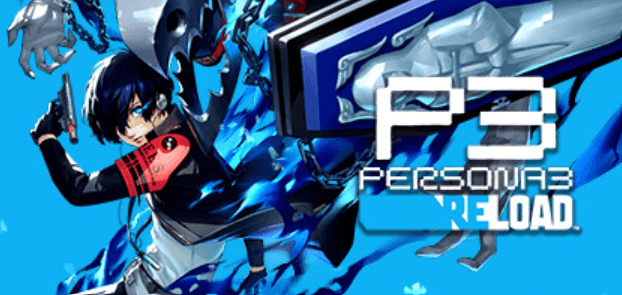
Persona 3 Reload rebuilds the 2006 original with Persona 5 Royal's production quality, keeping the Tartarus structure and the dual life of school days and midnight combat. The theme of accepting death runs through every Social Link. GPA scores it close to P5R on Turn-Based and Story Depth — the comparison helps calibrate expectations between entries.
Tag Similarity
Emotional Story
90%
Story Depth
90%
Anime Characters
50%
Turn-Based
85%
Existential Themes
80%
Graphics
85%
Dystopian Setting
60%
Character Building
65%
Chart tags: Emotional Story / Story Depth / Anime Characters / Turn-Based / Existential Themes / Graphics / Dystopian Setting / Character Building
Persona 5: The Phantom X extends the Phantom Thieves setting into a mobile RPG with a new protagonist and a gacha progression system. The visual identity matches the mainline entry. GPA scores it high on Turn-Based and Story Depth among mobile adaptations — a positioning that reflects the license quality rather than mechanical novelty.
Tag Similarity
Emotional Story
75%
Story Depth
70%
Anime Characters
70%
Turn-Based
80%
Existential Themes
0%
Graphics
70%
Dystopian Setting
40%
Character Building
70%
Chart tags: Emotional Story / Story Depth / Anime Characters / Turn-Based / Existential Themes / Graphics / Dystopian Setting / Character Building
Fire Emblem: Three Houses runs through an academy semester before a time-skip that changes allegiances and the available maps. The Monastery management develops support relationships between units. GPA scores it high on Turn-Based and Emotional Story — the combination that drove the series to its widest audience.
Tag Similarity
Emotional Story
85%
Story Depth
90%
Anime Characters
50%
Turn-Based
85%
Existential Themes
60%
Graphics
70%
Dystopian Setting
60%
Character Building
60%
Chart tags: Emotional Story / Story Depth / Anime Characters / Turn-Based / Existential Themes / Graphics / Dystopian Setting / Character Building
Honkai: Star Rail runs its turn-based combat through a space station and a series of themed planets, with a gacha character system that expands the party composition options. GPA scores it high on Turn-Based and Story Depth among mobile titles — the HoYoverse entry that most directly addresses players who want JRPG mechanics in a live-service framework.
Tag Similarity
Emotional Story
70%
Story Depth
75%
Anime Characters
85%
Turn-Based
85%
Existential Themes
60%
Graphics
85%
Dystopian Setting
40%
Character Building
90%
Chart tags: Emotional Story / Story Depth / Anime Characters / Turn-Based / Existential Themes / Graphics / Dystopian Setting / Character Building
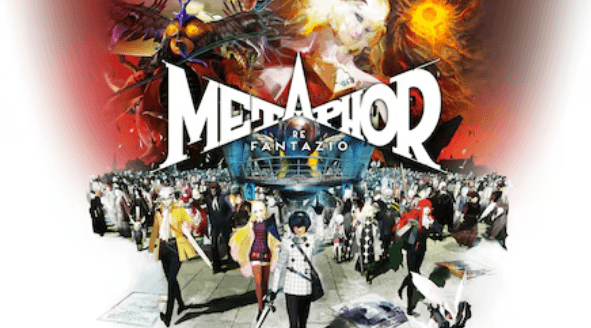
Metaphor: ReFantazio builds a fantasy political campaign around the Archetype system, which evolves job classes through use. The social management layer runs alongside the turn-based dungeon crawl. GPA scores it at the top for Turn-Based and Story Depth, sitting close to Persona 5 Royal in the similarity rankings while operating in a completely different setting.
Tag Similarity
Emotional Story
90%
Story Depth
95%
Anime Characters
0%
Turn-Based
90%
Existential Themes
85%
Graphics
85%
Dystopian Setting
80%
Character Building
70%
Chart tags: Emotional Story / Story Depth / Anime Characters / Turn-Based / Existential Themes / Graphics / Dystopian Setting / Character Building
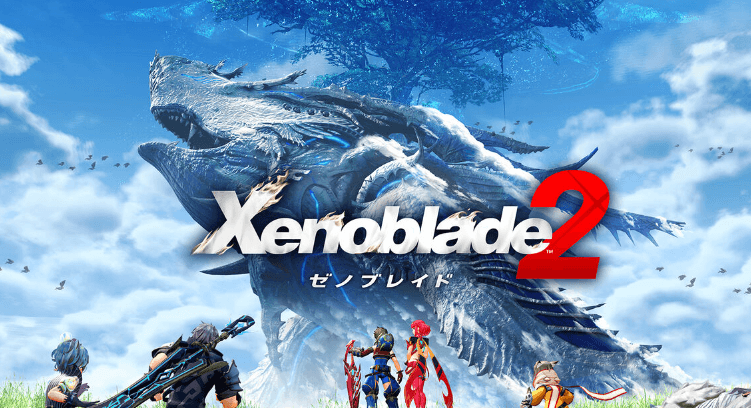
Xenoblade Chronicles 2 follows Rex and the Blades — living weapons with distinct personalities — toward the mythical Elysium. The combat system builds through Blade combinations and chain attacks. GPA scores it high on Turn-Based and Emotional Story, with Story Depth above average — a positioning that reflects the series' commitment to extended narrative investment.
Tag Similarity
Emotional Story
85%
Story Depth
85%
Anime Characters
70%
Turn-Based
0%
Existential Themes
65%
Graphics
80%
Dystopian Setting
40%
Character Building
70%
Chart tags: Emotional Story / Story Depth / Anime Characters / Turn-Based / Existential Themes / Graphics / Dystopian Setting / Character Building
Arknights runs its tower defense and tactical combat through a post-apocalyptic world where infected populations are segregated by law. The operator roster and faction writing carry more depth than most mobile strategy games. GPA scores it high on Strategy and Dark World — the combination that identifies a game where the setting's politics are as developed as the mechanics.
Tag Similarity
Emotional Story
70%
Story Depth
85%
Anime Characters
80%
Turn-Based
50%
Existential Themes
75%
Graphics
70%
Dystopian Setting
80%
Character Building
85%
Chart tags: Emotional Story / Story Depth / Anime Characters / Turn-Based / Existential Themes / Graphics / Dystopian Setting / Character Building
Dragon Quest XI follows a hero whose legend turns out to be more complicated than the prophecy suggested. The narrative subverts the Chosen One structure in ways that earn the emotional investment built across 80 hours. GPA scores it at the top for Turn-Based and Story Depth in the DQ series — the combination that drives its unusually high user scores.
Tag Similarity
Emotional Story
80%
Story Depth
90%
Anime Characters
0%
Turn-Based
85%
Existential Themes
40%
Graphics
70%
Dystopian Setting
30%
Character Building
50%
Chart tags: Emotional Story / Story Depth / Anime Characters / Turn-Based / Existential Themes / Graphics / Dystopian Setting / Character Building
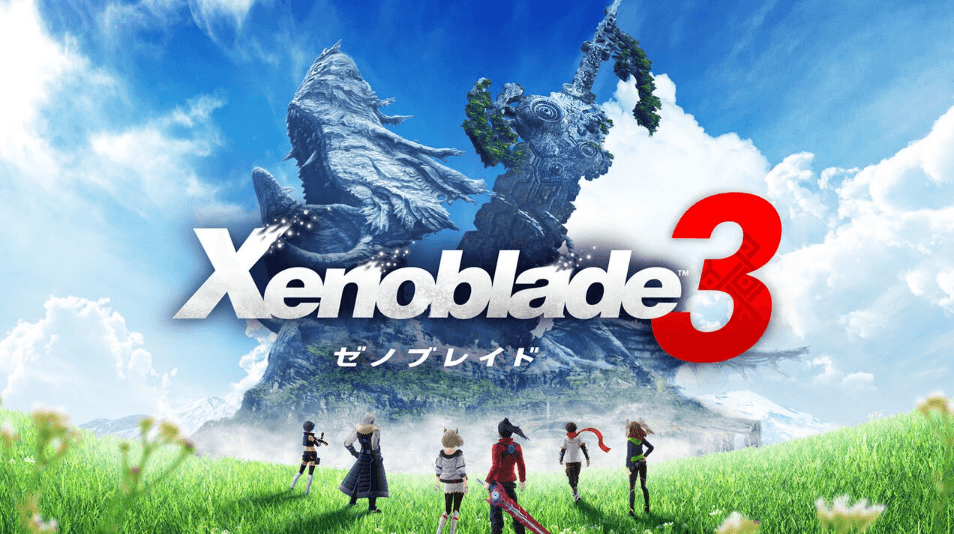
Xenoblade Chronicles 3 connects the worlds of the first two games through a story about soldiers fighting a war no one can explain. The real-time combat scales with party composition through the Ouroboros system. GPA scores it high on Turn-Based and Emotional Story, with Story Depth above average — a JRPG where the narrative's ambitions match its length.
Tag Similarity
Emotional Story
80%
Story Depth
85%
Anime Characters
40%
Turn-Based
0%
Existential Themes
75%
Graphics
80%
Dystopian Setting
50%
Character Building
60%
Chart tags: Emotional Story / Story Depth / Anime Characters / Turn-Based / Existential Themes / Graphics / Dystopian Setting / Character Building
Live A Live HD-2D remasters the 1994 SNES cult RPG, preserving its anthology structure of seven standalone stories set across different eras. Each chapter has distinct mechanics. GPA scores it high on Multiple Endings and Story Depth — a positioning that reflects a game where the formal structure is the primary creative statement.
Tag Similarity
Emotional Story
90%
Story Depth
90%
Anime Characters
0%
Turn-Based
80%
Existential Themes
80%
Graphics
80%
Dystopian Setting
55%
Character Building
0%
Chart tags: Emotional Story / Story Depth / Anime Characters / Turn-Based / Existential Themes / Graphics / Dystopian Setting / Character Building
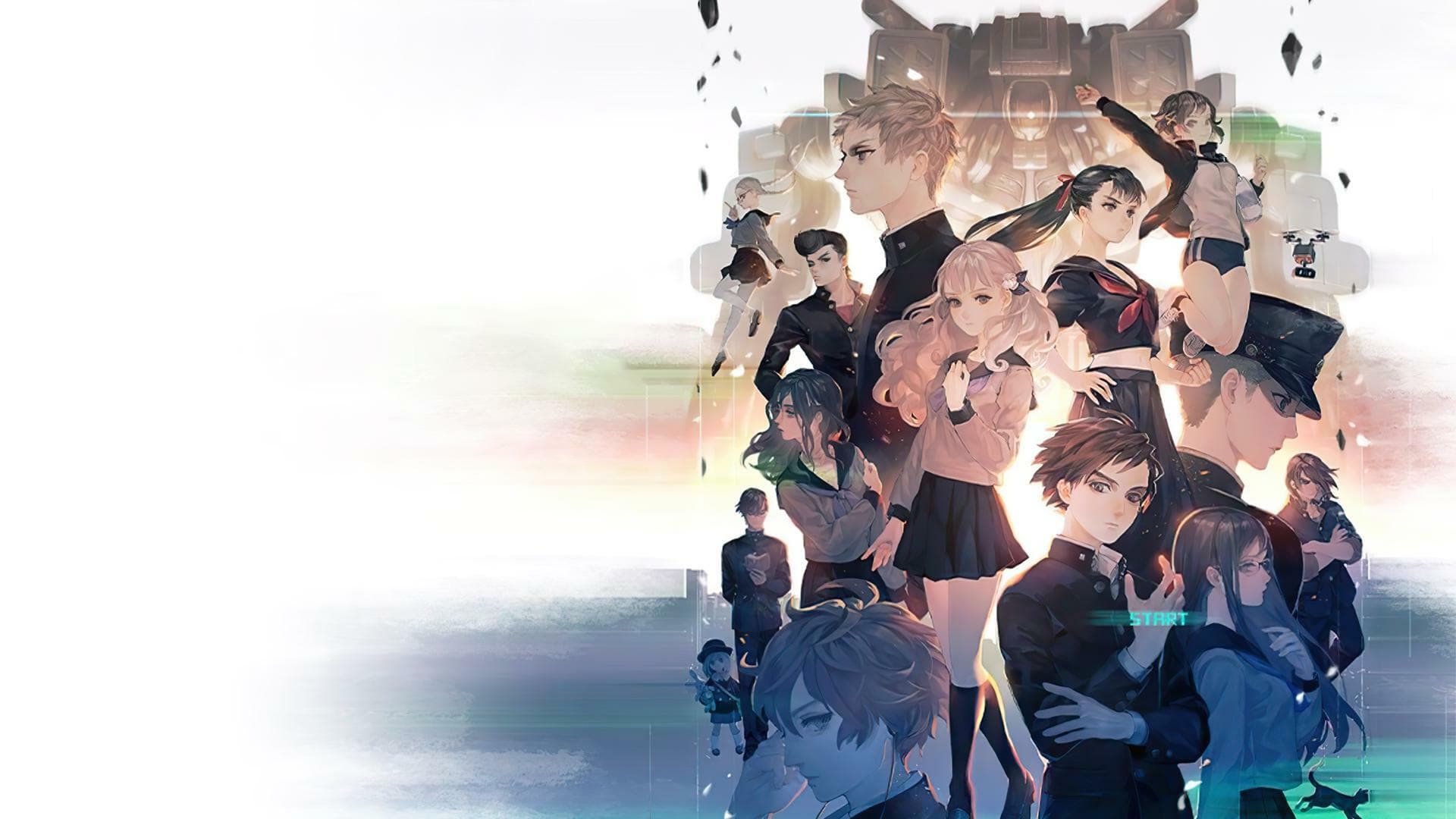
Atlus's 13 Sentinels: Aegis Rim tells a mystery across 13 protagonists in 2180 Japan, assembling the full picture from fragments that arrive out of order. The RTS mech battles are secondary to the visual novel sections. GPA scores it at the top for Story Depth and Text ADV — the combination that identifies it as primarily a reading experience with strategy attached.
Tag Similarity
Emotional Story
95%
Story Depth
95%
Anime Characters
0%
Turn-Based
50%
Existential Themes
80%
Graphics
75%
Dystopian Setting
65%
Character Building
0%
Chart tags: Emotional Story / Story Depth / Anime Characters / Turn-Based / Existential Themes / Graphics / Dystopian Setting / Character Building
Lost Judgment expands the detective framework into a high school setting where Yagami investigates bullying and serial murder simultaneously. The club activity system adds social depth between cases. GPA scores it above Lost Judgment (2018) on Story Depth — the investigation structure and social commentary carry more weight in the sequel.
Tag Similarity
Emotional Story
70%
Story Depth
90%
Anime Characters
20%
Turn-Based
0%
Existential Themes
65%
Graphics
55%
Dystopian Setting
30%
Character Building
20%
Chart tags: Emotional Story / Story Depth / Anime Characters / Turn-Based / Existential Themes / Graphics / Dystopian Setting / Character Building
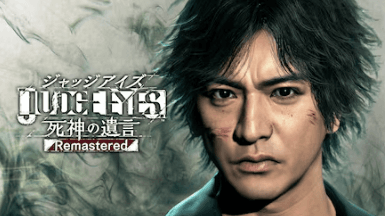
Judgment follows disgraced defense attorney Takayuki Yagami through a Kamurocho murder investigation that ties into a pharmaceutical conspiracy. The detective mechanics — tailing suspects, drone surveillance — add variety to the brawler combat. GPA scores it high on Story Depth and Emotional Story, with Action above average for the narrative-focused positioning.
Tag Similarity
Emotional Story
70%
Story Depth
85%
Anime Characters
20%
Turn-Based
0%
Existential Themes
60%
Graphics
50%
Dystopian Setting
30%
Character Building
20%
Chart tags: Emotional Story / Story Depth / Anime Characters / Turn-Based / Existential Themes / Graphics / Dystopian Setting / Character Building
Bravely Default II revives the series' Brave and Default risk management system, letting players bank turns for burst actions or spend future turns for immediate advantage. GPA scores it high on Turn-Based and Strategy — the combination that describes a JRPG where the combat system is the primary design statement.
Tag Similarity
Emotional Story
60%
Story Depth
65%
Anime Characters
30%
Turn-Based
90%
Existential Themes
30%
Graphics
75%
Dystopian Setting
30%
Character Building
50%
Chart tags: Emotional Story / Story Depth / Anime Characters / Turn-Based / Existential Themes / Graphics / Dystopian Setting / Character Building
Like a Dragon (Yakuza 7) marks the series' turn-based pivot, following Ichiban Kasuga's rise from rock bottom in Isezaki Ijincho. The Dragon Quest parody combat system plays its references straight. GPA scores it high on Emotional Story and Turn-Based — the entry that opened the series to players who wanted JRPG mechanics alongside the writing.
Tag Similarity
Emotional Story
70%
Story Depth
95%
Anime Characters
50%
Turn-Based
90%
Existential Themes
0%
Graphics
60%
Dystopian Setting
0%
Character Building
70%
Chart tags: Emotional Story / Story Depth / Anime Characters / Turn-Based / Existential Themes / Graphics / Dystopian Setting / Character Building
AI: The Somnium Files tasks detective Kaname Date with solving a murder by entering suspects' dream worlds to retrieve hidden memories. The Somnium sequences operate on surreal logic. GPA scores it at the top for Text ADV and Multiple Endings — the combination that places it alongside Disco Elysium as a game where reading and investigation are the entire experience.
Tag Similarity
Emotional Story
85%
Story Depth
90%
Anime Characters
70%
Turn-Based
0%
Existential Themes
75%
Graphics
70%
Dystopian Setting
60%
Character Building
0%
Chart tags: Emotional Story / Story Depth / Anime Characters / Turn-Based / Existential Themes / Graphics / Dystopian Setting / Character Building
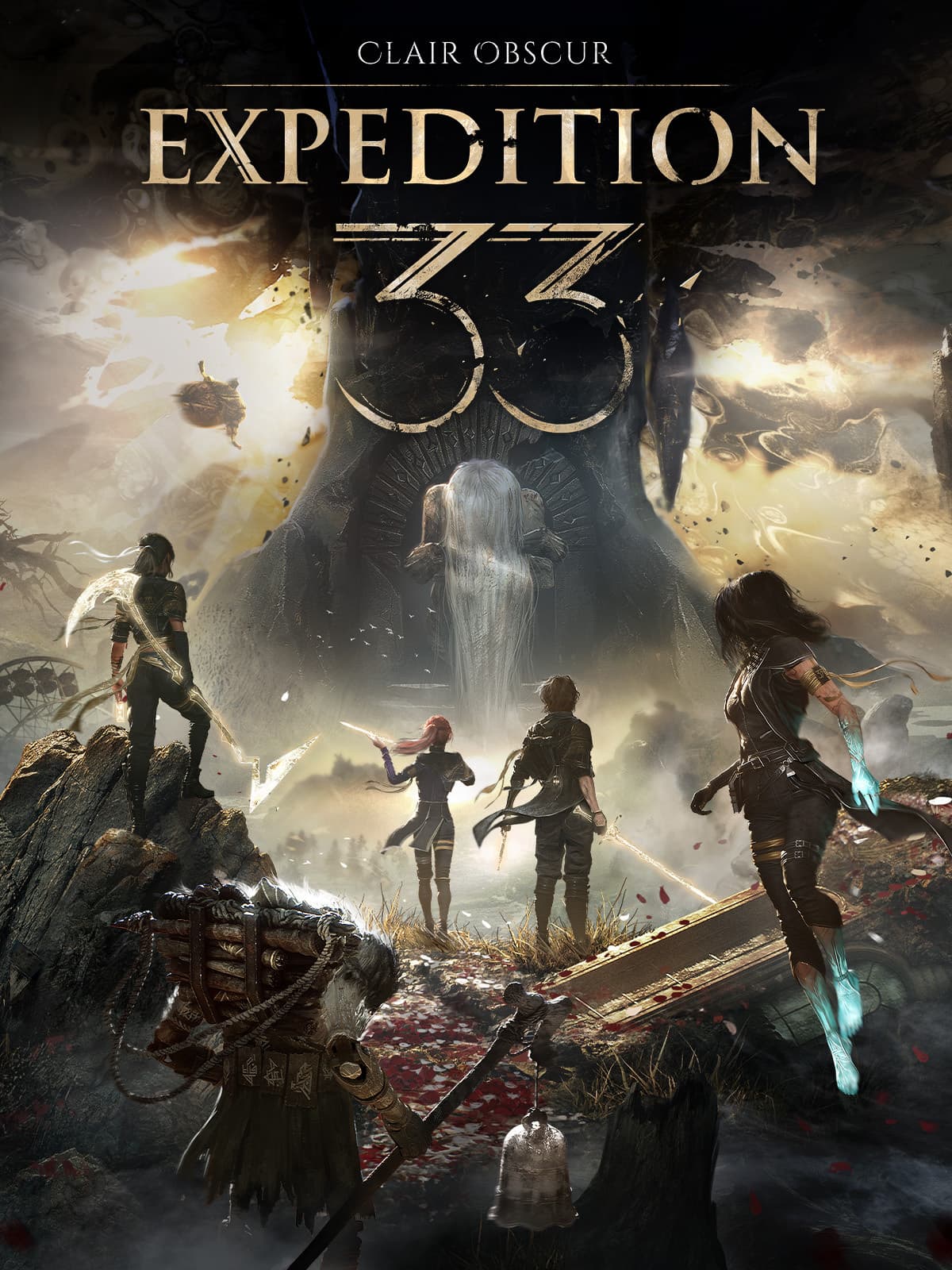
Set in a world where the Paintress condemns entire age groups to death each year, Expedition 33 sends a doomed party into a dying world to break the curse. The turn-based combat integrates real-time parry mechanics that shift the rhythm of every encounter. GPA scores it highest in Emotional Story and Story Depth — the French aesthetic and existential weight make it one of the most distinctive RPGs of 2025.
Tag Similarity
Emotional Story
80%
Story Depth
90%
Anime Characters
0%
Turn-Based
90%
Existential Themes
85%
Graphics
80%
Dystopian Setting
85%
Character Building
60%
Chart tags: Emotional Story / Story Depth / Anime Characters / Turn-Based / Existential Themes / Graphics / Dystopian Setting / Character Building
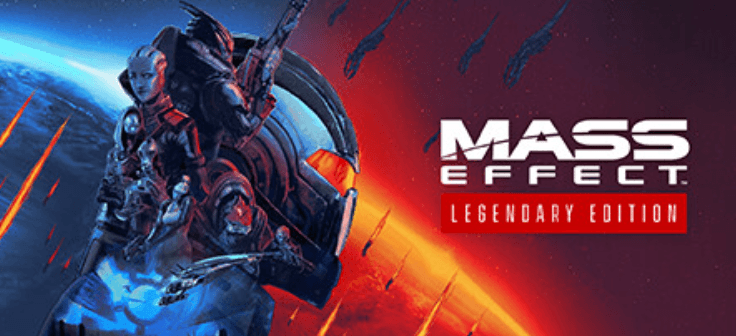
Mass Effect Legendary Edition packages all three games and 40+ DLC packs in a single 4K collection. Choices made in the first game carry directly into the third. GPA scores it at the top for Story Depth and Multiple Endings — the combination that describes a trilogy where the full weight of decisions is only clear at the end of 120 hours.
Tag Similarity
Emotional Story
90%
Story Depth
95%
Anime Characters
0%
Turn-Based
0%
Existential Themes
75%
Graphics
75%
Dystopian Setting
65%
Character Building
65%
Chart tags: Emotional Story / Story Depth / Anime Characters / Turn-Based / Existential Themes / Graphics / Dystopian Setting / Character Building
A Space for the Unbound sets its pixel art mystery in 1990s rural Indonesia, following Atma and Rara as their relationship encounters a supernatural threat. The tone holds grief and warmth simultaneously. GPA scores it high on Emotional Story and Text ADV — a combination that places it in the same cluster as Night in the Woods and similar character-driven adventures.
Tag Similarity
Emotional Story
90%
Story Depth
90%
Anime Characters
30%
Turn-Based
0%
Existential Themes
75%
Graphics
75%
Dystopian Setting
40%
Character Building
0%
Chart tags: Emotional Story / Story Depth / Anime Characters / Turn-Based / Existential Themes / Graphics / Dystopian Setting / Character Building
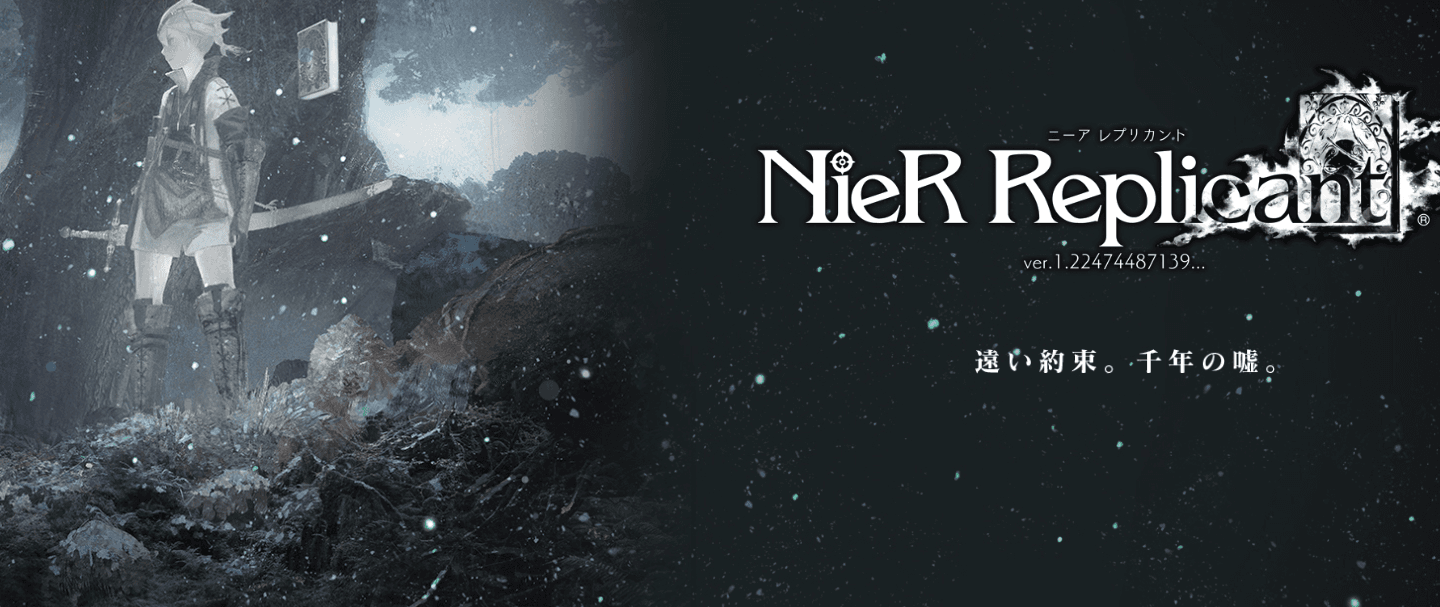
NieR Replicant ver.1.22 upgrades the 2010 original with Automata's combat system and expanded lore content. The multiple playthroughs reveal the story's full moral weight incrementally. GPA scores it close to Automata on Existential Themes, with Emotional Story slightly lower — a starting point for players who want the complete Yoko Taro narrative context.
Tag Similarity
Emotional Story
85%
Story Depth
85%
Anime Characters
60%
Turn-Based
0%
Existential Themes
90%
Graphics
65%
Dystopian Setting
75%
Character Building
0%
Chart tags: Emotional Story / Story Depth / Anime Characters / Turn-Based / Existential Themes / Graphics / Dystopian Setting / Character Building
About "Heaven Burns Red"
▸Game Composition (GPA Analysis)
ヘブンバーンズレッド(ヘブバン) leads with its Turn-Based RPG identity, anchored by the core feel of "Heaven Burns Red's writing density per scene is the highest in the mobile category, following Seraphina and her unit t…." The headline profile reads Emotional Story 95% / Story Depth 95% / Anime Characters 85%, making it a strong pick for fans of Emotional Story and Story Depth. Oriented toward experienced players looking to push their limits.
▸Characteristics & Analysis
Our editorial team scored "ヘブンバーンズレッド(ヘブバン)" by using its feel of popular with women, tear-jerker, and Key×WFS as the primary lens, weighting Emotional Story and Story Depth most heavily. Top similar titles include "ペルソナ3 リロード(Persona 3 Reload)", "ペルソナ5: The Phantom X(P5X)", "ファイアーエムブレム 風花雪月(FE風花雪月)".
Review — Heaven Burns Red: an RPG about spending time with girls who have to fight
Game Overview
Heaven Burns Red is an RPG developed by Wright Flyer Studios and Key, with Jun Maeda serving as the original creator and lead scenario writer. The game takes place on an Earth devastated by mysterious lifeforms known as Cancer. Conventional weapons are useless against them, leaving humanity with only one real means of fighting back: Seraph, a decisive weapon that can be wielded by specially gifted girls.
The protagonist, Ruka Kayamori, leads the 31A unit. But the game isn't simply about sending these girls into battle over and over again.
They also spend time together at their base, walk around the field, talk with each other, and experience ordinary moments between missions. The official description emphasizes this contrast between experiencing irreplaceable everyday life and fighting battles in which their lives are on the line.
GPA reflects that focus very clearly: Emotional Story 95%, Story Depth 95%, Beautiful Female Characters 85%, Turn-Based 80%, and Existential Themes 80%.
Gameplay Analysis
The Contrast Between Daily Life and War
One of the most interesting things about Heaven Burns Red is the contrast between its everyday scenes and its battles.
These girls are supposed to be humanity's last hope. They are fighting an enemy that has already taken most of the planet.
Yet when they are back at the base, they can simply talk, joke around, and spend time together.
That contrast makes the characters feel more human.
During battle, they are soldiers fighting for humanity's survival. Outside battle, they are still young people trying to enjoy whatever normal life they have left.
Because of that, the stakes of the story don't come only from the enemy. They also come from the possibility of losing the people the player has spent time getting to know.
Getting to Know the Characters Is Part of the Experience
Ruka Kayamori is a good example.
She is a talented musician and former guitarist and vocalist of the legendary rock band She is Legend. She also forms a new version of the band with the other members of 31A. The official character profile describes her as cheerful and caring toward her friends.
These details aren't just character-sheet information.
The game gives you time to see how the characters interact, joke, argue, and support each other. As you spend more time with them, the characters become more than units in your party.
This is where the connection between GPA's Emotional Story 95% and Character Growth 75% becomes particularly clear.
You're not simply making your characters stronger.
You're also becoming more invested in them.
Turn-Based Combat Is Built Around Party Coordination
The combat system is command-based and turn-based, with coordination between party members playing an important role. The official site describes it as a command battle where cooperation between allies is key.
That means team composition and timing matter alongside simply having powerful characters.
GPA's Turn-Based 80% reflects this side of the game.
At the same time, its High Difficulty score of 30% shows that extreme mechanical difficulty isn't the main attraction.
Heaven Burns Red is more interested in giving players an RPG system that supports its characters and story than in turning every battle into a demanding test of execution.
The “Last Hope” Setting Gives Ordinary Moments More Weight
The world itself is already on the brink of collapse.
Humanity has lost most of the planet, conventional weapons cannot defeat Cancer, and the girls who can wield Seraph have been gathered together as humanity's final hope.
That makes even small moments at the base feel different.
A conversation isn't happening in a safe, ordinary world. It's happening in a world where everyone knows that their time may be limited.
That tension helps explain GPA's combination of Existential Themes 80%, Dystopian Setting 75%, and Dark 60%.
The characters can be funny and energetic, but the world surrounding them is anything but carefree.
Music Is Part of the Character Experience
Music is another important part of Heaven Burns Red.
Jun Maeda serves as music producer, while the theme and in-game songs include music by Jun Maeda and yanaginagi.
The connection becomes even stronger through She is Legend, the band associated with Ruka and the 31A members.
Music therefore isn't just background decoration. It is tied directly to the identity of the characters and the emotional tone of their everyday lives.
What the GPA Scores Tell Us
The clearest feature of Heaven Burns Red is its focus on story and characters.
Title tendency chart (Heaven Burns Red)
Emotional Story ◀
95%
Story Depth ◀
95%
Beautiful Female Characters ◀
85%
Turn-Based ◀
80%
Existential Themes ◀
80%
Graphics
80%
Dystopian Setting
75%
Character Growth
75%
Visual Novel / ADV
70%
Dark
60%
Multiple Endings
55%
Open World
40%
High Difficulty
30%
* Based on GPA sub-tag scores. Emotional story and story depth are exceptionally high.
Its Beginner score is 50, Intermediate 75, and Advanced 65, suggesting that the game isn't aimed exclusively at hardcore RPG players. Instead, it has a fairly broad range while putting particular emphasis on story and character-driven progression.
The combination of Emotional Story 95% and Story Depth 95% is especially telling.
This isn't an open-world RPG built around freedom, and it isn't a game where mechanical difficulty is the main challenge.
Its core appeal is much simpler:
Spend time with the characters, develop your team, fight together, and see where their story takes them.
Author's Thoughts
What makes Heaven Burns Red interesting is that it doesn't only show girls fighting a war.
It shows them trying to live ordinary lives while knowing that they have been given an extraordinary responsibility.
If the game focused only on fighting Cancer, it could have become a straightforward post-apocalyptic RPG.
Instead, it spends time on conversations, relationships, music, and everyday moments.
Those quieter scenes are what make the battles and dramatic events feel heavier.
From a gameplay perspective, the turn-based combat and character growth work almost like a foundation for the story.
That's why I think Heaven Burns Red is better understood not simply as a game about fighting, but as a game about spending time with people who are forced to fight.
Conclusion
Heaven Burns Red combines a post-apocalyptic setting, turn-based combat, character development, and a heavily story-driven structure.
Its strongest feature is the relationship between the dramatic battles and the ordinary moments between them.
The more time you spend with the characters, the more meaningful those moments become.
If you enjoy RPGs where characters and story matter as much as combat, Heaven Burns Red is a particularly strong fit.
The battles may define the world these characters live in, but the quiet moments between them are what give that world its emotional weight.