ABZÛ puts players inside a vast ocean and asks them to swim. The marine environments draw from Sumerian mythology, with fish schools that respond to movement. The two-hour journey ends with a conclusion that recontextualizes everything before it. GPA scores it high on Emotional Story and Graphics — a spiritual successor to Journey that replaces the desert with the sea.
Game Characteristics
Graphics
85%
Emotional Story
75%
Existential Themes
70%
Co-op
40%
Target Audience
Recommended for: Beginners to Intermediates (scores ≥ 50 indicate a good fit)
Journey sends a robed figure across a desert toward a distant mountain, with no dialogue and no explanation. Strangers encountered online can travel alongside you but cannot speak — only chirp. The two-hour runtime is structured like a piece of music, building to a conclusion that earns its emotional weight. GPA scores it at the top for Emotional Story and Existential Themes — the combination that identifies a game where the experience is the content.
Sky: Children of the Light puts players in a fallen kingdom of clouds, sending them across seven realms to return ancestral spirits to the stars. Communication with other players is limited to gestures and light — no text, no voice. Strangers help each other through darkness without exchanging a single word. From the studio behind Journey, the free-to-play model has driven 260 million downloads. GPA scores it high on Co-op and Emotional Story — the combination that identifies an online game built entirely around kindness as a mechanic.
Spiritfarer runs a ferry for the dead, asking players to fulfill the last wishes of passengers before sending them through. The crafting and cooking systems build the relationship structure. GPA scores it highest on Emotional Story among Slow Life titles — a positioning that sets it apart from purely relaxation-focused games in the same cluster.
Lushfoil Photography Sim removes the horror element from liminal space photography, asking players to frame empty landscapes and buildings through a film camera. The discomfort comes from quiet rather than threat. GPA scores it lower on Horror and higher on Graphics than comparable titles — a positioning that identifies it as an aesthetic experience rather than a survival one.
Firewatch puts Henry in a Wyoming fire lookout tower in 1989, with Delilah on the radio as his only contact. The forest mystery unfolds through radio conversation and first-person exploration across three days. GPA scores it high on Emotional Story and Story Depth — a walking game where the dialogue does the dramatic work that cutscenes would handle in a larger production.
Gensokyo Night Festival walks players through a deserted Japanese town after the festival crowd has gone. The absence of the crowd is more unsettling than any added horror element. GPA scores it high on Dark World and Existential Themes — a purely atmospheric walking experience without conventional gameplay mechanics.
Natsumon: 20th Century Summer Kid sends a boy to his grandparents' countryside home for the summer, filling the days with insect collecting, river swimming, and exploration. The seasonal calendar structures the experience. GPA scores it high on Slow Life and Emotional Story — a positioning that places it in the Summer Vacation simulation genre alongside Yoshi and the Mysterious Book.
Alba: A Wildlife Adventure gives a girl a phone and a Spanish island, asking her to photograph animals and add them to a field guide while fighting a hotel development threatening a nature reserve. The mechanics are light; the environmental message is direct. GPA scores it high on Collection and Slow Life — the Ustwo Games entry most suited to younger players and adults who want a low-pressure open world.
Cozy Grove places a Spirit Scout on a ghost-inhabited island with a daily task structure that limits how much the game can be played each sitting. Spirits reveal new tasks as relationships deepen, and the map slowly fills with color. GPA scores it high on Slow Life and Emotional Story — a life sim designed around the pace of one session per day rather than marathon play.
FAR: Lone Sails crosses a drained seabed in a vehicle requiring fuel, cooling, and sail management. The journey is silent. GPA scores it high on Existential Themes and Dark World.
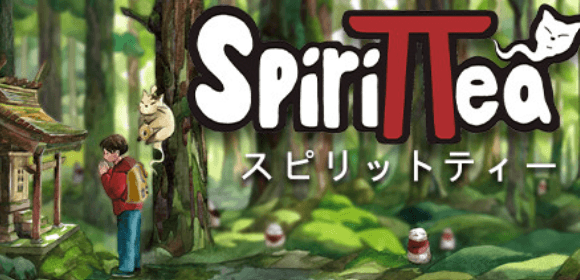
Spirittea runs a bathhouse for spirits in an East Asian village, combining Stardew Valley's social simulation with a ghost-identifying investigation loop. Each spirit has a specific need that unlocks through relationship-building. GPA scores it high on Slow Life and Emotional Story — a combination that places it in the cozy game cluster with additional narrative depth.
Sable gives a young woman a glider and an open desert to cross during her Gliding — a rite-of-passage journey to find identity. GPA scores it high on Existential Themes and Open World.
Stray follows a cat navigating a walled city beneath a dome, with no human population remaining. The movement system maps to feline behavior. GPA scores it high on Existential Themes and Dark World, with Emotional Story above average — a combination that describes a walking game built around atmosphere and a specific viewpoint.
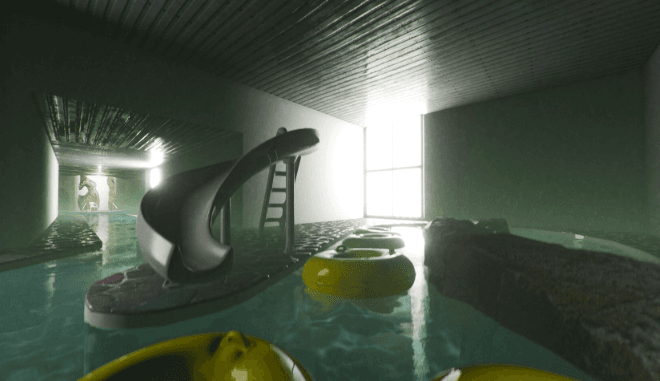
Anemoiapolis recreates malls, pools, and transitional spaces with the visual fidelity to make the emptiness feel accurate rather than digital. The term 'anemoiapolis' describes the game's central emotion: nostalgia for places you have never been. GPA scores it high on Dark World — the combination that places it at the purest end of the liminal space genre.
Superliminal builds its puzzle design around forced perspective — objects appear to resize based on viewing angle, and the game asks players to use this property to navigate. The space gradually becomes architecturally impossible. GPA scores it high on Puzzle and Existential Themes — the combination that identifies a game where the mechanics and the subject matter are the same thing.
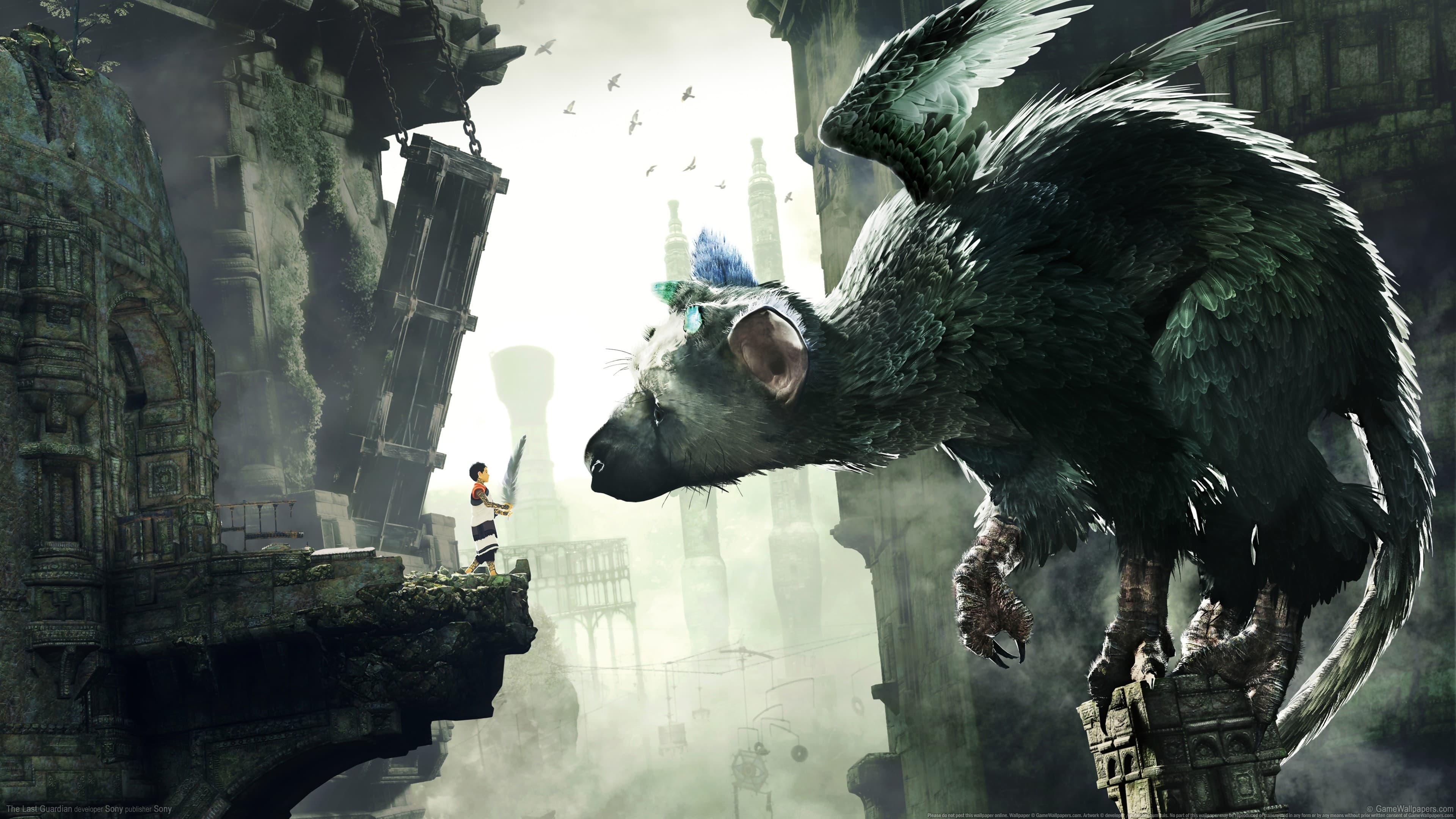
The Last Guardian follows a boy and an enormous creature named Trico through a crumbling ruin, building a relationship through care rather than command. Trico's AI creates unpredictable behavior that makes each interaction feel earned. GPA scores it at the top for Emotional Story — the highest in its genre category — with Dark World reflecting the melancholy that runs through the environmental design.
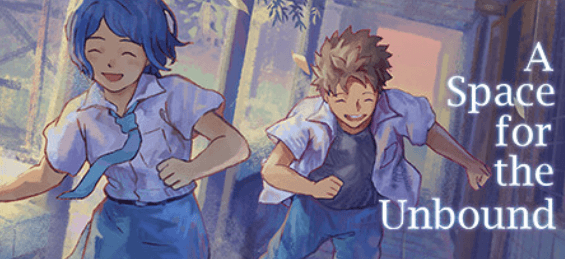
A Space for the Unbound sets its pixel art mystery in 1990s rural Indonesia, following Atma and Rara as their relationship encounters a supernatural threat. The tone holds grief and warmth simultaneously. GPA scores it high on Emotional Story and Text ADV — a combination that places it in the same cluster as Night in the Woods and similar character-driven adventures.
ABZÛ(アブズ) leads with its 海洋探索アドベンチャー identity, anchored by the core feel of "ABZÛ puts players inside a vast ocean and asks them to swim." The headline profile reads Graphics 85% / Emotional Story 75% / Existential Themes 70%, making it a strong pick for fans of Graphics and Emotional Story. Skews toward a beginner-to-intermediate audience while still leaving room for more seasoned players.
▸Characteristics & Analysis
Our editorial team scored "ABZÛ(アブズ)" by using its feel of slow life, relaxing, and 海洋探索 as the primary lens, weighting Graphics and Emotional Story most heavily. Top similar titles include "風ノ旅ビト(Journey)", "Sky 星を紡ぐ子どもたち(Sky: Children of the Light)", "スピリットフェアラー".
ABZÛ
Game Overview
ABZÛ is an underwater exploration adventure developed by Giant Squid Studios. Players take control of a lone diver and descend into a vast ocean filled with colorful marine life, ancient ruins, and mysterious underwater environments.
Rather than focusing on combat or complex puzzles, ABZÛ is built around the simple act of swimming and exploring. Players can move freely through the water, follow schools of fish, discover hidden areas, and gradually uncover the mystery behind the world around them.
The game places a strong emphasis on atmosphere and visual storytelling. Its vibrant underwater environments and orchestral soundtrack create a dreamlike experience, while the story is communicated largely through the environment rather than conventional dialogue.
GPA reflects these strengths with high scores in Graphics (85%), Emotional Story (75%), and Existential Themes (70%).
Gameplay Analysis
The biggest strength of ABZÛ is how effectively it turns swimming itself into the core of the gameplay.
Moving through the ocean feels smooth and natural, and the world constantly gives players reasons to look around. Schools of fish react to the player's movements, while larger creatures such as whales can suddenly appear in the distance. Ancient structures and underwater ruins also encourage players to explore rather than simply follow the main path.
There is very little pressure to rush. Instead of fighting enemies or constantly managing equipment, players can simply stop and observe the environment.
The game also includes a meditation feature that allows players to sit back and observe marine life. It reinforces what ABZÛ is trying to achieve: this is less about overcoming challenges and more about experiencing an underwater world.
That approach makes the game accessible, but it also means that players looking for deep combat, character progression, or challenging puzzles may find the gameplay somewhat limited. Critics have similarly praised its atmosphere and exploration while pointing out its relatively shallow mechanics and short length. Our 30 Cozy & Slow-Life Games list places it in type ④ gentle exploration.
ABZÛ through GPA scores
Title tendency chart (ABZÛ)
Graphics ◀
85%
Emotional Narrative ◀
75%
Existential Themes ◀
70%
Advanced-Friendly
35%
* Based on GPA sub-tag scores. Atmosphere and exploration over combat and progression.
Target player scores (50+ = recommended fit)
Beginner85
Intermediate72
Advanced35
Advanced-friendly 35% is low — players seeking challenge or progression may want elsewhere.
Graphics 85% and Emotional Narrative 75% front-load underwater spectacle and lingering mood. Existential Themes 70% scores environmental storytelling. Advanced-Friendly 35% flags limited appeal for challenge-seeking players.
Author's Thoughts
What stands out most to me is the lack of pressure.
There are no enemies constantly chasing you, no complicated equipment system, and very few moments where the game demands that you perform perfectly. You simply swim, observe the surroundings, and decide where you want to go next.
That makes ABZÛ feel surprisingly close to taking a walk through an underwater world.
The strongest moments come when the scale of the environment suddenly changes. A school of fish may fill the screen, a huge creature may pass nearby, or an ancient structure may emerge from the darkness. These moments work because the game gives the player enough space to simply appreciate them.
At the same time, its short length and limited gameplay variety can be a drawback for players who expect a more traditional adventure game. ABZÛ works best when approached as a focused, atmospheric experience rather than a game built around challenge and progression.
Conclusion
ABZÛ is an atmospheric underwater adventure that makes exploration its main attraction.
Its beautiful environments, fluid swimming, marine life, and music work together to create a relaxing experience that is closer to an interactive journey than a conventional action game.
It's an easy recommendation for players who enjoy atmospheric games such as Journey, relaxing exploration, or games that prioritize visuals and emotional impact over difficulty.
If you're looking for challenging combat or deep progression systems, ABZÛ may feel too simple. But if you want to spend a few hours exploring a beautiful underwater world at your own pace, it's an experience worth diving into.
Q. What platforms?
PlayStation 4, Xbox One, PC (Steam), and Nintendo Switch — released 2016. Check platform badges at the top of this page.