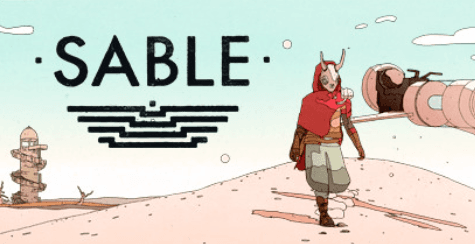
Sable gives a young woman a glider and an open desert to cross during her Gliding — a rite-of-passage journey to find identity. GPA scores it high on Existential Themes and Open World.
Game Characteristics
Open World
75%
Graphics
70%
Existential Themes
65%
Story Depth
60%
Emotional Story
55%
Dystopian Setting
55%
Target Audience
Recommended for: Beginners to Intermediates (scores ≥ 50 indicate a good fit)
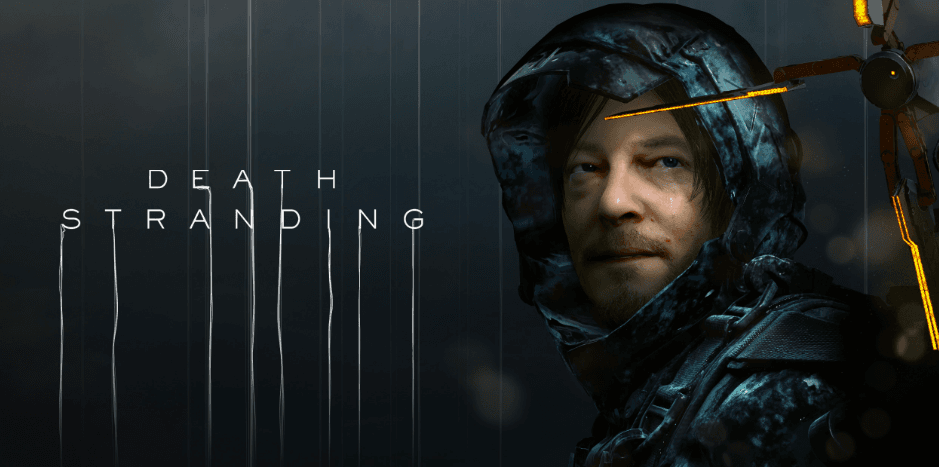
Death Stranding asks players to reconnect a post-apocalyptic America by carrying cargo across difficult terrain. Other players' structures appear in your world. GPA scores it high on Existential Themes and Open World, with the lowest Action score among open-world titles — a combination that accurately identifies who this game is and isn't for.
Tag Similarity
Open World
80%
Graphics
90%
Existential Themes
85%
Story Depth
85%
Emotional Story
80%
Dystopian Setting
80%
Chart tags: Open World / Graphics / Existential Themes / Story Depth / Emotional Story / Dystopian Setting
Death Stranding 2: On the Beach continues Sam Porter Bridges's connecting work in Mexico and Australia. GPA scores it high on Existential Themes and Open World.
Tag Similarity
Open World
85%
Graphics
90%
Existential Themes
80%
Story Depth
80%
Emotional Story
75%
Dystopian Setting
80%
Chart tags: Open World / Graphics / Existential Themes / Story Depth / Emotional Story / Dystopian Setting
Red Dead Redemption follows John Marston across the dying American frontier in 1911, forced by government agents to hunt down his former gang in exchange for his family's freedom. The open world covers the American Southwest and Mexico, with horse travel as the primary pacing mechanism. The Undead Nightmare expansion reframes the same map as a zombie survival scenario. Originally released in 2010, the game reached Switch and PS4 in 2023 and Switch 2, PS5, and Xbox Series in December 2025. GPA scores it high on Emotional Story and Dark World — the prequel to RDR2 that established the series' identity.
Tag Similarity
Open World
85%
Graphics
70%
Existential Themes
70%
Story Depth
85%
Emotional Story
88%
Dystopian Setting
80%
Chart tags: Open World / Graphics / Existential Themes / Story Depth / Emotional Story / Dystopian Setting
Shadow of the Colossus sends Wander across a forbidden land to destroy sixteen colossi — each one a boss fight and a traversal puzzle contained within a single living creature. No enemies exist between encounters, only the landscape and the horse. The 2018 Bluepoint remake rebuilt every asset from scratch while preserving Fumito Ueda's original geometry and pacing. GPA scores it at the top for Emotional Story — the highest among action games — alongside high marks for Existential Themes and Dark World, the three axes that define a game where the act of winning is also the tragedy.
Tag Similarity
Open World
55%
Graphics
85%
Existential Themes
80%
Story Depth
70%
Emotional Story
95%
Dystopian Setting
75%
Chart tags: Open World / Graphics / Existential Themes / Story Depth / Emotional Story / Dystopian Setting
Firewatch puts Henry in a Wyoming fire lookout tower in 1989, with Delilah on the radio as his only contact. The forest mystery unfolds through radio conversation and first-person exploration across three days. GPA scores it high on Emotional Story and Story Depth — a walking game where the dialogue does the dramatic work that cutscenes would handle in a larger production.
Tag Similarity
Open World
0%
Graphics
75%
Existential Themes
65%
Story Depth
75%
Emotional Story
80%
Dystopian Setting
60%
Chart tags: Open World / Graphics / Existential Themes / Story Depth / Emotional Story / Dystopian Setting
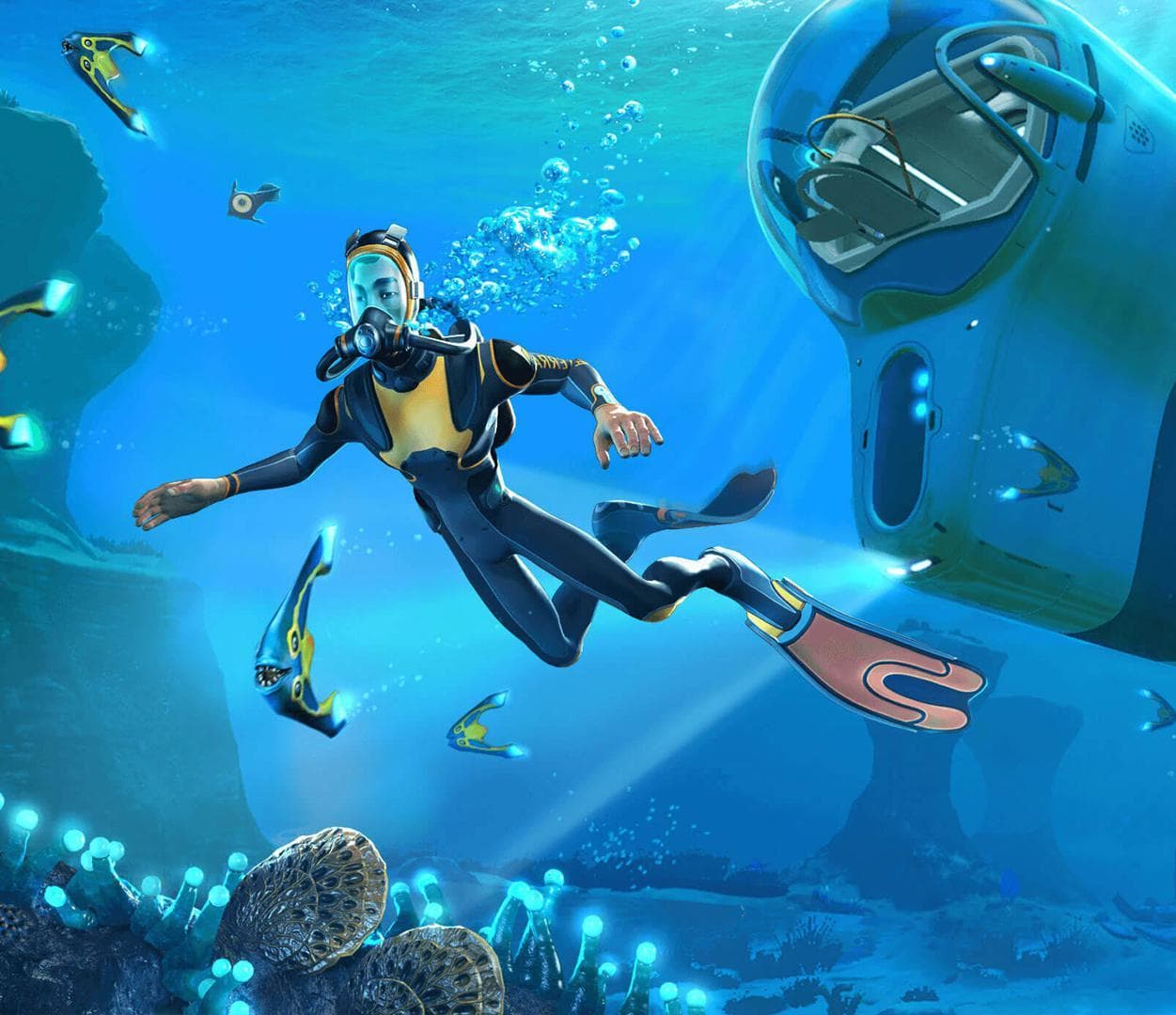
Subnautica builds its survival loop inside a fully aquatic alien ocean. The inventory constraint drives exploration — bigger items require building bases with storage. GPA scores it high on Open World and Craft, with Horror above the average for survival games — the creature design escalates predictably from ambient to threatening.
Tag Similarity
Open World
75%
Graphics
80%
Existential Themes
60%
Story Depth
65%
Emotional Story
65%
Dystopian Setting
55%
Chart tags: Open World / Graphics / Existential Themes / Story Depth / Emotional Story / Dystopian Setting
Stray follows a cat navigating a walled city beneath a dome, with no human population remaining. The movement system maps to feline behavior. GPA scores it high on Existential Themes and Dark World, with Emotional Story above average — a combination that describes a walking game built around atmosphere and a specific viewpoint.
Tag Similarity
Open World
0%
Graphics
90%
Existential Themes
65%
Story Depth
75%
Emotional Story
80%
Dystopian Setting
85%
Chart tags: Open World / Graphics / Existential Themes / Story Depth / Emotional Story / Dystopian Setting
Marvel's Spider-Man 2 plays as Peter Parker and Miles Morales in alternating sections, with Venom and the symbiote system as the central threat. Manhattan traversal is faster than any previous entry. GPA scores it high on Action and Emotional Story — a sequel that deepens the relationship writing more than it changes the combat.
Tag Similarity
Open World
70%
Graphics
95%
Existential Themes
55%
Story Depth
80%
Emotional Story
80%
Dystopian Setting
40%
Chart tags: Open World / Graphics / Existential Themes / Story Depth / Emotional Story / Dystopian Setting
Alba: A Wildlife Adventure gives a girl a phone and a Spanish island, asking her to photograph animals and add them to a field guide while fighting a hotel development threatening a nature reserve. The mechanics are light; the environmental message is direct. GPA scores it high on Collection and Slow Life — the Ustwo Games entry most suited to younger players and adults who want a low-pressure open world.
Tag Similarity
Open World
55%
Graphics
70%
Existential Themes
0%
Story Depth
55%
Emotional Story
60%
Dystopian Setting
0%
Chart tags: Open World / Graphics / Existential Themes / Story Depth / Emotional Story / Dystopian Setting
Sky: Children of the Light puts players in a fallen kingdom of clouds, sending them across seven realms to return ancestral spirits to the stars. Communication with other players is limited to gestures and light — no text, no voice. Strangers help each other through darkness without exchanging a single word. From the studio behind Journey, the free-to-play model has driven 260 million downloads. GPA scores it high on Co-op and Emotional Story — the combination that identifies an online game built entirely around kindness as a mechanic.
Tag Similarity
Open World
60%
Graphics
85%
Existential Themes
75%
Story Depth
55%
Emotional Story
85%
Dystopian Setting
0%
Chart tags: Open World / Graphics / Existential Themes / Story Depth / Emotional Story / Dystopian Setting
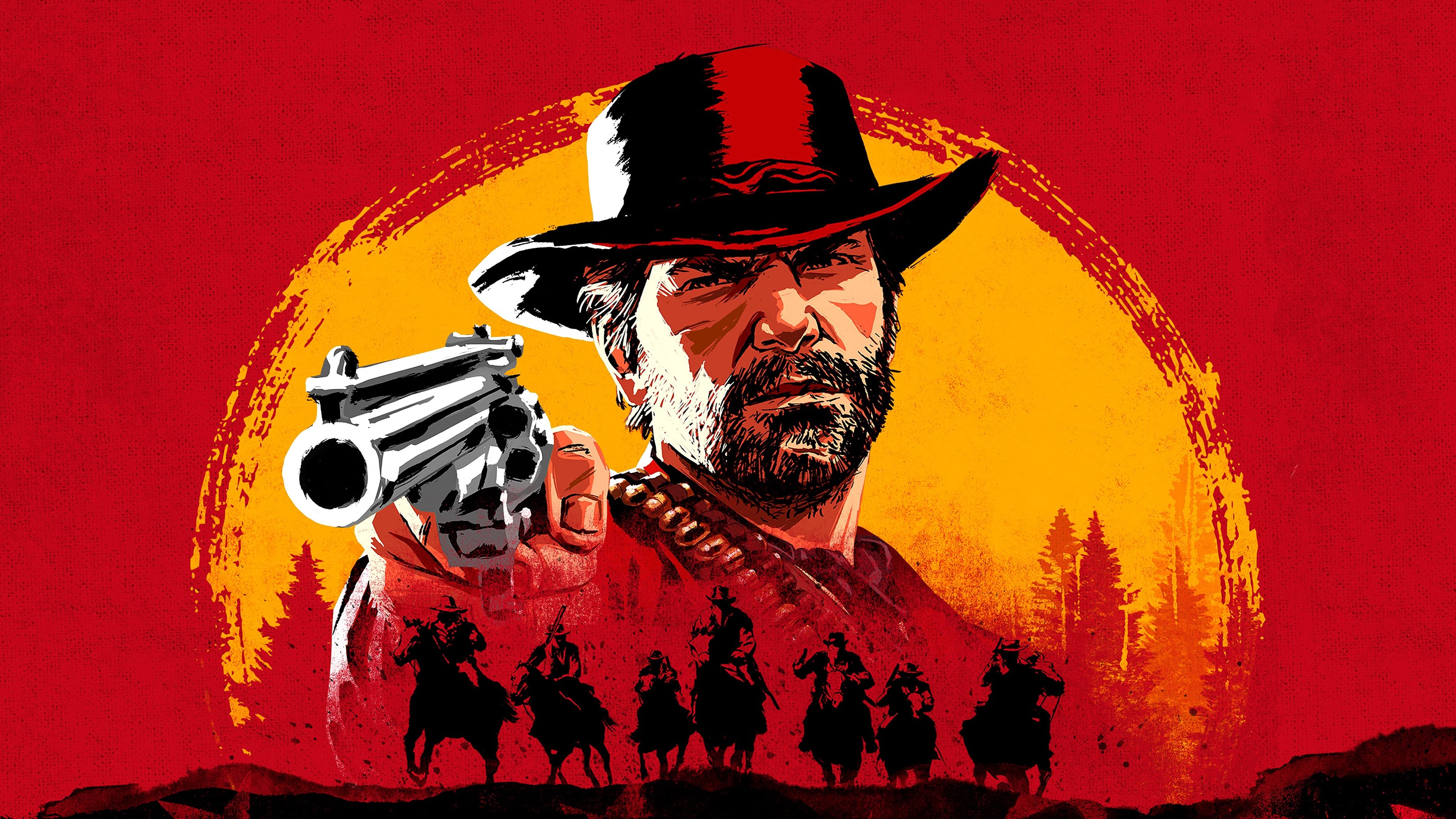
Red Dead Redemption 2 follows Arthur Morgan through the decline of the Van der Linde gang, building the open world of the American frontier with unusual attention to ambient detail. Honor affects dialogue and endings. GPA scores it at the top for Emotional Story and Story Depth among open-world titles — a combination that prioritizes players who want the world to feel inhabited.
Tag Similarity
Open World
90%
Graphics
95%
Existential Themes
0%
Story Depth
95%
Emotional Story
95%
Dystopian Setting
70%
Chart tags: Open World / Graphics / Existential Themes / Story Depth / Emotional Story / Dystopian Setting
DREDGE sends a lone fisherman through an isolated archipelago where the fish are wrong and the nights are dangerous. The Lovecraftian horror escalates through item descriptions and environmental events rather than cutscenes. GPA scores it high on Dark World and Horror — the combination that separates it from other fishing games structurally.
Tag Similarity
Open World
50%
Graphics
60%
Existential Themes
60%
Story Depth
65%
Emotional Story
55%
Dystopian Setting
65%
Chart tags: Open World / Graphics / Existential Themes / Story Depth / Emotional Story / Dystopian Setting
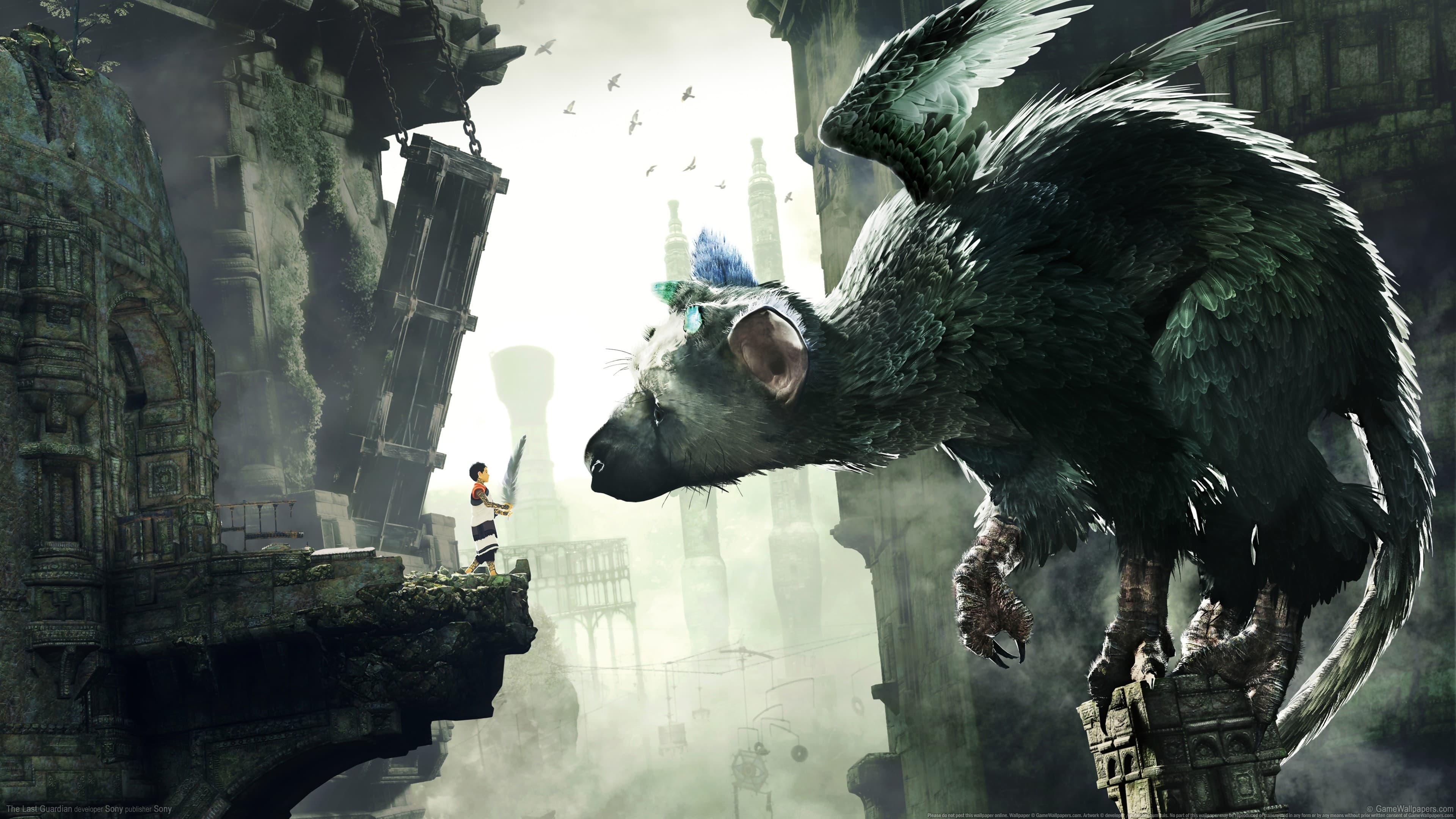
The Last Guardian follows a boy and an enormous creature named Trico through a crumbling ruin, building a relationship through care rather than command. Trico's AI creates unpredictable behavior that makes each interaction feel earned. GPA scores it at the top for Emotional Story — the highest in its genre category — with Dark World reflecting the melancholy that runs through the environmental design.
Tag Similarity
Open World
0%
Graphics
85%
Existential Themes
70%
Story Depth
85%
Emotional Story
95%
Dystopian Setting
75%
Chart tags: Open World / Graphics / Existential Themes / Story Depth / Emotional Story / Dystopian Setting
Ghost of Tsushima hands Jin Sakai a katana and an open version of feudal Japan and largely steps aside. The wind navigation system replaces minimap markers. GPA scores it high on Emotional Story and Dark World, with Open World sitting close behind — a combination that describes an action game built around atmosphere as much as combat.
Tag Similarity
Open World
70%
Graphics
95%
Existential Themes
70%
Story Depth
80%
Emotional Story
75%
Dystopian Setting
50%
Chart tags: Open World / Graphics / Existential Themes / Story Depth / Emotional Story / Dystopian Setting
Yakuza 0 covers the 1988 origins of Kiryu and Majima before the events of the main series, set against the backdrop of the Japanese bubble economy. The dual protagonist structure gives each character a distinct combat style and business management game. GPA scores it high on Emotional Story and Story Depth — the strongest narrative entry point in the series.
Tag Similarity
Open World
40%
Graphics
45%
Existential Themes
55%
Story Depth
70%
Emotional Story
85%
Dystopian Setting
35%
Chart tags: Open World / Graphics / Existential Themes / Story Depth / Emotional Story / Dystopian Setting
Outer Wilds gives players a solar system frozen in a 22-minute time loop and asks them to figure out what happened. No objectives are tracked. The entire mystery is assembled from observation and inference. GPA scores it at 90% for Existential Themes — second only to NieR:Automata — alongside high marks for Puzzle and Emotional Story.
Tag Similarity
Open World
75%
Graphics
70%
Existential Themes
90%
Story Depth
90%
Emotional Story
85%
Dystopian Setting
0%
Chart tags: Open World / Graphics / Existential Themes / Story Depth / Emotional Story / Dystopian Setting
Horizon Forbidden West continues Aloy's investigation into the machine ecosystem collapse across western North America, adding underwater exploration and a wider variety of machine types. GPA scores it high on Open World and Story Depth — a sequel that expands the geographic and narrative scope of Zero Dawn without changing its fundamental design.
Tag Similarity
Open World
85%
Graphics
85%
Existential Themes
60%
Story Depth
80%
Emotional Story
75%
Dystopian Setting
55%
Chart tags: Open World / Graphics / Existential Themes / Story Depth / Emotional Story / Dystopian Setting
About "Sable"
▸Game Composition (GPA Analysis)
Sable(セイブル) leads with its 探索オープンワールド identity, anchored by the core feel of "Sable gives a young woman a glider and an open desert to cross during her Gliding — a rite-of-passage journey to find …." The headline profile reads Open World 75% / Graphics 70% / Existential Themes 65%, making it a strong pick for fans of Open World and Graphics. Skews toward a beginner-to-intermediate audience while still leaving room for more seasoned players.
▸Characteristics & Analysis
Our editorial team scored "Sable(セイブル)" by using its feel of バンド・デシネ風, ホバーバイク探索, and ナウシカ的世界観 as the primary lens, weighting Open World and Graphics most heavily. Top similar titles include "デスストランディング(DEATH STRANDING)", "Death Stranding 2: On the Beach(デス・ストランディング2)", "レッド・デッド・リデンプション(Red Dead Redemption)".
Sable — An Open-World Journey About Finding Your Own Path
Game Overview
Sable is an open-world adventure developed by Shedworks. Set on the desert planet of Midden, it follows a young nomad named Sable as she leaves her tribe to undertake the Gliding, a rite of passage into adulthood.
Sable receives a hoverbike and sets out into the wider world, exploring deserts, ruins, settlements, and the remains of an ancient civilization. What makes Sable unusual is what it leaves out. There is no combat. There are no enemies to defeat, no traditional character levels, and no need to become stronger before taking on the next area. Instead, the game revolves around exploration, climbing, quests, and meeting people along the way.
Sable can earn badges by helping people and completing different tasks, eventually turning those badges into masks representing different professions and roles within Midden's society. The journey is therefore not just about seeing the world. It's also about figuring out what kind of person Sable wants to become. (GameSpot)
GPA currently rates Sable at 75% for Open World, 70% for Graphics, 65% for Existential Themes, 60% for Story Depth, 55% for Emotional Story, and 55% for a Decadent Worldview.
1. An Open World Without Combat
The easiest way to understand Sable is to look at what it refuses to do. There is no combat. In most open-world games, exploration is closely tied to fighting. You discover a new location, encounter enemies, defeat them, collect rewards, and become stronger. Sable removes that entire loop.
Instead, you ride across the desert, climb ruins, investigate strange locations, talk to people, and complete their requests. You don't explore the world because you need to defeat something. You explore it because you're curious about what's there. That gives the open world a very different feeling. The desert isn't a battlefield or a checklist of objectives. It's simply a place to travel through.
2. The Hoverbike Makes Traveling Part of the Gameplay
Sable's hoverbike is one of the most important parts of the experience. Midden is a large world, and the bike lets you cross its dunes quickly. But unlike a conventional fast-travel system, traveling itself is part of the fun. You might see a structure in the distance and decide to ride toward it. You might spot a strange shape on the horizon and investigate. You might simply follow the landscape and see where it takes you.
The idea of riding across the desert was part of the game's concept from an early stage of development, with the hoverbike and a distant landmark forming the basis for the game's exploration. (NME) That is an important distinction. Sable doesn't treat the distance between two objectives as wasted time. The journey between them is the game.
3. Climb, Glide, and Explore
Sable also gives exploration a satisfying physical quality. You can climb many surfaces by managing your stamina, reach high points, and then use the Gliding Stone to gently float back toward the ground. This creates a simple but effective exploration loop. You see a structure. You climb it. You reach the top. You look around. Then you notice something else in the distance. So you head there next.
The comparison to The Legend of Zelda: Breath of the Wild is understandable, particularly because of the climbing and gliding systems. But Sable removes combat almost entirely, placing much more emphasis on the pleasure of simply moving through the world. (PC Gamer)
4. Masks Are About Identity, Not Power
The mask system is one of the most interesting ideas in Sable. Masks represent different professions and roles within the culture of Midden. During her journey, Sable helps people, completes jobs, and earns badges associated with different occupations. Collect enough badges and she can turn them into a corresponding mask.
In a traditional RPG, a mask might simply be another piece of equipment. Here, it means something different. The mask represents a possible future. Do you want to become a merchant? A mechanic? A different kind of professional within your society? The game doesn't force Sable into one predefined identity. Instead, it lets the player explore different possibilities and decide which one feels right. That's why the masks are more than collectibles. They are part of the coming-of-age story at the center of Sable. (GameSpot)
5. There Is No Single Correct Way to Play
Sable gives the player an unusual amount of freedom. Where do you go first? Which people do you help? Which quests do you follow? Which masks do you pursue? How much of the world do you explore? There is no strict order.
The game even allows you to end Sable's Gliding once you have obtained a mask and return to her tribe, rather than requiring you to complete every piece of content. (GameSpot) That structure fits the story perfectly. Sable is trying to figure out what kind of adult she wants to become. The player is doing something similar: deciding what kind of journey they want to have.
6. The Existential Theme Behind the Journey
GPA gives Sable a 65% score for Existential Themes, and that rating comes directly from the game's coming-of-age premise. Sable isn't a chosen hero destined to save the world. She isn't traveling across Midden to defeat a great evil. She's simply leaving home to discover what kind of life she wants.
She meets people. She tries different roles. She sees places she has never seen before. She gradually forms her own idea of who she wants to be. That makes the player's freedom meaningful beyond simple gameplay convenience. The more freely you explore, the more personal Sable's journey becomes.
7. A Beautiful World With a Sense of Loss
GPA also gives Sable a 70% Graphics score and 55% for a Decadent Worldview. Midden is visually striking, with its flat, colorful art style and vast desert landscapes. But beneath that beauty is a world filled with traces of what came before. Ancient ruins. Abandoned technology. The remains of spacecraft. Old structures slowly being swallowed by the desert.
The result is a world that feels both beautiful and strangely lonely. PlayStation's official description highlights the vast desert, spacecraft wreckage, ancient mysteries, nomadic communities, hoverbike exploration, and distinctive art style as major parts of the experience. (PlayStation) Because there is no constant combat, the player has time to actually look at those details.
8. When Doing "Nothing" Becomes the Point
One of the defining characteristics of Sable is how much empty space it allows. You might spend several minutes simply riding through the desert. You might climb a structure just to see the view. You might stop somewhere without having a specific objective. In another game, that could feel like dead time. In Sable, it's part of the experience.
There is little pressure to hurry. No enemy is forcing you forward, and there is no constant stream of objectives demanding your attention. GameSpot described the game as a relaxing adventure built around exploration and player freedom, which captures this design philosophy well. (GameSpot) Sable wants you to set your own pace.
9. What the GPA Scores Tell Us About Sable
GPA score profile (Sable)
Open World ◀
75%
Graphics ◀
70%
Existential Themes ◀
65%
Story Depth
60%
Emotional Story
55%
Decadent Worldview
55%
Open World 75% vs. Story Depth 60% — discover the world to find the story.
The combination of 75% Open World and 60% Story Depth is particularly revealing. Sable isn't an open-world game designed primarily to deliver a tightly structured narrative. Instead, the player discovers the world, meets its inhabitants, completes side stories, and gradually builds a picture of Midden and Sable herself.
The 55% Emotional Story score also reflects the game's tone. This isn't a game built around dramatic twists or tear-jerking moments. Its emotional appeal comes from something quieter: leaving home, meeting strangers, seeing a wider world, and eventually deciding what kind of future you want.
10. Who Should Play Sable?
◎ Players Who Are Likely to Love It
Want an open-world game without combat
Enjoy exploring beautiful environments at their own pace
Like traveling through large worlds on vehicles
Enjoy the exploration side of Breath of the Wild
Like atmospheric games such as Journey or ABZÛ
Prefer freedom over tightly structured objectives
Enjoy coming-of-age stories and themes of self-discovery
Don't need constant combat or character progression
△ Things to Consider
Players who expect an open-world game to revolve around combat, loot, character builds, and increasingly powerful equipment may find Sable unusually quiet. That quietness, however, is exactly the point.
Why Sable Works
Sable is built around a simple idea: what if the journey itself was the reward? You ride across the desert. You discover a ruin. You climb it. You meet someone who needs help. You complete their request. You earn a badge. You obtain a new mask. And then you head somewhere else.
There is no grand combat system pushing you forward. No endless progression treadmill. The motivation comes from curiosity. That makes the game's 75% Open World and 65% Existential Themes scores particularly fitting.
Sable isn't really about conquering Midden. It's about seeing it. And somewhere along the way, deciding who you want to be.