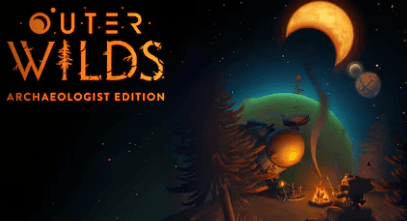
Outer Wilds gives players a solar system frozen in a 22-minute time loop and asks them to figure out what happened. No objectives are tracked. The entire mystery is assembled from observation and inference. GPA scores it at 90% for Existential Themes — second only to NieR:Automata — alongside high marks for Puzzle and Emotional Story.
Game Characteristics
Existential Themes
90%
Story Depth
90%
Emotional Story
85%
Logic
80%
Open World
75%
Graphics
70%
Visual Novel / ADV
60%
Dark
50%
Player profile fit
Recommended for: Intermediate to Advanced players (A score of 50 or higher indicates a good fit.)
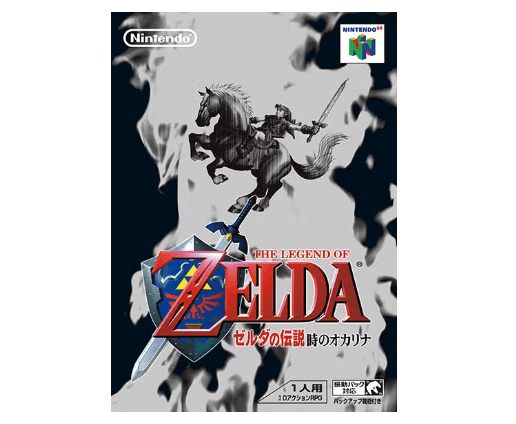
The Legend of Zelda: Ocarina of Time is playable through Nintendo Switch Online's Nintendo Classics catalog. The N64 title established 3D action-adventure design conventions that remain standard. GPA scores it high on Puzzle and Emotional Story — the combination that captures a game remembered for its dungeon design and narrative weight as much as its historical importance.
Tag Similarity
Existential Themes
70%
Story Depth
80%
Emotional Story
80%
Logic
80%
Open World
50%
Graphics
40%
Visual Novel / ADV
20%
Dark
55%
Chart tags: Existential Themes / Story Depth / Emotional Story / Logic / Open World / Graphics / Visual Novel / ADV / Dark
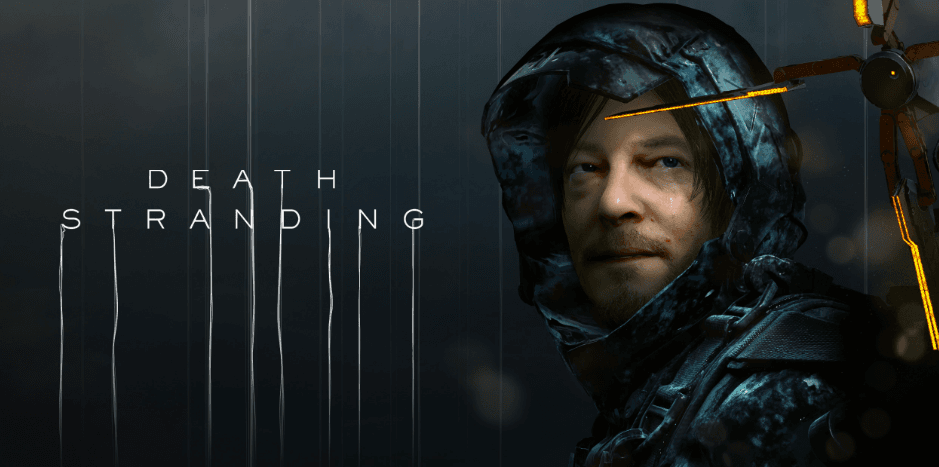
Death Stranding asks players to reconnect a post-apocalyptic America by carrying cargo across difficult terrain. Other players' structures appear in your world. GPA scores it high on Existential Themes and Open World, with the lowest Action score among open-world titles — a combination that accurately identifies who this game is and isn't for.
Tag Similarity
Existential Themes
85%
Story Depth
85%
Emotional Story
80%
Logic
0%
Open World
80%
Graphics
90%
Visual Novel / ADV
45%
Dark
60%
Chart tags: Existential Themes / Story Depth / Emotional Story / Logic / Open World / Graphics / Visual Novel / ADV / Dark
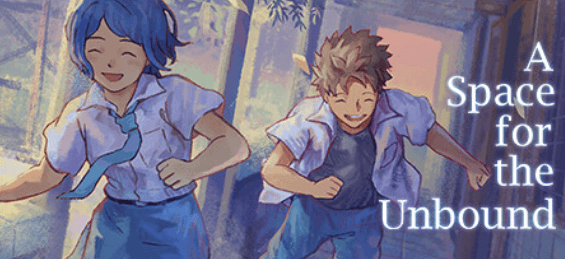
A Space for the Unbound sets its pixel art mystery in 1990s rural Indonesia, following Atma and Rara as their relationship encounters a supernatural threat. The tone holds grief and warmth simultaneously. GPA scores it high on Emotional Story and Text ADV — a combination that places it in the same cluster as Night in the Woods and similar character-driven adventures.
Tag Similarity
Existential Themes
75%
Story Depth
90%
Emotional Story
90%
Logic
30%
Open World
0%
Graphics
75%
Visual Novel / ADV
85%
Dark
50%
Chart tags: Existential Themes / Story Depth / Emotional Story / Logic / Open World / Graphics / Visual Novel / ADV / Dark
Yakuza 0 covers the 1988 origins of Kiryu and Majima before the events of the main series, set against the backdrop of the Japanese bubble economy. The dual protagonist structure gives each character a distinct combat style and business management game. GPA scores it high on Emotional Story and Story Depth — the strongest narrative entry point in the series.
Tag Similarity
Existential Themes
55%
Story Depth
70%
Emotional Story
85%
Logic
20%
Open World
40%
Graphics
45%
Visual Novel / ADV
60%
Dark
50%
Chart tags: Existential Themes / Story Depth / Emotional Story / Logic / Open World / Graphics / Visual Novel / ADV / Dark
Lost Judgment expands the detective framework into a high school setting where Yagami investigates bullying and serial murder simultaneously. The club activity system adds social depth between cases. GPA scores it above Lost Judgment (2018) on Story Depth — the investigation structure and social commentary carry more weight in the sequel.
Tag Similarity
Existential Themes
65%
Story Depth
90%
Emotional Story
70%
Logic
20%
Open World
40%
Graphics
55%
Visual Novel / ADV
65%
Dark
55%
Chart tags: Existential Themes / Story Depth / Emotional Story / Logic / Open World / Graphics / Visual Novel / ADV / Dark
Natsumon: 20th Century Summer Kid sends a boy to his grandparents' countryside home for the summer, filling the days with insect collecting, river swimming, and exploration. The seasonal calendar structures the experience. GPA scores it high on Slow Life and Emotional Story — a positioning that places it in the Summer Vacation simulation genre alongside Yoshi and the Mysterious Book.
Tag Similarity
Existential Themes
40%
Story Depth
60%
Emotional Story
65%
Logic
40%
Open World
40%
Graphics
65%
Visual Novel / ADV
50%
Dark
0%
Chart tags: Existential Themes / Story Depth / Emotional Story / Logic / Open World / Graphics / Visual Novel / ADV / Dark
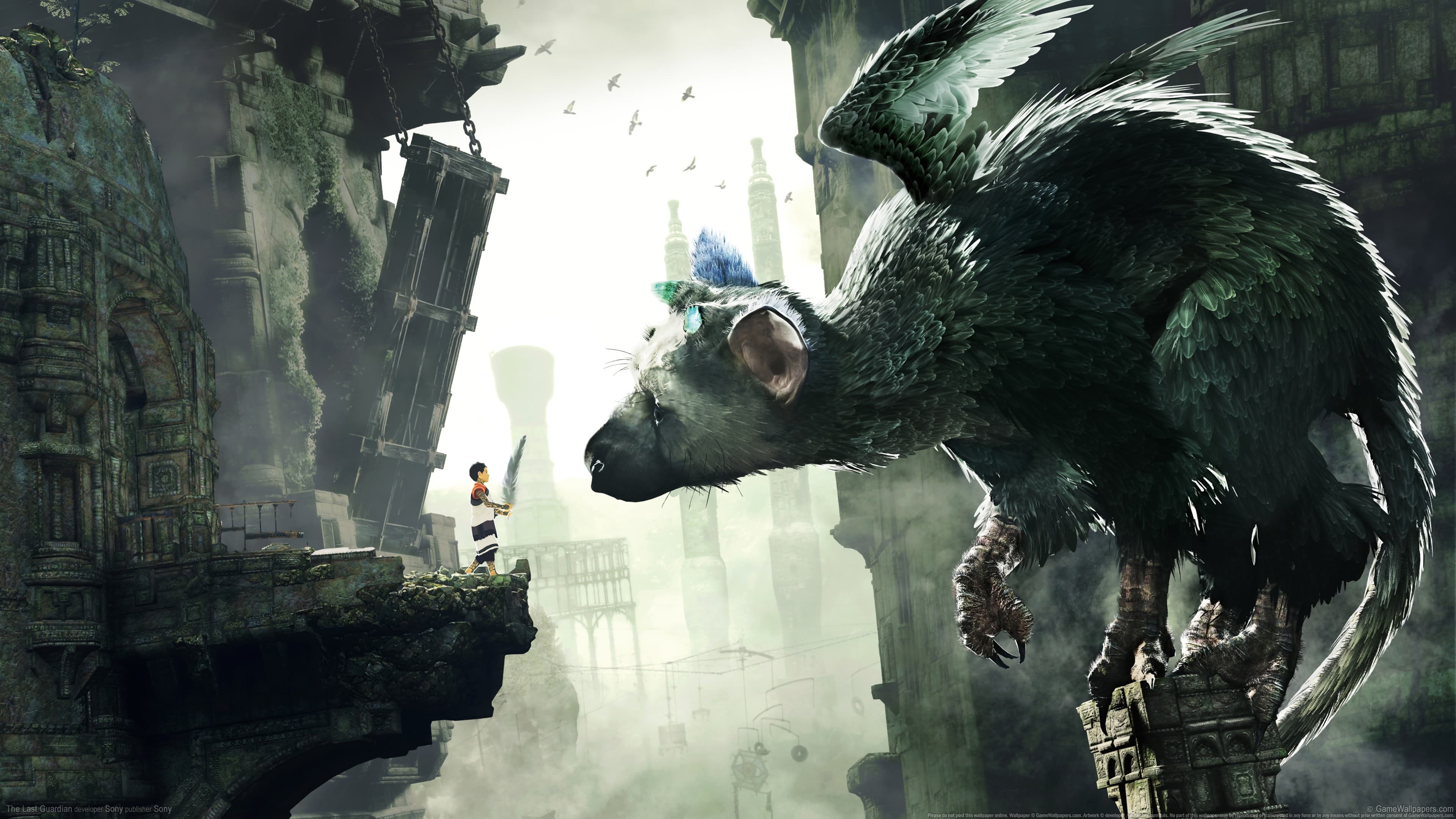
The Last Guardian follows a boy and an enormous creature named Trico through a crumbling ruin, building a relationship through care rather than command. Trico's AI creates unpredictable behavior that makes each interaction feel earned. GPA scores it at the top for Emotional Story — the highest in its genre category — with Dark World reflecting the melancholy that runs through the environmental design.
Tag Similarity
Existential Themes
70%
Story Depth
85%
Emotional Story
95%
Logic
70%
Open World
0%
Graphics
85%
Visual Novel / ADV
0%
Dark
55%
Chart tags: Existential Themes / Story Depth / Emotional Story / Logic / Open World / Graphics / Visual Novel / ADV / Dark
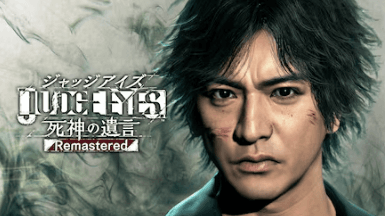
Judgment follows disgraced defense attorney Takayuki Yagami through a Kamurocho murder investigation that ties into a pharmaceutical conspiracy. The detective mechanics — tailing suspects, drone surveillance — add variety to the brawler combat. GPA scores it high on Story Depth and Emotional Story, with Action above average for the narrative-focused positioning.
Tag Similarity
Existential Themes
60%
Story Depth
85%
Emotional Story
70%
Logic
20%
Open World
40%
Graphics
50%
Visual Novel / ADV
60%
Dark
55%
Chart tags: Existential Themes / Story Depth / Emotional Story / Logic / Open World / Graphics / Visual Novel / ADV / Dark
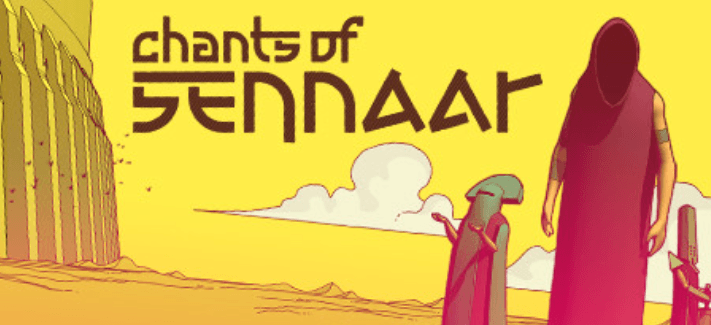
Chants of Sennaar tasks players with deciphering five constructed languages by observing context and testing hypotheses. Each language belongs to a different culture in a tower where communication has broken down. GPA scores it at the top for Puzzle and Existential Themes — the combination that correctly identifies decryption and philosophy as the twin engines of the experience.
Tag Similarity
Existential Themes
60%
Story Depth
70%
Emotional Story
60%
Logic
95%
Open World
0%
Graphics
60%
Visual Novel / ADV
75%
Dark
45%
Chart tags: Existential Themes / Story Depth / Emotional Story / Logic / Open World / Graphics / Visual Novel / ADV / Dark
OneShot tells its player directly that they are the god of this world and Niko is their prophet. GPA scores it high on Existential Themes and Emotional Story.
Tag Similarity
Existential Themes
80%
Story Depth
70%
Emotional Story
75%
Logic
65%
Open World
0%
Graphics
50%
Visual Novel / ADV
65%
Dark
0%
Chart tags: Existential Themes / Story Depth / Emotional Story / Logic / Open World / Graphics / Visual Novel / ADV / Dark
Stray follows a cat navigating a walled city beneath a dome, with no human population remaining. The movement system maps to feline behavior. GPA scores it high on Existential Themes and Dark World, with Emotional Story above average — a combination that describes a walking game built around atmosphere and a specific viewpoint.
Tag Similarity
Existential Themes
65%
Story Depth
75%
Emotional Story
80%
Logic
55%
Open World
0%
Graphics
90%
Visual Novel / ADV
50%
Dark
60%
Chart tags: Existential Themes / Story Depth / Emotional Story / Logic / Open World / Graphics / Visual Novel / ADV / Dark
AI: The Somnium Files tasks detective Kaname Date with solving a murder by entering suspects' dream worlds to retrieve hidden memories. The Somnium sequences operate on surreal logic. GPA scores it at the top for Text ADV and Multiple Endings — the combination that places it alongside Disco Elysium as a game where reading and investigation are the entire experience.
Tag Similarity
Existential Themes
75%
Story Depth
90%
Emotional Story
85%
Logic
65%
Open World
0%
Graphics
70%
Visual Novel / ADV
90%
Dark
65%
Chart tags: Existential Themes / Story Depth / Emotional Story / Logic / Open World / Graphics / Visual Novel / ADV / Dark
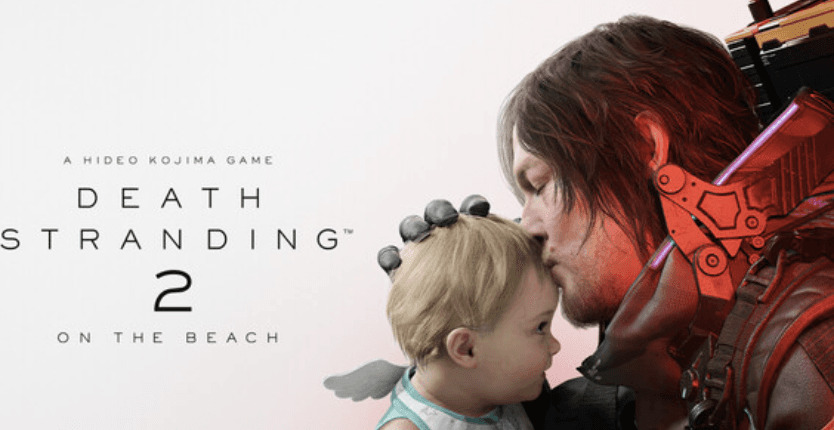
Death Stranding 2: On the Beach continues Sam Porter Bridges's connecting work in Mexico and Australia. GPA scores it high on Existential Themes and Open World.
Tag Similarity
Existential Themes
80%
Story Depth
80%
Emotional Story
75%
Logic
0%
Open World
85%
Graphics
90%
Visual Novel / ADV
45%
Dark
55%
Chart tags: Existential Themes / Story Depth / Emotional Story / Logic / Open World / Graphics / Visual Novel / ADV / Dark
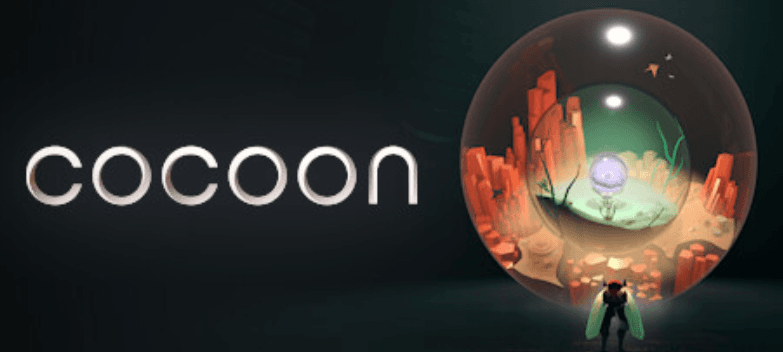
COCOON gives players nested worlds that can be carried as orbs and inserted into each other. The puzzle design scales in complexity without a single line of text. GPA scores it at the top for Puzzle — the highest in the database for the puzzle-only category — with Existential Themes above average for a wordless game.
Tag Similarity
Existential Themes
50%
Story Depth
60%
Emotional Story
60%
Logic
95%
Open World
0%
Graphics
85%
Visual Novel / ADV
0%
Dark
0%
Chart tags: Existential Themes / Story Depth / Emotional Story / Logic / Open World / Graphics / Visual Novel / ADV / Dark
A Plague Tale: Requiem continues Amicia and Hugo's escape across 14th-century France, with rat swarms used as environmental obstacles and threats. The sibling relationship drives the emotional weight. GPA scores it high on Emotional Story and Dark World — the combination that positions it as a story-driven action game rather than a survival horror title.
Tag Similarity
Existential Themes
60%
Story Depth
85%
Emotional Story
90%
Logic
30%
Open World
0%
Graphics
90%
Visual Novel / ADV
50%
Dark
65%
Chart tags: Existential Themes / Story Depth / Emotional Story / Logic / Open World / Graphics / Visual Novel / ADV / Dark
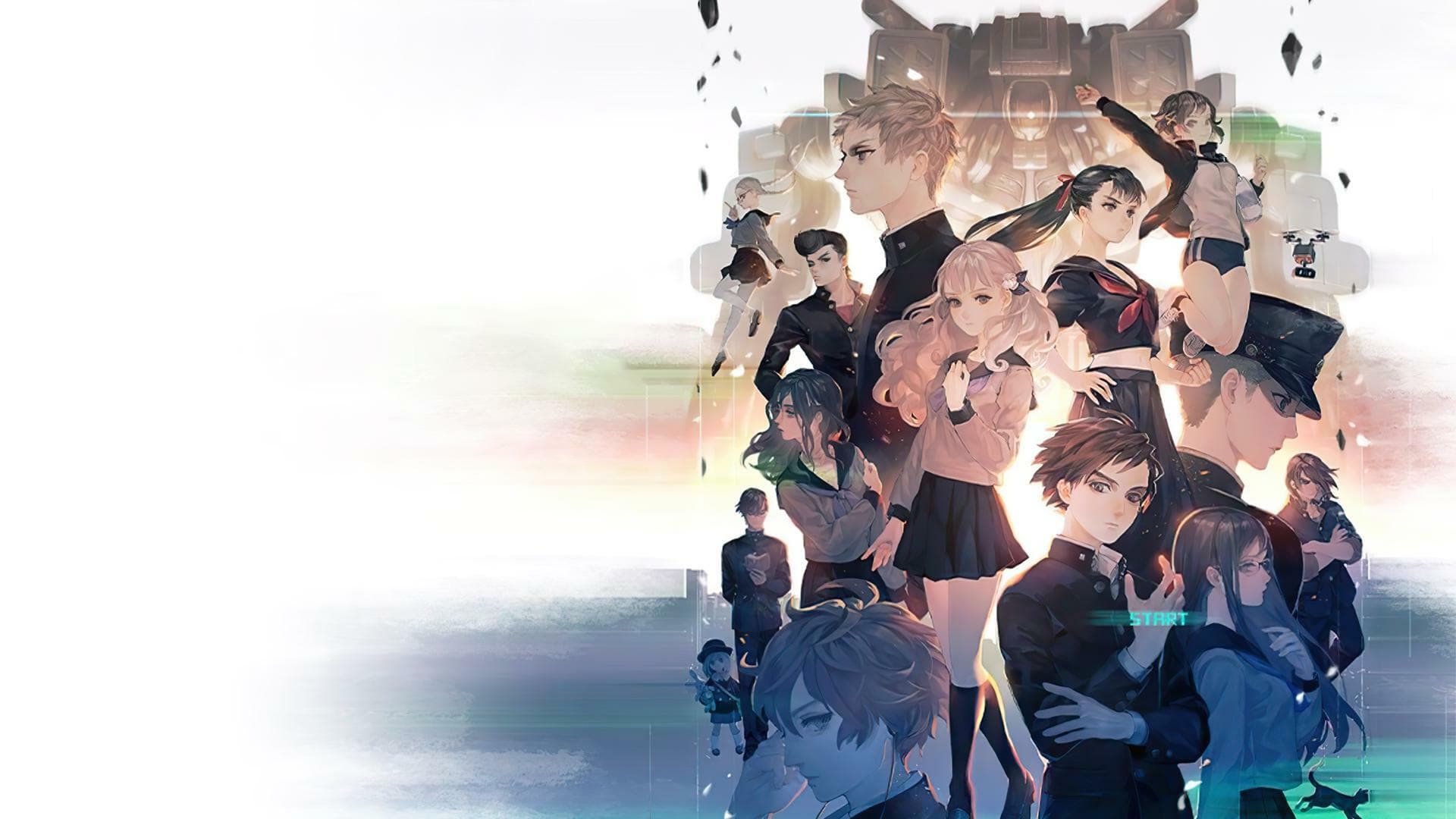
Atlus's 13 Sentinels: Aegis Rim tells a mystery across 13 protagonists in 2180 Japan, assembling the full picture from fragments that arrive out of order. The RTS mech battles are secondary to the visual novel sections. GPA scores it at the top for Story Depth and Text ADV — the combination that identifies it as primarily a reading experience with strategy attached.
Tag Similarity
Existential Themes
80%
Story Depth
95%
Emotional Story
95%
Logic
0%
Open World
0%
Graphics
75%
Visual Novel / ADV
85%
Dark
60%
Chart tags: Existential Themes / Story Depth / Emotional Story / Logic / Open World / Graphics / Visual Novel / ADV / Dark
DREDGE sends a lone fisherman through an isolated archipelago where the fish are wrong and the nights are dangerous. The Lovecraftian horror escalates through item descriptions and environmental events rather than cutscenes. GPA scores it high on Dark World and Horror — the combination that separates it from other fishing games structurally.
Tag Similarity
Existential Themes
60%
Story Depth
65%
Emotional Story
55%
Logic
50%
Open World
50%
Graphics
60%
Visual Novel / ADV
50%
Dark
60%
Chart tags: Existential Themes / Story Depth / Emotional Story / Logic / Open World / Graphics / Visual Novel / ADV / Dark
About "Outer Wilds"
▸Game Composition (GPA Analysis)
アウターワイルズ(Outer Wilds) leads with its Adventure identity, anchored by the core feel of "Outer Wilds gives players a solar system frozen in a 22-minute time loop and asks them to figure out what happened." The headline profile reads Existential Themes 90% / Story Depth 90% / Emotional Story 85%, making it a strong pick for fans of Existential Themes and Story Depth. Oriented toward experienced players looking to push their limits.
▸Characteristics & Analysis
Our editorial team scored "アウターワイルズ(Outer Wilds)" by using its feel of time loop, space exploration, and 知識が攻略 as the primary lens, weighting Existential Themes and Story Depth most heavily. Top similar titles include "ゼルダの伝説 時のオカリナ(Nintendo64)", "デスストランディング(DEATH STRANDING)", "A Space for the Unbound(心に吹く花)".
Review — Outer Wilds: a mystery game where knowledge is your progression
Game Overview
Outer Wilds is an adventure game set in a small solar system trapped in a 22-minute time loop.
You play as the newest member of Outer Wilds Ventures, a fledgling space program investigating a strange solar system.
You can fly to different planets and moons, explore ancient ruins, investigate strange phenomena, and search for clues.
But unlike most adventure games, Outer Wilds doesn't constantly tell you where to go next.
Why is the solar system trapped in a time loop?
Who were the Nomai, the ancient civilization that once explored this system?
What happened to them?
And what exactly is happening to the player?
You have to find the questions yourself, then investigate them.
When the 22 minutes are over, the loop resets.
But one thing remains: your knowledge.
You don't gain experience levels or unlock increasingly powerful equipment.
Instead, you understand the world better. And that understanding allows you to do things you couldn't do before.
Mobius Digital describes Outer Wilds as an open-world mystery set in a solar system trapped in an endless time loop.
Gameplay Analysis
Your Knowledge Is Your Progression
This is what makes Outer Wilds fundamentally different from most adventure games.
In a conventional game, progression usually comes from things like:
Better weapons.
New abilities.
Higher levels.
New equipment.
Outer Wilds doesn't rely on those systems.
Instead, progression comes from understanding.
You learn how a particular location works.
You discover that two seemingly unrelated clues are connected.
You realize that a certain location can only be reached at a particular point in the loop.
That knowledge changes what you can do.
Once you understand the solution, you don't need the game to give your character a new ability. You already have the ability because you now know what to do.
The developers have explicitly described progression in Outer Wilds as being limited by the player's knowledge.
The 22-Minute Loop Changes How You Explore
The time loop isn't simply a reset button.
The solar system itself changes as time passes.
Sand moves between planets.
Structures collapse.
Certain areas become accessible or inaccessible depending on when you arrive.
That means exploration isn't only about deciding where to go. You also need to decide when to go there.
The PlayStation Blog explains how the 22-minute loop causes locations to change dramatically over time, creating different opportunities for exploration during each cycle.
Eventually, you start planning your trips differently.
Maybe you should visit one planet early in the loop.
Maybe another location is easier to explore later.
Instead of simply following a checklist, you're learning the behavior of an entire solar system.
The Universe Doesn't Wait for You
Another important aspect of Outer Wilds is that the world doesn't revolve around the player.
The planets continue moving.
Time keeps passing.
Environmental events happen whether you're watching them or not.
Mobius Digital specifically described its goal as creating a world that doesn't revolve around the player — a solar system that continues to exist whether you're there or not.
This makes the world feel less like a collection of levels and more like a functioning system.
You aren't entering a stage when you arrive at a planet. You're arriving at a place that was already changing.
The Story Is Hidden Inside the Clues
The story isn't presented as one continuous sequence of cutscenes.
Instead, you discover fragments of information while exploring.
Ancient Nomai writings reveal pieces of the past.
One clue may seem meaningless on its own.
Then you discover another piece of information somewhere else.
Suddenly, the two connect.
Mobius Digital has explained that the information scattered throughout the game was deliberately designed to connect with other clues and hidden locations.
This is why the game's 90% Story Depth and 80% Logic scores fit so well.
You're not simply reading the story. You're reconstructing it.
Solving the Puzzle and Understanding the Story Are the Same Thing
In many games, puzzles and narrative are separate systems. You solve a puzzle, then watch a cutscene.
In Outer Wilds, those two things are closely connected.
You might wonder: “How do I get into this location?”
The answer can also reveal: “Why was this location built?”
Which can lead to: “What happened to the people who built it?”
And that can lead to an even larger question about the entire solar system.
The solution to a puzzle isn't just a mechanical reward. It's another piece of the story.
The moment when you finally understand something can be more satisfying than receiving a new item.
A Huge Universe and a Very Small Player
Despite giving you freedom to explore an entire solar system, Outer Wilds never makes you feel especially powerful.
The environment can kill you.
Space itself is dangerous.
Flying the ship takes practice.
Entering an unfamiliar location can be frightening because you don't know what will happen.
That creates an interesting contrast:
You have enormous freedom to explore, but very little control over the universe itself.
This helps explain the game's 90% GPA score for Existential Themes.
The game's questions aren't only about science-fiction mysteries. They also touch on what it means to exist in a universe much larger than yourself, to search for knowledge, and to face things you cannot simply overcome through strength.
What the GPA Scores Tell Us
The current GPA scores are:
Title tendency chart (Outer Wilds)
Existential Themes ◀
90%
Story Depth ◀
90%
Emotional Story ◀
85%
Logic ◀
80%
Open World
75%
Graphics
70%
Visual Novel / ADV
60%
Dark
50%
* Based on GPA sub-tag scores. Existential themes, story, and knowledge-based progression dominate.
The pattern is very clear.
The game's strongest areas are existential themes, story, emotion, and logical deduction.
Its Open World score is still high at 75%, but the open world itself isn't the main attraction.
The important part is what you discover inside it.
That's also why the GPA audience scores are stronger for Intermediate players at 70% and Advanced players at 65% than for Beginners at 45%.
The challenge isn't primarily about difficult controls. It's about figuring things out without being given the answers.
Author's Thoughts
What makes Outer Wilds so interesting is how radically it changes the idea of progression.
In most games, your character becomes stronger.
In Outer Wilds, you don't.
Instead, you become more knowledgeable.
A location that seemed meaningless suddenly makes sense.
A place you couldn't reach before becomes accessible because you understand how it works.
An event that once seemed random becomes predictable because you finally understand why it happens.
The character hasn't changed. You have.
That's a surprisingly powerful feeling.
And when several clues finally connect, the reward isn't a new weapon or ability.
It's the realization that you've figured something out.
That is what makes Outer Wilds so satisfying.
Conclusion
Outer Wilds is an adventure game about exploring a solar system trapped in a 22-minute time loop and uncovering the mysteries hidden within it.
Its defining mechanic is simple but unusual: knowledge is progression.
The planets change over time.
Ancient records reveal fragments of a larger story.
Clues connect across different locations, and the player gradually builds an understanding of how the entire system works.
The GPA scores reflect that design, with 90% for Existential Themes, 90% for Story Depth, 85% for Emotional Story, and 80% for Logic.
You don't become stronger. You become more informed.
You don't unlock the next part of the game. You understand how to reach it.
That is the core idea that makes Outer Wilds such a distinctive adventure.