Nightdive Studios' remake of the 1994 original rebuilds Citadel Station with modern visuals while preserving SHODAN's malevolent AI personality and the game's nonlinear station traversal. BioShock, Deus Ex, and Prey all credit this series as a foundational influence. Switch 2, PS4/5, Xbox, PC. GPA scores it high on Existential Themes and Dark World — the source code for a genre.
Tag Similarity
Action
72%
Dystopian Setting
82%
Dark
72%
Horror
65%
High Difficulty
68%
Logic
0%
Existential Themes
78%
Graphics
70%
Chart tags: Action / Dystopian Setting / Dark / Horror / High Difficulty / Logic / Existential Themes / Graphics
Shinji Mikami's return to survival horror sends detective Sebastian Castellanos through a nightmarish asylum that shifts and distorts around him. Ammunition is scarce; Ruvik is relentless. The game self-consciously reconstructs the RE4 structure through a psychological horror lens. GPA scores it high on Horror and Dark World — a statement from the creator of Resident Evil about what survival horror still means.
Tag Similarity
Action
65%
Dystopian Setting
88%
Dark
85%
Horror
85%
High Difficulty
70%
Logic
0%
Existential Themes
60%
Graphics
70%
Chart tags: Action / Dystopian Setting / Dark / Horror / High Difficulty / Logic / Existential Themes / Graphics
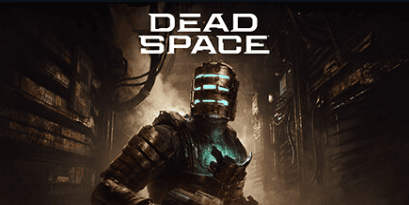
EA Motive rebuilt the 2008 original from scratch in Frostbite, adding seamless transitions between all sections of the Ishimura without loading screens. Isaac Clarke gains a voice. The dismemberment system and vacuum sections survive intact. GPA scores it high on Horror and Dark World — the sci-fi survival horror remake that raised the production floor for the genre.
Tag Similarity
Action
70%
Dystopian Setting
85%
Dark
85%
Horror
90%
High Difficulty
70%
Logic
0%
Existential Themes
60%
Graphics
88%
Chart tags: Action / Dystopian Setting / Dark / Horror / High Difficulty / Logic / Existential Themes / Graphics
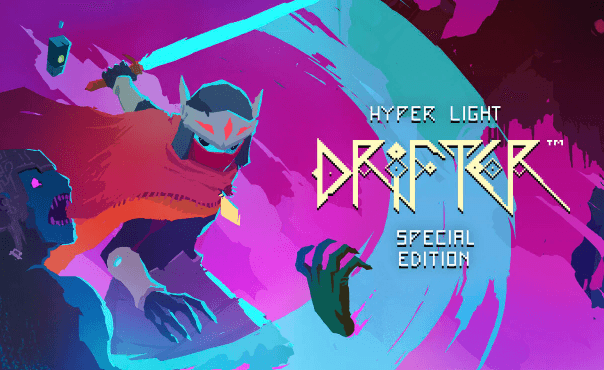
Hyper Light Drifter pushes a terminally ill Drifter through a ruined world, conveying the narrative entirely through visuals without dialogue. GPA scores it high on Action and Dark World.
Tag Similarity
Action
80%
Dystopian Setting
80%
Dark
60%
Horror
0%
High Difficulty
75%
Logic
0%
Existential Themes
70%
Graphics
75%
Chart tags: Action / Dystopian Setting / Dark / Horror / High Difficulty / Logic / Existential Themes / Graphics
Lost in Vivo chases a dog into a drainage system that extends far beyond what the surface implies. The Silent Hill influence runs through the enemy design and audio. GPA scores it high on Horror and Dark World — freeware horror that applies Konami-era survival horror logic to a constricted underground environment.
Tag Similarity
Action
55%
Dystopian Setting
85%
Dark
75%
Horror
80%
High Difficulty
55%
Logic
0%
Existential Themes
60%
Graphics
40%
Chart tags: Action / Dystopian Setting / Dark / Horror / High Difficulty / Logic / Existential Themes / Graphics
Hollow Knight: Silksong is the highly anticipated epic sequel to the critically acclaimed metroidvania Hollow Knight. Developed by Team Cherry, the game puts players in control of Hornet, the sharp-witted princess and protector of Hallownest, who has been captured and brought to Pharloom—a vast, unfamiliar kingdom ruled by silk and song. Players must ascend through a hauntingly beautiful, completely new world, utilizing Hornet's agile, acrobat-like combat style, crafting deadly traps, and uncovering the ancient secrets of the citadel at the peak.
Tag Similarity
Action
85%
Dystopian Setting
75%
Dark
65%
Horror
0%
High Difficulty
85%
Logic
55%
Existential Themes
60%
Graphics
80%
Chart tags: Action / Dystopian Setting / Dark / Horror / High Difficulty / Logic / Existential Themes / Graphics
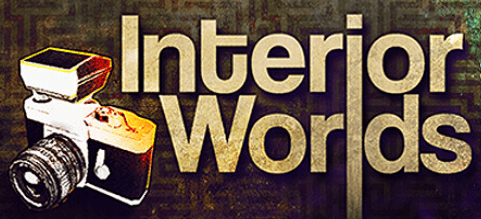
Interior Worlds sends players through unlit rooms with only a flash camera for visibility. Each press of the shutter illuminates the space for a fraction of a second. GPA scores it high on Horror and Dark World — the mechanic makes darkness the primary material.
Tag Similarity
Action
0%
Dystopian Setting
80%
Dark
85%
Horror
85%
High Difficulty
0%
Logic
55%
Existential Themes
65%
Graphics
70%
Chart tags: Action / Dystopian Setting / Dark / Horror / High Difficulty / Logic / Existential Themes / Graphics
Blasphemous builds its Metroidvania around Catholic iconography from Andalusia — self-flagellation, penitence, and martyrdom rendered as both enemy design and narrative structure. The Penitent One's pixel art and the brutal parry-timing combat made it a standout. Switch, PS4, Xbox, PC. GPA scores it high on Dark World and Action — the Metroidvania with the most distinctive thematic identity in the genre.
Tag Similarity
Action
78%
Dystopian Setting
90%
Dark
85%
Horror
0%
High Difficulty
80%
Logic
0%
Existential Themes
65%
Graphics
72%
Chart tags: Action / Dystopian Setting / Dark / Horror / High Difficulty / Logic / Existential Themes / Graphics
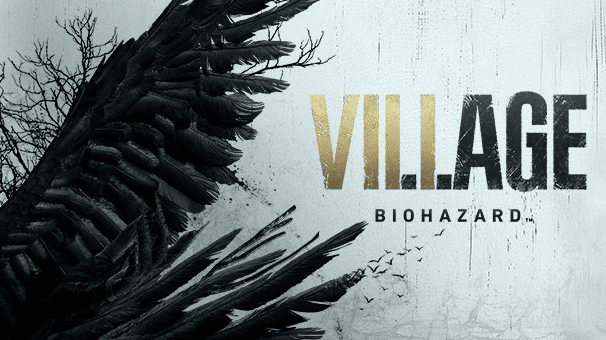
Resident Evil Village follows Ethan Winters to a European village and a castle owned by Lady Dimitrescu. The horror atmosphere gives way to action in the second half. GPA scores it high on Horror and Action, with Story Depth above the series average — the expanded cast and lore push the narrative weight higher than Village's predecessors.
Tag Similarity
Action
80%
Dystopian Setting
75%
Dark
65%
Horror
80%
High Difficulty
65%
Logic
35%
Existential Themes
50%
Graphics
85%
Chart tags: Action / Dystopian Setting / Dark / Horror / High Difficulty / Logic / Existential Themes / Graphics
Silent Hill 2 Remake rebuilds the 2001 psychological horror classic with full 3D traversal and over-the-shoulder combat while preserving the fog-dense town of Silent Hill and James Sunderland's fragmented guilt. GPA scores it high on Horror and Dark World — the combination that defines survival horror at its most psychologically deliberate.
Tag Similarity
Action
60%
Dystopian Setting
90%
Dark
85%
Horror
90%
High Difficulty
75%
Logic
50%
Existential Themes
85%
Graphics
80%
Chart tags: Action / Dystopian Setting / Dark / Horror / High Difficulty / Logic / Existential Themes / Graphics
The Stigmatized Property drops players into a Tokyo apartment building with a history of fatal incidents. Chilla's Art's signature found footage aesthetic and abrupt pacing create tension through restraint rather than spectacle. GPA scores it high on Horror and Dark World — the combination that defines the Japanese indie horror genre's most prolific studio.
Tag Similarity
Action
20%
Dystopian Setting
40%
Dark
40%
Horror
80%
High Difficulty
30%
Logic
75%
Existential Themes
55%
Graphics
25%
Chart tags: Action / Dystopian Setting / Dark / Horror / High Difficulty / Logic / Existential Themes / Graphics
The Night Way Home sends Rina home from school through a route that shifts into something else. Chilla's Art's survival elements appear here earlier in the catalog. GPA scores it high on Horror and Dark World — the liminal commute setting that has become the studio's most recurring horror context.
Tag Similarity
Action
50%
Dystopian Setting
75%
Dark
70%
Horror
80%
High Difficulty
0%
Logic
0%
Existential Themes
55%
Graphics
45%
Chart tags: Action / Dystopian Setting / Dark / Horror / High Difficulty / Logic / Existential Themes / Graphics
Metroid Dread returns the series to 2D after 19 years, sending Samus to planet ZDR to investigate a rogue EMMI robot. The stealth sequences against the indestructible EMMI units create a distinct tension layer on top of the Metroidvania exploration. GPA scores it high on Action and Difficulty — the combination that defines the series at its most mechanically demanding.
Tag Similarity
Action
85%
Dystopian Setting
50%
Dark
40%
Horror
55%
High Difficulty
80%
Logic
30%
Existential Themes
55%
Graphics
80%
Chart tags: Action / Dystopian Setting / Dark / Horror / High Difficulty / Logic / Existential Themes / Graphics
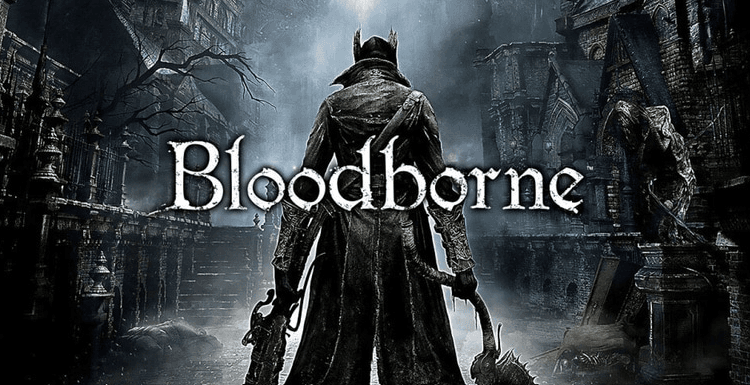
Bloodborne moves through Gothic Victorian streets and cosmic horror architecture with an aggressive combat system that punishes defensive play. The Rally mechanic returns health through attacking immediately after taking damage. GPA scores it at the top for Dark World and near the top for Difficulty — the Action score is higher than Dark Souls entries, reflecting the faster combat tempo.
Tag Similarity
Action
90%
Dystopian Setting
95%
Dark
90%
Horror
85%
High Difficulty
95%
Logic
0%
Existential Themes
80%
Graphics
85%
Chart tags: Action / Dystopian Setting / Dark / Horror / High Difficulty / Logic / Existential Themes / Graphics
Infinitum loops players through suburban residential environments where nothing happens — until the repetition itself becomes the horror. The flag collection that enables escape requires attention to what hasn't changed. GPA scores it high on Dark World and Puzzle — a game where boredom is used as a controlled design element.
Tag Similarity
Action
0%
Dystopian Setting
80%
Dark
70%
Horror
75%
High Difficulty
0%
Logic
65%
Existential Themes
70%
Graphics
60%
Chart tags: Action / Dystopian Setting / Dark / Horror / High Difficulty / Logic / Existential Themes / Graphics
Hide or Die runs co-op survival against a slasher threat in maps designed around collective resource management under pressure. GPA scores it high on Co-op and Horror.
Tag Similarity
Action
60%
Dystopian Setting
60%
Dark
65%
Horror
75%
High Difficulty
55%
Logic
0%
Existential Themes
0%
Graphics
50%
Chart tags: Action / Dystopian Setting / Dark / Horror / High Difficulty / Logic / Existential Themes / Graphics
Control sends Jesse Faden into the Federal Bureau of Control's headquarters, a brutalist building that reorganizes itself. The environmental storytelling runs through case files and audio logs. GPA scores it high on Existential Themes and Dark World, with Action above average — a positioning that describes a game where the world-building is the primary draw alongside the telekinetic combat.
Tag Similarity
Action
80%
Dystopian Setting
80%
Dark
65%
Horror
55%
High Difficulty
60%
Logic
35%
Existential Themes
70%
Graphics
85%
Chart tags: Action / Dystopian Setting / Dark / Horror / High Difficulty / Logic / Existential Themes / Graphics
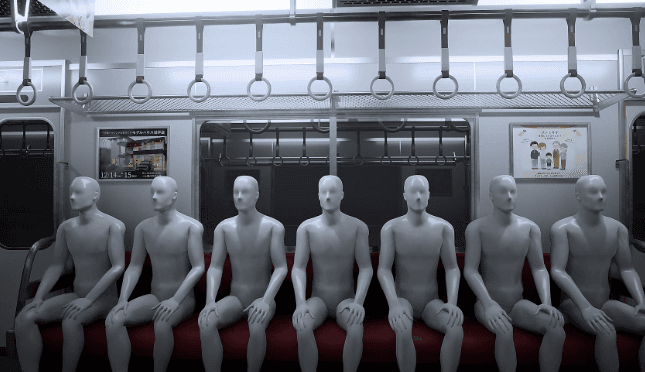
The Platform 8 traps players on a commuter train that never arrives, applying the anomaly detection mechanic from Exit 8 to a moving environment. GPA scores it high on Horror and Puzzle.
Tag Similarity
Action
0%
Dystopian Setting
80%
Dark
70%
Horror
80%
High Difficulty
0%
Logic
80%
Existential Themes
65%
Graphics
70%
Chart tags: Action / Dystopian Setting / Dark / Horror / High Difficulty / Logic / Existential Themes / Graphics
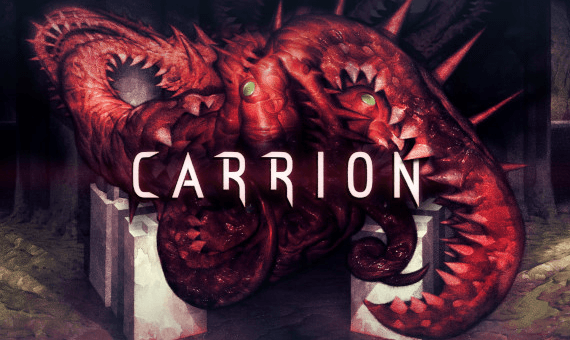
About "CARRION"
▸Game Composition (GPA Analysis)
CARRION(キャリオン) leads with its 逆ホラーメトロイドヴァニア identity, anchored by the core feel of "CARRION plays as the monster escaping a research facility using a tentacle physics system." The headline profile reads Action 80% / Dystopian Setting 70% / Dark 70%, making it a strong pick for fans of Action and Dystopian Setting. Oriented toward experienced players looking to push their limits.
▸Characteristics & Analysis
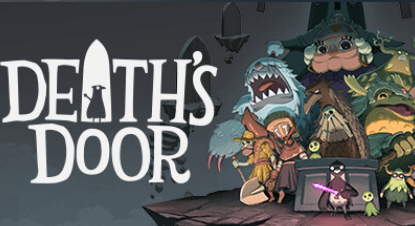
Our editorial team scored "CARRION(キャリオン)" by using its feel of indie, 触手モンスター操作, and metroidvania as the primary lens, weighting Action and Dystopian Setting most heavily. Top similar titles include "Inside(インサイド)", "Death's Door(デスズドア)", "システムショック(System Shock)リメイク".
CARRION Analysis — The Horror Game Where You Are the Monster
Overview
CARRION is a reverse-horror Metroidvania in which you play as an amorphous creature imprisoned inside an underground research facility.
There is no helpless survivor here.
You are the thing people are afraid of.
Instead of hiding from monsters, the player stalks researchers and soldiers, consumes them, grows in size, unlocks new abilities, and tears the facility apart while searching for a way out.
That simple reversal is the foundation of CARRION's entire design.
Turning the Horror Inside Out
Most horror games are built around a familiar relationship: the player is vulnerable, while the monster has the power.
CARRION flips that relationship.
Instead of wondering what might be hiding in the darkness, you are the thing hiding in the darkness.
You can watch human enemies from behind walls, reach out with your tentacles, drag them into the shadows, and consume them.
The question is no longer, “What is going to attack me?”
It becomes, “How am I going to hunt them?”
That distinction gives CARRION a very different kind of horror experience.
GPA gives the game an 80% Action score, its highest rating, which fits the game's emphasis on active movement, combat, and creature control.
When the Monster's Body Becomes the Gameplay
The creature's body is more than a visual gimmick.
Its tentacles can grab objects and enemies, squeeze through tight spaces, and move through ventilation systems. The player's movement constantly reinforces the idea that this is an unnatural, shapeless organism rather than a conventional character.
That is one of the game's smartest design choices.
The creature's identity is communicated through the controls themselves.
Moving through narrow passages doesn't simply show you that the monster is strange. You physically feel its strange anatomy as you play.
The result is a rare case where character design and gameplay mechanics are almost inseparable.
Eating Is Progression
CARRION also ties its progression system directly to the creature's behavior.
The monster consumes humans, gains biomass, grows, and eventually acquires new abilities. Those abilities open up new routes through the facility and allow the creature to reach previously inaccessible areas. (Steam Store)
In a conventional action game, defeating an enemy might give you experience points or an item.
Here, eating the enemy is the progression system.
That makes the game's grotesque premise mechanically meaningful rather than purely cosmetic.
The more monstrous you become, the more capable you become.
A Metroidvania Built Around a Monster
Underneath its reverse-horror premise, CARRION is also a Metroidvania.
New abilities allow you to revisit earlier areas and discover paths that were previously inaccessible.
The research facility therefore works as both a setting and a giant interconnected puzzle.
GPA gives the game a 55% Intelligence score, reflecting this combination of exploration, ability-based progression, and environmental problem-solving.
The player is constantly making small decisions:
Where can this new ability take me?
Was there an area I couldn't reach earlier?
Should I return to an older section of the facility?
But CARRION never loses sight of its action-game identity. With an 80% Action score, movement and combat remain central to the experience.
Pixel Art That Makes the Creature Feel Alive
CARRION's visual identity is equally distinctive.
The creature is an unsettling mass of flesh, eyes, mouths, and tentacles, rendered in pixel art rather than realistic 3D graphics.
Despite the deliberately low-resolution presentation, the creature's animation is remarkably fluid.
Tentacles twist around corners, the body changes shape, and the monster squeezes through spaces that a human character could never navigate.
GPA gives the game's Graphics a 50% score, which is relatively moderate compared with its Action and Worldbuilding scores.
That makes sense when considering what CARRION is trying to achieve.
It isn't competing on visual fidelity. Its strength lies in using pixel art and animation to create a creature that feels constantly alive and physically unpredictable.
Becoming the Source of Fear
Perhaps the most satisfying part of CARRION is the gradual shift in power.
At the beginning, the creature is trapped.
As it feeds and gains abilities, however, the balance of power changes. Eventually, the facility that once contained the monster starts to feel like its hunting ground.
This is where the reverse-horror concept really pays off.
The player isn't simply surviving horror.
The player is becoming the horror.
GPA rates the game at 65% Horror and 70% Dark, suggesting that its atmosphere remains firmly rooted in horror while giving the player considerably more agency than a traditional horror protagonist.
GPA Analysis
Title tendency chart (CARRION)
Action ◀
80%
Decadent Worldview ◀
70%
Dark ◀
70%
Horror ◀
65%
High Difficulty
60%
Intelligence
55%
Existential Themes
50%
Graphics
50%
* Based on GPA sub-tag scores. Reverse horror and tentacle Metroidvania design.
The most important combination is 80% Action × 65% Horror.
CARRION isn't simply a scary game with a monster protagonist. It takes the basic structure of horror and turns it into an action system.
The player becomes the pursuer rather than the victim.
GPA also ranks Inside as one of CARRION's closest matches, with a 79% similarity score. Both games share oppressive environments, dark visual storytelling, and a strong reliance on atmosphere rather than exposition.
But their perspectives are fundamentally different.
In Inside, you are a vulnerable figure trying to survive an oppressive world.
In CARRION, you are the thing the world is trying to contain.
That reversal is what makes CARRION more than just another 2D horror game. It is a game built around the simple but powerful idea of letting the player experience horror from the other side.