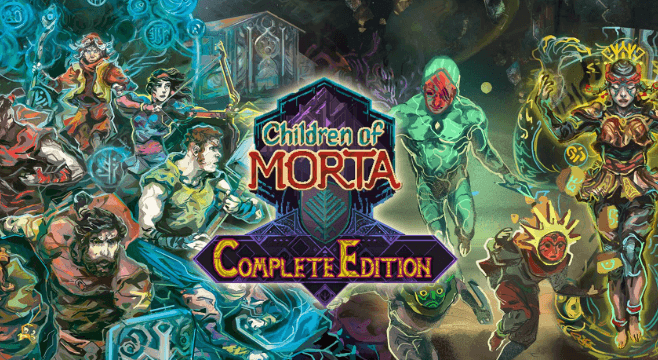
Children of Morta sends a family through procedurally generated dungeons with story advancing through a shared camp. GPA scores it high on Roguelike and Co-op.
Game Characteristics
Roguelike
80%
Action
75%
Emotional Story
70%
Character Building
70%
Story Depth
65%
Graphics
65%
Co-op
60%
Dystopian Setting
55%
Player profile fit
Recommended for: Beginner to Advanced players (A score of 50 or higher indicates a good fit.)
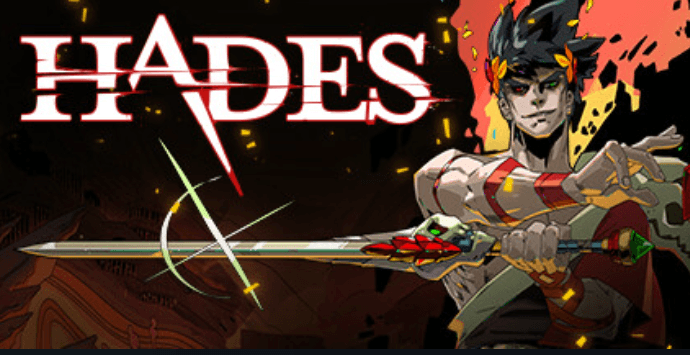
Hades follows Zagreus through escape attempts from the underworld where story advances regardless of success or failure. GPA scores it at the top for Roguelike and high on Action, with Emotional Story above 70.
Tag Similarity
Roguelike
90%
Action
85%
Emotional Story
70%
Character Building
0%
Story Depth
70%
Graphics
75%
Co-op
0%
Dystopian Setting
0%
Chart tags: Roguelike / Action / Emotional Story / Character Building / Story Depth / Graphics / Co-op / Dystopian Setting
Hyrule Warriors: Age of Calamity covers the events 100 years before Breath of the Wild, placing the Divine Beast Champions in mass combat scenarios. The story fills in the gaps the memory system only hinted at. GPA scores it high on Action and Co-op — the musou entry built specifically for players who wanted the BotW prequel made playable.
Tag Similarity
Roguelike
0%
Action
80%
Emotional Story
60%
Character Building
45%
Story Depth
60%
Graphics
70%
Co-op
65%
Dystopian Setting
0%
Chart tags: Roguelike / Action / Emotional Story / Character Building / Story Depth / Graphics / Co-op / Dystopian Setting
Warframe has evolved continuously since 2013, adding open-world zones, a full narrative, and hundreds of Warframe loadout combinations. The free-to-play model is the least intrusive in its category. GPA scores it high on Action and Co-op — a positioning that describes an endgame-focused shooter where the community knowledge base is as deep as the game itself.
Tag Similarity
Roguelike
40%
Action
85%
Emotional Story
50%
Character Building
90%
Story Depth
55%
Graphics
80%
Co-op
80%
Dystopian Setting
50%
Chart tags: Roguelike / Action / Emotional Story / Character Building / Story Depth / Graphics / Co-op / Dystopian Setting
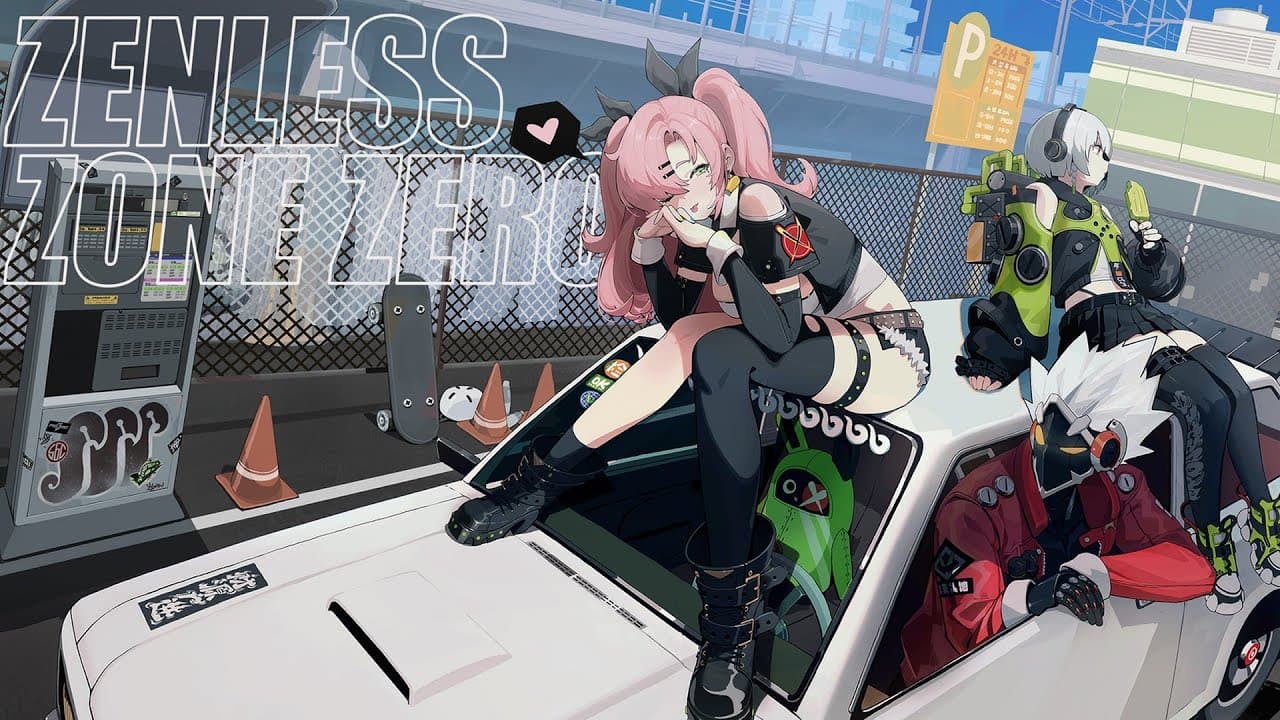
Zenless Zone Zero sets a character-action RPG in the Hollow-infested city of New Eridu, where anomalous phenomena require specialized agents to navigate. GPA scores it high on Action and Graphics — a HoYoverse title built around the studio's highest action-game benchmark.
Tag Similarity
Roguelike
0%
Action
80%
Emotional Story
70%
Character Building
85%
Story Depth
75%
Graphics
80%
Co-op
50%
Dystopian Setting
65%
Chart tags: Roguelike / Action / Emotional Story / Character Building / Story Depth / Graphics / Co-op / Dystopian Setting
Destiny 2 structures its cooperative shooter around a seasonal story model, with each season adding a narrative chapter and new activities. The gunplay remains the benchmark for the loot-shooter genre. GPA scores it high on Co-op and Action, with a lower Story Depth score reflecting the seasonal delivery format.
Tag Similarity
Roguelike
30%
Action
85%
Emotional Story
50%
Character Building
70%
Story Depth
50%
Graphics
85%
Co-op
85%
Dystopian Setting
0%
Chart tags: Roguelike / Action / Emotional Story / Character Building / Story Depth / Graphics / Co-op / Dystopian Setting
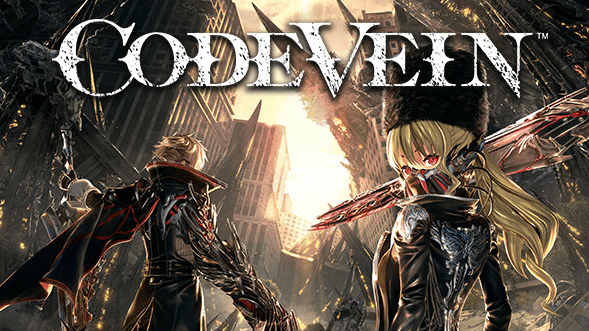
Code Vein wraps Dark Souls-style stamina combat in anime aesthetics and a vampire mythology, with an AI companion system that scales difficulty based on whether players use it. Bandai Namco Studios. PS4, Xbox One, PC. GPA scores it high on Action and Dark World — the Soulslike entry point for players drawn to JRPG aesthetics who find FromSoftware's minimalism unwelcoming.
Tag Similarity
Roguelike
0%
Action
75%
Emotional Story
60%
Character Building
65%
Story Depth
65%
Graphics
68%
Co-op
60%
Dystopian Setting
75%
Chart tags: Roguelike / Action / Emotional Story / Character Building / Story Depth / Graphics / Co-op / Dystopian Setting
Hyrule Warriors: Age of Calamity blends the rich lore and breathtaking world of The Legend of Zelda: Breath of the Wild with the fast-paced, hack-and-slash action of Omega Force’s Musou series. Serving as a dramatic prequel set 100 years before the events of Breath of the Wild, the game allows players to control Link, Zelda, the four Champions, and other allies in large-scale battles against the armies of Calamity Ganon. It offers a tactical, narrative-driven experience that details the tragic struggle to save the kingdom of Hyrule.
Tag Similarity
Roguelike
0%
Action
75%
Emotional Story
60%
Character Building
40%
Story Depth
55%
Graphics
60%
Co-op
60%
Dystopian Setting
0%
Chart tags: Roguelike / Action / Emotional Story / Character Building / Story Depth / Graphics / Co-op / Dystopian Setting
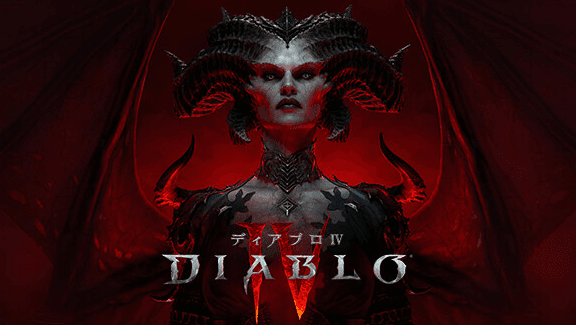
Diablo IV returns to a darker visual register than Diablo III, adding open-world zones and a Paragon board for endgame build development. The five classes play substantially differently. GPA scores it high on Co-op and Action, with Dark World above average — the combination that describes the cooperative loot loop more precisely than genre alone.
Tag Similarity
Roguelike
50%
Action
85%
Emotional Story
55%
Character Building
90%
Story Depth
60%
Graphics
85%
Co-op
0%
Dystopian Setting
65%
Chart tags: Roguelike / Action / Emotional Story / Character Building / Story Depth / Graphics / Co-op / Dystopian Setting
Dave the Diver splits its day between underwater diving for ingredients and nighttime sushi restaurant management. The two halves share an economy. GPA scores it high on Collection and Slow Life — a positioning that describes an experience built around routine, not urgency.
Tag Similarity
Roguelike
0%
Action
60%
Emotional Story
60%
Character Building
70%
Story Depth
60%
Graphics
70%
Co-op
0%
Dystopian Setting
30%
Chart tags: Roguelike / Action / Emotional Story / Character Building / Story Depth / Graphics / Co-op / Dystopian Setting
Granblue Fantasy: Relink adapts the Granblue Fantasy world into an action RPG with a 4-player co-op quest structure. The character roster draws from the mobile game's extended cast. GPA scores it high on Action and Co-op — a single-player and multiplayer hybrid that serves both fan service and genre-competent action in parallel.
Tag Similarity
Roguelike
0%
Action
85%
Emotional Story
60%
Character Building
70%
Story Depth
60%
Graphics
85%
Co-op
85%
Dystopian Setting
0%
Chart tags: Roguelike / Action / Emotional Story / Character Building / Story Depth / Graphics / Co-op / Dystopian Setting
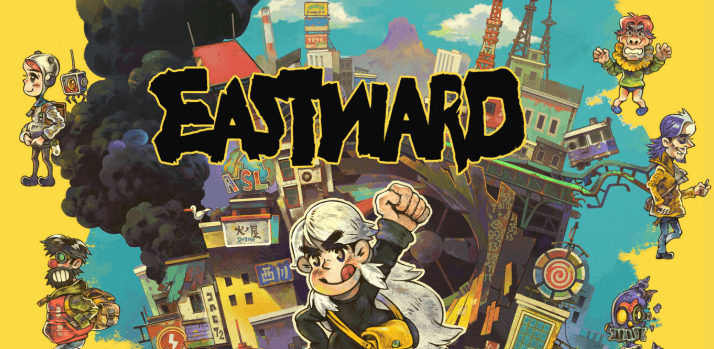
Eastward follows a father and daughter from an underground colony through hand-drawn pixel art environments. GPA scores it high on Emotional Story and Graphics.
Tag Similarity
Roguelike
0%
Action
65%
Emotional Story
70%
Character Building
0%
Story Depth
70%
Graphics
80%
Co-op
0%
Dystopian Setting
70%
Chart tags: Roguelike / Action / Emotional Story / Character Building / Story Depth / Graphics / Co-op / Dystopian Setting
Titanfall 2 combines wall-running pilot mobility with Titan mech combat in a single-player campaign widely considered among the best FPS stories made, alongside one of the most creative single levels in game design. The predecessor to Apex Legends. Respawn Entertainment, EA. PS4, Xbox One, PC. GPA scores it at the top for Action — the FPS that proved movement system design could be as distinctive as weapon design.
Tag Similarity
Roguelike
0%
Action
92%
Emotional Story
72%
Character Building
0%
Story Depth
72%
Graphics
72%
Co-op
60%
Dystopian Setting
0%
Chart tags: Roguelike / Action / Emotional Story / Character Building / Story Depth / Graphics / Co-op / Dystopian Setting
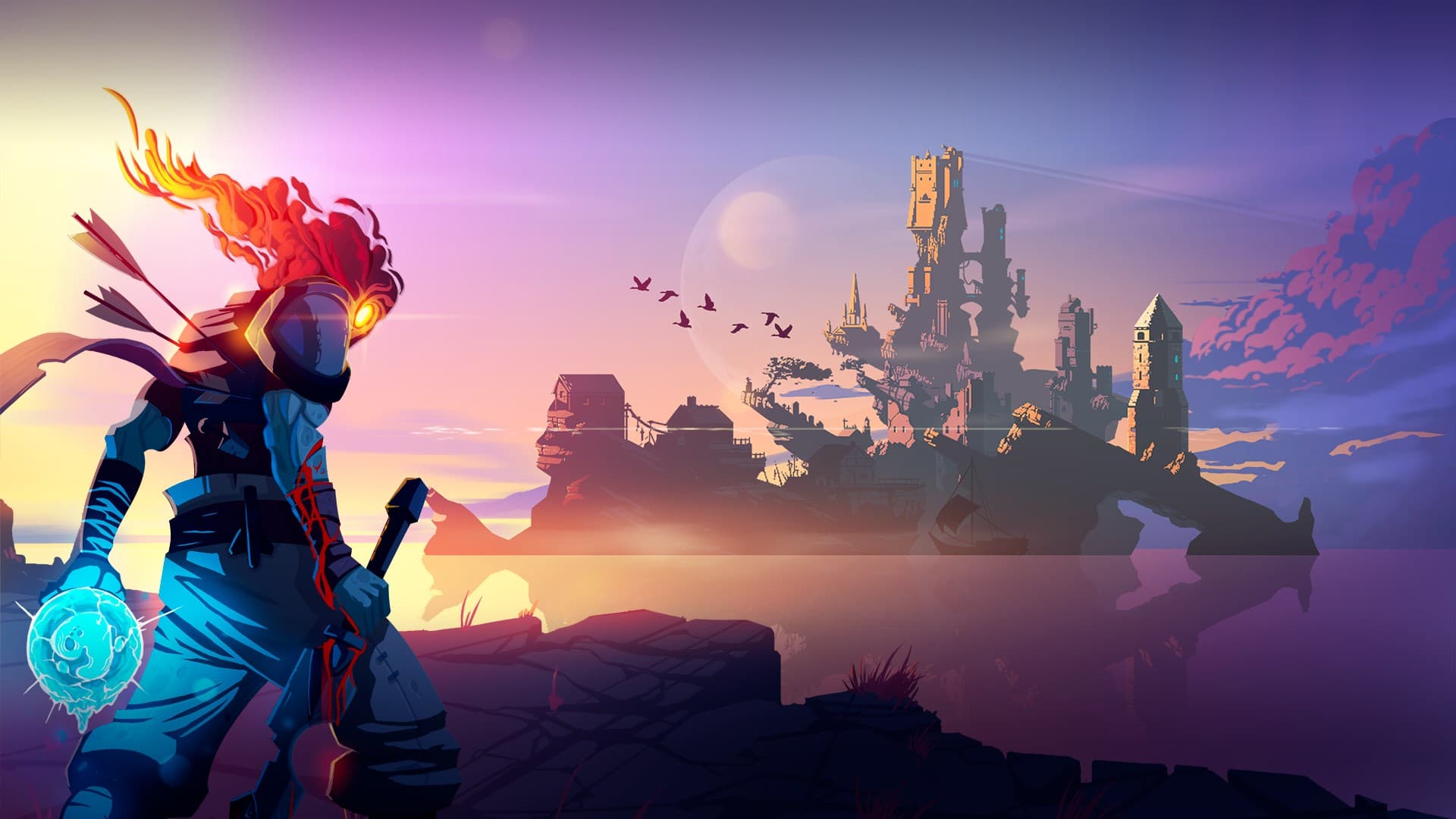
Dead Cells runs a roguelite loop through a plague-infested island, with weapon synergies that change substantially between runs. The movement speed and parry windows sit at the aggressive end of the genre. GPA scores it at the top for Roguelike and Action among 2D titles — a pairing that favors players who want mechanical depth over narrative.
Tag Similarity
Roguelike
90%
Action
90%
Emotional Story
0%
Character Building
55%
Story Depth
0%
Graphics
65%
Co-op
0%
Dystopian Setting
60%
Chart tags: Roguelike / Action / Emotional Story / Character Building / Story Depth / Graphics / Co-op / Dystopian Setting
Pawafuru Pro Baseball runs its simulation alongside the series' Sukuseso career mode, where players build a starting pitcher from amateur status through the NPB draft. The pixel-art character design has been consistent since the SNES era. GPA scores it high on Strategy and育成 — the combination that describes a sports game where the career mode is the primary content.
Tag Similarity
Roguelike
40%
Action
30%
Emotional Story
40%
Character Building
85%
Story Depth
40%
Graphics
40%
Co-op
65%
Dystopian Setting
0%
Chart tags: Roguelike / Action / Emotional Story / Character Building / Story Depth / Graphics / Co-op / Dystopian Setting
Far Cry 6 sets its outpost liberation in a Caribbean island state with animal companions for tactical support. GPA scores it high on Open World and Action.
Tag Similarity
Roguelike
0%
Action
80%
Emotional Story
55%
Character Building
0%
Story Depth
60%
Graphics
75%
Co-op
55%
Dystopian Setting
55%
Chart tags: Roguelike / Action / Emotional Story / Character Building / Story Depth / Graphics / Co-op / Dystopian Setting
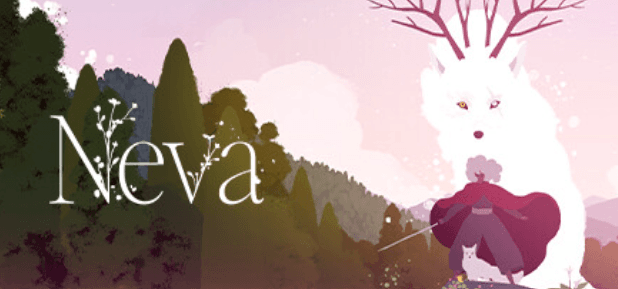
Neva follows warrior Viola and her wolf companion through a hand-animated action game where the wolf's behavior changes as she grows from pup to adult. The combat timing rewards patience. GPA scores it high on Emotional Story and Action — a combination that correctly identifies a game where the relationship between the two characters is the mechanical engine.
Tag Similarity
Roguelike
0%
Action
85%
Emotional Story
80%
Character Building
0%
Story Depth
70%
Graphics
90%
Co-op
0%
Dystopian Setting
50%
Chart tags: Roguelike / Action / Emotional Story / Character Building / Story Depth / Graphics / Co-op / Dystopian Setting
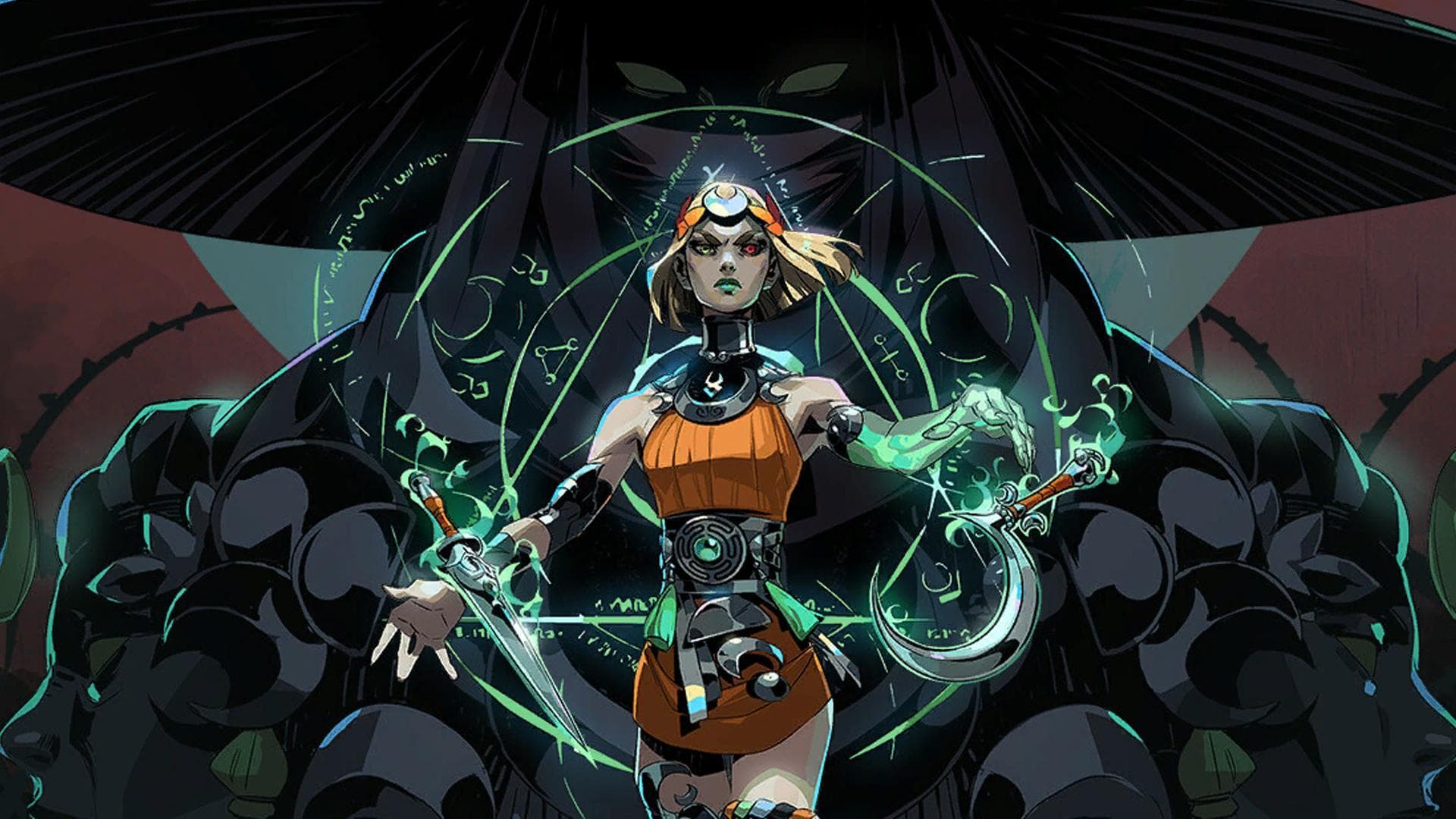
Hades II follows Melinoe, daughter of Hades, fighting through the underworld to reach Chronos. The roguelike structure deepens with each run — new dialogue, new relationships, new context. GPA scores it higher on Roguelike and Action than the original, with Emotional Story rising as the narrative accumulates across deaths.
Tag Similarity
Roguelike
95%
Action
90%
Emotional Story
55%
Character Building
0%
Story Depth
50%
Graphics
75%
Co-op
0%
Dystopian Setting
0%
Chart tags: Roguelike / Action / Emotional Story / Character Building / Story Depth / Graphics / Co-op / Dystopian Setting
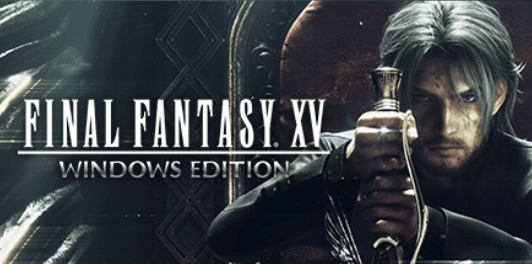
Final Fantasy XV follows four princes on a road trip that becomes increasingly apocalyptic. GPA scores it high on Open World and Emotional Story.
Tag Similarity
Roguelike
0%
Action
65%
Emotional Story
70%
Character Building
55%
Story Depth
70%
Graphics
75%
Co-op
0%
Dystopian Setting
0%
Chart tags: Roguelike / Action / Emotional Story / Character Building / Story Depth / Graphics / Co-op / Dystopian Setting
About "Children of Morta"
▸Game Composition (GPA Analysis)
Children of Morta(チルドレン・オブ・モルタ) leads with its ローグライクアクションRPG identity, anchored by the core feel of "Children of Morta sends a family through procedurally generated dungeons with story advancing through a shared camp." The headline profile reads Roguelike 80% / Action 75% / Emotional Story 70%, making it a strong pick for fans of Roguelike and Action. Oriented toward experienced players looking to push their limits.
▸Characteristics & Analysis
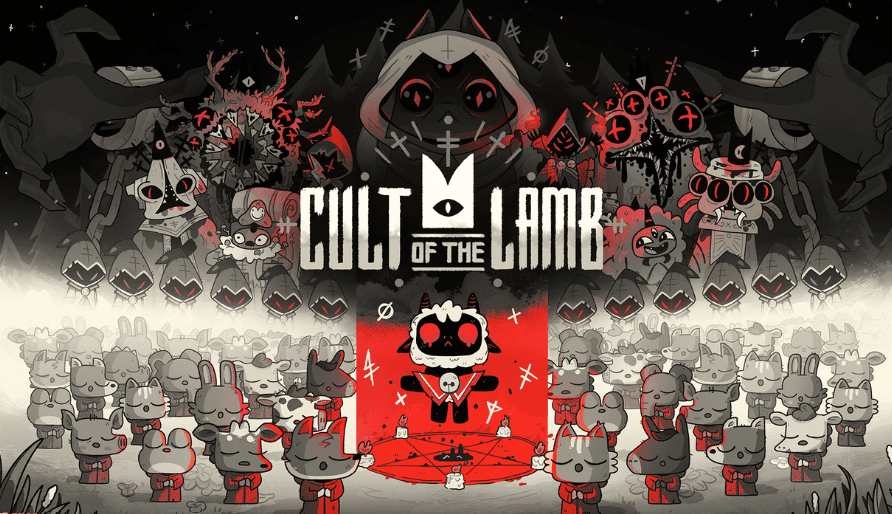
Our editorial team scored "Children of Morta(チルドレン・オブ・モルタ)" by using its feel of 家族の絆, 世代を超えた物語, and 手描き風ドット絵 as the primary lens, weighting Roguelike and Action most heavily. Top similar titles include "Cult of the Lamb(カルトオブザラム)", "Hades(ハデス)", "ゼルダ無双 封印戦記".
Children of Morta Analysis — A Roguelike Built Around Family
Overview
“Children of Morta” is a roguelike action RPG built around an unusual idea: instead of following a single hero, you play as members of the Bergson family.
An ancient force known as the Corruption is spreading across Mount Morta, forcing the family to leave their home and fight back.
Each member of the family has a different combat style, allowing players to approach the dungeons in different ways.
But the game's defining feature isn't simply its variety of playable characters.
It's the fact that they are all part of the same family.
That gives the repeated runs of a roguelike a stronger emotional context than usual.
Turning Roguelike Repetition Into Family Life
The basic gameplay loop is familiar.
Enter a dungeon.
Fight enemies.
Collect resources.
Defeat bosses.
Return home.
Upgrade your characters.
Try again.
What makes Children of Morta different is what happens between those runs.
When the family returns home, the story continues through conversations, cutscenes, and small moments from their everyday lives. GameSpot highlighted this family-focused storytelling as one of the game's central strengths, particularly the way the family members interact between dungeon runs. (GameSpot)
This gives the repetition of a roguelike a narrative purpose.
You're not simply restarting because the game expects you to.
You're returning home to see what happens to the Bergsons next.
That creates an unusually strong connection between progression and character development.
Multiple Heroes, Different Playstyles
The Bergsons aren't interchangeable characters.
Each family member has their own combat style, abilities, and strengths.
Some focus on close-range combat, while others rely on ranged attacks or magic. This means that choosing a different family member can significantly change how a run feels.
GPA gives the game a 75% Action score and a 70% Development score, reflecting the importance of both combat and character progression.
The appeal isn't just about making numbers go up.
Learning how each character works becomes part of the progression itself.
As players become more familiar with the family's different abilities, the dungeon system gains another layer of depth.
The family structure also makes character progression feel more connected. Improving one member of the household contributes to the larger strength of the group.
Death Doesn't Stop the Story
One of the biggest challenges in combining roguelikes with narrative-heavy games is dealing with failure.
In a traditional RPG, dying and restarting can feel like a contradiction to a linear story.
Children of Morta largely avoids that problem by making failure part of the natural rhythm of the game.
When a run ends, the player returns home.
And home is where the story continues.
PC Gamer noted that new story moments and slices of family life appear as players return from dungeon runs, giving the game a narrative layer between its action-heavy sequences. (PC Gamer)
This creates a rhythm that is central to the experience:
Battle → Return Home → Family Story → Upgrade → Go Back Out
The loop isn't just mechanically effective.
It also reinforces the game's central theme.
The characters are fighting together because they are a family.
A Story About Family, Not Just Saving the World
GPA gives Children of Morta a 70% Emotional Story score and a 65% Story Depth score.
The emotional appeal comes less from its fantasy premise than from the relationships between the characters.
The Bergsons aren't simply a group of heroes who happen to share a surname.
They are parents, children, siblings, and relatives who have lived together long before the game's main conflict begins.
That changes the meaning of the central quest.
They aren't fighting only to save the world.
They're also fighting to protect their home and each other.
This gives even relatively simple fantasy stakes a more personal dimension.
Warmth Inside a Dark Fantasy World
Visually, Children of Morta uses a hand-painted pixel-art style that gives the game a distinctive identity.
GPA rates its Graphics at 65%, while its Decadent World score sits at 55%.
The interesting part is the contrast between those elements.
The world is being consumed by a dark supernatural force, and the dungeons are filled with dangerous enemies.
But the Bergson family home feels warmer and more personal.
That contrast matters.
The darker the world outside becomes, the more important the family home feels as a place of safety.
It gives the player an emotional reason to return there beyond simply upgrading equipment.
Co-op Adds Another Layer
Children of Morta also supports cooperative play, which GPA rates at 60%.
Co-op fits naturally with the game's family concept.
Instead of controlling different members of the Bergson family alone, players can combine characters with different strengths and abilities.
That turns character selection into part of the cooperative strategy.
A character who excels at close combat can complement another who specializes in ranged attacks, creating a more varied approach to dungeon encounters.
GPA Analysis
Title tendency chart (Children of Morta)
Roguelike ◀
80%
Action ◀
75%
Emotional Story ◀
70%
Character Development ◀
70%
Story Depth
65%
Graphics
65%
Co-op
60%
Decadent Worldview
55%
* Based on GPA sub-tag scores. Family drama fused with roguelike repetition.
The most important combination is 80% Roguelike × 70% Emotional Story.
That's what separates Children of Morta from a more straightforward dungeon crawler.
The game takes the repetitive structure of a roguelike and gives that repetition an emotional purpose.
“Hades” is an obvious comparison. GPA gives the two games a 65% similarity score, with both combining roguelike action and strong narrative elements.
But their storytelling approaches are quite different.
“Hades” centers on one protagonist repeatedly trying to escape the Underworld.
“Children of Morta” spreads its story across an entire family.
One is about repeatedly pushing toward a destination.
The other is about repeatedly returning home.
That distinction is at the heart of Children of Morta's identity.
For players who want a roguelike with satisfying action but also care about character relationships and emotional storytelling, Children of Morta offers a particularly strong combination of the two.