20 Best Roguelike & Roguelite Games | Addiction Score and Replayability Ranked by GPA
Game Analysis · GPA (Gamer's Profile Analyzer) tag scores compared across roguelike and roguelite titles
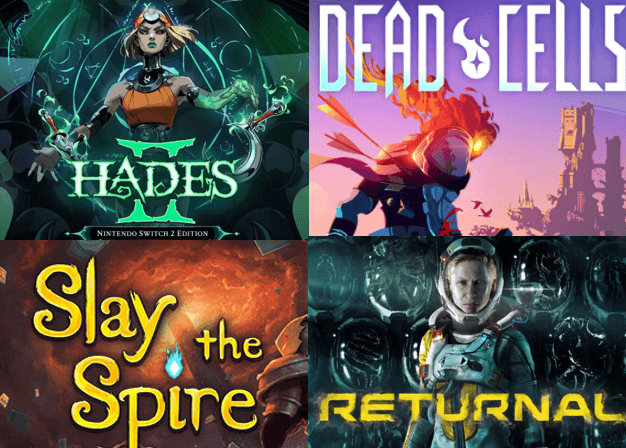
“Keep trying. Keep failing. Keep going back immediately for more.” — That's roguelike addiction in one sentence.
Randomly generated dungeons. Permadeath that erases everything. Items and enemies rearranged with every attempt. Roguelikes weaponise frustration against itself — turning the very thing that should push you away into the engine that pulls you back. The moment that “unfairness” flips into fun is the whole genre in miniature.
In this article, we analyse 20 of the best roguelike and roguelite games using GPA's unique tag-scoring system. We explain structurally why each game is impossible to put down — creating a complete guide to help you find the title that matches how your brain works.
Three Types of Roguelike — Why Each One Is Addictive in a Different Way
“Roguelike” is a broad term. From GPA's tag data, the genre breaks down into three distinct design philosophies — and each one hooks you differently.
① Action Roguelite
Player skill meets random power-ups. Reflexes and decision-making combine into something that gets more satisfying the better you get. Every death is a learning moment. Examples: Hades, Dead Cells, Returnal. GPA tendency: Action 80%+, Difficulty 75%+.
② Deckbuilder Roguelike
Build a deck or loadout from scratch each run and discover synergies that shouldn't work but do. The intellectual satisfaction of theory-crafting in real time — and the dopamine of a build coming together — drives the loop. Examples: Slay the Spire, Balatro, Monster Train.
③ Exploration & Discovery
Dive into randomly generated worlds and uncover hidden systems, secret synergies, and emergent interactions you were never told about. Knowledge is your only permanent power-up. Examples: The Binding of Isaac, Noita, Spelunky.
* This matrix is an editorial rating, not GPA's official score. Vertical axis shows addiction from 65–100%.
Editorial addiction score — for reference only (10-point scale converted to %)
Indie games often have limited platform support. Browse the platform list below to filter games from the GPA database featured in this article.
| # | Title | Platform | Addiction Score |
|---|---|---|---|
| 1 | Hades | Nintendo SwitchPS5steamXbox | 98% |
| 2 | The Binding of Isaac: Repentance | Nintendo SwitchPS5PS4steamXbox | 97% |
| 3 | Slay the Spire | Nintendo SwitchPS5PS4steamXbox | 96% |
| 4 | Balatro | Nintendo SwitchPS5PS4steamXbox | 95% |
| 5 | Dead Cells | Nintendo SwitchPS5PS4steamXbox | 93% |
| 6 | Vampire Survivors | Nintendo SwitchPS5PS4steamXbox | 92% |
| 7 | Hades II | Nintendo SwitchPS5steamXbox | 91% |
| 8 | Risk of Rain 2 | Nintendo SwitchPS5PS4steamXbox | 90% |
| 9 | Returnal | PS5steam | 89% |
| 10 | Noita | steam | 88% |
| 11 | Enter the Gungeon | Nintendo SwitchPS5PS4steamXbox | 87% |
| 12 | Spelunky 2 | Nintendo SwitchPS5PS4steamXbox | 86% |
| 13 | Rogue Legacy 2 | Nintendo SwitchPS5PS4steamXbox | 85% |
| 14 | Inscryption | Nintendo SwitchPS5PS4steamXbox | 85% |
| 15 | FTL: Faster Than Light | Nintendo Switchsteam | 84% |
| 16 | Monster Train | Nintendo SwitchPS5steamXbox | 83% |
| 17 | Darkest Dungeon II | Nintendo SwitchPS5PS4steamXbox | 82% |
| 18 | Into the Breach | Nintendo SwitchPS5steam | 81% |
| 19 | Cult of the Lamb | Nintendo SwitchPS5PS4steamXbox | 80% |
| 20 | Deep Rock Galactic: Survivor | steamXbox | 79% |
* This editorial rating is NOT GPA's official score. For official scores, visit each game's GPA detail page.
20 Best Roguelike & Roguelite Games — Ranked by Addiction Score
All titles below are recorded in GPA's game database. Visit each game's detail page to check tag scores and similar game rankings.
1. Hades
Hades
Genre: ローグライクアクション
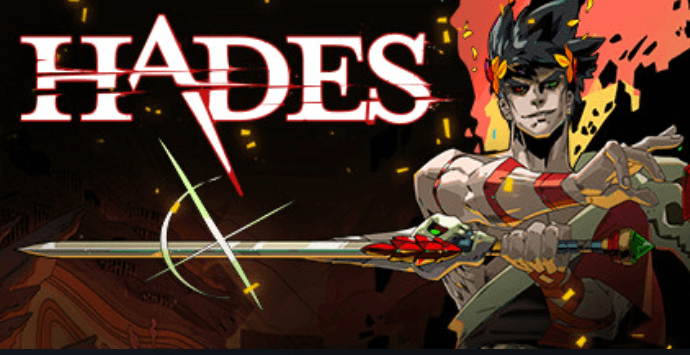
Hades follows Zagreus through escape attempts from the underworld where story advances regardless of success or failure. GPA scores it at the top for Roguelike and high on Action, with Emotional Story above 70.
Gameplay Profile
Key tags: Roguelike / Action / High Difficulty / Graphics / Emotional Story
Supergiant Games' action roguelite set in Greek mythology. Zagreus, son of the god of the dead, makes run after run to escape the Underworld. The game's core innovation — each failed escape attempt advances a persistent narrative — made it the template for how roguelites can tell stories.
Death as Story Progression
In most roguelikes, death means reset. In Hades, it means returning home — and home has things to say. Every failure unlocks new dialogue, new relationships, new pieces of a story that only moves forward when you lose. The result is a game where “one more run” is simultaneously a gameplay impulse and a narrative one.
Six Weapons × the Gods' Boons
Six weapon types — each with multiple forms — combine with Boons offered by the Olympian gods. The interaction between what weapons you choose and which gods appear means no two runs feel identical. The strategic improvisation this creates is the structural reason the game never gets old.
Action That Actually Feels Good
Among roguelites, Hades stands out as a piece of action design in its own right. Hit-stop, visual feedback, audio design — every element is tuned to maximise the feeling of impact. Even the dash has weight. This level of tactile polish is uncommon in the genre and is a large part of why runs are so easy to start.
2. Slay the Spire
Slay the Spire
Genre: Roguelike Deck-Builder
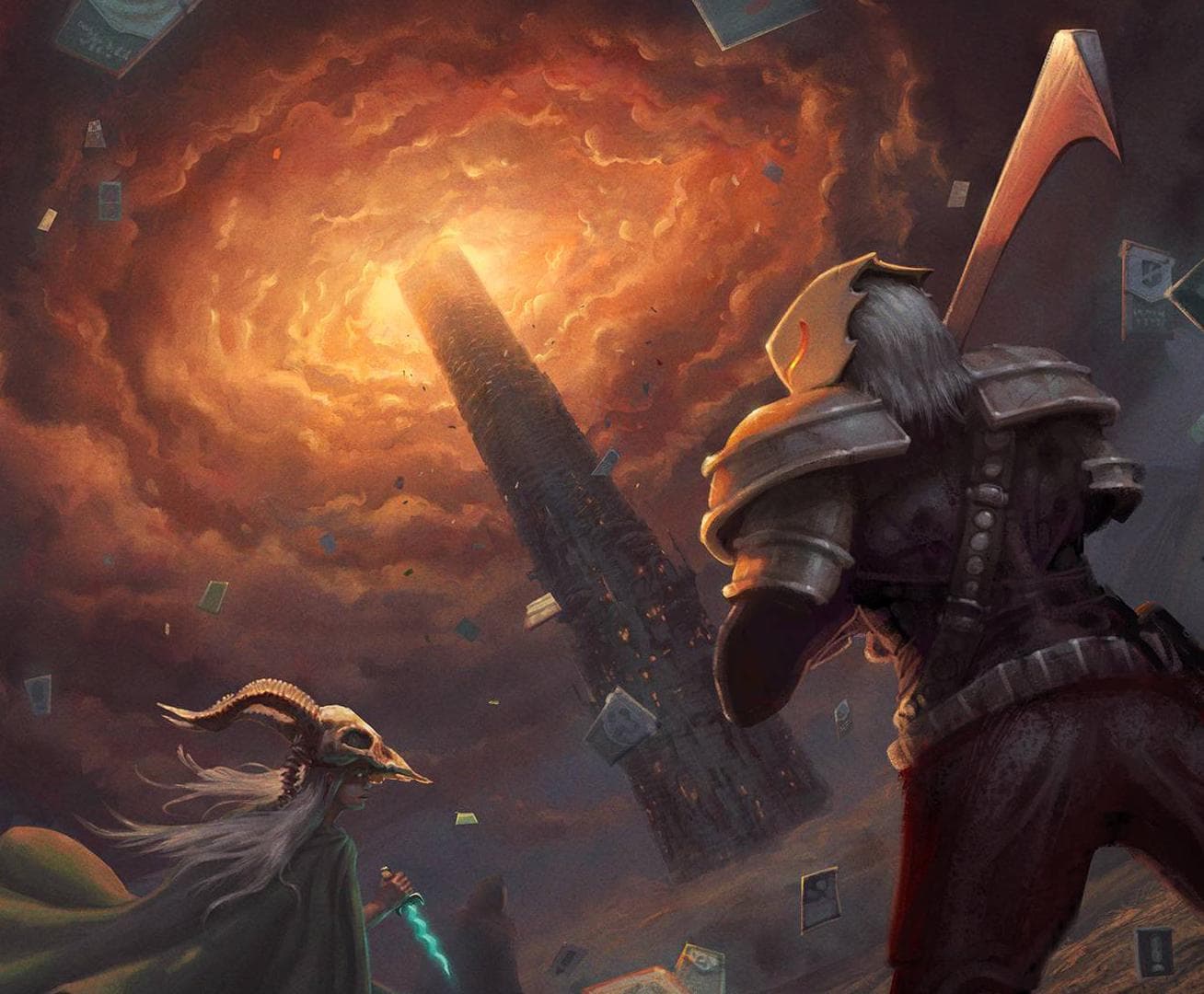
Slay the Spire defined the roguelike deckbuilder by making card synergies the primary puzzle. Four characters each work with a distinct card pool and mechanic. GPA scores it at the top for Strategy and Turn-Based among roguelikes — a combination that separates it from action-forward entries in the genre.
Gameplay Profile
Key tags: Strategy / Roguelike / High Difficulty / Logic
The game that single-handedly established the deckbuilder roguelike as a genre. MegaCrit's design marries the strategic depth of card games with the variance of roguelikes — producing an addiction loop that is straightforward to understand and bottomless to explore.
The Synergy Discovery Loop
The game's genius is that it rewards knowledge that accumulates across hundreds of hours. A card that looks useless in isolation can anchor an entire build when combined with the right relic. Finding that synergy — having it “click” mid-run — is the experience the game is built around, and it never gets old.
Four Characters, Four Entirely Different Games
The Ironclad, Silent, Defect, and Watcher each require a completely different mindset. By the time you've mastered all four, your ability to evaluate cards and path decisions has moved to a fundamentally different level from where you started.
A Modding Scene That Extends the Game Indefinitely
Steam Workshop hosts a vast community of mods — new characters, new card sets, new bosses — all built to the same standards as the base game. The official content is already overwhelming. The modding scene ensures there is always more.
3. Dead Cells
Dead Cells
Genre: ローグライクアクション
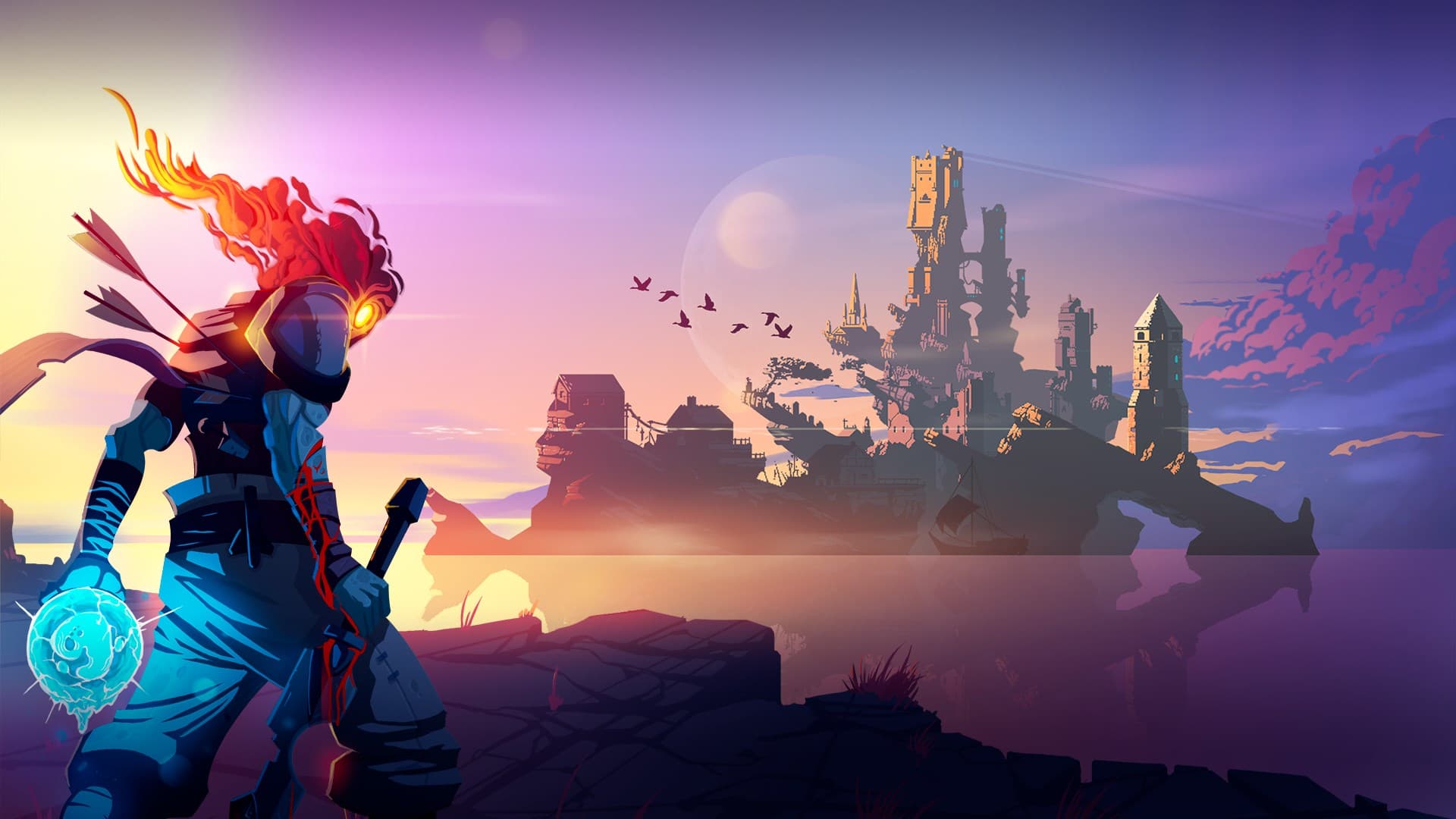
Dead Cells runs a roguelite loop through a plague-infested island, with weapon synergies that change substantially between runs. The movement speed and parry windows sit at the aggressive end of the genre. GPA scores it at the top for Roguelike and Action among 2D titles — a pairing that favors players who want mechanical depth over narrative.
Gameplay Profile
Key tags: Roguelike / Action / High Difficulty / Graphics / Dystopian Setting
Motion Twin's metroidvania-roguelite hybrid merges two genres at a level of quality that makes the fusion feel inevitable. The action is among the smoothest in either genre. The weapon synergy system gives every run a distinct identity. The result is a “one more run” machine that's very hard to set down.
Weapon Synergies That Create Your Build
Two weapons and a set of skills combine into builds that feel genuinely yours. Poison damage that converts to base damage. Status effects that trigger specific weapon abilities. The moment a build “comes together” is the game's central pleasure — and the randomness of what's available each run means that moment is always unexpected.
Boss Cells: A Difficulty Ladder With No Top
The Boss Cell system scales difficulty in discrete steps, meaning the game has a viable challenge level for players from their first run to thousands of hours in. You are never playing a game that feels too easy or too brutal for long — there is always a next step available.
Castlevania Collaboration DLC
The “Return to Castlevania” DLC brought Dracula's castle, iconic weapons, and Castlevania music into the game at a quality that matches the base content entirely. For fans of the series, it is an extraordinary addition. For everyone else, it is simply more excellent Dead Cells.
4. The Binding of Isaac: Repentance
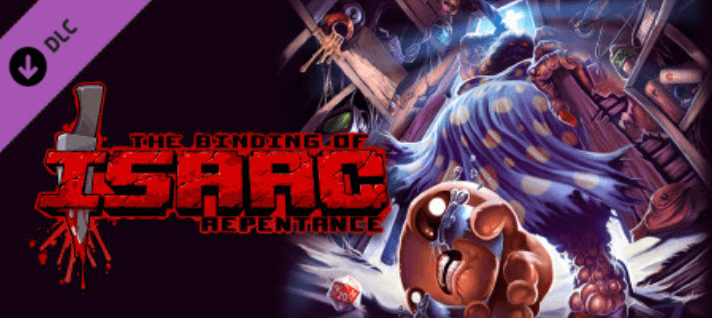
The Binding of Isaac Repentance
Genre: Roguelike Shooter
The Binding of Isaac: Repentance adds over 130 items, new characters, and two new endings to the already massive Afterbirth+ base, bringing the total item count above 700. Each run assembles a build from random pickups whose interactions produce emergent results no designer planned. GPA scores it at the top for Roguelike and Difficulty — the combination that identifies the deepest item-synergy sandbox in the genre.
Gameplay Profile
Key tags: Roguelike / High Difficulty / Dystopian Setting / Action / Dark
Edmund McMillen's dark, strange, absurdly deep roguelike. The base game contains over 700 items. They combine in ways the designers may not have intended. Players have been discovering new interactions for over a decade, and new ones are still found. No other roguelike has a content depth that compares.
700+ Items and the Synergies Between Them
Individual items range from useless to game-changing. But combine the right three items and something that shouldn't work at all becomes invincible. The “god run” — where everything aligns into something spectacular — is the experience the game's entire design infrastructure is designed to occasionally produce.
Secrets That Take Years to Find
Hidden characters, alternate paths, achievements with conditions that aren't explained anywhere in the game — the depth of undiscovered content when the game was first released was staggering, and even now the community occasionally surfaces something new. The feeling that there is always more to find never fully disappears.
A Visual Style That Grows on You
The crayon-drawing aesthetic and the biblical horror themes create a combination that is uniquely uncomfortable at first and uniquely compelling after. The contrast between the child's-drawing art style and the genuinely dark subject matter is part of what makes Isaac feel like nothing else.
5. Returnal
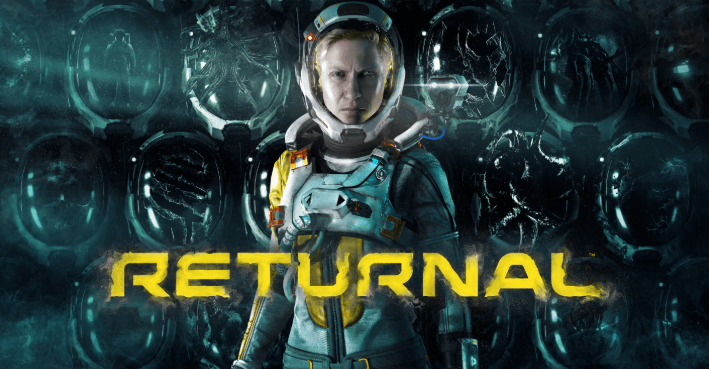
Returnal
Genre: Roguelike Shooter
Returnal traps a space scout in a time loop on an alien planet, with roguelike structure and third-person shooter mechanics. The story surfaces through environmental objects between runs. GPA scores it at the top for Roguelike and near the top for Difficulty — the Action score is high enough that aim skill matters alongside the build decisions.
Gameplay Profile
Key tags: Roguelike / High Difficulty / Action / Graphics / Existential Themes
Housemarque's roguelite shooter took the genre's design principles into a full third-person 3D environment with a production budget most roguelikes never see. The result expanded what the genre could be — and delivered one of the sharpest action games of its generation in the process.
Bullet-Hell Shooting in 3D Space
Taking the pattern-memorisation and spatial awareness of bullet-hell shooters into a fully three-dimensional environment creates a new kind of challenge. Cover, verticality, and enemy positioning all become variables that 2D shooters can't address. The depth this adds to the core loop is significant.
DualSense Integration
Each weapon has a distinct haptic profile and adaptive trigger resistance on PS5. The physical feeling of firing a shotgun is different from firing an assault rifle in a way that no screenshot can communicate. For a game about constant weapon-switching, this tactile differentiation is not a gimmick — it is central to how the game communicates information.
A Fragmented SF Horror Narrative
The story reveals itself through repeated loops — each run surfacing new fragments of a puzzle the player assembles themselves. This approach differs from Hades' explicit character conversations but achieves its own kind of narrative immersion through the accumulation of discovered context.
6. Vampire Survivors
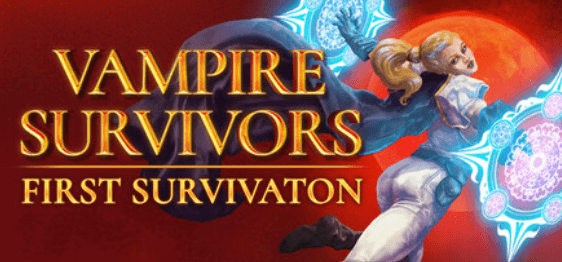
Vampire Survivors
Genre: Bullet-Hell Roguelike
Vampire Survivors runs on movement as the only player input, with weapons auto-firing as builds accumulate. GPA scores it at the top for Roguelike and high on Action, with a Beginner score above 80.
Gameplay Profile
Key tags: Roguelike / Character Building / Strategy / High Difficulty
Movement is the only input. Everything else is automatic. What sounds like a stripped-down novelty is one of the most genuinely compulsive games in the genre — and at less than a cup of coffee, probably the best value-per-hour in gaming.
The “Nothing” Loop That Never Gets Old
Where Hades requires focus and Slay the Spire requires thinking, Vampire Survivors requires neither. You move. The game handles everything else. The peculiar hypnosis this produces — watching your character grow from weak to unstoppable over thirty minutes of minimal input — is a kind of relaxation that the more demanding entries in the genre simply cannot provide.
Weapon Evolution Moments
Collecting the right accessories alongside a weapon triggers an evolution that transforms it into something dramatically more powerful. The moments when evolutions unlock are the game's peak dopamine events — and designing a run to hit multiple evolutions in sequence is the closest thing the game has to a skill ceiling.
Hololive Collaboration and Ongoing DLC
The game has hosted multiple collaborations — including a Hololive DLC — and continues to receive updates well past what its price point would suggest. A game already overflowing with content keeps finding ways to add more.
7. Risk of Rain 2
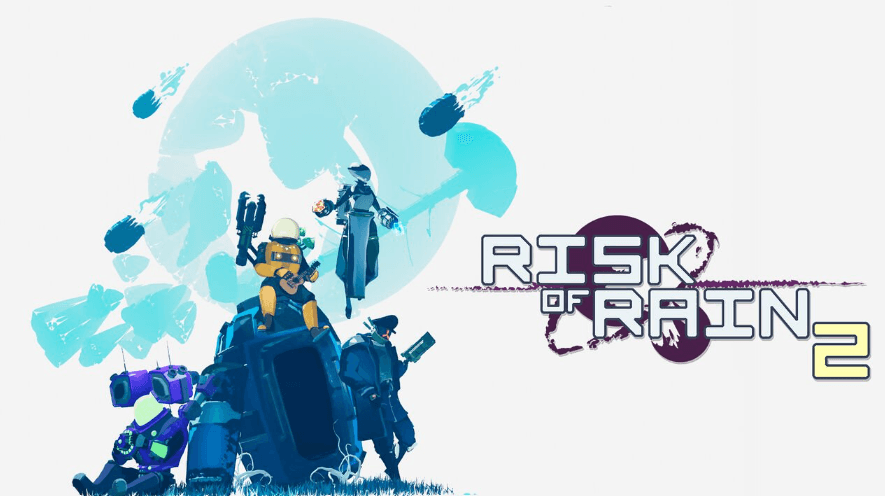
Risk of Rain 2
Genre: Roguelike 3D Shooter
Risk of Rain 2 scales enemy difficulty in real time — the longer the run, the harder it gets. Item stacking compounds exponentially, turning a cautious survivor into a screen-clearing force within a single stage. Twelve survivors with distinct playstyles cover every combat preference. GPA scores it high on Roguelike and Action — the combination that describes a game where the power curve is the content.
Gameplay Profile
Key tags: Roguelike / Action / High Difficulty / Graphics / Co-op
Hopoo Games' sequel made the risky leap from 2D to 3D and executed it perfectly. The signature time-scaling risk system — the longer you take, the stronger enemies become — forces an aggressive, momentum-driven approach that makes every run feel alive.
The Aggression Imperative
Passive play is punished by design. The time risk system means that standing still is an active choice to make the game harder. The constant pressure this creates — the awareness that every second of delay is costing you — produces a specific kind of focused urgency that defines the Risk of Rain experience.
Survivors With Fundamentally Different Identities
The Commando, Huntress, Engineer, and others each approach the game from a different angle. The character-specific items that synergise with each survivor's kit mean that learning a new character is effectively learning a new game — with the same core loop but different vocabulary.
Multiplayer That Changes Everything
Up to four players can play online co-op, and the experience transforms when a coordinated group divides roles across survivors. The social layer on top of an already strong single-player game makes Risk of Rain 2 one of the most reliable “play with friends” recommendations in the genre.
8. Balatro
Balatro
Genre: Roguelike Deck-Builder
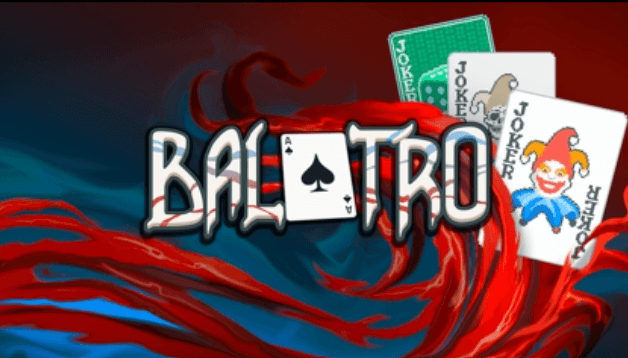
Balatro builds a poker-based roguelite around Joker combinations that generate exponentially scaling score multipliers. The 'Overlooked Ranking' scoring rewards bold positioning over passive survival. GPA scores it at the top for Puzzle and Roguelike — the combination that explains why it crossed from card game enthusiasts to players who had never touched a deck-builder.
Gameplay Profile
Key tags: Logic / Turn-Based / Character Building / Roguelike / Strategy
A solo-developed card game that uses poker hands as a scoring mechanism while having almost nothing to do with actual poker. LocalThunk's design produced a Steam bestseller and Game of the Year contender — built by one person, as unassuming in its presentation as it is overwhelming in its depth.
Scores That Climb Into the Billions
Early runs score in the thousands. A working Joker combination can push scores into the millions, then billions, then beyond. The exponential scaling isn't just satisfying — it communicates directly that your build is functioning, building feedback pressure that keeps the loop turning.
150+ Jokers and the Thinking They Require
Each run asks: which Jokers are available, what synergise with each other, and what poker hands can I build a deck to reliably produce? This strategic question never has the same answer twice. Players who enjoy probability, expected value, or optimisation thinking will find the game essentially bottomless.
Solo Development, AAA Execution
The music, UI design, and card art are all built and integrated with a coherence that makes the solo origin genuinely shocking. Balatro is the clearest recent example of what committed individual craft looks like in game development.
9. Inscryption
Inscryption
Genre: Deck-Building Horror
Inscryption runs a cabin card game that deconstructs itself over three acts. The meta-horror elements are foreshadowed from the first screen. GPA scores it high on Roguelike and Dark World.
Gameplay Profile
Key tags: Existential Themes / Strategy / Dark / Story Depth / Dystopian Setting
Daniel Mullins Games' deckbuilder starts as a card game played against an unseen opponent in a dark, unsettling cabin — and evolves into something that reaches outside the game's own boundaries. Do not read about what happens. The experience of discovering it firsthand is not replaceable.
A Narrative That Breaks Its Own Frame
The game's central move — which cannot be described without spoiling it — is the kind of design decision that only works once per player. The moment the game's structure becomes clear is a specific kind of experience that the medium rarely produces. It is the reason the game exists.
An Escape Room Inside a Card Game
While playing cards, the cabin itself contains puzzles. This dual-layer structure — playing a game while also solving the environment around you — divides attention in a way that keeps the tension high from start to finish.
Daniel Mullins and the Art of Breaking Expectations
This is consistent with Mullins' earlier work “Pony Island” — a designer whose recurring project is to build a game that does not behave like a game. If you know going in that the rules will change, you will still not be prepared for how they change.
10. Enter the Gungeon
Enter the Gungeon
Genre: ローグライクバレットヘル
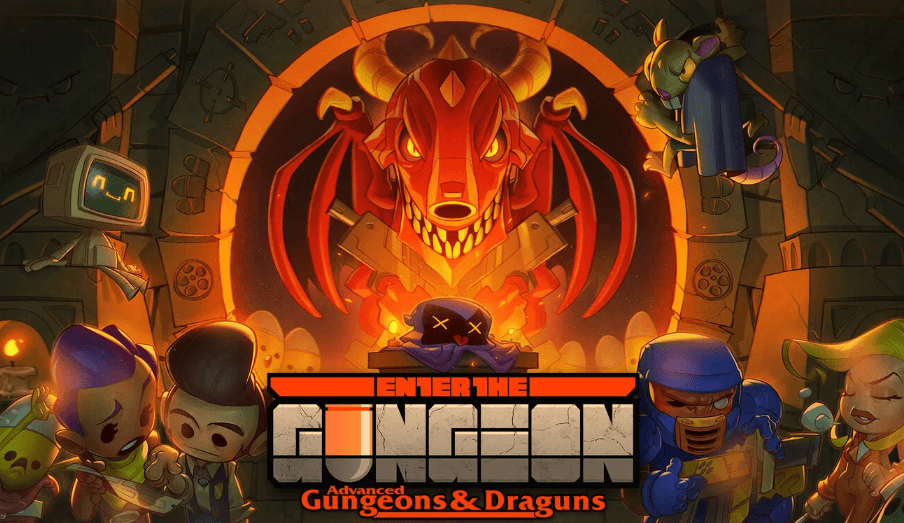
Enter the Gungeon sends players through bullet-themed dungeons with over 500 guns — ranging from the functional to the absurd — as the primary item pool. Dodge-rolling through enemy fire while managing ammo and synergies is the entire combat system. GPA scores it high on Roguelike and Difficulty — closer to a reflex-demanding shooter than the stat-management roguelites it shares shelf space with.
Gameplay Profile
Key tags: Roguelike / Action / High Difficulty / Graphics / Strategy
Dodge Roll's 2D bullet-hell roguelike is built around guns — over 400 of them, each with its own personality, its own joke, and its own reason to exist. The action is precise enough that death always feels learnable, and the weapons make retrying feel like discovering something new.
400+ Guns With Character
A gun that fires live bees. A tank. A gun that shoots guns. Reading the weapon descriptions in this game is an activity in its own right. The humour embedded in the item design keeps the tone light in a way that makes the mechanical difficulty feel approachable rather than punishing.
The Dodge Roll as Core Mechanic
A well-timed dodge roll grants brief invincibility. The game's enemy patterns are designed around this — reading a bullet wave and rolling through it at exactly the right moment is the primary skill the game develops. The satisfaction of mastering it cleanly is the reason experienced players still play.
Unlock Chains That Extend Long-Term Play
NPC interactions, hidden rooms, and character-specific item unlocks create a long chain of “there's still one more thing” moments. The stories behind each playable character — and the specific conditions required to resolve them — give veteran players reasons to return that go beyond simple skill challenge.
11. Hades II
Hades II
Genre: ローグライク
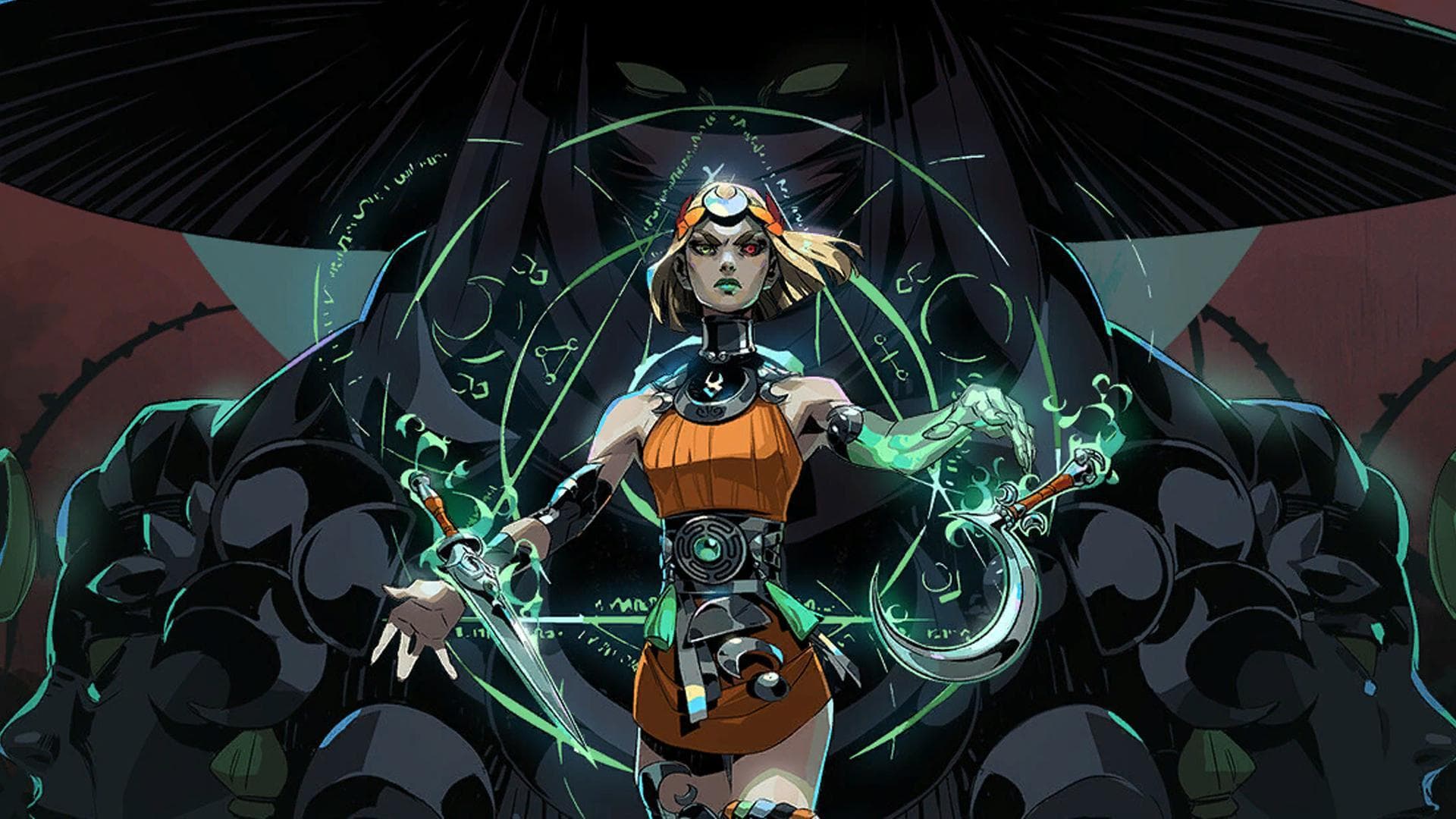
Hades II follows Melinoe, daughter of Hades, fighting through the underworld to reach Chronos. The roguelike structure deepens with each run — new dialogue, new relationships, new context. GPA scores it higher on Roguelike and Action than the original, with Emotional Story rising as the narrative accumulates across deaths.
Gameplay Profile
Key tags: Roguelike / Action / High Difficulty / Graphics / Emotional Story
The sequel launched in Early Access and was immediately met with reviews noting that it had already exceeded the original in volume. Zagreus's sister Melinoe takes the lead, pursuing the Titan Chronos through an expanded mythology.
Expanded Weapons, Gods, and Combat Systems
A new magic-based combat system, additional weapons, more gods, and deeper world-building distinguish it from its predecessor at every level. Returning players will find it both familiar and consistently surprising.
Strong Even in Early Access
Even at Early Access stage, the game already delivers enough content and polish to satisfy returning fans — and the full release is widely expected to surpass the original as a genre landmark.
12. Rogue Legacy 2
Rogue Legacy 2
Genre: ローグライトメトロイドヴァニア
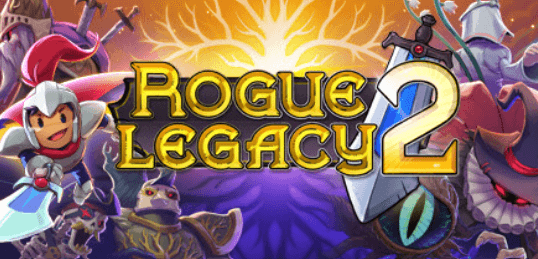
Rogue Legacy 2 sends a new heir into the castle every time the previous one dies, with each child carrying a random class, heirloom abilities, and traits that affect how the run plays. The Metroidvania map structure grows accessible as hereditary upgrades accumulate. GPA scores it high on Roguelike and Action — the combination that describes a game where permanent progression softens the permadeath loop without removing its weight.
Gameplay Profile
Key tags: Roguelike / Action / High Difficulty / Character Building / Graphics
Each death produces an heir — a new character with a randomly assigned set of traits. The traits range from mechanical quirks to cosmetic flavour, but together they make every character feel specific and create a mild gacha-pull excitement at the start of each run.
Failure That Still Moves You Forward
Gold collected in failed runs funds castle upgrades that provide permanent progression — removing the frustration of feeling like runs accomplish nothing. A well-designed entry point for players coming to the genre from traditional RPGs.
Refined Classes and Action Balance
A major visual upgrade over the original, with more classes and trait combinations than before. The balance between action challenge and incremental growth makes it accessible without sacrificing depth.
13. FTL: Faster Than Light

FTL Faster Than Light
Genre: ローグライクストラテジー
FTL assigns a crew to a spacecraft fleeing a rebel fleet across a procedurally generated galaxy, with each jump presenting combat, merchant, or event encounters that drain or replenish limited resources. Crew placement, system power allocation, and combat timing happen simultaneously in real-time-with-pause. GPA scores it at the top for Strategy and Roguelike — the Subset Games prototype that established the studio's design language before Into the Breach.
Gameplay Profile
Key tags: Strategy / Roguelike / High Difficulty / Puzzle
A single ship, a randomised galaxy, and a fleet chasing you. Managing power between engines, weapons, and shields while simultaneously handling fires, hull breaches, and crew morale is the game's core information-management loop — and it is compulsive.
Death That Always Invites Another Run
The difficulty is punishing, the ship unlock tree is vast, and the random events are varied enough that no run repeats. Subset Games' follow-up “Into the Breach” shares the same design philosophy — both are must-plays.
A Cornerstone of Indie Roguelike Design
Random events, branching routes, and hidden systems expand the game well beyond its deceptively simple surface. Together with Into the Breach, it represents some of the finest roguelike design in the indie space.
14. Noita
Noita
Genre: ローグライクアクション
Noita simulates every pixel in its world as a physical substance — water flows, acid corrodes, fire spreads, and explosions trigger cascades that no designer fully controls. The wand crafting system generates spell combinations with no documented upper bound. GPA scores it at the top for Roguelike and Sandbox — the combination that identifies a game where the physics engine is the game design.
Gameplay Profile
Key tags: Roguelike / High Difficulty / Sandbox / Action / Crafting
Every pixel is physically simulated. Water flows, fire spreads, materials react with each other in real time. Combining spells triggers emergent interactions the game never explicitly teaches you, creating discovery moments that are unscripted and genuinely surprising every time.
Emergent Physics and Spell Chains
Water plus fire makes steam; poison plus explosions makes catastrophe — and you will accidentally blow yourself up often. That unpredictability is the source of Noita's unique discovery loop.
Secrets That Never Seem to End
The community has been playing for years and is still finding hidden systems. Noita has more undiscovered content per hour of play than any other game in this list — possibly in the genre.
15. Spelunky 2
Spelunky 2
Genre: ローグライクプラットフォーマー
Spelunky 2 generates cave systems procedurally with enough physics interaction to produce emergent disasters. GPA scores it at the top for Difficulty and high on Roguelike.
Gameplay Profile
Key tags: Roguelike / High Difficulty / Action / Logic / Graphics
The gold standard for “death that always feels fair.” Everything in Spelunky operates according to consistent, learnable rules — and the game never lets you feel cheated. When you die, you understand exactly why. That clarity makes improvement feel meaningful rather than arbitrary.
Resource Decisions That Compound
Bombs, ropes, and shotguns are limited — and how you spend them on each stage shapes everything that follows. Even with procedural generation, route knowledge accumulates into genuine mastery.
Hidden Routes and Co-op Chaos
Secret areas, alternate paths, and cooperative chaos with friends expand the game well beyond its deceptively simple surface. A benchmark for action roguelike design.
16. Monster Train
Monster Train
Genre: Roguelike Deck-Builder
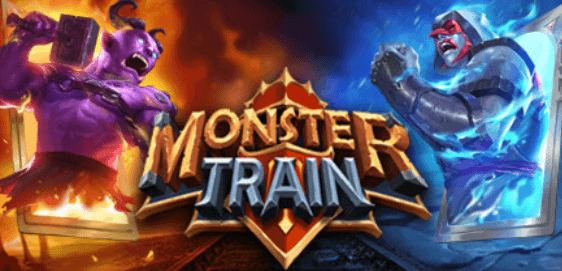
Monster Train loads a hell-bound train with monsters, then runs enemy waves up three floors toward the Pyre at the top. Deck-building decisions are inseparable from unit placement decisions across each run. The faction combinations produce more build variety than the roster count suggests. GPA scores it high on Roguelike and Strategy — the deckbuilder most often recommended to players who have finished Slay the Spire.
Gameplay Profile
Key tags: Roguelike / Strategy / Turn-Based / High Difficulty / Puzzle
A deckbuilder that takes Slay the Spire's formula and adds the complication of a three-floor train to defend. Choosing which clan combination to run for each attempt is the strategic core — and the number of combinations ensures the decision rarely repeats.
Clan Pairings as the Strategic Core
Each run's two-clan pairing defines the entire strategy, and the possible combinations are enormous. Every clan demands a different way of thinking, so the starting question changes every time.
The Natural Follow-Up to Slay the Spire
Twenty-five Covenant Rank difficulty levels mean there is always a harder challenge available for players who want one. The natural follow-on recommendation after Slay the Spire for anyone who has cleared all four characters.
17. Darkest Dungeon II
Darkest Dungeon II
Genre: ローグライクRPG
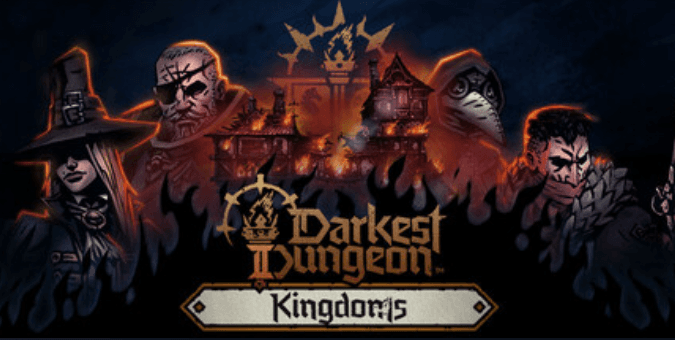
Darkest Dungeon II moves the campaign onto a stagecoach journey toward a mountain, replacing the base management structure with roguelite path selection. The stress and relationship systems between heroes now determine combat effectiveness directly. GPA scores it high on Roguelike and Dark World — the sequel that deepened the original's psychological horror into its most mechanically cohesive form.
Gameplay Profile
Key tags: Roguelike / Dystopian Setting / Dark / Turn-Based / High Difficulty
A gothic horror roguelike where the party's mental state is as important as their physical health. Managing stress, relationships, and morale across a stagecoach journey creates a psychological pressure layer that no other game in the genre replicates.
Cosmic Horror You Can Feel in the Mechanics
The Lovecraftian cosmic horror atmosphere and poetic narrator create an experience that is oppressive in exactly the way its fans love. If you can inhabit its tone, the addiction is guaranteed.
A More Refined Roguelike Structure
Compared with the original, the sequel's roguelike loop is tighter — each run asks for different judgment calls and route planning under persistent psychological pressure.
18. Cult of the Lamb
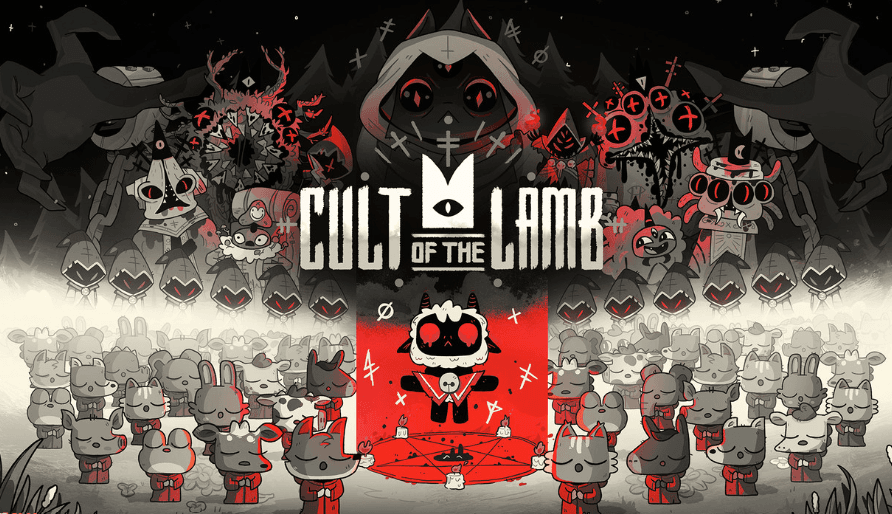
Cult of the Lamb
Genre: アクション×経営シム
Cult of the Lamb runs a cult management sim above a roguelite dungeon crawler. GPA scores it high on Roguelike and Dark World.
Gameplay Profile
Key tags: Character Building / Roguelike / Action / Graphics / Dark
A cult management game and a dungeon crawler in one. Resources from dungeons build the colony; the colony's upgrades fund better dungeon performance. The feedback loop between the two systems is the engine that keeps the game running.
Dungeon Runs and Colony Growth in One Loop
Materials from runs expand your base, and base growth makes the next run stronger — a dual-loop structure that constantly gives you a reason to go back in.
One of the Genre's Best Entry Points
The approachable difficulty and cheerful visual style make it the most accessible entry point on this list for players new to the genre. That the subject matter is a lamb building a murder cult is a contrast the game plays entirely straight.
19. Into the Breach
Into the Breach
Genre: Strategy
Into the Breach sends small squads of mechs against Vek insects across grid-based maps where every enemy attack is telegraphed in advance. The puzzle is finding the move that neutralizes the most threats simultaneously. GPA scores it maximum on Strategy and Puzzle — the highest combined score for those two axes in the database.
Gameplay Profile
Key tags: Strategy / Logic / Turn-Based / High Difficulty / Roguelike
Subset Games' (FTL) follow-up. Every enemy's next action is shown in advance — complete information, every turn. This transforms the game from “random battle” into “chess puzzle,” finding the single optimal move in a constrained tactical problem.
Chess-Puzzle Tension on a Tiny Grid
Runs are short, but each turn asks for a precise answer. The 3×3 battlefield hides far more depth than its size suggests.
Compact Strategy for Short Sessions
Squad combinations change the puzzle entirely, and runs finish quickly — ideal for players who want strategy without the time commitment of longer games.
20. Deep Rock Galactic: Survivor
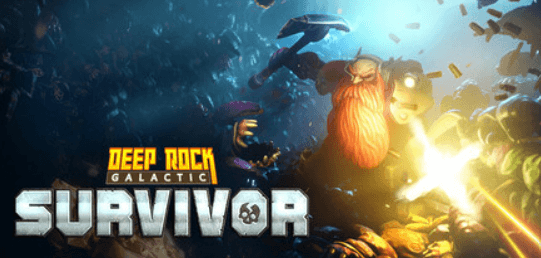
Deep Rock Galactic Survivor
Genre: オートシューターローグライト
Deep Rock Galactic: Survivor puts a dwarf miner on a solo extraction mission, with weapons firing automatically while the player focuses on movement and upgrade selection between waves. The DRG universe provides the enemy variety and environmental identity. GPA scores it high on Roguelike and Action — the auto-shooter entry that most successfully imports an existing IP's identity into the Vampire Survivors format.
Gameplay Profile
Key tags: Roguelike / Character Building / Action / Graphics / High Difficulty
A Vampire Survivors-style auto-shooter set in the Deep Rock Galactic universe. What distinguishes it from the genre template is the terrain deformation — mining as you fight creates a dynamic battlefield that adds strategic texture the genre rarely has.
Mining Changes the Battlefield
Digging through terrain while fighting adds a spatial layer most auto-shooters lack — positioning and excavation become part of the same decision.
A Love Letter to DRG Fans
Fans of the co-op original will find the setting and characters immediately lovable. For everyone else, it is a strong auto-shooter with more tactical variety than the genre norm — and Early Access development has been consistently improving it.
Where to Start — A Guide Across 3 Types
“I hear roguelikes are great but I don't know where to begin” is one of the most common things people say about the genre. Starting with the type that matches how your brain already works makes the genre click faster.
If you prefer action games
Start with: Hades · Vampire Survivors · Cult of the Lamb
Vampire Survivors requires the fewest mechanics to understand — the ideal on-ramp. Hades is the best action roguelite for players who also want a compelling story. GPA Action score 75%+ across this group.
If you prefer strategy and card games
Start with: Slay the Spire · Balatro · Into the Breach
Slay the Spire is the genre-defining deckbuilder — still the best introduction. Balatro works even if you've never played poker. GPA Strategy score high across this group.
If you want to explore and discover
Start with: The Binding of Isaac · Noita · Spelunky 2
These are for players who want the feeling that there is always more to find. Binding of Isaac and Noita both have active discovery communities — there are still things being uncovered. GPA Exploration score high across this group.
Find Your Roguelike Using GPA's Scores
Every title in this list scores highly on GPA's roguelike-related tag metrics — difficulty, action quality, strategy depth, and exploration. But whether a specific game becomes your personal addiction depends on the fit between its design and yours.
Each game's detail page on GPA shows Target Player scores and Similar Game rankings alongside the tag data — giving you a structural way to find your next title from a game you already love.
Related articles

Game Analysis
50 Best Indie Games | GPA Scores Reveal How Small Teams Create Big Experiences
Hollow Knight, Balatro, Disco Elysium, UNDERTALE, The Exit 8 and more — 48 curated indie games sorted into 7 types using GPA tag scores.
Read more
Game Analysis
15 Best Parry & Soulslike Games — Difficulty and Action Compared by GPA Scores
SEKIRO, Lies of P, Stellar Blade, Expedition 33, Elden Ring and more — 15 parry-focused and souls-style games analysed through GPA's tag-score system.
Read more
![[Game Analysis] 50 Best Horror Games | Survival, Japanese, Liminal, Co-op & Psychological Horror — GPA](/_next/image?url=%2Fimages%2Fgames%2Fhorror-games-50.png&w=3840&q=75&dpl=dpl_CcKhQLFQH73EHM9qJFm4AXp96bfr)
Game Analysis
[Game Analysis] 50 Best Horror Games | Survival, Japanese, Liminal, Co-op & Psychological Horror — GPA
Resident Evil, Fatal Frame, The Exit 8, Phasmophobia, Silent Hill 2, Alan Wake 2 and more — 50 horror games in 5 types.
Read more