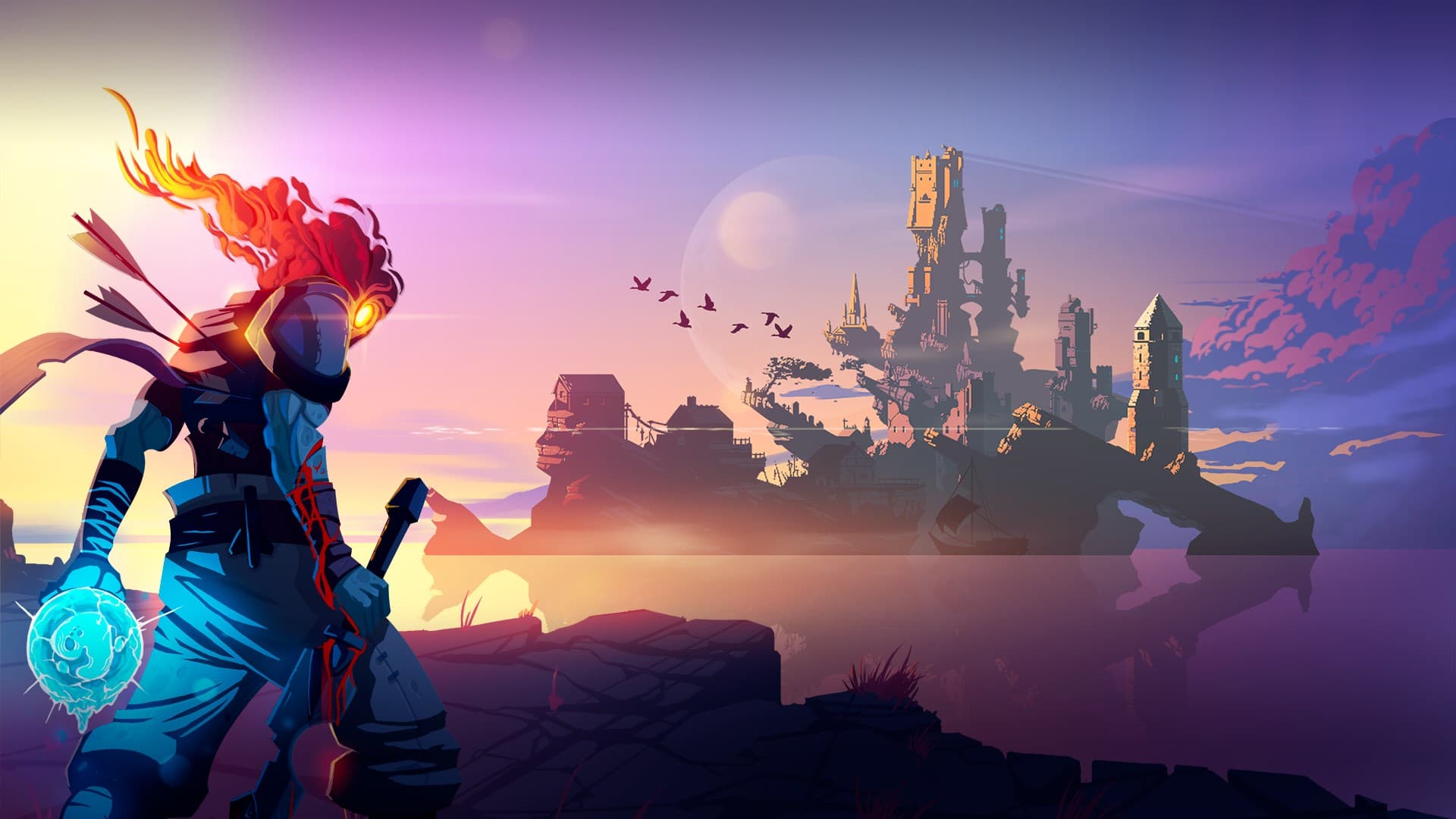
Dead Cells runs a roguelite loop through a plague-infested island, with weapon synergies that change substantially between runs. The movement speed and parry windows sit at the aggressive end of the genre. GPA scores it at the top for Roguelike and Action among 2D titles — a pairing that favors players who want mechanical depth over narrative.
Game Characteristics
Roguelike
90%
Action
90%
High Difficulty
80%
Graphics
65%
Dystopian Setting
60%
Character Building
55%
Player profile fit
Recommended for: Intermediate to Advanced players (A score of 50 or higher indicates a good fit.)
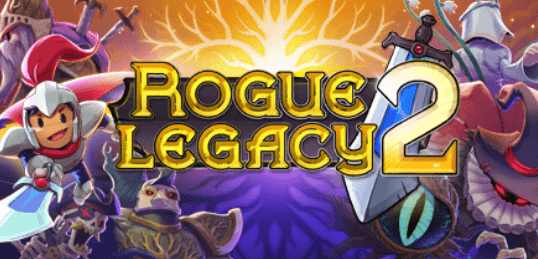
Rogue Legacy 2 sends a new heir into the castle every time the previous one dies, with each child carrying a random class, heirloom abilities, and traits that affect how the run plays. The Metroidvania map structure grows accessible as hereditary upgrades accumulate. GPA scores it high on Roguelike and Action — the combination that describes a game where permanent progression softens the permadeath loop without removing its weight.
Tag Similarity
Roguelike
88%
Action
78%
High Difficulty
78%
Graphics
70%
Dystopian Setting
0%
Character Building
72%
Chart tags: Roguelike / Action / High Difficulty / Graphics / Dystopian Setting / Character Building
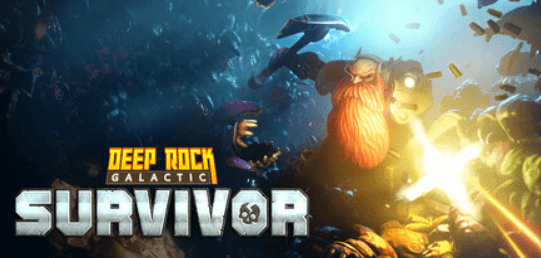
Deep Rock Galactic: Survivor puts a dwarf miner on a solo extraction mission, with weapons firing automatically while the player focuses on movement and upgrade selection between waves. The DRG universe provides the enemy variety and environmental identity. GPA scores it high on Roguelike and Action — the auto-shooter entry that most successfully imports an existing IP's identity into the Vampire Survivors format.
Tag Similarity
Roguelike
85%
Action
70%
High Difficulty
60%
Graphics
65%
Dystopian Setting
0%
Character Building
75%
Chart tags: Roguelike / Action / High Difficulty / Graphics / Dystopian Setting / Character Building
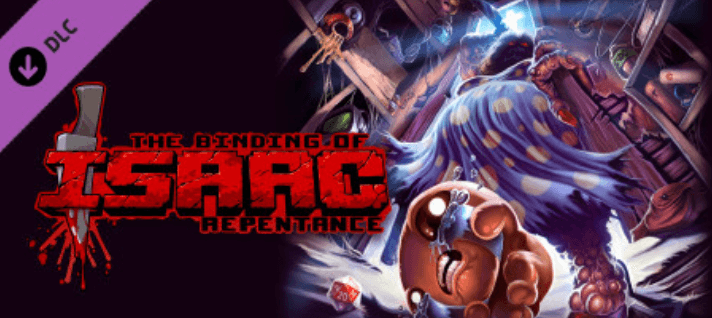
The Binding of Isaac: Repentance adds over 130 items, new characters, and two new endings to the already massive Afterbirth+ base, bringing the total item count above 700. Each run assembles a build from random pickups whose interactions produce emergent results no designer planned. GPA scores it at the top for Roguelike and Difficulty — the combination that identifies the deepest item-synergy sandbox in the genre.
Tag Similarity
Roguelike
95%
Action
75%
High Difficulty
90%
Graphics
55%
Dystopian Setting
80%
Character Building
60%
Chart tags: Roguelike / Action / High Difficulty / Graphics / Dystopian Setting / Character Building
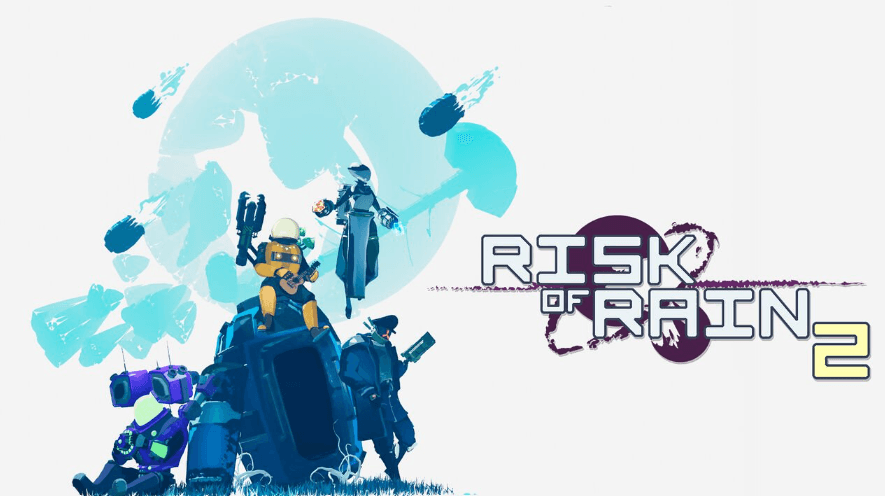
Risk of Rain 2 scales enemy difficulty in real time — the longer the run, the harder it gets. Item stacking compounds exponentially, turning a cautious survivor into a screen-clearing force within a single stage. Twelve survivors with distinct playstyles cover every combat preference. GPA scores it high on Roguelike and Action — the combination that describes a game where the power curve is the content.
Tag Similarity
Roguelike
90%
Action
80%
High Difficulty
75%
Graphics
70%
Dystopian Setting
0%
Character Building
70%
Chart tags: Roguelike / Action / High Difficulty / Graphics / Dystopian Setting / Character Building
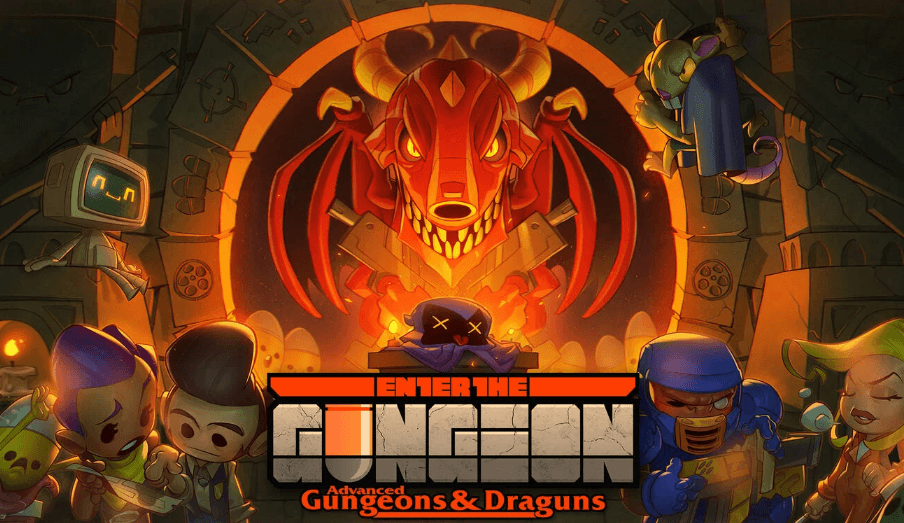
Enter the Gungeon sends players through bullet-themed dungeons with over 500 guns — ranging from the functional to the absurd — as the primary item pool. Dodge-rolling through enemy fire while managing ammo and synergies is the entire combat system. GPA scores it high on Roguelike and Difficulty — closer to a reflex-demanding shooter than the stat-management roguelites it shares shelf space with.
Tag Similarity
Roguelike
90%
Action
85%
High Difficulty
85%
Graphics
65%
Dystopian Setting
0%
Character Building
0%
Chart tags: Roguelike / Action / High Difficulty / Graphics / Dystopian Setting / Character Building
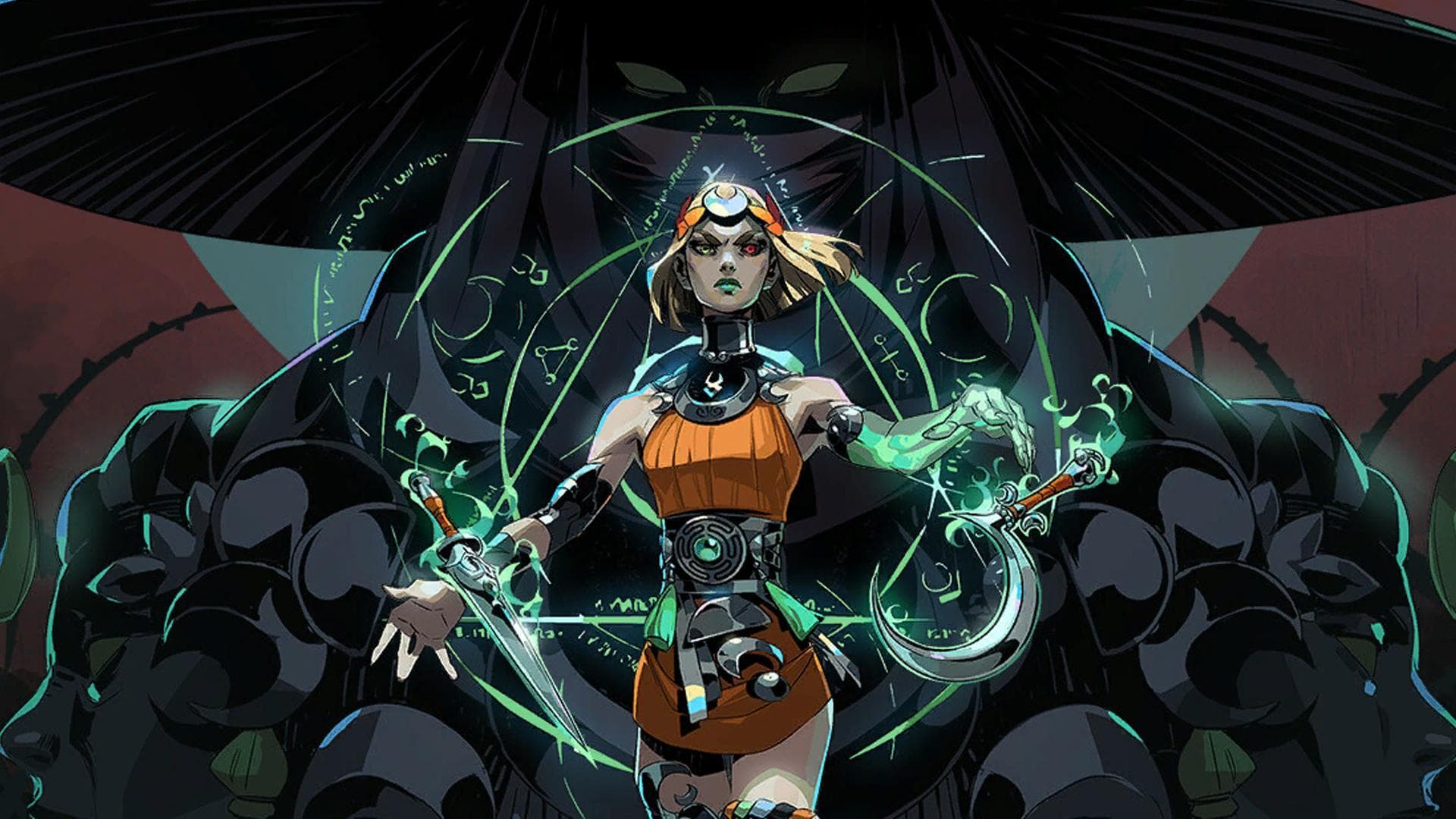
Hades II follows Melinoe, daughter of Hades, fighting through the underworld to reach Chronos. The roguelike structure deepens with each run — new dialogue, new relationships, new context. GPA scores it higher on Roguelike and Action than the original, with Emotional Story rising as the narrative accumulates across deaths.
Tag Similarity
Roguelike
95%
Action
90%
High Difficulty
80%
Graphics
75%
Dystopian Setting
0%
Character Building
0%
Chart tags: Roguelike / Action / High Difficulty / Graphics / Dystopian Setting / Character Building
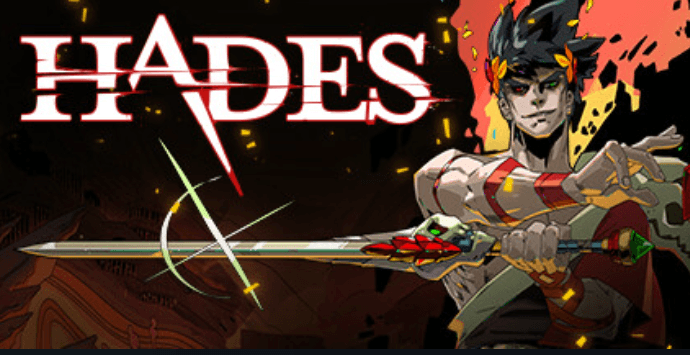
Hades follows Zagreus through escape attempts from the underworld where story advances regardless of success or failure. GPA scores it at the top for Roguelike and high on Action, with Emotional Story above 70.
Tag Similarity
Roguelike
90%
Action
85%
High Difficulty
75%
Graphics
75%
Dystopian Setting
0%
Character Building
0%
Chart tags: Roguelike / Action / High Difficulty / Graphics / Dystopian Setting / Character Building
Spelunky 2 generates cave systems procedurally with enough physics interaction to produce emergent disasters. GPA scores it at the top for Difficulty and high on Roguelike.
Tag Similarity
Roguelike
90%
Action
75%
High Difficulty
85%
Graphics
55%
Dystopian Setting
0%
Character Building
0%
Chart tags: Roguelike / Action / High Difficulty / Graphics / Dystopian Setting / Character Building
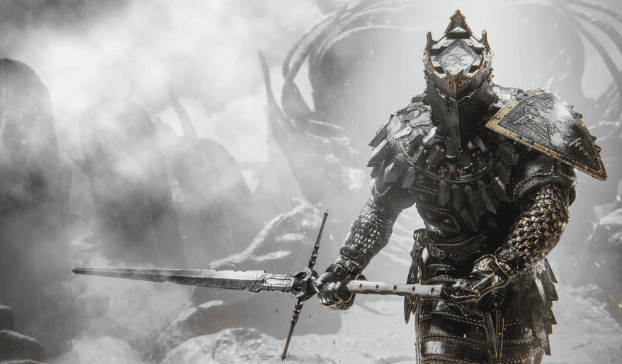
Mortal Shell builds its Soulslike around Shell possession — inhabiting the bodies of fallen warriors with distinct combat styles — and a Harden mechanic that turns the player into a statue to absorb one attack. Cold Symmetry's debut. Switch, PS4/5, Xbox, PC. GPA scores it high on Action and Dark World — the indie Soulslike that delivered a distinct mechanical identity without the FromSoftware budget.
Tag Similarity
Roguelike
0%
Action
75%
High Difficulty
70%
Graphics
68%
Dystopian Setting
82%
Character Building
60%
Chart tags: Roguelike / Action / High Difficulty / Graphics / Dystopian Setting / Character Building
The Mummy Demastered was released alongside the 2017 film and received better reviews than the movie. WayForward's pixel art and enemy design quality applied to an ancient Egypt Metroidvania. Switch, PS4, Xbox, PC. GPA scores it high on Action and Puzzle — the licensed tie-in that proved WayForward's technical quality is independent of the IP attached to it.
Tag Similarity
Roguelike
0%
Action
72%
High Difficulty
65%
Graphics
65%
Dystopian Setting
60%
Character Building
0%
Chart tags: Roguelike / Action / High Difficulty / Graphics / Dystopian Setting / Character Building
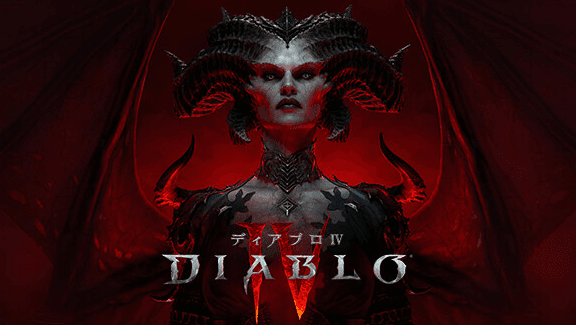
Diablo IV returns to a darker visual register than Diablo III, adding open-world zones and a Paragon board for endgame build development. The five classes play substantially differently. GPA scores it high on Co-op and Action, with Dark World above average — the combination that describes the cooperative loot loop more precisely than genre alone.
Tag Similarity
Roguelike
50%
Action
85%
High Difficulty
50%
Graphics
85%
Dystopian Setting
65%
Character Building
90%
Chart tags: Roguelike / Action / High Difficulty / Graphics / Dystopian Setting / Character Building
Order of Ecclesia is the hardest and most expansive of the DS Castlevania entries, sending Shanoa through a system of interconnected maps that include exterior regions not seen in the GBA or earlier DS entries. The Glyph absorption system replaces fixed weapons with combination-based combat. Switch (Nintendo Classics DS category), Nintendo DS. GPA scores it high on Difficulty and Action — the Castlevania entry where the series' mechanical ambition peaked.
Tag Similarity
Roguelike
0%
Action
78%
High Difficulty
80%
Graphics
55%
Dystopian Setting
78%
Character Building
60%
Chart tags: Roguelike / Action / High Difficulty / Graphics / Dystopian Setting / Character Building
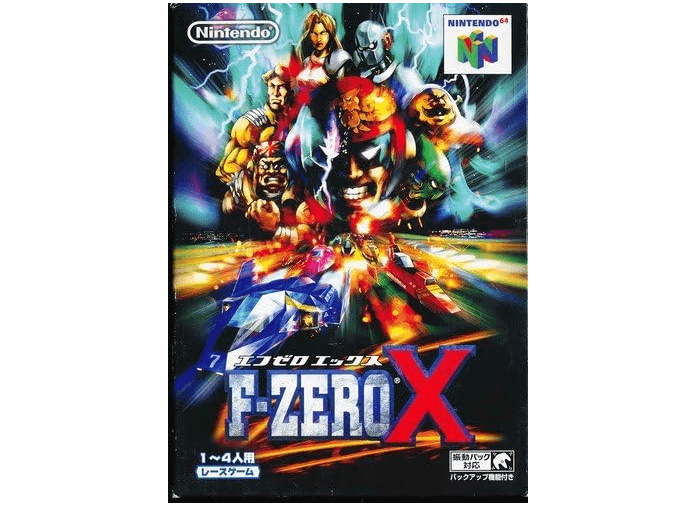
F-Zero X runs 30 vehicles simultaneously at 60fps, maintaining speed consistency that only Sega's arcades matched at the time. Contact drains a health meter; recovery requires hitting boost strips. Available through Nintendo Classics. GPA scores it high on Difficulty and Action — the racing game where death comes from speed mismanagement rather than missing turns.
Tag Similarity
Roguelike
0%
Action
80%
High Difficulty
75%
Graphics
55%
Dystopian Setting
0%
Character Building
0%
Chart tags: Roguelike / Action / High Difficulty / Graphics / Dystopian Setting / Character Building
Bloodstained: Ritual of the Night was crowdfunded as the spiritual successor to Castlevania by series producer Koji Igarashi. Miriam's Shard system generates hundreds of ability combinations from crystallized demon powers. Switch, PS4, Xbox, PC. GPA scores it high on Action and Strategy — the Metroidvania built for the audience that grew up on Symphony of the Night.
Tag Similarity
Roguelike
0%
Action
75%
High Difficulty
65%
Graphics
65%
Dystopian Setting
75%
Character Building
75%
Chart tags: Roguelike / Action / High Difficulty / Graphics / Dystopian Setting / Character Building
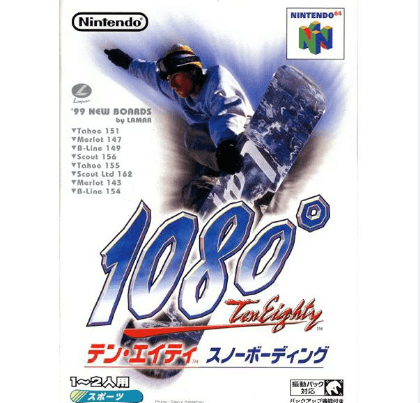
1080° Snowboarding built its reputation on snow physics that made each carve feel weighted differently based on slope and snow conditions. Trick contest and race modes ran parallel. Available through Nintendo Classics in December 2023. GPA scores it high on Action — the N64 sports game that grounded its design in physics rather than arcade simplification.
Tag Similarity
Roguelike
0%
Action
72%
High Difficulty
60%
Graphics
65%
Dystopian Setting
0%
Character Building
0%
Chart tags: Roguelike / Action / High Difficulty / Graphics / Dystopian Setting / Character Building
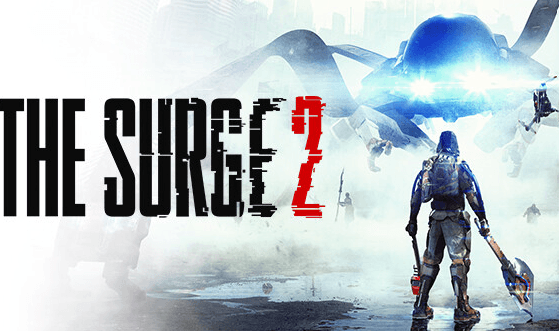
The Surge 2 expands Deck13's limb-targeting system into Jericho City, letting players sever specific enemy body parts to loot their gear. The combat rewards precision over stat investment. Focus Entertainment. PS4, Xbox One, PC. GPA scores it high on Action and Strategy — the Soulslike where the dismemberment mechanic is inseparable from the loot economy.
Tag Similarity
Roguelike
0%
Action
78%
High Difficulty
72%
Graphics
65%
Dystopian Setting
75%
Character Building
62%
Chart tags: Roguelike / Action / High Difficulty / Graphics / Dystopian Setting / Character Building
Ghostrunner runs a cybernetic warrior up a dystopian tower in first person, with one-hit-kill rules applying to both player and enemies. The wall-running and dash system makes each corridor a puzzle with multiple timing solutions. One More Level, 505 Games. Switch, PS4/5, Xbox, PC. GPA scores it high on Action and Difficulty — the first-person action game where death is a design feature rather than a punishment.
Tag Similarity
Roguelike
0%
Action
90%
High Difficulty
82%
Graphics
75%
Dystopian Setting
75%
Character Building
0%
Chart tags: Roguelike / Action / High Difficulty / Graphics / Dystopian Setting / Character Building
Path of Exile 2 expands the original's already vast build system into a new continent and act structure. The passive skill tree and gem system generate more build combinations than any comparable ARPG. GPA scores it at the top for Strategy among action games and high on Difficulty — a positioning that identifies it as the deepest mechanical entry in the genre.
Tag Similarity
Roguelike
40%
Action
85%
High Difficulty
75%
Graphics
70%
Dystopian Setting
70%
Character Building
95%
Chart tags: Roguelike / Action / High Difficulty / Graphics / Dystopian Setting / Character Building
Salt and Sanctuary built Dark Souls' bonfire-and-estus structure into a 2D Metroidvania, developed by a two-person studio. The attribute-heavy character building and precise shield/dodge combat carry the genre comparison. Switch, PS4, Xbox, PC. GPA scores it high on Action and Difficulty — the Metroidvania most often recommended to players who want Souls-style punishment in a 2D format.
Tag Similarity
Roguelike
0%
Action
80%
High Difficulty
85%
Graphics
55%
Dystopian Setting
82%
Character Building
70%
Chart tags: Roguelike / Action / High Difficulty / Graphics / Dystopian Setting / Character Building
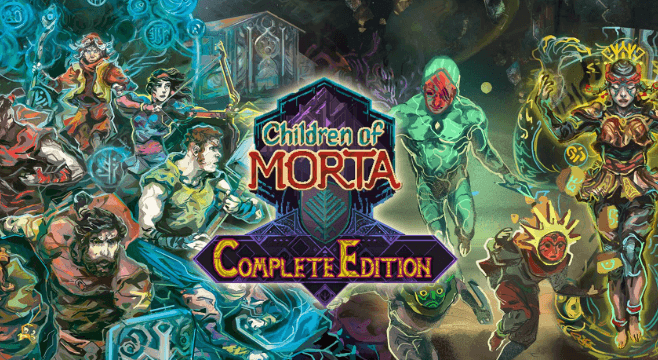
Children of Morta sends a family through procedurally generated dungeons with story advancing through a shared camp. GPA scores it high on Roguelike and Co-op.
Tag Similarity
Roguelike
80%
Action
75%
High Difficulty
0%
Graphics
65%
Dystopian Setting
55%
Character Building
70%
Chart tags: Roguelike / Action / High Difficulty / Graphics / Dystopian Setting / Character Building
About "Dead Cells"
▸Game Composition (GPA Analysis)
デッドセルズ(Dead Cells) leads with its ローグライクアクション identity, anchored by the core feel of "Dead Cells runs a roguelite loop through a plague-infested island, with weapon synergies that change substantially bet…." The headline profile reads Roguelike 90% / Action 90% / High Difficulty 80%, making it a strong pick for fans of Roguelike and Action. Oriented toward experienced players looking to push their limits.
▸Characteristics & Analysis
Our editorial team scored "デッドセルズ(Dead Cells)" by using its feel of metroidvania, roguelike, and build crafting as the primary lens, weighting Roguelike and Action most heavily. Top similar titles include "ローグレガシー2(Rogue Legacy 2)", "ディープロックギャラクティック:サバイバー(Deep Rock Galactic: Survivor)", "バインディングオブアイザック:リペンタンス(The Binding of Isaac: Repentance)".
Dead Cells — A RoguVania Built Around Learning Through Failure
Game Overview
Dead Cells is a 2D action-platformer developed by Motion Twin.
The game combines roguelite replayability with Metroidvania-style exploration and progression, a combination the developers describe as “RogueVania.” Officially, Dead Cells is described as a rogue-lite, Metroidvania-inspired action-platformer with 2D Souls-lite combat. (Dead Cells)
You play as the Beheaded, an immortal entity exploring a cursed island.
Each run takes you through changing environments, enemies, weapons, and routes. If you die, the run ends and you start again. However, some unlocks, weapons, abilities, and new paths carry over between attempts. (Steam Store)
The result is a simple but highly replayable loop:
Explore → fight → build your character → die → unlock new options → try again.
Gameplay Analysis
Where Roguelite Meets Metroidvania
The defining feature of Dead Cells is the way it combines two different approaches to progression.
The roguelite side comes from the changing level layouts, randomized equipment, and the risk of losing your current run when you die.
The Metroidvania side comes from permanent unlocks and abilities that gradually open up new ways to explore the world. (Motion Twin)
That creates a progression loop where every run has two purposes.
You are trying to survive as long as possible, but you are also expanding the options available to you in future runs.
A new ability can open another route.
A different weapon can make a particular area easier.
And the next attempt can take you somewhere completely different.
You Get Better Even When the Character Dies
GPA gives Dead Cells an 80% High Difficulty score.
The challenge is not simply about enemies having large health bars.
You need to recognize attack patterns, understand enemy behavior, position yourself correctly, and use dodges and attacks at the right moment.
Motion Twin describes the combat as “2D Souls-lite,” emphasizing pattern-based enemies and bosses alongside weapons and spells with distinct gameplay characteristics. (Dead Cells)
An enemy that seemed overwhelming during your first few runs can become much easier once you understand its attacks.
That is an important part of Dead Cells.
The character can become stronger, but the player's own knowledge and mechanical skill are just as important.
You are not only upgrading the character. You are learning the game.
Weapons and Builds Keep Runs Fresh
Every run gives you opportunities to build your character differently.
You might focus on close-range weapons, attack from a distance, apply status effects, or use skills and traps to control enemies before engaging them directly.
Motion Twin says the game includes more than 50 weapons and spells, each designed to create different gameplay possibilities. (Motion Twin)
That variety gives players another reason to start a new run.
Even if you have already explored the same areas, a different weapon combination can change how you approach them.
You are constantly making small decisions about what fits your current build and what might help you survive the next section.
Choosing a Route Is Part of the Strategy
Dead Cells does not force players down a single linear path.
As you unlock new abilities and areas, you gain access to different routes through the island. (Dead Cells)
The interesting part is that there is not always one obvious “best” route.
Your choice can depend on your current equipment, your preferred playstyle, or simply which area you want to explore.
A certain route might offer equipment that fits your current build.
Another might contain enemies you would rather avoid.
That makes navigation itself part of the strategy.
The World Reveals Its Story in Pieces
GPA gives the game a 60% Dystopian Setting score.
The island is already in a state of decay, and much of its history is discovered gradually while exploring it.
Rather than relying on long exposition, Dead Cells leaves pieces of information throughout its environments and characters.
The story is therefore something you can uncover while playing rather than the primary reason to move forward.
For players who enjoy environmental storytelling, the ruined setting adds another layer to the exploration.
What the GPA Scores Tell Us
Title tendency chart (Dead Cells)
Roguelike ◀
90%
Action ◀
90%
High Difficulty ◀
80%
Graphics
65%
Dystopian Setting
60%
Character Growth
55%
* Based on GPA sub-tag scores. Roguelite repetition fused with Metroidvania-style permanent unlocks.
Target player scores (50+ = recommended fit)
Beginner40
Intermediate70
Advanced70
The strongest GPA scores for Dead Cells are Roguelike at 90%, Action at 90%, and High Difficulty at 80%. It also scores 65% for Graphics, 60% for Dystopian Setting, and 55% for Character Growth.
That profile makes the game's priorities fairly clear.
The core experience is built around repeated action-focused runs.
You fight, experiment with equipment, choose routes, learn enemy patterns, and gradually expand your options.
The 55% Character Growth score is also worth noting.
Progression exists, but it is not the same as endlessly leveling up a character in a traditional RPG. Instead, permanent unlocks expand your available weapons, abilities, and routes, while player skill remains central to progression.
The audience scores are 40 for beginners, 70 for intermediate players, and 70 for advanced players, making Dead Cells much more naturally suited to players who already enjoy challenging action games.
Author's Thoughts
The best thing about Dead Cells is how difficult it is to feel that a failed run was completely wasted.
You die, but you have learned an enemy's attack pattern.
You discover a weapon you want to try again.
You unlock a new ability.
And next time, you can choose a different route.
That gives every death a sense of forward momentum.
The most satisfying progress, however, comes from the player rather than the character.
An enemy that once stopped you becomes manageable.
A section that seemed impossible becomes familiar.
Eventually, you reach areas that you could barely approach during your first few attempts.
Some of that comes from permanent progression, but a lot of it comes from simply understanding the game better.
That is what makes the combination of roguelite and Metroidvania work so well.
The world keeps changing, but your knowledge keeps accumulating.
Conclusion
Dead Cells combines roguelite replayability, Metroidvania exploration, build experimentation, and demanding 2D action into a single gameplay loop.
Its GPA profile highlights the game's core strengths: 90% Roguelike, 90% Action, and 80% High Difficulty.
It is a strong fit for players who:
Enjoy roguelikes and roguelites
Like Metroidvania exploration
Want challenging 2D action
Enjoy experimenting with weapons and builds
Like games where failure teaches you something
Prefer games where their own skill improves over time
The basic idea is simple:
Die → learn → unlock new options → try again.
But Dead Cells connects that loop to exploration, route selection, build creation, and combat so naturally that starting over rarely feels like starting from zero.
The character gains new options.
The player gains new knowledge.
And that combination is what makes Dead Cells such an effective RogueVania.