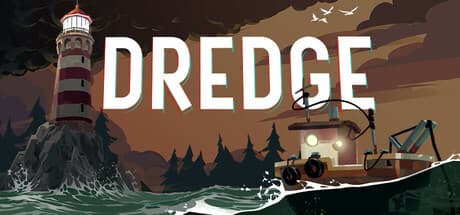
DREDGE sends a lone fisherman through an isolated archipelago where the fish are wrong and the nights are dangerous. The Lovecraftian horror escalates through item descriptions and environmental events rather than cutscenes. GPA scores it high on Dark World and Horror — the combination that separates it from other fishing games structurally.
Game Characteristics
Story Depth
65%
Dystopian Setting
65%
Horror
65%
Existential Themes
60%
Graphics
60%
Dark
60%
Emotional Story
55%
Open World
50%
Visual Novel / ADV
50%
Logic
50%
High Difficulty
40%
Strategy
30%
Player profile fit
Recommended for: Beginner to Advanced players (A score of 50 or higher indicates a good fit.)
Stray follows a cat navigating a walled city beneath a dome, with no human population remaining. The movement system maps to feline behavior. GPA scores it high on Existential Themes and Dark World, with Emotional Story above average — a combination that describes a walking game built around atmosphere and a specific viewpoint.
Tag Similarity
Story Depth
75%
Dystopian Setting
85%
Horror
0%
Existential Themes
65%
Graphics
90%
Dark
60%
Emotional Story
80%
Open World
0%
Chart tags: Story Depth / Dystopian Setting / Horror / Existential Themes / Graphics / Dark / Emotional Story / Open World
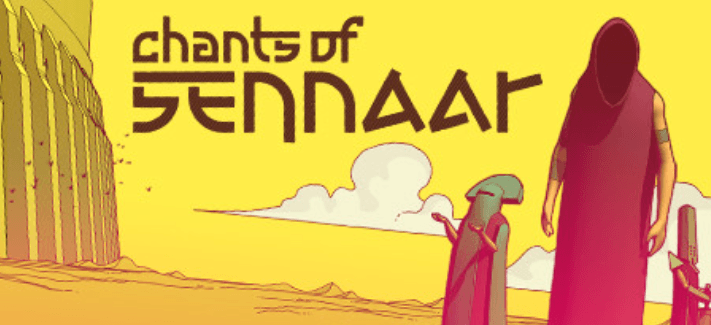
Chants of Sennaar tasks players with deciphering five constructed languages by observing context and testing hypotheses. Each language belongs to a different culture in a tower where communication has broken down. GPA scores it at the top for Puzzle and Existential Themes — the combination that correctly identifies decryption and philosophy as the twin engines of the experience.
Tag Similarity
Story Depth
70%
Dystopian Setting
50%
Horror
0%
Existential Themes
60%
Graphics
60%
Dark
45%
Emotional Story
60%
Open World
0%
Chart tags: Story Depth / Dystopian Setting / Horror / Existential Themes / Graphics / Dark / Emotional Story / Open World
Alan Wake 2 sends writer Alan Wake through the Dark Place and FBI agent Saga Anderson through a murder investigation in Bright Falls simultaneously. The two timelines comment on each other. GPA scores it high on Horror and Dark World, with Story Depth above average — a narrative horror that uses the medium's interactivity as the storytelling mechanism.
Tag Similarity
Story Depth
90%
Dystopian Setting
85%
Horror
80%
Existential Themes
85%
Graphics
90%
Dark
75%
Emotional Story
80%
Open World
0%
Chart tags: Story Depth / Dystopian Setting / Horror / Existential Themes / Graphics / Dark / Emotional Story / Open World
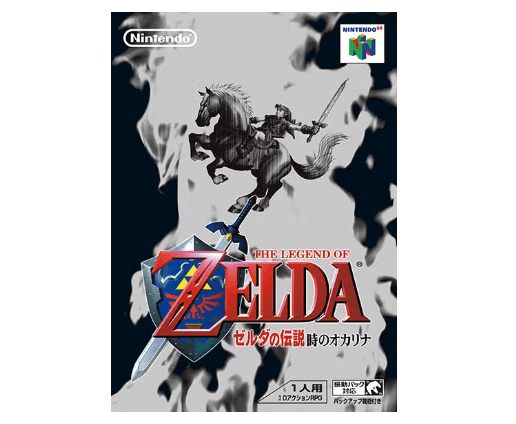
The Legend of Zelda: Ocarina of Time is playable through Nintendo Switch Online's Nintendo Classics catalog. The N64 title established 3D action-adventure design conventions that remain standard. GPA scores it high on Puzzle and Emotional Story — the combination that captures a game remembered for its dungeon design and narrative weight as much as its historical importance.
Tag Similarity
Story Depth
80%
Dystopian Setting
20%
Horror
20%
Existential Themes
70%
Graphics
40%
Dark
55%
Emotional Story
80%
Open World
50%
Chart tags: Story Depth / Dystopian Setting / Horror / Existential Themes / Graphics / Dark / Emotional Story / Open World
A Plague Tale: Requiem continues Amicia and Hugo's escape across 14th-century France, with rat swarms used as environmental obstacles and threats. The sibling relationship drives the emotional weight. GPA scores it high on Emotional Story and Dark World — the combination that positions it as a story-driven action game rather than a survival horror title.
Tag Similarity
Story Depth
85%
Dystopian Setting
75%
Horror
50%
Existential Themes
60%
Graphics
90%
Dark
65%
Emotional Story
90%
Open World
0%
Chart tags: Story Depth / Dystopian Setting / Horror / Existential Themes / Graphics / Dark / Emotional Story / Open World
Silent Hill 2 Remake rebuilds the 2001 psychological horror classic with full 3D traversal and over-the-shoulder combat while preserving the fog-dense town of Silent Hill and James Sunderland's fragmented guilt. GPA scores it high on Horror and Dark World — the combination that defines survival horror at its most psychologically deliberate.
Tag Similarity
Story Depth
85%
Dystopian Setting
90%
Horror
90%
Existential Themes
85%
Graphics
80%
Dark
85%
Emotional Story
80%
Open World
0%
Chart tags: Story Depth / Dystopian Setting / Horror / Existential Themes / Graphics / Dark / Emotional Story / Open World
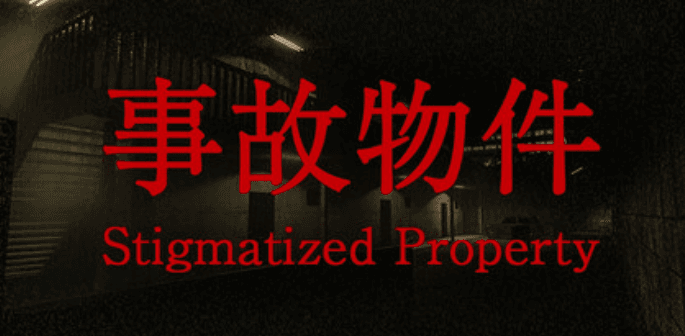
The Stigmatized Property drops players into a Tokyo apartment building with a history of fatal incidents. Chilla's Art's signature found footage aesthetic and abrupt pacing create tension through restraint rather than spectacle. GPA scores it high on Horror and Dark World — the combination that defines the Japanese indie horror genre's most prolific studio.
Tag Similarity
Story Depth
20%
Dystopian Setting
40%
Horror
80%
Existential Themes
55%
Graphics
25%
Dark
40%
Emotional Story
0%
Open World
0%
Chart tags: Story Depth / Dystopian Setting / Horror / Existential Themes / Graphics / Dark / Emotional Story / Open World
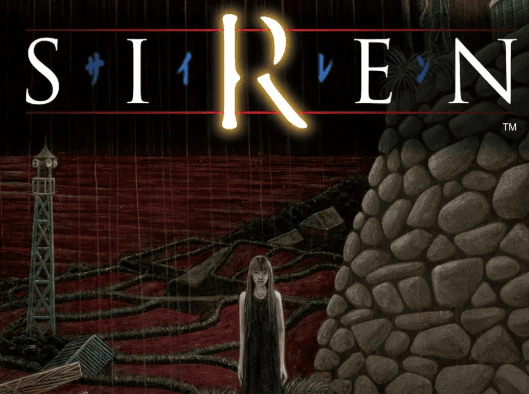
Siren assigns players multiple characters across a fragmented timeline, navigating a cursed village where the undead Shibito patrol. Sightjacking — temporarily borrowing Shibito vision — is the primary information tool. GPA scores it high on Horror and Dark World — a survival horror built around information asymmetry rather than ammunition management.
Tag Similarity
Story Depth
80%
Dystopian Setting
90%
Horror
100%
Existential Themes
70%
Graphics
40%
Dark
80%
Emotional Story
80%
Open World
0%
Chart tags: Story Depth / Dystopian Setting / Horror / Existential Themes / Graphics / Dark / Emotional Story / Open World
Yakuza 0 covers the 1988 origins of Kiryu and Majima before the events of the main series, set against the backdrop of the Japanese bubble economy. The dual protagonist structure gives each character a distinct combat style and business management game. GPA scores it high on Emotional Story and Story Depth — the strongest narrative entry point in the series.
Tag Similarity
Story Depth
70%
Dystopian Setting
35%
Horror
0%
Existential Themes
55%
Graphics
45%
Dark
50%
Emotional Story
85%
Open World
40%
Chart tags: Story Depth / Dystopian Setting / Horror / Existential Themes / Graphics / Dark / Emotional Story / Open World
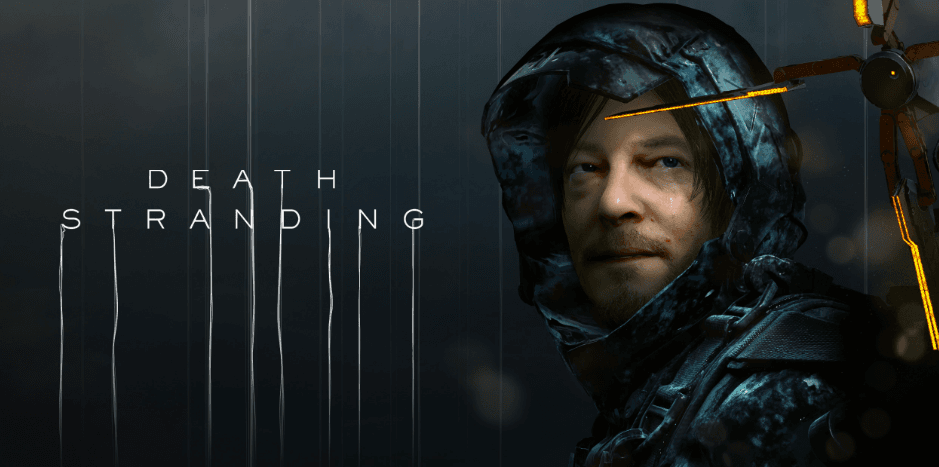
Death Stranding asks players to reconnect a post-apocalyptic America by carrying cargo across difficult terrain. Other players' structures appear in your world. GPA scores it high on Existential Themes and Open World, with the lowest Action score among open-world titles — a combination that accurately identifies who this game is and isn't for.
Tag Similarity
Story Depth
85%
Dystopian Setting
80%
Horror
0%
Existential Themes
85%
Graphics
90%
Dark
60%
Emotional Story
80%
Open World
80%
Chart tags: Story Depth / Dystopian Setting / Horror / Existential Themes / Graphics / Dark / Emotional Story / Open World
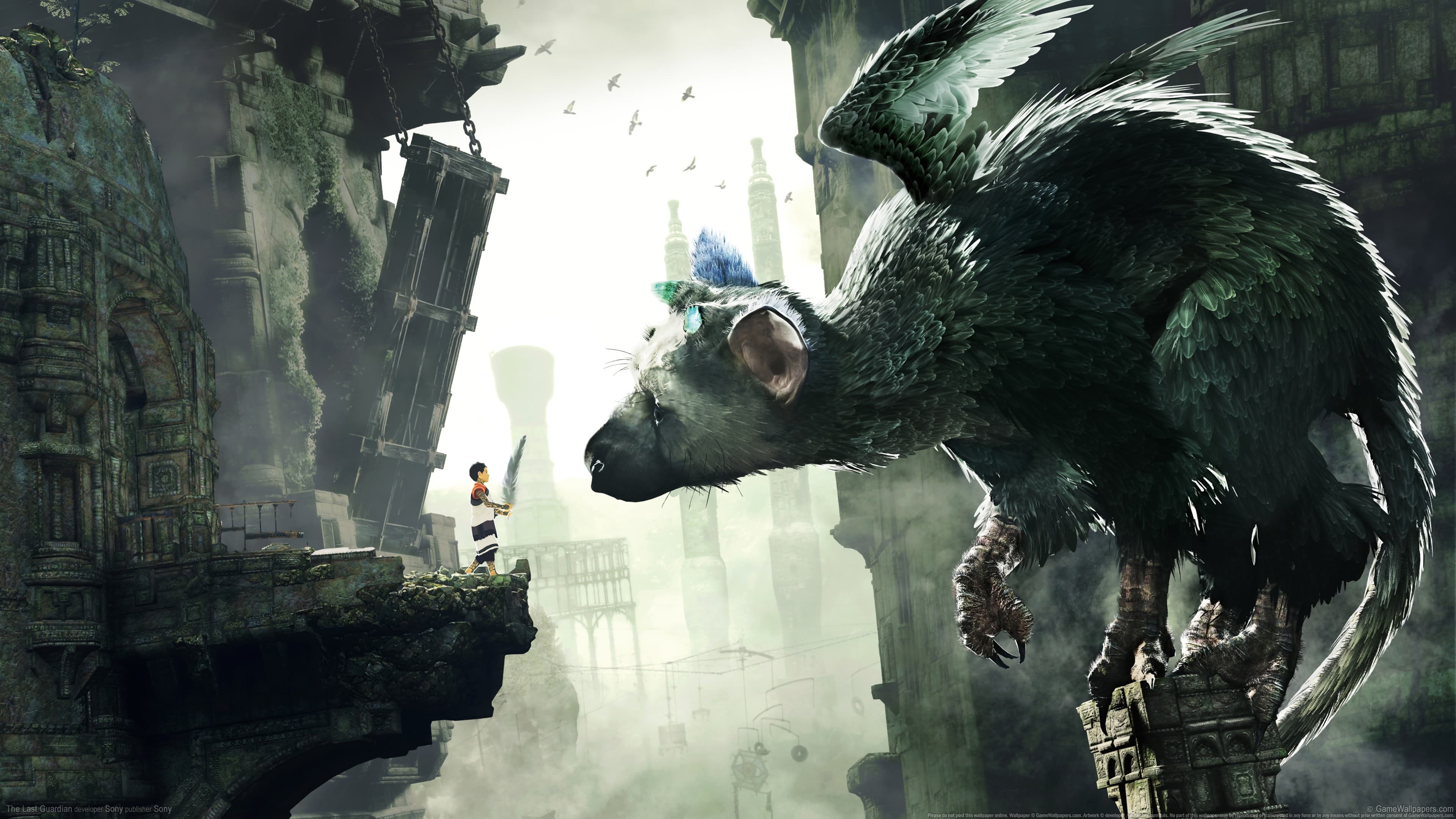
The Last Guardian follows a boy and an enormous creature named Trico through a crumbling ruin, building a relationship through care rather than command. Trico's AI creates unpredictable behavior that makes each interaction feel earned. GPA scores it at the top for Emotional Story — the highest in its genre category — with Dark World reflecting the melancholy that runs through the environmental design.
Tag Similarity
Story Depth
85%
Dystopian Setting
75%
Horror
0%
Existential Themes
70%
Graphics
85%
Dark
55%
Emotional Story
95%
Open World
0%
Chart tags: Story Depth / Dystopian Setting / Horror / Existential Themes / Graphics / Dark / Emotional Story / Open World
KAKURENBO: Hide and Seek follows a child through an abandoned rural area using hand-illustrated 2.5D environments. Four endings. GPA scores it high on Horror and Multiple Endings.
Tag Similarity
Story Depth
50%
Dystopian Setting
70%
Horror
70%
Existential Themes
55%
Graphics
50%
Dark
60%
Emotional Story
55%
Open World
0%
Chart tags: Story Depth / Dystopian Setting / Horror / Existential Themes / Graphics / Dark / Emotional Story / Open World
Myhouse.wad was released as a Doom II WAD file in 2023, presenting itself as a recreation of a dead friend's house that gradually reveals impossible geometry and psychological horror. GPA scores it high on Existential Themes and Horror — the highest-rated entry in the liminal space genre for emotional weight relative to technical presentation.
Tag Similarity
Story Depth
80%
Dystopian Setting
85%
Horror
85%
Existential Themes
90%
Graphics
50%
Dark
85%
Emotional Story
85%
Open World
0%
Chart tags: Story Depth / Dystopian Setting / Horror / Existential Themes / Graphics / Dark / Emotional Story / Open World
Control sends Jesse Faden into the Federal Bureau of Control's headquarters, a brutalist building that reorganizes itself. The environmental storytelling runs through case files and audio logs. GPA scores it high on Existential Themes and Dark World, with Action above average — a positioning that describes a game where the world-building is the primary draw alongside the telekinetic combat.
Tag Similarity
Story Depth
70%
Dystopian Setting
80%
Horror
55%
Existential Themes
70%
Graphics
85%
Dark
65%
Emotional Story
65%
Open World
0%
Chart tags: Story Depth / Dystopian Setting / Horror / Existential Themes / Graphics / Dark / Emotional Story / Open World
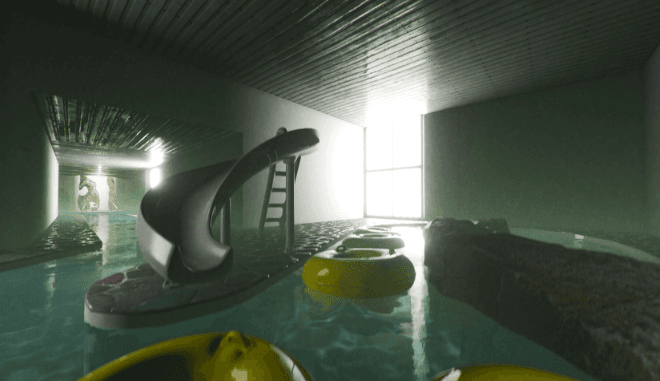
Anemoiapolis recreates malls, pools, and transitional spaces with the visual fidelity to make the emptiness feel accurate rather than digital. The term 'anemoiapolis' describes the game's central emotion: nostalgia for places you have never been. GPA scores it high on Dark World — the combination that places it at the purest end of the liminal space genre.
Tag Similarity
Story Depth
0%
Dystopian Setting
85%
Horror
65%
Existential Themes
75%
Graphics
80%
Dark
65%
Emotional Story
55%
Open World
0%
Chart tags: Story Depth / Dystopian Setting / Horror / Existential Themes / Graphics / Dark / Emotional Story / Open World
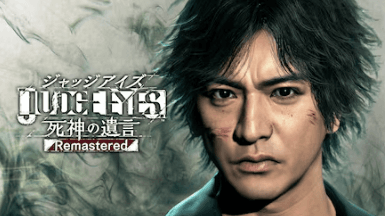
Judgment follows disgraced defense attorney Takayuki Yagami through a Kamurocho murder investigation that ties into a pharmaceutical conspiracy. The detective mechanics — tailing suspects, drone surveillance — add variety to the brawler combat. GPA scores it high on Story Depth and Emotional Story, with Action above average for the narrative-focused positioning.
Tag Similarity
Story Depth
85%
Dystopian Setting
30%
Horror
0%
Existential Themes
60%
Graphics
50%
Dark
55%
Emotional Story
70%
Open World
40%
Chart tags: Story Depth / Dystopian Setting / Horror / Existential Themes / Graphics / Dark / Emotional Story / Open World
Lost Judgment expands the detective framework into a high school setting where Yagami investigates bullying and serial murder simultaneously. The club activity system adds social depth between cases. GPA scores it above Lost Judgment (2018) on Story Depth — the investigation structure and social commentary carry more weight in the sequel.
Tag Similarity
Story Depth
90%
Dystopian Setting
30%
Horror
0%
Existential Themes
65%
Graphics
55%
Dark
55%
Emotional Story
70%
Open World
40%
Chart tags: Story Depth / Dystopian Setting / Horror / Existential Themes / Graphics / Dark / Emotional Story / Open World
SOMA places players in an underwater facility in 2104 and asks what consciousness means — whether a copied mind is the same person, and what death means if copies exist. Combat is minimal; the horror comes from what the story reveals. Frictional Games' follow-up to Amnesia. GPA scores it at the top for Existential Themes among horror games — the only entry where philosophy and survival horror share equal weight.
Tag Similarity
Story Depth
85%
Dystopian Setting
85%
Horror
75%
Existential Themes
95%
Graphics
70%
Dark
80%
Emotional Story
85%
Open World
0%
Chart tags: Story Depth / Dystopian Setting / Horror / Existential Themes / Graphics / Dark / Emotional Story / Open World
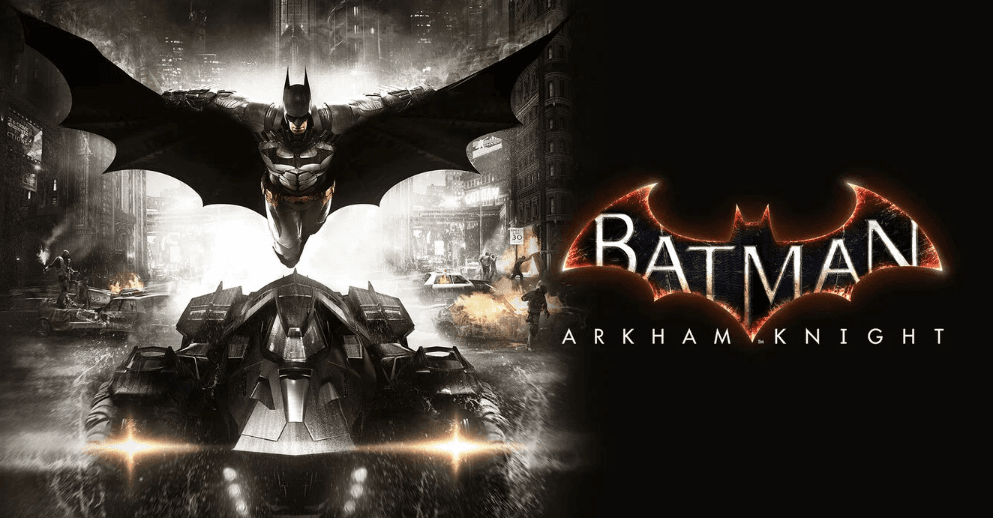
Batman: Arkham Knight closes the Arkham trilogy with the Batmobile fused into the combat and traversal systems. Gotham at night is the strongest visual presentation in the series. GPA scores it high on Action and Dark World — the combination that defines the Arkham series across all entries.
Tag Similarity
Story Depth
75%
Dystopian Setting
65%
Horror
40%
Existential Themes
55%
Graphics
90%
Dark
60%
Emotional Story
70%
Open World
70%
Chart tags: Story Depth / Dystopian Setting / Horror / Existential Themes / Graphics / Dark / Emotional Story / Open World
About "Dredge"
▸Game Composition (GPA Analysis)
DREDGE(ドレッジ) leads with its 釣りアドベンチャー identity, anchored by the core feel of "DREDGE sends a lone fisherman through an isolated archipelago where the fish are wrong and the nights are dangerous." The headline profile reads Story Depth 65% / Dystopian Setting 65% / Horror 65%, making it a strong pick for fans of Story Depth and Dystopian Setting. Skews toward a beginner-to-intermediate audience while still leaving room for more seasoned players.
▸Characteristics & Analysis
Our editorial team scored "DREDGE(ドレッジ)" by using its feel of horror, cosmic horror, and indie as the primary lens, weighting Story Depth and Dystopian Setting most heavily. Top similar titles include "Stray(ストレイ)", "チャンツ・オブ・セナール", "アランウェイク2(Alan Wake 2)".
DREDGE: Game Analysis
Game Overview
DREDGE is a fishing adventure that gradually turns into something much darker.
You play as a fisherman exploring a mysterious archipelago, catching fish, selling your haul, upgrading your boat, and investigating the secrets hidden beneath the water.
At first, the routine is simple.
Find a fishing spot, catch fish, return to port, sell your haul, and use the money to improve your boat. Better equipment allows you to reach new areas, where you can discover new species, treasures, quests, and secrets.
But the ocean changes after dark.
Fog begins to cover the water, strange creatures appear, and spending too much time at sea becomes increasingly dangerous. The contrast between the peaceful daytime ocean and the horrors that emerge at night is one of the game's defining features.
Gameplay Analysis
GPA rates DREDGE at 65% for Story Depth, 65% for Decadent Worldview, 65% for Horror, 60% for Existential Themes, 60% for Graphics, and 60% for Dark.
A Fishing Game Built Around Exploration
The basic gameplay loop is straightforward:
Catch fish → sell your haul → upgrade your boat → explore new waters → discover new fish and secrets.
There are more than 125 deep-sea species to discover, along with treasures, materials, quests, and other collectibles. Each region also has its own inhabitants and mysteries, gradually expanding the game's world beyond simple fishing. (DREDGE)
The boat itself becomes an important part of progression.
Better equipment allows you to reach deeper waters and more remote areas. Your cargo space is also limited, forcing you to decide what is worth bringing back.
However, this isn't a complex strategy game. The 30% Strategy score reflects that. DREDGE gives players meaningful decisions, but its systems are designed to remain accessible rather than becoming deeply tactical.
The same applies to the 50% Open World score. You are free to explore different islands and waters, but this isn't an enormous sandbox where the player can wander indefinitely. Exploration is structured around discovering new areas, completing quests, and gradually improving the boat.
Should You Keep Exploring?
The day-night cycle is where DREDGE's systems and horror come together.
During the day, the sea is relatively safe. You can fish, explore, salvage items, and return to port.
At night, the risks increase. Strange events become more common, and the protagonist's sanity can deteriorate. (Black Salt Games)
That creates a simple but effective question:
“Should I keep going, or should I head back?”
Maybe one more fishing spot will give you enough money for an upgrade.
Maybe there is something interesting just beyond the next island.
But the sun is going down.
This decision is what makes DREDGE's horror work as gameplay rather than simply as atmosphere.
Why the Horror Score Is 65%
DREDGE isn't built around constant chase sequences or jump scares.
Instead, its horror comes from watching a familiar environment become increasingly unreliable.
The peaceful ocean changes after dark.
Normal fish can appear in bizarre, corrupted forms.
Something may be moving in the fog.
And as the player's sanity deteriorates, the world itself can begin to look different. (Black Salt Games)
That is why the 65% Horror and 60% Dark scores are important.
At the same time, DREDGE only receives 40% for High Difficulty. The game can create tension and fear without demanding extreme mechanical skill.
It's unsettling, but it isn't brutally difficult.
That distinction is central to the experience.
Story and Existential Themes
The 65% Story Depth score also reflects the way DREDGE gradually reveals its world.
The player doesn't receive every answer immediately. Instead, the story develops through quests, encounters with local inhabitants, strange fish, and discoveries made while exploring the sea.
The official description emphasizes meeting the inhabitants of each region and completing quests to uncover their personal stories. (DREDGE)
The 60% Existential Themes score comes from the game's treatment of humanity's desire to uncover things that may be better left unknown.
The deeper you explore, the more you encounter things that challenge your understanding of the world.
The game's official site even frames its central mystery around the idea that there are things better left forgotten. (DREDGE)
DREDGE doesn't deliver a philosophical lecture about existence.
Instead, it turns curiosity itself into part of the story.
You want to know what is beneath the water.
You want to see what the next region contains.
You want to understand what happened here.
And that desire keeps pushing you further into danger.
Conclusion
Title tendency chart (DREDGE)
Story Depth ◀
65%
Dystopian Setting ◀
65%
Horror ◀
65%
Existential Themes
60%
Graphics
60%
Dark
60%
Open World
50%
Brain
50%
High Difficulty
40%
Strategy
30%
* Based on GPA sub-tag scores. Developed by Black Salt Games. Released 2023.
DREDGE combines fishing, exploration, progression, mystery, and horror into a surprisingly cohesive experience.
Its GPA scores make that identity clear.
Story Depth, Decadent Worldview, and Horror all sit at 65%, while Existential Themes, Graphics, and Dark are at 60%. This is not simply a fishing simulator with a few scary moments added on top.
During the day, you explore a beautiful ocean, catch fish, and improve your boat.
At night, the same ocean becomes increasingly hostile.
As you continue exploring, you gradually discover what is happening beneath the surface.
Curiosity is what keeps you sailing into danger.
The 40% High Difficulty and 30% Strategy scores also show what kind of game DREDGE is not. It isn't designed around punishing combat or complicated tactical systems.
Instead, its strength lies in atmosphere, exploration, progression, and the gradual discovery of a disturbing mystery.
For players who enjoy fishing, exploration, horror, and mystery, DREDGE offers a particularly effective combination: a relaxing fishing routine that slowly turns into a journey across an ocean you can no longer completely trust.