
20 Best Character Build Games — Design Combat Your Way in RPGs & Action Titles (GPA Analysis)
Game Analysis · 20 titles sorted into 5 character-build types via GPA scores
The appeal of character builds goes beyond making a character stronger. It comes from shaping how that character plays by combining skills, equipment, attributes, and abilities.
Even within the same game, different weapons, skills, and stat spreads can lead to very different combat styles and routes through challenges — whether you chase damage, defense, support, or a specialized tactic. In character build games, experimenting with those options is often as rewarding as using the finished setup.
This guide covers 20 titles with distinctive build customization — skill trees, equipment builds, class and party design, and combat-focused setups — compared through GPA data and each game's systems.
Rather than treating flexibility as overall quality, we focus on how each system works and how build choices change the play experience so you can match a game to your preferences.
What We Mean by Character Builds
Here, a character build is how you shape abilities, role, or combat style through skills, equipment, attributes, classes, and weapons. Leveling up matters, but build customization is about how choices work together and change performance in fights and elsewhere.
A melee-focused setup demands different spacing and decisions than a ranged or support kit; some games let one avatar solo while others expect party roles. Featured titles are grouped by where meaningful choices show up and how they affect gameplay.
For card decks and factory-style buildcraft, see 25 Deck & Build Games. This list focuses on persistent skills and gear that define combat on a character or party.
Five Character-Build Types
Five types — skill trees, gear synergy, class/party design, combat style, endgame optimization — based on where meaningful build choices enter the loop. Games can span types; each entry uses one primary label.
① Skill Trees & Perks — Level-Up Choices Are the Build
Skill trees, perks, or attribute points shape long-term growth. Prioritizing offense, defense, or support changes your role and combat rhythm. New choices unlock as you progress, so planning how a character develops is central to the experience.
② Gear & Set Synergy — Drops Finish the Build
Weapons, armor, accessories, and special effects combine into your kit. Individual stats matter, but set bonuses and gear synergies often define the build. Collecting pieces and testing combinations is a core part of the loop.
③ Class & Party Design — Roles Define the Kit
Classes, roles, skills, and party composition define your tactics. Success depends on how characters complement one another, not only raw power. Changing the roster can rewrite how you approach fights and objectives.
④ Combat Playstyle — Weapons & Movement Are the Build
Weapon, ability, and gear choices reshape how you move and fight. Timing, spacing, dodges, and parries matter as much as stats. Build options and player execution work together to create a distinct combat style.
⑤ Endgame Optimization — Push the Ceiling After the Credits
Challenging content, endgame modes, and repeatable fights push you to keep refining skills and equipment. Tuning a setup for a specific boss or difficulty tier stays engaging after the main story. Optimization and rebuilds remain a major draw.
Custom Character Build Depth Score
This article uses a custom Character Build Depth Score to compare build systems across the 20 games. It weighs the range of options, synergies between skills and equipment, how much combat style shifts with a build, and room to experiment — not official GPA totals.
Some titles have limited platform support. Use the buttons below to filter games featured in this article.
| # | Title | Platform | Build Focus |
|---|---|---|---|
| 1 | Baldur's Gate 3 | PS5steamXbox | 95% |
| 2 | Divinity: Original Sin 2 | PS5PS4steamXbox | 94% |
| 3 | Fire Emblem: Three Houses | Nintendo Switch | 91% |
| 4 | Elden Ring | PS5PS4steamXbox | 90% |
| 5 | Metaphor: ReFantazio | PS5steam | 89% |
| 6 | The Elder Scrolls V: Skyrim | Nintendo SwitchPS5PS4steamXbox | 88% |
| 7 | Dragon's Dogma 2 | PS5steamXbox | 88% |
| 8 | FINAL FANTASY VII Rebirth | PS5steam | 88% |
| 9 | Cyberpunk 2077 | PS5PS4steamXbox | 87% |
| 10 | The Witcher 3: Wild Hunt | Nintendo SwitchPS5PS4steamXbox | 86% |
| 11 | Armored Core VI: Fires of Rubicon | PS5PS4steamXbox | 86% |
| 12 | Mass Effect Legendary Edition | PS5PS4steamXbox | 85% |
| 13 | Fallout 4 | PS5PS4steamXbox | 84% |
| 14 | Bloodstained: Ritual of the Night | Nintendo SwitchPS4steamXbox | 83% |
| 15 | Dark Souls III | PS4steamXbox | 82% |
| 16 | Wo Long: Fallen Dynasty | PS5PS4steamXbox | 81% |
| 17 | Starfield | steamXbox | 80% |
| 18 | Horizon Zero Dawn | PS5PS4steam | 79% |
| 19 | Sekiro: Shadows Die Twice | PS5PS4steamXbox | 78% |
| 20 | Enshrouded | steam | 77% |
* This score measures build customization only — not overall game quality (not an official GPA score). A higher score does not mean every player will prefer that title.
Character Build Classification Matrix
X = build freedom, Y = how much combat style shifts — representative picks by type.
* Editorial placement — not official GPA scores.
Elden Ring vs BG3 vs Skyrim
Build flexibility is not just a count of options — it is how much skills, gear, and abilities change combat and tactics. Some games hinge on stat tuning and equipment; others on class combos and party roles. The tables below highlight those differences among three representative RPGs with deep build customization.
| Tag | Elden Ring | BG3 | Skyrim |
|---|---|---|---|
| Character Building | 40% | 50% | 80% |
| Strategy | 50% | 95% | 60% |
| Action | 90% | 55% | 75% |
| Open World | 80% | 70% | 90% |
| High Difficulty | 80% | 65% | 60% |
* Approximate GPA sheet tags. For clarity and synergy discovery, see the editorial comparison below.
| Dimension | Elden Ring | BG3 | Skyrim |
|---|---|---|---|
| Build freedom | High | Very high | Very high |
| Clarity (on-ramp) | Medium | Low–medium | Medium |
| Combat style variance | High | High | Medium–high |
| Synergy discovery | Medium | High | Medium |
| Trial-and-error cost | High | Medium–high | Low–medium |
| Post-game optimization | High | Medium | High |
Elden Ring ties equip load, weapon arts, and magic to moment-to-moment combat; BG3 centers tactics on classes plus terrain. Skyrim's perk order shapes both wandering and fights for a long stretch — use GPA tag rows as context, and the editorial table for build-clarity and trial cost, not as an overall quality ranking.
① Skill Trees & Perks — Level-Up Choices Are the Build
Skill trees, perks, or attribute points shape long-term growth. Prioritizing offense, defense, or support changes your role and combat rhythm. New choices unlock as you progress, so planning how a character develops is central to the experience.
Related: 25 Deck & Persistent Build Games →
1. The Elder Scrolls V: Skyrim
The Elder Scrolls V: Skyrim
Genre: Action RPG
An open-world RPG where you explore Skyrim, join factions, clear dungeons, and fight in real-time melee, archery, and magic.
Gameplay Profile
Key tags: Open World / Story Depth / Character Building / Action / Multiple Endings
Overview
An open-world RPG where you explore Skyrim, join factions, clear dungeons, and fight in real-time melee, archery, and magic.
Build Customization
Eighteen skills, perks, gear, and spells (destruction, conjuration, etc.) let you grow into warrior, mage, thief, or hybrid roles. Skills increase through use, so how you play drives growth.
Gameplay Impact
Summoning plus heavy armor turns dragon fights into attrition; stealth archery skips fights entirely. Early alchemy perks shift you toward potion economies and change how you fund gear upgrades.
2. Fallout 4
Fallout 4
Genre: Action RPG
Explore post-war Boston with settlement building and shooter combat. SPECIAL gates perks; perk ranks split VATS crit, rifles, melee, and power armor paths.
Gameplay Profile
Key tags: Dystopian Setting / Open World / Multiple Endings / Crafting / Graphics
Overview
Explore post-war Boston with settlement building and shooter combat. SPECIAL gates perks; perk ranks split VATS crit, rifles, melee, and power armor paths.
Build Customization
SPECIAL prerequisites unlock perk cards; each level adds points for Luck, Science, Heavy Guns, and more. Legendary weapon effects (explosive double tap, etc.) spike when perks align.
Gameplay Impact
VATs crit builds, power-armor minigun, or stealth rifles — missing one perk rank hurts on bosses. Weapon mods at the workbench assume a perk plan; a dropped legendary becomes “the gun for this build.”
3. Starfield
Starfield
Genre: Action RPG
Bethesda-scale space RPG — hop systems, explore planets, shoot, and customize ships and outposts. Five skill trees span combat, science, social, and piloting.
Gameplay Profile
Key tags: Open World / Graphics / Multiple Endings / Action / Story Depth
Overview
Bethesda-scale space RPG — hop systems, explore planets, shoot, and customize ships and outposts. Five skill trees span combat, science, social, and piloting.
Build Customization
Rank skills in five pillars; challenge completions unlock bonus perks. Boost pack timing, scanners, shipbuilding, and speech can diverge from ballistics and heavy combat — a “captain build” vs. a gunfighter.
Gameplay Impact
Early game feels generalist; mid-game caps force research crafters or dodge-heavy pilots. Gear is mostly crafted and modded — unlocked workbench tiers from skills are the tangible build.
② Gear & Set Synergy — Drops Finish the Build
Weapons, armor, accessories, and special effects combine into your kit. Individual stats matter, but set bonuses and gear synergies often define the build. Collecting pieces and testing combinations is a core part of the loop.
Related: 25 Hack-and-Slash & Loot Games →
4. The Witcher 3: Wild Hunt
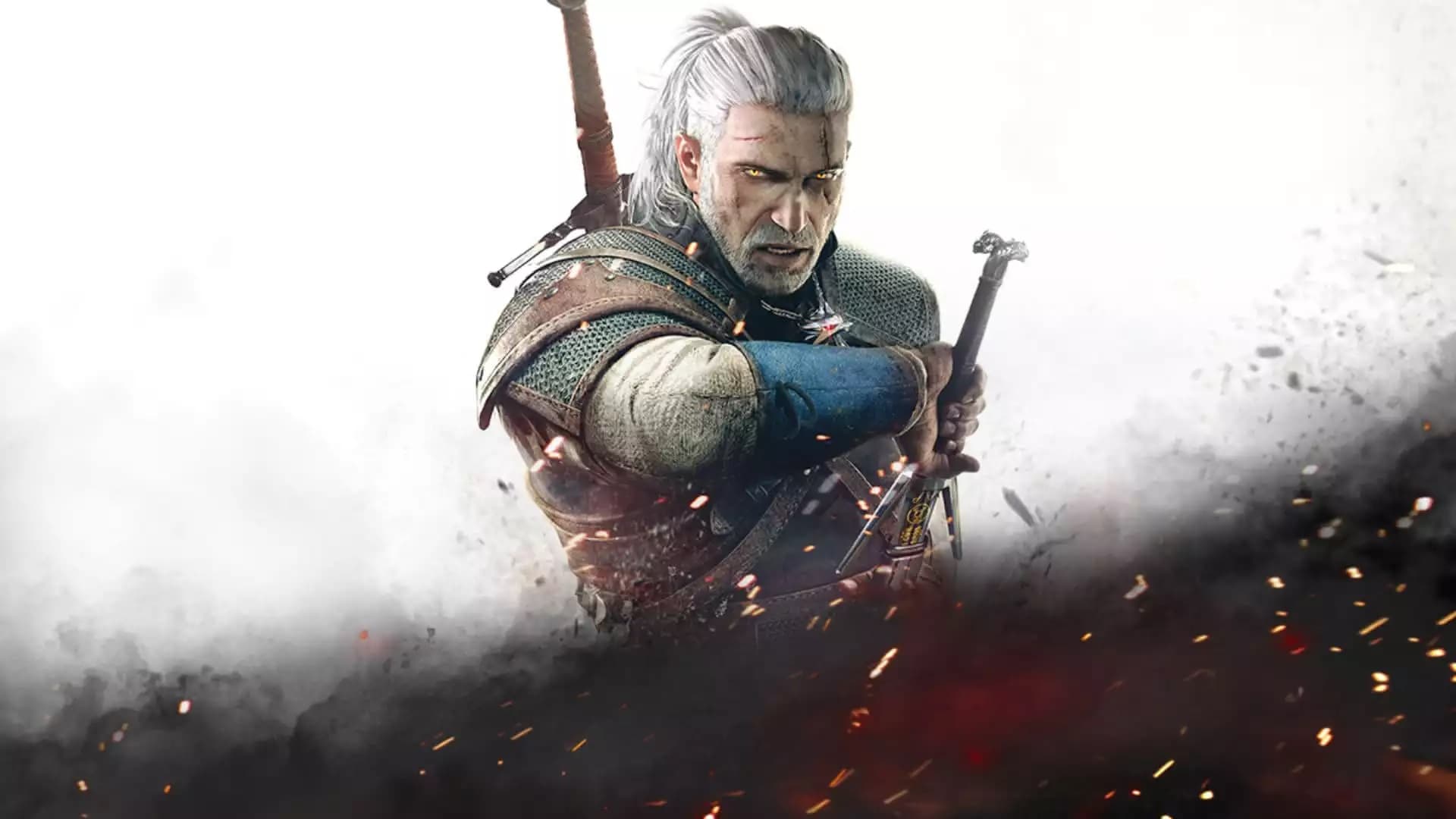
The Witcher 3: Wild Hunt
Genre: Action RPG
Geralt roams a huge map on contracts and main story. Swords, signs, and alchemy grow through loot and smithing.
Gameplay Profile
Key tags: Story Depth / Emotional Story / Open World / Graphics / Multiple Endings
Overview
Geralt roams a huge map on contracts and main story. Swords, signs, and alchemy grow through loot and smithing.
Build Customization
Runewords on steel and silver blades plus armor set bonuses (Cat, Bear, Griffin, Wolf) define your style. Pre-fight oils, potions, and bombs are boss-specific kits; skill points amplify signs like Quen and Igni.
Gameplay Impact
Swap oils and decoctions before a fight and damage/survival swing hard — completing a 3-piece set changes dodge and sign power. Curated set hunting beats random rolls as the core build loop.
5. Cyberpunk 2077
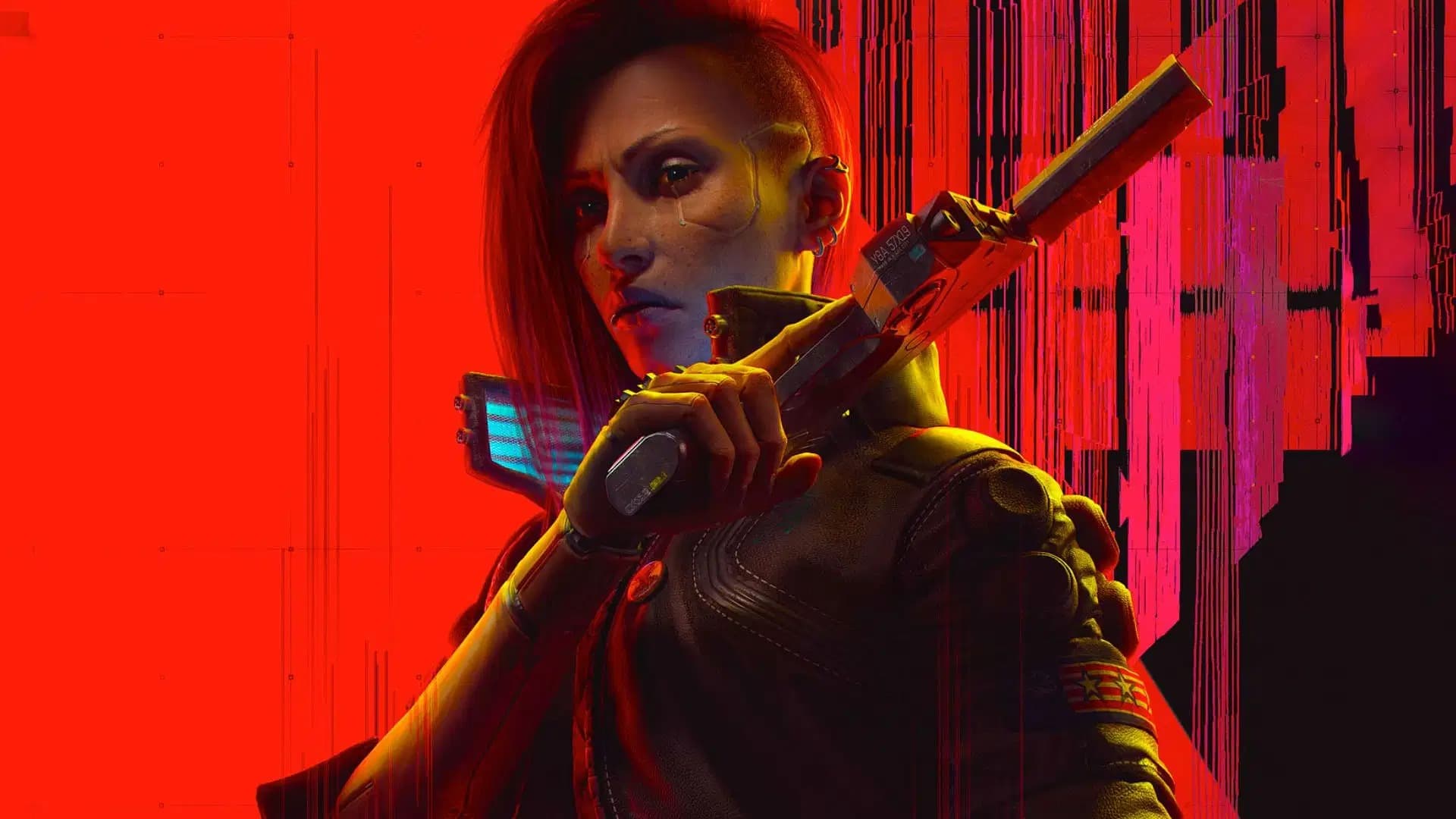
Cyberpunk 2077
Genre: Action RPG
FPS-leaning RPG through Night City — cyberware, gun mods, and perks stack into hacking, blades, or gun hybrids.
Gameplay Profile
Key tags: Dystopian Setting / Graphics / Story Depth / Open World / Emotional Story
Overview
FPS-leaning RPG through Night City — cyberware, gun mods, and perks stack into hacking, blades, or gun hybrids.
Build Customization
Body, Reflex, Tech, and Cool trees plus cyberware RAM caps how many hacks or berserk chips you run. Legendary gun perks and crit/quickhack perks name entire build archetypes.
Gameplay Impact
Low RAM blocks your favorite quickhacks — swapping cyberware changes the combat loop. Post-2.0 weapon tiers and mods drive damage; perks multiply the kit you assemble.
6. Horizon Zero Dawn
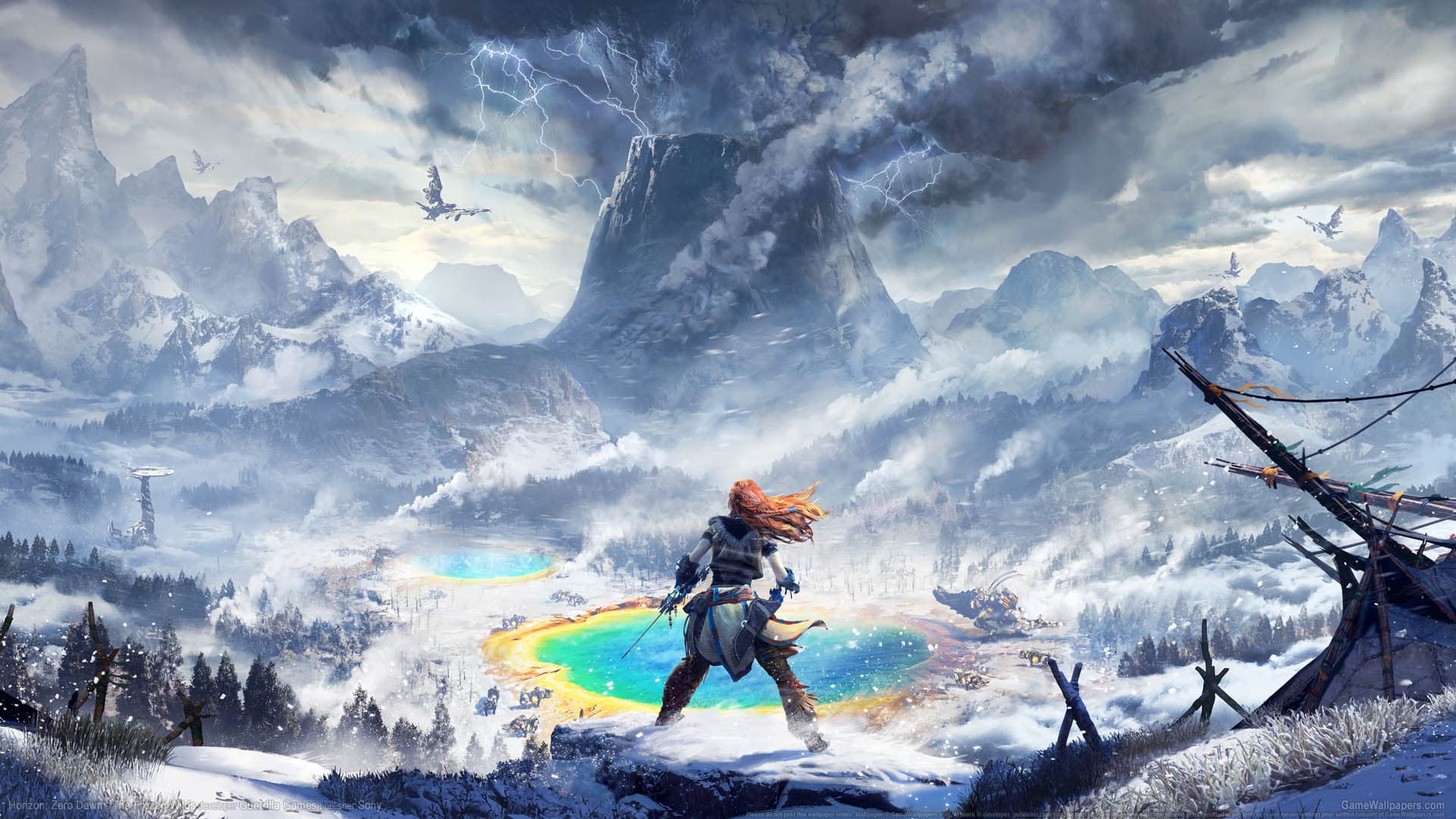
Horizon Zero Dawn
Genre: Action RPG
Bow-and-trap hunts against machine herds — elemental arrows, coils, and weaves target weak parts.
Gameplay Profile
Key tags: Story Depth / Open World / Action / Emotional Story / Graphics
Overview
Bow-and-trap hunts against machine herds — elemental arrows, coils, and weaves target weak parts.
Build Customization
Weapon coils and armor weaves stack shock resist, stealth, and machine damage. Skill trees split Hunter, Brave, and Forager lines; trap combos and archer perks set your rhythm.
Gameplay Impact
Freeze-then-shock headshots need both gear and skills. Tough machines only feel fair with weave sets tuned to weak elements — peeling parts is the build exam.
7. Bloodstained: Ritual of the Night
Bloodstained: Ritual of the Night
Genre: Metroidvania
Castlevania-style metroidvania — shard drops, gear, cooking, and spells grow Miriam.
Gameplay Profile
Key tags: Action / Dystopian Setting / Character Building / High Difficulty / Graphics
Overview
Castlevania-style metroidvania — shard drops, gear, cooking, and spells grow Miriam.
Build Customization
Shards become active, passive, or auto skills; eight magic lines and weapon mastery level separately. Gear random rolls and meal sets shift stat caps — summon-plus-whip loadouts are the real build.
Gameplay Impact
Swap shards on the same weapon and boss positioning changes — passive reflect or poison clears trash; swap to boss kits for checks. Shard hunting replaces a classic skill tree.
③ Class & Party Design — Roles Define the Kit
Classes, roles, skills, and party composition define your tactics. Success depends on how characters complement one another, not only raw power. Changing the roster can rewrite how you approach fights and objectives.
Related: 25 Buildcraft Games (incl. CRPG) →
8. Baldur's Gate 3
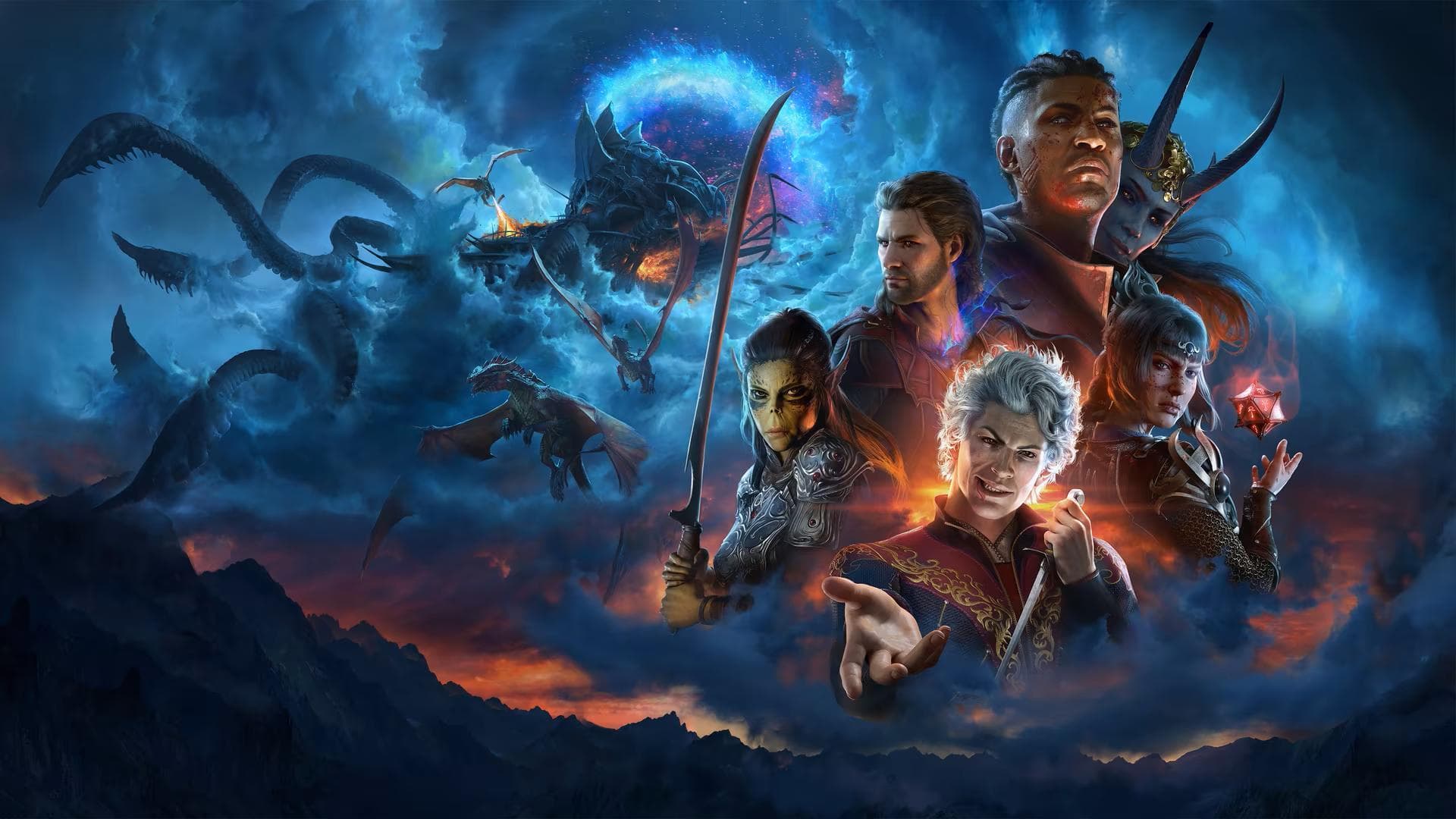
Baldur's Gate 3
Genre: CRPG
A D&D 5e CRPG with turn-based tactical combat, large party management, and branching story choices across three acts.
Gameplay Profile
Key tags: Strategy / Multiple Endings / Story Depth / Graphics / Visual Novel / ADV
Overview
A D&D 5e CRPG with turn-based tactical combat, large party management, and branching story choices across three acts.
Build Customization
Classes, subclasses, abilities, spells, feats, and gear bonus actions shape your kit. Multiclassing and terrain (elevation, surfaces) interact with your role in fights.
Gameplay Impact
Melee-heavy parties brawl head-on; control builds ignite oil and choke points — the same encounter plays out differently by comp. Stats and skills also open dialogue and exploration options beyond combat.
9. Divinity: Original Sin 2
Divinity: Original Sin 2
Genre: CRPG
Four-person tactical CRPG — surfaces, rain, poison, and elemental combos drive fights.
Gameplay Profile
Key tags: Strategy / Turn-Based / Story Depth / Multiple Endings / Co-op
Overview
Four-person tactical CRPG — surfaces, rain, poison, and elemental combos drive fights.
Build Customization
Origin tags plus freeform skill mixing (warfare plus summoning, etc.). Armor / magic armor / vitality layers and skill schools enable blood-surface lightning, freeze-shatter, and other rule-driven synergies.
Gameplay Impact
All-fire parties burn your own ground — resist gear and skill picks clash in co-op. Unbuilt parties stall late; you need surface makers and detonators split across the roster.
10. Dragon's Dogma 2
Dragon's Dogma 2
Genre: Action RPG
Open fields with pawns — swap vocations and read giant enemy patterns.
Gameplay Profile
Key tags: Action / Graphics / Open World / High Difficulty / Story Depth
Overview
Open fields with pawns — swap vocations and read giant enemy patterns.
Build Customization
Master and advanced vocations unlock in chains; pawns hold different vocations to lock roles. Limited skill slots persist through swaps — magick archer plus seeker pawns is most of your tactics.
Gameplay Impact
Pawns eating the same boss hits die fast — healer and pull vocations matter more than raw inputs. Gear exists, but skill slots and vocation actions (Magick Bolt, grappling) drive damage.
11. Fire Emblem: Three Houses
Fire Emblem: Three Houses
Genre: シミュレーションRPG
Train students at Garreg Mach — academy segments plus grid battles; house routes change story and recruits.
Gameplay Profile
Key tags: Story Depth / Turn-Based / Emotional Story / Strategy / Multiple Endings
Overview
Train students at Garreg Mach — academy segments plus grid battles; house routes change story and recruits.
Build Customization
Class changes, instruction levels, weapon ranks, and support bonds shape growth. Planning Mage → Warlock → Gremory routes plus professor skills (white magic range) alters entire maps.
Gameplay Impact
Hard maps break without roles — backline magic, armor tanks, fast thieves. Weekly academy choices feed endgame difficulty; Maddening reruns turn optimal growth plans into the content.
12. Mass Effect Legendary Edition

Mass Effect Legendary Edition
Genre: Action RPG
Three-game arc — Shepard and crew choices shape the galaxy; cover TPS plus biotics/tech powers.
Gameplay Profile
Key tags: Story Depth / Emotional Story / Multiple Endings / Visual Novel / ADV / Existential Themes
Overview
Three-game arc — Shepard and crew choices shape the galaxy; cover TPS plus biotics/tech powers.
Build Customization
Six classes, weapon proficiencies, and squad pairings create combo primes and detonations. ME1 talent trees vs. ME2+ cooldown cadences — one Shepard build across the trilogy is the story.
Gameplay Impact
Insanity needs barriers, hacks, and ammo roles split — class swaps rewrite mission solutions. Legendary balance tweaks reopened viable off-meta builds.
13. Metaphor: ReFantazio
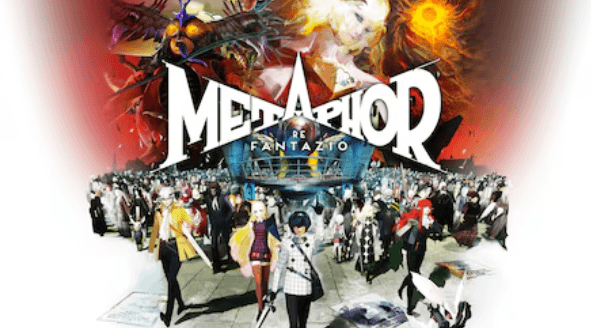
Metaphor: ReFantazio
Genre: Turn-Based RPG
ATLUS-style turn JRPG — archetype inheritance, followers, and elemental weak-point slots.
Gameplay Profile
Key tags: Story Depth / Turn-Based / Emotional Story / Existential Themes / Graphics
Overview
ATLUS-style turn JRPG — archetype inheritance, followers, and elemental weak-point slots.
Build Customization
Base archetypes (Magician, Warrior, Thief) upgrade into advanced jobs; inheritance slots hold passives and support skills. Weak-point breaks grant extra turns — boss-specific job swaps are standard meta.
Gameplay Impact
Full party job swaps before bosses are normal — empty inheritance slots mean weak damage. Mid-game onward, elemental coverage plus dedicated buffer slots set difficulty.
④ Combat Playstyle — Weapons & Movement Are the Build
Weapon, ability, and gear choices reshape how you move and fight. Timing, spacing, dodges, and parries matter as much as stats. Build options and player execution work together to create a distinct combat style.
Related: 25 Hack-and-Slash & Action Loot Games →
14. Elden Ring
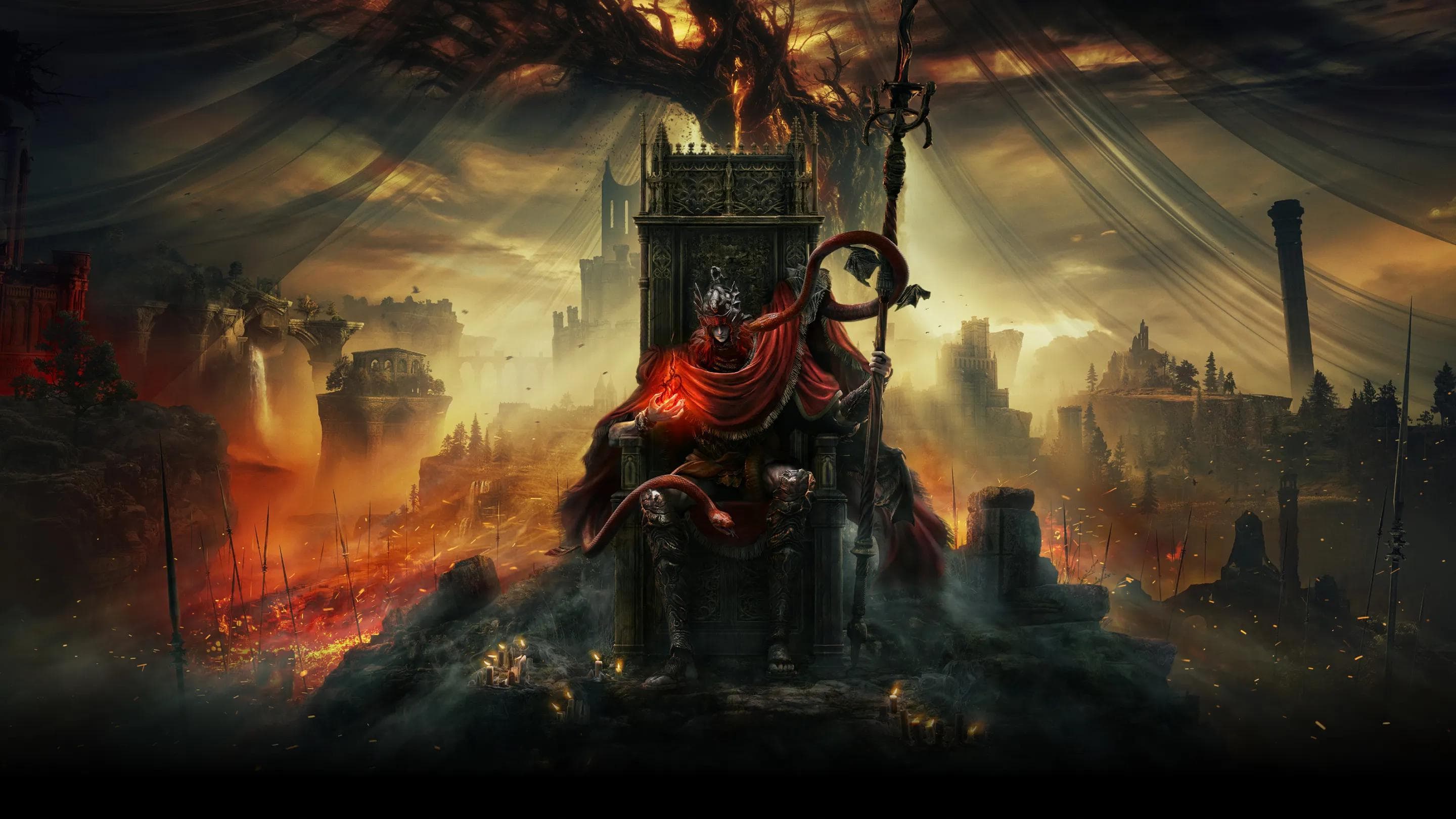
Elden Ring
Genre: Action RPG
Explore the Lands Between in a soulslike open world — fight bosses, dungeons, and field enemies with stamina-based action combat.
Gameplay Profile
Key tags: Action / Dystopian Setting / Graphics / High Difficulty / Open World
Overview
Explore the Lands Between in a soulslike open world — fight bosses, dungeons, and field enemies with stamina-based action combat.
Build Customization
Attributes, weapons, Ashes of War, sorceries, and incantations support very different combat approaches. Equip load changes roll speed; upgrades and talismans set damage and FP costs.
Gameplay Impact
A bleed-focused light build plays faster than a heavy shield setup — same zone, different risk. Respecs and weapon swaps can turn a stalled boss into a manageable fight.
15. Sekiro: Shadows Die Twice
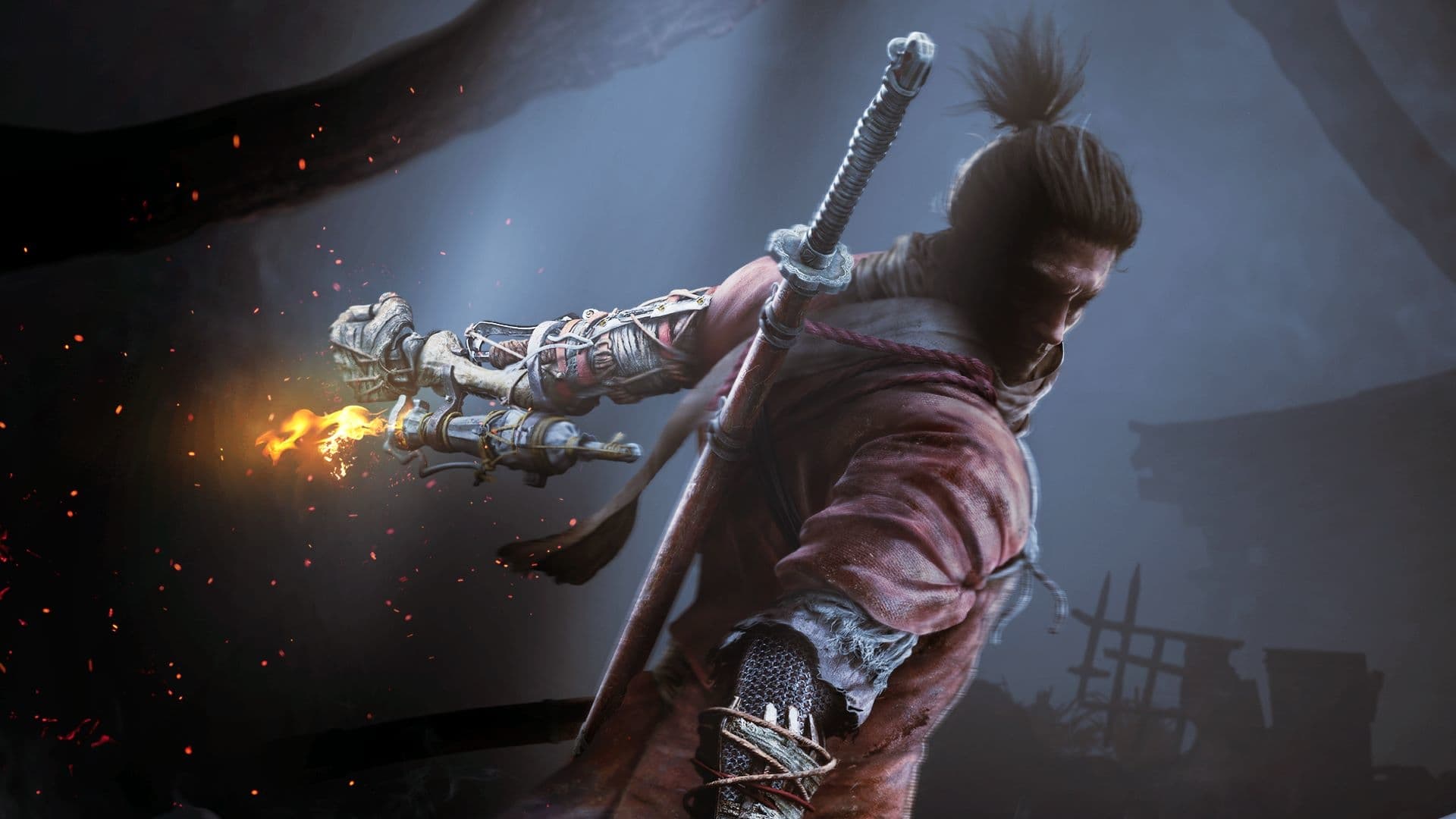
Sekiro: Shadows Die Twice
Genre: Action
A single-character action game focused on deflecting attacks, breaking enemy posture, and executing deathblows — with limited RPG-style gear swapping.
Gameplay Profile
Key tags: Action / High Difficulty / Graphics / Dystopian Setting / Emotional Story
Overview
A single-character action game focused on deflecting attacks, breaking enemy posture, and executing deathblows — with limited RPG-style gear swapping.
Build Customization
Prosthetic tools and skill branches (combat arts, passive tweaks) matter more than stat spreads or armor sets. Vitality and attack power upgrades exist but do not define wide build archetypes.
Gameplay Impact
Lightning Ape favors firecrackers; Guardian Ape rewards flame vent and umbrella reads — you swap tools per boss rather than crafting long-term loadouts. Execution and chosen branches define how each fight plays.
16. Dark Souls III

Dark Souls III
Genre: Action RPG
Dark fantasy soulslike — link bonfires; stamina and weapon movesets rule combat.
Gameplay Profile
Key tags: High Difficulty / Dystopian Setting / Dark / Action / Existential Themes
Overview
Dark fantasy soulslike — link bonfires; stamina and weapon movesets rule combat.
Build Customization
Stat soft caps, weapon scaling, buffs (Golden Vow, Dark Blade), and rings set damage. PvP splits fast roll builds and heavy poise armor builds cleanly.
Gameplay Impact
Slow weapons risk every swing — rebuff timing paces boss phases. Fast roll plus medium shield feels “complete”; level matters less than equip load and upgrade tier.
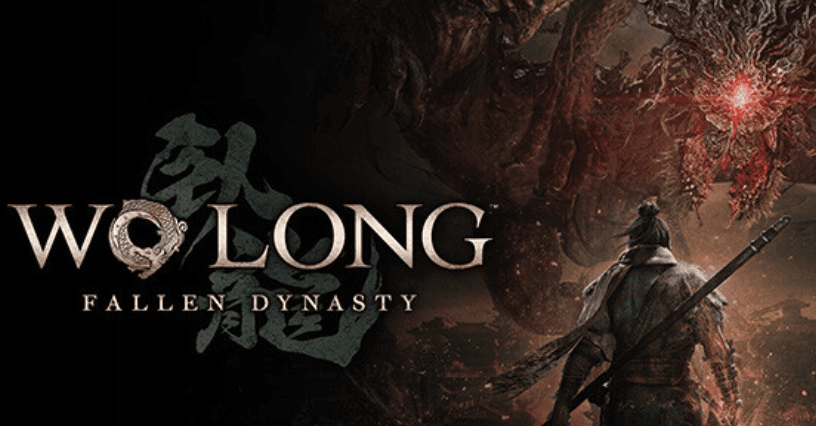
17. Wo Long: Fallen Dynasty
Wo Long: Fallen Dynasty
Genre: Action RPG
Three Kingdoms fantasy action — spirit gauge, elemental phases, deflects break posture fast.
Gameplay Profile
Key tags: Action / High Difficulty / Graphics / Story Depth / Dark
Overview
Three Kingdoms fantasy action — spirit gauge, elemental phases, deflects break posture fast.
Build Customization
Five-phase elemental matchups, weapon martial arts, and set-bonus Wizardry Spells stack. Spirit cap and deflect timing are skill-heavy, but gear elemental buffs and spell trigger rules form the spreadsheet.
Gameplay Impact
Fire bosses want water gear and spells — deflect windows scale with kit. Faster than Nioh; late game punishes pure skill without elemental builds.
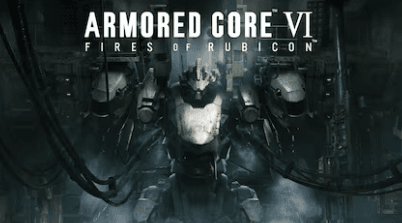
18. Armored Core VI: Fires of Rubicon
Armored Core VI: Fires of Rubicon
Genre: Action
Swap mech parts for mission runs — weight, EN, and hardpoints define performance.
Gameplay Profile
Key tags: Action / High Difficulty / Strategy / Dystopian Setting / Graphics
Overview
Swap mech parts for mission runs — weight, EN, and hardpoints define performance.
Build Customization
Head, core, arms, legs, booster, both arms weapons, back — weight and EN load set boost stages and quick boost count. FCS tuning and kinetic/energy/explosive picks match mission armor.
Gameplay Impact
Light melee skews vs. heavy shield tanks invert rhythm — one part changes hitboxes in boss fights. Shared AC blueprint culture is mech buildcraft at community scale.
⑤ Endgame Optimization — Push the Ceiling After the Credits
Challenging content, endgame modes, and repeatable fights push you to keep refining skills and equipment. Tuning a setup for a specific boss or difficulty tier stays engaging after the main story. Optimization and rebuilds remain a major draw.
Related: 20 Roguelike & Roguelite Picks →
19. Enshrouded
Enshrouded
Genre: サバイバルアクションRPG
Survival base-building in the shroud — co-op bosses and dungeons; skill trees plus gear tiers carry the late game.
Gameplay Profile
Key tags: Crafting / Open World / Co-op / Sandbox / Character Building
Overview
Survival base-building in the shroud — co-op bosses and dungeons; skill trees plus gear tiers carry the late game.
Build Customization
Warrior, Mage, Ranger trees spend points; crafted gear and runes raise stats. Base facilities raise crafting caps; endgame co-op expects tank/DPS/heal splits.
Gameplay Impact
Shroud timers punish unfinished builds — only upgraded skills and stations sustain deep runs. Overlapping friend roles drag boss fights.
20. FINAL FANTASY VII Rebirth
FINAL FANTASY VII Rebirth
Genre: Action RPG
Party-based action RPG sequel — real-time combat with ATB commands, open-zone exploration, and active party switching.
Gameplay Profile
Key tags: Graphics / Emotional Story / Story Depth / Action / Open World
Overview
Party-based action RPG sequel — real-time combat with ATB commands, open-zone exploration, and active party switching.
Build Customization
Character weapon abilities, combat roles, materia plus link slots, and party lineups define roles and elemental chains. Stances (Precision, Punisher, etc.) alter damage and resource costs.
Gameplay Impact
Matching materia to elemental weaknesses speeds synergy gauge gain and shortens boss fights. Rebirth difficulty expects filled boards on everyone — underbuilt parties struggle even in regular encounters.
Find a Game by Your Preferred Playstyle
Not a ranked list — choose by whether you want flexible character builds, gear labs, party tactics, execution-heavy kits, or long-term build optimization.
If you love planning perk trees
For players who enjoy combining skills, equipment, and attributes into distinct setups — where changing a build meaningfully alters combat or how you tackle challenges.
- Skyrim — Eighteen skills and perk order let you reroll entirely different characters each run
- Fallout 4 — SPECIAL-gated perks plus legendary guns are the post-apocalypse build textbook
- Starfield — Non-combat science and ship trees stand alone as captain builds
If you chase gear synergy and set bonuses
For players who like comparing weapons, armor, accessories, and set bonuses — testing combinations and refining a setup around a goal.
- The Witcher 3 — Cat/Bear sets with oils and decoctions become boss-specific kits
- Cyberpunk 2077 — Cyberware RAM and gun mods cap crit and quickhack builds
- Bloodstained — Shard loadouts beat weapons — collection replaces a skill tree
If party comps and classes are the game
For players who think about roles, skill interactions, and party synergy — less about one character’s stats and more about how the group works together.
- Baldur's Gate 3 — D&D 5e multiclass plus terrain is the most transparent CRPG ruleset
- Divinity: Original Sin 2 — Surfaces and mixed skills clash in co-op — comps fuel long debates
- Fire Emblem: Three Houses — Academy weeks and class changes are the map-solving game
- Metaphor: ReFantazio — Full job swaps before bosses are standard meta
If your build lives in movement and timing
For players who want build choices to show up in execution — dodges, parries, timing, spacing, and weapon handling matter as much as stats.
- Elden Ring — Equip load vs. weapon arts makes roll speed and damage a clear trade
- Sekiro — Posture and deflects — tools and skill branches over gear
- Armored Core VI — Shared AC blueprints — weight and EN are your movement build
If you want builds that keep scaling after the story
For players who keep tuning builds through hard content, endgame modes, or repeatable challenges — optimization stays part of the fun.
- Enshrouded — Base facilities plus skill trees feed co-op boss roles late
- FF7 Rebirth — Materia links and Rebirth difficulty are the endgame optimization puzzle
- Elden Ring — DLC and NG+ raise ceilings — rebuilds stay relevant
If you are new to buildcraft and want a clear ruleset
For newcomers to character-build RPGs — titles that explain choices clearly and let you experiment without overwhelming systems upfront.
- Horizon Zero Dawn — Elemental weapons and coil slots explain effects in UI — approachable hunt builds
- Mass Effect Legendary Edition — Skill trees and squad comps grow across three games at a readable pace
- The Witcher 3 — Set gear and potions often telegraph a kit per quest arc
If you want to grow characters while exploring open worlds
For players who want builds to grow alongside exploration — skill trees and gear taking shape as you roam open worlds.
- Skyrim — Skills level as you wander — builds solidify without chasing quests
- Dragon's Dogma 2 — Open-field threats test vocations — pawn comps travel with you
- Horizon Zero Dawn — Wide map — swap weaves and coils per machine hunt
- Fallout 4 — Explore while leveling both settlements and perks
FAQ
Q. What is a character-build game?
A character-build game lets you shape abilities, role, or combat style through skills, equipment, attributes, or classes — not just levels. The 20 titles here are ones where that design loop sits near the core of play.
Q. What is the difference between character progression and build customization?
Progression is getting stronger through levels and stats; build customization is choosing and combining options to define a role or playstyle. They overlap — in Skyrim, how you level skills is the build.
Q. Are character-build games suitable for beginners?
Yes — complexity varies. Horizon Zero Dawn, Mass Effect Legendary Edition, and The Witcher 3 explain choices clearly; heavier systems like BG3 or Elden Ring are easier once you know what kind of buildcraft you enjoy.
Q. What makes a game’s build system flexible?
Meaningful combos that change combat or tactics matter more than raw option count. How easy it is to respec or swap gear — Elden Ring respecs, BG3 respecs — also shapes how flexible a system feels.
Q. Are hack-and-slash games the same as character-build games?
Not necessarily. Hack-and-slash usually describes combat-heavy loot loops; character building is designing abilities and gear around a role. Some games do both — this list also includes tactical RPGs like BG3 and Three Houses. For loot-first action, see our hack-and-slash feature.
Summary
Skip hype rankings — use the five build types and the preference section. For card decks or factory layout see Build/Deck 25, for loot loops hack-and-slash 25, for per-run upgrades roguelike 20. Then browse GPA game pages for tags and similar titles.