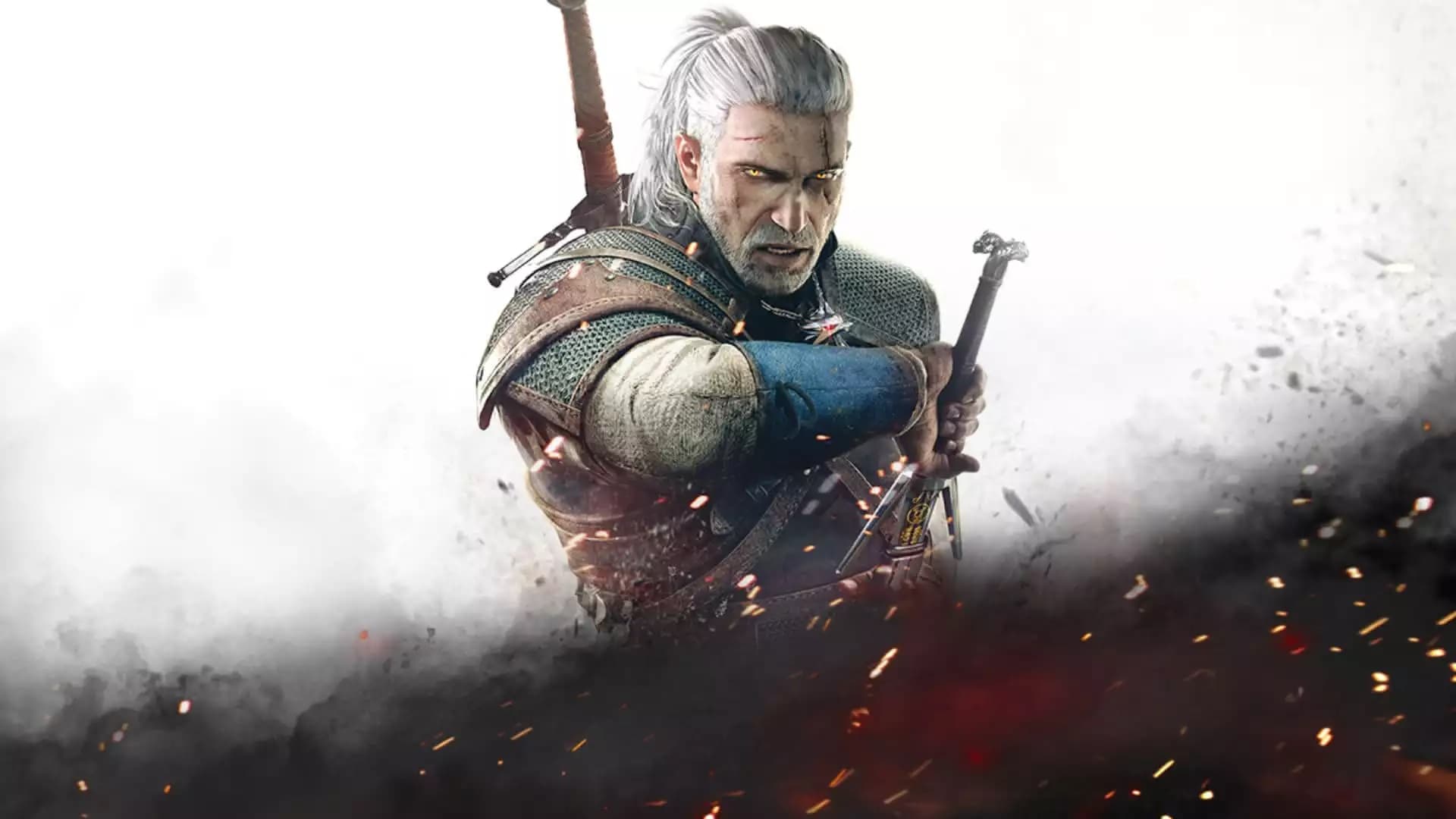
The Witcher 3 builds its open world around the quality of its writing rather than the size of its map. Side quests carry the same narrative investment as the main story. GPA scores it at the top for Story Depth and Emotional Story among open-world RPGs — a positioning shared with very few titles of comparable scale.
Game Characteristics
Story Depth
95%
Emotional Story
90%
Open World
90%
Graphics
85%
Multiple Endings
80%
Action
75%
Dystopian Setting
75%
Dark
70%
Visual Novel / ADV
55%
Player profile fit
Recommended for: Intermediate to Advanced players (A score of 50 or higher indicates a good fit.)
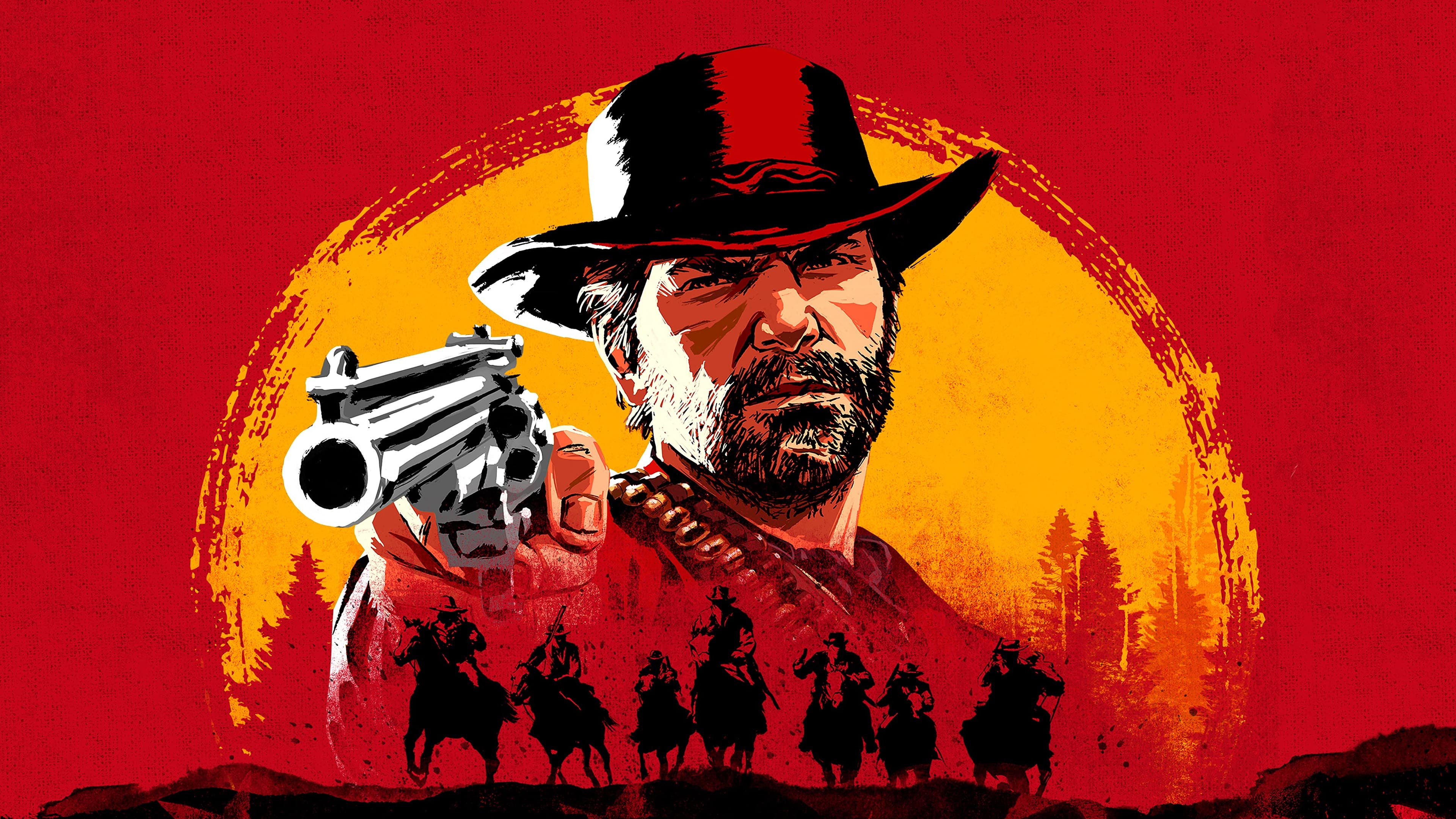
Red Dead Redemption 2 follows Arthur Morgan through the decline of the Van der Linde gang, building the open world of the American frontier with unusual attention to ambient detail. Honor affects dialogue and endings. GPA scores it at the top for Emotional Story and Story Depth among open-world titles — a combination that prioritizes players who want the world to feel inhabited.
Tag Similarity
Story Depth
95%
Emotional Story
95%
Open World
90%
Graphics
95%
Multiple Endings
55%
Action
65%
Dystopian Setting
70%
Dark
65%
Chart tags: Story Depth / Emotional Story / Open World / Graphics / Multiple Endings / Action / Dystopian Setting / Dark
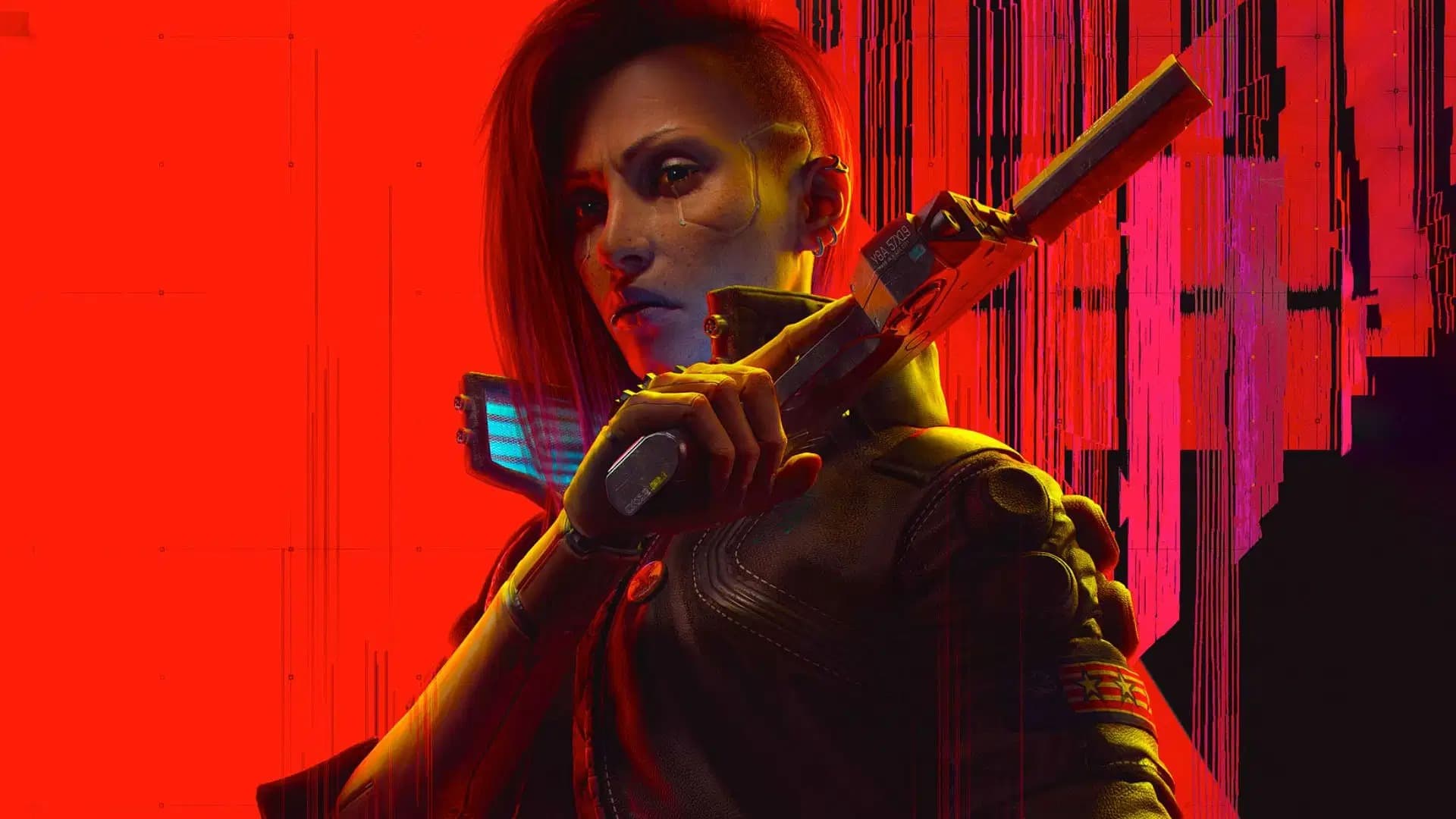
Cyberpunk 2077 recovered from a disastrous launch to become one of the most content-rich open world RPGs available. Night City rewards lateral exploration — side quests carry the writing quality of the main story. GPA scores it at 90% for Dark World and Open World, with Multiple Endings above 75 — the ending branches respond to choices made across the full campaign.
Tag Similarity
Story Depth
85%
Emotional Story
80%
Open World
85%
Graphics
90%
Multiple Endings
75%
Action
70%
Dystopian Setting
90%
Dark
80%
Chart tags: Story Depth / Emotional Story / Open World / Graphics / Multiple Endings / Action / Dystopian Setting / Dark
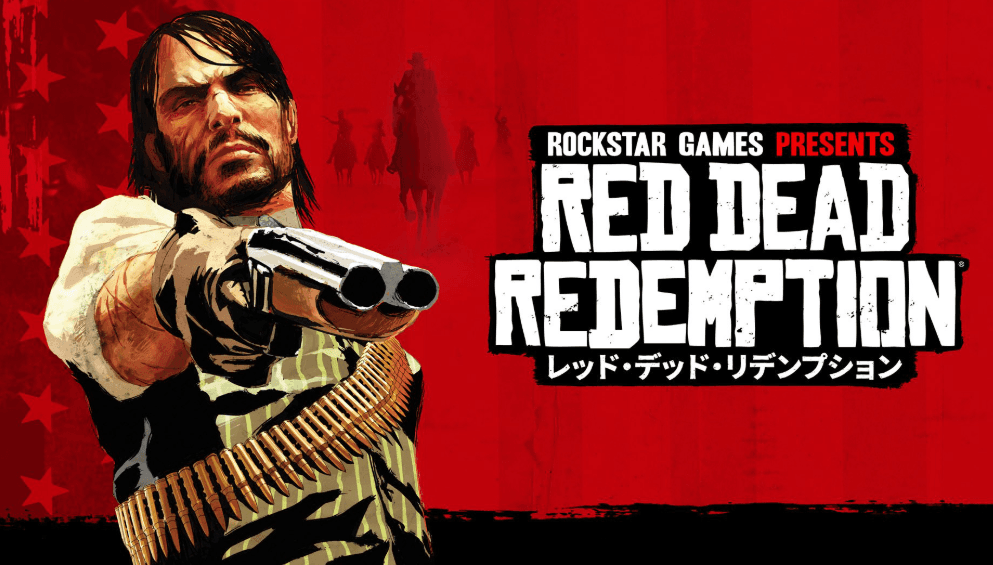
Red Dead Redemption follows John Marston across the dying American frontier in 1911, forced by government agents to hunt down his former gang in exchange for his family's freedom. The open world covers the American Southwest and Mexico, with horse travel as the primary pacing mechanism. The Undead Nightmare expansion reframes the same map as a zombie survival scenario. Originally released in 2010, the game reached Switch and PS4 in 2023 and Switch 2, PS5, and Xbox Series in December 2025. GPA scores it high on Emotional Story and Dark World — the prequel to RDR2 that established the series' identity.
Tag Similarity
Story Depth
85%
Emotional Story
88%
Open World
85%
Graphics
70%
Multiple Endings
45%
Action
75%
Dystopian Setting
80%
Dark
65%
Chart tags: Story Depth / Emotional Story / Open World / Graphics / Multiple Endings / Action / Dystopian Setting / Dark
Avowed carries the consequence-aware dialogue structure of Pillars of Eternity into first-person action RPG combat. GPA scores it high on Story Depth and Multiple Endings.
Tag Similarity
Story Depth
75%
Emotional Story
65%
Open World
65%
Graphics
75%
Multiple Endings
60%
Action
65%
Dystopian Setting
0%
Dark
0%
Chart tags: Story Depth / Emotional Story / Open World / Graphics / Multiple Endings / Action / Dystopian Setting / Dark
Final Fantasy VII Rebirth expands Cloud and the party's journey outside Midgar across an open-world Gaia. The relationship system and Queen's Blood card game add depth between the story chapters. GPA scores it high on Emotional Story and Open World — a sequel that broadens the canvas while keeping the remake's combat system.
Tag Similarity
Story Depth
90%
Emotional Story
90%
Open World
70%
Graphics
95%
Multiple Endings
60%
Action
80%
Dystopian Setting
55%
Dark
50%
Chart tags: Story Depth / Emotional Story / Open World / Graphics / Multiple Endings / Action / Dystopian Setting / Dark
Marvel's Spider-Man 2 plays as Peter Parker and Miles Morales in alternating sections, with Venom and the symbiote system as the central threat. Manhattan traversal is faster than any previous entry. GPA scores it high on Action and Emotional Story — a sequel that deepens the relationship writing more than it changes the combat.
Tag Similarity
Story Depth
80%
Emotional Story
80%
Open World
70%
Graphics
95%
Multiple Endings
50%
Action
85%
Dystopian Setting
40%
Dark
45%
Chart tags: Story Depth / Emotional Story / Open World / Graphics / Multiple Endings / Action / Dystopian Setting / Dark
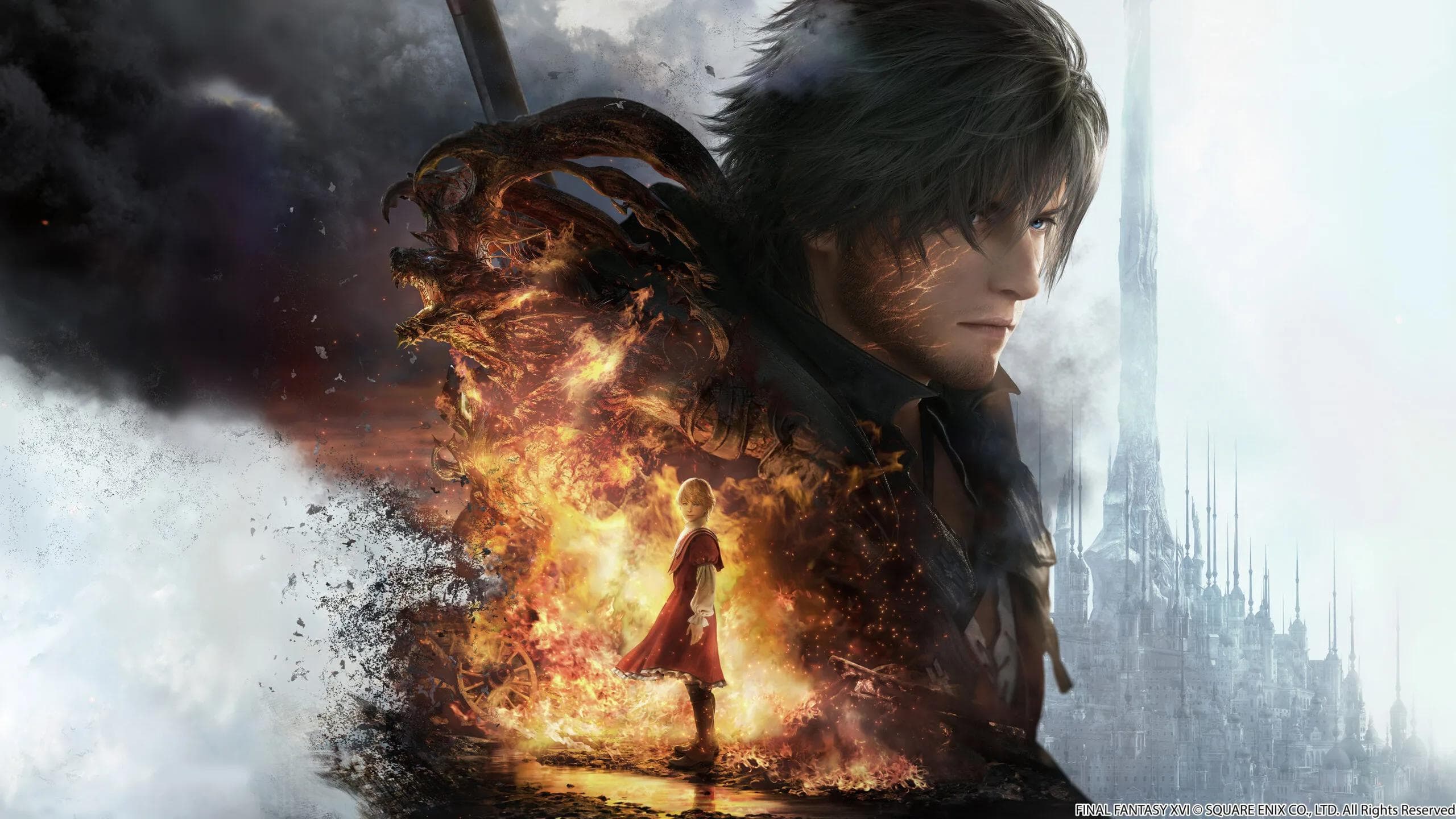
Final Fantasy XVI shifts the series into character-action territory, following Clive Rosfield through a political war between nations powered by magical crystals. The Eikon battles scale up to kaiju proportions. GPA scores it high on Action and Emotional Story, lower on the RPG-adjacent axes — a positioning that reflects the deliberate genre pivot.
Tag Similarity
Story Depth
90%
Emotional Story
85%
Open World
0%
Graphics
90%
Multiple Endings
40%
Action
80%
Dystopian Setting
75%
Dark
70%
Chart tags: Story Depth / Emotional Story / Open World / Graphics / Multiple Endings / Action / Dystopian Setting / Dark
Grand Theft Auto V switches between three playable criminals across a satirical Los Santos, building to heist sequences that require coordinated planning. GTA Online has sustained a parallel game since 2013. GPA scores it high on Open World and Action — the entry that defined open-world crime sandbox design for a generation.
Tag Similarity
Story Depth
75%
Emotional Story
65%
Open World
90%
Graphics
80%
Multiple Endings
40%
Action
85%
Dystopian Setting
70%
Dark
60%
Chart tags: Story Depth / Emotional Story / Open World / Graphics / Multiple Endings / Action / Dystopian Setting / Dark
Final Fantasy VII Remake expands the Midgar section of the original into a full-length action RPG, adding real-time combat that layers on top of the original's ATB system. The story diverges intentionally from the source. GPA scores it high on Emotional Story and Graphics, with a Beginner score above 60 — the combat can be set to Classic mode for players who want the strategy without the action demands.
Tag Similarity
Story Depth
90%
Emotional Story
90%
Open World
0%
Graphics
95%
Multiple Endings
50%
Action
75%
Dystopian Setting
60%
Dark
50%
Chart tags: Story Depth / Emotional Story / Open World / Graphics / Multiple Endings / Action / Dystopian Setting / Dark
Crimson Desert follows mercenary captain Cliff across a continent at war, bringing Pearl Abyss's MMORPG development experience into a single-player open world. Dynamic weather and companion AI affect both combat and exploration. GPA scores it high on Open World and Graphics — the most technically ambitious single-player open world from the Korean game industry.
Tag Similarity
Story Depth
75%
Emotional Story
70%
Open World
85%
Graphics
90%
Multiple Endings
0%
Action
80%
Dystopian Setting
65%
Dark
55%
Chart tags: Story Depth / Emotional Story / Open World / Graphics / Multiple Endings / Action / Dystopian Setting / Dark
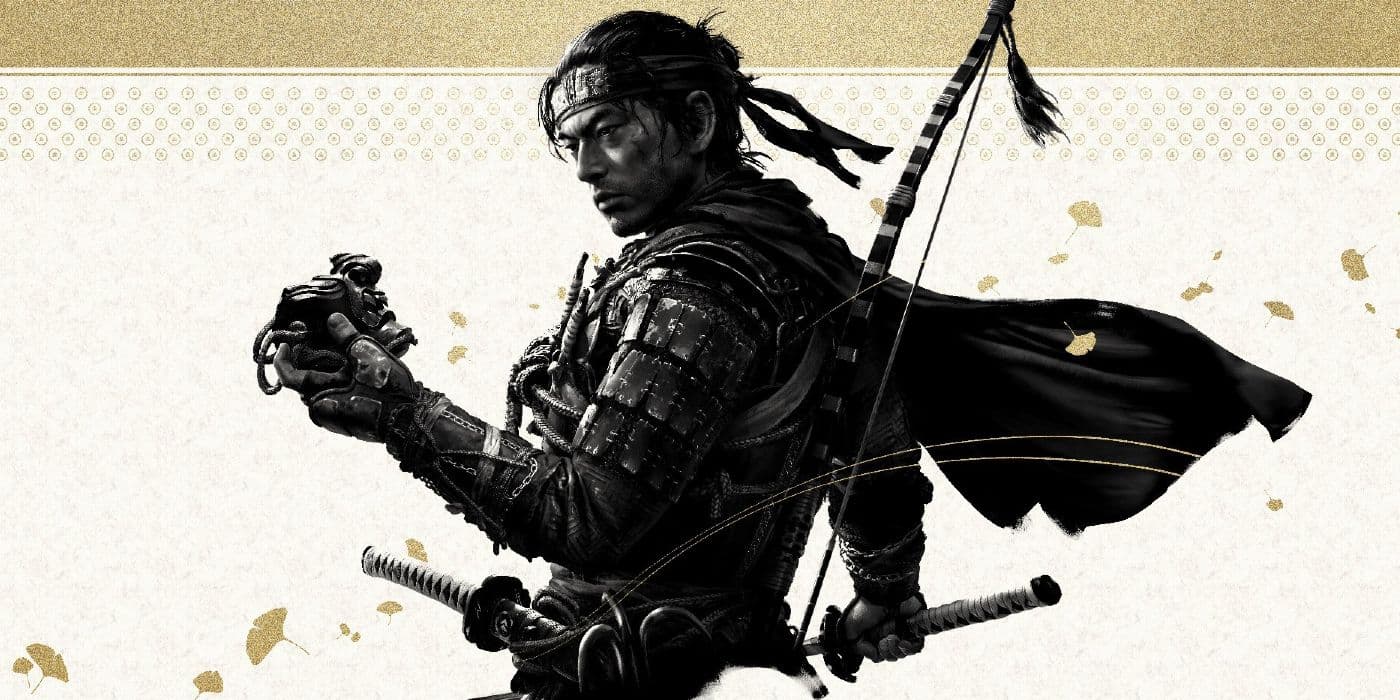
Ghost of Tsushima hands Jin Sakai a katana and an open version of feudal Japan and largely steps aside. The wind navigation system replaces minimap markers. GPA scores it high on Emotional Story and Dark World, with Open World sitting close behind — a combination that describes an action game built around atmosphere as much as combat.
Tag Similarity
Story Depth
80%
Emotional Story
75%
Open World
70%
Graphics
95%
Multiple Endings
50%
Action
85%
Dystopian Setting
50%
Dark
30%
Chart tags: Story Depth / Emotional Story / Open World / Graphics / Multiple Endings / Action / Dystopian Setting / Dark
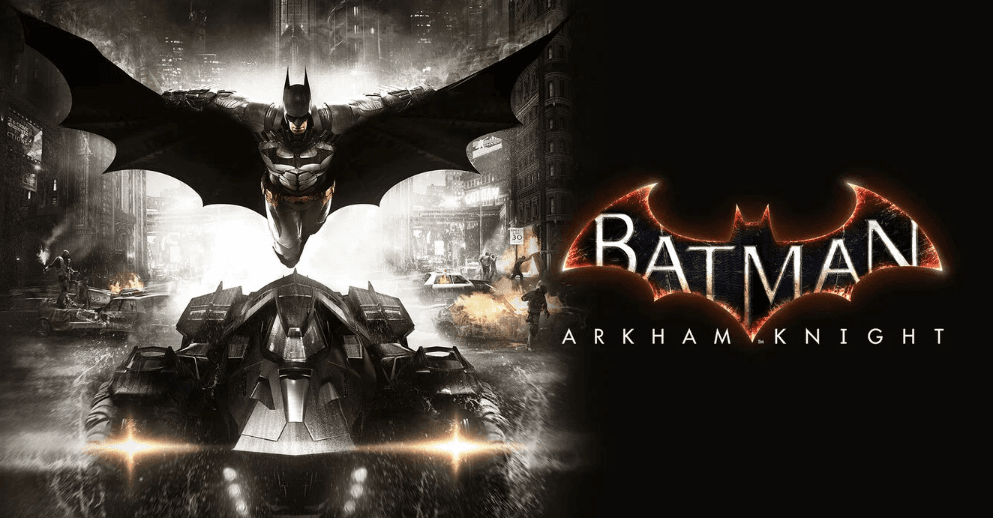
Batman: Arkham Knight closes the Arkham trilogy with the Batmobile fused into the combat and traversal systems. Gotham at night is the strongest visual presentation in the series. GPA scores it high on Action and Dark World — the combination that defines the Arkham series across all entries.
Tag Similarity
Story Depth
75%
Emotional Story
70%
Open World
70%
Graphics
90%
Multiple Endings
55%
Action
85%
Dystopian Setting
65%
Dark
60%
Chart tags: Story Depth / Emotional Story / Open World / Graphics / Multiple Endings / Action / Dystopian Setting / Dark
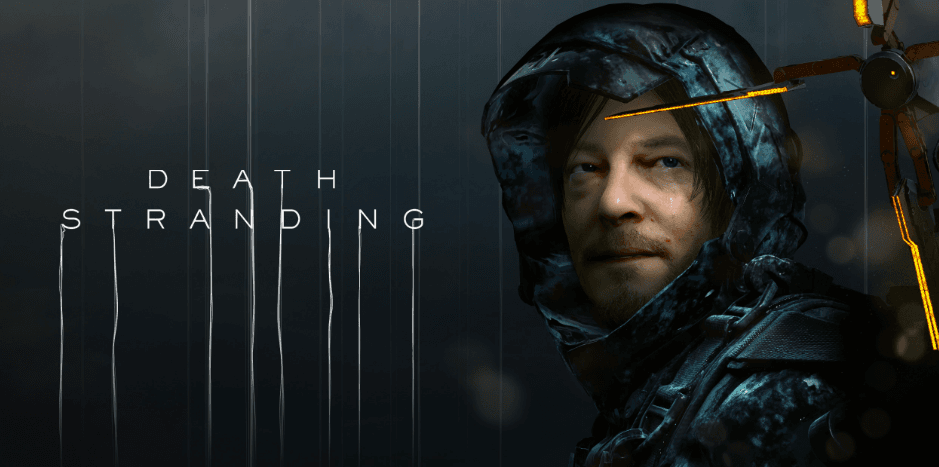
Death Stranding asks players to reconnect a post-apocalyptic America by carrying cargo across difficult terrain. Other players' structures appear in your world. GPA scores it high on Existential Themes and Open World, with the lowest Action score among open-world titles — a combination that accurately identifies who this game is and isn't for.
Tag Similarity
Story Depth
85%
Emotional Story
80%
Open World
80%
Graphics
90%
Multiple Endings
50%
Action
0%
Dystopian Setting
80%
Dark
60%
Chart tags: Story Depth / Emotional Story / Open World / Graphics / Multiple Endings / Action / Dystopian Setting / Dark
Rise of the Ronin puts Team Ninja's high-difficulty sword combat into an open-world Bakumatsu setting, with historical figures appearing as companions and antagonists. GPA scores it high on Action and Difficulty — the open-world pivot that applies Nioh's combat depth to a larger structural format.
Tag Similarity
Story Depth
70%
Emotional Story
65%
Open World
70%
Graphics
75%
Multiple Endings
55%
Action
80%
Dystopian Setting
50%
Dark
55%
Chart tags: Story Depth / Emotional Story / Open World / Graphics / Multiple Endings / Action / Dystopian Setting / Dark
Horizon Forbidden West continues Aloy's investigation into the machine ecosystem collapse across western North America, adding underwater exploration and a wider variety of machine types. GPA scores it high on Open World and Story Depth — a sequel that expands the geographic and narrative scope of Zero Dawn without changing its fundamental design.
Tag Similarity
Story Depth
80%
Emotional Story
75%
Open World
85%
Graphics
85%
Multiple Endings
50%
Action
80%
Dystopian Setting
55%
Dark
45%
Chart tags: Story Depth / Emotional Story / Open World / Graphics / Multiple Endings / Action / Dystopian Setting / Dark
Lost Judgment expands the detective framework into a high school setting where Yagami investigates bullying and serial murder simultaneously. The club activity system adds social depth between cases. GPA scores it above Lost Judgment (2018) on Story Depth — the investigation structure and social commentary carry more weight in the sequel.
Tag Similarity
Story Depth
90%
Emotional Story
70%
Open World
40%
Graphics
55%
Multiple Endings
50%
Action
40%
Dystopian Setting
30%
Dark
55%
Chart tags: Story Depth / Emotional Story / Open World / Graphics / Multiple Endings / Action / Dystopian Setting / Dark
The Elder Scrolls V: Skyrim gave players a province-sized open world and enough quest content to sustain thousands of hours. The modding scene extended that lifespan indefinitely. GPA scores it at the maximum for Open World — the defining axis — with Story Depth mid-range, reflecting breadth of content over narrative density.
Tag Similarity
Story Depth
80%
Emotional Story
65%
Open World
90%
Graphics
65%
Multiple Endings
70%
Action
75%
Dystopian Setting
60%
Dark
40%
Chart tags: Story Depth / Emotional Story / Open World / Graphics / Multiple Endings / Action / Dystopian Setting / Dark
Judgment follows disgraced defense attorney Takayuki Yagami through a Kamurocho murder investigation that ties into a pharmaceutical conspiracy. The detective mechanics — tailing suspects, drone surveillance — add variety to the brawler combat. GPA scores it high on Story Depth and Emotional Story, with Action above average for the narrative-focused positioning.
Tag Similarity
Story Depth
85%
Emotional Story
70%
Open World
40%
Graphics
50%
Multiple Endings
50%
Action
40%
Dystopian Setting
30%
Dark
55%
Chart tags: Story Depth / Emotional Story / Open World / Graphics / Multiple Endings / Action / Dystopian Setting / Dark
Dragon Age: The Veilguard closes the Solas storyline that began in Inquisition, sending Rook and a party of seven companions against an ancient elven threat. The combat moves away from tactical pause toward action. GPA scores it mid-range on Strategy and high on Emotional Story — a positioning that sits between the tactical depth of Origins and the action focus of newer entries.
Tag Similarity
Story Depth
85%
Emotional Story
80%
Open World
0%
Graphics
80%
Multiple Endings
70%
Action
75%
Dystopian Setting
65%
Dark
0%
Chart tags: Story Depth / Emotional Story / Open World / Graphics / Multiple Endings / Action / Dystopian Setting / Dark
Kingdom Come: Deliverance II continues Henry's story across 15th-century Bohemia without fantasy elements. GPA scores it high on Story Depth and Open World.
Tag Similarity
Story Depth
85%
Emotional Story
70%
Open World
85%
Graphics
80%
Multiple Endings
55%
Action
65%
Dystopian Setting
0%
Dark
0%
Chart tags: Story Depth / Emotional Story / Open World / Graphics / Multiple Endings / Action / Dystopian Setting / Dark
About "The Witcher 3: Wild Hunt"
▸Game Composition (GPA Analysis)
ウィッチャー3(The Witcher 3) leads with its Action RPG identity, anchored by the core feel of "The Witcher 3 builds its open world around the quality of its writing rather than the size of its map." The headline profile reads Story Depth 95% / Emotional Story 90% / Open World 90%, making it a strong pick for fans of Story Depth and Emotional Story. Oriented toward experienced players looking to push their limits.
▸Characteristics & Analysis
Our editorial team scored "ウィッチャー3(The Witcher 3)" by using its feel of open world, dark fantasy, and アクションアドベンチャー as the primary lens, weighting Story Depth and Emotional Story most heavily. Top similar titles include "レッド・デッド・リデンプション2(RDR2)", "サイバーパンク2077(Cyberpunk 2077)", "レッド・デッド・リデンプション(Red Dead Redemption)".
The Witcher 3: Wild Hunt — An Open-World RPG Where Your Choices Matter
Game Overview
The Witcher 3: Wild Hunt is an open-world action RPG centered on Geralt of Rivia, a professional monster hunter known as a Witcher.
Set in a dark fantasy world torn apart by war and political conflict, the game follows Geralt as he searches for Ciri, his adopted daughter, while traveling across a vast part of the Continent.
But finding Ciri is only part of the journey.
Along the way, Geralt takes on monster contracts, becomes involved in political conflicts, meets ordinary people dealing with difficult situations, and makes decisions that can affect the people around him and the wider world.
The defining feature of The Witcher 3 is its approach to choice and consequence.
The official site describes the world as morally ambiguous, with complex choices whose consequences can affect Geralt, his allies, his enemies, and the world itself.
GPA gives the game 95% for Story Depth, 90% for Emotional Story, 90% for Open World, 85% for Graphics, and 80% for Multiple Endings.
Those scores point to what makes The Witcher 3 special: its open world isn't just a place to explore. It's where the game's stories and decisions happen.
Gameplay Analysis
An Open World That Doesn't Make You Rush to the Next Objective
One of the best things about The Witcher 3 is how easy it is to get distracted.
You may set out with one objective in mind and end up spending hours doing something completely different.
A monster contract leads you to a remote village.
A conversation reveals another problem.
A seemingly minor quest introduces a new character.
Before you know it, you're exploring an entirely different part of the world.
The main story gives Geralt a clear goal—finding Ciri—but the open world constantly creates reasons to stop along the way.
That makes exploration feel less like moving between quest markers and more like traveling through a living world.
There Isn't Always a Right Answer
Many of The Witcher 3's most memorable choices don't come with an obvious “good” option.
You may help someone and unintentionally hurt someone else.
You may kill a monster that turns out to be less dangerous than the people who hired you.
You may make a decision with good intentions only to discover its consequences much later.
The official description of the game specifically emphasizes its morally ambiguous world and the far-reaching consequences of player decisions.
This makes choices feel less like simple dialogue options and more like personal decisions.
You're not always asking:
“What is the correct answer?”
You're asking:
“What would I actually choose here?”
That distinction is a major part of the game's appeal.
Side Quests Feel Like Real Stories
The strength of The Witcher 3's writing isn't limited to its main storyline.
Side quests frequently introduce their own characters, conflicts, and decisions.
A monster contract might initially look straightforward.
Find the monster.
Kill it.
Collect the reward.
But investigating the situation can reveal why the creature appeared, who is responsible, or whether killing it is actually the best solution.
The quest can then become less about combat and more about understanding the situation.
This is a major reason why GPA gives the game 95% for Story Depth.
The open world isn't filled with content simply to make the map bigger.
Many of its activities give you another story to experience.
Preparation Is Part of Being a Witcher
Geralt isn't simply a swordsman.
He's a professional monster hunter, and his combat tools reflect that role.
He carries two swords—steel for humans and silver for monsters—and can prepare with potions, oils, and other tools before a fight.
That preparation gives combat a stronger connection to the world.
Different enemies encourage different approaches, and knowing what you're about to fight can make preparation worthwhile.
The combat itself receives a 75% Action score from GPA.
That's high, but lower than the game's Story Depth and Open World scores.
That makes sense.
The Witcher 3 isn't primarily trying to be a pure action game.
Combat is one part of a much larger RPG experience built around exploration, quests, characters, and choices.
The World Is Worth Exploring for Its Own Sake
The Continent is filled with forests, swamps, villages, cities, islands, ruins, and battlefields.
The environments change dramatically as Geralt travels, but the important part is that the world constantly gives you reasons to look around.
You may discover a new location.
You may encounter people in trouble.
You may stumble across a quest without actively searching for one.
GPA's 90% Open World, 85% Graphics, 75% Dystopian Setting, and 70% Dark scores capture this side of the experience.
The world isn't simply large.
It is designed to make you curious about what might be around the next corner.
What the GPA Scores Tell Us
Title tendency chart (The Witcher 3: Wild Hunt)
Story Depth ◀
95%
Emotional Story ◀
90%
Open World ◀
90%
Graphics ◀
85%
Multiple Endings ◀
80%
Action
75%
Dystopian Setting
75%
Dark
70%
* Based on GPA sub-tag scores. Story and open-world exploration are both exceptionally strong.
Target player scores (50+ = recommended fit)
Beginner45
Intermediate65
Advanced60
Combat isn't punishing — the appeal is a long, story-driven RPG at your own pace.
The most striking combination in The Witcher 3's GPA profile is 95% Story Depth, 90% Emotional Story, and 90% Open World.
Those three scores explain why the game remains so compelling as an open-world RPG.
You explore the world.
Exploration leads to quests.
Quests introduce characters and choices.
Those choices can change what happens next.
Then you continue traveling with the consequences of those decisions behind you.
The open world and the story are therefore closely connected rather than functioning as separate parts of the game.
The 80% Multiple Endings score is another important part of the profile.
Not every decision completely changes the story, but key choices can affect later events and outcomes.
That gives the game strong replay value.
After finishing the game, it's natural to wonder what might have happened if you had made a different decision.
GPA's audience profile is 45% Beginner, 65% Intermediate, and 60% Advanced, suggesting that the game is particularly well suited to intermediate and experienced players who enjoy longer, story-driven RPGs.
Author's Thoughts
What I like most about The Witcher 3 is that it rarely feels like you're simply checking objectives off a map.
In a typical open-world game, you might travel to a marker, defeat some enemies, collect a reward, and move on.
The Witcher 3 certainly has some of that structure.
But then it gives you a situation where you have to stop and think.
Should I help this person?
Should I kill this creature?
Who is actually telling the truth?
And once you've made your decision, you have to live with the result.
Even if you know that a guide might reveal the “best” outcome, there's something more satisfying about making the decision yourself.
That's what makes Geralt's journey feel personal.
You're not simply controlling Geralt.
You're shaping the kind of journey he has.
Conclusion
The Witcher 3: Wild Hunt combines a huge open world with a deeply story-driven RPG experience.
Its greatest strength is the way exploration, quests, choices, and narrative all feed into one another.
You explore the world and discover a quest.
The quest forces you to make a decision.
That decision can affect characters and future events.
Then you continue your journey carrying the consequences with you.
GPA's 95% Story Depth, 90% Emotional Story, 90% Open World, and 80% Multiple Endings scores capture this combination particularly well.
If you enjoy open-world games but want more than a large map filled with activities, The Witcher 3 remains an excellent choice.
And if you want an RPG where your decisions can genuinely shape the journey, few games make that idea as central to the experience.