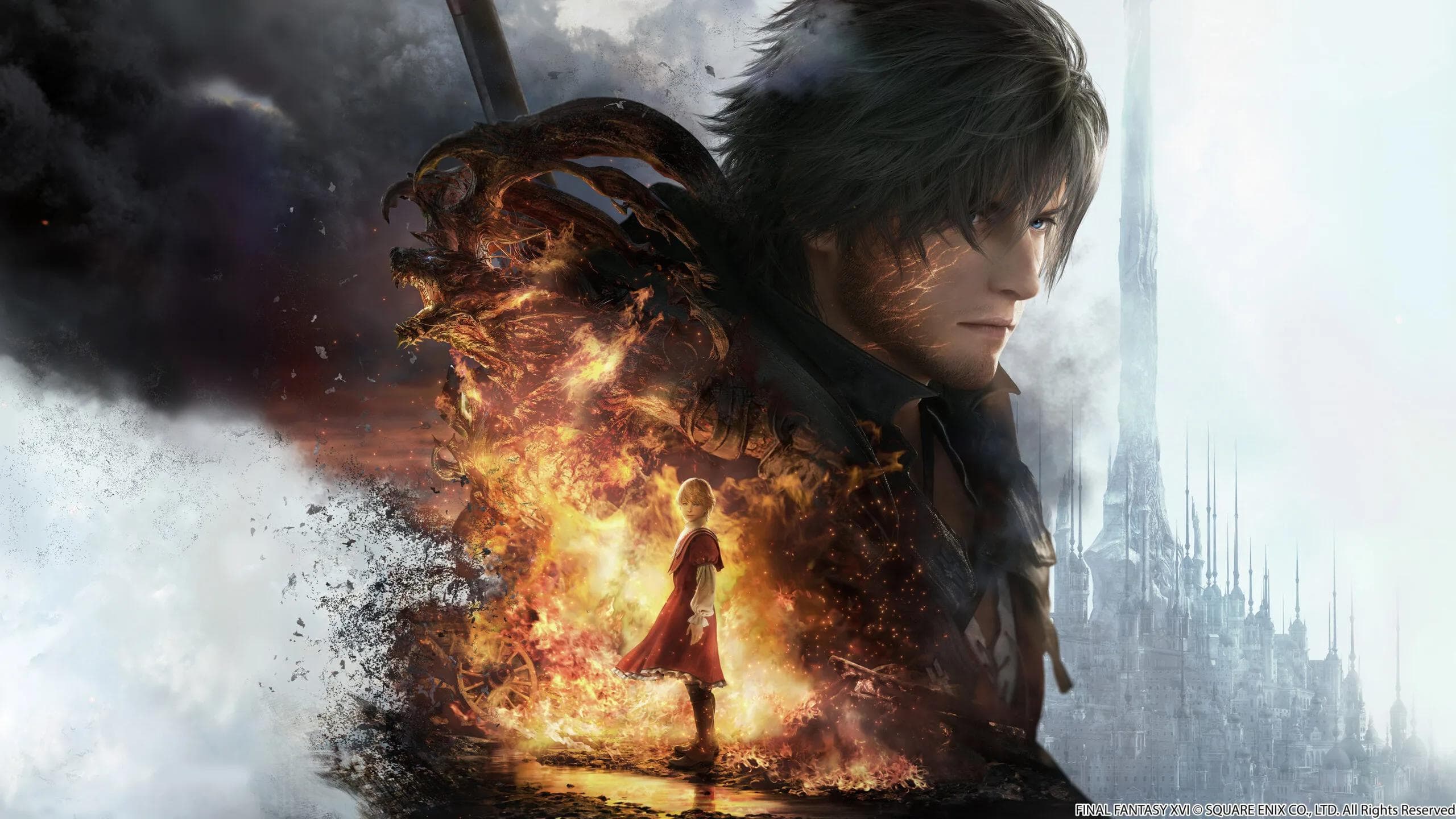
Final Fantasy XVI shifts the series into character-action territory, following Clive Rosfield through a political war between nations powered by magical crystals. The Eikon battles scale up to kaiju proportions. GPA scores it high on Action and Emotional Story, lower on the RPG-adjacent axes — a positioning that reflects the deliberate genre pivot.
Game Characteristics
Story Depth
90%
Graphics
90%
Emotional Story
85%
Action
80%
Dystopian Setting
75%
Dark
70%
Multiple Endings
40%
Player profile fit
Recommended for: Beginner to Advanced players (A score of 50 or higher indicates a good fit.)
Final Fantasy VII Remake expands the Midgar section of the original into a full-length action RPG, adding real-time combat that layers on top of the original's ATB system. The story diverges intentionally from the source. GPA scores it high on Emotional Story and Graphics, with a Beginner score above 60 — the combat can be set to Classic mode for players who want the strategy without the action demands.
Tag Similarity
Story Depth
90%
Graphics
95%
Emotional Story
90%
Action
75%
Dystopian Setting
60%
Dark
50%
Multiple Endings
50%
Chart tags: Story Depth / Graphics / Emotional Story / Action / Dystopian Setting / Dark / Multiple Endings
Final Fantasy VII Rebirth expands Cloud and the party's journey outside Midgar across an open-world Gaia. The relationship system and Queen's Blood card game add depth between the story chapters. GPA scores it high on Emotional Story and Open World — a sequel that broadens the canvas while keeping the remake's combat system.
Tag Similarity
Story Depth
90%
Graphics
95%
Emotional Story
90%
Action
80%
Dystopian Setting
55%
Dark
50%
Multiple Endings
60%
Chart tags: Story Depth / Graphics / Emotional Story / Action / Dystopian Setting / Dark / Multiple Endings
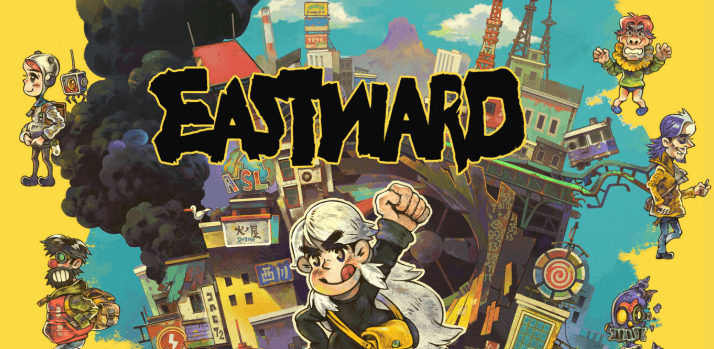
Eastward follows a father and daughter from an underground colony through hand-drawn pixel art environments. GPA scores it high on Emotional Story and Graphics.
Tag Similarity
Story Depth
70%
Graphics
80%
Emotional Story
70%
Action
65%
Dystopian Setting
70%
Dark
50%
Multiple Endings
0%
Chart tags: Story Depth / Graphics / Emotional Story / Action / Dystopian Setting / Dark / Multiple Endings
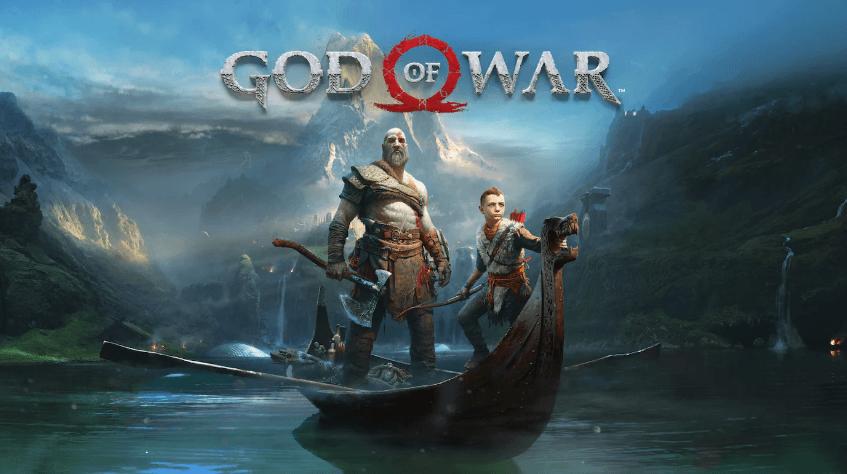
God of War: Ragnarök continues Kratos and Atreus's journey through the Norse realms toward Ragnarök. The relationship between the two protagonists carries more weight than the combat, which is itself excellent. GPA scores it at the top for Emotional Story and Graphics — a sequel that deepens what the 2018 game established.
Tag Similarity
Story Depth
90%
Graphics
90%
Emotional Story
90%
Action
85%
Dystopian Setting
60%
Dark
65%
Multiple Endings
50%
Chart tags: Story Depth / Graphics / Emotional Story / Action / Dystopian Setting / Dark / Multiple Endings
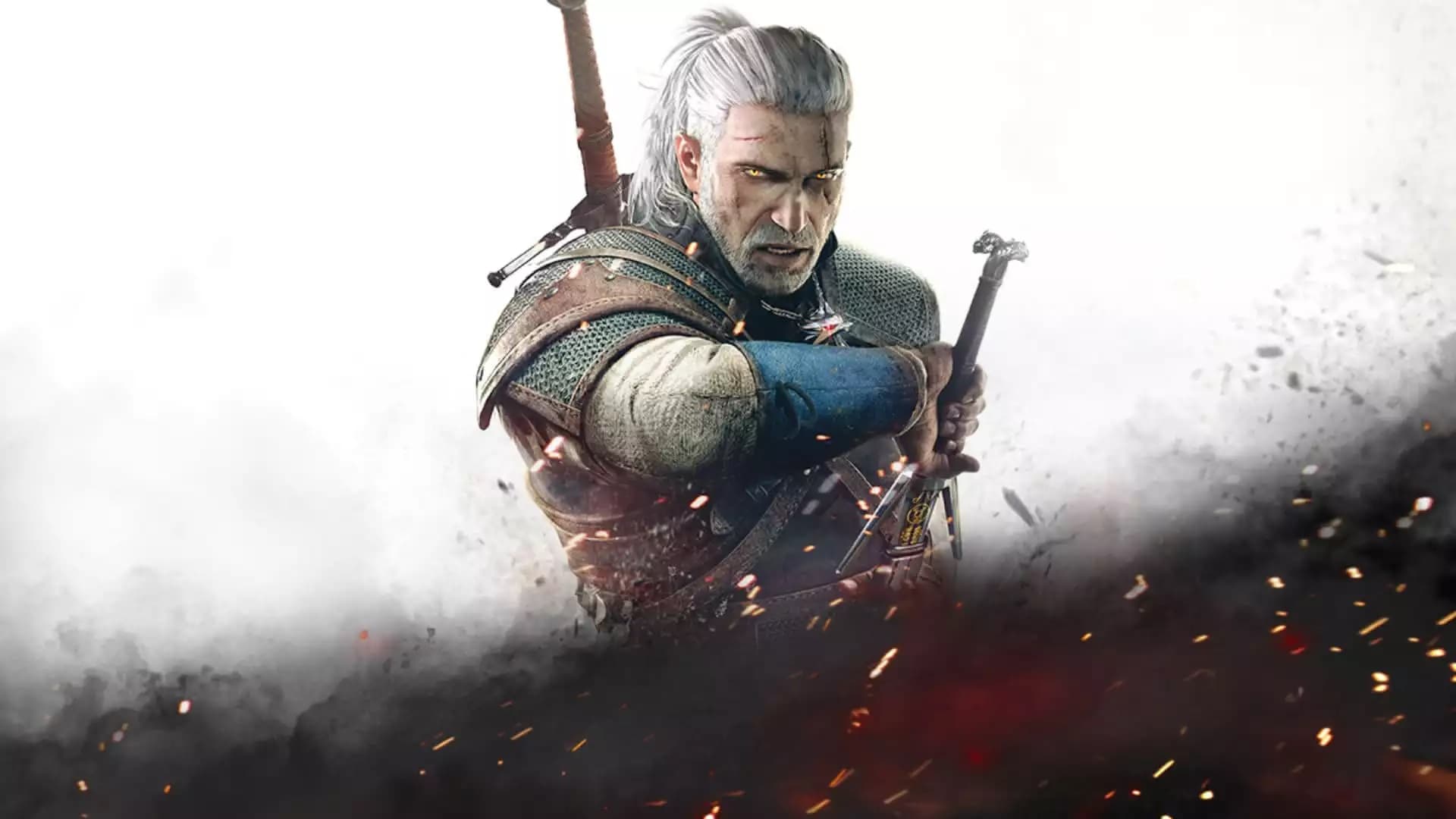
The Witcher 3 builds its open world around the quality of its writing rather than the size of its map. Side quests carry the same narrative investment as the main story. GPA scores it at the top for Story Depth and Emotional Story among open-world RPGs — a positioning shared with very few titles of comparable scale.
Tag Similarity
Story Depth
95%
Graphics
85%
Emotional Story
90%
Action
75%
Dystopian Setting
75%
Dark
70%
Multiple Endings
80%
Chart tags: Story Depth / Graphics / Emotional Story / Action / Dystopian Setting / Dark / Multiple Endings
Red Dead Redemption 2 follows Arthur Morgan through the decline of the Van der Linde gang, building the open world of the American frontier with unusual attention to ambient detail. Honor affects dialogue and endings. GPA scores it at the top for Emotional Story and Story Depth among open-world titles — a combination that prioritizes players who want the world to feel inhabited.
Tag Similarity
Story Depth
95%
Graphics
95%
Emotional Story
95%
Action
65%
Dystopian Setting
70%
Dark
65%
Multiple Endings
55%
Chart tags: Story Depth / Graphics / Emotional Story / Action / Dystopian Setting / Dark / Multiple Endings
A Plague Tale: Innocence escorts Amicia and her younger brother Hugo through plague-ravaged 14th-century France, using torch and alchemical tools to herd rat swarms away from paths. Asobo Studio, Focus Entertainment. Switch 2, PS4/5, Xbox, PC. GPA scores it high on Emotional Story and Dark World — the stealth adventure where sibling bond mechanics are inseparable from the horror traversal.
Tag Similarity
Story Depth
80%
Graphics
80%
Emotional Story
85%
Action
62%
Dystopian Setting
80%
Dark
72%
Multiple Endings
0%
Chart tags: Story Depth / Graphics / Emotional Story / Action / Dystopian Setting / Dark / Multiple Endings
Binary Domain sends a multinational squad to 2080 Tokyo to locate the creator of Hollow Children — robots built to replace humans undetected. The Consequence System tracks squad trust based on in-mission voice commands. Ryu Ga Gotoku Studio's action-shooter. PS3/360/PC. GPA scores it high on Existential Themes and Action — the third-person shooter that embedded AI ethics into its core narrative before it was a mainstream topic.
Tag Similarity
Story Depth
72%
Graphics
60%
Emotional Story
68%
Action
78%
Dystopian Setting
72%
Dark
65%
Multiple Endings
0%
Chart tags: Story Depth / Graphics / Emotional Story / Action / Dystopian Setting / Dark / Multiple Endings
God of War (2018) moves Kratos and his son Atreus through Norse mythology on a single unbroken camera shot. The relationship between the two is the structural engine of the game. GPA scores it at the top for Emotional Story and Graphics — the same axes that drive the sequel's scores.
Tag Similarity
Story Depth
90%
Graphics
90%
Emotional Story
90%
Action
85%
Dystopian Setting
50%
Dark
55%
Multiple Endings
50%
Chart tags: Story Depth / Graphics / Emotional Story / Action / Dystopian Setting / Dark / Multiple Endings
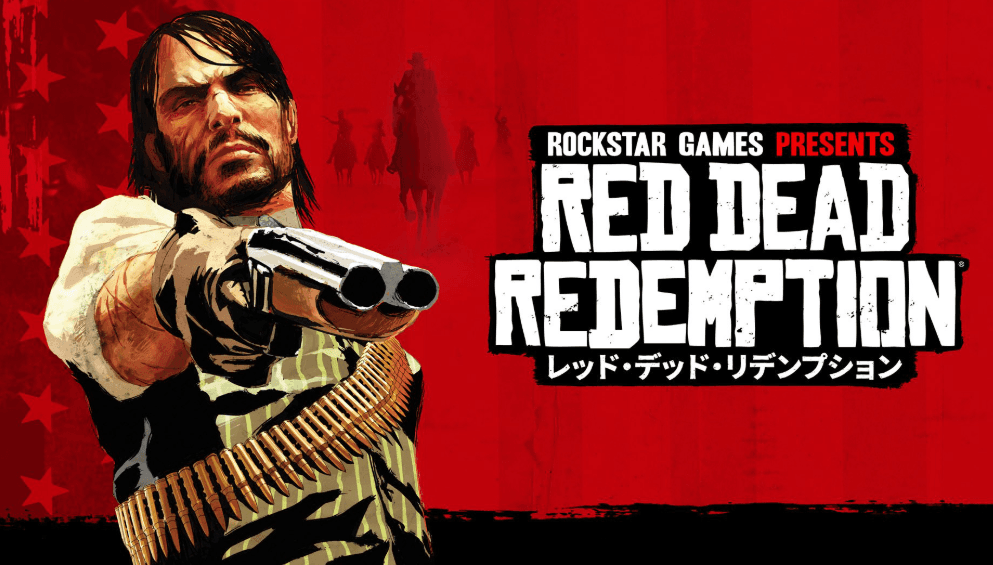
Red Dead Redemption follows John Marston across the dying American frontier in 1911, forced by government agents to hunt down his former gang in exchange for his family's freedom. The open world covers the American Southwest and Mexico, with horse travel as the primary pacing mechanism. The Undead Nightmare expansion reframes the same map as a zombie survival scenario. Originally released in 2010, the game reached Switch and PS4 in 2023 and Switch 2, PS5, and Xbox Series in December 2025. GPA scores it high on Emotional Story and Dark World — the prequel to RDR2 that established the series' identity.
Tag Similarity
Story Depth
85%
Graphics
70%
Emotional Story
88%
Action
75%
Dystopian Setting
80%
Dark
65%
Multiple Endings
45%
Chart tags: Story Depth / Graphics / Emotional Story / Action / Dystopian Setting / Dark / Multiple Endings
Neva follows warrior Viola and her wolf companion through a hand-animated action game where the wolf's behavior changes as she grows from pup to adult. The combat timing rewards patience. GPA scores it high on Emotional Story and Action — a combination that correctly identifies a game where the relationship between the two characters is the mechanical engine.
Tag Similarity
Story Depth
70%
Graphics
90%
Emotional Story
80%
Action
85%
Dystopian Setting
50%
Dark
40%
Multiple Endings
0%
Chart tags: Story Depth / Graphics / Emotional Story / Action / Dystopian Setting / Dark / Multiple Endings
Marvel's Spider-Man 2 plays as Peter Parker and Miles Morales in alternating sections, with Venom and the symbiote system as the central threat. Manhattan traversal is faster than any previous entry. GPA scores it high on Action and Emotional Story — a sequel that deepens the relationship writing more than it changes the combat.
Tag Similarity
Story Depth
80%
Graphics
95%
Emotional Story
80%
Action
85%
Dystopian Setting
40%
Dark
45%
Multiple Endings
50%
Chart tags: Story Depth / Graphics / Emotional Story / Action / Dystopian Setting / Dark / Multiple Endings
Grand Theft Auto V switches between three playable criminals across a satirical Los Santos, building to heist sequences that require coordinated planning. GTA Online has sustained a parallel game since 2013. GPA scores it high on Open World and Action — the entry that defined open-world crime sandbox design for a generation.
Tag Similarity
Story Depth
75%
Graphics
80%
Emotional Story
65%
Action
85%
Dystopian Setting
70%
Dark
60%
Multiple Endings
40%
Chart tags: Story Depth / Graphics / Emotional Story / Action / Dystopian Setting / Dark / Multiple Endings
Dragon Age: The Veilguard closes the Solas storyline that began in Inquisition, sending Rook and a party of seven companions against an ancient elven threat. The combat moves away from tactical pause toward action. GPA scores it mid-range on Strategy and high on Emotional Story — a positioning that sits between the tactical depth of Origins and the action focus of newer entries.
Tag Similarity
Story Depth
85%
Graphics
80%
Emotional Story
80%
Action
75%
Dystopian Setting
65%
Dark
0%
Multiple Endings
70%
Chart tags: Story Depth / Graphics / Emotional Story / Action / Dystopian Setting / Dark / Multiple Endings
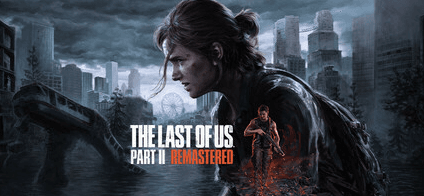
The Last of Us Part II follows Ellie's revenge arc and then Abby's perspective on the same events, making players responsible for actions from both sides. The violence is sustained and purposeful. GPA scores it high on Emotional Story and Dark World — the combination that identifies a narrative experience designed to be uncomfortable.
Tag Similarity
Story Depth
95%
Graphics
90%
Emotional Story
90%
Action
80%
Dystopian Setting
60%
Dark
75%
Multiple Endings
40%
Chart tags: Story Depth / Graphics / Emotional Story / Action / Dystopian Setting / Dark / Multiple Endings
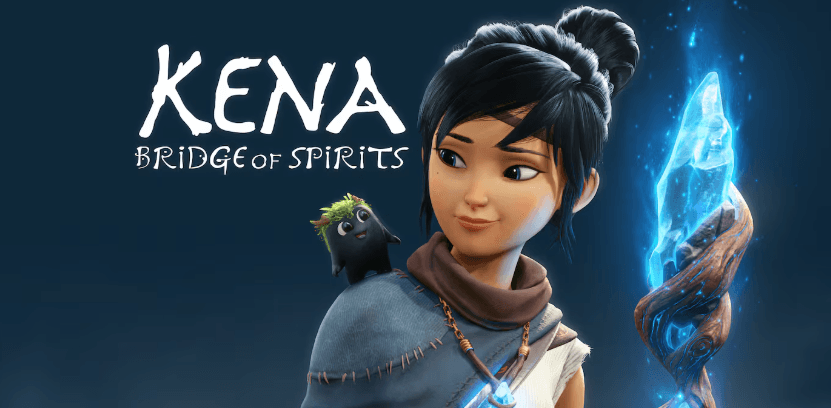
Kena: Bridge of Spirits sends a spirit guide through a village haunted by unresolved grief, clearing corruption to free the dead. The Rot companions add a resource management layer to the combat. GPA scores it high on Emotional Story and Graphics — the visual quality from a small studio remains the most discussed aspect of its reception.
Tag Similarity
Story Depth
75%
Graphics
90%
Emotional Story
75%
Action
75%
Dystopian Setting
40%
Dark
40%
Multiple Endings
50%
Chart tags: Story Depth / Graphics / Emotional Story / Action / Dystopian Setting / Dark / Multiple Endings
Crimson Desert follows mercenary captain Cliff across a continent at war, bringing Pearl Abyss's MMORPG development experience into a single-player open world. Dynamic weather and companion AI affect both combat and exploration. GPA scores it high on Open World and Graphics — the most technically ambitious single-player open world from the Korean game industry.
Tag Similarity
Story Depth
75%
Graphics
90%
Emotional Story
70%
Action
80%
Dystopian Setting
65%
Dark
55%
Multiple Endings
0%
Chart tags: Story Depth / Graphics / Emotional Story / Action / Dystopian Setting / Dark / Multiple Endings
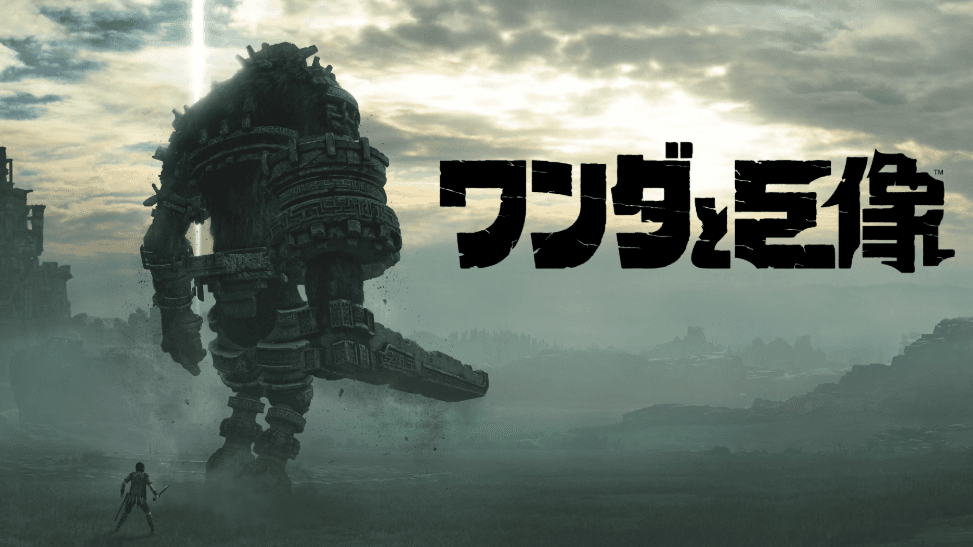
Shadow of the Colossus sends Wander across a forbidden land to destroy sixteen colossi — each one a boss fight and a traversal puzzle contained within a single living creature. No enemies exist between encounters, only the landscape and the horse. The 2018 Bluepoint remake rebuilt every asset from scratch while preserving Fumito Ueda's original geometry and pacing. GPA scores it at the top for Emotional Story — the highest among action games — alongside high marks for Existential Themes and Dark World, the three axes that define a game where the act of winning is also the tragedy.
Tag Similarity
Story Depth
70%
Graphics
85%
Emotional Story
95%
Action
70%
Dystopian Setting
75%
Dark
65%
Multiple Endings
0%
Chart tags: Story Depth / Graphics / Emotional Story / Action / Dystopian Setting / Dark / Multiple Endings
Katana ZERO kills in one hit — both the player and every enemy — with a timeline rewind that frames each level as a premonition. The neo-noir story of a drug-dependent assassin unfolds through dialogue choices that can be interrupted mid-sentence. Askiisoft, Devolver Digital. Switch, PC. GPA scores it high on Action and Emotional Story — the 3-hour action game where the narrative density matches the mechanical precision.
Tag Similarity
Story Depth
72%
Graphics
65%
Emotional Story
75%
Action
85%
Dystopian Setting
75%
Dark
68%
Multiple Endings
0%
Chart tags: Story Depth / Graphics / Emotional Story / Action / Dystopian Setting / Dark / Multiple Endings
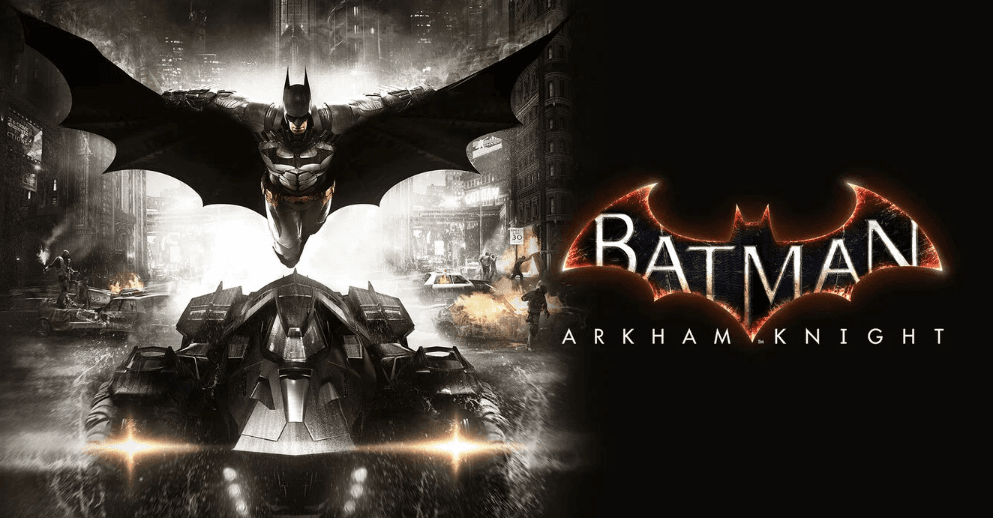
Batman: Arkham Knight closes the Arkham trilogy with the Batmobile fused into the combat and traversal systems. Gotham at night is the strongest visual presentation in the series. GPA scores it high on Action and Dark World — the combination that defines the Arkham series across all entries.
Tag Similarity
Story Depth
75%
Graphics
90%
Emotional Story
70%
Action
85%
Dystopian Setting
65%
Dark
60%
Multiple Endings
55%
Chart tags: Story Depth / Graphics / Emotional Story / Action / Dystopian Setting / Dark / Multiple Endings
About "FINAL FANTASY XVI"
▸Game Composition (GPA Analysis)
ファイナルファンタジー16(FF16) leads with its Action RPG identity, anchored by the core feel of "Final Fantasy XVI shifts the series into character-action territory, following Clive Rosfield through a political war …." The headline profile reads Story Depth 90% / Graphics 90% / Emotional Story 85%, making it a strong pick for fans of Story Depth and Graphics. Accessible enough for newcomers while offering enough depth to satisfy veterans.
▸Characteristics & Analysis
Our editorial team scored "ファイナルファンタジー16(FF16)" by using its feel of JRPG, 召喚獣バトル, and cinematic as the primary lens, weighting Story Depth and Graphics most heavily. Top similar titles include "ファイナルファンタジー7 リメイク(FF7R)", "ファイナルファンタジー7 リバース(FF7リバース)", "Eastward(イーストワード)".
Review — Final Fantasy XVI: an action RPG about fighting against fate
Game Overview
Final Fantasy XVI marks a major change for the series, introducing a fully fledged action RPG built around real-time combat.
The game takes place in Valisthea, a world where people's lives depend on the aether provided by Mothercrystals. Nations compete for control of these crystals, while Dominants who can wield the power of Eikons are used as weapons in war.
The protagonist is Clive Rosfield, the First Shield of Rosaria.
After a devastating event sets him on a path of revenge, Clive gradually discovers the truth behind the world around him and eventually sets his sights on destroying the Mothercrystals.
The biggest change from previous mainline entries is the combat.
Instead of traditional command-based battles, Final Fantasy XVI puts Clive directly under the player's control. Attacks, dodges, combos, sword techniques, and Eikonic abilities all happen in real time.
Gameplay Analysis
Eikonic Powers Become the Core of Combat
One of the defining features of Final Fantasy XVI is Clive's ability to wield the powers of multiple Eikons.
Each Eikon provides different abilities, and players can choose which skills to learn and upgrade. Clive can also switch between Eikonic powers during combat.
This is important because the Eikons aren't simply part of the game's lore.
Their powers directly determine how the player fights.
As Clive gains new abilities throughout his journey, the player also gains new ways to approach combat.
The series' iconic summons have effectively become part of the player's moveset.
RPG Progression Still Matters
Despite its shift toward action combat, Final Fantasy XVI retains a clear RPG progression system.
Players can learn and upgrade sword techniques and Eikonic abilities, then customize their setup around their preferred playstyle.
The game also allows Ability Points to be refunded and reassigned, making it easier to experiment with different builds.
That makes the system feel less like traditional RPG stat management and more like expanding Clive's action toolkit.
You're not simply making a number go up.
You're deciding which moves you want to use and how you want to fight.
Eikon Battles Turn Summons Into Playable Powerhouses
The Eikon battles are some of the game's biggest set pieces.
When Dominants clash, the battle can shift from Clive's normal human-scale combat to enormous battles between Eikons themselves. Players can directly control Eikons during these encounters.
That is a significant departure from how summons have traditionally worked in Final Fantasy.
Instead of simply calling an Eikon to perform a powerful attack, the player actually experiences the scale and power of these creatures.
The result isn't just spectacle.
It connects the game's worldbuilding to its gameplay by allowing the player to experience the same overwhelming power that defines the Dominants within the story.
Revenge Gives the Combat a Narrative Purpose
Clive's story begins with revenge.
That gives his early journey a straightforward motivation: find the person responsible and make them pay.
The player, meanwhile, spends much of the game doing what an action RPG player naturally does—fighting enemies, learning abilities, and becoming stronger.
Those two ideas fit together surprisingly well.
Clive wants to fight because of what happened to him.
The player fights because fighting is the primary way they interact with the world.
As the story develops, however, Clive's goal becomes larger than revenge.
His journey gradually becomes a confrontation with his own fate and the system that governs Valisthea.
The action therefore grows alongside the story rather than existing completely separately from it.
A Complex World That You Can Actually Keep Track Of
Final Fantasy XVI introduces a world filled with nations, religions, Mothercrystals, Dominants, Eikons, and political conflicts.
That can be a lot to remember.
The game addresses this with Active Time Lore, which allows players to check information about characters, locations, terminology, and other parts of the world as the story progresses.
Instead of expecting players to remember every piece of information from a long cutscene, the system lets them look things up when they need to.
That is especially useful in a story-heavy game with a large amount of worldbuilding.
A Beautiful World With a Dark Side
GPA gives Final Fantasy XVI a 90% score for Graphics, 75% for Dystopian Setting, and 70% for Dark.
Valisthea is visually impressive, but it is also a harsh place.
Wars are fought over Mothercrystals. People are divided by social status and the power they possess. The world itself is gradually approaching collapse.
That contrast is important to the game's presentation.
Beautiful landscapes and enormous fantasy structures exist alongside war, oppression, and suffering.
The developers have also discussed their intention to create a dark world while maintaining a sense of hope within it.
The result is a fantasy setting that isn't simply there to look impressive.
Its visual beauty often makes the darker parts of the world stand out even more.
What the GPA Scores Tell Us
GPA rates Final Fantasy XVI at Story Depth 90%, Graphics 90%, Emotional Story 85%, Action 80%, Dystopian Setting 75%, Dark 70%, and Multiple Endings 40%.
Title tendency chart (Final Fantasy XVI)
Story Depth ◀
90%
Graphics ◀
90%
Emotional Story ◀
85%
Action ◀
80%
Dystopian Setting
75%
Dark
70%
Multiple Endings
40%
* Based on GPA sub-tag scores. Story-led action RPG balance across narrative and combat.
The most interesting part is the combination of its four highest scores.
Story Depth, Graphics, Emotional Story, and Action are all at 80% or higher.
That suggests that Final Fantasy XVI isn't simply an action game wearing the Final Fantasy name.
Its action system is closely tied to a story-driven experience.
At the same time, its 40% Multiple Endings score shows that this isn't a branching RPG where players constantly reshape the narrative through their choices.
Instead, the game follows a largely defined story centered on Clive.
In that sense, Final Fantasy XVI is closer to an RPG where you experience a single story through action than a game built around narrative freedom.
Author's Thoughts
What I find most interesting about Final Fantasy XVI is how it takes one of the most recognizable elements of the series—the Eikons—and makes them part of the player's actual experience.
Whenever Clive gains access to a new Eikon's power, the player gains new options in combat as well.
Clive's growth and the player's growing toolkit happen at the same time.
At the same time, Clive's journey becomes increasingly complicated.
What begins as revenge gradually turns into something much larger: a confrontation with his own fate and the world he lives in.
You don't simply watch that transformation in cutscenes.
You control Clive through it.
That connection between character progression, combat, and story is what makes Final Fantasy XVI stand out within the series.
Conclusion
Final Fantasy XVI represents one of the biggest mechanical shifts in the history of the mainline series.
It replaces traditional command-based combat with fast-paced real-time action, lets players switch between Eikonic powers, and turns the series' famous summons into a central part of the combat experience.
But underneath those changes is still a story about Clive Rosfield, his revenge, and his struggle against the fate imposed on him and the world around him.
The Eikons are part of the lore, but they are also part of the player's moveset.
Clive becomes stronger, and the player gains more ways to fight.
That is why the game's high GPA scores for Story Depth, Emotional Story, and Action work so well together.
Final Fantasy XVI isn't simply a Final Fantasy story told through an action game. It's a story you experience by taking control of the character at its center.