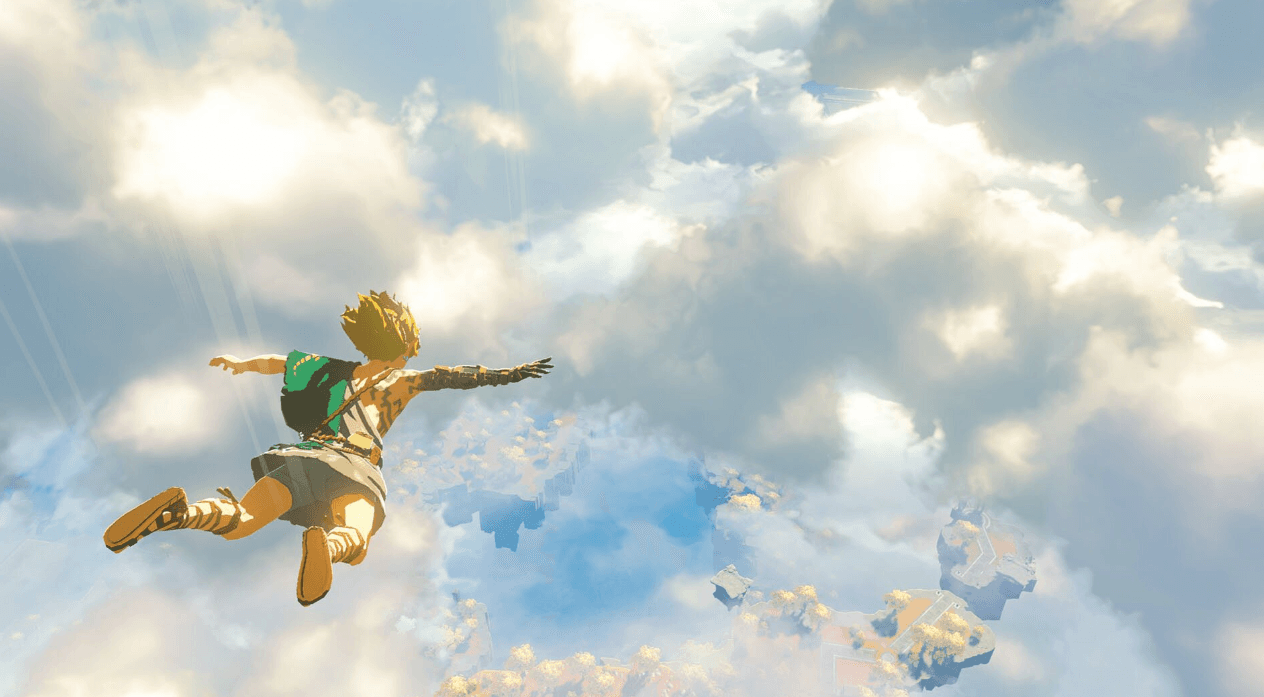
The Legend of Zelda: Breath of the Wild expands Zelda’s exploration and puzzle-solving into a large open world, where climbing, cooking, combat, and environmental interaction can all become part of how you approach a problem. Unlike more linear Zelda games, BotW gives you much more freedom over where to go, what to do, and how to solve obstacles. GPA scores it highest on Open World at 90%, followed by Action and Story Depth at 70%, with Graphics at 70%, Emotional Story and Logic at 60%, High Difficulty and Strategy at 50%, and Crafting and Character Building at 40%. Target audience scores are 40 for beginners, 80 for intermediate players, and 80 for advanced players.
Game Characteristics
Open World
90%
Action
70%
Story Depth
70%
Graphics
70%
Emotional Story
60%
Logic
60%
High Difficulty
50%
Dystopian Setting
50%
Strategy
50%
Crafting
40%
Character Building
40%
Roguelike
20%
Existential Themes
20%
Visual Novel / ADV
20%
Horror
20%
Dark
20%
Player profile fit
Recommended for: Intermediate to Advanced players (A score of 50 or higher indicates a good fit.)
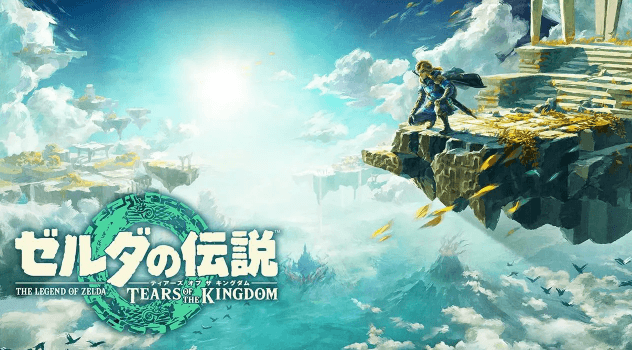
Tears of the Kingdom adds Ultrahand and Ascend to BotW's foundation, turning the ceiling above every surface into a traversal option. The Depths layer underneath Hyrule doubles the explorable space. GPA scores it slightly higher than BotW on Open World and Sandbox, reflecting the expanded construction systems.
Tag Similarity
Open World
95%
Action
70%
Story Depth
70%
Graphics
75%
Emotional Story
60%
Logic
65%
High Difficulty
55%
Dystopian Setting
50%
Chart tags: Open World / Action / Story Depth / Graphics / Emotional Story / Logic / High Difficulty / Dystopian Setting
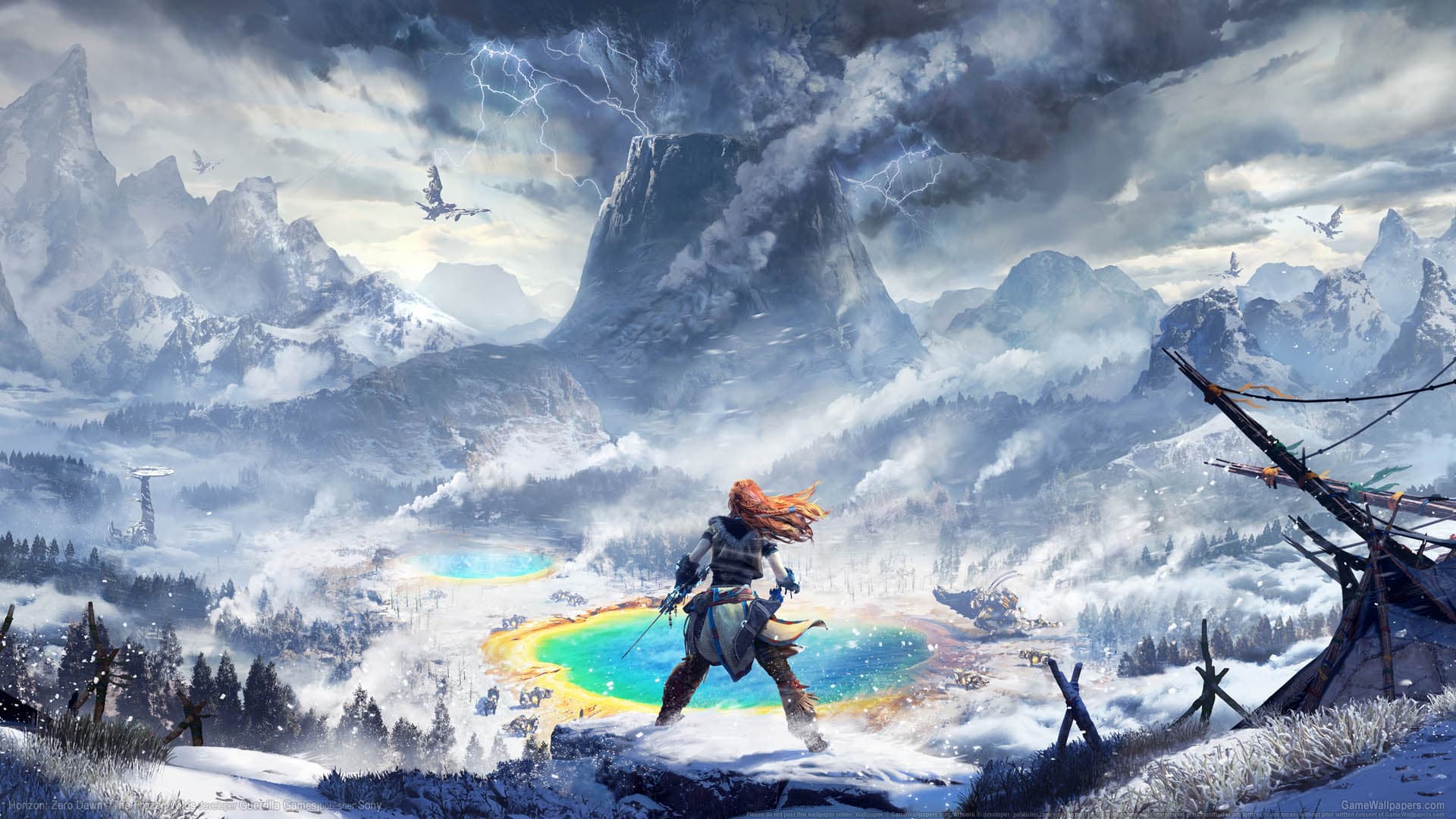
Horizon Zero Dawn explains its post-apocalyptic world through environmental storytelling and collectibles before the main quest confirms anything. The machine combat rewards studying behavior patterns. GPA scores it high on Open World and Story Depth, with Emotional Story above 75 — a combination that describes an action game where the world-building carries as much weight as the combat.
Tag Similarity
Open World
85%
Action
80%
Story Depth
85%
Graphics
80%
Emotional Story
80%
Logic
40%
High Difficulty
60%
Dystopian Setting
60%
Chart tags: Open World / Action / Story Depth / Graphics / Emotional Story / Logic / High Difficulty / Dystopian Setting
Horizon Forbidden West continues Aloy's investigation into the machine ecosystem collapse across western North America, adding underwater exploration and a wider variety of machine types. GPA scores it high on Open World and Story Depth — a sequel that expands the geographic and narrative scope of Zero Dawn without changing its fundamental design.
Tag Similarity
Open World
85%
Action
80%
Story Depth
80%
Graphics
85%
Emotional Story
75%
Logic
40%
High Difficulty
55%
Dystopian Setting
55%
Chart tags: Open World / Action / Story Depth / Graphics / Emotional Story / Logic / High Difficulty / Dystopian Setting
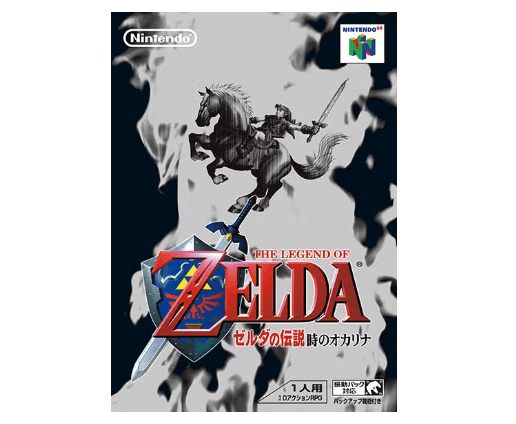
The Legend of Zelda: Ocarina of Time is playable through Nintendo Switch Online's Nintendo Classics catalog. The N64 title established 3D action-adventure design conventions that remain standard. GPA scores it high on Puzzle and Emotional Story — the combination that captures a game remembered for its dungeon design and narrative weight as much as its historical importance.
Tag Similarity
Open World
50%
Action
50%
Story Depth
80%
Graphics
40%
Emotional Story
80%
Logic
80%
High Difficulty
40%
Dystopian Setting
20%
Chart tags: Open World / Action / Story Depth / Graphics / Emotional Story / Logic / High Difficulty / Dystopian Setting
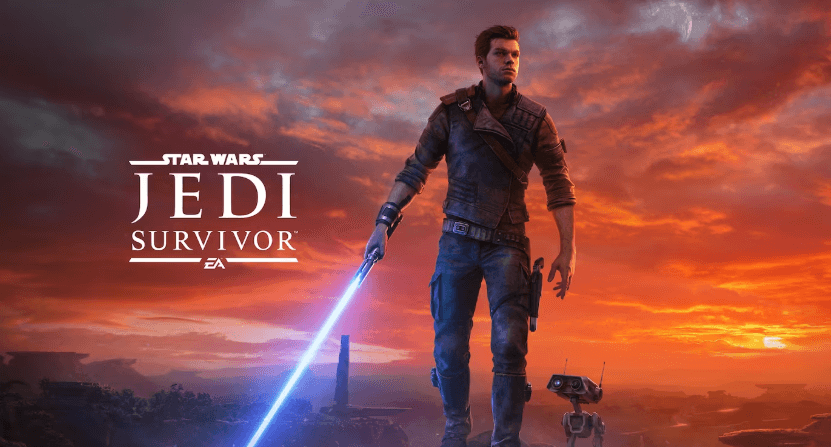
Star Wars Jedi: Survivor continues Cal Kestis's journey through a galaxy under Imperial consolidation, adding new lightsaber stances and a Metroidvania planet structure. GPA scores it high on Action and Story Depth — a sequel that deepens the combat options and the political stakes from Fallen Order.
Tag Similarity
Open World
60%
Action
80%
Story Depth
70%
Graphics
85%
Emotional Story
70%
Logic
45%
High Difficulty
65%
Dystopian Setting
50%
Chart tags: Open World / Action / Story Depth / Graphics / Emotional Story / Logic / High Difficulty / Dystopian Setting
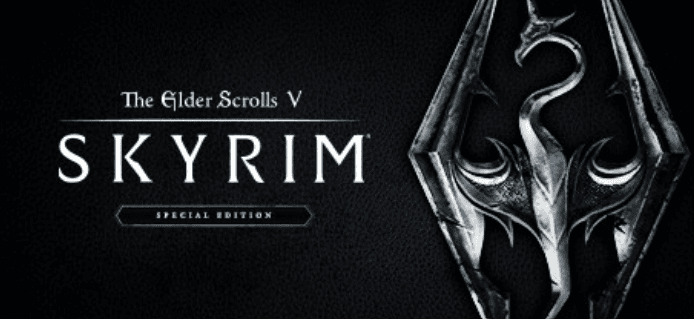
The Elder Scrolls V: Skyrim gave players a province-sized open world and enough quest content to sustain thousands of hours. The modding scene extended that lifespan indefinitely. GPA scores it at the maximum for Open World — the defining axis — with Story Depth mid-range, reflecting breadth of content over narrative density.
Tag Similarity
Open World
90%
Action
75%
Story Depth
80%
Graphics
65%
Emotional Story
65%
Logic
20%
High Difficulty
60%
Dystopian Setting
60%
Chart tags: Open World / Action / Story Depth / Graphics / Emotional Story / Logic / High Difficulty / Dystopian Setting
Fallout 4 builds its Commonwealth wasteland around base construction that lets players fortify settlements and supply routes across the map. The companion system adds relationship tracking to the exploration loop. GPA scores it high on Open World and Craft — the Fallout entry that most thoroughly integrated building mechanics into the open-world framework.
Tag Similarity
Open World
85%
Action
60%
Story Depth
65%
Graphics
70%
Emotional Story
60%
Logic
40%
High Difficulty
50%
Dystopian Setting
90%
Chart tags: Open World / Action / Story Depth / Graphics / Emotional Story / Logic / High Difficulty / Dystopian Setting
Rise of the Ronin puts Team Ninja's high-difficulty sword combat into an open-world Bakumatsu setting, with historical figures appearing as companions and antagonists. GPA scores it high on Action and Difficulty — the open-world pivot that applies Nioh's combat depth to a larger structural format.
Tag Similarity
Open World
70%
Action
80%
Story Depth
70%
Graphics
75%
Emotional Story
65%
Logic
0%
High Difficulty
65%
Dystopian Setting
50%
Chart tags: Open World / Action / Story Depth / Graphics / Emotional Story / Logic / High Difficulty / Dystopian Setting
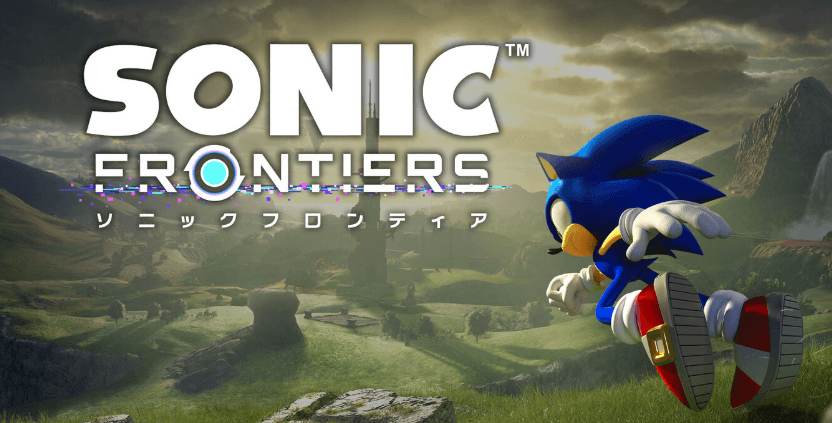
Sonic Frontiers redefines the classic high-speed platforming experience by introducing the series' first "Open Zone" gameplay. Developed by Sonic Team, the adventure follows Sonic the Hedgehog as he explores the mysterious Starfall Islands in search of the Chaos Emeralds. Players navigate vast, expansive landscapes filled with ancient ruins, solving puzzles, engaging in dynamic combat, and conquering traditional linear Cyber Space levels. The title blends signature kinetic momentum with freedom of exploration and a deeply melancholic narrative.
Tag Similarity
Open World
50%
Action
90%
Story Depth
60%
Graphics
70%
Emotional Story
60%
Logic
55%
High Difficulty
40%
Dystopian Setting
0%
Chart tags: Open World / Action / Story Depth / Graphics / Emotional Story / Logic / High Difficulty / Dystopian Setting
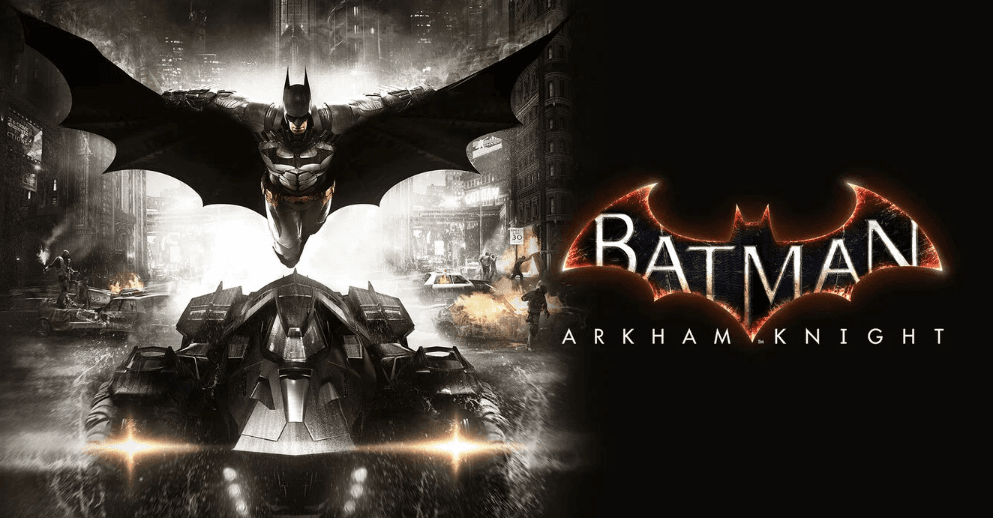
Batman: Arkham Knight closes the Arkham trilogy with the Batmobile fused into the combat and traversal systems. Gotham at night is the strongest visual presentation in the series. GPA scores it high on Action and Dark World — the combination that defines the Arkham series across all entries.
Tag Similarity
Open World
70%
Action
85%
Story Depth
75%
Graphics
90%
Emotional Story
70%
Logic
30%
High Difficulty
50%
Dystopian Setting
65%
Chart tags: Open World / Action / Story Depth / Graphics / Emotional Story / Logic / High Difficulty / Dystopian Setting
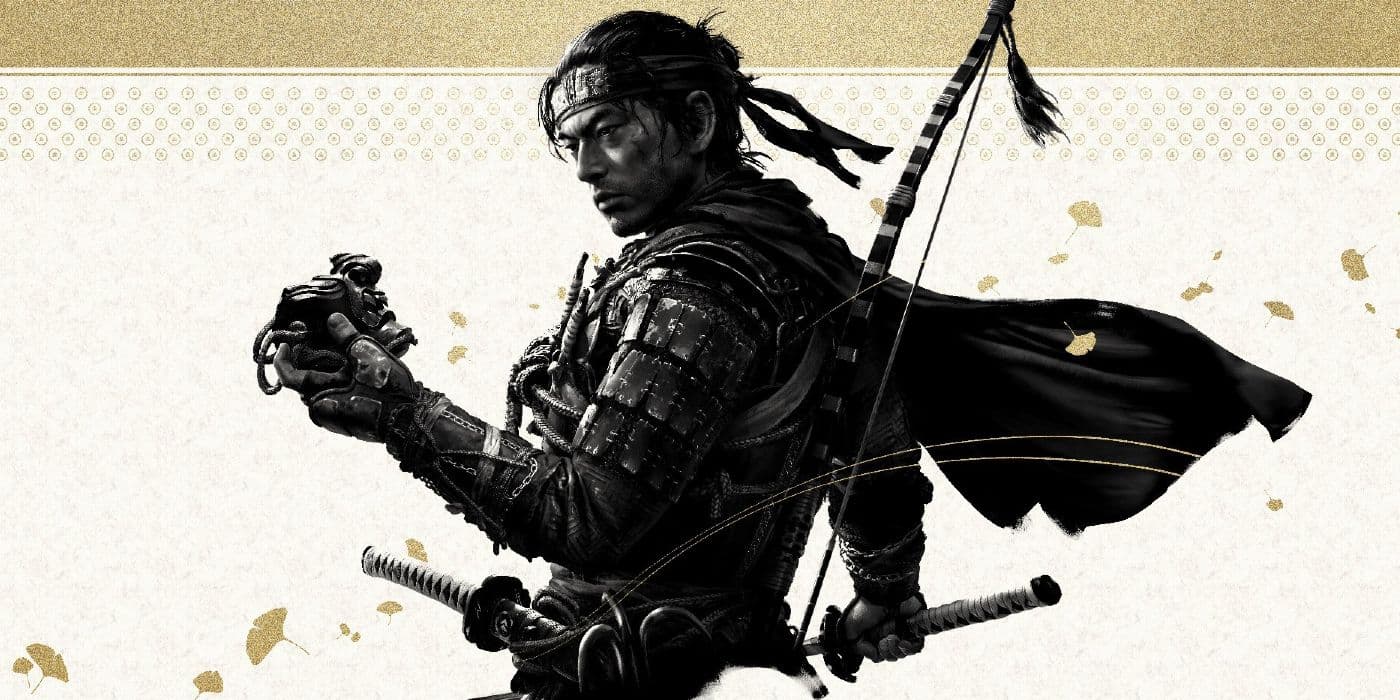
Ghost of Tsushima hands Jin Sakai a katana and an open version of feudal Japan and largely steps aside. The wind navigation system replaces minimap markers. GPA scores it high on Emotional Story and Dark World, with Open World sitting close behind — a combination that describes an action game built around atmosphere as much as combat.
Tag Similarity
Open World
70%
Action
85%
Story Depth
80%
Graphics
95%
Emotional Story
75%
Logic
0%
High Difficulty
70%
Dystopian Setting
50%
Chart tags: Open World / Action / Story Depth / Graphics / Emotional Story / Logic / High Difficulty / Dystopian Setting
Pokémon Legends: Z-A marks an ambitious return to the Kalos region, focusing its narrative and gameplay entirely within the urban expanse of Lumiose City. Developed by Game Freak, the game centers around an innovative urban redevelopment plan designed to foster a harmonious coexistence between humans and Pokémon. Building upon the structural shift introduced in Pokémon Legends: Arceus, this entry promises a refined approach to catching, battling, and exploration, set against the backdrop of a changing city full of mystery.
Tag Similarity
Open World
60%
Action
80%
Story Depth
65%
Graphics
60%
Emotional Story
65%
Logic
50%
High Difficulty
0%
Dystopian Setting
40%
Chart tags: Open World / Action / Story Depth / Graphics / Emotional Story / Logic / High Difficulty / Dystopian Setting
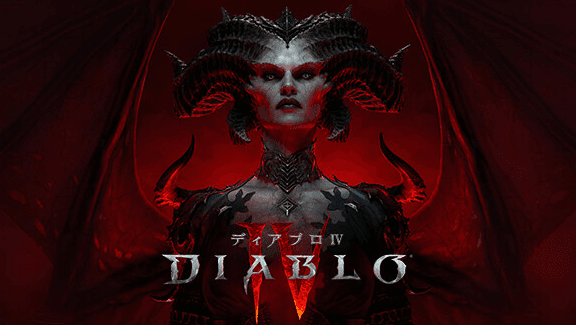
Diablo IV returns to a darker visual register than Diablo III, adding open-world zones and a Paragon board for endgame build development. The five classes play substantially differently. GPA scores it high on Co-op and Action, with Dark World above average — the combination that describes the cooperative loot loop more precisely than genre alone.
Tag Similarity
Open World
60%
Action
85%
Story Depth
60%
Graphics
85%
Emotional Story
55%
Logic
0%
High Difficulty
50%
Dystopian Setting
65%
Chart tags: Open World / Action / Story Depth / Graphics / Emotional Story / Logic / High Difficulty / Dystopian Setting
Crimson Desert follows mercenary captain Cliff across a continent at war, bringing Pearl Abyss's MMORPG development experience into a single-player open world. Dynamic weather and companion AI affect both combat and exploration. GPA scores it high on Open World and Graphics — the most technically ambitious single-player open world from the Korean game industry.
Tag Similarity
Open World
85%
Action
80%
Story Depth
75%
Graphics
90%
Emotional Story
70%
Logic
0%
High Difficulty
60%
Dystopian Setting
65%
Chart tags: Open World / Action / Story Depth / Graphics / Emotional Story / Logic / High Difficulty / Dystopian Setting
Marvel's Spider-Man 2 plays as Peter Parker and Miles Morales in alternating sections, with Venom and the symbiote system as the central threat. Manhattan traversal is faster than any previous entry. GPA scores it high on Action and Emotional Story — a sequel that deepens the relationship writing more than it changes the combat.
Tag Similarity
Open World
70%
Action
85%
Story Depth
80%
Graphics
95%
Emotional Story
80%
Logic
0%
High Difficulty
60%
Dystopian Setting
40%
Chart tags: Open World / Action / Story Depth / Graphics / Emotional Story / Logic / High Difficulty / Dystopian Setting
Kingdom Come: Deliverance II continues Henry's story across 15th-century Bohemia without fantasy elements. GPA scores it high on Story Depth and Open World.
Tag Similarity
Open World
85%
Action
65%
Story Depth
85%
Graphics
80%
Emotional Story
70%
Logic
0%
High Difficulty
60%
Dystopian Setting
0%
Chart tags: Open World / Action / Story Depth / Graphics / Emotional Story / Logic / High Difficulty / Dystopian Setting
Like a Dragon: Ishin! sends Ryoma Sakamoto through the Boshin War in a hybrid action RPG that switches between swordsmanship, gunplay, and brawling. The substories apply Yakuza's substory structure to a historical setting. GPA scores it high on Emotional Story and Action — the historical spin-off that runs the series' formula through the Meiji Restoration.
Tag Similarity
Open World
50%
Action
60%
Story Depth
90%
Graphics
50%
Emotional Story
60%
Logic
30%
High Difficulty
30%
Dystopian Setting
0%
Chart tags: Open World / Action / Story Depth / Graphics / Emotional Story / Logic / High Difficulty / Dystopian Setting
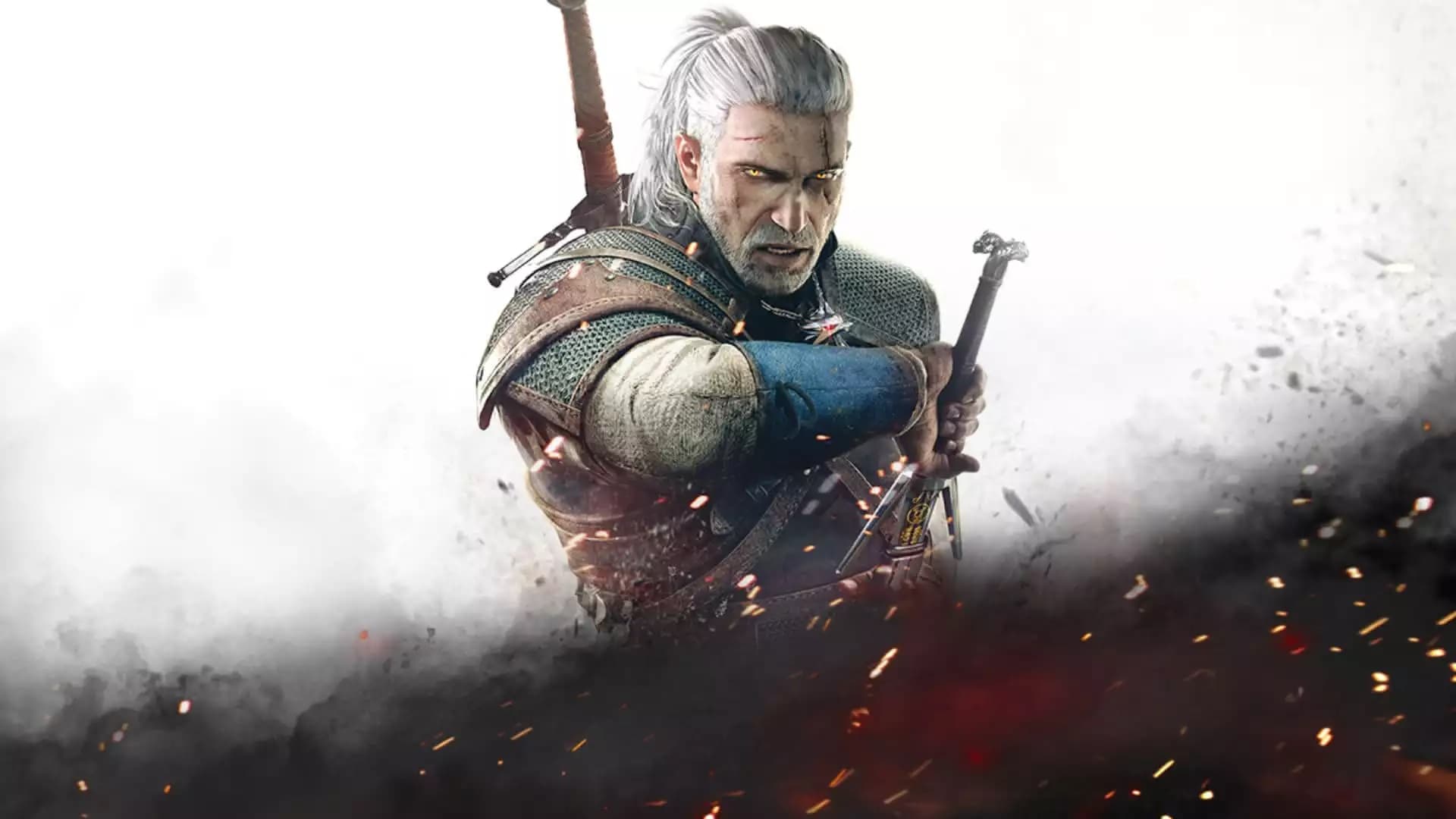
The Witcher 3 builds its open world around the quality of its writing rather than the size of its map. Side quests carry the same narrative investment as the main story. GPA scores it at the top for Story Depth and Emotional Story among open-world RPGs — a positioning shared with very few titles of comparable scale.
Tag Similarity
Open World
90%
Action
75%
Story Depth
95%
Graphics
85%
Emotional Story
90%
Logic
0%
High Difficulty
0%
Dystopian Setting
75%
Chart tags: Open World / Action / Story Depth / Graphics / Emotional Story / Logic / High Difficulty / Dystopian Setting
About "The Legend of Zelda: Breath of the Wild"
▸Game Composition (GPA Analysis)
The Legend of Zelda: Breath of the Wild is an open-world Action-Adventure built around free exploration and player-driven problem solving. Its headline profile reads Open World 90% / Action 70% / Story Depth 70%, so the scoring emphasizes freedom of movement and how you use the world rather than a fixed route.
▸Characteristics & Analysis
Our editorial team scored "The Legend of Zelda: Breath of the Wild" with extra weight on Open World and Action, using open-ended exploration and environmental problem solving as the main lens. Top similar titles include "ゼルダの伝説 ティアーズ オブ ザ キングダム", "ホライゾン ゼロ ドーン(Horizon Zero Dawn)", "ホライゾン フォービドゥン ウエスト(Horizon Forbidden West)".
The Legend of Zelda: Breath of the Wild Explained | Freedom, Exploration, and Player-Driven Problem Solving
The Legend of Zelda: Breath of the Wild changed the way a Zelda game could approach exploration. Instead of moving through a largely predetermined sequence of areas and dungeons, players are given a huge version of Hyrule and considerable freedom over where to go, what to investigate, and how to solve problems.
GPA scores Breath of the Wild at 90% for Open World, 70% for Action, 70% for Story Depth, 70% for Graphics, 60% for Emotional Story, 60% for Logic, 50% for High Difficulty, 50% for Strategy, 40% for Crafting, and 40% for Character Building.
The standout category is Open World. The appeal comes less from the size of the map itself and more from how often the game lets players decide what to do with the world around them.
Game Overview
Breath of the Wild takes place in Hyrule after the kingdom has been devastated by Calamity Ganon. Link awakens after a long sleep with little memory of what happened 100 years earlier. As he explores Hyrule, he gradually pieces together the events surrounding the Great Calamity and sets out to rescue Princess Zelda and confront Calamity Ganon.
The game rarely forces the player to follow a single route. You can climb a mountain, search for shrines, ride a horse, glide across the landscape, gather materials, attack enemy camps, or simply investigate something interesting on the horizon.
Nintendo describes the game around this idea of choosing where to go and finding different ways to explore and overcome obstacles. (Nintendo)
Title tendency chart (Breath of the Wild)
Open World ◀
90%
Action
70%
Story Depth
70%
Graphics
70%
Emotional Story
60%
Logic
60%
High Difficulty
50%
Strategy
50%
Crafting
40%
Character Building
40%
Based on GPA gameplay tag scores.
Gameplay Analysis
Exploration Is the Core Experience
The biggest strength of Breath of the Wild is the way it turns the open world itself into something the player can experiment with. See a mountain in the distance? You can try climbing it. Spot something interesting from a high point? You can glide toward it. Find an enemy camp? You can attack directly, approach from above, sneak around the side, or simply leave it alone.
That is why the GPA Open World score of 90% is not simply about map size. The important part is that players decide how to use the world around them. See also our 30 Open-World Games column for other exploration-heavy titles.
Physics and Environmental Problem Solving
Many challenges can be approached through the game's physics and environmental systems. Metal objects can interact with electricity. Fire can create an updraft. Objects can be moved to create new routes or solve puzzles. Shrines often work in a similar way. Rather than simply memorizing a sequence of actions, players are encouraged to look at the available tools and think about how they might be used.
The result is a game where knowledge and experimentation become part of progression. This connects directly with GPA's 60% Logic and 50% Strategy scores. It is not a game about solving complicated mathematical problems. The challenge comes from understanding how the systems work and finding a practical solution.
Combat Is Built Around Action and Decision-Making
Combat relies on timing, positioning, blocking, dodging, and understanding enemy behavior. Weapons also have durability, which means players cannot simply rely on one powerful weapon throughout the entire game. Finding a strong weapon creates a small decision of its own: should you use it now, save it for a tougher enemy, or replace it when something better comes along?
With Action at 70% and High Difficulty at 50%, Breath of the Wild is not primarily designed as a hardcore action game. Its combat difficulty is closely tied to exploration, equipment, enemy knowledge, and situational decision-making.
Player Knowledge Matters More Than Character Leveling
Character progression is relatively light compared with RPGs built around levels and stats. Link can increase his health and stamina and acquire stronger weapons and armor, but becoming more capable also comes from understanding the game's systems. An enemy that seemed dangerous at the beginning may become much easier once you understand its attack patterns, weaknesses, or the environment around it.
GPA's Character Building score of 40% reflects this relatively limited emphasis on traditional character development.
The Story and the Great Calamity
The story is built around two different periods: the present-day Hyrule explored by Link and the events of 100 years earlier. The Great Calamity devastated Hyrule, defeating Link and the Champions before the kingdom collapsed. Rather than showing everything directly, the main game gradually reveals this history through memories, locations, characters, and environmental details.
GPA gives the game 70% for Story Depth and 60% for Emotional Story. The story is important, but the game does not require players to follow it continuously. Exploring Hyrule and gradually understanding what happened there is a major part of the experience.
Where Breath of the Wild Fits in the Zelda Series
Looking at earlier Zelda games helps explain what changed with Breath of the Wild.
Earlier Zelda games generally placed more emphasis on progressing through a designed sequence of areas and dungeons. Breath of the Wild keeps the series' exploration, puzzle-solving, and combat fundamentals, but gives players much more control over the order and method of progression.
It returns to the same version of Hyrule while expanding the ways players can interact with the world.
Breath of the Wild vs. Tears of the Kingdom
Element
Breath of the Wild
Tears of the Kingdom
Exploration
Hyrule’s surface
Surface + Sky + Depths
Movement
Walking, horses, gliding, etc.
Adds player-created vehicles and other constructions
Puzzles
Physics, environment, abilities
Building, physics, abilities and combinations
Weapons
Find and switch between weapons
Combine materials to modify weapons
Problem solving
Choose from multiple solutions
Create new solutions using available systems
Freedom
Decide where to go
Decide where to go and how to approach problems
BotW focuses on freedom of exploration. Tears of the Kingdom pushes that idea further by allowing players to construct their own tools, vehicles, and solutions. Nintendo's developer interviews also explain that the sequel explores Hyrule's distant past and the ancient conflict known as the Imprisoning War. (Nintendo)
The Wider Hyrule Story
The relationship becomes more interesting when the two Hyrule Warriors spin-offs are included. Nintendo's 40th-anniversary Zelda chronology places the founding of Hyrule and the Imprisoning War in the ancient era, followed by the much later history of Calamity Ganon, the Great Calamity, Breath of the Wild, and Tears of the Kingdom. (Nintendo)
The game takes place around 100 years before Breath of the Wild, focusing on the Great Calamity that is treated as historical background in BotW. Players control Link, Zelda, the Champions, and other characters in large-scale battles against huge numbers of enemies. Nintendo describes the game as recreating Hyrule as it appeared 100 years earlier and focusing on the Great Calamity. (Nintendo)
Age of Calamity is not simply a playable recreation of BotW's history. Its story takes a different direction from the events described in Breath of the Wild. It is therefore more accurate to treat it as a spin-off that uses the world and setting of BotW to explore the era of the Great Calamity, rather than as a straightforward prequel that reproduces the exact same history. Its gameplay is also very different: BotW is built around exploration, environmental interaction, and player-driven problem solving, while Age of Calamity is built around large-scale Warriors-style combat.
The game goes much further back in Hyrule's history. The game is set during the ancient Imprisoning War that was only partially shown through memories and historical accounts in Tears of the Kingdom. Nintendo explicitly describes it as a story that connects to Tears of the Kingdom, with the ancient Imprisoning War serving as its setting. (Nintendo)
Characters such as Rauru and Mineru, who are important to the ancient history shown in Tears of the Kingdom, appear in the game. The gameplay also incorporates elements associated with Tears of the Kingdom, including Zonai technology and Ultrahand-inspired mechanics. (Nintendo) The game also offers save-data bonuses connected to Tears of the Kingdom and Age of Calamity. (Nintendo)
How the Four Games Connect
Rather than treating all four games as one simple chronological line, it is easier to think of them as two related branches.
The Ancient Hyrule Story
Age of Imprisonment
↓
Founding of Hyrule
↓
Imprisoning War
↓
Long period of Hyrule’s history
↓
Great Calamity
↓
Breath of the Wild
↓
Tears of the Kingdom
The Great Calamity Branch
Age of Calamity
↓
Around 100 years before BotW
↓
Breath of the Wild
Age of Calamity contains a different story development from BotW, so it should not simply be treated as a straight-line canonical prequel to the main game. Age of Imprisonment, meanwhile, is officially presented as a story connected to Tears of the Kingdom, specifically depicting the ancient Imprisoning War. (Nintendo)
What Breath of the Wild Changed
The important change introduced by Breath of the Wild was not simply that Zelda became an open-world game. Earlier Zelda games often followed a structure closer to: Field → Dungeon → New Item → New Area. BotW shifts toward: See something interesting → Explore → Experiment → Find your own solution. That change makes player knowledge and curiosity part of the progression system.
Tears of the Kingdom takes the same philosophy further by letting players build their own vehicles, weapons, and solutions. Meanwhile, Age of Calamity takes the same world and historical setting in a different mechanical direction through large-scale Warriors combat. Age of Imprisonment does something similar with the ancient history introduced in Tears of the Kingdom, allowing players to experience the Imprisoning War through a Warriors-style action game.
Who Is Breath of the Wild For?
Players who enjoy exploring large worlds at their own pace
Players who prefer finding their own solutions rather than following a fixed route
Players who enjoy physics-based puzzles and environmental interaction
Players who want a mix of exploration and action
Players who prefer learning game systems over traditional character leveling
Players planning to play Tears of the Kingdom
Players interested in the history of Hyrule surrounding the Great Calamity
Players interested in the ancient history explored further in Tears of the Kingdom and Age of Imprisonment
Conclusion
The Legend of Zelda: Breath of the Wild is built around freedom. Its Hyrule is not simply a large map to cross. It is a space where players can decide what interests them, how they approach obstacles, and which solutions they want to try. GPA reflects that focus with 90% Open World, 70% Action, 70% Story Depth, and 60% Logic.
Tears of the Kingdom expands the same world with new layers of exploration and player-created solutions. Hyrule Warriors: Age of Calamity looks back around 100 years to the Great Calamity and turns that setting into a large-scale Warriors action game. Hyrule Warriors: Age of Imprisonment goes even further into the past, depicting the ancient Imprisoning War introduced in Tears of the Kingdom and serving as a story that connects back to that game. (Nintendo)
Taken together, these games show different sides of the same Hyrule: Breath of the Wild — explore Hyrule freely. Tears of the Kingdom — explore and create your own solutions. Age of Calamity — experience the Great Calamity through large-scale action. Age of Imprisonment — experience the ancient Imprisoning War that leads into Tears of the Kingdom. For players interested in understanding why BotW matters within the modern Zelda era, looking at these connections gives the game much more context than treating it as a standalone open-world adventure.