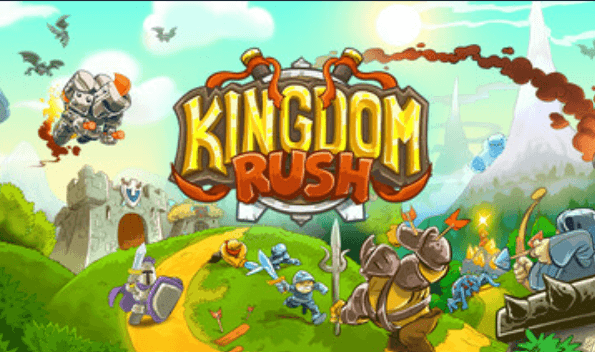
Kingdom Rush places towers along a fixed enemy path and scales its difficulty through tower upgrade combinations and hero ability timing. The balance between defensive placement and active intervention sets the genre benchmark. GPA scores it high on Strategy and Puzzle — the tower defense that defined the genre's upper limit for mobile.
Game Characteristics
Strategy
90%
Logic
75%
Graphics
40%
High Difficulty
30%
Character Building
30%
Story Depth
10%
Target Audience
Recommended for: Beginners to Advanceds (scores ≥ 50 indicate a good fit)
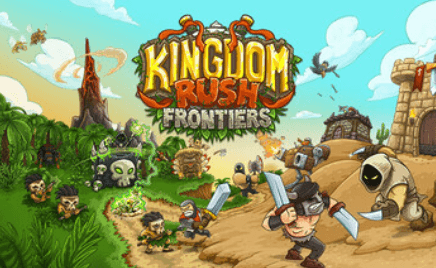
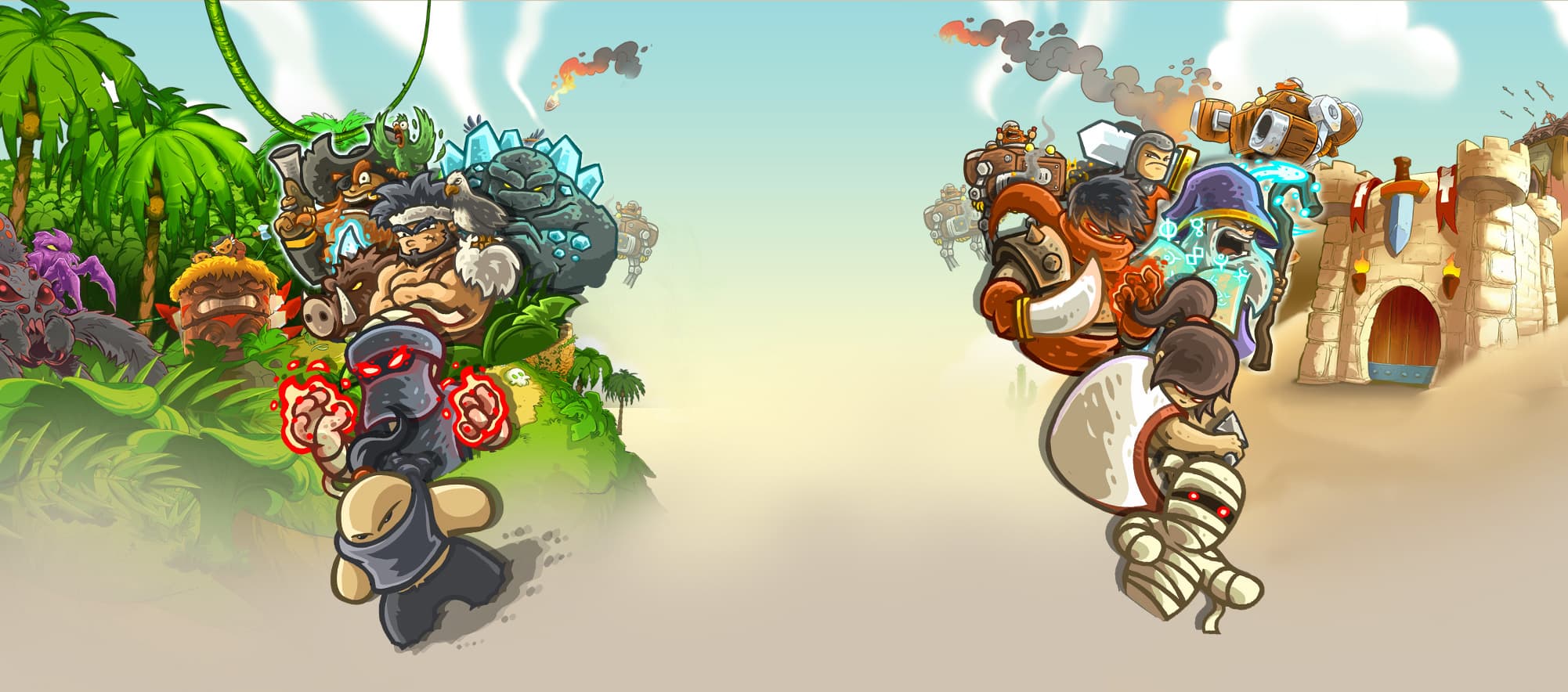
Kingdom Rush Frontiers moves the series to desert, jungle, and seafloor environments, adding new tower trees and hero units that change tactical options significantly from the first game. GPA scores it high on Strategy and Puzzle — the sequel that matched the original's design quality without reducing the challenge.
Tag Similarity
Strategy
90%
Logic
75%
Graphics
40%
High Difficulty
30%
Character Building
30%
Story Depth
10%
Chart tags: Strategy / Logic / Graphics / High Difficulty / Character Building / Story Depth
Kingdom Rush Origins runs as a prequel with an elven army, adding new unit types that change the defensive composition options. The tower tree is redesigned from the ground up rather than extended from earlier entries. GPA scores it high on Strategy and Puzzle — the third entry in the series that maintained the design consistency across all three campaigns.
Tag Similarity
Strategy
90%
Logic
75%
Graphics
40%
High Difficulty
30%
Character Building
30%
Story Depth
10%
Chart tags: Strategy / Logic / Graphics / High Difficulty / Character Building / Story Depth
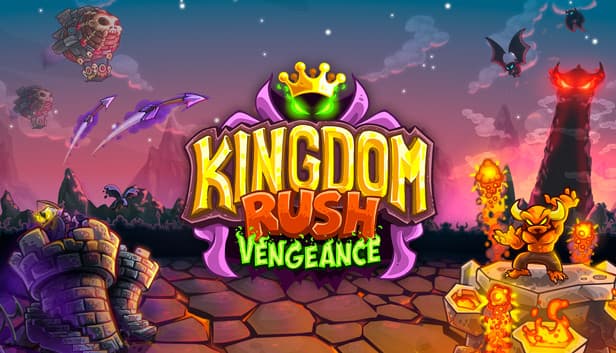
Kingdom Rush Vengeance inverts the series' premise by casting the player as the villain, defending against the hero units that populated earlier games. The tower types and hero roster match the villain faction's mechanics. GPA scores it high on Strategy and Puzzle — the role reversal that recontextualizes earlier entries as additional information.
Tag Similarity
Strategy
90%
Logic
75%
Graphics
42%
High Difficulty
30%
Character Building
30%
Story Depth
10%
Chart tags: Strategy / Logic / Graphics / High Difficulty / Character Building / Story Depth
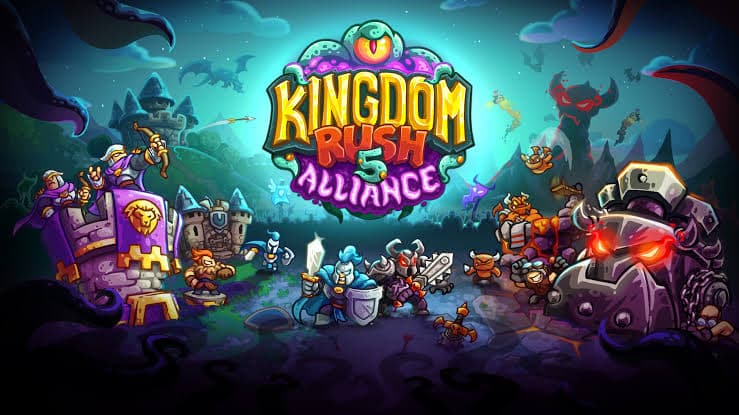
Kingdom Rush 5: Alliance TD introduces dual-faction management, asking players to coordinate human and orc unit types with different upgrade trees simultaneously. GPA scores it high on Strategy and Co-op — the series entry with the highest mechanical complexity, designed for players who have completed the earlier campaigns.
Tag Similarity
Strategy
95%
Logic
80%
Graphics
42%
High Difficulty
30%
Character Building
30%
Story Depth
10%
Chart tags: Strategy / Logic / Graphics / High Difficulty / Character Building / Story Depth
Elemental Dungeon combines tower defense placement with elemental attribute matching, using interactions between element types as the core puzzle layer. GPA scores it high on Strategy and Puzzle — a tower defense where spatial arrangement creates elemental chain reactions.
Tag Similarity
Strategy
80%
Logic
80%
Graphics
0%
High Difficulty
60%
Character Building
70%
Story Depth
0%
Chart tags: Strategy / Logic / Graphics / High Difficulty / Character Building / Story Depth
Bloons TD 6 runs its tower defense loop through a monkey-versus-balloon framework with enough hero and upgrade combinations to generate genuine strategic variation. Seasonal updates have added content continuously since 2018. GPA scores it high on Strategy and Puzzle — the combination that places it at the top of the tower defense genre.
Tag Similarity
Strategy
90%
Logic
80%
Graphics
70%
High Difficulty
75%
Character Building
85%
Story Depth
0%
Chart tags: Strategy / Logic / Graphics / High Difficulty / Character Building / Story Depth
PixelJunk Monsters 2 moves the original tower defense into 3D with four-player online co-op. Tikiman runs the map directly rather than placing towers from a menu. GPA scores it high on Strategy and Co-op.
Tag Similarity
Strategy
80%
Logic
70%
Graphics
70%
High Difficulty
55%
Character Building
0%
Story Depth
0%
Chart tags: Strategy / Logic / Graphics / High Difficulty / Character Building / Story Depth
Rogue Tower expands enemy paths rather than defending fixed ones, building the route as the game progresses. Card draws determine which towers are available each wave. GPA scores it high on Strategy and Roguelike — the tower defense subgenre's most original structural variation.
Tag Similarity
Strategy
90%
Logic
80%
Graphics
0%
High Difficulty
70%
Character Building
0%
Story Depth
0%
Chart tags: Strategy / Logic / Graphics / High Difficulty / Character Building / Story Depth
Balatro builds a poker-based roguelite around Joker combinations that generate exponentially scaling score multipliers. The 'Overlooked Ranking' scoring rewards bold positioning over passive survival. GPA scores it at the top for Puzzle and Roguelike — the combination that explains why it crossed from card game enthusiasts to players who had never touched a deck-builder.
Tag Similarity
Strategy
60%
Logic
80%
Graphics
0%
High Difficulty
50%
Character Building
65%
Story Depth
0%
Chart tags: Strategy / Logic / Graphics / High Difficulty / Character Building / Story Depth
Into the Breach sends small squads of mechs against Vek insects across grid-based maps where every enemy attack is telegraphed in advance. The puzzle is finding the move that neutralizes the most threats simultaneously. GPA scores it maximum on Strategy and Puzzle — the highest combined score for those two axes in the database.
Tag Similarity
Strategy
95%
Logic
85%
Graphics
0%
High Difficulty
75%
Character Building
0%
Story Depth
0%
Chart tags: Strategy / Logic / Graphics / High Difficulty / Character Building / Story Depth
Slay the Spire defined the roguelike deckbuilder by making card synergies the primary puzzle. Four characters each work with a distinct card pool and mechanic. GPA scores it at the top for Strategy and Turn-Based among roguelikes — a combination that separates it from action-forward entries in the genre.
Tag Similarity
Strategy
95%
Logic
60%
Graphics
0%
High Difficulty
80%
Character Building
0%
Story Depth
0%
Chart tags: Strategy / Logic / Graphics / High Difficulty / Character Building / Story Depth
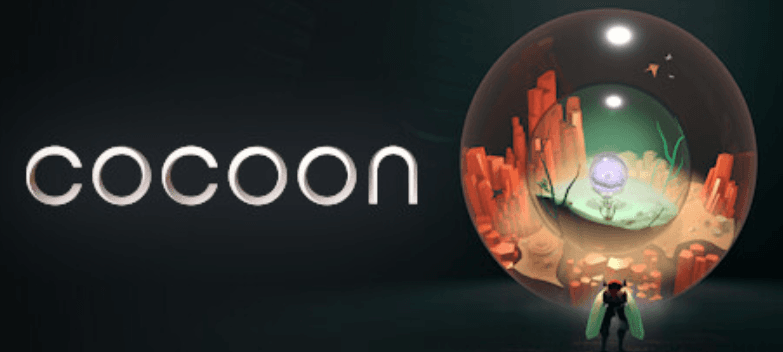
COCOON gives players nested worlds that can be carried as orbs and inserted into each other. The puzzle design scales in complexity without a single line of text. GPA scores it at the top for Puzzle — the highest in the database for the puzzle-only category — with Existential Themes above average for a wordless game.
Tag Similarity
Strategy
40%
Logic
95%
Graphics
85%
High Difficulty
40%
Character Building
0%
Story Depth
60%
Chart tags: Strategy / Logic / Graphics / High Difficulty / Character Building / Story Depth
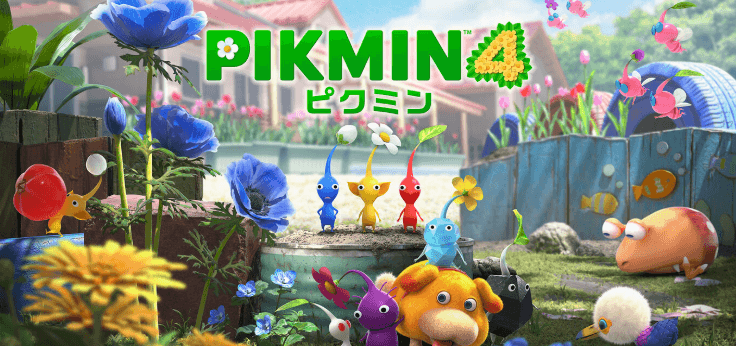
Pikmin 4 restructures the series with Oatchi as a permanent rideable companion who changes traversal options, alongside a night mode that shifts the loop toward tower defense survival. GPA scores it high on Strategy and Puzzle — the series entry most accessible to players new to the Pikmin format.
Tag Similarity
Strategy
75%
Logic
65%
Graphics
80%
High Difficulty
40%
Character Building
0%
Story Depth
50%
Chart tags: Strategy / Logic / Graphics / High Difficulty / Character Building / Story Depth
Mindustry connects tower defense survival to factory automation, requiring players to build supply chains that deliver ammunition to turrets. GPA scores it at the top for Strategy and Craft — the game where the factory and the defense are the same system.
Tag Similarity
Strategy
90%
Logic
75%
Graphics
50%
High Difficulty
75%
Character Building
0%
Story Depth
0%
Chart tags: Strategy / Logic / Graphics / High Difficulty / Character Building / Story Depth
Yu-Gi-Oh! Master Duel digitizes the OCG ruleset with over 10,000 cards and a ranked ladder. The tutorial covers fundamental mechanics for new players. GPA scores it at the top for Strategy and Turn-Based among card games — the combination that describes a game where the decision space per turn is among the highest in its category.
Tag Similarity
Strategy
85%
Logic
50%
Graphics
50%
High Difficulty
70%
Character Building
70%
Story Depth
0%
Chart tags: Strategy / Logic / Graphics / High Difficulty / Character Building / Story Depth
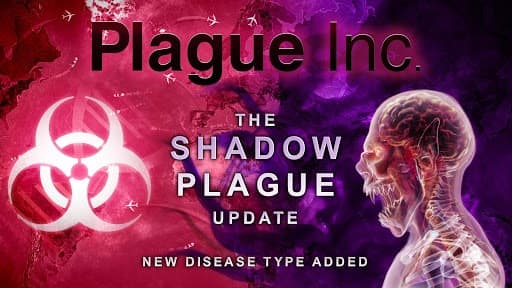
Plague Inc. gives players a pathogen to evolve and a world population to infect. The transmission, symptom, and ability tree decisions run against a Cure research counter that responds to the pathogen's visibility. GPA scores it at the top for Strategy — the highest in the simulation category — reflecting a game where every evolutionary choice creates downstream consequences.
Tag Similarity
Strategy
90%
Logic
80%
Graphics
10%
High Difficulty
40%
Character Building
20%
Story Depth
0%
Chart tags: Strategy / Logic / Graphics / High Difficulty / Character Building / Story Depth
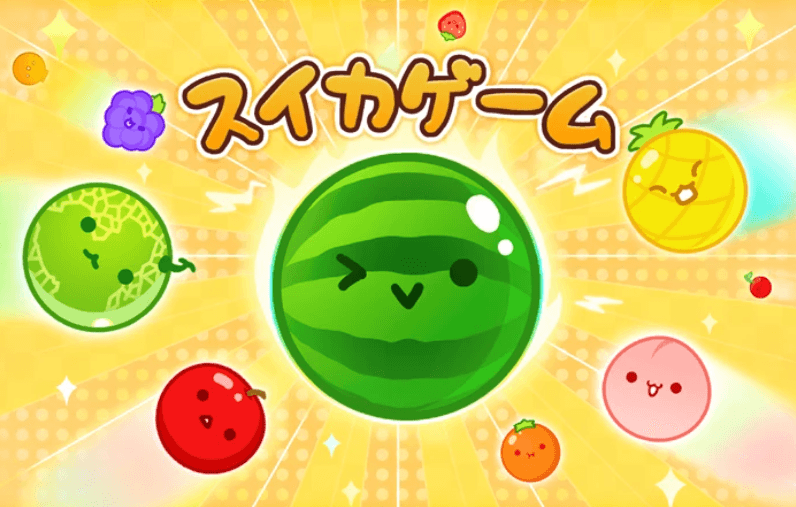
Suika Game drops fruit into a container and merges matching pieces to score toward a watermelon. The physics simulation generates enough variance between sessions to sustain the casual play loop. GPA scores it at the top for Puzzle — the design strips the roguelite idle mechanic to its minimum viable form.
Tag Similarity
Strategy
20%
Logic
70%
Graphics
10%
High Difficulty
30%
Character Building
0%
Story Depth
0%
Chart tags: Strategy / Logic / Graphics / High Difficulty / Character Building / Story Depth
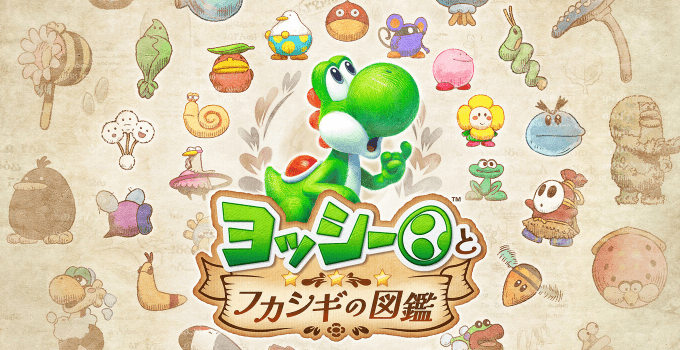
Yoshi and the Mysterious Book follows Yoshi through a pastel crayon world, filling a mysterious encyclopedia by collecting creatures and exploring each stage. The Switch 2 exclusive design emphasizes discovery over difficulty. GPA scores it at the top for Beginner and high on Collection — the combination that describes a family-friendly platformer built around curiosity rather than challenge.
Tag Similarity
Strategy
50%
Logic
60%
Graphics
60%
High Difficulty
20%
Character Building
0%
Story Depth
50%
Chart tags: Strategy / Logic / Graphics / High Difficulty / Character Building / Story Depth
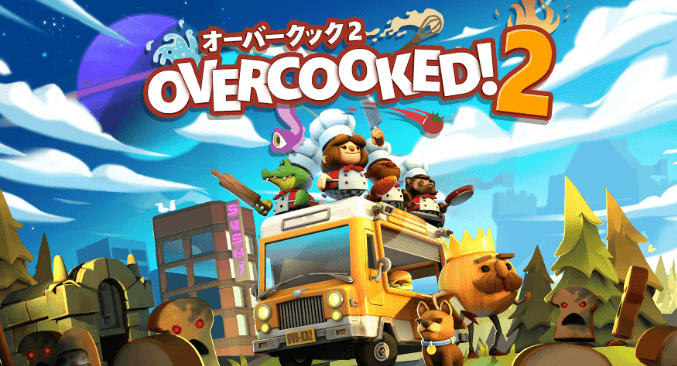
Overcooked! 2 runs its kitchen chaos across multiplayer levels that split, shift, and reconfigure the cooking space in real time. The co-op design produces communication pressure as effectively as competitive games. GPA scores it at the top for Co-op — the highest in the party game category — with Action above average reflecting the time pressure mechanics.
Tag Similarity
Strategy
65%
Logic
60%
Graphics
70%
High Difficulty
30%
Character Building
0%
Story Depth
0%
Chart tags: Strategy / Logic / Graphics / High Difficulty / Character Building / Story Depth
About "Kingdom Rush"
▸Game Composition (GPA Analysis)
キングダムラッシュ(Kingdom Rush) leads with its タワーディフェンス identity, anchored by the core feel of "Kingdom Rush places towers along a fixed enemy path and scales its difficulty through tower upgrade combinations and h…." The headline profile reads Strategy 90% / Logic 75% / Graphics 40%, making it a strong pick for fans of Strategy and Logic. Accessible enough for newcomers while offering enough depth to satisfy veterans.
▸Characteristics & Analysis
Our editorial team scored "キングダムラッシュ(Kingdom Rush)" by using its feel of タワーディフェンス原点, character building, and fantasy as the primary lens, weighting Strategy and Logic most heavily. Top similar titles include "Kingdom Rush Frontiers", "Kingdom Rush Origins", "Kingdom Rush Vengeance".
[Game Design Analysis] Kingdom Rush: Why the King of Tower Defense Still Reigns Supreme
Introduction: A Masterclass in Tower Defense That Never Ages
Kingdom Rush is more than just a classic; it is the definitive blueprint for the tower defense genre. Whether on Steam or mobile platforms (App Store / Google Play), this foundational title from Ironhide Game Studio maintains an unprecedented user rating, consistently hovering near a perfect 4.8 out of 5. In a saturated mobile market driven by aggressive monetization and flash-over-substance design, Kingdom Rush stands as a rare monument to pure, gameplay-first mechanics.
The core genius of this Uruguayan masterpiece lies in its deceptive simplicity. It demands zero complex controller inputs or split-second twitch reflexes. Instead, it places the entire weight of victory on a single, elegant variable: placement logic. The GPA metrics of Strategic Depth (90%) and Tactical Decision-Making (75%) reflect this design. For anyone seeking a tactical experience that perfectly balances casual accessibility with deep, rewarding mental friction, the original Kingdom Rush remains the ultimate starting point.
GPA score overview — Kingdom Rush
Strategic Depth ◀
90%
Tactical Decision ◀
75%
Progression
70%
Graphics
65%
Difficulty Curve
30%
Narrative Focus 10% is not a negative mark — the loop is pure tower defense, and that is by design (see Section 4).
GPA target scores: Beginner 70, Intermediate 75, Advanced 80 — low mechanical barrier, strong fit as a tower-defense entry point.
Kingdom Rush also pioneered heroes in early tower defense: multiple unlockable characters, free movement during waves, and player-timed skills that can swing a fight as much as tower placement.
Target player scores (50+ = recommended fit)
Beginner70
Intermediate75
Advanced80
Beginner 70 through Advanced 80 — wide appeal. The 30% Difficulty Curve tag signals a low mechanical wall; friction lives in placement and skill timing.
1. The 10-to-30-Minute Tactical Loop: True Accessibility on Mobile and PC
Many modern strategy games overwhelm newcomers with a barrage of sub-menus, dozens of tower variations, and convoluted elemental affinity charts. Kingdom Rushrejects this bloat, reducing the player's defensive toolkit to just four foundational towers. This minimalist approach is not a limitation; it is the game's greatest strength.
Barracks (Soldiers)
The anchor of your defense. Unlike traditional tower defense games where enemies simply march past passive structures, the Barracks deploys three physical soldiers directly onto the path to block, engage, and stall enemy waves.
Archer Tower
The high-velocity vanguard. While its per-hit damage is modest, its rapid rate of fire excels at shredding fast-moving scouts and dropping airborne threats before they breach your lines.
Mage Tower
The heavy-armor solution. This tower bypasses physical armor entirely, melting high-health brutes from the inside out with slow but devastating arcane blasts.
Artillery
The crowd-control engine. Deployed to rain explosive AoE (Area of Effect) damage down upon grouped enemies. The classic synergy — funneling a horde into a bottleneck using Barracks and erasing them with a well-timed Artillery shell — forms the satisfying core of the game's tactical puzzle.
The game mechanics are so intuitive that a newcomer can master the basics within their first two matches. Furthermore, the game respects the player's time. Early stages offer crisp, 10-minute bite-sized sessions perfect for on-the-go gaming. As the campaign progresses into the late-game, the difficulty scales organically, transforming matches into intense, 20-to-30-minute brain-teasers that demand genuine tactical focus.
2. Strategy Over Microtransactions: The Triumph of F2P Balance
The modern mobile gaming landscape is plagued by "pay-to-win" models, where progress is artificially gated unless the player engages with gacha systems or pays to break level caps. Kingdom Rush completely subverts this toxic paradigm.
Moving heroes — a third hand where towers cannot reach
Kingdom Rush was among the first tower defense games to add a controllable hero unit. Multiple heroes unlock as you progress; during combat you move them across the map and trigger their unique skills on your schedule — anchoring a chokepoint before a boss wave or cutting off a leak behind your lines. Hero placement and skill timing sit beside tower layout as core tactical levers.
While the game features a Hero system where premium, high-tier champions can be purchased with real money, the underlying level design never requires them. Ironhide meticulously balanced every wave, lane, and boss to ensure that a player utilizing only raw strategic foresight and the free, base-game elements can achieve a perfect 3-star rating on every stage.
No single correct answer — flexible solutions that reward your style
This creates a highly flexible tactical sandbox. There is never a single, rigid "correct answer" to a map. One player might adopt a defensive fortification style, clustering upgraded Barracks at vital chokepoints to create an unbreakable wall. Another might opt for an aggressive blitz strategy, lining the intersections with maximum-tier Artillery to wipe out enemy waves before they can even assemble. This freedom to experiment without financial penalization is what elevates Kingdom Rush from a mere app to a highly respected strategy title.
3. The Definitive Roadmap: Why You Must Start with the Original
The success of the first game spawned a massive franchise. However, for those looking to enter the series, starting from the original title is an absolute necessity.
Kingdom Rush Franchise Matrix
Title
Core Enhancements & Features
Beginner Accessibility
Kingdom Rush (The Original)
The foundational blueprint. 4 base towers, 2 active skills. Pure, perfectly balanced tactical economy.
★★★★★
Kingdom Rush Frontiers
Retains the original charm while expanding custom tier-4 tower upgrades and deeply specialized hero skill trees.
★★★★☆
Kingdom Rush Origins
A prequel set in an elven kingdom. Introduces unique environmental grid mechanics and heavier spell interaction.
★★★☆☆
Kingdom Rush Vengeance
Flipping the narrative to the villain's perspective. Introduces pre-game tower deck customization and asymmetrical lane layouts.
★★★☆☆
Latest entry Kingdom Rush 5: Alliance adds dual-faction control and more — best saved for veterans. Master the four titles above first.
As the franchise evolved, each sequel organically layered on top of the original's foundation, adding highly specific map gimmicks, variable tower pools, and complex hero progression. Jumping straight into later entries like Vengeance or Alliance can cause mechanical whiplash for newcomers, clouding the core joy of the genre with choice paralysis. By mastering the elegant, unbloated design of the original first, players build the foundational tactical vocabulary required to truly appreciate the innovations of Frontiers and Origins.
4. Charming Aesthetics Backed by Flawless UI Design
The game's identity is deeply tied to the creative philosophy of its Uruguayan creators. Ironhide Game Studio opted for a beautifully vibrant, hand-drawn cartoon aesthetic that immediately disarms the player. Every unit, from the tiniest goblin to the massive bosses, is bursting with character and fluid animations.
Crucially, this visual style serves the gameplay. Even when the screen is flooded with dozens of enemies, explosive spells, and clashing soldiers, the UI remains perfectly legible. A player can glance at a chaotic lane and instantly discern which unit is low on health or which tower is ready for an upgrade.
Simple star-based upgrades anyone can grasp in one or two runs
The progression loop mirrors this user-friendly philosophy. Stars earned by completing stages are spent on a clean, intuitive upgrade grid. There are no confusing stat sheets or bloated sub-menus; choosing to increase your archers' range or amplify your meteor strike yields immediate, tangible feedback in the very next match — reflected in the 70% Progression & Upgrade Design score.
Narrative Focus 10% — thin by design, not by failure
GPA marks Narrative Focus at 10% — not as a knock, but because the design is honest. A light kingdom-defense frame exists between stages, but the loop is pure tower defense: place, survive, iterate. You spend more time asking whether two Barracks can hold a crossroads than following plot beats — and that is the point.
Conclusion: The Ultimate Gateway to Strategy
Kingdom Rush is a masterclass in elegant constraint. By stripping away the unnecessary complexities that often alienate players from the strategy genre, Ironhide created a timeless puzzle box driven entirely by player intelligence and tactical expression.
Its staggering praise across Steam and mobile storefronts is completely justified. If you are tired of games that play themselves, or titles that demand your wallet instead of your wits, the original Kingdom Rush is the antidote. Download the game that started it all, step onto the battlefields of Linirea, and test the limits of your tactical mind.
Similar titles by GPA score
Read alongside the similar-games slider at the top of this page. Sequel entries rank high because they share the same tower-defense grammar.
1. Kingdom Rush Frontiers
Similarity 82%
Shared DNA: 4-tower + hero structure, F2P-viable balance. Difference: more stage variety and deeper tier-4 tower branches.