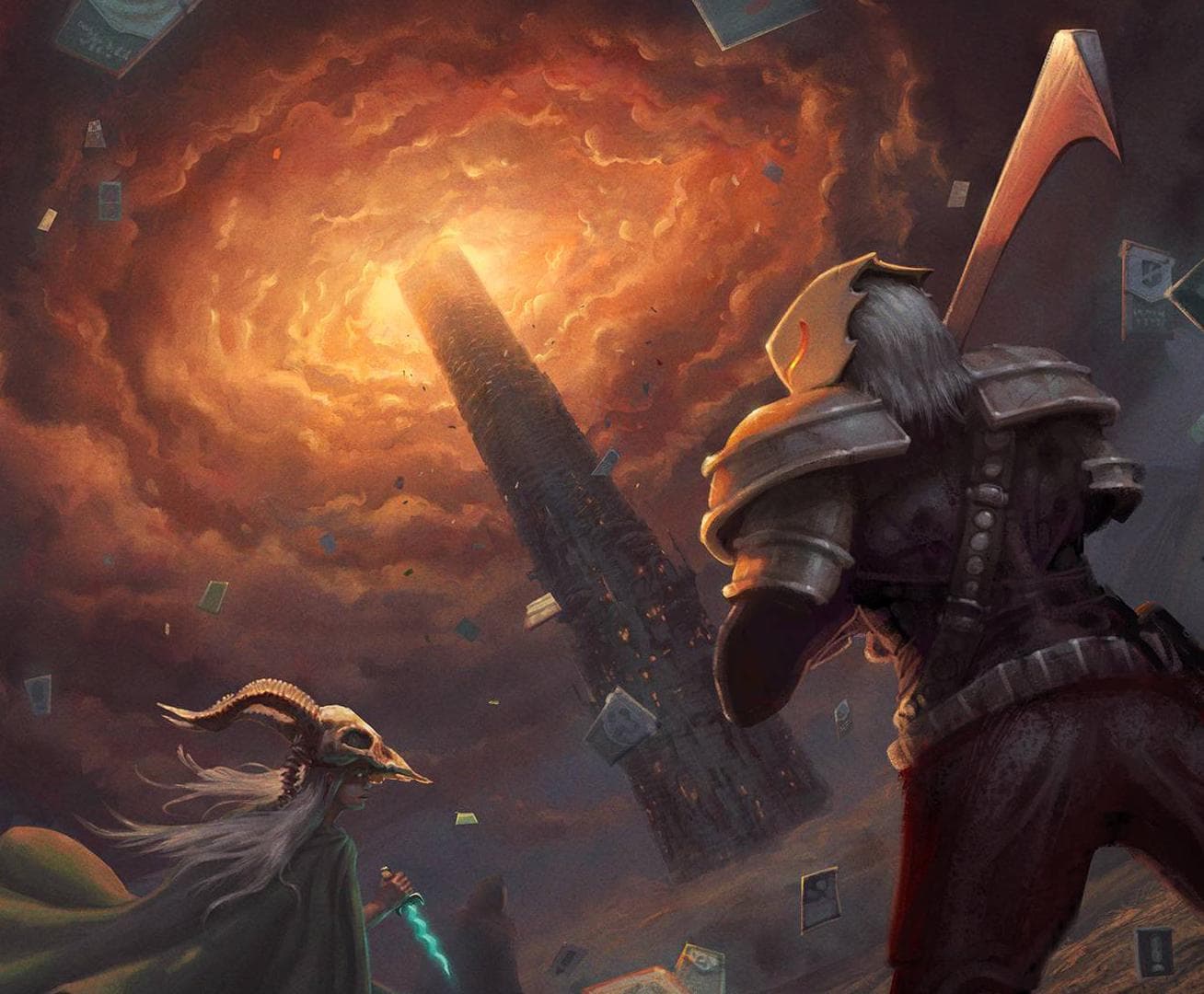
Slay the Spire defined the roguelike deckbuilder by making card synergies the primary puzzle. Four characters each work with a distinct card pool and mechanic. GPA scores it at the top for Strategy and Turn-Based among roguelikes — a combination that separates it from action-forward entries in the genre.
Game Characteristics
Strategy
95%
Roguelike
90%
High Difficulty
80%
Logic
60%
Player profile fit
Recommended for: Intermediate to Advanced players (A score of 50 or higher indicates a good fit.)
Rogue Tower expands enemy paths rather than defending fixed ones, building the route as the game progresses. Card draws determine which towers are available each wave. GPA scores it high on Strategy and Roguelike — the tower defense subgenre's most original structural variation.
Tag Similarity
Strategy
90%
Roguelike
85%
High Difficulty
70%
Logic
80%
Chart tags: Strategy / Roguelike / High Difficulty / Logic
Into the Breach sends small squads of mechs against Vek insects across grid-based maps where every enemy attack is telegraphed in advance. The puzzle is finding the move that neutralizes the most threats simultaneously. GPA scores it maximum on Strategy and Puzzle — the highest combined score for those two axes in the database.
Tag Similarity
Strategy
95%
Roguelike
70%
High Difficulty
75%
Logic
85%
Chart tags: Strategy / Roguelike / High Difficulty / Logic
FTL assigns a crew to a spacecraft fleeing a rebel fleet across a procedurally generated galaxy, with each jump presenting combat, merchant, or event encounters that drain or replenish limited resources. Crew placement, system power allocation, and combat timing happen simultaneously in real-time-with-pause. GPA scores it at the top for Strategy and Roguelike — the Subset Games prototype that established the studio's design language before Into the Breach.
Tag Similarity
Strategy
92%
Roguelike
88%
High Difficulty
82%
Logic
0%
Chart tags: Strategy / Roguelike / High Difficulty / Logic
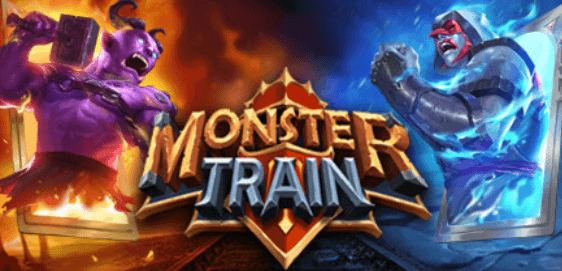
Monster Train loads a hell-bound train with monsters, then runs enemy waves up three floors toward the Pyre at the top. Deck-building decisions are inseparable from unit placement decisions across each run. The faction combinations produce more build variety than the roster count suggests. GPA scores it high on Roguelike and Strategy — the deckbuilder most often recommended to players who have finished Slay the Spire.
Tag Similarity
Strategy
88%
Roguelike
88%
High Difficulty
75%
Logic
0%
Chart tags: Strategy / Roguelike / High Difficulty / Logic
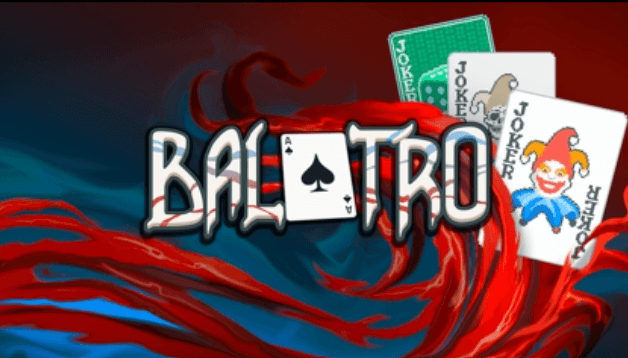
Balatro builds a poker-based roguelite around Joker combinations that generate exponentially scaling score multipliers. The 'Overlooked Ranking' scoring rewards bold positioning over passive survival. GPA scores it at the top for Puzzle and Roguelike — the combination that explains why it crossed from card game enthusiasts to players who had never touched a deck-builder.
Tag Similarity
Strategy
60%
Roguelike
60%
High Difficulty
50%
Logic
80%
Chart tags: Strategy / Roguelike / High Difficulty / Logic
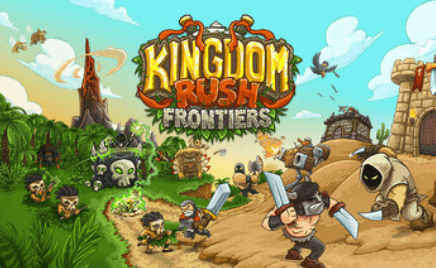
Kingdom Rush Frontiers moves the series to desert, jungle, and seafloor environments, adding new tower trees and hero units that change tactical options significantly from the first game. GPA scores it high on Strategy and Puzzle — the sequel that matched the original's design quality without reducing the challenge.
Tag Similarity
Strategy
90%
Roguelike
0%
High Difficulty
30%
Logic
75%
Chart tags: Strategy / Roguelike / High Difficulty / Logic
Kingdom Rush Origins runs as a prequel with an elven army, adding new unit types that change the defensive composition options. The tower tree is redesigned from the ground up rather than extended from earlier entries. GPA scores it high on Strategy and Puzzle — the third entry in the series that maintained the design consistency across all three campaigns.
Tag Similarity
Strategy
90%
Roguelike
0%
High Difficulty
30%
Logic
75%
Chart tags: Strategy / Roguelike / High Difficulty / Logic
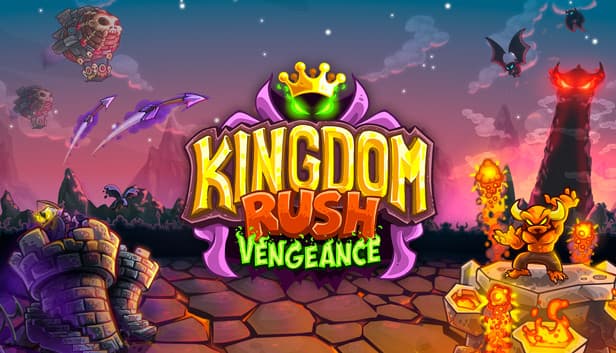
Kingdom Rush Vengeance inverts the series' premise by casting the player as the villain, defending against the hero units that populated earlier games. The tower types and hero roster match the villain faction's mechanics. GPA scores it high on Strategy and Puzzle — the role reversal that recontextualizes earlier entries as additional information.
Tag Similarity
Strategy
90%
Roguelike
0%
High Difficulty
30%
Logic
75%
Chart tags: Strategy / Roguelike / High Difficulty / Logic
Elemental Dungeon combines tower defense placement with elemental attribute matching, using interactions between element types as the core puzzle layer. GPA scores it high on Strategy and Puzzle — a tower defense where spatial arrangement creates elemental chain reactions.
Tag Similarity
Strategy
80%
Roguelike
0%
High Difficulty
60%
Logic
80%
Chart tags: Strategy / Roguelike / High Difficulty / Logic
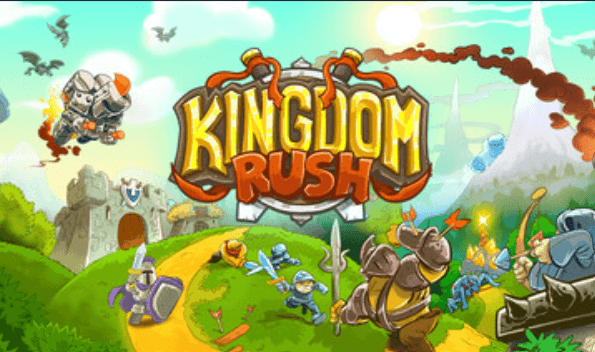
Kingdom Rush places towers along a fixed enemy path and scales its difficulty through tower upgrade combinations and hero ability timing. The balance between defensive placement and active intervention sets the genre benchmark. GPA scores it high on Strategy and Puzzle — the tower defense that defined the genre's upper limit for mobile.
Tag Similarity
Strategy
90%
Roguelike
0%
High Difficulty
30%
Logic
75%
Chart tags: Strategy / Roguelike / High Difficulty / Logic
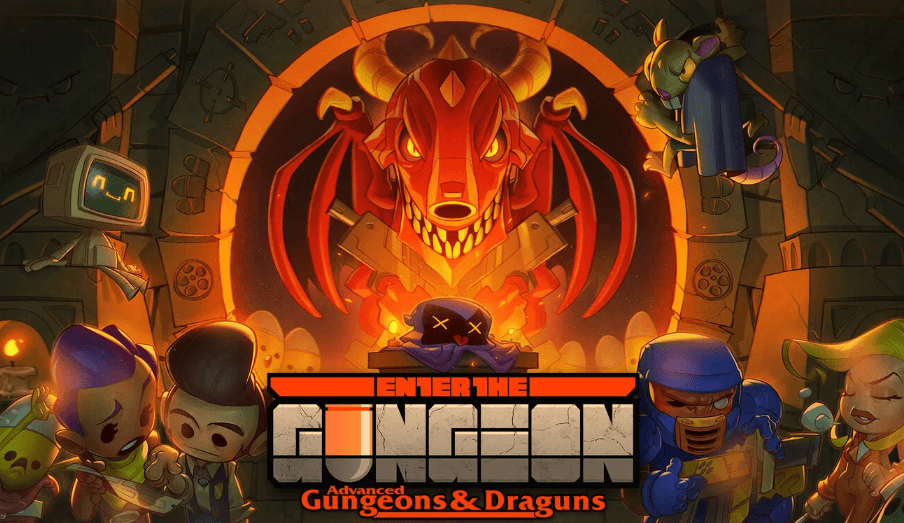
Enter the Gungeon sends players through bullet-themed dungeons with over 500 guns — ranging from the functional to the absurd — as the primary item pool. Dodge-rolling through enemy fire while managing ammo and synergies is the entire combat system. GPA scores it high on Roguelike and Difficulty — closer to a reflex-demanding shooter than the stat-management roguelites it shares shelf space with.
Tag Similarity
Strategy
60%
Roguelike
90%
High Difficulty
85%
Logic
0%
Chart tags: Strategy / Roguelike / High Difficulty / Logic
Dungeon Defenders: Going Rogue takes the hybrid tower defense and hero action format into a roguelite structure. Each run builds a different loadout from available upgrades. GPA scores it high on Roguelike and Strategy — the tower defense genre's most mechanically dense roguelite entry.
Tag Similarity
Strategy
85%
Roguelike
85%
High Difficulty
75%
Logic
0%
Chart tags: Strategy / Roguelike / High Difficulty / Logic
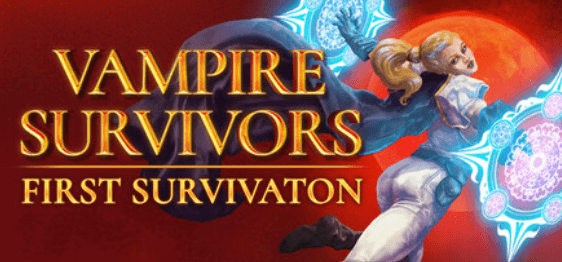
Vampire Survivors runs on movement as the only player input, with weapons auto-firing as builds accumulate. GPA scores it at the top for Roguelike and high on Action, with a Beginner score above 80.
Tag Similarity
Strategy
55%
Roguelike
80%
High Difficulty
40%
Logic
0%
Chart tags: Strategy / Roguelike / High Difficulty / Logic
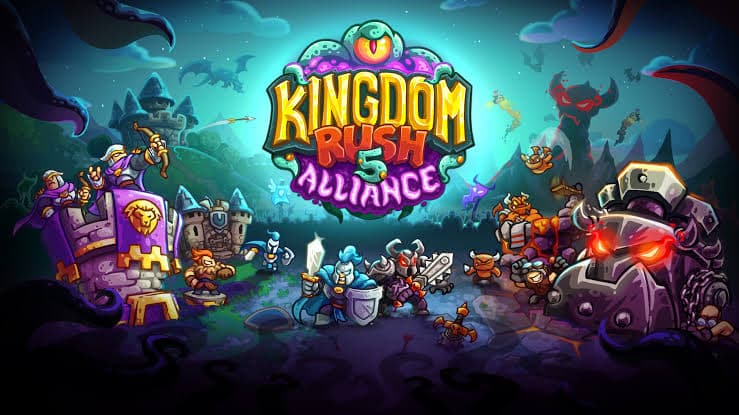
Kingdom Rush 5: Alliance TD introduces dual-faction management, asking players to coordinate human and orc unit types with different upgrade trees simultaneously. GPA scores it high on Strategy and Co-op — the series entry with the highest mechanical complexity, designed for players who have completed the earlier campaigns.
Tag Similarity
Strategy
95%
Roguelike
0%
High Difficulty
30%
Logic
80%
Chart tags: Strategy / Roguelike / High Difficulty / Logic
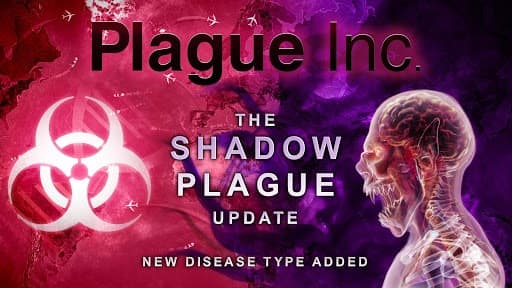
Plague Inc. gives players a pathogen to evolve and a world population to infect. The transmission, symptom, and ability tree decisions run against a Cure research counter that responds to the pathogen's visibility. GPA scores it at the top for Strategy — the highest in the simulation category — reflecting a game where every evolutionary choice creates downstream consequences.
Tag Similarity
Strategy
90%
Roguelike
40%
High Difficulty
40%
Logic
80%
Chart tags: Strategy / Roguelike / High Difficulty / Logic
Risk of Rain 2 scales enemy difficulty in real time — the longer the run, the harder it gets. Item stacking compounds exponentially, turning a cautious survivor into a screen-clearing force within a single stage. Twelve survivors with distinct playstyles cover every combat preference. GPA scores it high on Roguelike and Action — the combination that describes a game where the power curve is the content.
Tag Similarity
Strategy
65%
Roguelike
90%
High Difficulty
75%
Logic
0%
Chart tags: Strategy / Roguelike / High Difficulty / Logic
Spelunky 2 generates cave systems procedurally with enough physics interaction to produce emergent disasters. GPA scores it at the top for Difficulty and high on Roguelike.
Tag Similarity
Strategy
0%
Roguelike
90%
High Difficulty
85%
Logic
60%
Chart tags: Strategy / Roguelike / High Difficulty / Logic
Yu-Gi-Oh! Master Duel digitizes the OCG ruleset with over 10,000 cards and a ranked ladder. The tutorial covers fundamental mechanics for new players. GPA scores it at the top for Strategy and Turn-Based among card games — the combination that describes a game where the decision space per turn is among the highest in its category.
Tag Similarity
Strategy
85%
Roguelike
30%
High Difficulty
70%
Logic
50%
Chart tags: Strategy / Roguelike / High Difficulty / Logic
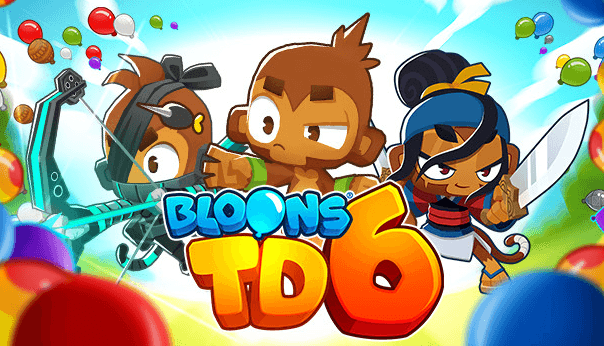
Bloons TD 6 runs its tower defense loop through a monkey-versus-balloon framework with enough hero and upgrade combinations to generate genuine strategic variation. Seasonal updates have added content continuously since 2018. GPA scores it high on Strategy and Puzzle — the combination that places it at the top of the tower defense genre.
Tag Similarity
Strategy
90%
Roguelike
0%
High Difficulty
75%
Logic
80%
Chart tags: Strategy / Roguelike / High Difficulty / Logic
Civilization VI runs the series' 4X loop through district placement and research tree decisions across eras. The 'One More Turn' design pattern is built into the structure. GPA scores it at the top for Strategy and Turn-Based — a combination shared with very few titles that also carry a Beginner score above 60.
Tag Similarity
Strategy
95%
Roguelike
30%
High Difficulty
40%
Logic
0%
Chart tags: Strategy / Roguelike / High Difficulty / Logic
About "Slay the Spire"
▸Game Composition (GPA Analysis)
スレイザスパイア(Slay the Spire) leads with its Roguelike Deck-Builder identity, anchored by the core feel of "Slay the Spire defined the roguelike deckbuilder by making card synergies the primary puzzle." The headline profile reads Strategy 95% / Roguelike 90% / High Difficulty 80%, making it a strong pick for fans of Strategy and Roguelike. Oriented toward experienced players looking to push their limits.
▸Characteristics & Analysis
Our editorial team scored "スレイザスパイア(Slay the Spire)" by using its feel of deck building, card game, and build customization as the primary lens, weighting Strategy and Roguelike most heavily. Top similar titles include "Rogue Tower(ローグタワー)", "Into the Breach", "FTL:ファスタータンライト(FTL: Faster Than Light)".
Slay the Spire Deep Dive | Board-Game Deckbuilding and the Long Game of Attack vs. Block
What kind of game is it — the roguelike deckbuilder that started a genre
Mega Crit Games' Slay the Spire (full release January 2019) sends you up a spire with a fresh deck every run — the template Balatro, Monster Train, and dozens of followers still trace back to. Our roguelike 20 list slots it in category ② deckbuilders; build-deck 25 puts it in ① card & deck. Enemy Intent telegraphing turned card RNG into readable combat logic — one design move that rewired the whole lane.
What stands out is the lack of runaway inflation: character kits and card effects stay in balance. Every floor is tuned to feel hard, so each turn's choice actually matters. That balance is the fun.
Slay the Spire through GPA scores
Title tendency chart (Slay the Spire)
Strategy ◀
95%
Roguelike ◀
90%
High Difficulty
80%
Brain / Tactics
60%
* GPA major tags. Small tags: deck building, card game, build custom, roguelike, score attack.
Target audience: Beginner 40, Intermediate 70, Advanced 70 — not the widest onboarding, but built to reward mastery. Strategy 95% and Roguelike 90% place it on a different axis from action roguelites like Hades: every turn's choice compounds.
Board-game UI — clarity on PC, friction on mobile
Hand, energy, enemy intents, and block totals fit one screen — like a tabletop card game ported cleanly. Card text stays short; first-time players can follow what happens this turn. GPA's Brain 60% undersells how readable the UI feels in practice.
Turns feel board-game tight: play cards until energy runs out, but unused energy disappears. Multi-enemy rooms show intent arrows so you know who to focus. Minimal VFX means losses usually trace to misreads or deck quality — steep learning, fair feedback.
iOS and Android use the same rules but drag-to-target controls mis-tap more easily on smaller screens. End turn and potion buttons feel tight when you care about pixel-perfect turns. Fine for casual mobile sessions; serious Ascension climbs still favor PC.
Attack vs. defense — HP carries across each Act
HP does not reset between battles within an Act (except campfires and certain events). So every fight asks: spend aggressively now or block and conserve for the boss?
Dumping all energy into attacks in early trash fights leaves you fragile for Act 2 elites and Act 3 bosses. Only blocking bloats your deck with dead defenses and lengthens fights. Act 3 enemy burst damage punishes players who never learned to budget block against telegraphed intents — GPA's High Difficulty 80% reflects that long-horizon resource game.
Relics and potions — permanent vs. one-shot synergy
Relics last the whole run — extra draws, energy, archetype boosts. Potions are one-off panic buttons for lethal intents or boss turns. The fun is how both multiply card synergies: poison runs love on-poison draw relics; orb builds scale lightning with channeled orbs. Shop gold spent on potion slots vs. new cards is part of route planning.
Route choice — shop, elites, and ? rooms
Each map node is a risk trade. Normal fights (!) are safe. Elites (?) hit hard but drop extra relics. Shops ($) sell cards, relics, and removals without HP loss — if you can afford them. Rest sites heal or upgrade; campfires offer bigger forks. Early elite chains vs. shopping for deck quality defines the run. ? events mix treasure, fights, and curses — the run where RNG smiles and the run where you read your way through both keep you climbing.
Removing cards — dead draws in a cycling deck
Played cards go to discard; when the draw pile empties, discard shuffles back — so a fat deck dilutes good draws. Leaving starter Strikes and Defends without paying for removal clogs late-game hands. New players hoard power cards; veterans know one removal often equals several adds. Slay the Spire's depth is as much about what you cut as what you pick up.
Characters — four win conditions
Ironclad — sustain and burst; self-heal and big hits; forgiving for learning HP trades.
Silent — poison and skills; wins on DoT timers instead of burst turns.
Defect — orb channels for frost, lightning, and dark elemental combos; relic synergy heaven.
Same map, different card priorities and routes per character. Ascension tiers and unlocked cards supply the mid-level roguelike depth after your first clears.
Author take — difficulty, synergies, and luck
Difficulty sits at intermediate roguelike — first wins take failed runs and unlocked cards. Once you start reading relic-card synergies, the game clicks hard. Ascension tiers stack enemy HP and shave yours — same rules, much harsher math. Daily Climb and Steam Workshop mods keep a 2019 launch relevant because route × deck × character combinatorics never exhaust.
? rooms, shop stock, and reward triples inject run-to-run variance, but intents mean good reads still prevent stupid deaths. Stricter than Balatro, quieter than Hades — still the top pick if you want a 30–60 minute deckbuilding climb.
Who should climb the Spire
Turn-based RPG and board-game players who love finding optimal lines
Roguelike fans who want thinking fatigue more than reflex fatigue
Balatro graduates ready for a stricter deckbuilder
Anyone fine with 45-minute runs and instant "one more try" restarts
Prefer action and story first? Try Hades. Want the gentlest rules? Balatro. Slay the Spire remains the textbook thinking roguelike if you have not summited yet.
Before you play — common questions
Q. What does "Slay the Spire" mean?
Slay means to defeat or kill; Spire is a tall, pointed tower. Together the title reads conquer the Spire— the mysterious tower that is the game's setting. You rebuild your deck each run while climbing toward its peak, so the name states the goal plainly. The Japanese katakana 「スレイ・ザ・スパイア」 is a phonetic rendering of the English title and matches the in-world "Spire" location.
Q. What games are in the Slay the Spire series?
Mega Crit Games' official line currently centers on two titles:
Slay the Spire (2019) — the genre-defining roguelike deckbuilder. Launched on PC (Steam), then PlayStation, Xbox, Nintendo Switch, iOS, and Android. Four characters (Ironclad, Silent, Defect, Watcher) climb the tower; GPA lists it in our build-deck 25 roundup.
Slay the Spire 2 (2026–) — sequel in Steam Early Access since March 5, 2026 (PC, macOS, Linux). The Spire reopens with returning and new characters, plus up to four-player co-op. Console and mobile ports are planned after Early Access (per the official FAQ).
There are no spin-offs — just these two core games. Many indies (Balatro, Monster Train, and others) follow Slay the Spire's design language, but the official series is limited to Mega Crit's pair above.