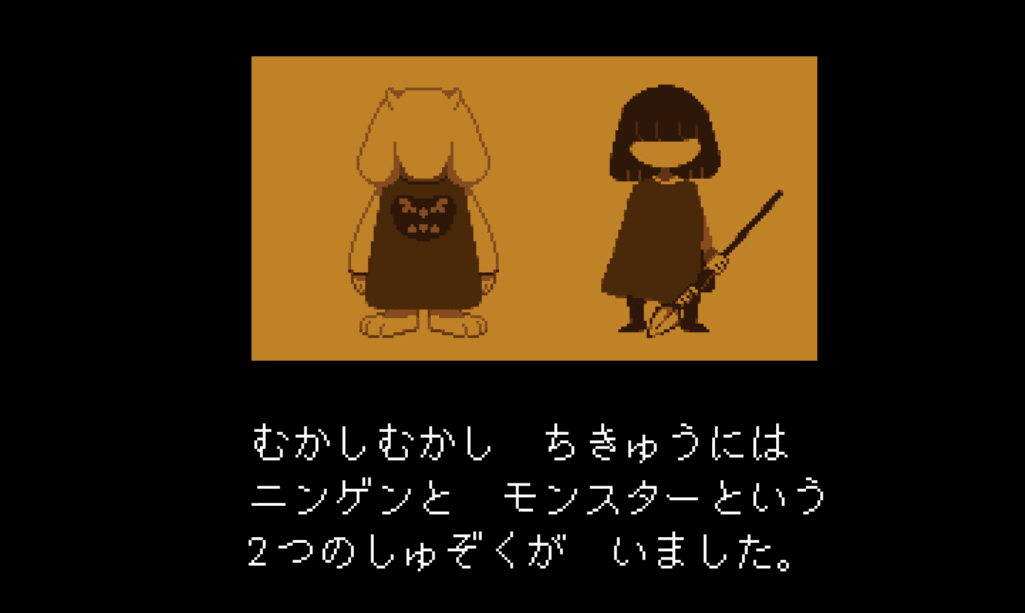
UNDERTALE subverts RPG combat conventions by making the choice not to fight a legitimate and rewarded strategy. The meta-awareness of game conventions runs through every system. GPA scores it high on Multiple Endings and Emotional Story — the combination that identifies a game where the decisions carry genuine moral weight.
Game Characteristics
Emotional Story
95%
Multiple Endings
90%
Existential Themes
85%
Story Depth
85%
Visual Novel / ADV
70%
Turn-Based
60%
Dark
55%
Logic
55%
Player profile fit
Recommended for: Beginner to Advanced players (A score of 50 or higher indicates a good fit.)
A Space for the Unbound sets its pixel art mystery in 1990s rural Indonesia, following Atma and Rara as their relationship encounters a supernatural threat. The tone holds grief and warmth simultaneously. GPA scores it high on Emotional Story and Text ADV — a combination that places it in the same cluster as Night in the Woods and similar character-driven adventures.
Tag Similarity
Emotional Story
90%
Multiple Endings
60%
Existential Themes
75%
Story Depth
90%
Visual Novel / ADV
85%
Turn-Based
0%
Dark
50%
Logic
30%
Chart tags: Emotional Story / Multiple Endings / Existential Themes / Story Depth / Visual Novel / ADV / Turn-Based / Dark / Logic
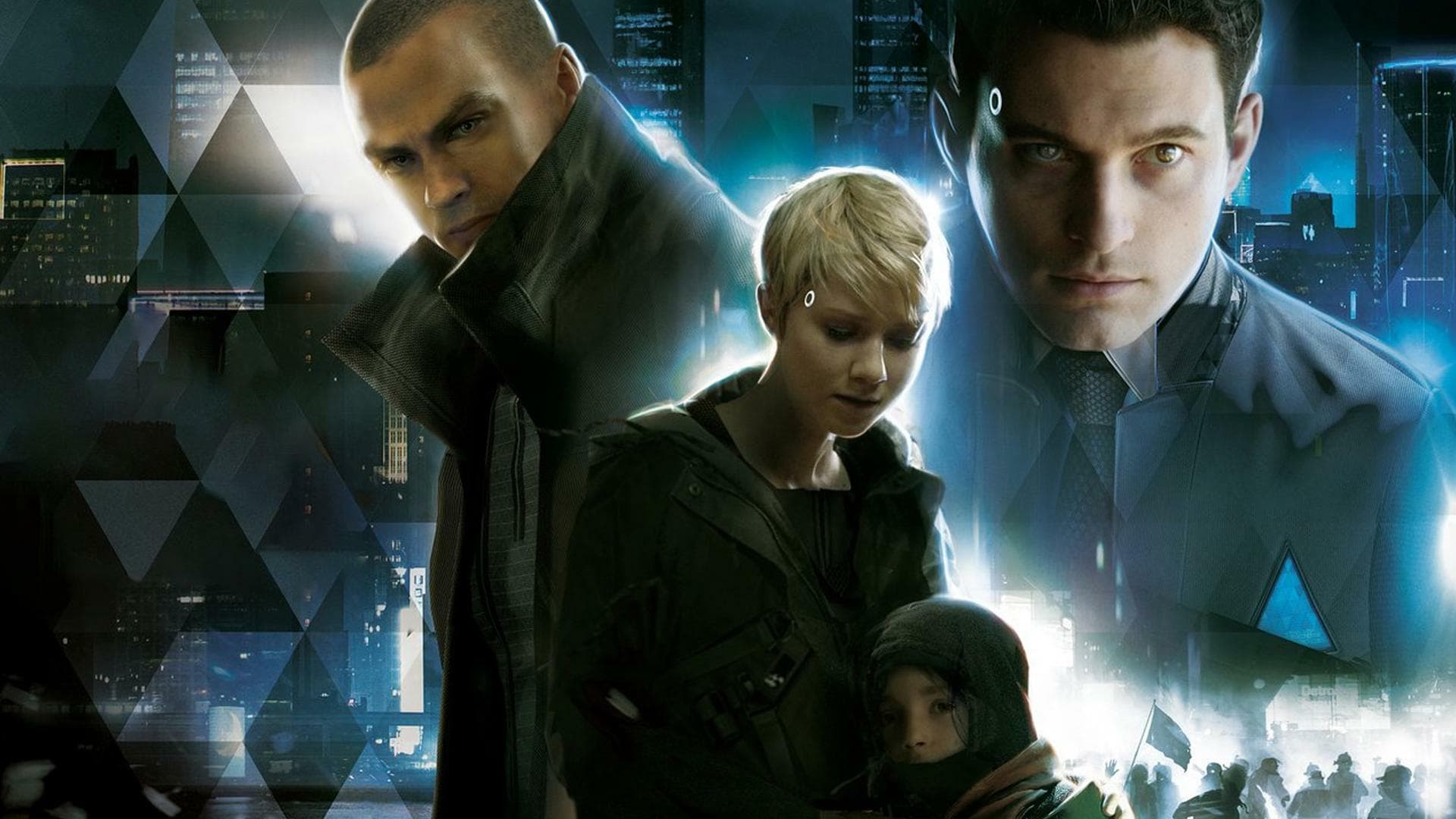
Detroit: Become Human puts players in the roles of three androids navigating a 2038 Detroit where AI has become indistinguishable from consciousness. Every major decision branches the story, and protagonists can die permanently. GPA scores it at the top for Multiple Endings and Text ADV — the combination that identifies a game where the dialogue system is the primary mechanic.
Tag Similarity
Emotional Story
95%
Multiple Endings
90%
Existential Themes
90%
Story Depth
95%
Visual Novel / ADV
90%
Turn-Based
0%
Dark
40%
Logic
0%
Chart tags: Emotional Story / Multiple Endings / Existential Themes / Story Depth / Visual Novel / ADV / Turn-Based / Dark / Logic
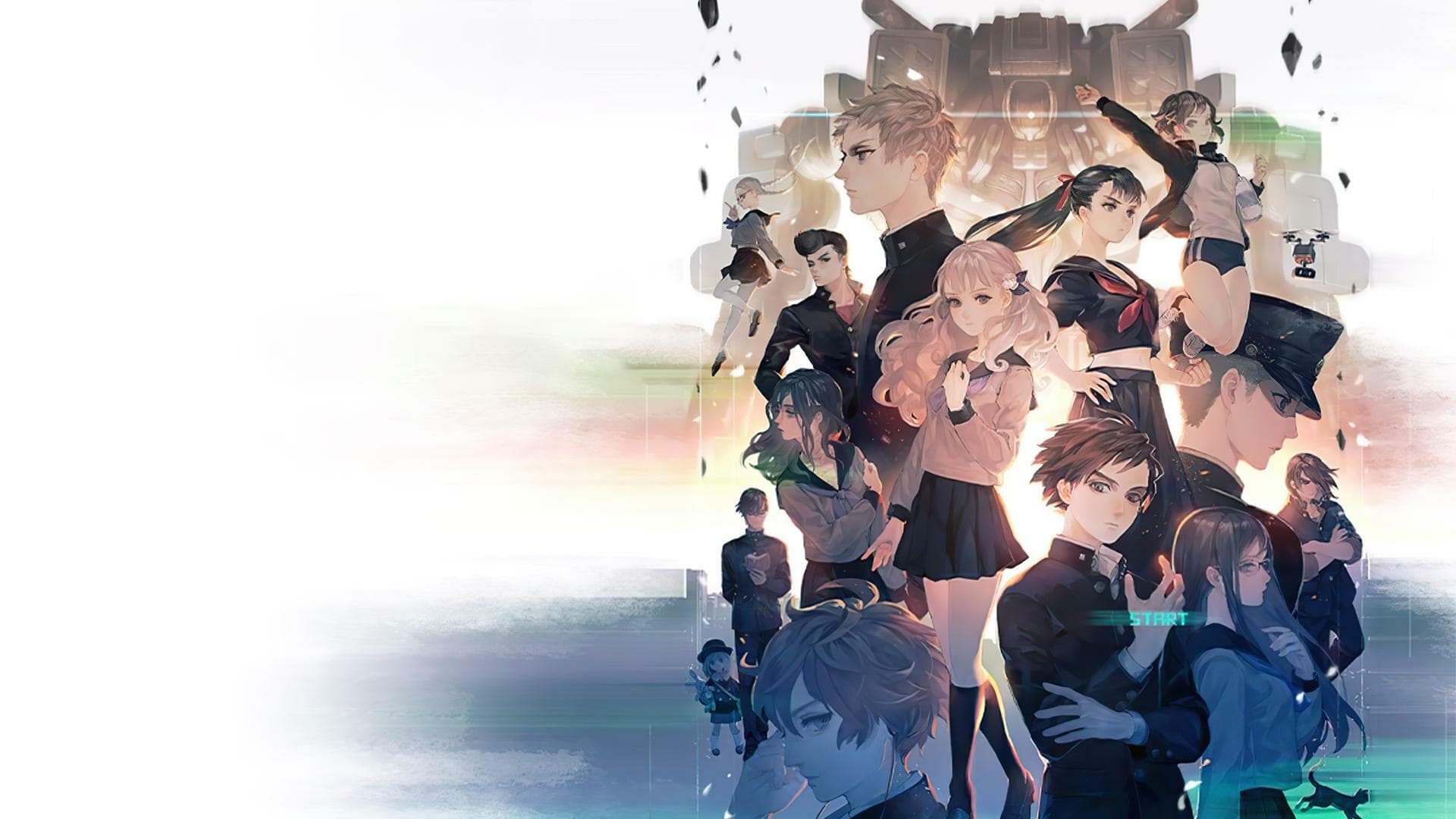
Atlus's 13 Sentinels: Aegis Rim tells a mystery across 13 protagonists in 2180 Japan, assembling the full picture from fragments that arrive out of order. The RTS mech battles are secondary to the visual novel sections. GPA scores it at the top for Story Depth and Text ADV — the combination that identifies it as primarily a reading experience with strategy attached.
Tag Similarity
Emotional Story
95%
Multiple Endings
70%
Existential Themes
80%
Story Depth
95%
Visual Novel / ADV
85%
Turn-Based
50%
Dark
60%
Logic
0%
Chart tags: Emotional Story / Multiple Endings / Existential Themes / Story Depth / Visual Novel / ADV / Turn-Based / Dark / Logic
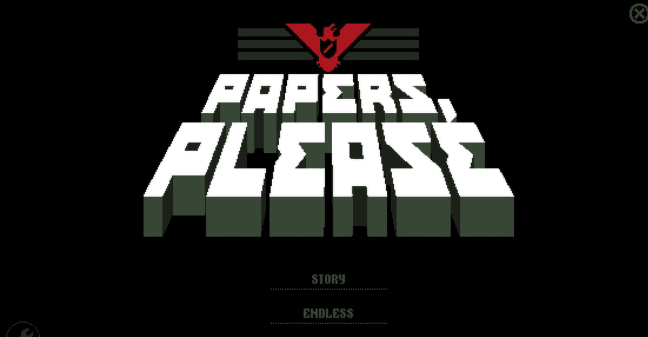
Papers, Please processes document verification at a fictional Soviet border checkpoint with escalating moral pressure. GPA scores it at the top for Existential Themes and Dark World.
Tag Similarity
Emotional Story
65%
Multiple Endings
70%
Existential Themes
75%
Story Depth
70%
Visual Novel / ADV
60%
Turn-Based
0%
Dark
75%
Logic
60%
Chart tags: Emotional Story / Multiple Endings / Existential Themes / Story Depth / Visual Novel / ADV / Turn-Based / Dark / Logic
1 in 8 Billion simulates a random life from birth to death using statistical data from the UN, WHO, and World Bank across 141 countries. Country of birth, family circumstances, and life events are all determined by real-world probability distributions. Korean solo developer Jin Hwi-eus built the initial version w
Tag Similarity
Emotional Story
40%
Multiple Endings
90%
Existential Themes
75%
Story Depth
40%
Visual Novel / ADV
72%
Turn-Based
0%
Dark
0%
Logic
0%
Chart tags: Emotional Story / Multiple Endings / Existential Themes / Story Depth / Visual Novel / ADV / Turn-Based / Dark / Logic
OneShot tells its player directly that they are the god of this world and Niko is their prophet. GPA scores it high on Existential Themes and Emotional Story.
Tag Similarity
Emotional Story
75%
Multiple Endings
50%
Existential Themes
80%
Story Depth
70%
Visual Novel / ADV
65%
Turn-Based
0%
Dark
0%
Logic
65%
Chart tags: Emotional Story / Multiple Endings / Existential Themes / Story Depth / Visual Novel / ADV / Turn-Based / Dark / Logic
The Stanley Parable traps an office worker in a loop while a narrator describes his choices in real time, then subverts every decision the player makes. The game's subject is the relationship between player and game. GPA scores it at the top for Existential Themes and Multiple Endings — the combination that describes a game where the act of playing is the content.
Tag Similarity
Emotional Story
70%
Multiple Endings
90%
Existential Themes
90%
Story Depth
75%
Visual Novel / ADV
80%
Turn-Based
0%
Dark
0%
Logic
50%
Chart tags: Emotional Story / Multiple Endings / Existential Themes / Story Depth / Visual Novel / ADV / Turn-Based / Dark / Logic
Live A Live HD-2D remasters the 1994 SNES cult RPG, preserving its anthology structure of seven standalone stories set across different eras. Each chapter has distinct mechanics. GPA scores it high on Multiple Endings and Story Depth — a positioning that reflects a game where the formal structure is the primary creative statement.
Tag Similarity
Emotional Story
90%
Multiple Endings
70%
Existential Themes
80%
Story Depth
90%
Visual Novel / ADV
65%
Turn-Based
80%
Dark
60%
Logic
0%
Chart tags: Emotional Story / Multiple Endings / Existential Themes / Story Depth / Visual Novel / ADV / Turn-Based / Dark / Logic
AI: The Somnium Files tasks detective Kaname Date with solving a murder by entering suspects' dream worlds to retrieve hidden memories. The Somnium sequences operate on surreal logic. GPA scores it at the top for Text ADV and Multiple Endings — the combination that places it alongside Disco Elysium as a game where reading and investigation are the entire experience.
Tag Similarity
Emotional Story
85%
Multiple Endings
85%
Existential Themes
75%
Story Depth
90%
Visual Novel / ADV
90%
Turn-Based
0%
Dark
65%
Logic
65%
Chart tags: Emotional Story / Multiple Endings / Existential Themes / Story Depth / Visual Novel / ADV / Turn-Based / Dark / Logic
Sea of Stars runs its solstice warrior story through a turn-based system that rewards precise timing on attacks and blocks. The pixel art captures the SNES-era JRPG aesthetic it references without being a pastiche. GPA scores it high on Turn-Based and Emotional Story — the combination that describes the game's relationship to its inspirations.
Tag Similarity
Emotional Story
70%
Multiple Endings
50%
Existential Themes
40%
Story Depth
75%
Visual Novel / ADV
50%
Turn-Based
85%
Dark
30%
Logic
0%
Chart tags: Emotional Story / Multiple Endings / Existential Themes / Story Depth / Visual Novel / ADV / Turn-Based / Dark / Logic
Persona 5 Royal puts a group of high school outcasts in charge of changing the hearts of corrupt adults through supernatural heists inside their subconscious. The Cognitive World setting drives both the visual identity and the narrative structure. GPA scores it near the top for Story Depth, Text ADV, and Multiple Endings — three axes that point at players who want a JRPG built around character writing rather than combat systems.
Tag Similarity
Emotional Story
75%
Multiple Endings
65%
Existential Themes
50%
Story Depth
80%
Visual Novel / ADV
65%
Turn-Based
75%
Dark
65%
Logic
40%
Chart tags: Emotional Story / Multiple Endings / Existential Themes / Story Depth / Visual Novel / ADV / Turn-Based / Dark / Logic
Lost Judgment expands the detective framework into a high school setting where Yagami investigates bullying and serial murder simultaneously. The club activity system adds social depth between cases. GPA scores it above Lost Judgment (2018) on Story Depth — the investigation structure and social commentary carry more weight in the sequel.
Tag Similarity
Emotional Story
70%
Multiple Endings
50%
Existential Themes
65%
Story Depth
90%
Visual Novel / ADV
65%
Turn-Based
0%
Dark
55%
Logic
20%
Chart tags: Emotional Story / Multiple Endings / Existential Themes / Story Depth / Visual Novel / ADV / Turn-Based / Dark / Logic
Dragon Quest XI follows a hero whose legend turns out to be more complicated than the prophecy suggested. The narrative subverts the Chosen One structure in ways that earn the emotional investment built across 80 hours. GPA scores it at the top for Turn-Based and Story Depth in the DQ series — the combination that drives its unusually high user scores.
Tag Similarity
Emotional Story
80%
Multiple Endings
50%
Existential Themes
40%
Story Depth
90%
Visual Novel / ADV
50%
Turn-Based
85%
Dark
40%
Logic
0%
Chart tags: Emotional Story / Multiple Endings / Existential Themes / Story Depth / Visual Novel / ADV / Turn-Based / Dark / Logic
Judgment follows disgraced defense attorney Takayuki Yagami through a Kamurocho murder investigation that ties into a pharmaceutical conspiracy. The detective mechanics — tailing suspects, drone surveillance — add variety to the brawler combat. GPA scores it high on Story Depth and Emotional Story, with Action above average for the narrative-focused positioning.
Tag Similarity
Emotional Story
70%
Multiple Endings
50%
Existential Themes
60%
Story Depth
85%
Visual Novel / ADV
60%
Turn-Based
0%
Dark
55%
Logic
20%
Chart tags: Emotional Story / Multiple Endings / Existential Themes / Story Depth / Visual Novel / ADV / Turn-Based / Dark / Logic
Outer Wilds gives players a solar system frozen in a 22-minute time loop and asks them to figure out what happened. No objectives are tracked. The entire mystery is assembled from observation and inference. GPA scores it at 90% for Existential Themes — second only to NieR:Automata — alongside high marks for Puzzle and Emotional Story.
Tag Similarity
Emotional Story
85%
Multiple Endings
0%
Existential Themes
90%
Story Depth
90%
Visual Novel / ADV
60%
Turn-Based
0%
Dark
50%
Logic
80%
Chart tags: Emotional Story / Multiple Endings / Existential Themes / Story Depth / Visual Novel / ADV / Turn-Based / Dark / Logic
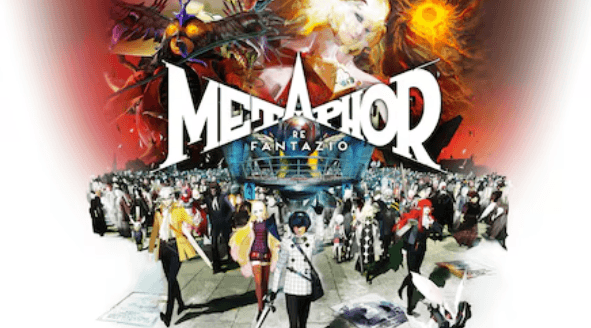
Metaphor: ReFantazio builds a fantasy political campaign around the Archetype system, which evolves job classes through use. The social management layer runs alongside the turn-based dungeon crawl. GPA scores it at the top for Turn-Based and Story Depth, sitting close to Persona 5 Royal in the similarity rankings while operating in a completely different setting.
Tag Similarity
Emotional Story
90%
Multiple Endings
65%
Existential Themes
85%
Story Depth
95%
Visual Novel / ADV
70%
Turn-Based
90%
Dark
75%
Logic
50%
Chart tags: Emotional Story / Multiple Endings / Existential Themes / Story Depth / Visual Novel / ADV / Turn-Based / Dark / Logic
Stray Gods: The Roleplaying Musical advances its Greek mythology story through sung argument. GPA scores it high on Text ADV and Multiple Endings.
Tag Similarity
Emotional Story
70%
Multiple Endings
75%
Existential Themes
0%
Story Depth
75%
Visual Novel / ADV
80%
Turn-Based
0%
Dark
0%
Logic
0%
Chart tags: Emotional Story / Multiple Endings / Existential Themes / Story Depth / Visual Novel / ADV / Turn-Based / Dark / Logic
About "UNDERTALE"
▸Game Composition (GPA Analysis)
アンダーテール(Undertale) leads with its Indie RPG identity, anchored by the core feel of "UNDERTALE subverts RPG combat conventions by making the choice not to fight a legitimate and rewarded strategy." The headline profile reads Emotional Story 95% / Multiple Endings 90% / Existential Themes 85%, making it a strong pick for fans of Emotional Story and Multiple Endings. Accessible enough for newcomers while offering enough depth to satisfy veterans.
▸Characteristics & Analysis
Our editorial team scored "アンダーテール(Undertale)" by using its feel of meta elements, 平和ルート, and emotional story as the primary lens, weighting Emotional Story and Multiple Endings most heavily. Top similar titles include "A Space for the Unbound(心に吹く花)", "デトロイト ビカム ヒューマン", "十三機兵防衛圏".
UNDERTALE Deep Dive — A Deceptively Classic RPG Hiding Meta Design and Moral Weight
What Kind of Game Is It? — A Distinctive Indie RPG
Released in 2015, almost entirely built and scored by Toby Fox, UNDERTALE looks like a familiar RPG at first glance — defeat monsters, gain levels, explore an underground world in pixel art with turn-based battles.
Start playing and the depth hits you. Saving, loading, menu choices, even quitting the application become plot-relevant meta behavior. GPA's indie-50 list treats it as a story-type flagship; the crying-story-15 article places it in the existential-loss category.
What GPA Scores Reveal About UNDERTALE
GPA's analysis places the game in this profile:
Experience profile — UNDERTALE
Emotional narrative ◀
95%
Multi-ending ◀
90%
Story depth
85%
Existential themes
85%
Text adventure
70%
Turn-based
60%
Small tags: meta elements, pacifist route, moving story, indie, legendary soundtrack.
95% Emotional Narrative and 90% Multi-ending mark a game where what you choose rewrites meaning. 60% Turn-based reflects battles built around commands and dodging, not stat grinding alone.
Target audience (50+ recommended)
Beginner
65
Intermediate
75
Advanced
55
Intermediate players are the sweet spot. Rules are easy; meta structure and route depth reward prior RPG literacy. Beginners still land in the recommended band at 65.
Under the Classic RPG Skin — Subverted Commands and Meta Twists
Fight / Act / Item / Mercy looks standard — until Mercy becomes the theme. Clearing without killing on a pacifist route is not a hidden gimmick; it asks what your choices say about you.
Save files and second-playthrough "memory" — actions outside the fiction feeding back into dialogue — were unusually polished for 2015. GPA's meta tag marks fourth-wall causalityas the game's signature.
Subverted command choices appear everywhere: pre-boss talk, Act options like Joke or Comfort — battle menus as conversation. Simple picks hide route branches and character attachment.
A Unique Battle System — Pixel Art, Bullet Patterns, and Skill Checks
On the enemy turn you move a heart-shaped Soul through bullet patterns — an RPG × shmup hybrid that turns pixel constraints into spectacle.
Each boss owns distinct patterns; some fights cannot be brute-forced with levels alone. Timing and screen edges matter — skill-based combat in a turn-based frame. Act to read personality, Mercy to reconcile, Fight to overpower — the same UI means different things per playstyle.
GPA's 55% Brain and 55% Dark balance pattern reads with moral weight — less reflex than action games, more text and recognition than pure RPGs.
Music and 2015 Pixel-Aesthetic Revival
Toby Fox's full soundtrack is a pillar of the game's reputation. Boss themes like "MEGALOVANIA" broke out beyond game circles — GPA's "legendary music" small tag fits the scene-song pairing.
Visuals deliberately evoke 16-bit RPGs. In a 2015 indie market pushing HD, choosing retro pixel homage was itself a statement: nostalgia as the door, modern meta-narrative inside.
vs Disco Elysium, Outer Wilds, and Celeste
Story-heavy indies GPA often lists nearby:
Story indie comparison — key GPA tags
UNDERTALE emotional ◀
95%
Disco Elysium emotional
90%
Outer Wilds existential
90%
UNDERTALE multi-ending ◀
90%
Celeste emotional
85%
UNDERTALE turn-based
60%
UNDERTALE = meta RPG; Disco = text CRPG; Outer Wilds = knowledge mystery; Celeste = action × mental health.
Disco Elysium is voice-driven CRPG dialogue. Outer Wilds is a solar-system mystery where knowledge is progress. Celeste pairs hard platforming with self-acceptance — UNDERTALE's niche is making RPG controls the story.
Summary — An Indie Origin Story That Still Holds Up
UNDERTALEwears classic RPG skin over meta design and moral weight. GPA's 95% Emotional Narrative and 90% Multi-ending confirm that a simple kill-or-spare question can rewrite an entire route — still cited since 2015.
Both Japanese and English are fully supported with no real awkwardness. For an indie title the loc is unusually careful — lines feel natural and build attachment to characters. Sans and Papyrus keep distinct voices in Japanese too. GPA's take: pick either language with confidence.
Q. Can I avoid spoilers?
First-play surprises are core to the experience — avoid spoilers when possible. Route branches and meta beats lose half their punch if you know them upfront. GPA's streaming article flags spoiler control as mandatory for good reason.
Q. How long to finish?
First run is roughly 6–10 hours. Pacifist and True Pacifist routes need extra play. Compact length, but second runs often feel more than twice as dense.
Q. Fine if I dislike RPGs?
Turn-based leveling exists but overall difficulty stays gentle — and over-leveling can actually break routes. GPA's 65 beginner score marks an easy entry even for RPG newcomers.