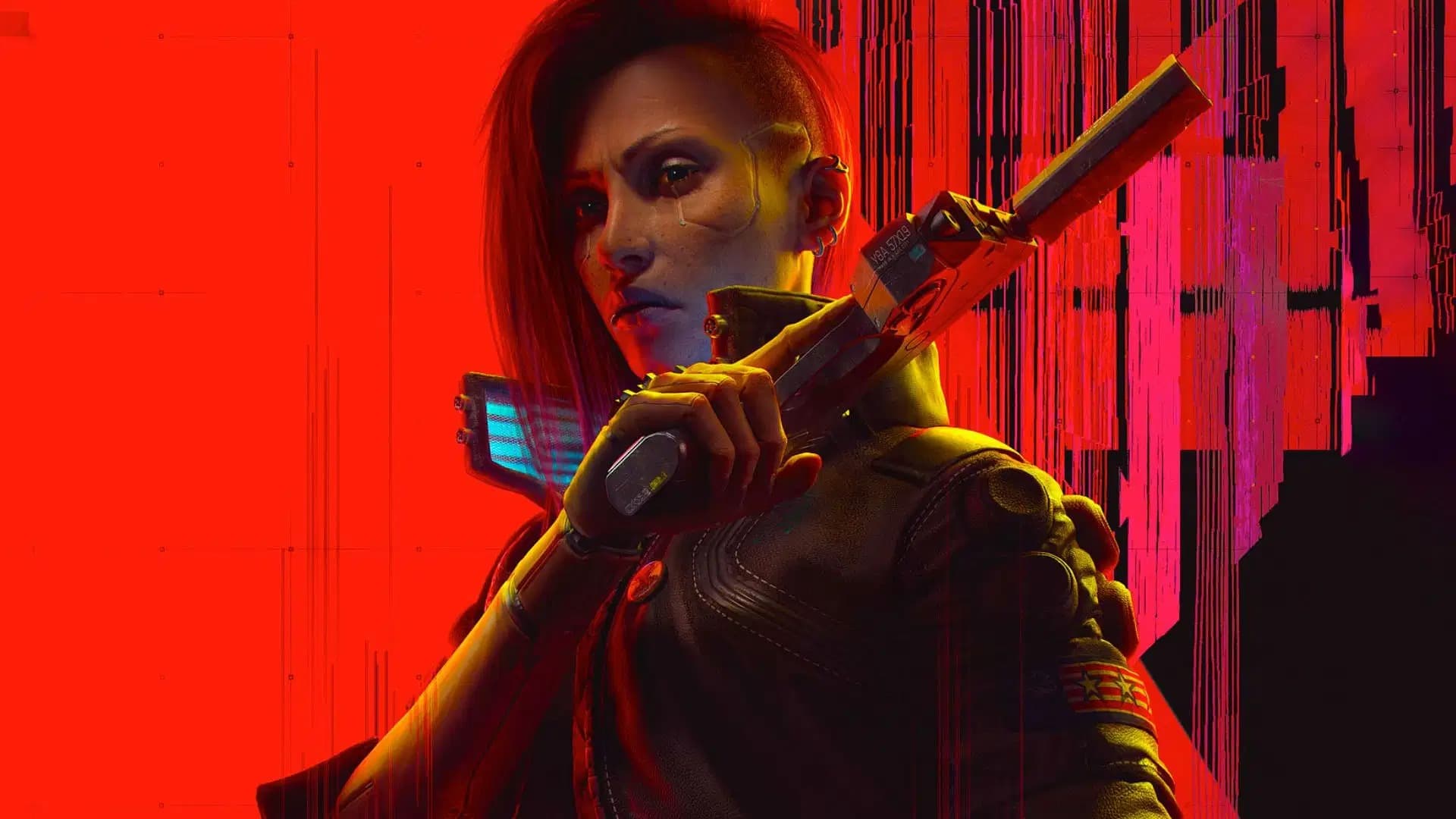
Cyberpunk 2077 recovered from a disastrous launch to become one of the most content-rich open world RPGs available. Night City rewards lateral exploration — side quests carry the writing quality of the main story. GPA scores it at 90% for Dark World and Open World, with Multiple Endings above 75 — the ending branches respond to choices made across the full campaign.
Game Characteristics
Dystopian Setting
90%
Graphics
90%
Story Depth
85%
Open World
85%
Emotional Story
80%
Dark
80%
Multiple Endings
75%
Action
70%
Existential Themes
70%
High Difficulty
50%
Visual Novel / ADV
50%
Roguelike
40%
Player profile fit
Recommended for: Beginner to Advanced players (A score of 50 or higher indicates a good fit.)
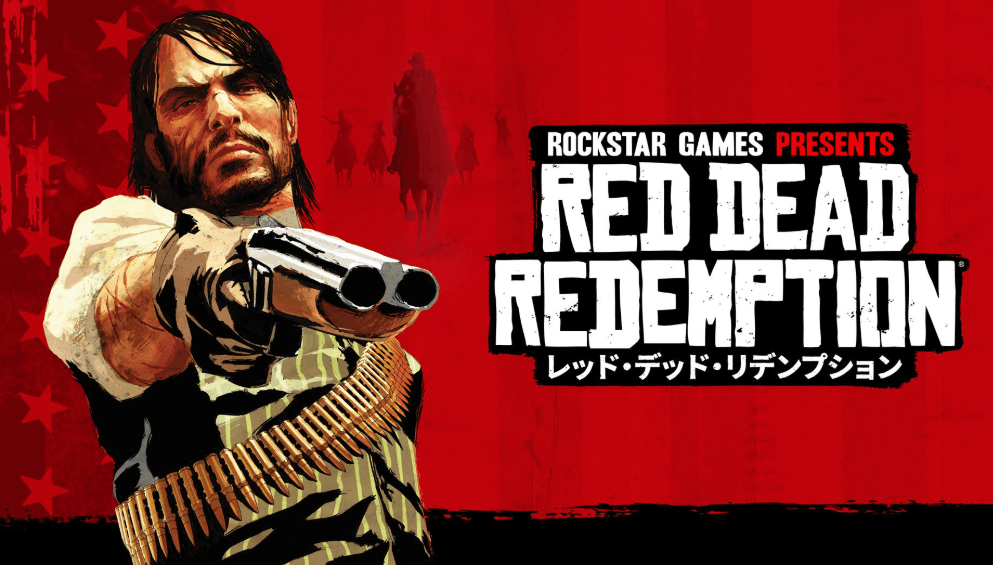
Red Dead Redemption follows John Marston across the dying American frontier in 1911, forced by government agents to hunt down his former gang in exchange for his family's freedom. The open world covers the American Southwest and Mexico, with horse travel as the primary pacing mechanism. The Undead Nightmare expansion reframes the same map as a zombie survival scenario. Originally released in 2010, the game reached Switch and PS4 in 2023 and Switch 2, PS5, and Xbox Series in December 2025. GPA scores it high on Emotional Story and Dark World — the prequel to RDR2 that established the series' identity.
Tag Similarity
Dystopian Setting
80%
Graphics
70%
Story Depth
85%
Open World
85%
Emotional Story
88%
Dark
65%
Multiple Endings
45%
Action
75%
Chart tags: Dystopian Setting / Graphics / Story Depth / Open World / Emotional Story / Dark / Multiple Endings / Action
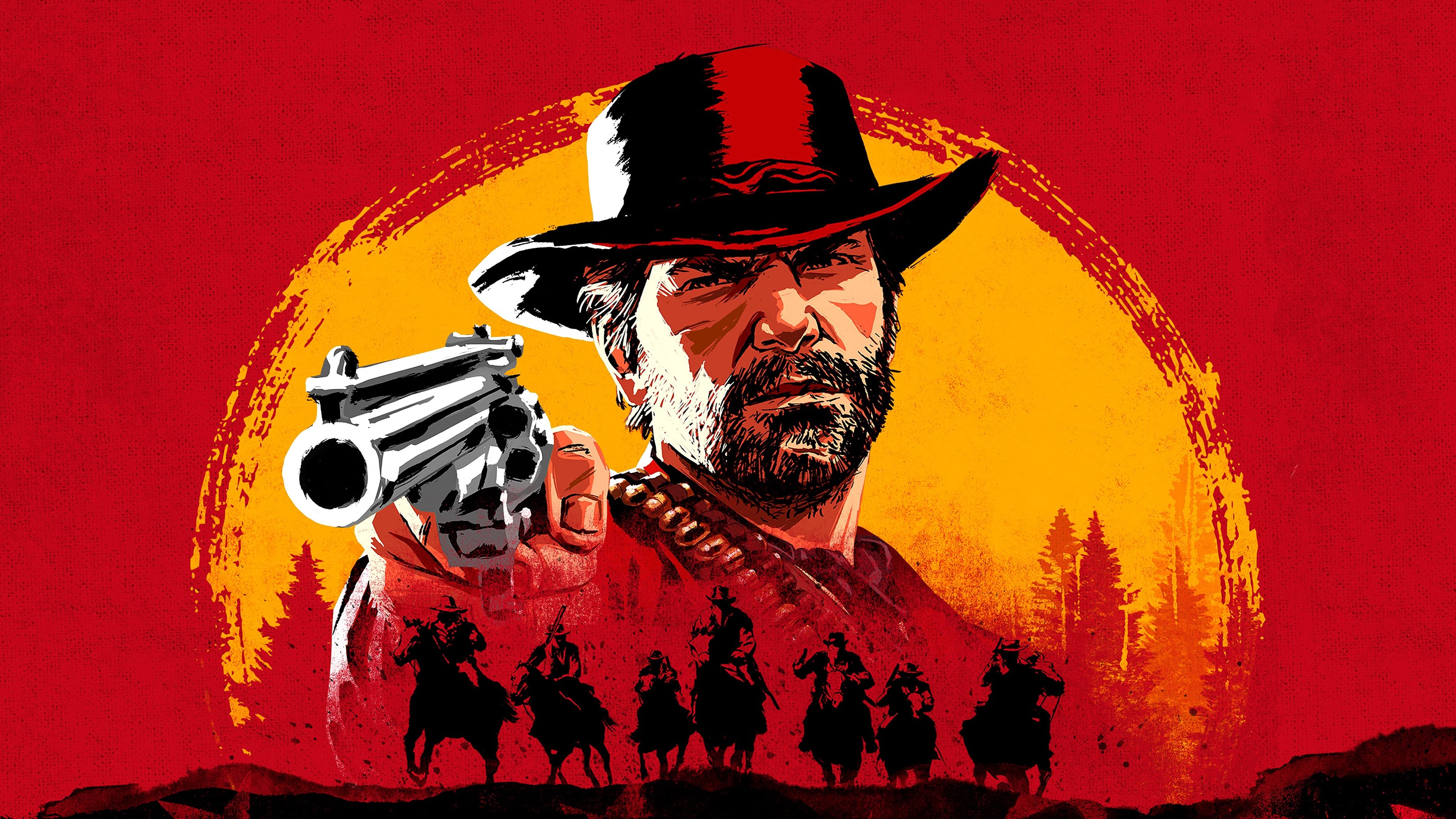
Red Dead Redemption 2 follows Arthur Morgan through the decline of the Van der Linde gang, building the open world of the American frontier with unusual attention to ambient detail. Honor affects dialogue and endings. GPA scores it at the top for Emotional Story and Story Depth among open-world titles — a combination that prioritizes players who want the world to feel inhabited.
Tag Similarity
Dystopian Setting
70%
Graphics
95%
Story Depth
95%
Open World
90%
Emotional Story
95%
Dark
65%
Multiple Endings
55%
Action
65%
Chart tags: Dystopian Setting / Graphics / Story Depth / Open World / Emotional Story / Dark / Multiple Endings / Action
Ghost of Tsushima hands Jin Sakai a katana and an open version of feudal Japan and largely steps aside. The wind navigation system replaces minimap markers. GPA scores it high on Emotional Story and Dark World, with Open World sitting close behind — a combination that describes an action game built around atmosphere as much as combat.
Tag Similarity
Dystopian Setting
50%
Graphics
95%
Story Depth
80%
Open World
70%
Emotional Story
75%
Dark
30%
Multiple Endings
50%
Action
85%
Chart tags: Dystopian Setting / Graphics / Story Depth / Open World / Emotional Story / Dark / Multiple Endings / Action
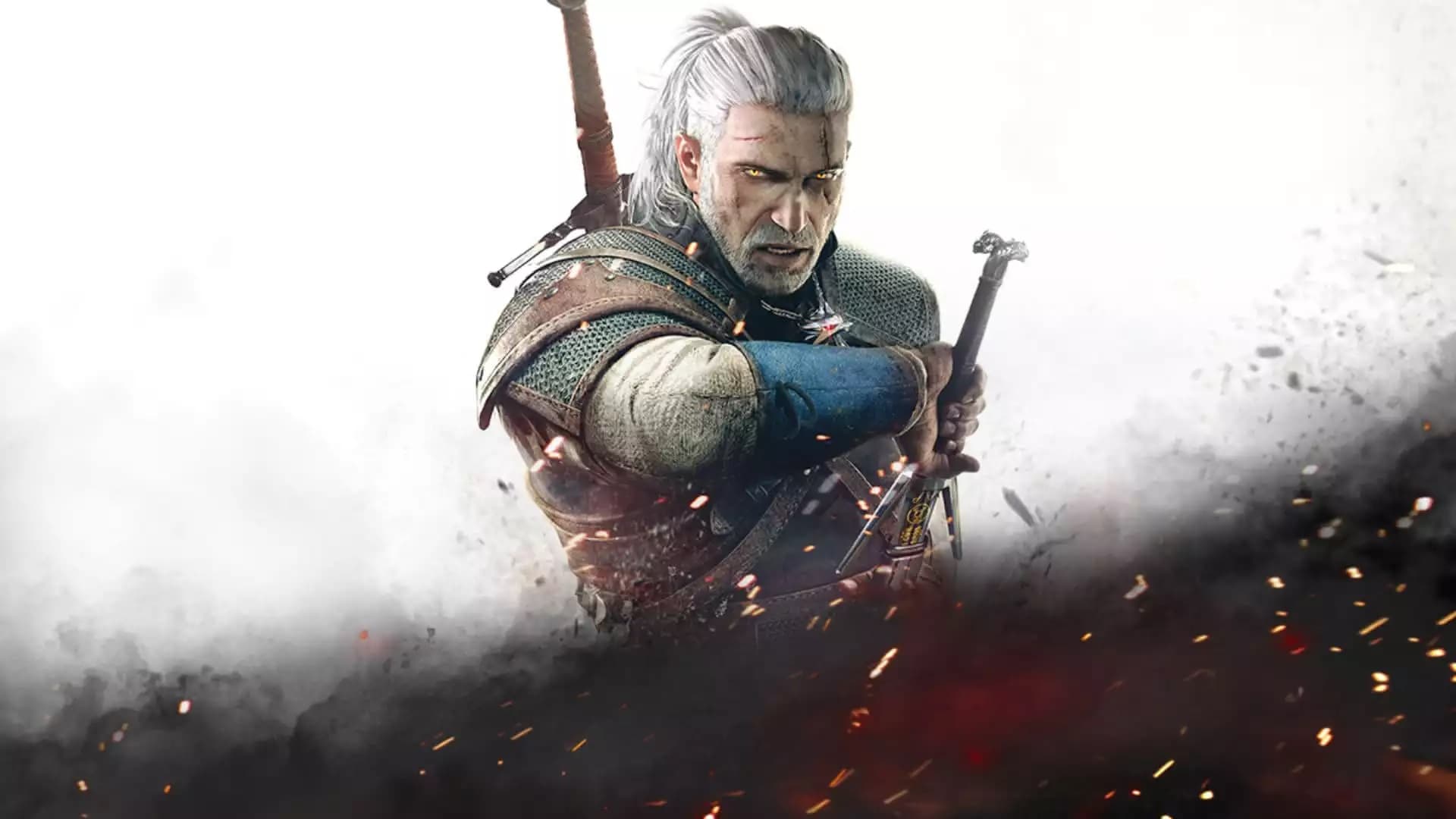
The Witcher 3 builds its open world around the quality of its writing rather than the size of its map. Side quests carry the same narrative investment as the main story. GPA scores it at the top for Story Depth and Emotional Story among open-world RPGs — a positioning shared with very few titles of comparable scale.
Tag Similarity
Dystopian Setting
75%
Graphics
85%
Story Depth
95%
Open World
90%
Emotional Story
90%
Dark
70%
Multiple Endings
80%
Action
75%
Chart tags: Dystopian Setting / Graphics / Story Depth / Open World / Emotional Story / Dark / Multiple Endings / Action
Marvel's Spider-Man 2 plays as Peter Parker and Miles Morales in alternating sections, with Venom and the symbiote system as the central threat. Manhattan traversal is faster than any previous entry. GPA scores it high on Action and Emotional Story — a sequel that deepens the relationship writing more than it changes the combat.
Tag Similarity
Dystopian Setting
40%
Graphics
95%
Story Depth
80%
Open World
70%
Emotional Story
80%
Dark
45%
Multiple Endings
50%
Action
85%
Chart tags: Dystopian Setting / Graphics / Story Depth / Open World / Emotional Story / Dark / Multiple Endings / Action
Horizon Forbidden West continues Aloy's investigation into the machine ecosystem collapse across western North America, adding underwater exploration and a wider variety of machine types. GPA scores it high on Open World and Story Depth — a sequel that expands the geographic and narrative scope of Zero Dawn without changing its fundamental design.
Tag Similarity
Dystopian Setting
55%
Graphics
85%
Story Depth
80%
Open World
85%
Emotional Story
75%
Dark
45%
Multiple Endings
50%
Action
80%
Chart tags: Dystopian Setting / Graphics / Story Depth / Open World / Emotional Story / Dark / Multiple Endings / Action
Rise of the Ronin puts Team Ninja's high-difficulty sword combat into an open-world Bakumatsu setting, with historical figures appearing as companions and antagonists. GPA scores it high on Action and Difficulty — the open-world pivot that applies Nioh's combat depth to a larger structural format.
Tag Similarity
Dystopian Setting
50%
Graphics
75%
Story Depth
70%
Open World
70%
Emotional Story
65%
Dark
55%
Multiple Endings
55%
Action
80%
Chart tags: Dystopian Setting / Graphics / Story Depth / Open World / Emotional Story / Dark / Multiple Endings / Action
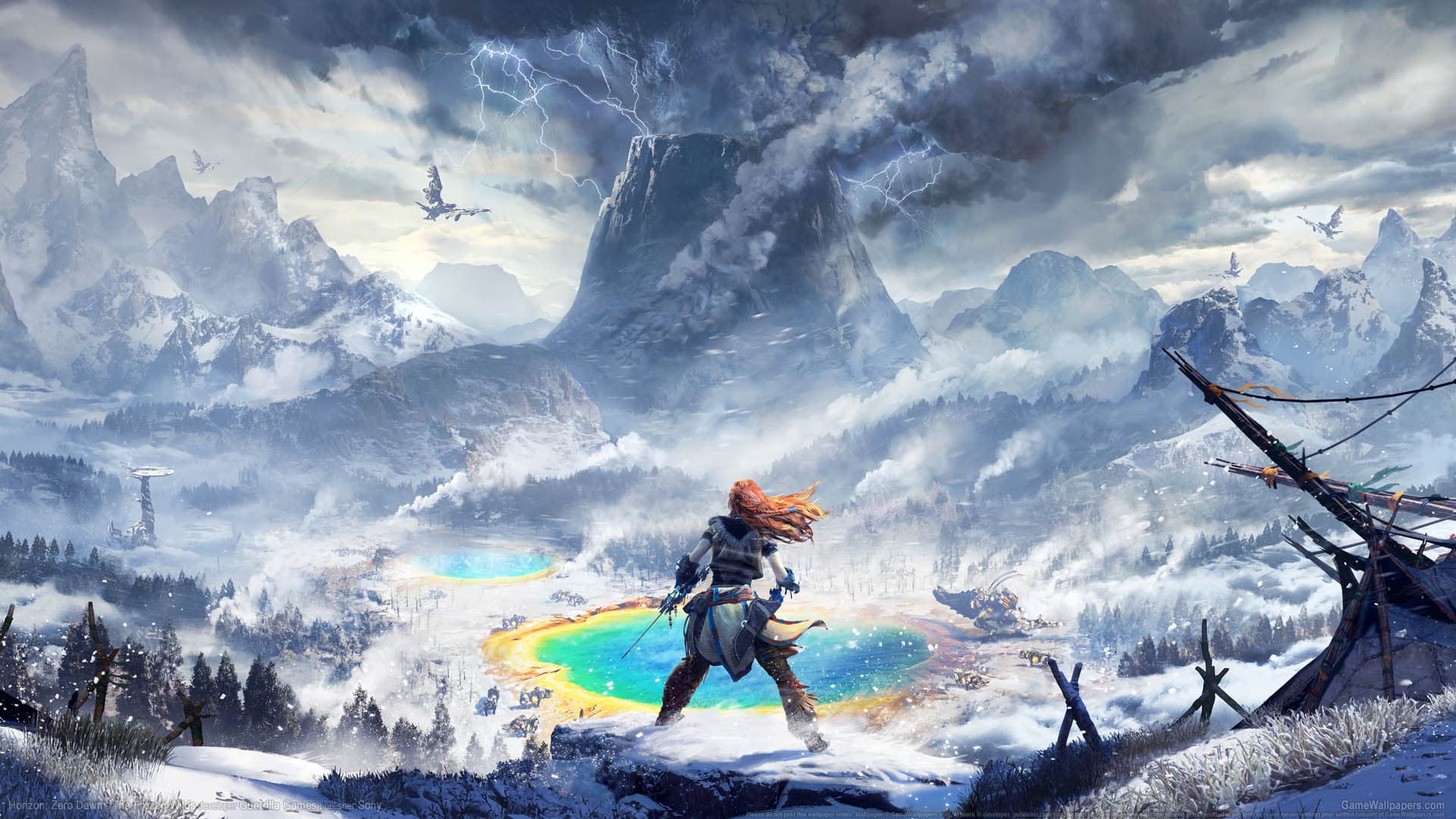
Horizon Zero Dawn explains its post-apocalyptic world through environmental storytelling and collectibles before the main quest confirms anything. The machine combat rewards studying behavior patterns. GPA scores it high on Open World and Story Depth, with Emotional Story above 75 — a combination that describes an action game where the world-building carries as much weight as the combat.
Tag Similarity
Dystopian Setting
60%
Graphics
80%
Story Depth
85%
Open World
85%
Emotional Story
80%
Dark
50%
Multiple Endings
45%
Action
80%
Chart tags: Dystopian Setting / Graphics / Story Depth / Open World / Emotional Story / Dark / Multiple Endings / Action
The Elder Scrolls V: Skyrim gave players a province-sized open world and enough quest content to sustain thousands of hours. The modding scene extended that lifespan indefinitely. GPA scores it at the maximum for Open World — the defining axis — with Story Depth mid-range, reflecting breadth of content over narrative density.
Tag Similarity
Dystopian Setting
60%
Graphics
65%
Story Depth
80%
Open World
90%
Emotional Story
65%
Dark
40%
Multiple Endings
70%
Action
75%
Chart tags: Dystopian Setting / Graphics / Story Depth / Open World / Emotional Story / Dark / Multiple Endings / Action
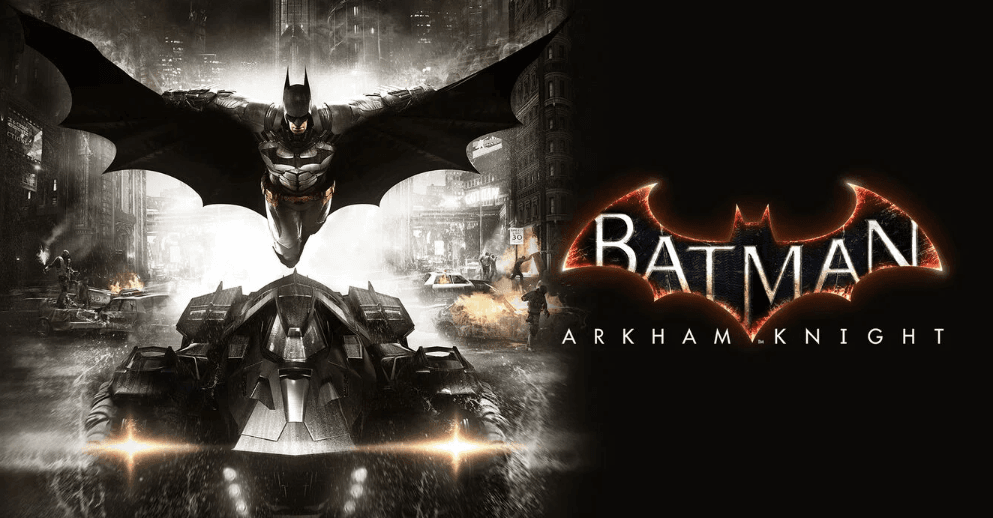
Batman: Arkham Knight closes the Arkham trilogy with the Batmobile fused into the combat and traversal systems. Gotham at night is the strongest visual presentation in the series. GPA scores it high on Action and Dark World — the combination that defines the Arkham series across all entries.
Tag Similarity
Dystopian Setting
65%
Graphics
90%
Story Depth
75%
Open World
70%
Emotional Story
70%
Dark
60%
Multiple Endings
55%
Action
85%
Chart tags: Dystopian Setting / Graphics / Story Depth / Open World / Emotional Story / Dark / Multiple Endings / Action
NieR Replicant ver.1.22 upgrades the 2010 original with Automata's combat system and expanded lore content. The multiple playthroughs reveal the story's full moral weight incrementally. GPA scores it close to Automata on Existential Themes, with Emotional Story slightly lower — a starting point for players who want the complete Yoko Taro narrative context.
Tag Similarity
Dystopian Setting
75%
Graphics
65%
Story Depth
85%
Open World
30%
Emotional Story
85%
Dark
70%
Multiple Endings
75%
Action
75%
Chart tags: Dystopian Setting / Graphics / Story Depth / Open World / Emotional Story / Dark / Multiple Endings / Action
Grand Theft Auto V switches between three playable criminals across a satirical Los Santos, building to heist sequences that require coordinated planning. GTA Online has sustained a parallel game since 2013. GPA scores it high on Open World and Action — the entry that defined open-world crime sandbox design for a generation.
Tag Similarity
Dystopian Setting
70%
Graphics
80%
Story Depth
75%
Open World
90%
Emotional Story
65%
Dark
60%
Multiple Endings
40%
Action
85%
Chart tags: Dystopian Setting / Graphics / Story Depth / Open World / Emotional Story / Dark / Multiple Endings / Action
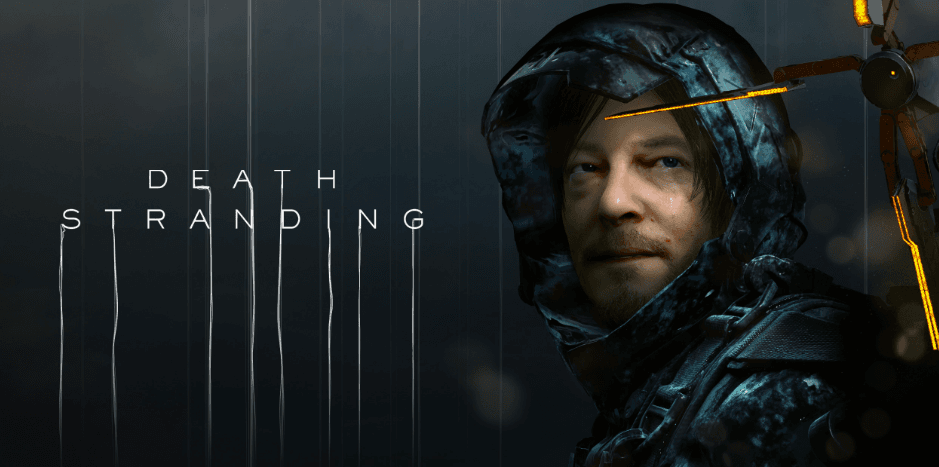
Death Stranding asks players to reconnect a post-apocalyptic America by carrying cargo across difficult terrain. Other players' structures appear in your world. GPA scores it high on Existential Themes and Open World, with the lowest Action score among open-world titles — a combination that accurately identifies who this game is and isn't for.
Tag Similarity
Dystopian Setting
80%
Graphics
90%
Story Depth
85%
Open World
80%
Emotional Story
80%
Dark
60%
Multiple Endings
50%
Action
0%
Chart tags: Dystopian Setting / Graphics / Story Depth / Open World / Emotional Story / Dark / Multiple Endings / Action
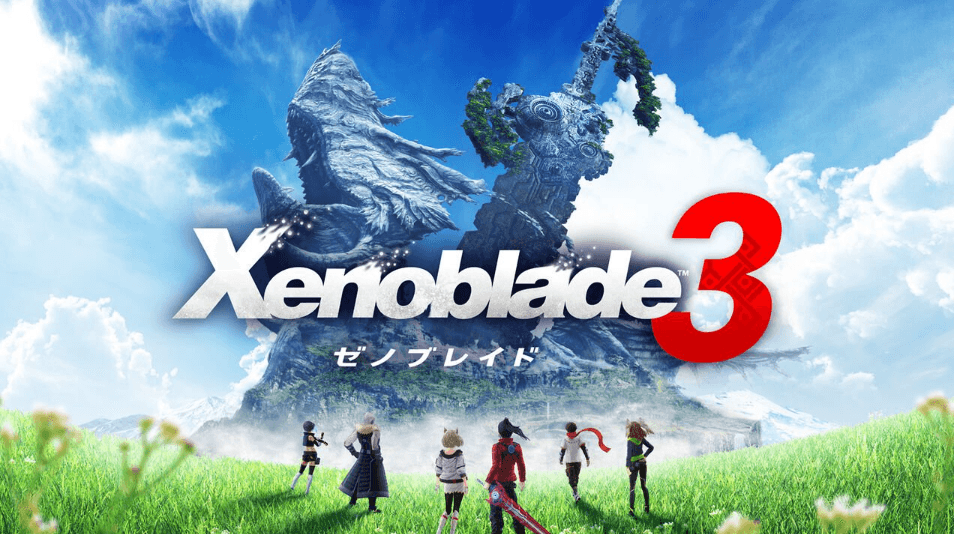
Xenoblade Chronicles 3 connects the worlds of the first two games through a story about soldiers fighting a war no one can explain. The real-time combat scales with party composition through the Ouroboros system. GPA scores it high on Turn-Based and Emotional Story, with Story Depth above average — a JRPG where the narrative's ambitions match its length.
Tag Similarity
Dystopian Setting
50%
Graphics
80%
Story Depth
85%
Open World
60%
Emotional Story
80%
Dark
50%
Multiple Endings
60%
Action
70%
Chart tags: Dystopian Setting / Graphics / Story Depth / Open World / Emotional Story / Dark / Multiple Endings / Action
Judgment follows disgraced defense attorney Takayuki Yagami through a Kamurocho murder investigation that ties into a pharmaceutical conspiracy. The detective mechanics — tailing suspects, drone surveillance — add variety to the brawler combat. GPA scores it high on Story Depth and Emotional Story, with Action above average for the narrative-focused positioning.
Tag Similarity
Dystopian Setting
30%
Graphics
50%
Story Depth
85%
Open World
40%
Emotional Story
70%
Dark
55%
Multiple Endings
50%
Action
40%
Chart tags: Dystopian Setting / Graphics / Story Depth / Open World / Emotional Story / Dark / Multiple Endings / Action
The Last of Us Part II follows Ellie's revenge arc and then Abby's perspective on the same events, making players responsible for actions from both sides. The violence is sustained and purposeful. GPA scores it high on Emotional Story and Dark World — the combination that identifies a narrative experience designed to be uncomfortable.
Tag Similarity
Dystopian Setting
60%
Graphics
90%
Story Depth
95%
Open World
0%
Emotional Story
90%
Dark
75%
Multiple Endings
40%
Action
80%
Chart tags: Dystopian Setting / Graphics / Story Depth / Open World / Emotional Story / Dark / Multiple Endings / Action
Lost Judgment expands the detective framework into a high school setting where Yagami investigates bullying and serial murder simultaneously. The club activity system adds social depth between cases. GPA scores it above Lost Judgment (2018) on Story Depth — the investigation structure and social commentary carry more weight in the sequel.
Tag Similarity
Dystopian Setting
30%
Graphics
55%
Story Depth
90%
Open World
40%
Emotional Story
70%
Dark
55%
Multiple Endings
50%
Action
40%
Chart tags: Dystopian Setting / Graphics / Story Depth / Open World / Emotional Story / Dark / Multiple Endings / Action
Fallout 4 builds its Commonwealth wasteland around base construction that lets players fortify settlements and supply routes across the map. The companion system adds relationship tracking to the exploration loop. GPA scores it high on Open World and Craft — the Fallout entry that most thoroughly integrated building mechanics into the open-world framework.
Tag Similarity
Dystopian Setting
90%
Graphics
70%
Story Depth
65%
Open World
85%
Emotional Story
60%
Dark
70%
Multiple Endings
75%
Action
60%
Chart tags: Dystopian Setting / Graphics / Story Depth / Open World / Emotional Story / Dark / Multiple Endings / Action
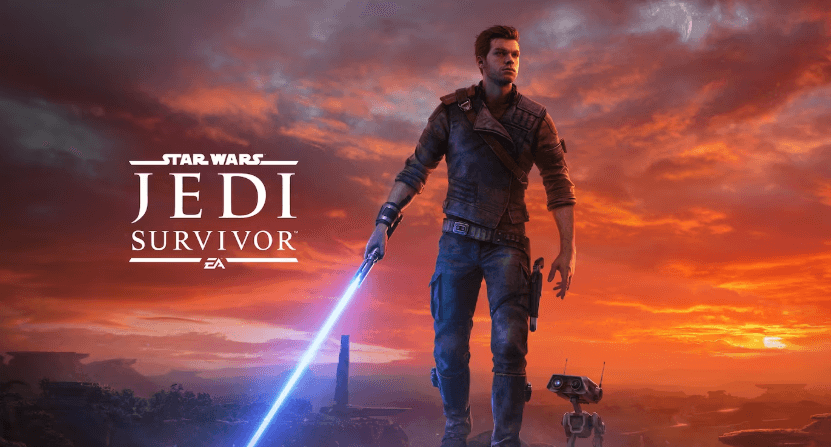
Star Wars Jedi: Survivor continues Cal Kestis's journey through a galaxy under Imperial consolidation, adding new lightsaber stances and a Metroidvania planet structure. GPA scores it high on Action and Story Depth — a sequel that deepens the combat options and the political stakes from Fallen Order.
Tag Similarity
Dystopian Setting
50%
Graphics
85%
Story Depth
70%
Open World
60%
Emotional Story
70%
Dark
50%
Multiple Endings
45%
Action
80%
Chart tags: Dystopian Setting / Graphics / Story Depth / Open World / Emotional Story / Dark / Multiple Endings / Action
About "Cyberpunk 2077"
▸Game Composition (GPA Analysis)
サイバーパンク2077(Cyberpunk 2077) leads with its Action RPG identity, anchored by the core feel of "Cyberpunk 2077 recovered from a disastrous launch to become one of the most content-rich open world RPGs available." The headline profile reads Dystopian Setting 90% / Graphics 90% / Story Depth 85%, making it a strong pick for fans of Dystopian Setting and Graphics. Oriented toward experienced players looking to push their limits.
▸Characteristics & Analysis
Our editorial team scored "サイバーパンク2077(Cyberpunk 2077)" by using its feel of cyberpunk, open world, and アンダーグラウンド as the primary lens, weighting Dystopian Setting and Graphics most heavily. Top similar titles include "レッド・デッド・リデンプション(Red Dead Redemption)", "レッド・デッド・リデンプション2(RDR2)", "ゴースト オブ ツシマ".
Review — Cyberpunk 2077: the more freedom you have, the more Night City reveals
Game Overview
Cyberpunk 2077 is an open-world action RPG set in Night City, a massive metropolis where corporations, criminals, mercenaries, and technology collide.
You play as V, a mercenary trying to make a name for themselves while becoming increasingly involved in the city's underworld. Character appearance, cyberware, weapons, abilities, and playstyle can all be customized, while your decisions can also affect the course of the story.
GPA gives the game 90% for Dystopian Setting, 90% for Graphics, 85% for Story Depth, and 85% for Open World.
Action is rated at 70%, which reflects the strength of its gunplay, melee combat, and hacking systems.
But combat is only part of what makes Cyberpunk 2077 interesting.
You explore the city, meet people, take jobs, build relationships, and gradually create your own version of V.
Gameplay Analysis
Night City Is More Than a Map
One of the strongest parts of Cyberpunk 2077 is simply moving through Night City.
The city center is filled with skyscrapers and neon lights. Other districts are dominated by poverty, crime, industrial areas, or vast stretches of desert outside the city.
The atmosphere changes as you move between them.
You can follow the main story, but you can also spend hours taking side jobs, meeting characters, exploring unfamiliar locations, or simply driving through the city.
Those detours don't feel completely separate from the main experience.
They gradually build your sense of V's life in Night City.
That's what GPA's 85% Open World score represents more than map size alone.
The important part is having enough freedom to decide where to go and what kind of life you want to lead while you're there.
Building Your Own V
V can be developed in very different ways.
You can rely on guns and fight enemies head-on.
You can focus on stealth.
You can use hacking to weaken enemies from a distance.
Or you can build a character around close-range weapons and aggressive combat.
Cyberware and skills allow these different approaches to coexist within the same game. CD PROJEKT RED specifically highlights customization ranging from V's appearance and cyberware to their overall playstyle.
That flexibility makes character progression more than a simple process of finding stronger equipment.
It lets you decide what kind of mercenary V is becoming.
Your Choices Shape Your Relationships
The choices in Cyberpunk 2077 aren't limited to dialogue options.
You decide who to trust, which jobs to accept, how far you're willing to help someone, and when to put your own interests first.
Some decisions can influence relationships and later developments.
One of the most important relationships is the one between V and Johnny Silverhand.
Johnny isn't simply a character who gives the player information.
His presence forces V to think about identity, mortality, and what kind of life is actually worth living.
V begins the story wanting to survive and become successful in Night City.
But as the story develops, the question becomes more personal:
What do you want to leave behind?
GPA's 80% Emotional Story, 70% Existential Themes, and 75% Multiple Endings reflect this side of the game.
Freedom Doesn't Mean You Can Escape Everything
Open-world games often sell the idea of freedom.
Cyberpunk 2077 gives you plenty of it.
You can explore the city, build V in different ways, choose which jobs to pursue, and decide how to approach many situations.
But V's life is far from free.
The protagonist is dealing with a serious threat to their own survival while becoming entangled with corporations, criminal organizations, and competing factions.
Night City gives you choices.
It doesn't guarantee that any of them will lead to a happy outcome.
Sometimes every option comes with a cost.
That tension between freedom and inevitability is one of the most interesting parts of the game's story.
Cyberpunk as a World You Actually Play In
The cyberpunk setting isn't just decoration.
Corporations dominate the city, human bodies can be modified with technology, and money and connections can determine whether someone survives.
At the same time, poverty, violence, and crime exist just beneath the city's bright surface.
The wealthy live among massive skyscrapers while other people struggle to survive in the streets below.
The same city can look completely different depending on where you stand.
That's why GPA's 90% Dystopian Setting and 80% Dark scores make sense.
The setting isn't simply about neon lights and futuristic technology.
It's about the society built around them.
A Beautiful City That Can Feel Suffocating
The game's 90% Graphics score isn't only about technical detail.
Night City is visually striking.
Neon signs, giant advertisements, crowded streets, rain-covered roads, and towering buildings create a memorable futuristic landscape.
But walk a few blocks away from the main streets and the atmosphere can change completely.
Crime and poverty sit directly beneath the city's polished surface.
That contrast between visual beauty and social decay is a major part of Night City's identity.
Phantom Liberty Expands the Experience
The Phantom Liberty expansion adds a new side of Night City through Dogtown, a dangerous district cut off from the rest of the city.
V becomes involved in a spy-thriller storyline after an orbital shuttle carrying the president of the New United States crashes over the area.
The expansion adds new characters, quests, weapons, items, and a new skill tree, while giving Night City another story focused on espionage and political power.
Its tone is somewhat different from the main game, but it fits naturally into the larger world.
Instead of simply adding more places to visit, it gives V another reason to see how the city's power structures work.
What the GPA Scores Tell Us
The current GPA profile looks like this:
Title tendency chart (Cyberpunk 2077)
Dystopian Setting ◀
90%
Graphics ◀
90%
Story Depth ◀
85%
Open World ◀
85%
Emotional Story
80%
Dark
80%
Multiple Endings
75%
Action
70%
Existential Themes
70%
High Difficulty
50%
Visual Novel / ADV
50%
Roguelike
40%
* Based on GPA sub-tag scores. World, exploration, and story rank above action.
The profile shows why Cyberpunk 2077 is more than a standard open-world action RPG.
The 70% Action score reflects the quality and flexibility of its combat.
But the higher scores belong to its world, visuals, story, and open-world structure.
In other words, the game works best when you aren't simply rushing from one mission marker to another.
Take the time to explore.
Meet people.
Follow side stories.
Build relationships.
Let Night City become part of V's story.
GPA rates the game at 50% for Beginners, 70% for Intermediate players, and 70% for Advanced players, suggesting that its appeal isn't limited to experienced RPG players.
Author's Thoughts
What I like most about Cyberpunk 2077 is that the main story doesn't have to be the only thing that feels important.
You might be driving toward your next objective and decide to take a detour.
You might notice a character on the street.
You might accept a small job that turns into something much bigger.
Then you head somewhere else and get pulled into another story.
Eventually, those seemingly unrelated moments become part of your experience of V.
As the story progresses, the question also shifts.
It's no longer just about becoming successful in Night City.
It's about deciding how you want to live.
Do you trust your friends?
Do you work with corporations?
Do you put survival above everything else?
Do you stick to your principles even when doing so costs you something?
Night City gives V a lot of freedom.
But that freedom always comes with a price.
And that's what makes the city so compelling.
Conclusion
Cyberpunk 2077 is an open-world RPG where you explore Night City, build your own version of V, and make choices that shape relationships and the story around you.
Its combat and character customization give you plenty of freedom in how you play.
But the real strength of the game comes from the combination of its city, characters, side stories, and choices.
With 90% Dystopian Setting, 90% Graphics, 85% Story Depth, 85% Open World, and 80% Emotional Story, GPA's profile reflects a game whose strengths extend far beyond combat.
Night City isn't simply the setting for V's story. It is a place where you spend time, make choices, meet people, and decide what kind of life you want to live.
That's what makes Cyberpunk 2077 more than a game about a futuristic city.
It's a game about finding your own way through it.